
Android Online Course
 19000
19000 Ratings


- Join the Best Android Online Training to Build Mobile Apps with Real-Time Project Skills.
- Covers Java/Kotlin, Android Studio, UI Design, SQLite, Firebase, APIs, and Play Store Deployment.
- Android Certification Course with Career-Focused Placement Assistance.
- Flexible Android Training Options: Weekday, Weekend, or Fast-Track Online Batches.
- Learn with Real-Time Projects and Practical Sessions from Experienced Android Developers.
- Get Help with Resume Writing, Mock Interviews, and Career Development in Mobile App Dev.
Course Duration
50+ HrsLive Project
3 ProjectCertification Pass
GuaranteedTraining Format
Live Online (Expert Trainers)Quality Training With Affordable Fee
 Fees Starts From

12970+
Professionals Trained
9+
Batches every month
3675+
Placed Students
298+
Corporate ServedWhat You'll Learn
This Android Online Course is designed for both beginners and experienced developers.
Learn key concepts like UI/UX design, user interactions, and app navigation to build intuitive mobile apps.
Android Online Training Master the skills to build, test, and debug Android applications for optimal performance and user experience.
Gain practical experience by working on real-world projects, databases, and other essential features.
Expand your knowledge of Android libraries and frameworks to optimize app functionality and performance.
Successfully complete the course and earn a certificate to enhance your career as a skilled Android developer.
Android Training Objectives
- Continued growth of Android's market dominance.
- High demand for skilled Android developers.
- Adoption of advanced features like AI and machine learning.
- Integration with cloud platforms and focus on mobile app security.
- Career opportunities in mobile gaming, IoT and cross-platform development.
- Introduction to Android Development and Setup
- Android UI Design and Layouts
- Activity Lifecycle and Intents
- Networking and API Integration
- Android Studio and Debugging Tools
- Artificial Intelligence (AI)
- Automotive Technology
- Finance
- Smart Home Automation
- Health and Fitness
- Gaming and Entertainment
- Credibility as a Certified Android Developer
- Hands-on Experience with Android Development
- Global Recognition of Android Development Expertise
Request more informations
WhatsApp (For Call & Chat):
+91 72003 88604
Android Course Benefits
Android Certification Course offers practical training in Android app development through android internships in the real world. Learn Java, Kotlin, UI design, APIs, and other topics. We guarantee that you will find well-paying employment opportunities with our 100% Android Placement guarantee. Everyone can access it thanks to flexible course costs that are based on your training style and area of expertise.
- Designation
-
Annual SalaryHiring Companies








About Your Android Certification Training
Android Online Course is intended to provide you with an in-depth knowledge of Android app development using practical exercise and real-world projects. While creating useful Android apps you will gain knowledge of important concepts including Kotlin, Java, UI design, APIs, and data administration, the abilities and self-assurance to create, test and release your own Android apps at the finish of the course, guaranteeing that you are ready for a job in mobile app development.
Top Skills You Will Gain
- Kotlin
- Implementing Navigation
- Jetpack Compose
- Android Interactivity
- Android UI
- MVVM Architecture
12+ Android Tools
Online Classroom Batches Preferred
No Interest Financing start at ₹ 5000 / month
Corporate Training
- Customized Learning
- Enterprise Grade Learning Management System (LMS)
- 24x7 Support
- Enterprise Grade Reporting
Not Just Studying
We’re Doing Much More!
Empowering Learning Through Real Experiences and Innovation





Android Course Curriculum
Trainers Profile
Our trainers are skilled Android developer, implemented and optimised mobile applications for five years. They are enthusiastic trainers who infuse the classroom with real-world industry insights, guaranteeing that students acquire both academic knowledge and practical expertise. Our Android Training teacher offer individualised mentoring real-time problem-solving and industry-relevant information to help you create high-performing mobile apps regardless level of experience as a developer or your desire to advance.
Syllabus of Android Course Download syllabus
- Android Architecture and Components
- Setting up Android Studio
- Creating Your First Android App
- Android Project Structure
- Understanding Gradle and its Role
- Introduction to XML layouts
- Widgets and UI Elements
- Themes and Styles
- Guidelines for Material Design
- Alters style and theme
- Techniques of activity in lifecycle
- Comparing and contrasting the Activity
- Developing Applications for intent extras
- Transforming data using bundles
- Introduction of Android SQLite
- Storage of Simple data
- Create and Administration of Database
- Performing CRUD operations
- Introduction to HTTP and RESTful APIs
- Basics of web communication and JSO
- Using Retrofit for API calls
- Parsing JSON data into Java objects
- Understanding Service component
- Binding and unbinding a service
- Listening to system-wide events
- JobScheduler and WorkManager
- Understanding fragments
- Dynamic UI updates with fragments
- Navigation Components
- ViewModels and LiveData
- Creating responsive and dynamic UIs
- Memory Management in Android
- Optimizing app performance
- Profiling and Debugging
- Debugging techniques
- Unit Testing and UI Testing
- Writing unit test for business logic
- Using Logcat to debug
- Exception handling in Android
- Creating signed APK and AAB files
- Uploading to Google Play Store
- Integrating Google AdMob for ads
- Setting up in-app purchases (IAP)
Request more informations
WhatsApp (For Call & Chat):
+91 72003 88604
REAL

UPGRADE

sowmiya

UPGRADE

Rajkumar

UPGRADE

Thon
UPGRADE

Lavanya

Industry Projects
Exam & Android Certification
- Basic knowledge of programming concepts.
- Familiarity with object-oriented programming (OOP) principles.
- While experience with Java or Kotlin is beneficial a strong foundation in coding and problem-solving is key.
- Android Developer
- Mobile App Developer
- UI/UX Designer for Android
- Android Application Tester
- Mobile Solutions Architect
MNC Recognized course
complete certification
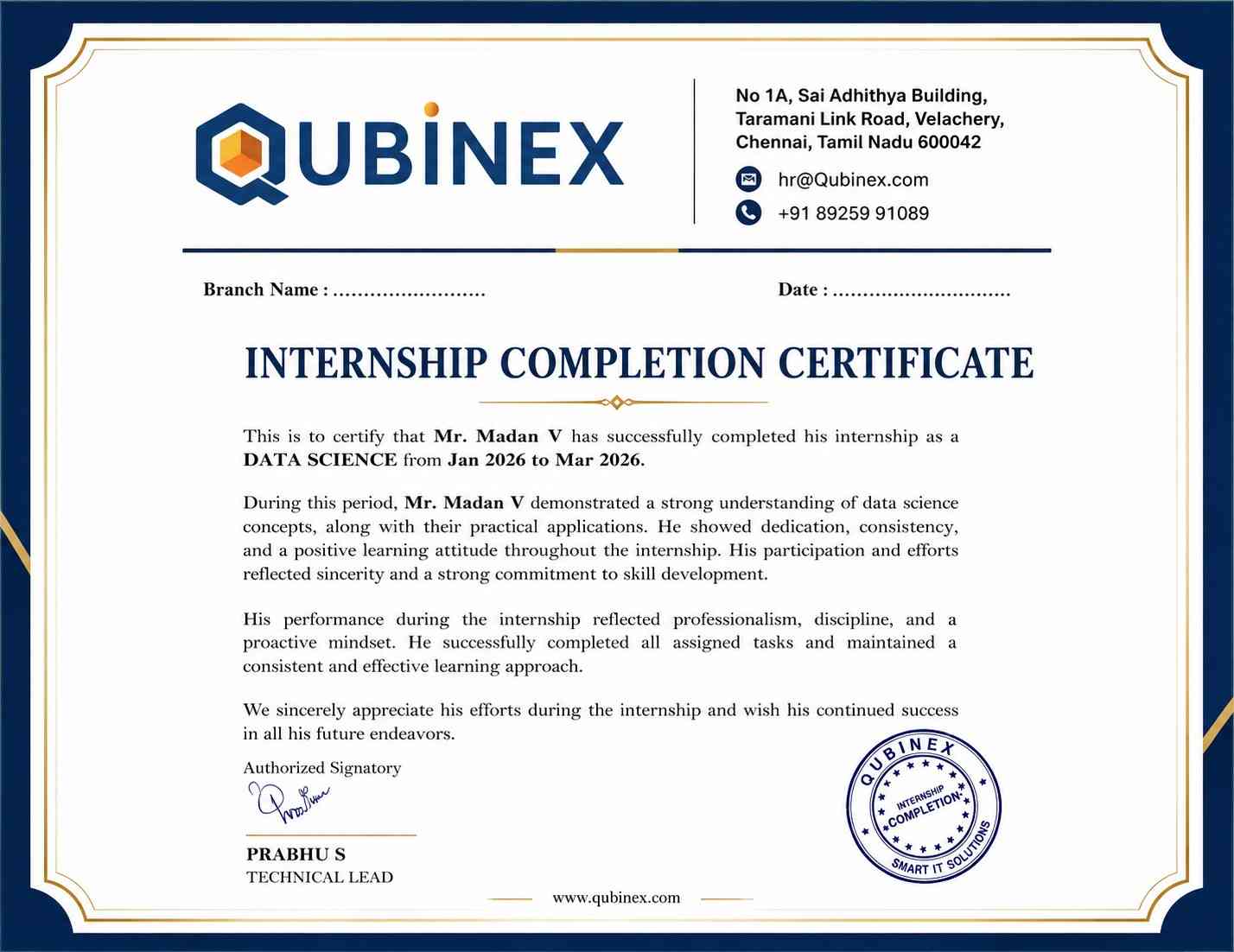
Intership
complete certification
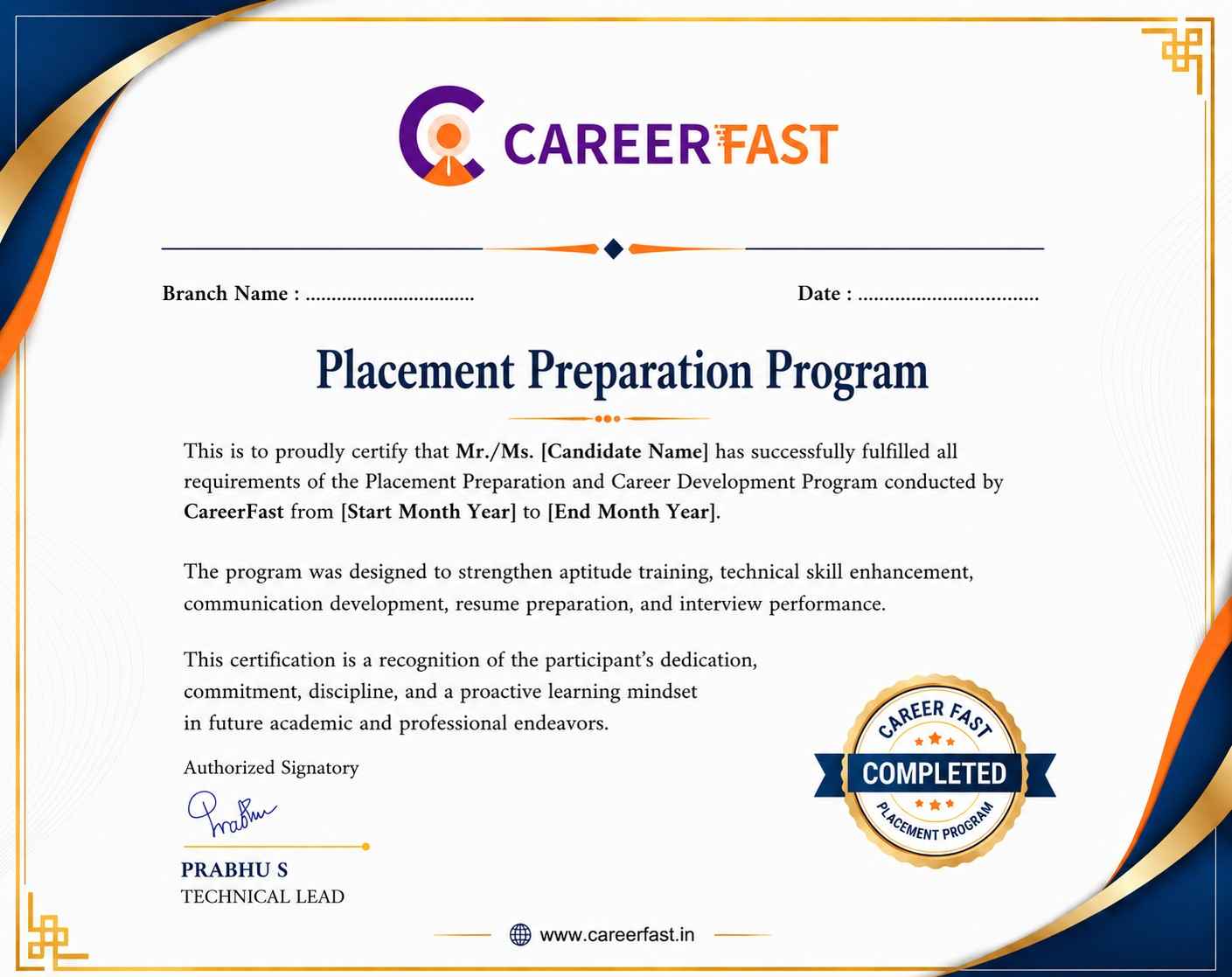
Placement
complete certification
Our learners
transformed their careers

A majority of our alumni
fast-tracked into managerial careers.
Get inspired by their progress in the Career Growth Report.
Our Student Successful Story
 Regular 1:1 Mentorship From Industry Experts
Live Classes
Career Support
Regular 1:1 Mentorship From Industry Experts
Live Classes
Career Support

Sandeep Kumar D
Software Engineer, Cisco Systems )

Vinoth P
UI Developer, TCS
Vijeyalakshme kannan
QA Engineer, Amazon Development Center
Pranav Srinivas
Software Testing, Capgemini
Prasanna
SAP Admin, HCLHow are the Android Course with LearnoVita Different?
Feature
LearnoVita
Other Institutes
Affordable Fees
Competitive Pricing With Flexible Payment Options.
Higher Android Fees With Limited Payment Options.
Live Class From ( Industry Expert)
Well Experienced Trainer From a Relevant Field With Practical Android Training
Theoretical Class With Limited Practical
Updated Syllabus
Updated and Industry-relevant Android Course Curriculum With Hands-on Learning.
Outdated Curriculum With Limited Practical Training.
Hands-on projects
Real-world Android Projects With Live Case Studies and Collaboration With Companies.
Basic Projects With Limited Real-world Application.
Certification
Industry-recognized Android Certifications With Global Validity.
Basic Android Certifications With Limited Recognition.
Placement Support
Strong Placement Support With Tie-ups With Top Companies and Mock Interviews.
Basic Placement Support
Industry Partnerships
Strong Ties With Top Tech Companies for Internships and Placements
No Partnerships, Limited Opportunities
Batch Size
Small Batch Sizes for Personalized Attention.
Large Batch Sizes With Limited Individual Focus.
Additional Features
Lifetime Access to Android Course Materials, Alumni Network, and Hackathons.
No Additional Features or Perks.
Training Support
Dedicated Mentors, 24/7 Doubt Resolution, and Personalized Guidance.
Limited Mentor Support and No After-hours Assistance.
Android Course FAQ's
- LearnoVita is dedicated to assisting job seekers in seeking, connecting, and achieving success, while also ensuring employers are delighted with the ideal candidates.
- Upon successful completion of a career course with LearnoVita, you may qualify for job placement assistance. We offer 100% placement assistance and maintain strong relationships with over 650 top MNCs.
- Our Placement Cell aids students in securing interviews with major companies such as Oracle, HP, Wipro, Accenture, Google, IBM, Tech Mahindra, Amazon, CTS, TCS, HCL, Infosys, MindTree, and MPhasis, among others.
- LearnoVita has a legendary reputation for placing students, as evidenced by our Placed Students' List on our website. Last year alone, over 5400 students were placed in India and globally.
- We conduct development sessions, including mock interviews and presentation skills training, to prepare students for challenging interview situations with confidence. With an 85% placement record, our Placement Cell continues to support you until you secure a position with a better MNC.
- Please visit your student's portal for free access to job openings, study materials, videos, recorded sections, and top MNC interview questions.

- Build a Powerful Resume for Career Success
- Get Trainer Tips to Clear Interviews
- Practice with Experts: Mock Interviews for Success
- Crack Interviews & Land Your Dream Job
Global Quality Training
At The Lowest Fees & Expert Trainer








Need custom pricing?

