
Full Stack Developer Course in Noida
 8546
8546 Ratings


- Join the Full Stack Developer Training in Noida to master both front-end and back-end development skills.
- Learn HTML, CSS, JavaScript, React, Node.js and database integration techniques.
- Gain hands-on experience through real-time projects and full-stack application development.
- Ideal for Students, Developers, Freshers aiming for full stack careers.
- Choose flexible batches: Weekday, Weekend, or Fast-Track Full Stack Developer training in Noida.
- Benefit from placement support, interview preparation and expert web development career guidance.
Course Duration
55+ HrsLive Project
3 ProjectCertification Pass
GuaranteedTraining Format
Live Online (Expert Trainers)Quality Training With Affordable Fee
 Fees Starts From

11362+
Professionals Trained
11+
Batches every month
3251+
Placed Students
254+
Corporate ServedWhat You'll Learn
Learn the fundamentals of full stack development, including frontend, backend, and database concepts.
Join the Full Stack Developer Course in Noida to build dynamic websites and web applications.
Understand HTML, CSS, JavaScript, and modern frameworks for creating responsive user interfaces.
Gain hands-on experience with backend technologies, APIs, and database connectivity.
Explore real-world project development, debugging methods, and deployment strategies.
Get prepared for Full Stack Developer Training in Noida with expert guidance and coding practice.
Full Stack Developer Course Objectives
- Growing Software Demand
- Expanding Web Applications
- Cloud Based Development
- Startup Technology Growth
- Digital Transformation Trends
- Frontend Development Concepts
- Backend Programming Basics
- Database Management Techniques
- API Development Integration
- Application Deployment Methods
- Information Technology
- E Commerce Platforms
- Financial Technology
- Healthcare Technology
- Digital Marketing
- Strong Coding Skills
- End To End Development
- Industry Relevant Knowledge
- Better Career Opportunities
- Higher Salary Potential
Request more informations
WhatsApp (For Call & Chat):
+91 72003 88604
Full Stack Developer Course Benefits
The Full Stack Developer Certification Course in Noida offers hands-on training in developing modern web applications using both frontend and backend technologies. Learners gain practical experience through live projects, coding assignments, and industry-relevant case studies guided by expert mentors. This Full Stack Developer Course with Placement support helps build strong programming, database management, and application development skills for high-demand software roles.
- Designation
-
Annual SalaryHiring Companies








Request more informations
WhatsApp (For Call & Chat):
+91 72003 88604
Full Stack Developer Certification Training
Our Full Stack Developer Training in Noida delivers in-depth knowledge of designing, building, and deploying modern web applications. Learners enhance their skills through real-time projects, coding practice, and exposure to modern development frameworks. With dedicated placement support, this program prepares candidates for careers in web development, software engineering, and full stack application development.
Top Skills You Will Gain
- Frontend Development
- Backend Development
- Database Management
- API Integration
- Web Security
- Responsive Design
- Version Control
- Application Deployment
12+ Full Stack Development Tools
Online Classroom Batches Preferred
No Interest Financing start at ₹ 5000 / month
Corporate Training
- Customized Learning
- Enterprise Grade Learning Management System (LMS)
- 24x7 Support
- Enterprise Grade Reporting
Not Just Studying
We’re Doing Much More!
Empowering Learning Through Real Experiences and Innovation


Full Stack Developer Course Curriculam
Trainers Profile
Our Full Stack Developer Course in Noida is delivered by experienced trainers with strong industry expertise in web development, application architecture, database management, and cloud deployment. Trainers provide practical guidance through real-time coding sessions, industry case studies, and hands-on development projects. Learners also gain opportunities through a Full Stack Developer Internship, allowing them to work on real-world applications and strengthen their technical skills. This practical training approach helps students build strong development expertise and prepare for successful careers in modern software and web development industries.
Syllabus for Full Stack Developer Course in Noida Download syllabus
- Web Development Basics
- Internet Architecture Overview
- Client Server Model
- Development Environment Setup
- Version Control Basics
- Web Technologies Introduction
- HTML Structure Basics
- Semantic Elements Usage
- Forms Input Handling
- Tables Layout Design
- Media Elements Integration
- SEO Friendly Markup
- CSS Syntax Basics
- Box Model Concepts
- Flexbox Layout Design
- Grid Layout System
- Responsive Design Basics
- Animation Effects Styling
- JavaScript Syntax Basics
- Variables Data Types
- Functions Event Handling
- DOM Manipulation Techniques
- Conditional Statements Logic
- Looping Methods Practice
- React Basics Introduction
- Component Based Architecture
- State Management Concepts
- Props Data Passing
- Hooks Functional Components
- UI Libraries Integration
- NodeJS Environment Setup
- Express Framework Basics
- REST API Development
- Middleware Implementation Concepts
- Server Routing Logic
- Backend Application Deployment
- Database Design Concepts
- SQL Query Writing
- MongoDB Database Operations
- Data Modeling Techniques
- CRUD Operations Implementation
- Database Security Practices
- REST API Concepts
- JSON Data Handling
- API Request Methods
- Authentication Token Methods
- Third Party APIs
- Error Handling Techniques
- Git Version Control
- Continuous Integration Basics
- Containerization Docker Basics
- Deployment Automation Tools
- Cloud Deployment Strategies
- Monitoring Logging Tools
- Production Build Creation
- Server Configuration Setup
- Application Performance Optimization
- Security Implementation Techniques
- Application Testing Methods
- Final Project Deployment
Request more informations
WhatsApp (For Call & Chat):
+91 72003 88604
REAL

UPGRADE

sowmiya

UPGRADE

Rajkumar

UPGRADE

Thon
UPGRADE

Lavanya

Industry Projects
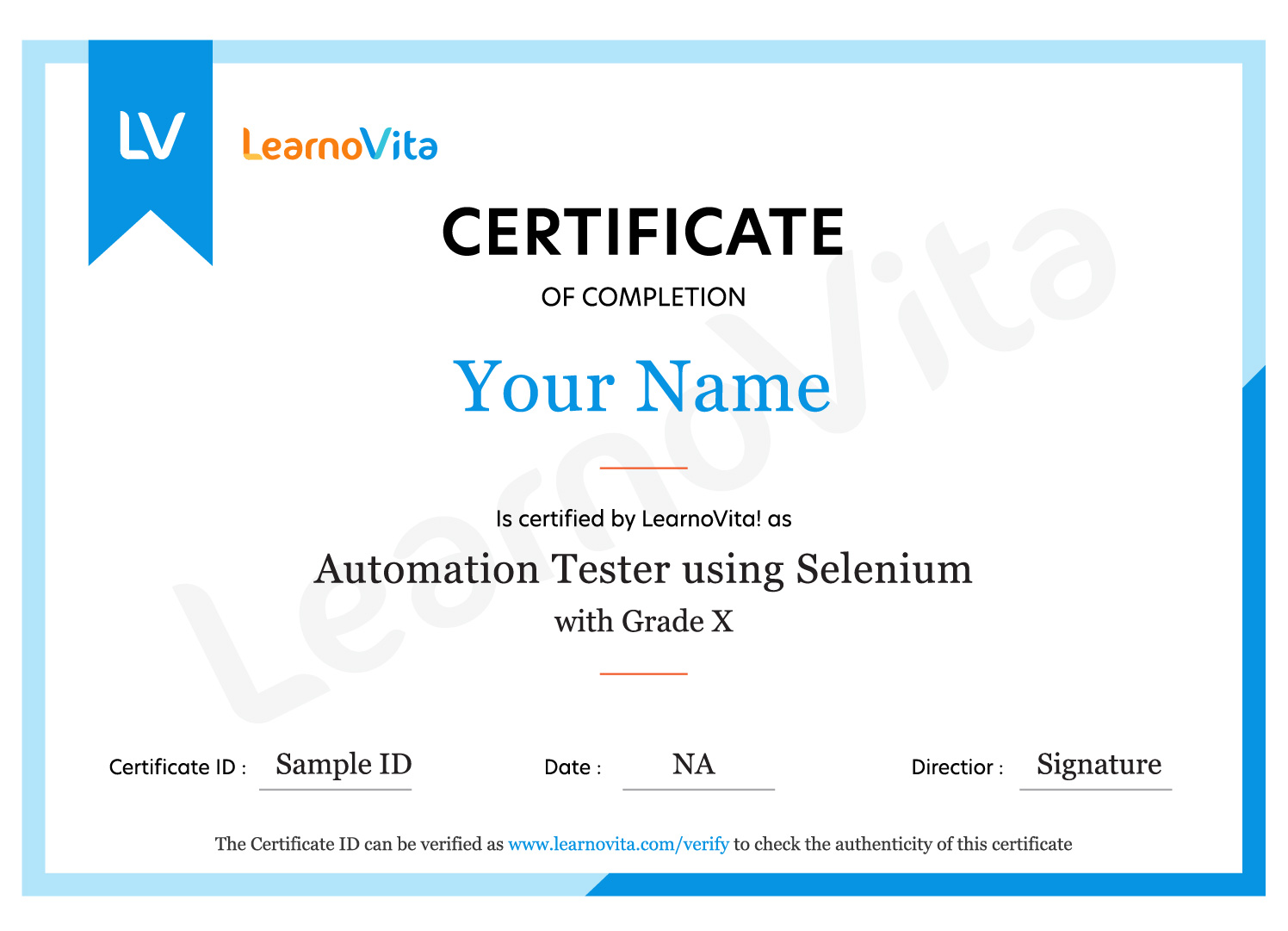
Exam & Full Stack Developer Certification
- Basic Programming Knowledge
- Understanding Of HTML
- Basic CSS Concepts
- Familiarity With JavaScript
- Basic Computer Skills
- Full Stack Developer
- Web Application Developer
- Software Engineer
- Backend Developer
- Frontend Developer
MNC Recognized course
complete certification
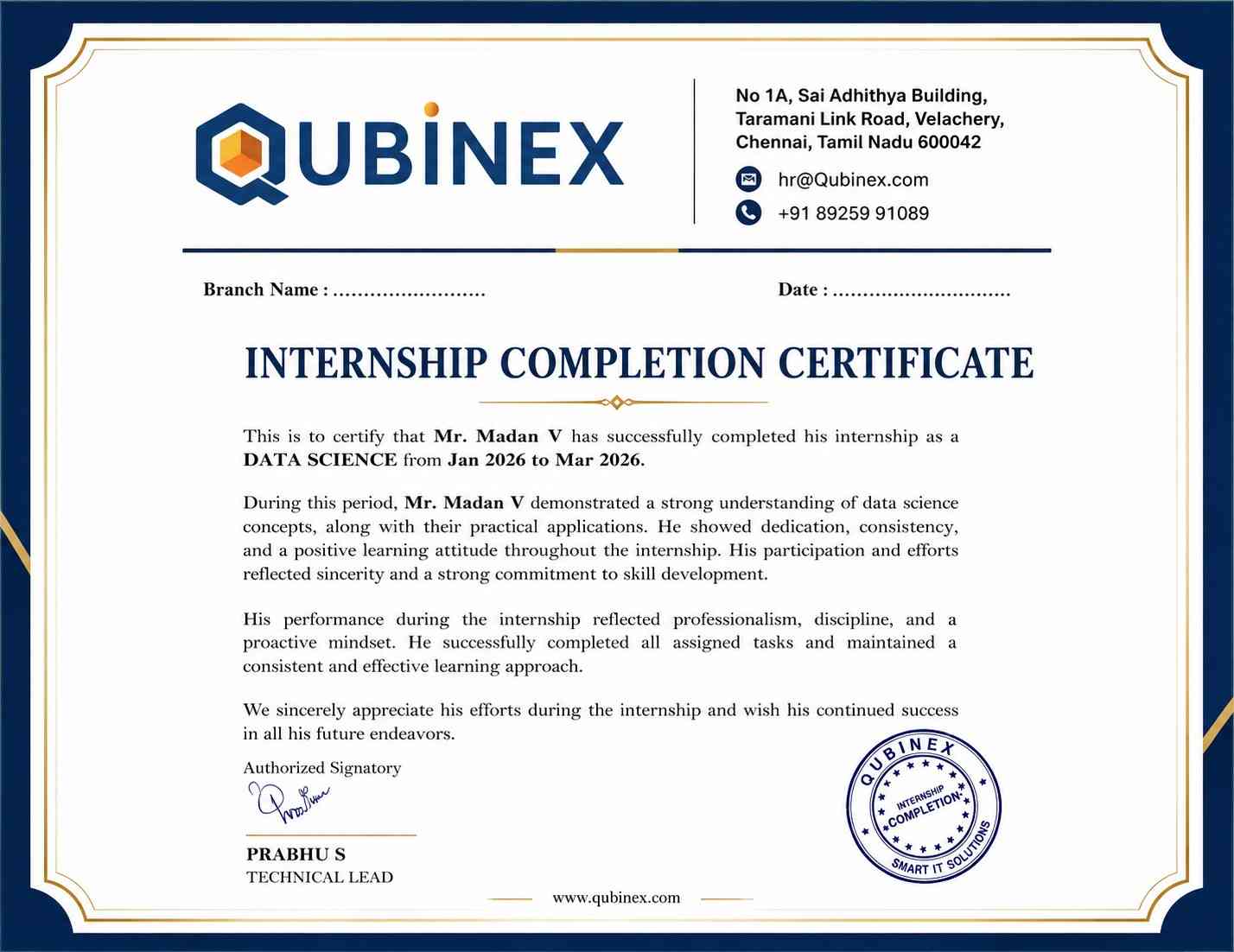
Intership
complete certification
Placement
complete certification
Our learners
transformed their careers

A majority of our alumni
fast-tracked into managerial careers.
Get inspired by their progress in the Career Growth Report.
Our Student Successful Story
 Regular 1:1 Mentorship From Industry Experts
Live Classes
Career Support
Regular 1:1 Mentorship From Industry Experts
Live Classes
Career Support

Sandeep Kumar D
Software Engineer, Cisco Systems )

Vinoth P
UI Developer, TCS
Vijeyalakshme kannan
QA Engineer, Amazon Development Center
Pranav Srinivas
Software Testing, Capgemini
Prasanna
SAP Admin, HCLHow are the Full Stack Developer Course with LearnoVita Different?
Feature
LearnoVita
Other Institutes
Affordable Fees
Competitive Pricing With Flexible Payment Options.
Higher Full Stack Developer Fees With Limited Payment Options.
Live Class From ( Industry Expert)
Well Experienced Trainer From a Relevant Field With Practical Full Stack Developer Training
Theoretical Class With Limited Practical
Updated Syllabus
Updated and Industry-relevant Full Stack Developer Course Curriculum With Hands-on Learning.
Outdated Curriculum With Limited Practical Training.
Hands-on projects
Real-world Full Stack Developer Project With Live Case Studies and Collaboration With Companies.
Basic Projects With Limited Real-world Application.
Certification
Industry-recognized Full Stack Developer Certifications With Global Validity.
Basic Full Stack Developer Certifications With Limited Recognition.
Placement Support
Strong Placement Support With Tie-ups With Top Companies and Mock Interviews.
Basic Placement Support
Industry Partnerships
Strong Ties With Top Tech Companies for Internships and Placements
No Partnerships, Limited Opportunities
Batch Size
Small Batch Sizes for Personalized Attention.
Large Batch Sizes With Limited Individual Focus.
Additional Features
Lifetime Access to Full Stack Developer Course Materials, Alumni Network, and Hackathons.
No Additional Features or Perks.
Training Support
Dedicated Mentors, 24/7 Doubt Resolution, and Personalized Guidance.
Limited Mentor Support and No After-hours Assistance.
Full Stack Developer Course FAQ's
- LearnoVita is dedicated to assisting job seekers in seeking, connecting, and achieving success, while also ensuring employers are delighted with the ideal candidates.
- Upon successful completion of a career course with LearnoVita, you may qualify for job placement assistance. We offer 100% placement assistance and maintain strong relationships with over 650 top MNCs.
- Our Placement Cell aids students in securing interviews with major companies such as Oracle, HP, Wipro, Accenture, Google, IBM, Tech Mahindra, Amazon, CTS, TCS, Sports One , Infosys, MindTree, and MPhasis, among others.
- LearnoVita has a legendary reputation for placing students, as evidenced by our Placed Students' List on our website. Last year alone, over 5400 students were placed in India and globally.
- We conduct development sessions, including mock interviews and presentation skills training, to prepare students for challenging interview situations with confidence. With an 85% placement record, our Placement Cell continues to support you until you secure a position with a better MNC.
- Please visit your student's portal for free access to job openings, study materials, videos, recorded sections, and top MNC interview questions.

- Build a Powerful Resume for Career Success
- Get Trainer Tips to Clear Interviews
- Practice with Experts: Mock Interviews for Success
- Crack Interviews & Land Your Dream Job
Global Quality Training
At The Lowest Fees & Expert Trainer








Need custom pricing?

