Home » Data Science and Ai » Data Science Training in Dubai

Data Science Training in Dubai

(4.8) 19562 Ratings
  • Enroll in the Data Science Course in Dubai to build strong skills in data handling, analytics, and model development.
  • Learn essential tools including Python, SQL, Machine Learning workflows, dashboards, and visualization techniques.
  • Work on real-time projects, data cleaning tasks, model training, and deployment exercises.
  • Perfect for aspiring Data Analysts, Data Engineers, ML Developers, and IT Professionals.
  • Pick from flexible batch timings: Weekday, Weekend, or accelerated learning options.
  • Access placement assistance, interview preparation, and skill-building support.

Course Duration

45+ Hrs

Live Project

3 Project

Certification Pass

Guaranteed

Training Format

Live Online (Expert Trainers)
Quality Training With Affordable Fee

⭐ Fees Starts From

INR 38,000
INR 18,500

11035+

Professionals Trained

9+

Batches every month

2658+

Placed Students

198+

Corporate Served

What You'll Learn

The Data Science Course in Dubai helps you understand modern analytics methods, predictive modeling, and intelligent data-driven decision frameworks.

Build strong foundational skills by learning core concepts such as data preprocessing, statistical analysis, visualization, and machine learning workflows.

Strengthen your analytical capabilities by working with real datasets, exploring algorithms, and developing solutions that uncover meaningful insights.

Gain practical experience through hands-on sessions focused on dashboard creation, automated reporting, and metric tracking for continuous data analysis.

Explore advanced data science functions, including model tuning, cloud-based analytics, and scalable processing methods for complex datasets.

Enrolling in Data Science training in Dubai equips you with industry-relevant knowledge that can elevate your career in analytics, AI, and data-driven roles.

An Overview of Data Science Training

The Data Science Course in Dubai is designed to help learners build strong analytical and technical capabilities, covering essential concepts such as data handling, modeling techniques, and performance optimization. Through Data Science training in Dubai, students work on practical assignments, guided labs, and real-time projects that deepen their understanding of modern data science workflows. This Data Science training course offers multiple learning formats including mentor-led classes and flexible self-paced modules so individuals can learn in the way that suits them best. Completing the Data Science Certification Course in Dubai equips learners with job-ready skills, enhances confidence in solving real-world analytical challenges, and opens doors to advanced roles in data-driven environments.

Additional Info

Future Trends for Data Science Course

  • AI-Driven Data Automation: AI-driven data automation is becoming a major pillar in Data Science training as organizations shift toward intelligent workflows that reduce manual effort. This concept teaches learners how automated systems clean, validate, and process data with greater precision. It also demonstrates how machine-driven pipelines accelerate decision-making in fast-paced business environments. Students discover how automation minimizes operational delays and improves data quality across large datasets. The trend encourages future professionals to design responsive pipelines that adjust to real-time changes. As automation tools evolve, they help analysts spend more time on strategic tasks rather than repetitive work. Overall, this trend prepares learners to build efficient, AI-powered analytics systems that support long-term growth.
  • Growth of Real-Time Analytics: Real-time analytics is emerging as a crucial trend as companies increasingly rely on instant insights from continuous data streams. Learners study how live processing tools interpret information the moment it is generated. This helps organizations respond quickly to customer behavior, operational changes, and industry shifts. The concept highlights how real-time dashboards offer clarity for immediate decision-making. Students gain exposure to systems that handle rapid, high-frequency data with accuracy. As industries compete in fast-moving markets, this capability becomes more essential for analysts. Training in this area equips learners to build analytical environments that deliver constant, actionable intelligence.
  • Expanding Use of Generative AI: Generative AI is reshaping Data Science by introducing creative ways to produce synthetic datasets, simulations, and advanced models. Students learn how these tools help solve challenges without relying on sensitive real-world data. This trend allows learners to experiment with predictive modeling in safer and more flexible environments. They also gain insights into how synthetic data improves privacy, speeds up research, and enhances testing accuracy. Generative systems enable companies to explore new business possibilities using AI-generated insights. Learners discover how innovative model-building techniques support deeper analysis. Overall, this concept empowers professionals to push boundaries and build imaginative, high-impact solutions.
  • Rise of Edge Data Processing: Edge data processing is growing quickly as businesses seek faster insights closer to the source of data. Learners explore how analytics shift from centralized cloud systems to local devices like sensors and smart hardware. This approach reduces latency and improves performance in real-time environments. Students discover how industries such as healthcare, manufacturing, and transportation benefit from edge insights. The trend teaches future professionals to design lightweight models capable of running independently on remote devices. It also highlights the importance of reliable analytics even when internet connectivity is limited. As a result, this concept prepares learners to build intelligent, decentralized data ecosystems.
  • Ethical Application of Data Science: Ethics is becoming an essential subject in Data Science training due to rising concerns about privacy, fairness, and algorithmic responsibility. Students learn how flawed data can create biased models and impact real-world outcomes. The concept emphasizes transparent and responsible use of data throughout the analytics process. Learners understand how ethical frameworks guide model-building in sensitive industries. Training also highlights the importance of ensuring clarity in how predictions are made. This trend encourages professionals to build systems that respect user rights and societal values. Ultimately, ethics enhances trust and accountability in modern analytics solutions.
  • Advances in Predictive Intelligence: Predictive intelligence continues to evolve as companies depend on deeper forecasting systems. Learners examine advanced algorithms designed to uncover patterns in historical and real-time data. This helps organizations anticipate customer demands, risks, and trends. Training explores how automated forecasting tools streamline planning across multiple industries. Students develop skills in feature engineering and predictive model enhancement. This trend plays a major role in strengthening strategic decision-making at scale. Overall, predictive intelligence equips learners with the ability to build powerful forecasting models that shape future business strategies.
  • Integration of Cloud-Native Analytics: Cloud-native analytics is now central to Data Science as enterprises shift toward scalable, global digital environments. Students learn how distributed cloud platforms handle massive data workloads with speed and resilience. Training includes exposure to containerized processing, multi-cloud architecture, and elastic computing. These technologies help companies reduce infrastructure costs while improving analytical performance. Learners explore how cloud systems support collaboration in real-time projects. The trend prepares professionals for organizations that operate across multiple digital ecosystems. As cloud adoption accelerates, this skill set becomes essential for long-term career growth.
  • Increasing Importance of Data Observability: Data observability is becoming vital as companies depend on reliable, uninterrupted data pipelines. Learners study how observability tools monitor data accuracy, freshness, and lineage. This concept highlights the need for proactive alerts that identify issues before they disrupt analytics. Training covers methods to maintain data quality in high-volume environments. Students understand how stable pipelines ensure trustworthy business decisions. The trend encourages professionals to design systems capable of detecting and resolving errors automatically. Overall, observability strengthens the foundation of modern analytics and ensures operational continuity.
  • Enhanced Focus on Automated Feature Engineering: Automated feature engineering simplifies and speeds up the model-building process by intelligently creating useful variables. Students discover how AI detects patterns that traditional manual methods may overlook. This trend reduces development time while improving model accuracy. Training introduces learners to tools that evaluate feature relevance automatically. Companies benefit from faster experimentation and stronger machine-learning outcomes. Learners refine their ability to build efficient, high-performing predictive systems. Ultimately, this trend enhances creativity and innovation in Data Science workflows.
  • Evolution of Multimodal Data Analysis: Multimodal analysis is revolutionizing Data Science by combining text, audio, images, and video into unified models. Students explore how multiple data types create richer analytical insights. The concept highlights real applications such as medical imaging, voice recognition, and autonomous systems. Training reveals how multimodal models mimic human understanding by processing diverse information sources. Learners study techniques to integrate structured and unstructured data seamlessly. This trend encourages the development of advanced AI systems capable of handling complex scenarios. Overall, multimodal analysis prepares professionals for next-generation intelligence solutions.

Tools and Technologies for Data Science Training

  • Python Programming Environment: Python remains one of the most essential tools in Data Science training, offering a flexible ecosystem for building models, handling data, and automating workflows. Learners gain exposure to libraries that simplify every stage of analysis, from cleaning datasets to visualizing trends. The tool encourages experimentation through interactive notebooks that help learners understand concepts quickly. Its straightforward syntax supports beginners while offering advanced capabilities for experienced users. With Python, students build a strong technical foundation for real-world analytics tasks.
  • R Statistical Toolkit: R is widely valued in Data Science training for its deep statistical capabilities and rich visualization features. Learners use it to perform complex modeling, hypothesis testing, and exploratory data analysis. The tool offers powerful packages that allow precise interpretation of numerical patterns. Its strong community support ensures continuous innovation and access to high-quality resources. Through R, students sharpen their analytical thinking and master statistical problem-solving.
  • Tableau Visualization Platform: Tableau plays a significant role in Data Science training by helping learners transform raw data into meaningful visual stories. The tool allows users to build interactive dashboards that highlight trends and insights clearly. Students learn how to present information in visually appealing formats that decision-makers appreciate. Its drag-and-drop interface encourages quick experimentation without learning complex coding. Tableau strengthens learners’ ability to communicate insights effectively across business teams.
  • Power BI Analytics Suite: Power BI enables learners to combine, analyze, and visualize business data from multiple sources in one place. It supports real-time dashboards that help users understand business performance instantly. Students explore how automated refreshes and custom visual tools enhance analytical reporting. The platform’s integration with Microsoft services makes it a powerful asset for enterprise environments. With Power BI, learners develop the ability to create dynamic insights that support strategic planning.
  • SQL Database Systems: SQL is a core tool in Data Science training because it enables learners to extract, organize, and manage structured data efficiently. Students practice writing queries to retrieve valuable information from large datasets. Its straightforward syntax helps beginners understand data relationships clearly. Learning SQL enhances data handling precision in both research and business environments. As organizations depend heavily on structured data, SQL remains a must-have skill.
  • Hadoop Big Data Framework: Hadoop is essential for handling massive datasets that exceed traditional processing limits. In training, students learn how distributed storage and computing improve data scalability. The framework teaches learners to analyze information across clusters for faster operations. Understanding Hadoop opens opportunities in industries that generate high-volume data daily. It prepares students for roles that involve large-scale analytics and enterprise data engineering.
  • Apache Spark Engine: Apache Spark enhances Data Science training by offering lightning-fast processing for advanced analytics. Learners use it to perform real-time data streaming, machine learning tasks, and large-scale transformations. It introduces the concept of distributed computing in an accessible way. The tool helps students understand how high-speed analytics power modern business decisions. Spark is widely adopted by leading organizations, making it an important technology for career growth.
  • Jupyter Notebook Workspace: Jupyter Notebook provides an interactive environment where learners write code, analyze data, and document outcomes in one place. The tool supports multiple languages and makes experimentation easier. Students appreciate how visual outputs and text explanations can appear alongside code blocks. Its flexible design encourages continuous learning and collaborative research. Jupyter helps learners create clear, organized analytical workflows for both training and real-world projects.
  • Git Version Control: Git is introduced in Data Science training to teach learners how to track changes, collaborate, and manage multiple project versions. Students discover how version control prevents data loss and streamlines teamwork. The tool builds confidence in maintaining clean, organized coding environments. Learners also understand how GitHub enables shared development in large analytics teams. With Git, they gain professional skills needed in technical workplaces.
  • AWS Cloud Services: AWS offers essential cloud-based tools used for storage, computing, machine learning, and advanced analytics. Learners gain experience deploying models and managing scalable infrastructure. The platform introduces real-world scenarios that require cost-efficient and secure data operations. Students explore multiple services that support automation and data processing workflows. AWS prepares them for modern data roles where cloud expertise is increasingly expected.

Roles and Responsibilities for Data Science Training

  • Data Analyst: A Data Analyst plays a crucial role in examining datasets to uncover hidden trends and performance patterns. They prepare clean data, interpret insights, and communicate findings to business teams. During training, learners develop strong analytical thinking and visualization abilities. They also learn how to translate numbers into meaningful business recommendations. This role focuses heavily on structured datasets and reporting responsibilities. The position is ideal for individuals who enjoy turning raw data into simple narratives.
  • Data Scientist: A Data Scientist is responsible for creating predictive models, solving complex business problems, and experimenting with algorithms. Learners in training master statistical techniques, machine learning foundations, and data exploration. They gain experience designing models that help companies forecast outcomes with accuracy. The role demands curiosity, creativity, and strong analytical discipline. Data Scientists also collaborate closely with stakeholders to refine model objectives. This path is best suited for individuals who enjoy deep analytical work.
  • Business Intelligence Developer: A BI Developer transforms data into dashboard-driven insights that help decision-makers track performance. Through training, learners practice building reports, defining KPIs, and integrating multiple data sources. They become skilled in visualization tools that highlight patterns clearly. The role requires problem-solving skills and an understanding of what metrics matter most. BI Developers help organizations turn complex information into accessible intelligence. This position suits professionals who enjoy creating clear and interactive data views.
  • Machine Learning Engineer: A Machine Learning Engineer focuses on designing, training, and deploying automated systems that learn from data. Learners understand how models function at scale, including optimization and tuning. They explore pipelines that ensure smooth production deployment of algorithms. The role requires strong programming abilities and an understanding of data infrastructure. ML Engineers work closely with data scientists to operationalize predictive solutions. This role is ideal for those interested in building intelligent automation.
  • Data Engineer: A Data Engineer builds and maintains pipelines that transport data across systems smoothly. During training, learners understand storage solutions, data processing frameworks, and ETL workflows. They are responsible for ensuring data is accurate, reliable, and accessible to analytics teams. The role emphasizes large-scale dataset handling and infrastructure development. Data Engineers also troubleshoot bottlenecks and optimize system performance. This career path suits individuals who enjoy working behind the scenes on data architecture.
  • AI Research Associate: An AI Research Associate examines emerging technologies and experiments with advanced algorithms. Learners explore innovative modelling techniques and evaluate their real-world relevance. The role involves conceptual thinking and constant testing of new ideas. AI researchers document outcomes that guide future model improvements. They collaborate with product and engineering teams to integrate findings into solutions. This path suits those who enjoy advancing the science behind AI.
  • Statistical Modeler: A Statistical Modeler applies mathematical concepts to build accurate forecasts and trend analyses. Training helps learners understand distributions, probability, and optimization models. They evaluate data patterns and create frameworks that predict changes over time. The role requires precision and a strong foundation in applied math. They collaborate with analysts to ensure models support business strategies. This position works best for those who enjoy structured, formula-driven problem-solving.
  • Data Quality Specialist: A Data Quality Specialist ensures datasets used for analysis are complete, accurate, and consistent. Learners explore validation techniques, error detection, and auditing methods during training. They maintain data integrity by identifying gaps and correcting inconsistencies. The role requires attention to detail and a systematic approach. Data quality experts support every team that relies on trusted information. This role fits individuals who value precision and clean data management.
  • Insights Consultant: An Insights Consultant interprets analytics results and translates them into strategic recommendations. During training, learners gain communication skills, storytelling abilities, and business understanding. The role focuses on connecting data with decision-making goals. Consultants help companies shape long-term plans based on evidence rather than assumptions. They interact with leadership teams to clarify the value behind insights. This role suits individuals who enjoy presenting data-driven ideas.
  • Technical Project Lead: A Technical Project Lead oversees data initiatives from planning through deployment. Learners understand coordination methods, prioritizing tasks, and guiding analytics teams. They ensure projects align with operational goals and deliver measurable value. The role demands strong leadership and technical awareness. Project Leads facilitate communication among analysts, engineers, and management. This position suits those who enjoy managing people and project direction.

Companies Hiring Data Science Professionals

  • IBM: IBM consistently looks for skilled Data Science professionals who can support its AI and analytics-driven projects. The company values individuals who can interpret large datasets and generate meaningful insights for enterprise clients. Professionals contribute to automation initiatives, cloud solutions, and cognitive computing models. IBM offers roles across industries, giving learners broad exposure to real-world applications. Its emphasis on innovation makes it a preferred employer for emerging data talent.
  • Google: Google seeks data-driven individuals who can support projects in search optimization, advertising systems, and product analytics. The company values professionals capable of building predictive models that enhance user experience. Working with massive datasets, employees help refine features across multiple platforms. Google’s data teams collaborate with engineers and product strategists to shape new ideas. The environment is ideal for those who enjoy solving high-impact analytical challenges.
  • Amazon: Amazon recruits Data Science experts to support forecasting, personalization, and operational decision-making across its global ecosystem. Professionals contribute to enhancing customer experience, optimizing supply algorithms, and improving recommendation engines. They work with petabyte-scale data, enabling deep analytical exploration. Teams collaborate to streamline business functions and drive efficient outcomes. Amazon’s fast-growing environment offers steady opportunities for skilled data professionals.
  • Microsoft: Microsoft hires Data Science talent to support cloud analytics, product performance studies, and AI advancements. Employees help shape the intelligence layer in services such as Azure, Office, and Dynamics. The company values individuals who can design models that strengthen platform performance. Data Science teams work closely with engineering groups to refine features and predict customer needs. The company’s tech-forward culture supports continuous learning and innovation.
  • Deloitte: Deloitte actively seeks professionals who can help businesses make evidence-based decisions through advanced analytics. Teams work on projects involving risk analysis, financial predictions, and operational improvements. They translate complex datasets into strategic recommendations for global clients. The environment encourages problem-solving and structured thinking. Data Science roles here are ideal for those who enjoy consulting-driven work.
  • Accenture: Accenture hires Data Science experts to support digital transformation, automation, and analytics-focused consulting. Professionals work closely with enterprise clients to modernize systems through intelligent solutions. The company values individuals who can transform raw data into meaningful roadmaps. Projects span multiple domains, offering diverse hands-on exposure. Accenture’s global reach creates opportunities for long-term career expansion.
  • Meta (Facebook): Meta recruits Data Science professionals to enhance user engagement, support product decisions, and understand platform behavior. Teams handle complex social data, interpreting how users interact across multiple apps. Professionals develop metrics that guide product enhancements and safety improvements. They work closely with design, engineering, and research groups. The role is ideal for those who enjoy understanding user patterns on a massive scale.
  • JPMorgan Chase: JPMorgan Chase hires Data Science talent for fraud detection, financial modeling, and risk forecasting. Professionals analyze transactional data to strengthen security and facilitate smarter banking decisions. They help create predictive tools that support credit evaluations and customer insights. The company values precision, reliability, and strong analytical reasoning. Financial Data Science roles here offer stable and rewarding career growth.
  • Salesforce: Salesforce looks for individuals who can enhance CRM intelligence through data-driven strategies. Professionals contribute to analytics features that help clients understand customer behavior. Teams develop insights that guide platform improvements and personalized user experiences. Collaboration with product and engineering teams is common. Salesforce’s innovation-driven culture makes it a strong fit for analytics-oriented professionals.
  • Uber: Uber hires Data Science experts to analyze mobility patterns, optimize pricing models, and improve logistical efficiency. Teams work with fast-moving datasets to support real-time decisions. The role involves building models that enhance rider safety, driver earnings, and route planning. Uber values professionals who enjoy working on dynamic, data-intense challenges. It is an ideal environment for individuals wanting practical impact at scale.
View more

Data Science Course Objectives

Most learners entering Data Science training benefit from having a basic understanding of mathematics, logical reasoning, and familiarity with spreadsheets. While prior coding knowledge is helpful, it isn’t mandatory as foundational concepts are introduced from scratch. A curious mindset, willingness to experiment with data, and comfort with problem-solving help students progress smoothly. Those with some exposure to statistics or analytics often find it easier to grasp key concepts. Overall, the course is structured to support beginners and experienced learners alike.
Enrolling in Data Science training equips you with practical skills in data handling, model building, and analytical thinking. The course helps you understand how to translate raw numbers into valuable insights that support smarter decisions. You gain exposure to industry-relevant tools used by top organizations worldwide. Hands-on practice boosts your confidence to work on real analytical challenges. The training also improves your employability across multiple fast-growing fields.
  • Growing demand in AI-driven industries
  • Rising need for predictive analytics across businesses
  • Expanding opportunities in automation and machine learning
  • Increased adoption of data-backed decision-making
  • Career roles becoming more diverse and specialized
Data Science training holds enormous value because organizations rely heavily on data to guide strategic decisions, optimize operations, and understand customer behavior. Companies across every sector are seeking professionals who can turn complex information into meaningful outcomes. As digital transformation accelerates, the need for skilled analysts and data experts continues to climb. Employers prioritize candidates with hands-on analytical knowledge and strong problem-solving abilities. This makes Data Science one of the most influential career fields today.
  • Data collection and preprocessing
  • Statistical analysis and probability
  • Machine learning fundamentals
  • Data visualization and storytelling
  • Model evaluation and optimization
  • Python programming basics
  • Handling databases and SQL
  • Working with real-world datasets
Yes, students in Data Science training actively work on real-world tasks that mirror industry challenges. These projects help them understand how to manage messy datasets, build reliable models, and interpret results with confidence. By applying concepts to practical case studies, learners strengthen their problem-solving skills and gain job-ready exposure. The projects also serve as strong portfolio pieces for interviews. This hands-on approach ensures students experience the full lifecycle of data-driven solutions.
  • Finance and banking
  • Healthcare and pharmaceuticals
  • Retail and e-commerce
  • Information technology and software
  • Manufacturing and supply chain
  • Telecommunications
  • Transportation and logistics
  • Media, entertainment, and digital marketing
While Data Science training significantly boosts your employability, no course can promise a guaranteed job. Success depends on your effort, consistent practice, and ability to apply the concepts learned. The training provides the tools, knowledge, and portfolio support you need to stand out in interviews. With dedication and real-world project experience, your chances of landing a strong role increase greatly. Employers ultimately value skill, persistence, and practical understanding.
  • Broader career choices in technology and analytics
  • Competitive salary opportunities in high-demand roles
  • Ability to solve business problems with data
  • Strong foundation in machine learning concepts
  • Enhanced decision-making skills
  • Exposure to modern analytical tools
  • Versatility across multiple industries
Participants in Data Science training learn to work with widely used tools such as Python, Jupyter Notebook, SQL, and essential data-processing libraries. They also gain exposure to visualization platforms that help transform complex findings into clear insights. These tools become the foundation for building models and running analyses. Mastery of such technologies enables students to operate confidently in real workplace environments. Each tool taught is chosen to match industry expectations and job requirements.
view More view Less

Data Science Course Benefits

Learners in the Data Science course with placement gain real-time exposure to automation workflows, modern toolchains, and streamlined deployment environments that mirror industry practices. The program includes guided labs where students actively build, test, and optimize data solutions under expert supervision. Through structured learning and a dedicated Data Science internship, participants sharpen their problem-solving abilities by working on real business scenarios. This career-focused training prepares learners for in-demand tech roles and supports them with strong placement assistance to step confidently into the industry.

  • Designation
  • Annual Salary
    Hiring Companies
  • 3.24L
    Min
  • 6.5L
    Average
  • 14.5L
    Max
  • 4.50L
    Min
  • 9.5L
    Average
  • 16.5L
    Max
  • 4.0L
    Min
  • 9.5L
    Average
  • 13.5L
    Max
  • 3.24L
    Min
  • 8.5L
    Average
  • 12.5L
    Max

About Data Science Certification Training

The Data Science Certification Course in Dubai equips learners with the ability to design, build, and deploy intelligent analytical solutions using modern data technologies. You’ll work on Data Science projects, gaining practical experience with dashboards, visualization tools, predictive models, and reporting systems. Each session blends expert-led guidance with hands-on tasks, helping you master real-world data workflows with confidence. With dedicated placement support and strong industry connections, this program prepares you for rewarding roles across leading tech companies.

Top Skills You Will Gain
  • Data Analysis
  • Statistical Modeling
  • Machine Learning
  • Predictive Analytics
  • Data Visualization
  • Feature Engineering
  • Deep Learning
  • Model Evaluation

12+ Data Science Tools

Online Classroom Batches Preferred

Weekdays (Mon - Fri)
12 - Jan - 2026
08:00 AM (IST)
Weekdays (Mon - Fri)
14 - Jan - 2026
08:00 AM (IST)
Weekend (Sat)
17 - Jan - 2026
11:00 AM (IST)
Weekend (Sun)
18 - Jan - 2026
11:00 AM (IST)
Can't find a batch you were looking for?
₹21000 ₹16000 10% OFF Expires in

No Interest Financing start at ₹ 5000 / month

Corporate Training

  • Customized Learning
  • Enterprise Grade Learning Management System (LMS)
  • 24x7 Support
  • Enterprise Grade Reporting

Why Data Science Course From Learnovita? 100% Money Back Guarantee

Data Science Course Curriculam

Trainers Profile

The Data Science Training in Dubai is guided by seasoned analytics professionals who bring deep experience in modeling, visualization, and data-driven decision strategies. Learners get real exposure through guided tasks, practical assignments, and rich Data Science training materials designed to simplify complex concepts. Each session blends theory with live demonstrations, helping students build confidence in handling datasets, tools, and analytical workflows. This program equips you with industry-ready skills, preparing you to excel in diverse analytical roles across fast-growing tech landscape.

Syllabus for Data Science Course Download syllabus

  • Fundamentals of data workflows
  • Data types and structures
  • Analytics lifecycle
  • Exploratory techniques
  • Statistical basics
  • Understanding business data
  • Syntax and operators
  • Data structures
  • Functions and modules
  • File handling
  • Working with libraries
  • Data operations
  • DataFrames and Series
  • Importing/exporting data
  • Cleaning operations
  • Merging and joining
  • Grouping and aggregation
  • Data formatting
  • Plotting essentials
  • Matplotlib usage
  • Seaborn charts
  • Trend visualizations
  • Interactive dashboards
  • Visual storytelling
  • Probability concepts
  • Distribution types
  • Hypothesis testing
  • Correlation studies
  • Variance analysis
  • Sampling methods
  • ML categories
  • Workflow and pipeline
  • Data splitting
  • Overfitting & underfitting
  • Performance metrics
  • Model selection
  • Linear regression
  • Logistic regression
  • Decision trees
  • Random forest
  • KNN model
  • Model tuning
  • Clustering techniques
  • K-means algorithm
  • Hierarchical clustering
  • Dimensionality reduction
  • PCA basics
  • Pattern detection
  • Neural network basics
  • Activation functions
  • Feedforward networks
  • Tensor operations
  • Model training workflow
  • Introduction to Keras
  • Query writing
  • Joins
  • Filtering & sorting
  • Subqueries
  • Table operations
  • Data extraction tasks
(15) view More view Less
Need customized curriculum?

Industry Projects

Project 1
Customer Behavior Prediction

Build a predictive model that analyzes customer purchase records, browsing patterns, and engagement signals to forecast future buying behavior. Apply feature selection, model training, and evaluation techniques to deliver actionable insights.

Project 2
Real-Time Fraud Detection System

Develop an ML-based fraud detection engine that monitors transactions, identifies unusual patterns, and flags abnormal activities instantly. Use historical datasets to train the model and refine detection accuracy using various algorithms.

Project 3
Healthcare Diagnostic Analysis

Create a data-driven model that interprets medical records, symptoms, and lab results to predict potential health outcomes. Use classification algorithms, data preprocessing, and visualization to communicate meaningful findings.

Career Support

Our Hiring Partner

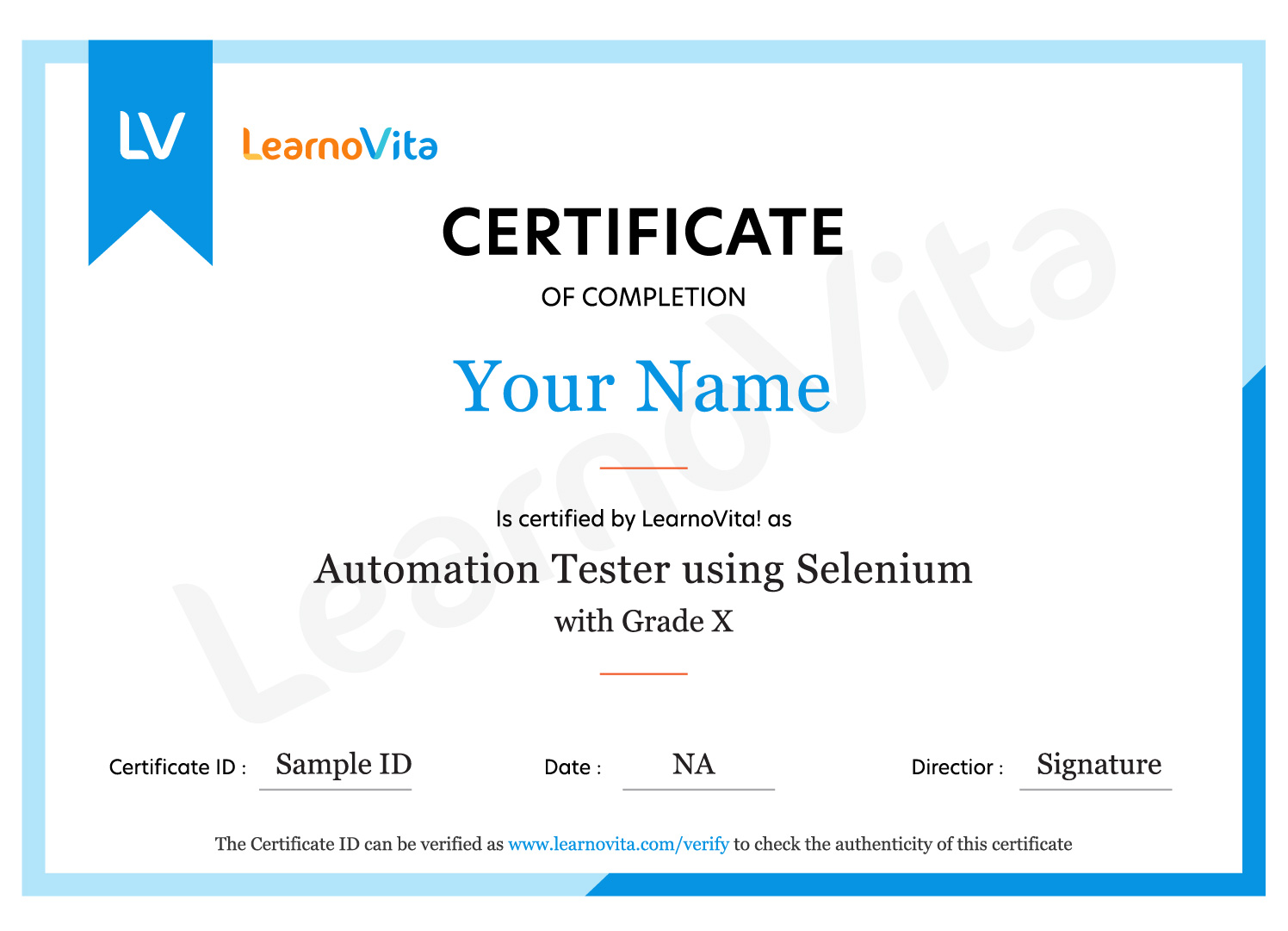
Exam & Data Science Certification

  • Basic computer skills
  • Interest in analytics or programming
  • Understanding of high-school mathematics
  • Familiarity with data concepts (optional)
  • No coding background required but helpful
A Data Science certification enhances your credibility by validating your analytical abilities, tool proficiency, and problem-solving skills. It helps you stand out in a competitive market, increases your chances of landing interviews, and positions you as a capable professional ready to handle real analytical challenges.
A certification strengthens your profile, boosts your visibility to recruiters, and improves your readiness for interviews, but no credential alone can guarantee a job. Your performance, practical skills, and project work play a major role in securing employment.
  • Data Analyst
  • Machine Learning Engineer
  • Business Intelligence Developer
  • Data Engineer
  • Research Analyst
  • AI Specialist
The certification provides structured learning, hands-on project exposure, and tool expertise, allowing you to move into high-demand analytics roles with greater confidence. It enhances your earning potential and opens opportunities in sectors adopting data-driven strategies.

Our Student Successful Story

checkimage Regular 1:1 Mentorship From Industry Experts checkimage Live Classes checkimage Career Support

How are the Data Science with LearnoVita Different?

Feature

LearnoVita

Other Institutes

Affordable Fees

Competitive Pricing With Flexible Payment Options.

Higher Data Science Fees With Limited Payment Options.

Live Class From ( Industry Expert)

Well Experienced Trainer From a Relevant Field With Practical Data Science Training

Theoretical Class With Limited Practical

Updated Syllabus

Updated and Industry-relevant Data Science Curriculum With Hands-on Learning.

Outdated Curriculum With Limited Practical Training.

Hands-on projects

Real-world Data Science Project With Live Case Studies and Collaboration With Companies.

Basic Projects With Limited Real-world Application.

Certification

Industry-recognized Data Science Certifications With Global Validity.

Basic Data Science Certifications With Limited Recognition.

Placement Support

Strong Placement Support With Tie-ups With Top Companies and Mock Interviews.

Basic Placement Support

Industry Partnerships

Strong Ties With Top Tech Companies for Internships and Placements

No Partnerships, Limited Opportunities

Batch Size

Small Batch Sizes for Personalized Attention.

Large Batch Sizes With Limited Individual Focus.

Additional Features

Lifetime Access to Data Science Materials, Alumni Network, and Hackathons.

No Additional Features or Perks.

Training Support

Dedicated Mentors, 24/7 Doubt Resolution, and Personalized Guidance.

Limited Mentor Support and No After-hours Assistance.

Data Science Course FAQ's

LearnoVita Offers the Best Discount Price for you CALL at +91 93833 99991 and know the Exciting offers Available for you!!!
Yes, you can attend the demo session. Even though We have a limited number of participants in a live session to maintain the Quality Standards. So, unfortunately, participation in a live class without enrolment is not possible.If you are unable to attend you can go through our Pre recorded session of the same trainer, it would give you a clear insight about how are the classes conducted, the quality of instructors, and the level of interaction in the class.
All Our instructors are working professionals from the Industry, Working in leading Organizations and have Real-World Experience with Minimum 9-12 yrs of Relevant IT field Experience. All these experienced folks at LearnoVita Provide a Great learning experience.
The trainer will give Server Access to the course seekers, and we make sure you acquire practical hands-on training by providing you with every utility that is needed for your understanding of the course
  • LearnoVita will assist the job seekers to Seek, Connect & Succeed and delight the employers with the perfect candidates.
  • On Successfully Completing a Career Course with LearnoVita, you Could be Eligible for Job Placement Assistance.
  • 100% Placement Assistance* - We have strong relationship with over 650+ Top MNCs, When a student completes his/ her course successfully, LearnoVita Placement Cell helps him/ her interview with Major Companies like Oracle, HP, Wipro, Accenture, Google, IBM, Tech Mahindra, Amazon, CTS, TCS, HCL, Infosys, MindTree and MPhasis etc...
  • LearnoVita is the Legend in offering placement to the students. Please visit our Placed Students's List on our website.
  • More than 5400+ students placed in last year in India & Globally.
  • LearnoVita Conducts development sessions including mock interviews, presentation skills to prepare students to face a challenging interview situation with ease.
  • 85% percent placement record
  • Our Placement Cell support you till you get placed in better MNC
  • Please Visit Your Student's Portal | Here FREE Lifetime Online Student Portal help you to access the Job Openings, Study Materials, Videos, Recorded Section & Top MNC interview Questions
After Your Course Completion You will Receive
  • LearnoVita Certification is Accredited by all major Global Companies around the World.
  • LearnoVita is the unique Authorized Oracle Partner, Authorized Microsoft Partner, Authorized Pearson Vue Exam Center, Authorized PSI Exam Center, Authorized Partner Of AWS.
  • Also, LearnoVita Technical Experts Help's People Who Want to Clear the National Authorized Certificate in Specialized IT Domain.
  • LearnoVita is offering you the most updated, relevant, and high-value real-world projects as part of the training program.
  • All training comes with multiple projects that thoroughly test your skills, learning, and practical knowledge, making you completely industry-ready.
  • You will work on highly exciting projects in the domains of high technology, ecommerce, marketing, sales, networking, banking, insurance, etc.
  • After completing the projects successfully, your skills will be equal to 6 months of rigorous industry experience.
At LearnoVita you can enroll in either the instructor-led Online Training, Self-Paced Training, Class Room, One to One Training, Fast Track, Customized Training & Online Training Mode. Apart from this, LearnoVita also offers Corporate Training for organizations to UPSKILL their workforce.
LearnoVita Assures You will Never lose any Topics and Modules. You can choose either of the Three options:
  • We will reschedule the classes as per your convenience within the stipulated course duration with all such possibilities.
  • View the class presentation and recordings that are available for online viewing.
  • You can attend the missed session, in any other live batch.
Just give us a CALL at +91 9383399991 OR email at contact@learnovita.com
Yes We Provide Lifetime Access for Student’s Portal Study Materials, Videos & Top MNC Interview Question After Once You Have Enrolled.
We at LearnoVita believe in giving individual attention to students so that they will be in a position to clarify all the doubts that arise in complex and difficult topics and Can Access more information and Richer Understanding through teacher and other students' body language and voice. Therefore, we restrict the size of each Data Science batch to 5 or 6 members
Learning Data Science can help open up many opportunities for your career. It is a GREAT SKILL-SET to have as many developer roles in the job market requires proficiency in Data Science. Mastering Data Science can help you get started with your career in IT. Companies like Oracle, IBM, Wipro, HP, HCL, DELL, Bosch, Capgemini, Accenture, Mphasis, Paypal, and MindLabs.
The Average Data Science Developer salary in India is ₹4,43,568 per annum.
You can contact our support number at +91 93800 99996 / Directly can do by LearnoVita E-commerce payment system Login or directly walk-in to one of the LearnoVita branches in India.
view More view Less
Career Assistance
  • Build a Powerful Resume for Career Success
  • Get Trainer Tips to Clear Interviews
  • Practice with Experts: Mock Interviews for Success
  • Crack Interviews & Land Your Dream Job

Find Data Science Training in Other Cities