Understanding the SAP APO Course Overview
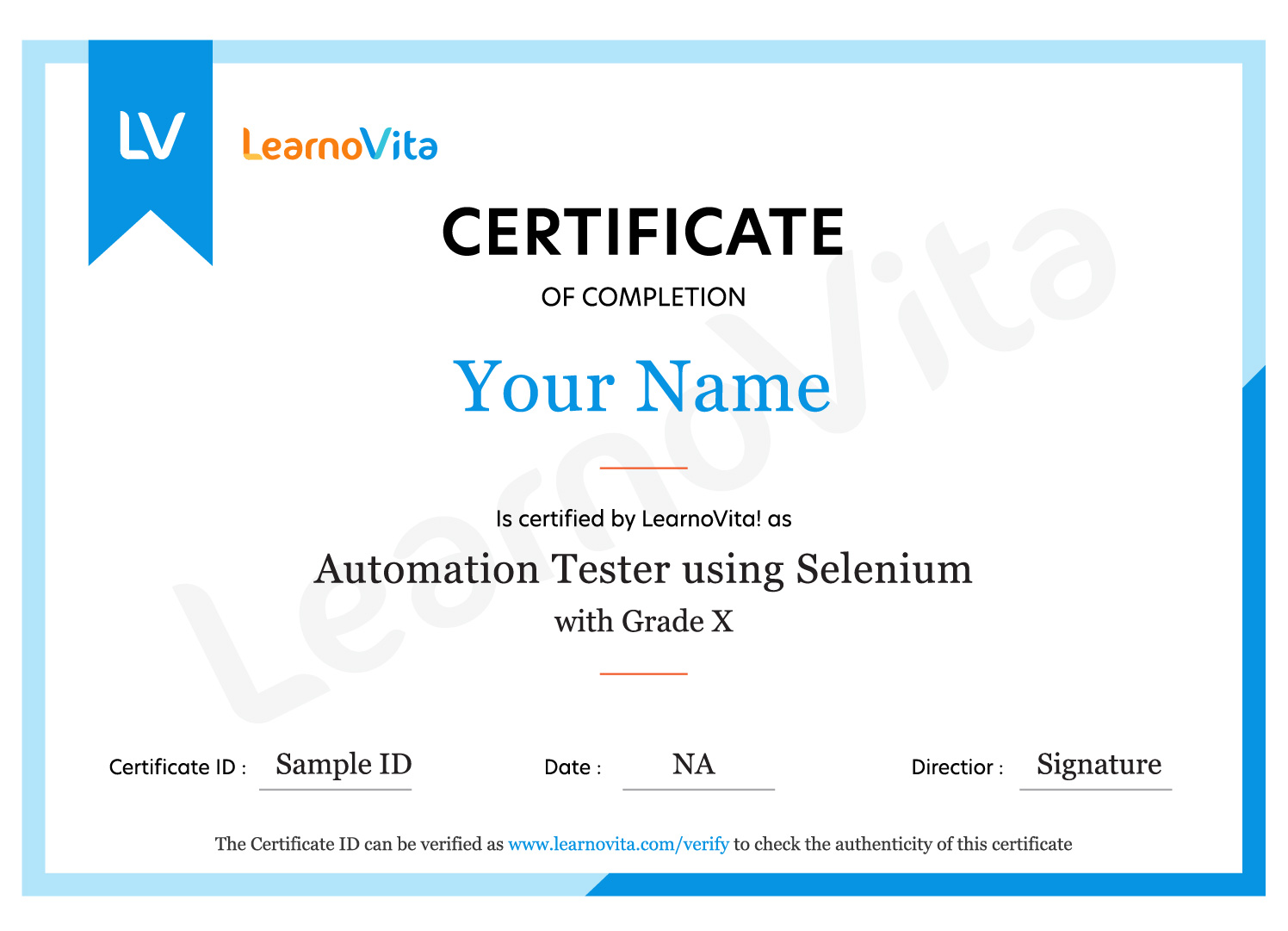
SAP APO Online Training provides comprehensive learning for professionals looking to master the advanced capabilities of SAP Advanced Planning and Optimization (APO). This SAP APO Training covers crucial topics such as demand planning, supply chain management, production planning, and optimization techniques. With a flexible SAP APO Online Course, learners gain hands-on experience in solving real-world supply chain challenges using SAP APO tools. Completion, participants can pursue SAP APO Certification, a valuable credential that demonstrates expertise in SAP’s advanced planning solutions. Learnovita also provides dedicated SAP APO Placement assistance, connecting students with top companies seeking skilled professionals. With the expertise gained from SAP APO Certification Course, learners are well-prepared to take on roles in supply chain management, logistics, and production planning, ensuring a successful career in this growing field.
Additional Info
Key Developments in SAP APO Training for the Future
- Cloud Integration Growth:
The future of SAP APO Training will see a significant shift towards cloud-based solutions, allowing businesses to scale their operations more efficiently. With SAP APO integrating more with cloud platforms, organizations can improve data accessibility, streamline supply chain operations, and ensure real-time updates. SAP APO Training will focus on cloud deployments, data synchronization, and the advantages of cloud-based solutions, empowering professionals to leverage the latest technologies for optimized planning and forecasting.
- Advanced Predictive Analytics:
SAP APO Training will increasingly incorporate predictive analytics to forecast trends and optimize supply chain processes. By using machine learning algorithms and AI, businesses can enhance their planning capabilities, making demand forecasts more accurate and production schedules more efficient. The focus will be on how SAP APO integrates these technologies, enabling professionals to anticipate disruptions and make data-driven decisions, significantly improving planning and operational outcomes.
- AI-Driven Optimization:
The integration of Artificial Intelligence (AI) into SAP APO is expected to revolutionize optimization processes in supply chain management. SAP APO Training will introduce AI-based tools for demand sensing, production scheduling, and inventory management, making supply chains more adaptive and responsive to real-time data. As AI evolves, SAP APO professionals will learn how to use AI-powered optimization techniques to enhance decision-making and minimize operational risks.
- End-to-End Visibility:
Future SAP APO Training will place a strong emphasis on end-to-end visibility in supply chain management. As businesses strive to improve transparency, SAP APO will offer solutions that provide real-time insights into every aspect of the supply chain. Training will focus on how to leverage SAP APO’s capabilities to track inventory, manage suppliers, and monitor production processes, helping professionals make informed decisions that drive operational efficiency and customer satisfaction.
- Sustainability Integration:
As sustainability becomes a key focus, SAP APO Training will include modules on how to align supply chain processes with sustainable practices. Future SAP APO solutions will enable businesses to track and reduce carbon footprints, optimize resource usage, and minimize waste. By incorporating sustainability metrics into planning and forecasting, professionals will be trained on creating greener supply chain models that support corporate social responsibility initiatives.
- Mobile and Remote Access:
SAP APO Training will increasingly focus on mobile and remote access capabilities, as businesses demand more flexibility in managing their supply chain operations. With the rise of mobile apps, SAP APO users will be able to monitor and manage supply chains from anywhere, improving responsiveness and decision-making. The training will cover how to utilize mobile functionalities within SAP APO, ensuring that professionals can access key data and insights in real-time.
- Blockchain for Transparency:
Blockchain technology is set to transform supply chain transparency, and SAP APO Training will integrate this trend by teaching professionals how to utilize blockchain for secure, traceable transactions. By combining SAP APO with blockchain, businesses can improve the traceability of goods, reduce fraud, and ensure data integrity throughout the supply chain. The training will explore how blockchain integrates with SAP APO for better visibility, control, and security in supply chain management.
- Demand-Driven MRP:
Incorporating demand-driven materials requirements planning (MRP) into SAP APO Training will be a critical focus for the future. Demand-driven MRP allows businesses to align production more closely with actual demand, improving inventory management and reducing waste. Training will cover how to implement demand-driven MRP processes in SAP APO, enabling professionals to manage dynamic and fluctuating demands efficiently and reduce excess inventory.
Key Essential Tools and Technologies in SAP APO Training
- SAP Integrated Business Planning :
SAP Integrated Business Planning (IBP) is a cloud-based solution that integrates supply chain planning with demand planning, inventory management, and production optimization. In SAP APO Training, IBP tools are essential for learning how to forecast demand and plan production schedules. IBP helps in aligning business processes across the supply chain with real-time data, enabling better collaboration between departments. Professionals will learn to configure and use IBP to handle scenarios, manage inventory, and optimize supply chain strategies, enhancing their planning efficiency and decision-making capabilities.
- SAP Supply Network Planning:
SAP Supply Network Planning (SNP) is a crucial tool for managing and optimizing supply chain networks. In SAP APO Training, participants will learn how to use SNP to simulate various supply chain scenarios, forecast demand, and align inventory with customer needs. SNP helps businesses in planning their end-to-end supply chain processes, from raw material procurement to distribution. With this tool, professionals can optimize production, minimize lead times, and manage distribution efficiently. SAP APO Training provides the knowledge to implement SNP effectively for better supply chain planning and execution.
- SAP Demand Planning:
SAP Demand Planning (DP) is a critical tool in SAP APO Training, used to forecast demand and align it with production and inventory management processes. DP allows professionals to analyze historical sales data, assess market trends, and create accurate demand forecasts. By using DP in SAP APO, businesses can optimize inventory levels and ensure they meet customer demand while avoiding excess stock. In SAP APO Training, learners gain the skills to fine-tune demand forecasting models and use statistical methods for better accuracy, helping businesses reduce costs and improve service levels.
- SAP Production Planning:
SAP Production Planning (PP) is an integral component of SAP APO that focuses on optimizing production schedules and manufacturing processes. In SAP APO Training, learners will explore how PP tools help manage production resources, align supply with demand, and track production progress in real-time. The PP module in SAP APO allows for accurate planning and execution, ensuring that production timelines are met efficiently. Professionals will be trained to configure PP to handle everything from material requirements planning (MRP) to capacity planning and order management, improving production efficiency and operational outcomes.
- SAP Advanced Planning:
SAP Advanced Planning & Optimization (APO) is the foundation of SAP APO Training, providing tools for demand planning, supply chain optimization, and production scheduling. APO integrates various business functions, such as inventory management, procurement, and sales forecasting, into one unified planning platform. Professionals will learn how to use APO’s powerful optimization algorithms to balance supply and demand, improve decision-making, and drive efficiency in manufacturing and distribution. With hands-on experience in SAP APO, participants will be able to design and implement advanced planning strategies that enhance supply chain performance.
- SAP Event Management:
SAP Event Management (EM) is a vital tool for monitoring and managing events across the supply chain, from procurement to delivery. In SAP APO Training, professionals will learn how to use EM to track the progress of supply chain processes, such as order shipments or production delays. EM enables businesses to quickly identify and address issues, improving supply chain resilience and reducing disruptions. By integrating real-time event monitoring into SAP APO, users can proactively manage risks, ensure timely deliveries, and maintain a smooth flow of goods, resulting in enhanced customer satisfaction and operational efficiency.
- SAP Global Available-to-Promise:
SAP Global Available-to-Promise (GATP) is an essential tool in SAP APO Training, enabling businesses to promise realistic delivery dates to customers based on real-time inventory levels and supply chain constraints. GATP helps to enhance customer service by providing accurate order fulfillment capabilities and managing product availability across global supply chains. Professionals will learn how to configure and use GATP to check inventory, manage lead times, and optimize delivery schedules. GATP ensures that companies can fulfill customer orders accurately and on time, even in complex, multi-tier supply chain environments.
- SAP Transportation Management:
SAP Transportation Management (TM) helps businesses manage and optimize their transportation processes. In SAP APO Training, professionals will learn how to use TM tools to plan, execute, and monitor transportation activities across the supply chain. TM allows companies to reduce transportation costs, improve delivery reliability, and optimize routing. The module supports the entire transportation lifecycle, from shipment planning to freight settlement. By integrating SAP TM with APO, professionals can ensure smoother logistics operations, improved inventory control, and on-time deliveries, enhancing overall supply chain performance and efficiency.
Roles and Responsibilities in SAP APO Training
- Supply Chain Planner:
A Supply Chain Planner in SAP APO Training is responsible for optimizing the supply chain network and ensuring that supply and demand are balanced. This role involves using SAP APO tools like Demand Planning (DP) and Supply Network Planning (SNP) to forecast demand and align production schedules. The planner is responsible for creating accurate forecasts, analyzing inventory levels, and ensuring that production processes are aligned with market needs. Through SAP APO Training, planners develop the skills to efficiently manage resources, reduce lead times, and ensure cost-effective operations across the entire supply chain.
- Demand Planning Specialist:
A Demand Planning Specialist focuses on developing accurate demand forecasts to ensure that products are available when customers need them. In SAP APO Training, the specialist learns to use SAP Demand Planning (DP) tools to analyze historical data, market trends, and customer demands. The role requires the ability to collaborate with sales, marketing, and production teams to generate forecasts, create planning models, and ensure that production capacities align with forecasted demand. With SAP APO expertise, specialists improve forecasting accuracy and contribute to reduced stock-outs, optimized inventory, and enhanced customer satisfaction.
- Supply Chain Analyst:
A Supply Chain Analyst in SAP APO Training is responsible for analyzing supply chain data to identify trends, inefficiencies, and areas for improvement. Using tools like SAP SNP and Advanced Planning & Optimization (APO), the analyst monitors performance metrics, develops reports, and performs simulations to enhance supply chain processes. The role involves identifying bottlenecks, evaluating inventory levels, and recommending strategies to optimize production schedules, resource utilization, and distribution. SAP APO Training equips analysts with the tools to analyze real-time data and provide actionable insights that improve overall supply chain performance and efficiency.
- Production Planner:
The Production Planner plays a critical role in ensuring that production schedules align with demand forecasts. Through SAP APO Training, the planner learns to use SAP Production Planning (PP) and Advanced Planning (APO) to develop production plans that meet customer demand while minimizing excess inventory. Responsibilities include coordinating production schedules, managing material requirements, and ensuring that resources are available for timely production. By integrating real-time data and forecasted demand into production processes, planners can efficiently manage manufacturing activities, reduce lead times, and optimize resource utilization.
- Inventory Manager:
An Inventory Manager is responsible for maintaining optimal inventory levels across the supply chain. SAP APO Training provides expertise in tools like Inventory Management (IM) and Demand Planning (DP) to track and manage stock levels, reduce excess inventory, and minimize stockouts. The role involves forecasting demand, monitoring inventory turnover rates, and coordinating with suppliers and production teams. Using SAP APO, the manager optimizes stock levels, implements replenishment strategies, and ensures smooth inventory flows throughout the supply chain, contributing to cost-effective operations and customer satisfaction.
- Logistics Coordinator:
A Logistics Coordinator ensures the timely and efficient movement of goods across the supply chain. In SAP APO Training, logistics professionals learn how to use tools such as SAP Transportation Management (TM) and Global Available-to-Promise (GATP) to optimize transportation routes, minimize transportation costs, and improve delivery accuracy. Responsibilities include managing shipments, coordinating with suppliers, monitoring transportation performance, and ensuring that inventory levels meet demand forecasts. SAP APO expertise enables logistics coordinators to streamline operations, ensure timely deliveries, and contribute to an overall efficient supply chain.
- Supply Chain Manager:
A Supply Chain Manager oversees the entire supply chain process, from procurement to distribution. SAP APO Training equips managers with the skills to leverage tools like SAP SNP, Demand Planning (DP), and Advanced Planning (APO) to optimize supply chain performance. The role involves strategic planning, supplier management, inventory control, and aligning production with demand forecasts. Managers are also responsible for evaluating performance metrics, identifying process inefficiencies, and ensuring that the supply chain runs smoothly. SAP APO knowledge allows managers to make data-driven decisions that enhance productivity, reduce costs, and improve overall supply chain efficiency.
- IT Systems Administrator:
An IT Systems Administrator in SAP APO Training ensures that the SAP APO system is set up, maintained, and optimized for business needs. Responsibilities include installing, configuring, and troubleshooting the SAP APO software, ensuring system security, and managing user access controls. They work closely with other departments to ensure seamless integration with other enterprise systems. In SAP APO Training, IT administrators gain skills to support the deployment of APO tools and ensure smooth system operations. This role ensures that SAP APO runs efficiently, providing accurate and timely data for planning and decision-making across the organization.
Top Companies Seeking SAP APO Professionals
- Amazon:
Amazon a global leader in e-commerce and logistics, frequently seeks professionals skilled in SAP APO to optimize its vast supply chain network. With its ever-growing need to manage large-scale inventory, procurement, and distribution systems, Amazon relies on SAP APO to enhance operational efficiency and manage demand forecasting. SAP APO professionals at Amazon help the company plan for demand fluctuations, streamline production schedules, and improve inventory management. Their expertise in supply chain planning and optimization is crucial for maintaining Amazon’s commitment to timely deliveries and customer satisfaction. Professionals in SAP APO roles contribute to ensuring the smooth flow of millions of products worldwide.
- DHL Supply Chain:
DHL Supply Chain a leader in logistics and supply chain management, requires SAP APO professionals to manage complex supply networks. The company leverages SAP APO for better forecasting, optimizing inventory, and planning production to meet client demand efficiently. SAP APO specialists at DHL are tasked with ensuring that the global supply chain operates smoothly by managing and optimizing both inbound and outbound logistics. With real-time data and advanced planning tools, professionals contribute to reducing transportation costs and improving delivery times, ultimately supporting DHL's operations across multiple industries worldwide.
- Unilever:
Unilever a global leader in consumer goods, often recruits SAP APO experts to optimize its production planning and demand forecasting processes. The company uses SAP APO to streamline its supply chain, ensuring that it meets global demand efficiently and cost-effectively. SAP APO professionals help Unilever improve its inventory management, production scheduling, and distribution strategies across various product categories. Their skills in data integration and forecasting ensure that the company maintains its reputation for delivering high-quality products to consumers worldwide. SAP APO professionals play a crucial role in driving Unilever’s supply chain sustainability and efficiency.
- PepsiCo:
PepsiCo a major player in the global food and beverage industry, relies on SAP APO professionals to drive its supply chain optimization efforts. SAP APO tools such as Demand Planning (DP) and Supply Network Planning (SNP) are essential for managing PepsiCo’s production schedules, inventory levels, and procurement strategies. Professionals in SAP APO roles help PepsiCo ensure that raw materials are sourced on time, production lines are adequately stocked, and distribution is aligned with consumer demand. By utilizing SAP APO, PepsiCo optimizes its supply chain processes, reduces costs, and ensures timely delivery of products worldwide.
- Coca-Cola:
Coca-Cola a leader in the beverage industry, uses SAP APO to streamline its global supply chain and improve demand forecasting accuracy. SAP APO professionals at Coca-Cola are responsible for ensuring that the production, distribution, and inventory management processes are optimized to meet market demand. These experts leverage SAP APO’s advanced planning capabilities to enhance the company’s responsiveness to consumer needs, reduce stockouts, and improve overall operational efficiency. Professionals working with SAP APO at Coca-Cola help the company maintain consistent product availability, drive cost efficiencies, and support its global distribution network.
- Procter & Gamble (P&G):
Procter & Gamble a multinational consumer goods company, employs SAP APO professionals to enhance its supply chain planning and forecasting capabilities. SAP APO tools are crucial for managing P&G’s vast portfolio of products, ensuring that manufacturing schedules align with consumer demand while minimizing waste. Professionals in SAP APO roles at P&G utilize data analytics to predict market trends and optimize the supply chain for cost-efficiency and sustainability. By using SAP APO, P&G ensures that products are available on time while managing resources and inventory more effectively across its global operations.
- Nestlé:
Nestlé the world’s largest food and beverage company, utilizes SAP APO to manage its complex supply chain processes. SAP APO professionals at Nestlé are responsible for optimizing inventory management, production schedules, and distribution networks to ensure the smooth delivery of its vast product range. By using advanced forecasting techniques, SAP APO specialists help Nestlé predict demand fluctuations and streamline procurement processes. Professionals in SAP APO roles also focus on improving sustainability practices by reducing waste and optimizing resource usage, which aligns with Nestlé’s commitment to environmentally responsible operations.
- Volkswagen Group :
Volkswagen Group one of the largest automotive manufacturers globally, depends on SAP APO to streamline its production planning and supply chain management. SAP APO professionals at Volkswagen use the platform to optimize production schedules, forecast demand, and manage parts inventory. By improving production efficiency and reducing lead times, SAP APO specialists ensure that the company meets customer demand while maintaining high-quality standards. These professionals also work on managing global logistics and distribution networks, ensuring timely delivery of components and finished vehicles, which supports Volkswagen’s operational success in the highly competitive automotive industry.