
SAP FI Online Training
 7425
7425 Ratings


- Join the SAP FI Online Course to master financial accounting processes, reporting, and integration within SAP ERP.
- Learn core topics such as General Ledger, Accounts Payable, Accounts Receivable, Financial Closing, and Reporting.
- Gain hands-on experience through real-time projects, managing financial transactions, and automating accounting .
- Flexible Learning Options: Choose from Weekday, Weekend, or Fast-Track batches tailored to your schedule.
- Learn from experienced SAP trainers with practical expertise in SAP FI and enterprise financial operations.
- Career Support including Resume Building, Certification Guidance, Interview Preparation, and Placement Assistance.
Course Duration
55+ HrsLive Project
3 ProjectCertification Pass
GuaranteedTraining Format
Live Online (Expert Trainers)Quality Training With Affordable Fee
 Fees Starts From

10987+
Professionals Trained
10+
Batches every month
3695+
Placed Students
321+
Corporate ServedWhat You'll Learn
SAP FI Online Course discover how to use SAP FI to manage financial accounting procedures, including journal entries and reports.
Configurations for the master general ledger, accounts payable, and accounts receivable.
For smooth financial flow, comprehend how other SAP modules, such as CO, MM, and SD, are integrated.
Acquire practical knowledge of asset accounting, tax management, and financial closing.
You may streamline financial activities and reporting with the aid of SAP FI Online Training.
Examine more complex subjects like year-end closure procedures and foreign exchange valuation.
SAP FI Course Objectives
- Finance and Banking
- Manufacturing
- Retail and E-commerce
- Healthcare
- Government and Public Sector
- SAP FI Consultant
- Financial Analyst
- SAP Financial Specialist
- Business Process Analyst
- SAP Project Manager
- SAP GUI
- SAP S/4HANA
- SAP Fiori
- Reporting and Analysis tools
- SAP FI Introduction and Its Functionality
- Configuration of Accounting Modules
- Master Data and Transaction Handling
- Financial Reporting and Analytics
- Integration with MM, SD, and Other SAP Modules
Request more informations
WhatsApp (For Call & Chat):
+91 72003 88604
Benefits of SAP FI Course
Professionals who complete SAP FI Certification Course gain a thorough understanding of SAP's financial management components. Important topics covered in the course include financial reporting, asset accounting, accounts payable, accounts receivable, and general ledger accounting. In order to help firms enhance their financial management and decision-making, participants will obtain practical experience setting up and utilizing SAP FI to expedite financial procedures, guarantee compliance, and produce accurate financial statements.
- Designation
-
Annual SalaryHiring Companies








Request more informations
WhatsApp (For Call & Chat):
+91 72003 88604
About Your SAP FI Training
The financial accounting module of SAP is thoroughly explained in our SAP FI Certification Course, which covers important ideas like financial reporting, accounts payable, accounts receivable, and general ledger. To ensure effective financial administration, you will obtain practical experience in setting up and overseeing financial transactions. We link you to more than 500 hiring partners, providing you with professional trainers, hands-on SAP FI Project, and 100% SAP FI placement assistance, leading to profitable employment prospects in SAP finance.
Top Skills You Will Gain
- Accounting Basics
- Ledger Management
- Accounts Payable
- Asset Accounting
- Financial Reporting
- Module Integration
- Customization Configuration
12+ SAP FI Tools
Online Classroom Batches Preferred
No Interest Financing start at ₹ 5000 / month
Corporate Training
- Customized Learning
- Enterprise Grade Learning Management System (LMS)
- 24x7 Support
- Enterprise Grade Reporting
Not Just Studying
We’re Doing Much More!
Empowering Learning Through Real Experiences and Innovation











SAP FI Course Curriculum
Trainers Profile
Our SAP FI trainers are full-time professionals with extensive expertise in financial accounting and controlling within the SAP ecosystem. They have gained hands-on experience working with major global organizations, developing and implementing SAP solutions to streamline financial processes efficiently. Trainers focus on providing in-depth knowledge of SAP FI functionalities along with a practical understanding of advanced reporting techniques. Real-life examples and case studies are used to enhance learning and develop practical skills directly applicable in the workplace. We also offer an SAP FI Internship to provide hands-on experience and real-world project exposure.
Syllabus For SAP FI Online Training Download syllabus
- SAP FI Architecture and Components
- Navigation to the SAP User Interface
- Basic SAP FI Terminology
- Key Features of SAP FI
- Creation of Company Code
- Fiscal Year Variants
- Configuration of Chart of Accounts
- Managing Versions of Financial Statements
- Knowledge of Account Types and Groups
- Establishing and Managing General Ledger Accounts
- Posting Transactions in General Ledger
- Account Balances and Reconciliation
- Chart of Accounts and Account Groups
- Journal Entry and Document Types
- Period End Closing Activities
- Setting Up Vendor Master Data
- Controlling Invoices and Payments
- Understanding Payment Terms and Methods
- Automatic Payment Program Configuration
- Vendor Account Reconciliation
- Setting Up Customer Master Data
- Managing Customer Invoices and Receipts
- Credit Management Configuration
- Dunning Process and Collections Management
- Customer Account Reconciliation
- Asset Class and Master Data Setup
- Managing Asset Transactions
- Depreciation Run and Reporting
- Asset Reporting and Analysis
- Pre-defined standard financial reports
- Use the report painter to generate ad-hoc financial reports
- Using reporting structures and variants
- SAP analytics view and analysis of financials
- Overview of Taxation in SAP FI
- Setting Up Tax Codes and Tax Procedures
- Tax Posting and Reporting
- Sales Tax in Accounts Receivable and Payable
- Value Added Tax (VAT) Configuration
- Tax Reporting and Filing
- Overview of Special Purpose Ledger (SPL)
- Integration with Financial Accounting
- Custom Ledger Configuration and Usage
- Data Entry and Postings in SPL
- Special Purpose Ledger Reporting
- Financial Management and Treasury Integration
- Bank Master Data Maintenance
- Bank Reconciliation and Statement Processing
- Cash Management and Liquidity Planning
- Automatic Payment Program for Banks
- Bank Account Configuration and Integration
- Reporting in Bank Accounting
Request more informations
WhatsApp (For Call & Chat):
+91 72003 88604
REAL

UPGRADE

sowmiya

UPGRADE

Rajkumar

UPGRADE

Thon
UPGRADE

Lavanya

Industry Projects
Exam & Certification
- Yes, a comprehensive practice exam is included in SAP FI training program to help you reinforce what you've learned.
- These assessments cover key areas such as general ledger accounting, accounts payable, and financial reporting.
- Regular practice tests and feedback will help you identify areas for improvement.
- SAP FI Consultant
- Financial Analyst
- Business Process Specialist
- SAP FI Developer
- Financial Manager
- Reporting Analyst
MNC Recognized course
complete certification
Intership
complete certification
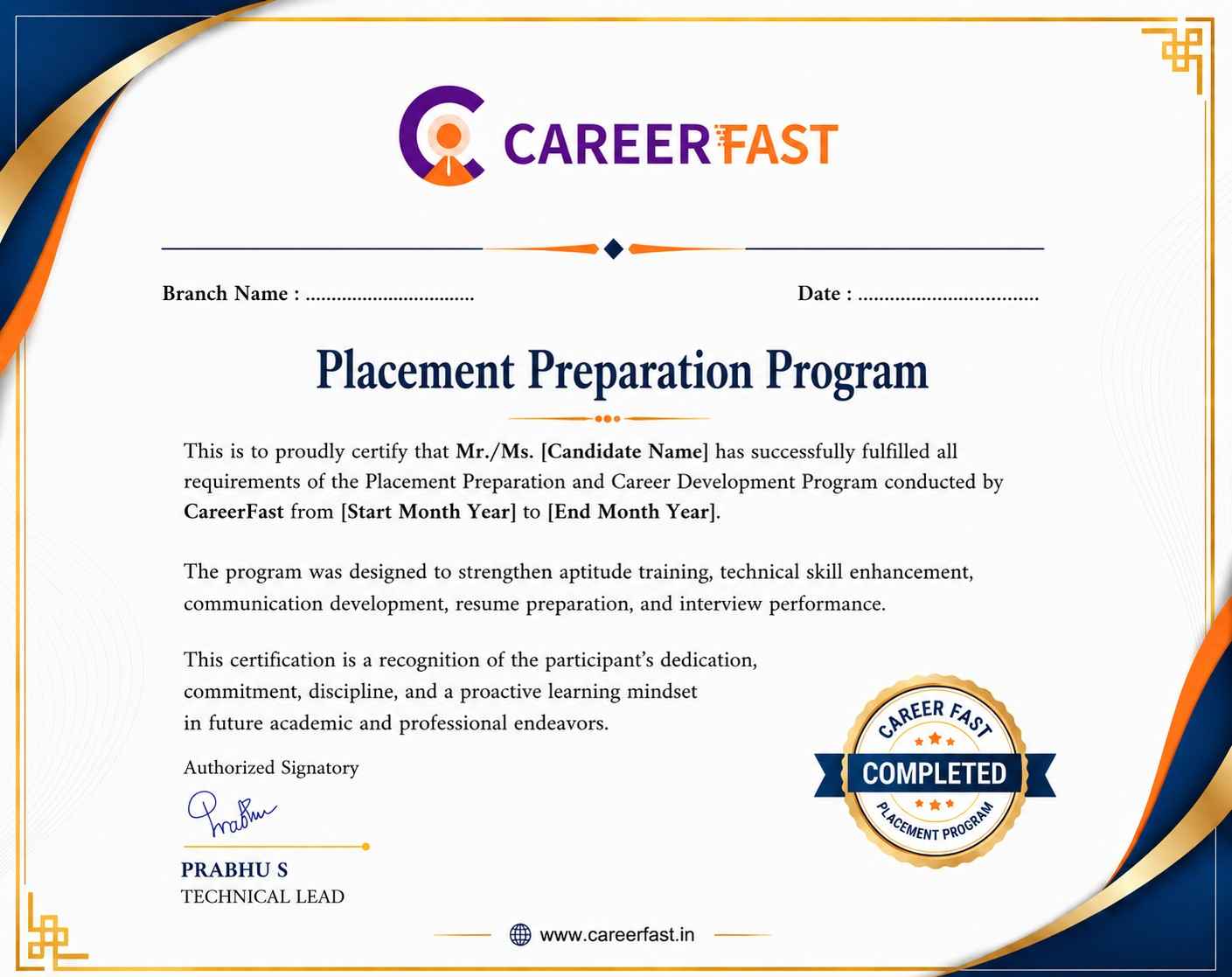
Placement
complete certification
Our learners
transformed their careers

A majority of our alumni
fast-tracked into managerial careers.
Get inspired by their progress in the Career Growth Report.
Our Student Successful Story
 Regular 1:1 Mentorship From Industry Experts
Live Classes
Career Support
Regular 1:1 Mentorship From Industry Experts
Live Classes
Career Support

Sandeep Kumar D
Software Engineer, Cisco Systems )

Vinoth P
UI Developer, TCS
Vijeyalakshme kannan
QA Engineer, Amazon Development Center
Pranav Srinivas
Software Testing, Capgemini
Prasanna
SAP Admin, HCLHow are the SAP FI Course with LearnoVita Different?
Feature
LearnoVita
Other Institutes
Affordable Fees
Competitive Pricing With Flexible Payment Options.
Higher SAP FI Fees With Limited Payment Options.
Live Class From ( Industry Expert)
Well Experienced Trainer From a Relevant Field With Practical SAP FI Training
Theoretical Class With Limited Practical
Updated Syllabus
Updated and Industry-relevant SAP FI Course Curriculum With Hands-on Learning.
Outdated Curriculum With Limited Practical Training.
Hands-on projects
Real-world SAP FI Projects With Live Case Studies and Collaboration With Companies.
Basic Projects With Limited Real-world Application.
Certification
Industry-recognized SAP FI Certifications With Global Validity.
Basic SAP FI Certifications With Limited Recognition.
Placement Support
Strong Placement Support With Tie-ups With Top Companies and Strong Mock Interviews.
Basic Placement Support
Industry Partnerships
Strong Ties With Top Tech Companies for Internships and Placements
No Partnerships, Limited Opportunities
Batch Size
Small Batch Sizes for Personalized Attention.
Large Batch Sizes With Limited Individual Focus.
Additional Features
Lifetime Access to SAP FICourse Materials, Alumni Network, and Hackathons.
No Additional Features or Perks.
Training Support
Dedicated Mentors, 24/7 Doubt Resolution, and Personalized Guidance.
Limited Mentor Support and No After-hours Assistance.
SAP FI Course FAQ's
- LearnoVita is dedicated to assisting job seekers in seeking, connecting, and achieving success, while also ensuring employers are delighted with the ideal candidates.
- Upon successful completion of a career course with LearnoVita, you may qualify for job placement assistance. We offer 100% placement assistance and maintain strong relationships with over 650 top MNCs.
- Our Placement Cell aids students in securing interviews with major companies such as Oracle, HP, Wipro, Accenture, Google, IBM, Tech Mahindra, Amazon, CTS, TCS, HCL, Infosys, MindTree, and MPhasis, among others.
- LearnoVita has a legendary reputation for placing students, as evidenced by our Placed Students' List on our website. Last year alone, over 5400 students were placed in India and globally.
- We conduct development sessions, including mock interviews and presentation skills training, to prepare students for challenging interview situations with confidence. With an 85% placement record, our Placement Cell continues to support you until you secure a position with a better MNC.
- Please visit your student's portal for free access to job openings, study materials, videos, recorded sections, and top MNC interview questions.

- Build a Powerful Resume for Career Success
- Get Trainer Tips to Clear Interviews
- Practice with Experts: Mock Interviews for Success
- Crack Interviews & Land Your Dream Job
Global Quality Training
At The Lowest Fees & Expert Trainer








Need custom pricing?
Recommended Job Courses
Trending Courses

