Home » Others Courses » SOC Analyst Course in Bangalore

SOC Analyst Course in Bangalore

(4.9) 16589 Ratings
  • Join the SOC Analyst Training in OMR to master security operations and incident response techniques.
  • Learn SIEM tools, log analysis, threat hunting, vulnerability management and cybersecurity monitoring concepts.
  • Gain hands-on experience through real-time SOC scenarios, cyberattack simulations, and practical security labs.
  • Ideal for Cybersecurity Aspirants, Security Analysts, IT Professionals aiming for SOC Analyst careers.
  • Choose flexible batches: Weekday, Weekend, or Fast-Track SOC Analyst training in OMR.
  • Benefit from placement support, certification guidance and expert cybersecurity career mentoring.

Course Duration

50+ Hrs

Live Project

3 Project

Certification Pass

Guaranteed

Training Format

Live Online (Expert Trainers)
Quality Training With Affordable Fee

⭐ Fees Starts From

INR 38,000
INR 18,500

11425+

Professionals Trained

10+

Batches every month

2410+

Placed Students

215+

Corporate Served

What You'll Learn

Understand SOC fundamentals, cybersecurity concepts, security operations, and incident response workflows.

Master SOC Analyst Course in OMR to learn SIEM monitoring and threat detection techniques.

Explore log analysis, threat intelligence, vulnerability assessment, and security monitoring tools.

Gain real-time exposure through hands-on incident investigation and security event analysis.

Study malware analysis, phishing detection, attack mitigation, and cyber defense strategies.

Prepare for SOC Analyst Training in OMR with expert-led sessions, practical labs, and certification guidance.

Comprehensive Overview of SOC Analyst Course

The SOC Analyst Course in OMR is designed to develop practical cybersecurity skills required for monitoring, detecting, and responding to security incidents in enterprise environments. This SOC Analyst Training covers SIEM tools, threat intelligence, incident response, malware analysis, and security monitoring through hands-on labs and real-time case studies. The SOC Analyst Training Certification validates your expertise in modern Security Operations Center practices and improves your employability in the cybersecurity industry. With SOC Analyst Training with Placement support, learners gain industry-relevant experience and career guidance, preparing them for high-demand cybersecurity roles across IT, banking, healthcare, telecom, and global technology organizations.

Additional Info

Future Trends in SOC Analyst Training

  • AI Security Automation: Artificial Intelligence is transforming Security Operations Centers by automating threat detection, incident prioritization, and response actions. SOC Analysts will increasingly use AI-powered tools to identify anomalies, reduce false positives, and accelerate investigations. This trend enables faster decision-making while allowing analysts to focus on advanced threats. AI-driven security platforms are becoming essential for modern cyber defense and enterprise security operations.
  • Zero Trust Security: Zero Trust architecture is becoming the foundation of enterprise cybersecurity strategies. SOC Analysts will monitor identity verification, continuous authentication, and least-privilege access policies. This approach minimizes insider threats and unauthorized access by verifying every request before granting permissions. Organizations adopting Zero Trust require skilled SOC professionals to maintain secure digital environments and monitor policy enforcement.
  • Cloud Security Monitoring: As organizations migrate to cloud platforms, SOC Analysts are increasingly responsible for monitoring cloud environments. Future SOC operations will involve protecting AWS, Azure, and Google Cloud infrastructures through advanced monitoring, threat detection, and compliance management. Cloud-native security tools will become essential components of modern Security Operations Centers.
  • Threat Intelligence Growth: Threat intelligence is becoming more proactive and data-driven. SOC Analysts will use global threat feeds, behavioral analytics, and attacker profiling to predict cyberattacks before they occur. Future SOC environments will emphasize intelligence sharing, automated threat correlation, and faster response strategies to minimize business impact.
  • Extended Detection Response: Extended Detection and Response (XDR) is replacing traditional security monitoring by integrating endpoints, networks, email, cloud, and applications into one platform. SOC Analysts will use XDR solutions to improve visibility, simplify investigations, and respond to incidents through centralized security operations with greater efficiency.
  • Automated Incident Response: Automation will significantly reduce manual work in Security Operations Centers. SOC Analysts will leverage Security Orchestration, Automation, and Response (SOAR) platforms to automate repetitive tasks, execute response playbooks, and improve incident resolution speed. This trend enhances operational efficiency while reducing analyst workload.
  • Advanced Threat Hunting: Future SOC Analysts will proactively search for hidden threats rather than waiting for alerts. Advanced threat hunting techniques using behavioral analytics, machine learning, and threat intelligence will help identify sophisticated cyberattacks before they cause significant damage to enterprise systems.
  • Compliance Integration: Cybersecurity regulations continue to evolve across industries. SOC Analysts will increasingly support compliance initiatives by monitoring security controls, maintaining audit logs, and generating regulatory reports. Integration of compliance monitoring into SOC operations ensures organizations remain aligned with industry standards and legal requirements.
  • Cyber Resilience Planning: Organizations are shifting from prevention-focused strategies to cyber resilience models. SOC Analysts will contribute to disaster recovery planning, business continuity, and rapid incident recovery. Building resilient security operations helps organizations recover quickly from cyber incidents while minimizing operational disruption.
  • IoT Security Expansion: The rapid growth of Internet of Things devices creates new cybersecurity challenges. Future SOC Analysts will monitor IoT networks, identify vulnerabilities, and secure connected devices against cyber threats. Protecting smart infrastructure, healthcare systems, manufacturing equipment, and industrial environments will become an increasingly important SOC responsibility.

Essential Tools and Technologies in SOC Analyst Training

  • SIEM Platforms: Security Information and Event Management (SIEM) platforms form the foundation of every Security Operations Center. SOC Analysts use tools such as Splunk, IBM QRadar, Microsoft Sentinel, and ArcSight to collect, correlate, and analyze security logs from multiple sources. These platforms provide real-time monitoring, automated alert generation, and advanced search capabilities. Learners understand dashboard creation, threat detection rules, log investigation, and incident analysis. Mastering SIEM solutions enables professionals to detect suspicious activities, investigate security events, and improve enterprise security operations efficiently.
  • Endpoint Protection: Endpoint Detection and Response (EDR) technologies protect laptops, desktops, and servers against cyber threats. SOC Analysts learn to monitor endpoint behavior, investigate malicious processes, and contain security incidents. Popular tools include CrowdStrike Falcon, Microsoft Defender, SentinelOne, and Carbon Black. These solutions provide behavioral analytics, malware detection, and real-time response capabilities. Training covers endpoint monitoring, forensic investigation, attack containment, and remediation techniques. Understanding endpoint security strengthens an organization's ability to defend against ransomware, malware, and insider threats.
  • Threat Intelligence: Threat intelligence platforms provide valuable information about emerging cyber threats, malicious IP addresses, attack techniques, and vulnerability trends. SOC Analysts learn how to integrate intelligence feeds into security monitoring systems to improve threat detection accuracy. Training includes indicator analysis, threat correlation, attacker profiling, and intelligence reporting. Using threat intelligence enables analysts to proactively identify attacks, understand adversary behavior, and improve incident response strategies. These technologies enhance organizational cyber resilience by supporting faster and more informed security decisions.
  • Network Monitoring: Network monitoring technologies allow SOC Analysts to inspect traffic patterns, identify suspicious communications, and detect unauthorized activities. Tools like Wireshark, Zeek, and network intrusion detection systems help analyze packet data and network behavior. Learners understand protocol analysis, anomaly detection, traffic inspection, and network security monitoring. Continuous visibility into enterprise networks enables faster identification of cyberattacks, unauthorized access attempts, and data exfiltration. Strong network monitoring skills are essential for effective Security Operations Center performance.
  • Vulnerability Assessment: Vulnerability assessment technologies help organizations identify weaknesses before attackers exploit them. SOC Analysts use scanners such as Nessus, Qualys, and OpenVAS to discover security vulnerabilities across systems and applications. Training covers vulnerability scanning, risk prioritization, remediation tracking, and compliance reporting. Understanding vulnerability management strengthens proactive security by reducing attack surfaces and supporting continuous security improvement. Regular assessments help organizations maintain secure infrastructures and comply with regulatory standards.
  • Incident Response: Incident response platforms streamline security investigations by providing workflows, automation, and collaboration capabilities. SOC Analysts learn to identify, investigate, contain, eradicate, and recover from cyber incidents. Training covers forensic evidence collection, incident documentation, response planning, and post-incident reporting. Effective incident response minimizes business disruption, protects sensitive information, and improves organizational resilience. Practical exercises prepare learners to manage real-world cybersecurity incidents with confidence.
  • SOAR Automation: Security Orchestration, Automation, and Response (SOAR) technologies automate repetitive security tasks and accelerate incident handling. SOC Analysts learn how to create automated workflows, integrate multiple security tools, and execute predefined response actions. SOAR reduces manual workload, improves response consistency, and increases operational efficiency. Training focuses on automation strategies, playbook development, workflow optimization, and integrated incident management. These technologies enable modern Security Operations Centers to respond quickly to evolving cyber threats.
  • Malware Analysis: Malware analysis technologies help SOC Analysts examine malicious software to understand its behavior, capabilities, and impact. Learners explore sandbox environments, reverse engineering basics, and malware detection techniques. Training includes identifying ransomware, trojans, spyware, worms, and advanced persistent threats. Malware analysis supports rapid incident response and improves defensive strategies by understanding attacker methodologies. Strong malware investigation skills help organizations prevent recurring cyberattacks and strengthen endpoint protection.
  • Cloud Security: Cloud security technologies protect workloads hosted on platforms such as AWS, Microsoft Azure, and Google Cloud. SOC Analysts learn cloud monitoring, identity management, security logging, compliance validation, and cloud incident response. Training includes securing virtual machines, cloud applications, storage services, and container environments. As organizations increasingly adopt cloud infrastructure, understanding cloud security becomes essential for protecting digital assets and maintaining regulatory compliance across distributed environments.
  • Digital Forensics: Digital forensics technologies enable SOC Analysts to investigate security incidents through evidence collection and analysis. Learners study log preservation, memory analysis, disk imaging, timeline reconstruction, and forensic reporting. These techniques support cybercrime investigations, legal compliance, and incident response activities. Digital forensics helps determine attack origins, understand compromise methods, and identify affected systems. Practical forensic skills strengthen investigative capabilities and improve organizational cyber defense.

Roles and Responsibilities of SOC Analyst Training

  • Security Analyst: A Security Analyst continuously monitors enterprise security systems, investigates alerts, and identifies suspicious activities. Responsibilities include analyzing SIEM logs, validating security incidents, escalating confirmed threats, and documenting findings. Analysts work closely with incident response teams to minimize security risks and maintain continuous monitoring of organizational infrastructure. Their expertise ensures timely detection and mitigation of cyber threats.
  • Incident Responder: An Incident Responder manages cybersecurity incidents from identification through recovery. Responsibilities include investigating attacks, containing compromised systems, eliminating threats, restoring affected services, and preparing incident reports. They coordinate with multiple teams during cyber incidents and ensure business continuity through structured response procedures. Effective incident response minimizes operational disruption and reduces organizational risk.
  • Threat Hunter: A Threat Hunter proactively searches enterprise environments for hidden cyber threats that traditional security tools may overlook. Responsibilities include behavioral analysis, threat intelligence correlation, attack simulation, and identifying advanced persistent threats. Threat hunters continuously improve organizational defenses by discovering emerging attack techniques before significant damage occurs.
  • Compliance Officer: A Compliance Officer ensures cybersecurity operations align with industry regulations and organizational policies. Responsibilities include monitoring compliance controls, supporting audits, maintaining documentation, reviewing security policies, and preparing compliance reports. They help organizations meet legal, regulatory, and governance requirements while reducing compliance-related risks.
  • Risk Analyst: A Risk Analyst evaluates cybersecurity risks affecting business operations and recommends mitigation strategies. Responsibilities include conducting risk assessments, prioritizing vulnerabilities, analyzing potential business impacts, and supporting enterprise risk management initiatives. Their analysis enables organizations to allocate security resources effectively and improve overall resilience.
  • SOC Manager: A SOC Manager oversees Security Operations Center activities, manages analyst teams, defines operational procedures, and ensures effective incident response. Responsibilities include performance monitoring, security strategy implementation, staff mentoring, resource planning, and reporting to executive leadership. Strong leadership ensures efficient security operations and continuous improvement.
  • Forensic Analyst: A Forensic Analyst investigates cybersecurity incidents by collecting and analyzing digital evidence. Responsibilities include examining compromised systems, preserving evidence, reconstructing attack timelines, identifying attack methods, and preparing forensic reports. Their investigations support legal proceedings, internal reviews, and future security improvements.
  • Malware Analyst: A Malware Analyst examines malicious software to understand functionality, infection methods, and attack objectives. Responsibilities include malware classification, behavioral analysis, reverse engineering support, threat intelligence updates, and developing detection strategies. Their expertise strengthens enterprise defenses against evolving malware threats.
  • Vulnerability Analyst: A Vulnerability Analyst identifies, evaluates, and prioritizes security weaknesses across enterprise systems. Responsibilities include conducting vulnerability assessments, validating security findings, recommending remediation actions, tracking patch implementation, and supporting continuous security improvement initiatives. Their work significantly reduces organizational attack surfaces.
  • Security Consultant: A Security Consultant advises organizations on improving cybersecurity posture through governance, risk management, security assessments, and strategic planning. Responsibilities include reviewing security architectures, recommending technology solutions, conducting security audits, and supporting compliance initiatives. Consultants help organizations implement effective cybersecurity programs that align with business objectives.

Top Companies Hiring for SOC Analyst Professionals

  • Accenture: Accenture hires SOC Analysts to monitor enterprise security operations, investigate security incidents, analyze cyber threats, and respond to real-time attacks. Professionals work with Security Information and Event Management (SIEM) platforms, endpoint detection tools, threat intelligence solutions, and cloud security technologies. The company offers opportunities to participate in global cybersecurity projects, gain exposure to advanced security operations, earn industry certifications, and build successful careers in managed security services.
  • IBM: IBM recruits SOC Analysts to strengthen enterprise cybersecurity through continuous security monitoring, incident detection, threat hunting, and vulnerability assessment. Analysts work with AI-powered security platforms, cloud security environments, malware analysis tools, and digital forensics technologies. IBM provides structured learning, certification opportunities, and practical experience with enterprise-grade cybersecurity infrastructures serving multinational organizations.
  • Deloitte: Deloitte employs SOC Analysts for cybersecurity consulting, managed detection and response, threat intelligence, security monitoring, and incident response projects. Professionals collaborate with global clients to identify threats, investigate cyber incidents, and improve organizational security posture. Deloitte offers continuous learning, exposure to enterprise security frameworks, and opportunities to work with advanced cybersecurity technologies.
  • Infosys: Infosys hires SOC Analysts to monitor security events, investigate alerts, perform threat analysis, and support incident response activities. Professionals manage SIEM platforms, endpoint security tools, identity management systems, and cloud security environments. Infosys provides practical project experience, cybersecurity certifications, and career advancement opportunities across banking, healthcare, retail, and technology industries.
  • Tata Consultancy Services: Tata Consultancy Services recruits SOC Analysts to strengthen enterprise security through continuous monitoring, malware detection, security analytics, and cyber incident management. Analysts work with modern cybersecurity technologies, investigate threats, develop response strategies, and ensure compliance with security standards. TCS offers excellent career development through enterprise cybersecurity projects and professional certification programs.
  • Wipro: Wipro actively recruits SOC Analysts to secure enterprise networks, cloud infrastructures, and digital assets. Responsibilities include threat monitoring, incident investigation, vulnerability management, malware analysis, and log monitoring. Professionals gain experience with SIEM solutions, threat intelligence platforms, and security automation technologies while working with international clients across diverse industry sectors.
  • Capgemini: Capgemini hires SOC Analysts to monitor enterprise security operations, investigate cybersecurity threats, and improve security monitoring capabilities. Professionals support incident response, threat intelligence, security assessments, and compliance initiatives. Employees receive exposure to advanced SOC environments, cloud security platforms, and modern cybersecurity technologies while supporting digital transformation projects for global organizations.
  • Cognizant: Cognizant employs SOC Analysts to identify security threats, investigate incidents, manage SIEM alerts, and strengthen enterprise cyber resilience. Analysts collaborate with cybersecurity teams to improve detection capabilities, automate response processes, and secure cloud environments. Cognizant provides professional development opportunities through enterprise security projects, certifications, and global cybersecurity engagements.
  • HCLTech: HCLTech recruits SOC Analysts to provide continuous security monitoring, cyber threat analysis, digital forensics, and incident response services. Professionals work with advanced endpoint security, SIEM platforms, cloud security technologies, and threat intelligence tools. HCLTech supports career growth through hands-on enterprise projects, technical training, and internationally recognized cybersecurity certification programs.
  • Tech Mahindra: Tech Mahindra hires SOC Analysts to monitor enterprise security infrastructures, investigate suspicious activities, analyze cyber threats, and manage incident response processes. Professionals work with SIEM platforms, endpoint protection, network security tools, cloud security solutions, and threat intelligence services. The company offers excellent opportunities to build practical cybersecurity expertise while supporting large-scale enterprise security operations across global industries.
View more

SOC Analyst Course Objectives

This SOC Analyst training is suitable for beginners and IT professionals interested in cybersecurity careers. Basic knowledge of networking, operating systems, and computer security concepts is beneficial but not mandatory. The course gradually develops practical skills through hands-on labs, real-world projects, and instructor-led training designed for learners at different experience levels.
SOC Analyst training equips learners with practical expertise in threat detection, incident response, SIEM monitoring, log analysis, and vulnerability management. Students gain real-world experience through security projects, improve analytical skills, and prepare for professional cybersecurity certifications while developing the confidence needed for enterprise security operations.
  • Threat Intelligence
  • Cloud Security
  • Security Automation
  • Incident Response
  • Cyber Defense
SOC Analyst training has become essential as cyber threats continue to increase worldwide. Organizations actively seek professionals capable of monitoring security events, responding to incidents, and protecting enterprise environments. Skilled SOC Analysts are in high demand across industries including finance, healthcare, government, manufacturing, and technology services.
  • Security Monitoring
  • Threat Detection
  • Incident Response
  • SIEM Management
  • Log Analysis
Yes. Students work on practical cybersecurity projects involving SIEM implementation, threat detection, incident investigation, malware analysis, and security monitoring. These hands-on projects simulate real Security Operations Center environments, allowing learners to gain valuable industry experience and improve their technical problem-solving abilities before entering the workforce.
  • Information Technology
  • Banking Finance
  • Healthcare Industry
  • Government Sector
  • Telecommunications Industry
SOC Analyst training provides practical cybersecurity knowledge, industry-relevant skills, and hands-on project experience that improve employability. Certification preparation, placement assistance, interview guidance, and practical exposure significantly increase your chances of securing rewarding cybersecurity roles in leading organizations.
  • Threat Detection
  • Incident Handling
  • Practical Experience
  • Placement Support
  • Career Growth
Students will gain practical experience with industry-leading cybersecurity tools including Splunk, IBM QRadar, Microsoft Sentinel, Wireshark, Nessus, Snort, Suricata, Metasploit, CrowdStrike, Kibana, Sysmon, and Velociraptor. They will learn log monitoring, threat detection, incident investigation, vulnerability assessment, and security analysis using enterprise-grade security platforms commonly used in modern Security Operations Centers.
view More view Less

Benefits of SOC Analyst Course

The SOC Analyst Certification Course in OMR provides hands-on learning in threat detection, incident response, SIEM monitoring, and cybersecurity operations. Learners gain practical exposure through real-world security scenarios, log analysis, and expert-led labs. This SOC Analyst Certification Course with Placement support prepares professionals for rewarding careers in Security Operations Centers, cyber defense, and enterprise security monitoring.

  • Designation
  • Annual Salary
    Hiring Companies
  • 3.24L
    Min
  • 6.5L
    Average
  • 13.5L
    Max
  • 4.50L
    Min
  • 8.5L
    Average
  • 16.5L
    Max
  • 4.0L
    Min
  • 6.5L
    Average
  • 13.5L
    Max
  • 3.24L
    Min
  • 6.5L
    Average
  • 12.5L
    Max

About Your SOC Analyst Training

Our SOC Analyst Training in OMR provides comprehensive knowledge of security monitoring, incident response, threat intelligence, SIEM tools, and cyber defense strategies. Learners gain practical experience through hands-on labs, real-world security projects, and expert guidance. With placement support, this training prepares professionals for successful cybersecurity careers.

Top Skills You Will Gain
  • Threat Hunting
  • Incident Response
  • Log Analysis
  • Security Monitoring
  • Risk Assessment
  • Malware Analysis
  • Network Security
  • Vulnerability Management

12+ SOC Analyst Tools

Online Classroom Batches Preferred

Weekdays (Mon - Fri)
20 - July - 2026
08:00 AM (IST)
Weekdays (Mon - Fri)
22 - July - 2026
08:00 AM (IST)
Weekend (Sat)
25 - July - 2026
11:00 AM (IST)
Weekend (Sun)
26 - July - 2026
11:00 AM (IST)
Can't find a batch you were looking for?
₹38,000 ₹18,500 10% OFF Expires in

No Interest Financing start at ₹ 5000 / month

Corporate Training

  • Customized Learning
  • Enterprise Grade Learning Management System (LMS)
  • 24x7 Support
  • Enterprise Grade Reporting

Not Just Studying
We’re Doing Much More!

Empowering Learning Through Real Experiences and Innovation

Hiring
Hiring
Hiring
Hiring
Hiring
Hiring
Hiring
User
User
User
User
User
User

SOC Analyst Course Curriculam

Trainers Profile

Our SOC Analyst Training in OMR is delivered by experienced cybersecurity professionals with extensive expertise in Security Operations Centers, threat detection, incident response, SIEM platforms, malware analysis, and digital forensics. We provide high-quality training materials, real-world case studies, SOC Analyst Internship opportunities, and hands-on project exposure to strengthen practical cybersecurity skills. These learning resources help students build industry-ready expertise and prepare for successful careers in enterprise security operations and cyber defense.

Syllabus for SOC Analyst Course Download syllabus

  • Security Operations Basics
  • Cybersecurity Concepts Introduction
  • SOC Architecture Overview
  • Security Monitoring Fundamentals
  • Threat Landscape Overview
  • SOC Environment Setup
  • Network Security Basics
  • Firewall Configuration Concepts
  • Network Traffic Analysis
  • TCP IP Fundamentals
  • Secure Network Monitoring
  • Packet Capture Analysis
  • SIEM Platform Introduction
  • Log Collection Methods
  • Event Correlation Rules
  • Alert Management Process
  • Dashboard Configuration Techniques
  • Incident Log Analysis
  • Threat Intelligence Basics
  • Malware Detection Techniques
  • Suspicious Activity Identification
  • Attack Pattern Analysis
  • Threat Hunting Methods
  • IOC Investigation Process
  • Incident Response Planning
  • Security Incident Handling
  • Incident Classification Methods
  • Containment Recovery Procedures
  • Root Cause Analysis
  • Incident Documentation Process
  • Endpoint Protection Basics
  • Antivirus Management Techniques
  • Endpoint Detection Response
  • Device Security Monitoring
  • Host Log Analysis
  • Endpoint Risk Assessment
  • Vulnerability Assessment Techniques
  • Security Scanning Methods
  • Patch Management Process
  • Risk Prioritization Methods
  • Compliance Security Checks
  • Remediation Planning Strategies
  • Cloud Security Fundamentals
  • Cloud Threat Detection
  • Identity Access Management
  • Cloud Log Monitoring
  • Secure Cloud Configuration
  • Cloud Compliance Standards
  • Evidence Collection Methods
  • Memory Analysis Basics
  • Disk Forensics Techniques
  • Malware Investigation Process
  • Incident Reporting Procedures
  • Forensic Tool Usage
  • Threat Intelligence Integration
  • Security Automation Techniques
  • Zero Trust Security
  • Advanced Threat Hunting
  • SOC Project Implementation
  • Career Preparation Sessions
(15) view More view Less
Need customized curriculum?

REAL

start
STORIES SUCCESS INSPIRATION
CAREER
UPGRADE
sowmiya

sowmiya

CAREER
UPGRADE
Rajkumar

Rajkumar

CAREER
UPGRADE
Thon

Thon

CAREER
UPGRADE
lavanya

Lavanya

Industry Projects

Project 1
SIEM Threat Monitoring

Configure a SIEM platform to collect logs, monitor security events, identify suspicious activities, generate alerts, and investigate cyber threats.

Project 2
Incident Response Workflow

Develop an end-to-end incident response process by detecting security incidents, analyzing attack patterns, documenting findings and containing threats.

Project 3
Malware Detection Analysis

Perform malware detection using endpoint security logs, threat intelligence feeds, and forensic techniques to identify malicious behavior.

Our Hiring Partner

Exam & SOC Analyst Certification

  • Basic Networking Knowledge
  • Cybersecurity Fundamentals
  • Operating System Basics
  • Security Concepts Understanding
  • Analytical Thinking Skills
A SOC Analyst certification validates your expertise in security monitoring, threat detection, incident response, and SIEM technologies. It strengthens your professional credibility, enhances technical knowledge, and improves career opportunities in cybersecurity. Certified professionals are highly valued by organizations seeking skilled security analysts capable of protecting enterprise systems against evolving cyber threats and ensuring continuous security operations.
A SOC Analyst certification significantly improves your employability by demonstrating practical cybersecurity skills and industry knowledge. It strengthens your resume and technical profile. Combined with practical projects, interview preparation, and hands-on experience, it greatly increases opportunities in Security Operations Centers and cybersecurity teams.
  • SOC Analyst
  • Security Analyst
  • Incident Responder
  • Threat Hunter
  • Cybersecurity Engineer
A SOC Analyst certification helps professionals gain expertise in modern cybersecurity operations and enterprise security monitoring. It improves technical confidence, supports career advancement, and increases opportunities for higher-paying cybersecurity positions. Certified professionals often receive recognition for their practical security skills and become eligible for advanced roles in cyber defense and security operations.

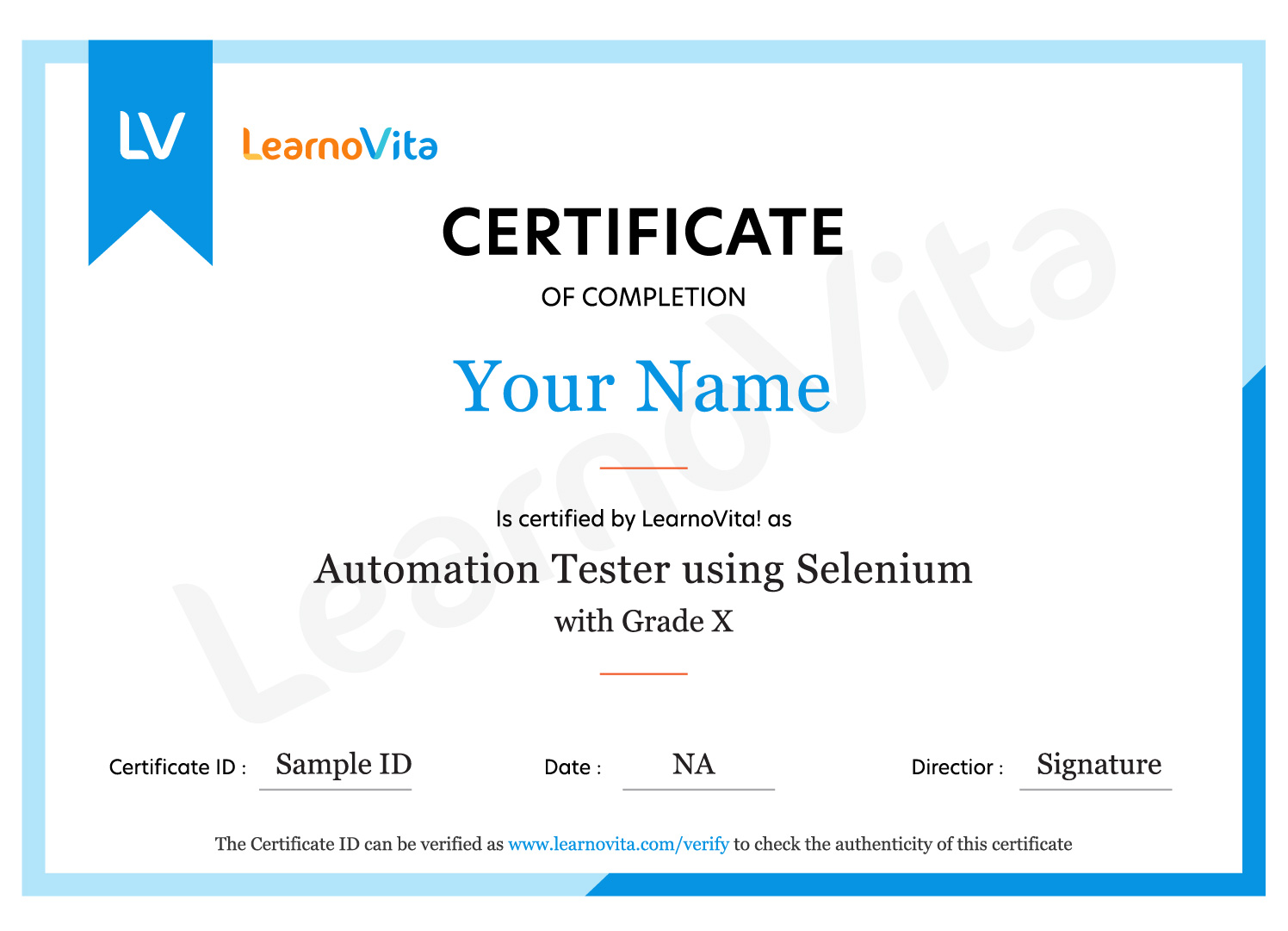
MNC Recognized course
complete certification
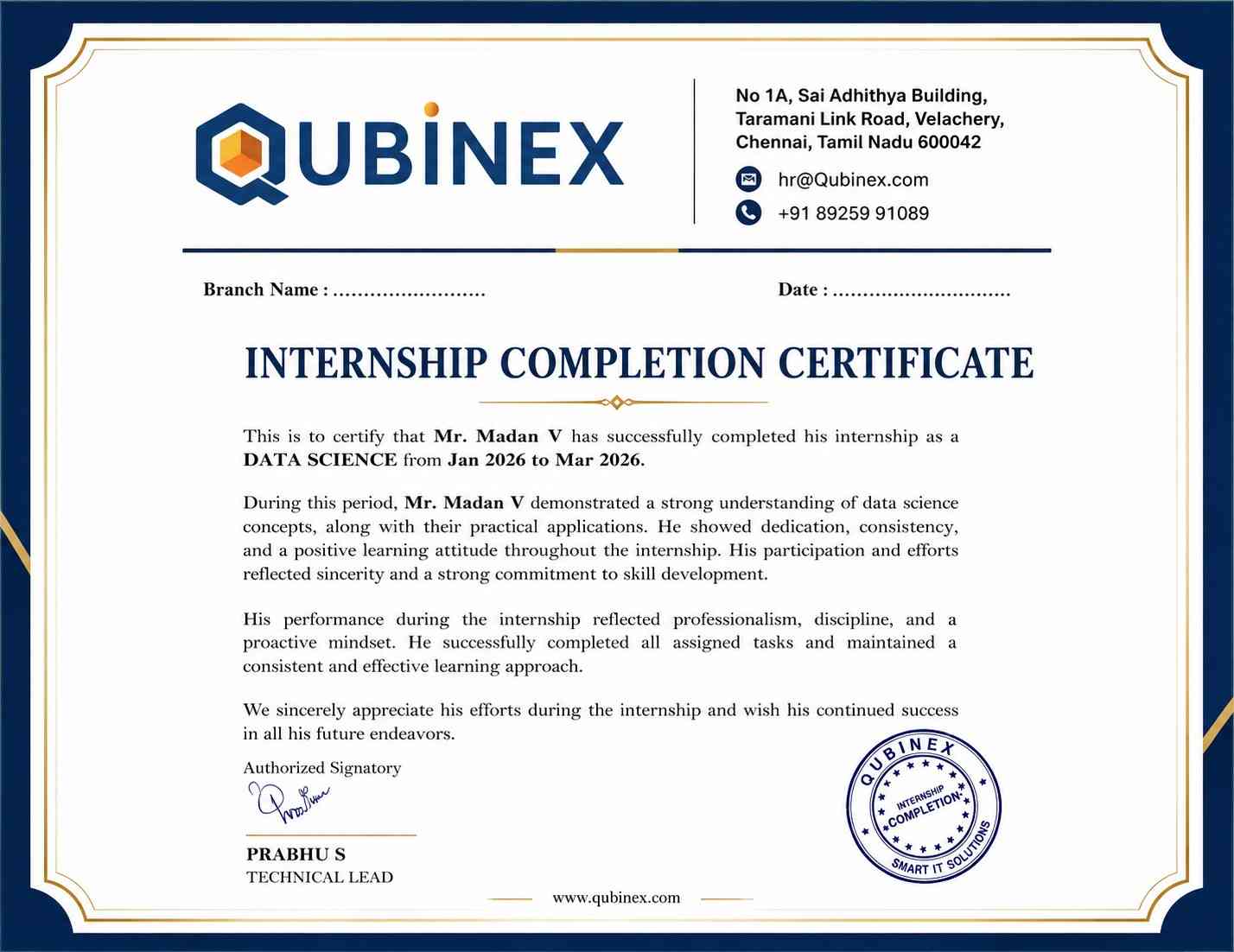
Intership
complete certification

Placement
complete certification

Our learners
transformed their careers

35 Laks
Highest Salary Offered
50%
Average Salary Hike
30K+
Placed in MNC's
15+
Year's in Training
Our Alumni
Alumni

A majority of our alumni

fast-tracked into managerial careers.

Get inspired by their progress in the Career Growth Report.

Our Student Successful Story

checkimage Regular 1:1 Mentorship From Industry Experts checkimage Live Classes checkimage Career Support

How are the SOC Analyst Course with LearnoVita Different?

Feature

LearnoVita

Other Institutes

Affordable Fees

Competitive Pricing With Flexible Payment Options.

Higher SOC Analyst Fees With Limited Payment Options.

Live Class From ( Industry Expert)

Well Experienced Trainer From a Relevant Field With Practical SOC Analyst Training

Theoretical Class With Limited Practical

Updated Syllabus

Updated and Industry-relevant SOC Analyst Course Curriculum With Hands-on Learning.

Outdated Curriculum With Limited Practical Training.

Hands-on projects

Real-world SOC Analyst Projects With Live Case Studies and Collaboration With Companies.

Basic Projects With Limited Real-world Application.

Certification

Industry-recognized SOC Analyst Certifications With Global Validity.

Basic SOC Analyst Certifications With Limited Recognition.

Placement Support

Strong Placement Support With Tie-ups With Top Companies and Strong Mock Interviews.

Basic Placement Support

Industry Partnerships

Strong Ties With Top Tech Companies for Internships and Placements

No Partnerships, Limited Opportunities

Batch Size

Small Batch Sizes for Personalized Attention.

Large Batch Sizes With Limited Individual Focus.

Additional Features

Lifetime Access to SOC Analyst Course Materials, Alumni Network, and Hackathons.

No Additional Features or Perks.

Training Support

Dedicated Mentors, 24/7 Doubt Resolution, and Personalized Guidance.

Limited Mentor Support and No After-hours Assistance.

SOC Analyst Course FAQ's

Certainly, you are welcome to join the demo session. However, due to our commitment to maintaining high-quality standards, we limit the number of participants in live sessions. Therefore, participation in a live class without enrollment is not feasible. If you're unable to attend, you can review our pre-recorded session featuring the same trainer. This will provide you with a comprehensive understanding of our class structure, instructor quality, and level of interaction.
All of our instructors are employed professionals in the industry who work for prestigious companies and have a minimum of 9 to 12 years of significant IT field experience. A great learning experience is provided by all of these knowledgeable people at LearnoVita.
  • LearnoVita is dedicated to assisting job seekers in seeking, connecting, and achieving success, while also ensuring employers are delighted with the ideal candidates.
  • Upon successful completion of a career course with LearnoVita, you may qualify for job placement assistance. We offer 100% placement assistance and maintain strong relationships with over 650 top MNCs.
  • Our Placement Cell aids students in securing interviews with major companies such as Oracle, HP, Wipro, Accenture, Google, IBM, Tech Mahindra, Amazon, CTS, TCS, HCL, Infosys, MindTree, and MPhasis, among others.
  • LearnoVita has a legendary reputation for placing students, as evidenced by our Placed Students' List on our website. Last year alone, over 5400 students were placed in India and globally.
  • We conduct development sessions, including mock interviews and presentation skills training, to prepare students for challenging interview situations with confidence. With an 85% placement record, our Placement Cell continues to support you until you secure a position with a better MNC.
  • Please visit your student's portal for free access to job openings, study materials, videos, recorded sections, and top MNC interview questions.
LearnoVita Certification is awarded upon course completion and is recognized by all of the world's leading global corporations. LearnoVita are the exclusive authorized Oracle, Microsoft, Pearson Vue, and PSI exam centers, as well as an authorized partner of AWS. Additionally, those who want to pass the National Authorized Certificate in a specialized IT domain can get assistance from LearnoVita's technical experts.
As part of the training program, LearnoVita provides you with the most recent, pertinent, and valuable real-world projects. Every program includes several projects that rigorously assess your knowledge, abilities, and real-world experience to ensure you are fully prepared for the workforce. Your abilities will be equivalent to six months of demanding industry experience once the tasks are completed.
At LearnoVita, participants can choose from instructor-led online training, self-paced training, classroom sessions, one-to-one training, fast-track programs, customized training, and online training options. Each mode is designed to provide flexibility and convenience to learners, allowing them to select the format that best suits their needs. With a range of training options available, participants can select the mode that aligns with their learning style, schedule, and career goals to excel in SOC Analyst.
LearnoVita guarantees that you won't miss any topics or modules. You have three options to catch up we'll reschedule classes to suit your schedule within the course duration, provide access to online class presentations and recordings, or allow you to attend the missed session in another live batch.
Please don't hesitate to reach out to us at contact@learnovita.com if you have any questions or need further clarification.
To enroll in the SOC Analyst Course at LearnoVita, you can conveniently register through our website or visit any of our branches in India for direct assistance.
Yes, after you've enrolled, you will have lifetime access to the student portal's study materials, videos, and top MNC interview questions.
At LearnoVita, we prioritize individual attention for students, ensuring they can clarify doubts on complex topics and gain a richer understanding through interactions with instructors and peers. To facilitate this, we limit the size of each SOC Analyst batch to 5 or 6 members.
The average annual salary for SOC Analyst Professionals in India is 4 LPA to 8 LPA.
view More view Less
Career Assistance
  • Build a Powerful Resume for Career Success
  • Get Trainer Tips to Clear Interviews
  • Practice with Experts: Mock Interviews for Success
  • Crack Interviews & Land Your Dream Job
100% JOB GUARANTEE

Global Quality Training
At The Lowest Fees & Expert Trainer

AVAILABLE IN:
India Canada USA Singapore UAE Australia EU Germany

Need custom pricing?

4.9/5 from 50k+ students
Acte Technologies WhatsApp
Call Us! Chat With Us