Home » UI/UX Design Training in BTM Layout

UI/UX Design Training in BTM Layout

(4.6) 15462 Ratings
  • Enroll in the UI/UX Design Training in BTM Layout to develop practical skills in user interface.
  • Learn key UI/UX concepts including user research, wireframing, prototyping, and usability testing.
  • Gain hands-on experience through real-time UI/UX projects and practical design exercises.
  • Ideal for aspiring UI/UX Designers, Web Designers, Product Designers, Students, and Job Seekers.
  • Choose from Flexible Batch Timings: Weekday, Weekend, or Fast-Track Learning Schedules.
  • Benefit from Placement Assistance, Interview Preparation, and UI/UX Design Certification.

Course Duration

45+ Hrs

Live Project

3 Project

Certification Pass

Guaranteed

Training Format

Live Online (Expert Trainers)
Quality Training With Affordable Fee

⭐ Fees Starts From

INR 38,000
INR 18,500

11358+

Professionals Trained

10+

Batches every month

2086+

Placed Students

203+

Corporate Served

What You'll Learn

UI/UX Design Training in BTM Layout covers user experience principles, interface design, design thinking, and modern product design concepts.

Learn UI/UX concepts including user research, personas, information architecture, user journeys, wireframes, mockups, and interactive prototypes.

Develop practical skills in visual design, typography, color theory, layouts, responsive interfaces, usability testing, interaction design, and design systems.

Gain hands-on experience through UI/UX projects, wireframing exercises, prototype creation, interface design tasks, user research, and industry scenarios.

Explore design thinking, responsive design, accessibility, mobile app design, interaction patterns, and professional design system development.

Build industry-focused UI/UX Design skills and prepare for roles as UI/UX Designers, Product Designers, Interaction Designers, and User Experience Specialists.

An Ultimate Overview of UI/UX Design Course

The UI/UX Design Training in BTM Layout is designed to help learners build practical expertise in user interface design, user experience principles, and digital product design. Through hands-on UI/UX Design training, participants gain experience with real-time projects, user research, wireframing, interactive prototyping, usability testing, and design workflows under expert guidance. This UI/UX Design Certification Course in BTM Layout offers flexible learning options, including online and instructor-led sessions, allowing students and working professionals to learn conveniently. The program develops creative thinking, user-centered design skills, visual design knowledge, and proficiency in industry-standard design tools, preparing learners for opportunities in UI/UX design, product design, and digital experience development.

Additional Info

Future Trends for UI/UX Design Course in BTM Layout

  • AI-Based Design Tools: AI-powered design tools are transforming UI/UX workflows by automating repetitive tasks such as layout creation, color selection, and content generation. Features from modern platforms help designers analyze user behavior, generate ideas, improve interfaces, and focus more on creative strategy and user-centered experiences.
  • Voice and Conversational Interfaces: Voice and conversational interfaces are becoming increasingly important as users interact with digital products through assistants and chatbots. Designers focus on natural language, user intent, accessibility, and accurate responses. Future interfaces will combine voice interaction with visual elements to create smoother and more intuitive experiences.
  • AR and VR Augmenting User Experiences: AR and VR are creating immersive digital experiences across retail, education, entertainment, healthcare, and real estate. UI/UX designers need to develop intuitive navigation and interactions for immersive environments. As these technologies advance, accessibility, usability, spatial interfaces, and seamless user interaction will become increasingly important.
  • Personalized User Experiences: Personalization enables digital products to adapt interfaces, content, and recommendations according to user preferences and behavior. Designers use data-driven insights to create customized dashboards, layouts, and experiences. Future designs will focus on balancing personalization with transparency, user control, privacy, and responsible data usage.
  • Dark Mode and Theme Customization: Dark mode and customizable themes continue to influence modern interface design by offering visual flexibility and improved comfort in different environments. Designers must maintain sufficient contrast, readability, and accessibility across themes. Future products are expected to provide more adaptive interfaces based on user preferences and settings.
  • Expansion of No-Code and Low-Code Platforms: No-code and low-code platforms are making digital product development more accessible to designers and non-technical users. Tools such as Webflow, Bubble, and Framer support rapid prototyping and implementation. These platforms reduce development complexity and allow designers to focus more on user experience, product strategy, and functionality.
  • Gesture-Based UI and Biometric Authentication: Gesture controls and biometric technologies are creating more natural and secure digital interactions. Features such as swiping, facial recognition, and fingerprint authentication simplify navigation and identity verification. Designers must ensure these interactions remain intuitive, accessible, secure, and suitable for users with diverse abilities and preferences.
  • Accessibility and Inclusive Design: Accessibility and inclusive design are becoming essential parts of modern UI/UX development. Designers incorporate screen reader support, keyboard navigation, voice controls, suitable contrast, and accessible interactions. Creating inclusive interfaces improves usability for diverse audiences and ensures digital products accommodate different abilities, devices, and user requirements.
  • Eco-Friendly and Sustainable Design: Sustainable UI/UX design focuses on reducing the environmental impact of digital products through efficient interfaces and optimized performance. Lightweight pages, reduced data usage, efficient media, and simpler interactions can lower resource consumption. Future design practices will increasingly consider performance, accessibility, usability, and digital sustainability together.

Tools and Technologies for UI/UX Design Course

  • Figma: Figma is a collaborative UI/UX design platform used to create wireframes, prototypes, and high-fidelity interfaces. Its browser-based workspace supports real-time teamwork, version history, shared libraries, and plugins, helping designers manage projects efficiently from concept development through final interface design.
  • Adobe XD: Adobe XD supports the complete UI/UX design workflow, including wireframing, interface creation, and interactive prototyping. It provides responsive layouts, animations, reusable components, and design systems while integrating with Adobe Creative Cloud tools, helping designers maintain consistency and develop engaging digital experiences.
  • Sketch: Sketch is a vector-based design tool used for creating scalable user interfaces and digital product experiences. It provides artboards, symbols, reusable components, libraries, and plugins that streamline design workflows. Its structured approach helps designers maintain visual consistency while developing detailed interface concepts and prototypes.
  • InVision: InVision is a prototyping and collaboration platform that enables designers to create interactive mockups and user flows. Teams can connect screens, add interactions, collect feedback, and review designs collaboratively. Its prototyping capabilities help stakeholders understand product experiences before development and support smoother design validation.
  • Balsamiq: Balsamiq is a lightweight wireframing tool designed for quickly developing low-fidelity interface concepts. Its sketch-style visuals keep attention on structure, navigation, and functionality rather than detailed styling. Drag-and-drop components make it useful for brainstorming, early planning, rapid iterations, and collaborative wireframe reviews.
  • Proto.io: Proto.io is a no-code prototyping platform for creating interactive web and mobile product experiences. Designers can use drag-and-drop features to add animations, gestures, transitions, and navigation without advanced programming. Prototypes can be shared with stakeholders for usability evaluation, feedback, and design validation.
  • Framer: Framer combines interface design, responsive layouts, animations, and interactive prototyping capabilities. Designers can create adaptive interfaces with reusable components, scrolling, navigation, and interactive elements. Its collaborative workflow supports high-fidelity prototypes and helps teams develop polished digital experiences efficiently across different screen sizes.
  • Canva: Canva is a user-friendly visual design platform that supports the creation of interface graphics, presentations, social media assets, and other digital content. Its templates, drag-and-drop editor, and extensive design resources help UI/UX learners create visual assets quickly while maintaining consistent branding and presentation quality.
  • Axure RP: Axure RP is a professional prototyping tool used to create detailed wireframes, interactive prototypes, and complex user flows. It supports conditional logic, dynamic interactions, forms, and advanced documentation. Designers can use these capabilities to simulate realistic product behavior and communicate functional requirements clearly to development teams.
  • Marvel: Marvel is a design and prototyping platform that helps designers create wireframes, interactive prototypes, and user interface concepts. It supports collaboration, user testing, and design sharing, allowing teams to collect feedback throughout the design process. Its straightforward workflow makes it useful for developing and validating digital product ideas.

Benefits of UI/UX Design Course

  • Increasing Career Opportunities: UI/UX design training helps learners develop skills relevant to digital careers across technology, e-commerce, finance, healthcare, education, and other industries. As organizations invest in digital products, trained designers can explore roles such as UI Designer, UX Designer, Product Designer, and Interaction Designer.
  • Industry Tool Hands-on Practice: UI/UX courses provide practical exposure to popular design tools such as Figma, Adobe XD, Sketch, and prototyping platforms. Learners practice wireframing, interface design, prototyping, and design systems, helping them understand professional workflows and apply their technical knowledge to real-world design requirements.
  • Building Problem-Solving Skills: UI/UX training strengthens problem-solving abilities by teaching learners how to identify user challenges and develop effective design solutions. Design thinking, usability analysis, user journeys, and interaction principles help participants create interfaces that address practical requirements and improve overall digital experiences.
  • Understanding User Behavior: UI/UX training introduces learners to user research and behavior analysis techniques that support user-centered design. They explore usability testing, user interviews, surveys, A/B testing, and other research methods to understand user expectations and create intuitive interfaces based on meaningful insights and feedback.
  • Enhancing Creativity and Aesthetic Sense: UI/UX training develops creative skills through principles such as color theory, typography, spacing, visual hierarchy, and composition. Learners practice combining aesthetics with functionality to create engaging interfaces while exploring modern design trends and developing a consistent visual approach for digital products.
  • Creating a Professional Portfolio: UI/UX courses help learners build professional portfolios through practical projects involving research, wireframing, prototyping, and interface design. A well-organized portfolio demonstrates the design process, problem-solving approach, and technical abilities, giving employers a clear view of a candidate's practical capabilities.
  • Freedom to Work as a Freelancer: UI/UX design skills can support freelance opportunities involving websites, mobile applications, dashboards, and digital products. Professionals can use portfolios and project experience to present their services to clients. Freelancing can provide flexibility while allowing designers to work on projects across different industries and markets.
  • Competitive Advantage in the Job Market: UI/UX training and certification can strengthen a professional profile by demonstrating knowledge of design principles, research methods, prototyping, and industry tools. Combined with practical projects and a strong portfolio, these credentials can help candidates communicate their capabilities during recruitment and professional evaluations.
  • Improved Communication and Collaboration: UI/UX training helps learners develop communication skills required to work with developers, product managers, marketers, and business teams. Presenting design ideas, explaining user research, documenting decisions, and incorporating feedback help designers collaborate effectively throughout the product development lifecycle.
  • Understanding the Complete Design Process: UI/UX training provides exposure to the complete product design lifecycle, from user research and problem identification to wireframing, prototyping, testing, and refinement. Understanding each stage helps learners approach projects systematically and create solutions that align user needs with business and technical requirements.

Companies Hiring for UI/UX Design Professionals

  • Google: Google offers UI/UX design opportunities across products such as Search, Gmail, Google Drive, and emerging AI-powered experiences. Designers apply user research, usability testing, data insights, and design systems to create consistent digital interfaces. Professionals can work with engineers, researchers, and product teams on web, mobile, and AI-focused experiences.
  • Apple: Apple is recognized for its focus on simplicity, usability, accessibility, and visual consistency across products such as iOS, macOS, and other digital platforms. UI/UX professionals work on interface design, interaction patterns, and emerging technologies. Designers collaborate with multidisciplinary teams to develop polished and user-centered digital experiences.
  • Microsoft: Microsoft provides UI/UX opportunities across products including Windows, Microsoft 365, Teams, Xbox, and AI-powered applications. Designers use user research, usability testing, accessibility practices, and inclusive design principles to improve product experiences. Professionals can contribute to enterprise software, consumer products, gaming interfaces, and cloud-based digital solutions.
  • Adobe: Adobe develops creative and digital experience products used by designers and businesses worldwide. UI/UX professionals can work on applications such as Photoshop, Illustrator, and other Creative Cloud solutions. Designers focus on intuitive workflows, visual consistency, accessibility, and emerging technologies including AI-powered creative features while collaborating with product and engineering teams.
  • IBM: IBM offers UI/UX design opportunities across enterprise software, cloud platforms, healthcare solutions, financial systems, and AI technologies. Designers apply research, accessibility, design systems, and structured design methodologies to solve complex business problems. Professionals collaborate with developers, researchers, and product teams to create scalable enterprise experiences.
  • Amazon: Amazon applies UI/UX design across e-commerce platforms, AWS services, Alexa, and various digital products. Designers focus on usability, accessibility, customer journeys, personalization, and data-informed product improvements. UI/UX professionals collaborate with engineers, product managers, and researchers to create interfaces for shopping, cloud services, and connected technologies.
  • Meta: Meta provides UI/UX design opportunities across Facebook, Instagram, WhatsApp, immersive technologies, and AI-powered products. Designers work with user research, experimentation, accessibility, personalization, and interaction design to improve digital experiences. Professionals can contribute to social platforms, augmented and virtual reality products, and emerging AI interfaces.
  • Airbnb: Airbnb focuses heavily on user experience across its travel and accommodation platform. UI/UX designers work on search, booking, navigation, personalization, accessibility, and trust-building experiences for hosts and guests. Designers use research, testing, and data insights to improve digital journeys while collaborating with product, engineering, and business teams.
  • Tesla: Tesla combines UI/UX design with automotive software, touchscreen interfaces, connected technologies, and in-vehicle digital experiences. Designers contribute to dashboard interfaces, navigation, controls, and user interactions within vehicles and related applications. Their work involves collaboration with engineering and product teams to create clear, responsive, and functional experiences.
  • Spotify: Spotify provides UI/UX opportunities across music streaming, mobile applications, web platforms, and connected devices. Designers focus on intuitive navigation, personalization, accessibility, content discovery, and interactive experiences. UI/UX professionals collaborate with product and engineering teams to improve user journeys and develop engaging digital experiences for diverse audiences.
View more

UI/UX Course Objectives

UI/UX Design Training is suitable for beginners, graduates, and professionals who want to develop digital design skills. Basic awareness of visual design, user behavior, creativity, and communication can be helpful. Previous experience with tools such as Figma, Adobe XD, or Sketch is not essential because the training introduces fundamental concepts and design techniques from the beginning.
UI/UX Design Training develops practical skills in user research, information architecture, wireframing, prototyping, interaction design, and usability testing. Participants learn how to understand user requirements and create accessible, intuitive digital experiences. The training also provides exposure to professional design workflows and helps learners prepare for opportunities in UI design, UX design, product design, and related digital careers.
As businesses continue developing websites, mobile applications, software products, and digital services, UI/UX skills are relevant across many industries. Organizations need professionals who can research user needs, improve usability, and design clear digital experiences. UI/UX training helps learners develop practical design capabilities that can be applied across technology, e-commerce, finance, healthcare, education, media, and other digital sectors.
  • Growing demand for intuitive and user-centered digital products
  • Increasing use of AI-assisted design and personalized user experiences
  • Expansion of augmented reality and virtual reality interface design
  • Greater focus on accessible and inclusive digital experiences
  • Growing adoption of voice interfaces and gesture-based interactions
  • Increasing use of research and data to guide design decisions
UI/UX Design Training can include practical projects based on real-world digital products such as mobile applications, e-commerce websites, business dashboards, and responsive interfaces. These assignments allow learners to apply research, wireframing, prototyping, visual design, and usability concepts. Project work also helps participants develop case studies and portfolios that demonstrate their design process and practical capabilities.
  • UI/UX fundamentals, design principles, and visual hierarchy
  • User research methods and user behavior analysis
  • Wireframing, information architecture, and prototyping techniques
  • Interaction design, usability testing, and user experience evaluation
  • Practical use of Figma, Adobe XD, Sketch, and other design tools
UI/UX Design Training can provide placement assistance to help learners prepare for relevant job opportunities. Support may include portfolio development, resume preparation, mock interviews, interview guidance, and career mentoring. These activities help participants present their design projects effectively and prepare for recruitment processes at technology companies, startups, product organizations, agencies, and other businesses seeking UI/UX skills.
  • Information technology and software development
  • E-commerce, retail, and digital commerce
  • Banking, financial services, and fintech
  • Healthcare, medical technology, and digital health
  • Media, entertainment, and digital content platforms
Participants gain practical exposure to popular UI/UX tools such as Figma, Adobe XD, Sketch, InVision, Balsamiq, and prototyping and usability testing platforms. These tools help learners create wireframes, design interfaces, develop interactive prototypes, conduct design reviews, and evaluate user experiences throughout the product design process.
  • Demonstrates knowledge of essential UI/UX design concepts and practices
  • Supports career opportunities across digital design and product development
  • Builds practical familiarity with industry-standard design tools and workflows
view More view Less

UI UX Design Course Benefits

UI/UX Design Training in BTM Layout is designed to help learners develop strong creative and technical skills in user interface design, user experience development, and digital product design. Participants gain practical exposure through structured training sessions, hands-on design activities, real-time projects, and industry-oriented assignments. The program also offers UI/UX Design internship opportunities, allowing learners to apply design principles, wireframing, prototyping, and usability techniques in practical project environments. With UI/UX Design training, and project-based learning, participants can build job-ready skills for careers in UI design, UX design, product design, web design, and digital experience development across various industries.

  • Designation
  • Annual Salary
    Hiring Companies
  • 3.24L
    Min
  • 6.5L
    Average
  • 13.5L
    Max
  • 4.50L
    Min
  • 7.5L
    Average
  • 15.5L
    Max
  • 4.0L
    Min
  • 7.5L
    Average
  • 15.5L
    Max
  • 3.24L
    Min
  • 6.5L
    Average
  • 16.5L
    Max

About UI/UX Design Course

The UI/UX Design Training in BTM Layout provides comprehensive knowledge of user interface design, user experience development, design thinking, and digital product design principles. Participants gain practical experience through hands-on sessions, real-time UI/UX Design projects, design exercises, and industry-oriented activities covering user research, personas, information architecture, wireframing, prototyping, visual design, usability testing, interaction design, and responsive interfaces. The course includes practical UI/UX Design assignments, guided design tasks, prototype development, usability analysis, and real-world product scenarios to help learners strengthen creativity, problem-solving abilities, design skills, and confidence in creating engaging, accessible, and user-centered digital experiences.

Top Skills You Will Gain
  • User Research
  • Wireframe Design
  • Visual Hierarchy
  • Interaction Design
  • Usability Testing
  • Typography Principles
  • Responsive Design
  • Design Thinking

12+ UI UX Design Tools

Online Classroom Batches Preferred

Weekdays (Mon - Fri)
21 - Sep - 2026
08:00 AM (IST)
Weekdays (Mon - Fri)
23 - Sep - 2026
08:00 AM (IST)
Weekend (Sat)
26 - Sep - 2026
11:00 AM (IST)
Weekend (Sun)
27 - Sep - 2026
11:00 AM (IST)
Can't find a batch you were looking for?
₹38,000 ₹18,500 10% OFF Expires in

No Interest Financing start at ₹ 5000 / month

Self Paced Training

  • 50+ Hours High-quality Video
  • 28+ Downloadable Resource
  • Lifetime Access and 24×7 Support
  • Access on Your Computer or Mobile
  • Get Certificate on Course Completion
  • 3+ Projects
12500 ₹4500

Corporate Training

  • Customized Learning
  • Enterprise Grade Learning Management System (LMS)
  • 24x7 Support
  • Enterprise Grade Reporting

Not Just Studying
We’re Doing Much More!

Empowering Learning Through Real Experiences and Innovation

Hiring
Hiring
Hiring
Hiring
Hiring
Hiring
Hiring
User
User
User
User
User
User

UI/UX Design Course Curriculum

Trainers Profile

Our UI/UX Design Training in BTM Layout is delivered by experienced design professionals who focus on building creative thinking, user research capabilities, and modern interface design skills. Learners gain practical exposure through real-time UI/UX projects that strengthen their understanding of industry workflows, design methodologies, and digital product development. We provide comprehensive UI/UX Design training materials to support structured learning and help participants develop practical skills in wireframing, prototyping, visual design, interaction design, usability testing, and responsive interface creation. This project-based learning approach helps learners build job-ready capabilities and prepare for career opportunities in UI/UX design, product design, web design, interaction design, and digital experience roles across diverse organizations.

Syllabus For UI UX Design Course Download syllabus

  • Design Principles
  • Design Thinking
  • User-Centered Design
  • UX Laws
  • User Personas
  • Competitive Analysis
  • Surveys & Interviews
  • User Journey Mapping
  • Data Interpretation
  • Low-Fidelity Wireframes
  • High-Fidelity Wireframes
  • Interactive Prototypes
  • Clickable Mockups
  • Feedback Integration
  • Typography Basics
  • Color Psychology
  • Layout & Spacing
  • Iconography Design
  • UI Components
  • Microinteractions
  • Navigation Design
  • Motion Design
  • Gestures & Feedback
  • UI Responsiveness
  • Figma Fundamentals
  • Adobe XD Basics
  • Sketch Essentials
  • Prototyping Tools
  • Collaboration Tools
  • A/B Testing
  • Heatmaps Analysis
  • User Behavior Tracking
  • Usability Metrics
  • Iterative Improvements
  • WCAG Standards
  • Color Contrast
  • Readability Guidelines
  • Inclusive Design
  • Assistive Technologies
  • Web Design UI
  • Mobile App UX
  • SaaS Platform UI
  • Wearable Devices UX
  • Voice UI Design
  • Design Systems
  • Brand Identity
  • UI Kits & Components
  • Consistency Guidelines
  • Style Guides
(15) view More view Less
Need customized curriculum?

REAL

start
STORIES SUCCESS INSPIRATION
CAREER
UPGRADE
sowmiya

sowmiya

CAREER
UPGRADE
Rajkumar

Rajkumar

CAREER
UPGRADE
Thon

Thon

CAREER
UPGRADE
lavanya

Lavanya

Industry Projects

Project 1
E-Commerce Website Redesign

Redesign an e-commerce website to improve user experience by simplifying navigation, strengthening product discovery, and creating an easy checkout process. Conduct usability testing to identify issues and optimize the overall shopping journey.

Project 2
Mobile Banking App UI/UX

Design a simple and secure mobile banking interface focused on smooth transaction flows, accessibility, and ease of use. Apply user research insights to improve payment services, account management, and customer support features.

Project 3
Healthcare Appointment Booking System

Develop a user-friendly healthcare booking system that simplifies patient information, availability tracking, and appointment scheduling. Improve the interface and navigation to create a smooth and accessible experience for patients.

Our Hiring Partner

Exam & UI/UX Design Certification

  • Basic understanding of design principles and digital product concepts is helpful
  • Familiarity with fundamental user interface and user experience concepts is beneficial
  • Knowledge of basic web and mobile design principles can support learning
  • Awareness of visual design concepts and commonly used design tools is an advantage
  • No previous professional experience in UI/UX Design is required to begin
UI/UX Design certification demonstrates knowledge of user research, wireframing, prototyping, visual design, interaction design, usability testing, and user-centered design practices. It can strengthen professional credibility and support career opportunities in UI/UX design, product design, web design, and digital experience development.
UI/UX Design certification demonstrates knowledge of user-centered design and digital product development. Certification alone does not guarantee employment, but combining it with real-time projects, a strong design portfolio, practical experience, and hands-on skills can support career development.
  • UI/UX Designer
  • User Experience Designer
  • User Interface Designer
  • Product Designer
  • Interaction Designer
  • Digital Experience Designer
UI/UX Design certification helps learners develop practical knowledge of user research, information architecture, wireframing, prototyping, visual design, interaction design, usability testing, responsive design, and design systems. It supports career development across UI/UX design, product design, web design, mobile app design, and digital experience roles.

MNC Recognized course
complete certification
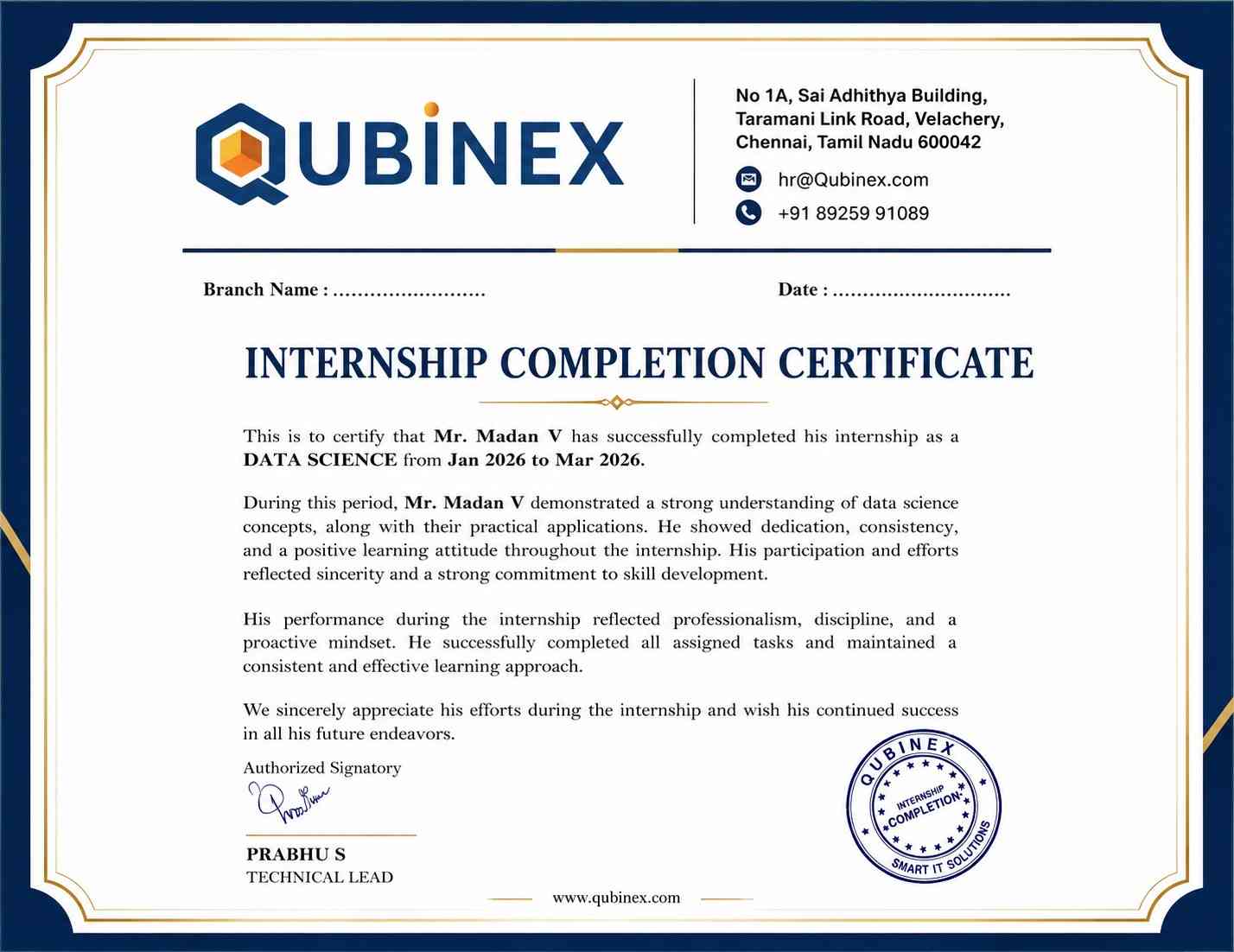
Intership
complete certification
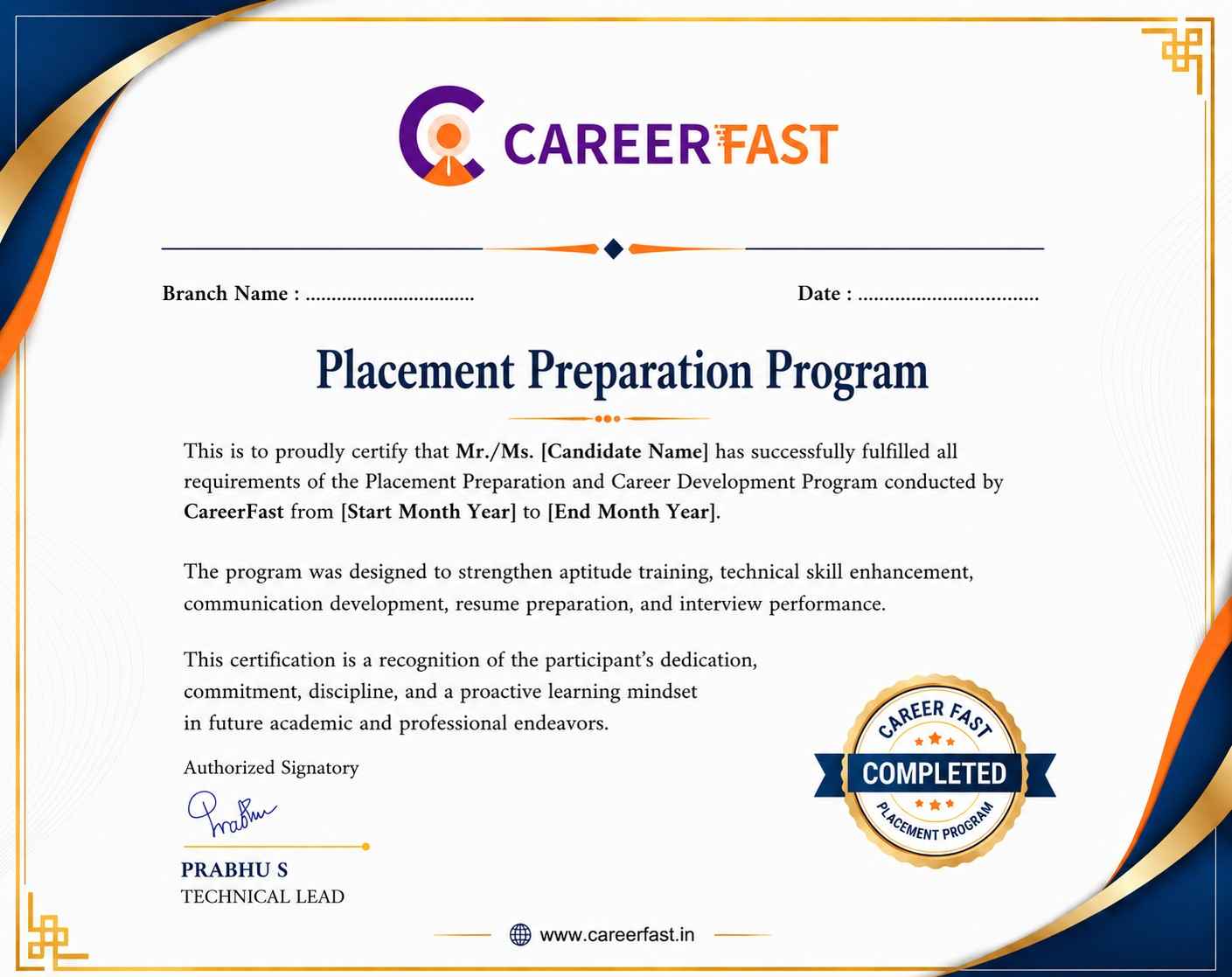
Placement
complete certification

Our learners
transformed their careers

35 Laks
Highest Salary Offered
50%
Average Salary Hike
30K+
Placed in MNC's
15+
Year's in Training
Our Alumni
Alumni

A majority of our alumni

fast-tracked into managerial careers.

Get inspired by their progress in the Career Growth Report.

Our Student Successful Story

checkimage Regular 1:1 Mentorship From Industry Experts checkimage Live Classes checkimage Career Support

How are the UI UX Design Course with LearnoVita Different?

Feature

LearnoVita

Other Institutes

Affordable Fees

Competitive Pricing With Flexible Payment Options.

Higher UI UX Design Fees With Limited Payment Options.

Live Class From ( Industry Expert)

Well Experienced Trainer From a Relevant Field With Practical UI UX Design Training

Theoretical Class With Limited Practical

Updated Syllabus

Updated and Industry-relevant UI UX Design Course Curriculum With Hands-on Learning.

Outdated Curriculum With Limited Practical Training.

Hands-on projects

Real-world UI UX Design Project With Live Case Studies and Collaboration With Companies.

Basic Projects With Limited Real-world Application.

Certification

Industry-recognized UI UX Design Certifications With Global Validity.

Basic UI UX Design Certifications With Limited Recognition.

Placement Support

Strong Placement Support With Tie-ups With Top Companies and Mock Interviews.

Basic Placement Support

Industry Partnerships

Strong Ties With Top Tech Companies for Internships and Placements

No Partnerships, Limited Opportunities

Batch Size

Small Batch Sizes for Personalized Attention.

Large Batch Sizes With Limited Individual Focus.

Additional Features

Lifetime Access to UI UX Design Course Materials, Alumni Network, and Hackathons.

No Additional Features or Perks.

Training Support

Dedicated Mentors, 24/7 Doubt Resolution, and Personalized Guidance.

Limited Mentor Support and No After-hours Assistance.

UI/UX Design Course FAQ's

Yes, learners can attend a demo session before enrolling in the course. Live sessions may have limited participation to maintain an effective learning environment. If you are unable to attend a live demo, you can review a pre-recorded session to understand the course structure, teaching methodology, instructor approach, and level of interaction.
The instructors are experienced design professionals with practical knowledge of UI/UX design, user research, wireframing, prototyping, visual design, interaction design, and usability testing. Their industry experience helps learners understand design concepts through practical examples, real-world scenarios, and project-based activities.
  • Placement assistance helps learners explore relevant job opportunities and connect with potential employers.
  • Eligible learners can receive support with job applications, interview opportunities, resume preparation, and career guidance after completing the course.
  • The Placement Cell supports learners with interview preparation and opportunities across UI/UX design, product design, web design, and digital experience roles.
  • Career support is provided based on individual skills, portfolio quality, experience, communication abilities, and employer requirements.
  • Development activities such as mock interviews, resume preparation, portfolio guidance, and presentation skills help learners prepare for professional interviews.
  • Learners can access relevant job openings, study materials, design resources, training videos, recorded sessions, and interview preparation content through the student portal.
Upon successful completion of the UI/UX Design Course, learners may receive a course completion certificate. The training also provides practical knowledge of UI/UX concepts, design workflows, tools, and project development. Learners can use their project work and portfolio to demonstrate their design capabilities to potential employers.
Yes, the training includes practical and industry-oriented UI/UX projects that allow learners to apply design concepts in realistic scenarios. Projects may cover user research, personas, wireframing, prototyping, visual design, usability testing, responsive interfaces, and digital product development to strengthen practical skills and portfolio experience.
Learners can choose from instructor-led online training, self-paced learning, classroom sessions, one-to-one training, fast-track programs, customized training, and online learning options. These flexible formats allow participants to select a training mode according to their schedule, learning preferences, experience level, and career objectives in UI/UX Design.
If you miss a class, you can use available options to catch up on the topics covered. Depending on the training schedule, learners may receive access to class presentations and recordings, attend the missed topic in another available batch, or coordinate with the training team for a suitable catch-up arrangement.
For additional questions about the UI/UX Design Course, training schedule, fees, projects, certification, or enrollment process, you can contact the training support team for further information and clarification.
You can register for the UI/UX Design Course through the training provider's website or contact the enrollment team for assistance with registration, batch schedules, course details, fees, and available training options.
Yes, enrolled learners can access course materials, design resources, training videos, recorded sessions, and interview preparation content through the student portal, subject to the access terms provided by the training program.
The UI/UX Design Course is conducted with a limited batch size to encourage individual attention and interaction. Smaller groups allow learners to clarify design concepts, receive feedback on projects, discuss creative approaches, and get guidance from instructors during practical sessions.
Salary for UI/UX Design professionals in India varies based on experience, portfolio quality, design skills, location, specialization, organization, and job responsibilities. Professionals can explore opportunities across UI/UX design, product design, interaction design, web design, and digital experience roles.
view More view Less
Career Assistance
  • Build a Powerful Resume for Career Success
  • Get Trainer Tips to Clear Interviews
  • Practice with Experts: Mock Interviews for Success
  • Crack Interviews & Land Your Dream Job
100% JOB GUARANTEE

Global Quality Training
At The Lowest Fees & Expert Trainer

AVAILABLE IN:
India Canada USA Singapore UAE Australia EU Germany

Need custom pricing?

4.9/5 from 50k+ students
Acte Technologies WhatsApp
Call Us! Chat With Us