Home » Others Courses » Other Courses Online » Hardware Design Development Course in Indira Nagar

Hardware Design Development Course in Indira Nagar

(4.9) 10245 Ratings
  • Enroll in the Hardware Design Development Course in Indira Nagar` to master digital hardware design.
  • Learn Digital Electronics, PCB Design, Circuit Design, Microcontrollers, and Embedded Hardware Development.
  • Gain hands-on experience through real-time projects and industry-based design implementation scenarios.
  • Ideal for Electronics Engineers, Embedded Developers, Hardware Design Engineers, and Fresh Graduates.
  • Choose from Weekday, Weekend, or Fast-Track batch schedules That Fits you.
  • Benefit from placement support, interview preparation, and certification guidance.

Course Duration

50+ Hrs

Live Project

3 Project

Certification Pass

Guaranteed

Training Format

Live Online (Expert Trainers)
Quality Training With Affordable Fee

⭐ Fees Starts From

INR 38,000
INR 18,500

10245+

Professionals Trained

9+

Batches every month

2549+

Placed Students

164+

Corporate Served

What You'll Learn

Build strong foundations in the Hardware Design Development Course in Indira Nagar, covering digital circuits, PCB concepts, and electronics.

Practice schematic creation, circuit design, PCB layout planning, microcontroller interfacing, FPGA concepts, and hardware architecture through guided learning.

Develop hands-on abilities in component selection, circuit testing, PCB routing, signal analysis, embedded debugging, and hardware performance checks.

Apply design concepts through practical assignments focused on PCB prototyping, circuit assembly, embedded interfaces, testing, and design validation.

Explore advanced hardware areas including high-speed PCB design, signal integrity, power electronics, thermal planning, hardware verification, and reliability.

Prepare for electronics careers by developing practical skills in hardware architecture, embedded systems, circuit testing, troubleshooting, and validation.

Comprehensive Overview of Hardware Design Development

The Hardware Design Development Course in Indira Nagar is structured to build practical expertise in designing, assembling, testing, and refining electronic hardware systems. Learners explore circuit planning, schematic creation, PCB layout, component selection, embedded hardware interfaces, and prototype validation through hands-on activities. The training includes practical work with simulation, routing, board assembly, debugging, and hardware testing to strengthen real-world technical skills. Participants also work with industry-relevant platforms such as KiCad, OrCAD, Altium Designer, Eagle CAD, Proteus, and Multisim. By completing project-based exercises, learners gain the ability to develop functional circuit designs, connect microcontrollers and electronic components, troubleshoot hardware faults, and improve PCB layouts

Additional Info

Upcoming Future Transformations in Hardware Design Development Course Internship in Indira Nagar

  • Intelligent Hardware: Hardware products are becoming smarter through processors, sensors, connectivity, and embedded control. Future-oriented development will focus on compact circuits, efficient controllers, sensor interfaces, and responsive electronic functions. Learners will understand how intelligent hardware can improve automation, monitoring, device interaction, power usage, and overall product performance.
  • Cross-Industry Expansion: Hardware engineering continues to find applications in automotive electronics, healthcare devices, robotics, renewable energy, industrial automation, and consumer products. Training will explore how design requirements differ across sectors, including reliability, safety, efficiency, scalability, and operating conditions, helping learners understand how electronic solutions are adapted to meet specific product and industry expectations.
  • Connected Devices: Connected hardware is creating new opportunities for engineers who understand communication between physical components and digital platforms. Future learning will cover sensors, wireless modules, interfaces, and low-power circuits. Learners will explore how electronic devices exchange information with software and cloud systems to support remote monitoring, automated responses, intelligent control, and connected product experiences.
  • Design Automation: Automation is changing the way engineers perform circuit testing, measurements, verification, and repetitive design tasks. Training will introduce programmable instruments, automated test sequences, controller-based checks, and repeatable validation processes. Learners will understand how automated workflows reduce manual effort, improve consistency, identify faults earlier, and accelerate hardware development from initial concepts through final verification.
  • Specialized Engineering Skills: Increasingly complex electronic products require engineers with practical abilities in circuit development, embedded hardware, testing, and system integration. Advanced learning will emphasize technical evaluation, structured troubleshooting, design comparison, and experimental thinking. Learners will strengthen their ability to investigate hardware issues, evaluate possible solutions, and contribute effectively to development and validation activities.
  • Virtual Design Validation: Circuit simulation is increasingly used to evaluate hardware before physical prototypes are manufactured. Future learning will include circuit modeling, signal behavior, power analysis, and virtual verification. Learners can test different operating conditions digitally, identify potential design limitations, and refine circuits earlier. This approach helps reduce unnecessary prototype iterations while supporting more informed engineering decisions.
  • Modular Hardware Platforms: Modern electronic products often need architectures that can accommodate upgrades, different configurations, and evolving requirements. Training will cover modular circuits, reusable design elements, interface planning, and lifecycle considerations. Learners will understand how flexible hardware structures can simplify modifications, improve compatibility, and support maintainable product development without compromising reliability, performance, or organized engineering practices.
  • Performance Optimization: Hardware performance is increasingly evaluated through measurable parameters such as thermal behavior, power consumption, signal quality, processing efficiency, and reliability. Training will introduce methods for measuring and interpreting these factors. Learners will practice identifying limitations, comparing results, and improving designs while maintaining required functionality, stability, and efficiency across different operating conditions.
  • Rapid Prototype Development: Rapid prototyping enables engineers to convert circuit concepts into functional hardware for early evaluation. Training will cover schematic preparation, prototype assembly, testing, verification, and design refinement. Learners will examine physical results, identify technical limitations, and implement suitable changes. Repeated testing and improvement help build practical problem-solving abilities while supporting quicker development of reliable electronic products.
  • Continuous Technology Learning: Hardware engineering evolves through new processors, communication interfaces, design platforms, testing equipment, and manufacturing methods. Continuous learning is therefore important for professionals who want to remain technically relevant. Training will encourage learners to explore emerging technologies, update their practical knowledge, and adapt to changing engineering workflows, product requirements, development tools, and electronic system design approaches.

Building Tools and Techniques with Hardware Design Development Course Placement in Indira Nagar

  • PCB Design Workflow: PCB development involves planning circuits, preparing schematics, arranging components, routing connections, and checking the completed layout. Training will guide learners through this connected workflow while explaining how electrical requirements influence board design. Practical activities will cover component placement, connection verification, design constraints, and layout preparation to help participants develop boards that are practical, testable, organized, and maintainable.
  • Microcontroller Development: Microcontrollers act as control units in many embedded products and must interact reliably with sensors, displays, actuators, and communication modules. Training will introduce controller architecture, peripheral functions, pin configuration, and hardware connections. Practical exercises will help learners understand how controllers process inputs and control external devices, providing a foundation for developing embedded hardware used in automation, monitoring, and connected applications.
  • Embedded Troubleshooting: Debugging embedded hardware requires engineers to determine whether problems originate from circuits, firmware, interfaces, or component behavior. Training will introduce systematic troubleshooting using development boards, diagnostic instruments, simulation environments, and testing procedures. Learners will practice observing system responses, tracing faults, and applying corrective measures, helping them develop a structured approach for resolving common embedded hardware issues efficiently.
  • IoT Hardware Connectivity: IoT devices depend on reliable interaction between sensors, controllers, communication modules, and external platforms. Training will examine practical connectivity methods along with interfaces, wireless technologies, power requirements, and basic data transfer. Hands-on exercises will help learners understand how devices collect information and communicate with connected systems for monitoring, remote control, automation, and application-specific operations across different environments.
  • PCB Testing Techniques: Board testing confirms whether electronic circuits operate according to their intended specifications. Training will introduce visual inspection, continuity checks, voltage measurements, signal verification, and fault identification. Learners will use common laboratory instruments to examine circuit behavior under different conditions. These activities develop systematic validation habits and help participants detect electrical problems before hardware moves into larger implementation stages.
  • Circuit Simulation Practice: Simulation allows engineers to study circuit behavior before committing to physical prototypes. Training will cover virtual circuit construction, component models, voltage analysis, current behavior, and signal observation. Learners will compare simulated results with expected operation to identify possible design concerns early. This approach supports efficient design refinement, reduces unnecessary prototype changes, and improves understanding of circuit performance.
  • Project Development Method: Hardware projects require more than circuit creation and include planning, documentation, prototyping, testing, revision, and final validation. Training will connect these stages through an organized development method. Learners will practice defining requirements, maintaining technical records, tracking design changes, and reviewing results. These activities help participants develop disciplined project habits and approach practical hardware assignments with greater structure.
  • Communication Interfaces: Electronic systems rely on communication interfaces to exchange information between controllers, sensors, memory devices, displays, and external modules. Training will introduce UART, SPI, and I2C through practical implementation examples. Learners will examine connections, timing, data transfer, and troubleshooting methods. These exercises help participants identify interface-related issues and understand how dependable communication contributes to successful hardware integration.
  • Automated Hardware Testing: Automated testing can simplify repeated measurements and validation activities during hardware development. Training will introduce programmable instruments, automated sequences, and structured verification workflows. Learners will understand how repetitive checks can be performed with reduced manual intervention while improving consistency. These techniques also support quicker defect identification and provide useful information for assessing hardware stability, quality, and performance.
  • Engineering Development Platforms: Hardware projects often use evaluation boards, debugging interfaces, simulation applications, development environments, and engineering software. Training will explain how these platforms support circuit creation, testing, monitoring, and troubleshooting. Learners will gain practical familiarity with configuring and using development environments, helping them understand how integrated engineering platforms can streamline design activities and improve productivity during complex hardware development assignments.

Roles and Responsibilities in Hardware Design Development Course in Indira Nagar

  • Hardware Design Engineer: Hardware Design Engineers convert product requirements into functional electronic circuits and board designs. Their responsibilities may include schematic development, component selection, PCB layout, electrical reviews, prototype testing, and design refinement. They also coordinate with firmware teams during integration. Training helps learners understand how engineering decisions influence performance, reliability, manufacturability, troubleshooting, and the final operation of electronic products.
  • Hardware Project Engineer: Hardware Project Engineers coordinate technical activities across different stages of product development. Their work can involve reviewing requirements, organizing design tasks, tracking milestones, coordinating testing, and maintaining project documentation. They also communicate with engineering teams when dependencies or technical issues arise. Practical project learning helps participants understand how planning, coordination, documentation, and communication contribute to organized hardware development.
  • Embedded Hardware Developer: Embedded Hardware Developers create electronic platforms that support processor-based applications. Their responsibilities can include working with microcontrollers, sensors, power circuits, communication interfaces, and peripheral components. They develop connections, test hardware, and coordinate with firmware specialists. Training provides exposure to embedded boards, circuit integration, communication protocols, and debugging methods used to create dependable embedded hardware systems.
  • Hardware Testing Engineer: Hardware Testing Engineers determine whether electronic products meet defined functional and performance requirements. Their activities may include preparing test procedures, measuring electrical parameters, checking signals, identifying faults, and recording findings. They can work with multimeters, oscilloscopes, simulation tools, and specialized equipment. Training develops practical validation skills and introduces systematic approaches for detecting issues and improving hardware reliability.
  • Hardware QA Analyst: Hardware QA Analysts contribute to product quality by reviewing requirements, preparing test scenarios, recording defects, checking corrective actions, and maintaining quality documentation. They coordinate with design and testing teams throughout development. Practical learning helps participants understand how consistent inspections, accurate records, controlled verification, and timely defect tracking contribute to dependable electronic products and efficient engineering operations across development projects.
  • Hardware Integration Engineer: Hardware Integration Engineers combine individual components and subsystems into a functioning electronic product. They verify interfaces, assess component compatibility, check communication, and troubleshoot integration problems. Their work may involve sensors, controllers, power systems, and peripheral devices. Training introduces system-level validation and helps learners understand how dependable interaction between different hardware elements affects complete product functionality and reliability.
  • Hardware Automation Engineer: Hardware Automation Engineers develop methods that reduce repetitive work during testing and validation. They may configure programmable instruments, create automated measurement sequences, develop test scripts, and monitor repeated checks. Their efforts improve repeatability while reducing manual intervention. Training introduces automation concepts and practical workflows, helping learners understand how automated validation can make hardware testing more efficient, consistent, and measurable.
  • Hardware System Analyst: Hardware System Analysts study technical requirements and translate application needs into suitable hardware specifications. They consider system limitations, interfaces, performance targets, component relationships, and implementation requirements. Their analysis supports architecture and design decisions. Training develops requirement analysis, technical documentation, evaluation, and communication skills, enabling learners to contribute to structured planning and organized hardware system development.
  • Hardware UX Designer: Hardware UX Designers focus on how users interact with physical electronic products and their controls. Their work may involve interaction concepts, physical prototypes, usability evaluation, and feedback analysis. They collaborate with engineering teams to balance user expectations with technical limitations. Training introduces practical evaluation methods that help learners understand how intuitive controls and accessible interfaces can improve hardware product experiences.
  • Hardware Project Manager: Hardware Project Managers oversee development activities from initial planning through testing and delivery. Their responsibilities can include scheduling, resource allocation, risk monitoring, team coordination, communication, and progress tracking. They also manage dependencies between engineering functions and support issue resolution. Training introduces project organization methods that help learners understand how multidisciplinary hardware teams can remain aligned throughout complex development programs.

Top Companies Hiring for Hardware Design Development Professionals

  • Deloitte Engineering Solutions: Engineering-focused technology environments may require professionals with knowledge of electronics, embedded systems, hardware validation, and product development. Candidates with practical circuit and testing skills can contribute to design, integration, analysis, and verification activities. Familiarity with engineering tools and structured workflows helps learners understand technical requirements and participate effectively in multidisciplinary projects involving electronic and connected systems.
  • EY Technology Services: Technology engineering teams may involve professionals working with embedded platforms, hardware analysis, validation, and system integration. Candidates can collaborate with software and engineering specialists on connected products and technical initiatives. Knowledge of circuit design, testing, and troubleshooting provides a foundation for handling engineering tasks, documenting findings, and supporting organized hardware development activities across varied project environments.
  • KPMG Technology Division: Technology projects can include engineering activities involving electronic systems, technical assessment, system integration, and performance validation. Professionals with hardware knowledge may contribute to testing, documentation, analysis, and solution development. Familiarity with engineering tools and systematic troubleshooting enables learners to approach technical requirements methodically while collaborating with multidisciplinary teams on complex technology implementation and validation assignments.
  • HCL Technologies: HCL Technologies supports technology and engineering initiatives where professionals may work across embedded systems, electronics, product engineering, and system integration. Candidates familiar with PCB development, microcontrollers, testing, and debugging can contribute to technical assignments. Practical training helps learners understand engineering workflows, collaborate with development teams, investigate hardware issues, and follow structured processes throughout product development activities.
  • Capita Engineering: Engineering service environments can involve professionals working with embedded technologies, hardware validation, automation, and system testing. Candidates may participate in device integration, quality checks, and technical support activities. Practical exposure to measurement instruments, circuit analysis, and troubleshooting helps learners approach assignments confidently while building familiarity with documentation procedures, validation methods, and organized engineering workflows used across hardware projects.
  • Tech Mahindra Engineering: Technology engineering projects can include connected devices, embedded products, electronics integration, and system validation. Professionals with hardware development knowledge may support circuit evaluation, testing, troubleshooting, and device integration. Exposure to microcontrollers, communication interfaces, PCB tools, and testing methods helps learners understand practical engineering workflows and collaborate effectively with multidisciplinary teams working on product development and technical implementation.
  • Hitachi Vantara: Technology environments can require professionals who understand hardware platforms, embedded components, integration techniques, and system performance evaluation. Candidates may support technical analysis, validation, monitoring, and engineering operations. Knowledge of hardware architecture, testing procedures, and systematic troubleshooting gives learners a foundation for understanding complex technology platforms and contributing to assignments where dependable system operation and technical accuracy are important.
  • NTT Data: Technology engineering projects may involve professionals familiar with hardware integration, embedded platforms, system testing, and technical support. Learners can apply knowledge of device connectivity, circuit analysis, validation, and troubleshooting across multidisciplinary assignments. Strong documentation and analytical abilities are useful for communicating findings and supporting structured engineering activities within distributed teams and technology development environments.
  • DXC Technology: Large technology projects can involve infrastructure hardware, system integration, technical validation, and engineering operations. Candidates with electronic systems knowledge and systematic troubleshooting abilities can support hardware-related assignments. Practical exposure to interfaces, testing equipment, documentation, and verification workflows helps learners understand how engineering teams investigate technical issues, validate system behavior, and maintain dependable technology environments across different projects.
  • Oracle Engineering Division: Enterprise technology environments may involve professionals working with hardware platforms, system integration, infrastructure technologies, and performance assessment. Engineers can contribute to technical analysis, validation, engineering operations, and system development according to project needs. Practical understanding of electronic systems, interfaces, testing, and troubleshooting gives learners a useful foundation for working with complex technology architectures and multidisciplinary engineering teams.
View more

Hardware Design Development Course Objectives

Basic knowledge of electronics, electrical circuits, and digital systems is recommended for Hardware Design Development training. Familiarity with engineering concepts and analytical thinking skills can be beneficial. However, beginners can also learn effectively through structured practical training and project-based learning.
Hardware Design Development training provides practical exposure to circuit design, PCB development, embedded systems, and hardware testing. Learners gain hands-on experience through real-time projects and simulations. The training helps build industry-relevant skills required for hardware engineering and product development careers.
  • Embedded Systems Growth
  • IoT Device Expansion
  • Semiconductor Industry Demand
  • Automotive Electronics Development
  • AI Hardware Innovation
Hardware Design Development training is highly valuable due to increasing demand for electronics, embedded systems, and smart devices. Industries require skilled professionals who can design, test, and optimize hardware solutions. The training prepares candidates for opportunities in emerging technology sectors worldwide.
  • Circuit Design Concepts
  • PCB Design Techniques
  • Embedded Systems Basics
  • Digital Electronics Fundamentals
  • Hardware Testing Methods
Yes, students gain practical experience through real-world projects involving circuit design, PCB development, and embedded applications. These projects simulate industry scenarios and help learners understand hardware implementation processes. Such exposure strengthens technical and problem-solving abilities.
  • Electronics Manufacturing
  • Semiconductor Industry
  • Automotive Industry
  • Telecommunications Sector
  • Consumer Electronics
Hardware Design Development training enhances career opportunities but does not guarantee employment. Success depends on technical proficiency, project experience, and interview performance. However, placement support and practical training significantly improve job prospects in engineering and technology sectors.
  • Circuit Design Skills
  • PCB Development Knowledge
  • Industry Project Exposure
  • Better Career Opportunities
  • Practical Engineering Experience
Students will gain proficiency with industry-standard tools such as Altium Designer, OrCAD, Cadence, Multisim, Proteus, MATLAB, Xilinx, Arduino IDE, KiCad, LTspice, ModelSim, and embedded development platforms. These tools help learners design, simulate, test, and optimize hardware systems effectively.
view More view Less

Benefits of Hardware design developement Course

The Hardware Design Development Course in Indira Nagar focuses on building practical expertise in electronic hardware engineering, from circuit planning and schematic creation to PCB development, prototyping, testing, and system validation. Learners work with tools such as KiCad, OrCAD, Altium Designer, Eagle CAD, Proteus, and Multisim while developing skills in component selection, circuit simulation, embedded hardware integration, and troubleshooting. The training emphasizes practical workflows through a Hardware Design Development Internship and Hardware Design Development Projects, allowing participants to work on engineering-oriented requirements and strengthen their technical capabilities. Career-oriented guidance further helps learners prepare for roles across electronics design, embedded systems, product engineering, and automotive electronics.

  • Designation
  • Annual Salary
    Hiring Companies
  • 2.9L
    Min
  • 6.5L
    Average
  • 11.6L
    Max
  • 4.50L
    Min
  • 8.5L
    Average
  • 16.5L
    Max
  • 4.0L
    Min
  • 7.9L
    Average
  • 13.5L
    Max
  • 3.24L
    Min
  • 10.4L
    Average
  • 12.5L
    Max

About Hardware Design Development Certification Training

The Hardware Design Development Course in Indira Nagar is designed to help learners build practical expertise in electronic system development, circuit design, PCB development, hardware testing, and embedded integration. The program covers schematic creation, component selection, circuit simulation, microcontroller interfacing, prototype development, debugging, and hardware validation through hands-on learning. Participants work with industry-relevant tools and project activities to understand how electronic products move from initial concepts to functional prototypes and integrated systems. The course also offers Hardware Design Development With Placement support and provides Hardware Design Development Material to reinforce technical concepts, improve practical confidence, and prepare learners for hardware engineering career opportunities.

Top Skills You Will Gain
  • Pricing Management
  • Rebate Processing
  • Claims Handling
  • Incentive Design
  • SAP Configuration
  • Data Analysis
  • Report Generation
  • System Integration

12+ Hardware Desing Development Tools

Online Classroom Batches Preferred

Weekdays (Mon - Fri)
16 - Nov - 2026
08:00 AM (IST)
Weekdays (Mon - Fri)
18 - Nov - 2026
08:00 AM (IST)
Weekend (Sat)
21 - Nov - 2026
11:00 AM (IST)
Weekend (Sun)
22 - Nov - 2026
11:00 AM (IST)
Can't find a batch you were looking for?
₹38,000 ₹18,500 10% OFF Expires in

No Interest Financing start at ₹ 5000 / month

Corporate Training

  • Customized Learning
  • Enterprise Grade Learning Management System (LMS)
  • 24x7 Support
  • Enterprise Grade Reporting

Not Just Studying
We’re Doing Much More!

Empowering Learning Through Real Experiences and Innovation

Hiring
Hiring
Hiring
Hiring
Hiring
Hiring
Hiring
User
User
User
User
User
User

Hardware Design Development Course Curriculum

Trainers Profile

The Hardware Design Development Course in Indira Nagar is designed to help learners build practical skills in electronic product development and hardware engineering. The training covers circuit planning, schematic design, component selection, simulation, PCB designing, routing, board testing, troubleshooting, and prototype validation. Participants work with industry-used platforms such as Altium Designer, KiCad, OrCAD, Eagle CAD, Proteus, and Multisim to understand real hardware development workflows. Through practical exercises, design assignments, and project-based activities, learners develop the ability to evaluate circuits, resolve hardware issues, optimize PCB layouts, and validate working prototypes. The course supports career preparation for roles in PCB design, embedded hardware, electronics engineering, and hardware testing.

Syllabus for Hardware Design Development Course Download syllabus

  • Basics of electronics
  • Components overview
  • Circuit fundamentals
  • Design principles
  • Analog circuits
  • Digital circuits
  • Signal flow concepts
  • Circuit analysis basics
  • PCB layout introduction
  • Schematic design
  • Routing techniques
  • Design rules checking
  • Resistors, capacitors, inductors
  • ICs and microcontrollers
  • Sensors and actuators
  • Power systems
  • Microcontroller architecture
  • Embedded programming basics
  • I/O interfacing
  • Firmware concepts
  • Simulation tools usage
  • Testing circuit behavior
  • Debugging circuits
  • Performance analysis
  • Fault detection
  • Signal testing
  • Debugging methods
  • Measurement tools
  • Hardware-software interaction
  • Communication protocols
  • Interface design
  • Integration testing
  • IoT hardware basics
  • Automation systems
  • Industrial electronics
  • Smart devices
  • Real-time hardware projects
  • PCB design projects
  • Embedded system projects
  • Industry case studies
(15) view More view Less
Need customized curriculum?

REAL

start
STORIES SUCCESS INSPIRATION
CAREER
UPGRADE
sowmiya

sowmiya

CAREER
UPGRADE
Rajkumar

Rajkumar

CAREER
UPGRADE
Thon

Thon

CAREER
UPGRADE
lavanya

Lavanya

Industry Projects

Project 1
Industrial Controller PCB Design

Design a high-speed PCB for an industrial controller, covering schematic capture, component selection, signal routing, testing, and hardware validation.

Project 2
Embedded Hardware Board

Develop a compact embedded hardware board with power circuits, sensors, and communication interfaces for stable device operation and testing.

Project 3
Smart Monitoring Hardware

Build a smart monitoring unit by integrating PCB hardware, sensors, control circuits, and connectivity modules for efficient real-time industrial tracking.

Our Hiring Partner

Exam & Hardware Design Development Certification

  • Basic circuit theory, electronic components, voltage, current, and resistance concepts are useful for building a strong foundation.
  • Understanding digital logic, microcontrollers, sensors, and embedded hardware can make advanced hardware topics easier to understand.
  • Previous exposure to PCB design software, circuit simulation tools, or prototyping boards can provide additional practical learning support.
  • Curiosity about circuit development, electronic products, hardware testing, and system design can help learners engage effectively with the training.
  • Freshers can also begin the certification journey by learning fundamental electronics concepts before progressing toward practical hardware design.
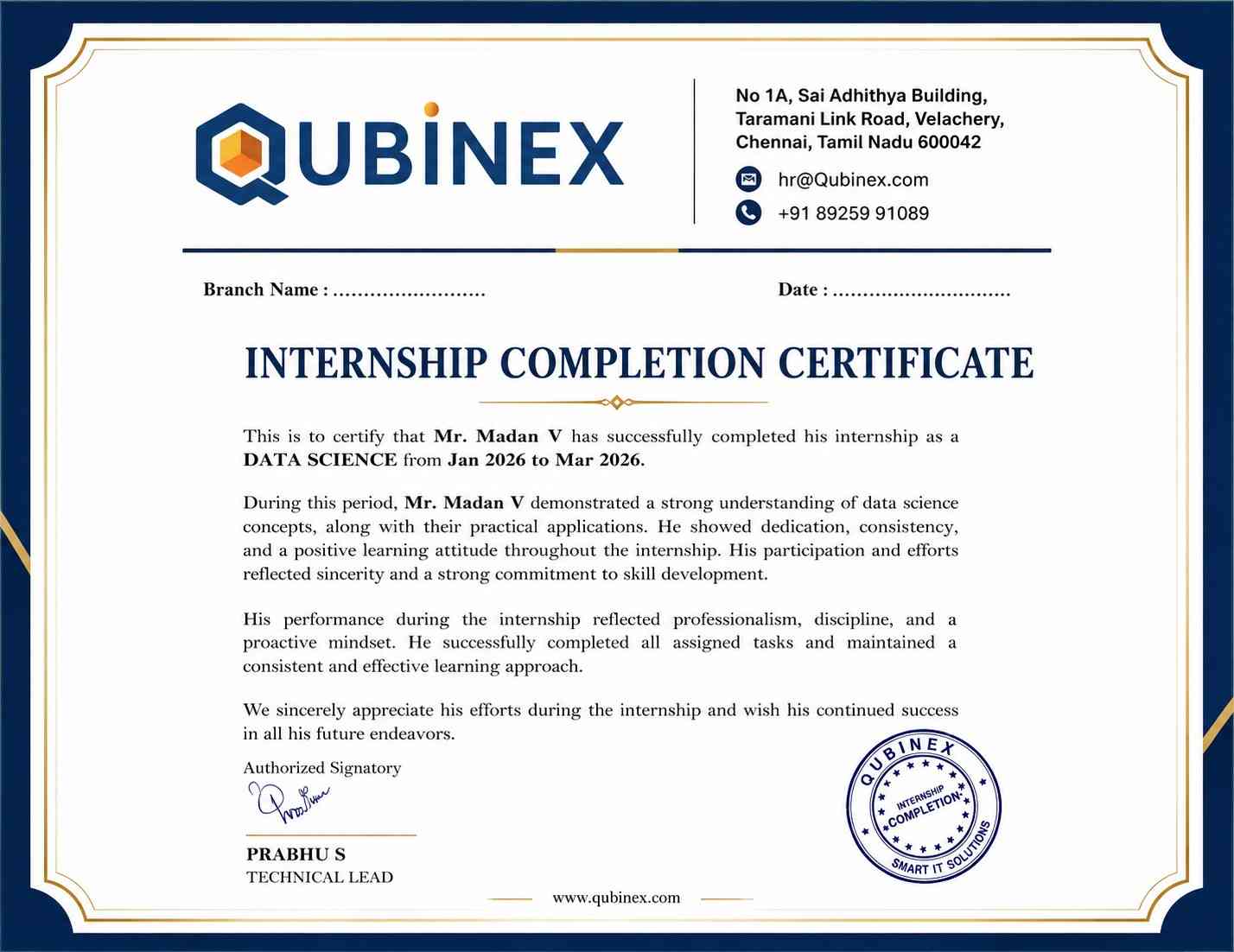
A Hardware Design Development certification highlights practical knowledge of circuits, schematics, PCB design, simulation, prototyping, testing, and troubleshooting for electronic product development.
The Hardware Design Development Course in Indira Nagar offers practical learning, projects, internship support, placement guidance, and interview preparation, but certification cannot assure employment.
  • Hardware Design Engineer
  • PCB Layout Engineer
  • Embedded Hardware Engineer
  • Electronics Development Engineer
  • Hardware Verification Engineer
  • Electronic Product Design Engineer
Hardware Design Development certification strengthens knowledge of circuit design, PCB development, simulation, validation, debugging, and hardware integration for advanced engineering responsibilities.

MNC Recognized course
complete certification
Intership
complete certification

Placement
complete certification

Our learners
transformed their careers

35 Laks
Highest Salary Offered
50%
Average Salary Hike
30K+
Placed in MNC's
15+
Year's in Training
Our Alumni
Alumni

A majority of our alumni

fast-tracked into managerial careers.

Get inspired by their progress in the Career Growth Report.

Our Student Successful Story

checkimage Regular 1:1 Mentorship From Industry Experts checkimage Live Classes checkimage Career Support

How are the Hardware Desing Development Course with LearnoVita Different?

Feature

LearnoVita

Other Institutes

Affordable Fees

Competitive Pricing With Flexible Payment Options.

Higher Hardware Desing Development Fees With Limited Payment Options.

Live Class From ( Industry Expert)

Well Experienced Trainer From a Relevant Field With Practical Hardware Desing Development Training

Theoretical Class With Limited Practical

Updated Syllabus

Updated and Industry-relevant Hardware Desing Development Course Curriculum With Hands-on Learning.

Outdated Curriculum With Limited Practical Training.

Hands-on projects

Real-world Hardware Desing Development Project With Live Case Studies and Collaboration With Companies.

Basic Projects With Limited Real-world Application.

Certification

Industry-recognized Hardware Desing Development Certifications With Global Validity.

Basic Hardware Desing Development Certifications With Limited Recognition.

Placement Support

Strong Placement Support With Tie-ups With Top Companies and Mock Interviews.

Basic Placement Support

Industry Partnerships

Strong Ties With Top Tech Companies for Internships and Placements

No Partnerships, Limited Opportunities

Batch Size

Small Batch Sizes for Personalized Attention.

Large Batch Sizes With Limited Individual Focus.

Additional Features

Lifetime Access to Hardware Desing Development Course Materials, Alumni Network, and Hackathons.

No Additional Features or Perks.

Training Support

Dedicated Mentors, 24/7 Doubt Resolution, and Personalized Guidance.

Limited Mentor Support and No After-hours Assistance.

Hardware Design Development Course FAQ's

Certainly, you are welcome to join the demo session. However, due to our commitment to maintaining high-quality standards, we limit the number of participants in live sessions. Therefore, participation in a live class without enrollment is not feasible. If you're unable to attend, you can review our pre-recorded session featuring the same trainer. This will provide you with a comprehensive understanding of our class structure, instructor quality, and level of interaction.
All of our instructors are employed professionals in the industry who work for prestigious companies and have a minimum of 9 to 12 years of significant IT field experience. A great learning experience is provided by all of these knowledgeable people at LearnoVita.
  • LearnoVita is dedicated to assisting job seekers in seeking, connecting, and achieving success, while also ensuring employers are delighted with the ideal candidates.
  • Upon successful completion of a career course with LearnoVita, you may qualify for job placement assistance. We offer 100% placement assistance and maintain strong relationships with over 650 top MNCs.
  • Our Placement Cell aids students in securing interviews with major companies such as Oracle, HP, Wipro, Accenture, Google, IBM, Tech Mahindra, Amazon, CTS, TCS, HCL, Infosys, MindTree, and MPhasis, among others.
  • LearnoVita has a legendary reputation for placing students, as evidenced by our Placed Students' List on our website. Last year alone, over 5400 students were placed in India and globally.
  • We conduct development sessions, including mock interviews and presentation skills training, to prepare students for challenging interview situations with confidence. With an 85% placement record, our Placement Cell continues to support you until you secure a position with a better MNC.
  • Please visit your student's portal for free access to job openings, study materials, videos, recorded sections, and top MNC interview questions.
LearnoVita Certification is awarded upon course completion and is recognized by all of the world's leading global corporations. LearnoVita are the exclusive authorized Oracle, Microsoft, Pearson Vue, and Hardware Design Development . I exam centers, as well as an authorized partner of Hardware Design Development . Additionally, those who want to pass the National Authorized Certificate in a specialized IT domain can get assistance from LearnoVita's technical experts.
As part of the training program, LearnoVita provides you with the most recent, pertinent, and valuable real-world projects. Every program includes several projects that rigorously assess your knowledge, abilities, and real-world experience to ensure you are fully prepared for the workforce. Your abilities will be equivalent to six months of demanding industry experience once the tasks are completed.
At LearnoVita, participants can choose from instructor-led online training, self-paced training, classroom sessions, one-to-one training, fast-track programs, customized training, and online training options. Each mode is designed to provide flexibility and convenience to learners, allowing them to select the format that best suits their needs. With a range of training options available, participants can select the mode that aligns with their learning style, schedule, and career goals to excel in Hardware Design Development .
LearnoVita guarantees that you won't miss any topics or modules. You have three options to catch up: we'll reschedule classes to suit your schedule within the course duration, provide access to online class presentations and recordings, or allow you to attend the missed session in another live batch.
Please don't hesitate to reach out to us at contact@learnovita.com if you have any questions or need further clarification.
To enroll in the Hardware Design Development at LearnoVita, you can conveniently register through our website or visit any of our branches in India for direct assistance.
Yes, after you've enrolled, you will have lifetime access to the student portal's study materials, videos, and top MNC interview questions.
At LearnoVita, we prioritize individual attention for students, ensuring they can clarify doubts on complex topics and gain a richer understanding through interactions with instructors and peers. To facilitate this, we limit the size of each Hardware Design Development Service batch to 5 or 6 members.
The average annual salary for Hardware Design Development Professionals in India is 4 LPA to 5 LPA.
view More view Less
Career Assistance
  • Build a Powerful Resume for Career Success
  • Get Trainer Tips to Clear Interviews
  • Practice with Experts: Mock Interviews for Success
  • Crack Interviews & Land Your Dream Job
100% JOB GUARANTEE

Global Quality Training
At The Lowest Fees & Expert Trainer

AVAILABLE IN:
India Canada USA Singapore UAE Australia EU Germany

Need custom pricing?

4.9/5 from 50k+ students
Acte Technologies WhatsApp
Call Us! Chat With Us