
Oracle OTM Course in Indira Nagar
 18415
Ratings


- Enroll in the Oracle OTM Course in Indira Nagar to learn transportation planning, and logistics management.
- Master key components such as order management, shipment planning, rate management, and tracking.
- Gain hands-on experience through real-time projects, and transportation workflows.
- Ideal for Logistics Professionals, Supply Chain Learners, Consultants, and IT Professionals.
- Choose from flexible batch timings: Weekday, Weekend, or Fast-Track learning schedules.
- Benefit from placement assistance, interview preparation, and certification guidance.
Course Duration
50+ HrsLive Project
3 ProjectCertification Pass
GuaranteedTraining Format
Live Online (Expert Trainers)Quality Training With Affordable Fee
 Fees Starts From

11425+
Professionals Trained
10+
Batches every month
2745+
Placed Students
210+
Corporate ServedWhat You'll Learn
Understand Oracle OTM fundamentals and explore how transportation planning, and logistics coordination improve supply chain operations.
Explore order management, shipment details, location setup, equipment configuration, and planning activities used in Oracle OTM logistics processes.
Learn Oracle OTM configuration techniques and discover how transportation modules coordinate logistics resources, and streamline planning.
Build practical expertise in carrier selection, shipment scheduling, freight calculations, and transportation execution through guided learning exercises.
Develop the ability to monitor shipment progress, evaluate freight expenses, and maintain accurate logistics records within Oracle OTM.
Strengthen your Oracle OTM skills through practical assignments and project simulations that address everyday challenges and supply chain requirements.
Oracle OTM Course Objectives
- Increasing demand for transportation management solutions
- Growing adoption of cloud-based logistics platforms
- Wider use of automated shipment planning
- Rising demand for real-time transportation visibility
- Increased focus on logistics cost optimization
- Oracle OTM Fundamentals
- Order Management
- Shipment Planning
- Rate Management
- Transportation Execution
- Logistics
- Manufacturing
- Retail
- E-commerce
- Transportation
- Stronger transportation knowledge
- Practical Oracle OTM exposure
- Shipment planning skills
- Freight management understanding
- Project experience
Request more informations
WhatsApp (For Call & Chat):
+91 72003 88604
Oracle OTM Training Benefits
The Oracle OTM Course in Indira Nagar introduces learners to modern transportation and logistics operations, covering shipment scheduling, freight management, carrier selection, order fulfillment, and transportation performance analysis. Practical sessions help participants understand how Oracle OTM supports supply chain coordination and improves delivery efficiency. The Oracle OTM Internship offers valuable exposure to industry-oriented tasks, while Oracle OTM Projects allow learners to apply their knowledge to shipment planning, freight cost calculation, and logistics reporting. With career mentoring, interview preparation, and placement assistance, the course helps learners build the skills required for Oracle OTM career opportunities.
- Designation
-
Annual SalaryHiring Companies








About Oracle OTM Training
The Oracle OTM Course in Indira Nagar provides interactive training sessions that introduce learners to transportation planning, freight operations, shipment tracking, carrier selection, and logistics coordination. Each session combines trainer-led explanations with practical exercises to help participants understand Oracle Transportation Management workflows and configuration methods. Learners receive Oracle OTM Material to review important concepts, practice essential functions, and strengthen their technical knowledge between sessions. The program also includes project-based learning, interview preparation, and career guidance through Oracle OTM With Placement support, helping participants develop practical skills relevant to transportation management and supply chain technology roles while building confidence for real-world logistics challenges and future career opportunities.
Top Skills You Will Gain
- Transportation Planning
- Shipment Management
- Order Processing
- Rate Management
- Freight Calculation
- Carrier Handling
- Shipment Tracking
- Logistics Reporting
12+ Oracle OTM Tools
Online Classroom Batches Preferred
No Interest Financing start at ₹ 5000 / month
Corporate Training
- Customized Learning
- Enterprise Grade Learning Management System (LMS)
- 24x7 Support
- Enterprise Grade Reporting
Not Just Studying
We’re Doing Much More!
Empowering Learning Through Real Experiences and Innovation






Oracle OTM Course Curriculam
Trainers Profile
The Oracle OTM Course in Indira Nagar is designed to help learners understand how Oracle Transportation Management supports logistics planning, shipment coordination, freight management, and supply chain operations. The program combines guided instruction with hands-on activities covering transportation planning, carrier selection, shipment tracking, rate configuration, and freight settlement. Through practical scenarios based on business requirements, participants learn to navigate Oracle OTM features and manage transportation workflows efficiently. Supporting study resources and structured learning materials help reinforce key concepts, improve technical understanding, and prepare learners to apply their skills to transportation and logistics responsibilities in professional environments.
Syllabus for Oracle OTM Course Download syllabus
- Introduction to Oracle OTM
- Transportation Management Concepts
- Oracle OTM Architecture
- User Interface Overview
- Transportation Process Flow
- Location Configuration
- Location Roles
- Equipment Management
- Service Provider Setup
- Master Data Handling
- Order Base Concepts
- Order Release
- Order Line Management
- Order Planning
- Order Processing
- Shipment Concepts
- Shipment Building
- Planning Parameters
- Routing Options
- Shipment Optimization
- Rate Basics
- Rate Offering
- Rate Record
- Rate Cost Calculation
- Rate Selection
- Shipment Tendering
- Carrier Selection
- Tender Management
- Shipment Confirmation
- Execution Monitoring
- Tracking Events
- Event Management
- Shipment Status
- Milestone Tracking
- Exception Handling
- Freight Invoice Concepts
- Invoice Matching
- Payment Processing
- Cost Verification
- Settlement Activities
- User Configuration
- Business Rules
- Planning Parameters
- Workflow Configuration
- Data Setup
- Integration Fundamentals
- XML Data Exchange
- REST Services
- External System Integration
- Data Import and Export
Request more informations
WhatsApp (For Call & Chat):
+91 72003 88604
REAL

UPGRADE

sowmiya

UPGRADE

Rajkumar

UPGRADE

Thon
UPGRADE

Lavanya

Industry Projects
Exam & Oracle OTM Certification
- Knowledge of basic computer applications and enterprise software
- Familiarity with transportation, shipping, and supply chain activities
- Understanding of order processing and business operations
- Analytical thinking and troubleshooting skills
- Basic awareness of Oracle OTM configuration and functional features
- Oracle Transportation Management Consultant
- Oracle OTM Functional Specialist
- Oracle OTM Technical Developer
- Supply Chain and Transportation Analyst
- Logistics Systems Implementation Consultant
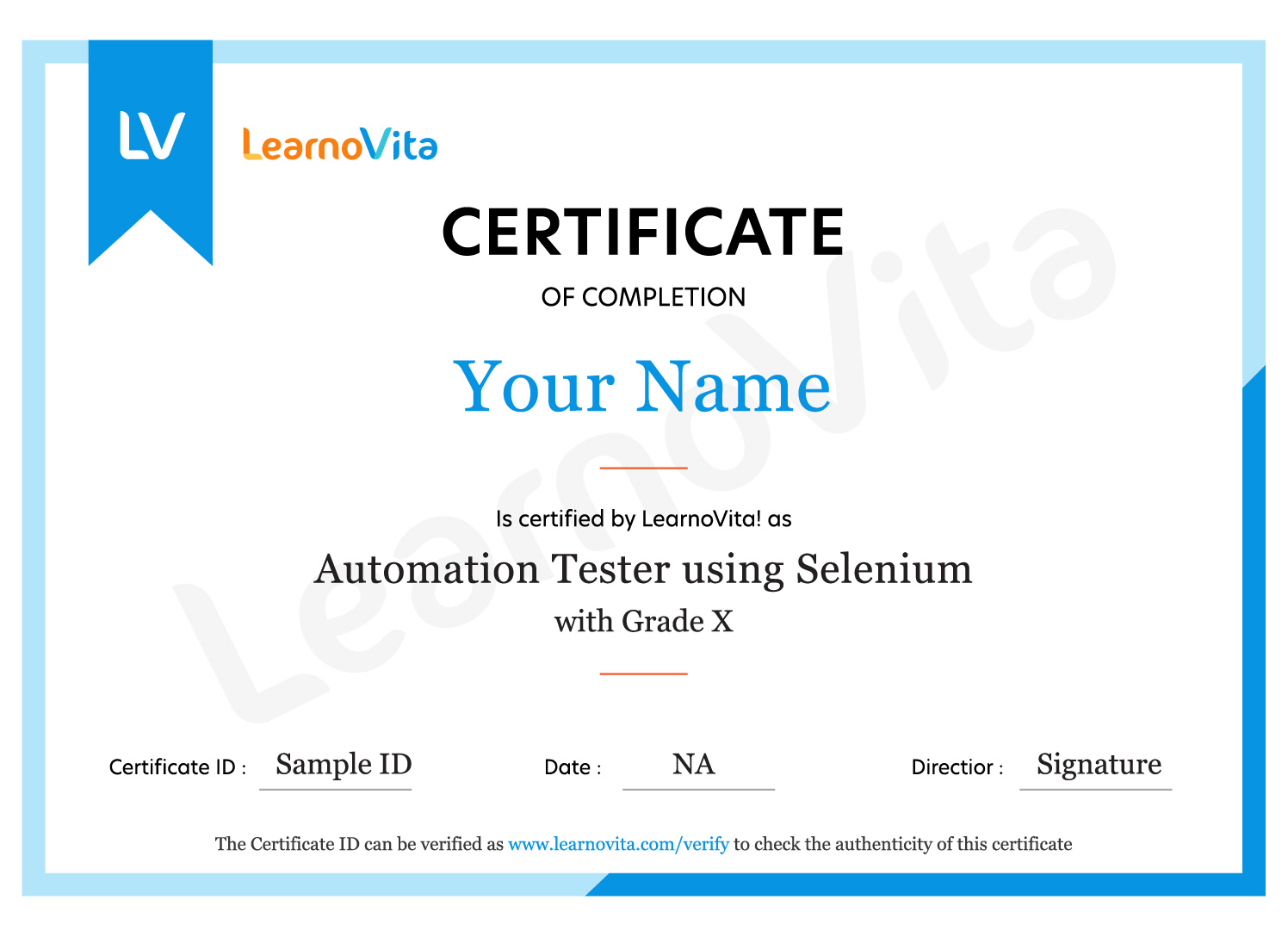
MNC Recognized course
complete certification
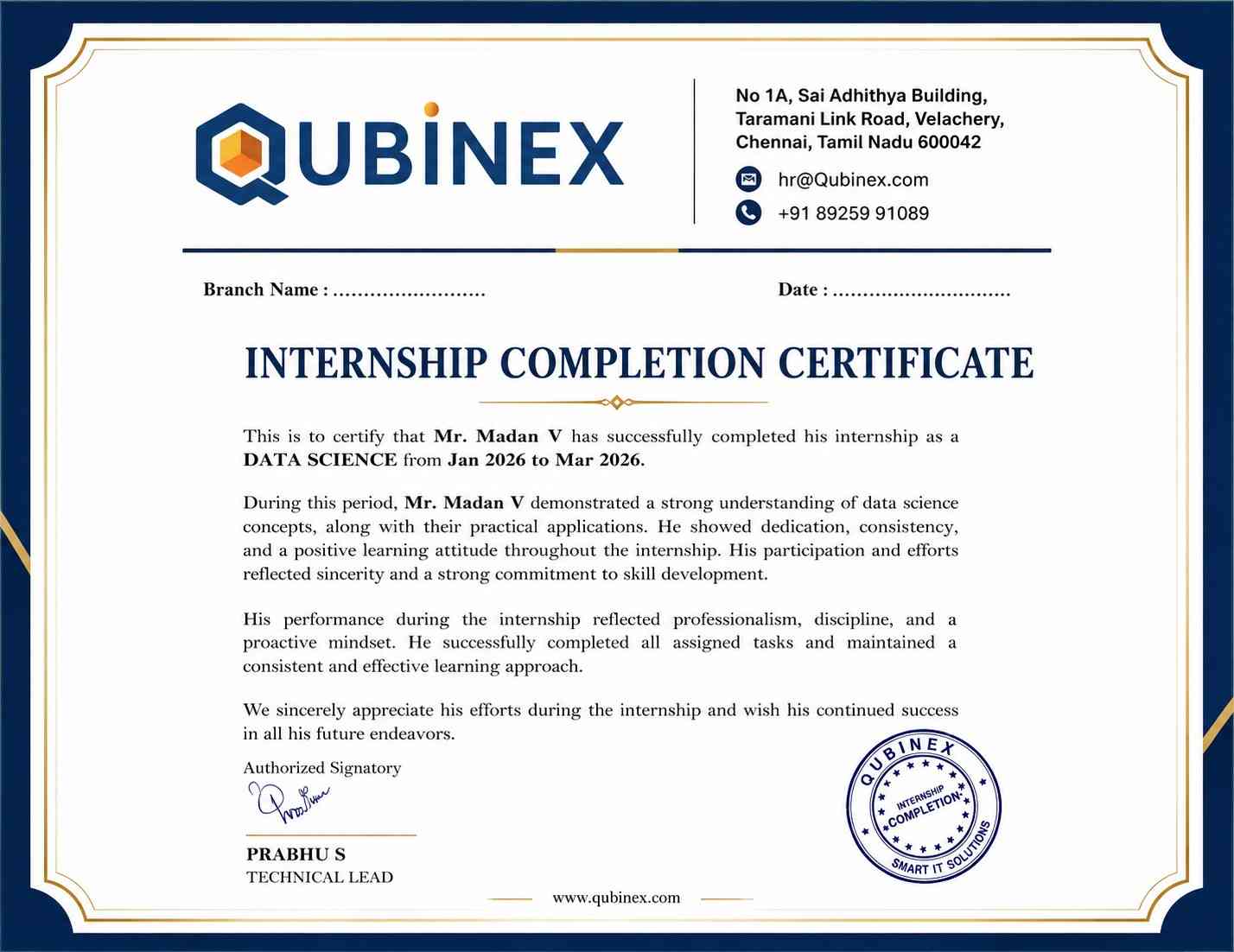
Intership
complete certification
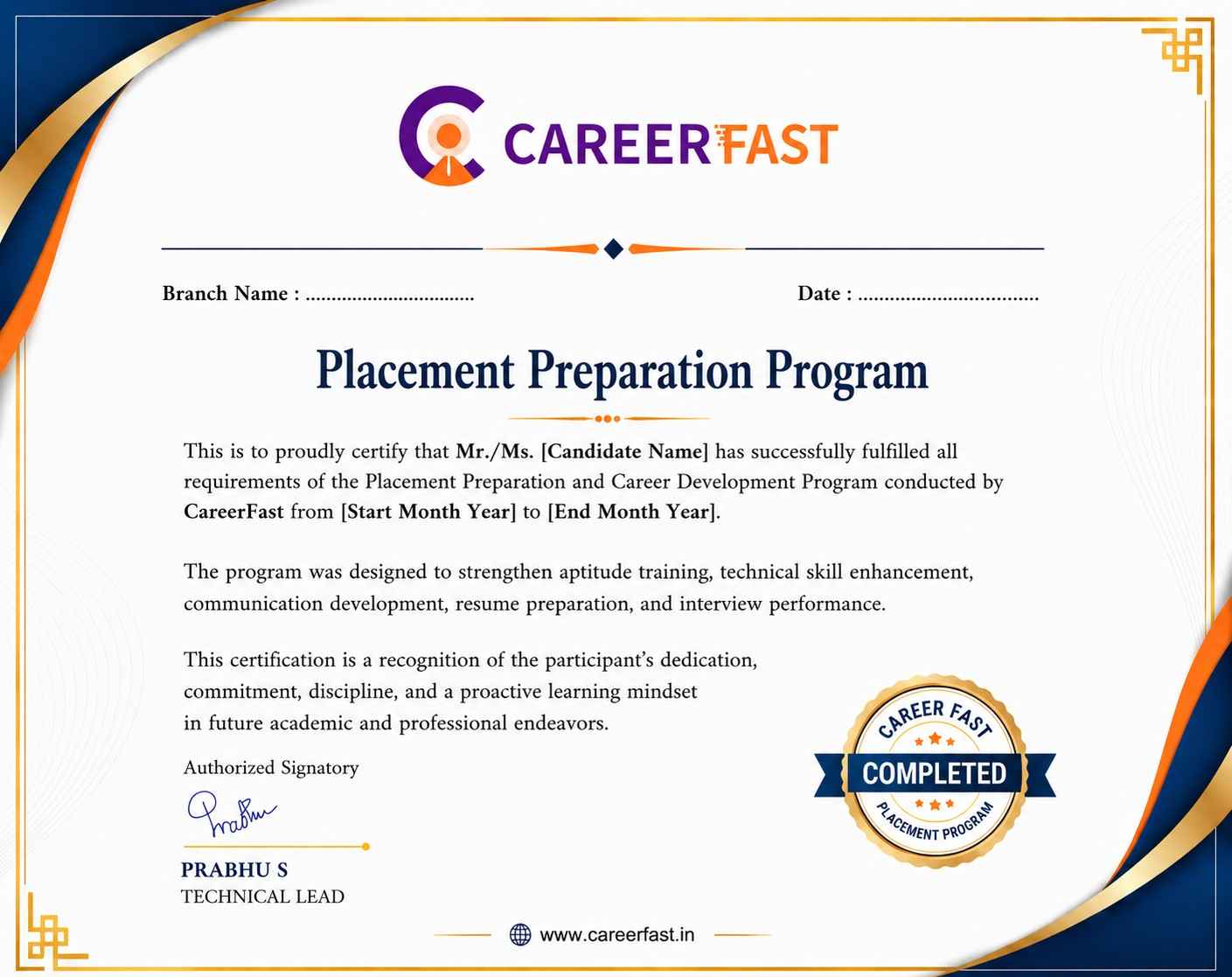
Placement
complete certification
Our learners
transformed their careers

A majority of our alumni
fast-tracked into managerial careers.
Get inspired by their progress in the Career Growth Report.
Our Student Successful Story
 Regular 1:1 Mentorship From Industry Experts
Live Classes
Career Support

Sandeep Kumar D
Software Engineer, Cisco Systems )

Vinoth P
UI Developer, TCS
Vijeyalakshme kannan
QA Engineer, Amazon Development Center
Pranav Srinivas
Software Testing, Capgemini
Prasanna
SAP Admin, HCLHow are the Oracle OTM Course with LearnoVita Different?
Feature
LearnoVita
Other Institutes
Affordable Fees
Competitive Pricing With Flexible Payment Options.
Higher Oracle OTM Fees With Limited Payment Options.
Live Class From ( Industry Expert)
Well Experienced Trainer From a Relevant Field With Practical Oracle OTM Training
Theoretical Class With Limited Practical
Updated Syllabus
Updated and Industry-relevant Oracle OTM Course Curriculum With Hands-on Learning.
Outdated Curriculum With Limited Practical Training.
Hands-on projects
Real-world Oracle OTM Projects With Live Case Studies and Collaboration With Companies.
Basic Projects With Limited Real-world Application.
Certification
Industry-recognized Oracle OTM Certifications With Global Validity.
Basic Oracle OTM Certifications With Limited Recognition.
Placement Support
Strong Placement Support With Tie-ups With Top Companies and Mock Interviews.
Basic Placement Support
Industry Partnerships
Strong Ties With Top Tech Companies for Internships and Placements
No Partnerships, Limited Opportunities
Batch Size
Small Batch Sizes for Personalized Attention.
Large Batch Sizes With Limited Individual Focus.
Additional Features
Lifetime Access to Oracle OTM Course Materials, Alumni Network, and Hackathons.
No Additional Features or Perks.
Training Support
Dedicated Mentors, 24/7 Doubt Resolution, and Personalized Guidance.
Limited Mentor Support and No After-hours Assistance.
Oracle OTM Course FAQ's
- LearnoVita is dedicated to assisting job seekers in seeking, connecting, and achieving success, while also ensuring employers are delighted with the ideal candidates.
- Upon successful completion of a career course with LearnoVita, you may qualify for job placement assistance. We offer 100% placement assistance and maintain strong relationships with over 650 top MNCs.
- Our Placement Cell aids students in securing interviews with major companies such as Oracle, HP, Wipro, Accenture, Google, IBM, Tech Mahindra, Amazon, CTS, TCS, HCL, Infosys, MindTree, and MPhasis, among others.
- LearnoVita has a legendary reputation for placing students, as evidenced by our Placed Students' List on our website. Last year alone, over 5400 students were placed in India and globally.
- We conduct development sessions, including mock interviews and presentation skills training, to prepare students for challenging interview situations with confidence. With an 85% placement record, our Placement Cell continues to support you until you secure a position with a better MNC.
- Please visit your student's portal for free access to job openings, study materials, videos, recorded sections, and top MNC interview questions.

- Build a Powerful Resume for Career Success
- Get Trainer Tips to Clear Interviews
- Practice with Experts: Mock Interviews for Success
- Crack Interviews & Land Your Dream Job
Global Quality Training
At The Lowest Fees & Expert Trainer








Need custom pricing?

