Home » SAP » SAP CPI Training in Kalyan Nagar

SAP CPI Training in Kalyan Nagar

(4.8) 19425 Ratings
  • Join the Best SAP CPI Training in Kalyan Nagar to Master Cloud Integration Technologies.
  • Flexible SAP CPI Batches Available on Weekdays, Weekends, and Fast-Track Schedules.
  • Develop Job-Ready SAP CPI Skills Through Practical Projects and Hands-On Training.
  • Learn SAP CPI, Integration Flows, APIs, Cloud Integration, and Enterprise Connectivity.
  • Gain Practical Experience Through Industry-Based Projects Guided by SAP CPI Experts.
  • Boost Your Career with Resume Preparation and Professional Guidance in SAP Integration.

Course Duration

45+ Hrs

Live Project

3 Project

Certification Pass

Guaranteed

Training Format

Live Online (Expert Trainers)
Quality Training With Affordable Fee

⭐ Fees Starts From

INR 38,000
INR 18,500

12057+

Professionals Trained

10+

Batches every month

2036+

Placed Students

203+

Corporate Served

What You'll Learn

SAP CPI Training introduces cloud integration, enterprise application connectivity, and essential services offered through the SAP Integration Suite.

Understand SAP CPI features, including iFlows, Message Mapping, Value Mapping, adapters, and process orchestration across cloud environments.

Build practical expertise in connecting SAP and non-SAP applications, transforming business information, and handling cloud integration processes.

Acquire practical exposure to SAP CPI projects, interface creation, integration scenarios, and enterprise application connectivity requirements.

Discover API Management, event-based integration, security settings, monitoring utilities, and effective approaches for implementing SAP CPI solutions.

Complete SAP CPI Training through practical sessions that prepare learners for roles in SAP integration, and enterprise application connectivity.

An Overview of SAP CPI Training

The SAP CPI Training in Jayanagar is structured to build practical skills in cloud integration, enterprise application connectivity, API communication, and data exchange between SAP and non-SAP platforms. Learners develop hands-on expertise through real-time integration scenarios and guided implementation exercises covering integration flows, API management, and secure data transmission. This SAP CPI training program provides flexible learning formats, including self-paced study and instructor-led sessions, to suit different learning needs. Practical assignments help participants understand integration processes, resolve connectivity issues, and gain confidence in building scalable cloud-based integration solutions.

Additional Info

Future Trends for SAP CPI Internship Training in Kalyan Nagar

  • Rise of Cloud-Native Integration Platforms: SAP CPI training will focus on cloud-native integration as businesses connect applications across distributed environments. Learners will explore scalable architectures, secure data exchange, cloud connectivity, and modern integration practices for digital transformation.
  • API-Driven Integration Strategies: SAP CPI training will increasingly emphasize API-based integration, including API design, security, lifecycle management, and governance. Learners will understand how APIs connect enterprise applications, improve flexibility, support reusable services, and enable scalable digital ecosystems.
  • Integration of AI and Intelligent Automation: SAP CPI training will introduce AI-driven monitoring, intelligent workflows, and automated error handling. Learners will explore how analytics can identify unusual integration patterns, support faster troubleshooting, reduce repetitive tasks, and improve system reliability.
  • Expansion of Hybrid Integration Environments: SAP CPI training will address integration between on-premise systems and cloud applications. Learners will explore hybrid connectivity, data synchronization, secure communication, and integration strategies that help organizations modernize legacy systems while maintaining reliable operations.
  • Focus on Real-Time Data Integration: SAP CPI training will emphasize real-time data exchange using event-driven integration and automated workflows. Learners will understand how instant data synchronization improves business responsiveness, application coordination, operational visibility, and timely decision-making across systems.
  • Growing Importance of Security in Integration Platforms: SAP CPI training will place greater emphasis on integration security, authentication, encryption, identity management, and access controls. Learners will understand how to protect sensitive data, secure APIs, strengthen integration flows, and support enterprise compliance requirements.
  • Increasing Demand for Integration Specialists: SAP CPI training will prepare professionals to connect ERP, CRM, e-commerce, analytics, and other enterprise applications. Learners will develop integration skills that support automated workflows, reduce data silos, improve connectivity, and help organizations manage complex digital ecosystems.
  • Adoption of Low-Code and Simplified Integration Tools: SAP CPI training will increasingly introduce visual and low-code development approaches for building integration flows. Learners can use simplified tools to design workflows, reduce development complexity, accelerate projects, and improve collaboration between technical and business teams.
  • Integration with IoT and Emerging Technologies: SAP CPI training will explore integration with IoT platforms and connected devices. Learners will understand how device data can flow into enterprise applications to support real-time monitoring, predictive maintenance, automated processes, operational visibility, and data-driven business decisions.
  • Continuous Learning and Career Opportunities: SAP CPI training will encourage continuous learning as cloud integration technologies evolve. Learners can strengthen skills in enterprise integration, cloud platforms, APIs, and architecture while preparing for roles such as integration consultant, developer, and solution architect.

Tools and Technologies for SAP CPI Placement Training

  • Integration Flow Designer: SAP CPI Integration Flow Designer helps professionals visually create and manage integration processes between applications. Learners design message flows, configure communication steps, apply transformations, and build structured workflows using graphical components for reliable enterprise connectivity.
  • Message Mapping Tool: SAP CPI Message Mapping helps transform data between different application structures and formats. Learners map fields between XML, JSON, and other data models, automate transformation logic, maintain data consistency, and support accurate communication between SAP and non-SAP systems.
  • API Management: SAP CPI API Management enables professionals to publish, secure, monitor, and manage APIs used for application connectivity. Learners explore API lifecycle management, access controls, policies, and monitoring techniques that support scalable, secure, and reusable enterprise integration services.
  • Adapters for System Connectivity: SAP CPI adapters enable integration flows to communicate with applications using different protocols and technologies. Learners configure HTTP, SOAP, SFTP, IDoc, OData, and other adapters to support secure data exchange between cloud, on-premise, and external systems.
  • SAP Cloud Platform Integration Runtime: SAP CPI Runtime executes deployed integration flows and manages message processing between connected applications. Learners understand how runtime components handle transformations, routing, communication, and monitoring while developing skills to troubleshoot issues and maintain reliable integration processes.
  • Monitoring and Message Processing Tools: SAP CPI monitoring tools provide visibility into message processing, integration status, errors, and performance. Learners track message flows, identify failures, analyze processing details, and troubleshoot integration issues to maintain stable communication and improve operational reliability.
  • Content Management and Package Repository: SAP CPI content management tools help organize integration flows, scripts, and configuration artifacts within structured packages. Learners manage integration content, maintain project resources, support team collaboration, and improve the scalability, organization, and maintainability of integration projects.
  • Groovy Scripting Support: SAP CPI supports Groovy scripting for advanced data manipulation and customized integration logic. Learners use scripts to transform messages, process complex data, implement conditional logic, and extend standard integration capabilities when graphical components do not meet specific business requirements.
  • Security and Authentication Mechanisms: SAP CPI security features protect data exchanged between connected applications and integration services. Learners work with authentication methods, certificates, OAuth, encryption, and secure communication protocols to control access, protect sensitive information, and support secure enterprise integration processes.
  • SAP Integration Suite Ecosystem: SAP CPI forms part of the broader SAP Integration Suite for enterprise connectivity. Learners explore how integration services support APIs, application connectivity, event-driven processes, and data exchange, helping them design scalable integration architectures for modern digital business environments.

Roles and Responsibilities for SAP CPI Training

  • SAP CPI Integration Consultant: SAP CPI Integration Consultants design integration strategies that connect SAP and non-SAP applications. They analyze business requirements, define integration flows, select suitable adapters, and establish secure data exchange while helping organizations implement scalable and reliable cloud integration solutions.
  • SAP CPI Developer: SAP CPI Developers build, configure, test, and maintain integration flows for enterprise applications. They work with message mapping, adapters, transformations, routing, and scripting to ensure accurate data exchange while troubleshooting technical issues and delivering integration solutions aligned with business requirements.
  • SAP Integration Architect: SAP Integration Architects design enterprise integration architectures across cloud, on-premise, and hybrid environments. They evaluate integration technologies, define architectural standards, plan scalable connectivity, and ensure security, performance, and governance while supporting long-term digital transformation initiatives.
  • SAP CPI Technical Analyst: SAP CPI Technical Analysts evaluate system requirements and identify suitable integration approaches. They analyze existing applications, collaborate with development teams, review integration performance, troubleshoot connectivity challenges, and recommend improvements that align technical solutions with business and operational requirements.
  • SAP CPI Implementation Specialist: SAP CPI Implementation Specialists deploy integration solutions across enterprise environments. They configure integration flows, establish system connections, validate configurations, conduct integration testing, and document implementation activities to support reliable deployment, smooth system communication, and future maintenance.
  • SAP CPI Support Engineer: SAP CPI Support Engineers monitor integration environments and resolve technical issues after deployment. They analyze message logs, alerts, and processing errors, troubleshoot failed integration flows, restore connectivity, and support performance improvements to maintain reliable communication between connected enterprise applications.
  • SAP CPI API Management Specialist: SAP CPI API Management Specialists manage APIs used for secure application connectivity. They support API creation, lifecycle management, access control, documentation, monitoring, and security policies while helping organizations maintain reliable services and enable scalable communication across enterprise platforms.
  • SAP CPI Data Integration Specialist: SAP CPI Data Integration Specialists manage the movement and transformation of information between business applications. They use message mapping, integration flows, and transformation techniques to maintain data accuracy and consistency across ERP, CRM, analytics, and other enterprise systems.
  • SAP CPI Project Manager: SAP CPI Project Managers coordinate integration initiatives from planning through implementation. They manage project schedules, resources, budgets, risks, and stakeholder communication while coordinating technical teams to ensure integration requirements are delivered efficiently and projects progress according to defined objectives.
  • SAP CPI Cloud Integration Specialist: SAP CPI Cloud Integration Specialists design and manage connectivity between cloud applications and on-premise systems. They focus on scalable architectures, secure data exchange, system availability, and integration performance while helping organizations adopt cloud technologies without disrupting existing enterprise processes.

Companies Hiring SAP CPI Professionals

  • Accenture: Accenture offers opportunities for SAP CPI professionals supporting enterprise integration and digital transformation projects. Professionals may work on connecting SAP applications with cloud platforms, modernizing legacy systems, designing integration frameworks, and supporting complex technology environments across multiple industries.
  • Tata Consultancy Services: TCS provides opportunities for SAP CPI professionals involved in enterprise integration, cloud transformation, and SAP implementation projects. They may design secure integration flows, connect business applications, support ERP environments, and help organizations improve system connectivity and operational efficiency.
  • Infosys: Infosys provides SAP CPI opportunities across enterprise integration and digital transformation initiatives. Professionals may connect SAP applications with cloud services and third-party platforms, develop integration workflows, support data exchange, and help clients improve communication between distributed business systems.
  • Capgemini: Capgemini offers SAP CPI career opportunities across integration consulting, cloud transformation, and solution development. Professionals may integrate SAP platforms with digital services, analytics tools, and enterprise applications while supporting modernization initiatives and scalable integration strategies for global organizations.
  • Deloitte: Deloitte provides opportunities for SAP CPI professionals within technology consulting and digital transformation projects. Professionals may analyze integration requirements, connect ERP systems with modern applications, design scalable workflows, and support secure data exchange across enterprise platforms and business environments.
  • Wipro: Wipro offers SAP CPI opportunities involving enterprise integration, cloud connectivity, and workflow automation. Professionals may connect SAP systems with business applications, develop integration solutions, reduce data silos, and support organizations in improving application communication and digital operations.
  • IBM: IBM provides opportunities for SAP CPI professionals working across cloud computing, enterprise integration, and automation initiatives. Professionals may connect SAP platforms with cloud infrastructure, contribute to integration architecture, develop automated workflows, and support reliable communication between business systems.
  • HCLTech: HCLTech offers SAP CPI opportunities focused on enterprise integration, cloud connectivity, and application modernization. Professionals may develop integration workflows, connect SAP environments with digital platforms, support system transformation, and contribute to large-scale implementation projects for global organizations.
  • Tech Mahindra: Tech Mahindra provides career opportunities for SAP CPI professionals across cloud integration and enterprise technology projects. Professionals may connect business applications, support real-time data exchange, develop integration workflows, and help organizations improve system connectivity and operational agility.
  • Cognizant: Cognizant offers SAP CPI opportunities within digital transformation and enterprise integration projects. Professionals may connect SAP platforms with cloud applications, design scalable integration workflows, support secure data exchange, and contribute to technology initiatives that improve application connectivity and business operations.
View more

SAP CPI Course Objectives

Learners enrolling in SAP CPI training should understand basic SAP systems, enterprise applications, and integration fundamentals. Knowledge of cloud computing, APIs, XML, JSON, and web services can support smoother learning. Familiarity with programming logic and data flow principles is also useful when exploring integration scenarios. Previous exposure to SAP modules, middleware technologies, or enterprise connectivity can provide an advantage, although it is not compulsory for beginners starting the course.
SAP CPI training enables learners to build practical abilities in cloud integration, enterprise connectivity, and real-time data communication. Participants practice creating integration flows, using APIs, mapping messages, transforming information, and linking SAP with non-SAP applications. The course also explores secure and scalable integration approaches, helping learners develop technical competencies suited to SAP integration, cloud middleware, and enterprise application integration positions.
SAP CPI expertise is useful for businesses integrating cloud applications, SAP environments, and external enterprise platforms. Skilled professionals can contribute to application connectivity, API-based communication, data transformation, and real-time information sharing. SAP CPI training introduces integration workflows and develops technical capabilities relevant to cloud integration, SAP middleware, and enterprise application integration assignments across different industries.
  • Increasing demand for cloud integration platforms across enterprises
  • Wider implementation of hybrid integration environments for connected systems
  • Growing adoption of SAP BTP and API-based integration architectures
  • Greater requirement for real-time data sharing between business applications
  • Expanding career prospects in cloud integration and digital transformation initiatives
Yes, SAP CPI training may include practical assignments based on enterprise integration requirements. Learners can practice connecting SAP and non-SAP applications through APIs, building integration flows, transforming messages, routing information, and resolving integration errors. These exercises introduce common business connectivity challenges, develop troubleshooting abilities, and provide practical exposure that learners can apply when contributing to enterprise integration projects in professional environments.
  • SAP CPI architecture, platform components, and integration fundamentals
  • Integration flow creation, configuration, testing, and deployment
  • Message mapping, data transformation, and message processing
  • API connectivity using REST and SOAP services
  • Security configuration, authentication, authorization, and system connectivity
SAP CPI training can improve technical understanding and workplace readiness, although course completion cannot guarantee a job. Employment prospects depend on practical competence, interview preparation, relevant experience, and individual performance. The program introduces integration workflows, essential technical concepts, and hands-on exercises that help learners prepare for positions involving SAP CPI, cloud integration, middleware technologies, and enterprise application connectivity.
  • Acquire practical capabilities for SAP and cloud integration careers
  • Understand API-driven communication and enterprise application connectivity
  • Develop experience with cloud integration and business data exchange
  • Prepare to contribute to integration assignments across enterprise platforms
  • Improve technical knowledge of SAP BTP and middleware solutions
Participants may receive hands-on exposure to SAP Cloud Integration, integration flow development features, and Message Mapping for structuring and transforming data. The curriculum can also introduce SAP API Management, SAP Business Technology Platform, SAP Cloud Connector, monitoring functions, and Groovy scripting. These technologies help learners create, protect, observe, and troubleshoot integration workflows connecting SAP platforms with external business applications.
  • IT consulting, technology, and software development services
  • Banking, financial services, and insurance companies
  • Manufacturing, engineering, and industrial enterprises
  • Retail, online commerce, and consumer product organizations
  • Healthcare, pharmaceutical, and life sciences industries
view More view Less

SAP CPI Course Benefits

The SAP CPI Course in Jayanagar is designed to develop practical expertise in cloud integration and business process connectivity across SAP and non-SAP applications. Learners gain hands-on experience through structured exercises, real-time integration scenarios, and SAP CPI internship opportunities that reflect industry-based environments. The training covers integration flows, message mapping, adapters, security configurations, and secure communication between enterprise systems. This SAP CPI Course with Placement assistance helps participants develop job-ready capabilities for cloud integration, middleware development, API management, and SAP technical roles while strengthening their knowledge through practical, project-based learning.

  • Designation
  • Annual Salary
    Hiring Companies
  • 3.24L
    Min
  • 6.5L
    Average
  • 13.5L
    Max
  • 4.50L
    Min
  • 8.5L
    Average
  • 16.5L
    Max
  • 4.0L
    Min
  • 6.5L
    Average
  • 13.5L
    Max
  • 3.24L
    Min
  • 6.5L
    Average
  • 12.5L
    Max

About SAP CPI Course

The SAP CPI Course in Jayanagar offers comprehensive training in cloud integration, data transformation, and business process connectivity across SAP and non-SAP applications. Learners build practical expertise through hands-on exercises, real-time integration scenarios, guided assignments, SAP CPI projects, and industry-oriented training covering essential topics such as Integration Flows, iFlows, Adapters, Message Mapping, Content Modifier, Data Transformation, API Integration, OData Services, REST and SOAP Connectivity, Groovy Scripting, Routing, Filters, Performance Optimization, and enterprise cloud integration solutions. The course also provides placement preparation support for SAP CPI and cloud integration career opportunities.

Top Skills You Will Gain
  • Integration Design
  • Message Mapping
  • API Development
  • Data Transformation
  • Cloud Connectivity
  • Adapter Configuration
  • Error Handling
  • Security Implementation

12+ SAP CPI Tools

Online Classroom Batches Preferred

Weekdays (Mon - Fri)
12 - Oct - 2026
08:00 AM (IST)
Weekdays (Mon - Fri)
14 - Oct - 2026
08:00 AM (IST)
Weekend (Sat)
17 - Oct - 2026
11:00 AM (IST)
Weekend (Sun)
18 - Oct - 2026
11:00 AM (IST)
Can't find a batch you were looking for?
₹38,000 ₹18,500 10% OFF Expires in

No Interest Financing start at ₹ 5000 / month

Corporate Training

  • Customized Learning
  • Enterprise Grade Learning Management System (LMS)
  • 24x7 Support
  • Enterprise Grade Reporting

Not Just Studying
We’re Doing Much More!

Empowering Learning Through Real Experiences and Innovation

Hiring
Hiring
Hiring
Hiring
Hiring
Hiring
Hiring
User
User
User
User
User
User

SAP CPI Course Curriculum

Trainers Profile

Our SAP CPI Training in Jayanagar is delivered by experienced professionals with practical knowledge of cloud integration, enterprise connectivity, business process integration, and middleware technologies. Learners receive guided instruction through real-time integration scenarios and industry-based use cases that strengthen their technical capabilities. The program provides comprehensive SAP CPI training materials to support step-by-step learning of integration flows, message mapping, API integration, adapter configuration, data transformation, routing, security, and system communication. These resources help participants develop confidence in handling enterprise integration projects, improve their integration and automation skills, and prepare for career opportunities in SAP CPI, cloud integration, API management, and middleware development.

Syllabus for SAP CPI Training Download syllabus

  • Overview of SAP Cloud Platform Integration
  • Understanding Cloud Integration Concepts
  • SAP Integration Suite Overview
  • Navigation in SAP CPI Environment
  • Role of CPI in Enterprise Integration
  • Basic Terminology in SAP Integration
  • CPI Architecture Components
  • Integration Runtime Environment
  • Tenant Structure and Configuration
  • Cloud and On-Premise Connectivity
  • Communication Channels
  • Integration Package Structure
  • Introduction to Integration Flows
  • Creating Integration Packages
  • Designing Integration Flow Structure
  • Sender and Receiver Configuration
  • Message Routing Concepts
  • Deploying Integration Flows
  • HTTP Adapter Configuration
  • SOAP Adapter Setup
  • SFTP Adapter Usage
  • IDoc Adapter Connectivity
  • OData Adapter Integration
  • Process Direct Adapter
  • Data Transformation Concepts
  • Message Mapping Editor
  • Mapping XML Structures
  • Mapping JSON Data
  • Functions in Message Mapping
  • Testing Message Mapping
  • XML to XML Transformation
  • JSON to XML Conversion
  • Content Modifier Usage
  • Message Enrichment
  • Payload Transformation
  • Data Format Handling
  • Content-Based Routing
  • Message Filtering
  • Multicast Processing
  • Sequential Processing
  • Exception Handling
  • Conditional Message Flow
  • Authentication Methods
  • Secure Communication Protocols
  • Certificate Management
  • User Role Configuration
  • Access Control Concepts
  • Data Protection Mechanisms
  • API Concepts in SAP CPI
  • API Creation and Configuration
  • API Security Methods
  • API Proxy Configuration
  • API Communication Setup
  • API Testing Tools
  • Message Monitoring Dashboard
  • Integration Flow Monitoring
  • Error Message Analysis
  • Log Configuration
  • Tracking Message Processing
(15) view More view Less
Need customized curriculum?

REAL

start
STORIES SUCCESS INSPIRATION
CAREER
UPGRADE
sowmiya

sowmiya

CAREER
UPGRADE
Rajkumar

Rajkumar

CAREER
UPGRADE
Thon

Thon

CAREER
UPGRADE
lavanya

Lavanya

Industry Projects

Project 1
Cloud HR System Integration Project

Integrate an SAP HR system with a cloud-based recruitment platform using SAP CPI. Learners develop integration flows to securely exchange employee records and recruitment data, gaining practical experience in automated data transfer and connectivity between enterprise applications.

Project 2
E-Commerce Order Integration Project

Connect an e-commerce application with an SAP ERP system through SAP CPI to exchange customer orders, product information, and billing details. Learners practice message mapping, data transformation, error handling, and automated order processing across connected business platforms.

Project 3
Finance Data Synchronization Project

Integrate an accounting application with an SAP financial system using SAP CPI. Learners configure integration flows to synchronize transaction records, invoices, and payment updates while applying secure communication methods, data validation, and enterprise integration practices.

Our Hiring Partner

Exam & SAP CPI Certification

  • Basic knowledge of enterprise application integration is beneficial
  • Familiarity with SAP and non-SAP business systems can be helpful
  • Understanding of fundamental cloud computing principles is recommended
  • Basic awareness of APIs, web services, and data communication is useful
  • Prior SAP CPI experience is not essential for entry-level training
SAP CPI certification demonstrates your understanding of cloud integration, integration flows, message mapping, adapters, APIs, data transformation, and secure communication between applications. It can enhance your professional profile and support career development in SAP integration, middleware technologies, cloud platforms, enterprise connectivity, and digital transformation initiatives.
SAP CPI certification helps demonstrate your knowledge of cloud integration and enterprise application connectivity, but it does not guarantee a job. Developing practical skills through integration projects, hands-on exercises, API configuration, troubleshooting, and implementation scenarios can improve your readiness for SAP CPI and middleware-related positions.
  • SAP CPI Consultant
  • SAP Integration Developer
  • Enterprise Integration Consultant
  • Cloud Integration Developer
  • Middleware Integration Consultant
  • SAP CPI Support Specialist
SAP CPI certification helps professionals develop knowledge of cloud integration, integration flows, message mapping, adapters, APIs, data transformation, security, monitoring, and enterprise system connectivity. It can contribute to career advancement by preparing learners for opportunities in SAP integration, cloud middleware, enterprise application integration, digital transformation projects, and SAP consulting.

MNC Recognized course
complete certification
Intership
complete certification
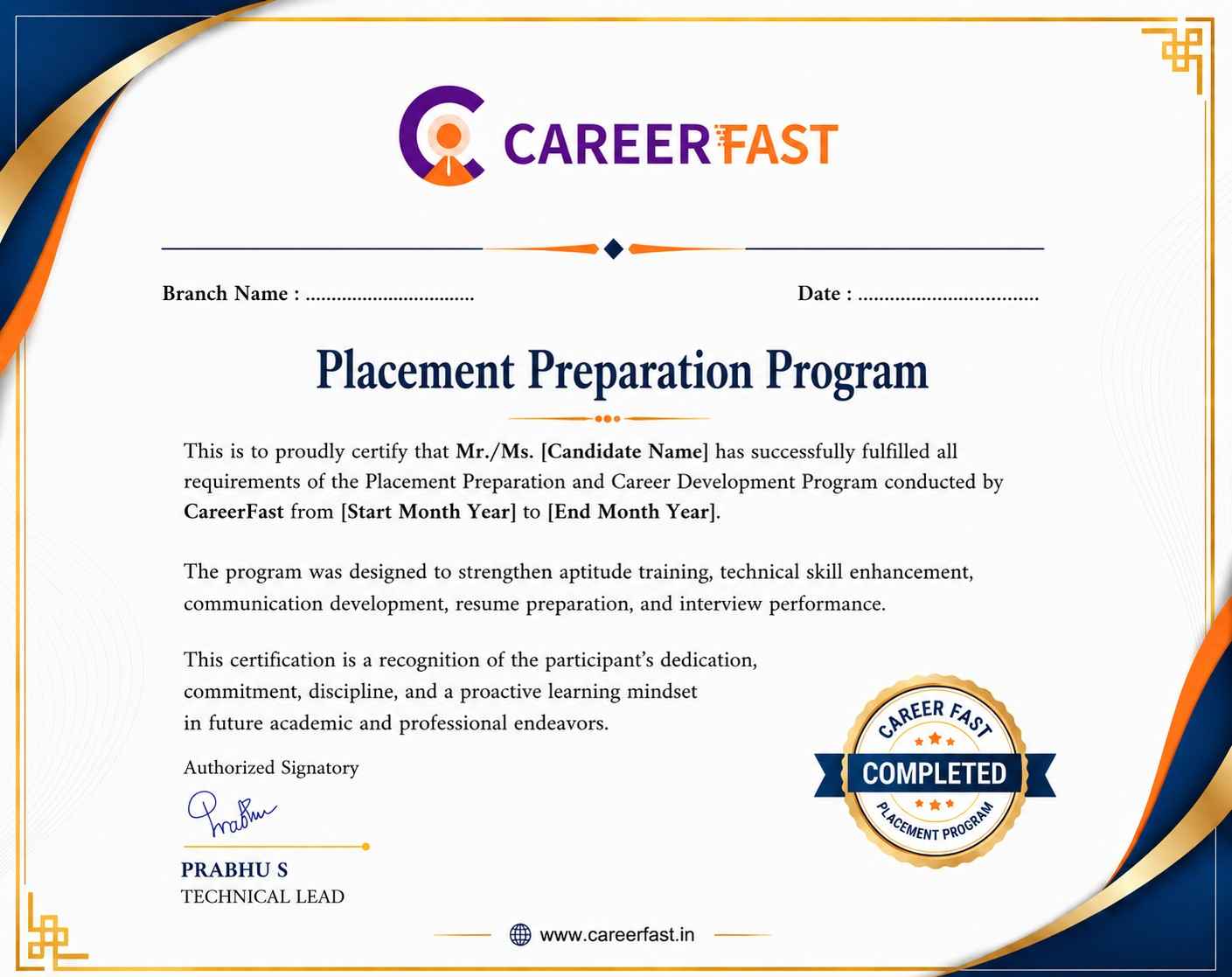
Placement
complete certification

Our learners
transformed their careers

35 Laks
Highest Salary Offered
50%
Average Salary Hike
30K+
Placed in MNC's
15+
Year's in Training
Our Alumni
Alumni

A majority of our alumni

fast-tracked into managerial careers.

Get inspired by their progress in the Career Growth Report.

Our Student Successful Story

checkimage Regular 1:1 Mentorship From Industry Experts checkimage Live Classes checkimage Career Support

How are the SAP CPI with LearnoVita Different?

Feature

LearnoVita

Other Institutes

Affordable Fees

Competitive Pricing With Flexible Payment Options.

Higher SAP CPI Fees With Limited Payment Options.

Live Class From ( Industry Expert)

Well Experienced Trainer From a Relevant Field With Practical SAP CPI Training

Theoretical Class With Limited Practical

Updated Syllabus

Updated and Industry-relevant SAP CPI Course Curriculum With Hands-on Learning.

Outdated Curriculum With Limited Practical Training.

Hands-on projects

Real-world SAP CPI Project With Live Case Studies and Collaboration With Companies.

Basic Projects With Limited Real-world Application.

Certification

Industry-recognized SAP CPI Certifications With Global Validity.

Basic SAP CPI Certifications With Limited Recognition.

Placement Support

Strong Placement Support With Tie-ups With Top Companies and Mock Interviews.

Basic Placement Support

Industry Partnerships

Strong Ties With Top Tech Companies for Internships and Placements

No Partnerships, Limited Opportunities

Batch Size

Small Batch Sizes for Personalized Attention.

Large Batch Sizes With Limited Individual Focus.

Additional Features

Lifetime Access to SAP CPI Course Materials, Alumni Network, and Hackathons.

No Additional Features or Perks.

Training Support

Dedicated Mentors, 24/7 Doubt Resolution, and Personalized Guidance.

Limited Mentor Support and No After-hours Assistance.

SAP CPI Course FAQ's

Yes, learners can attend a demo session before enrolling to understand the course content, teaching approach, and learning environment. Live demo sessions may have limited availability to maintain effective interaction. If you are unable to attend a live session, you may be able to access a pre-recorded demo conducted by the same trainer. This helps you explore the instructional style, trainer expertise, and classroom learning experience before making an enrollment decision.
The SAP CPI course is led by experienced IT professionals with practical expertise in cloud integration, middleware solutions, enterprise applications, and SAP technologies. Many instructors bring 9 to 12 years of relevant industry experience and incorporate real-world scenarios into their sessions. Their guidance helps learners understand integration architecture, implementation techniques, troubleshooting methods, and enterprise integration workflows.
  • LearnoVita helps learners strengthen their SAP CPI knowledge and explore suitable career opportunities according to their qualifications, experience, and technical skills.
  • Eligible participants who complete the career-focused course may receive placement assistance, including guidance with job applications and relevant interview opportunities.
  • The Placement Cell offers career guidance and interview preparation for opportunities across technology and business organizations, subject to available vacancies and employer requirements.
  • Learners may receive resume-building assistance, technical interview practice, communication training, and guidance to improve their job-search preparation.
  • Career development activities, including mock interviews and presentation practice, help participants prepare for recruitment processes with greater confidence.
  • The student portal may offer access to job openings, study materials, training videos, recorded classes, and interview preparation resources.
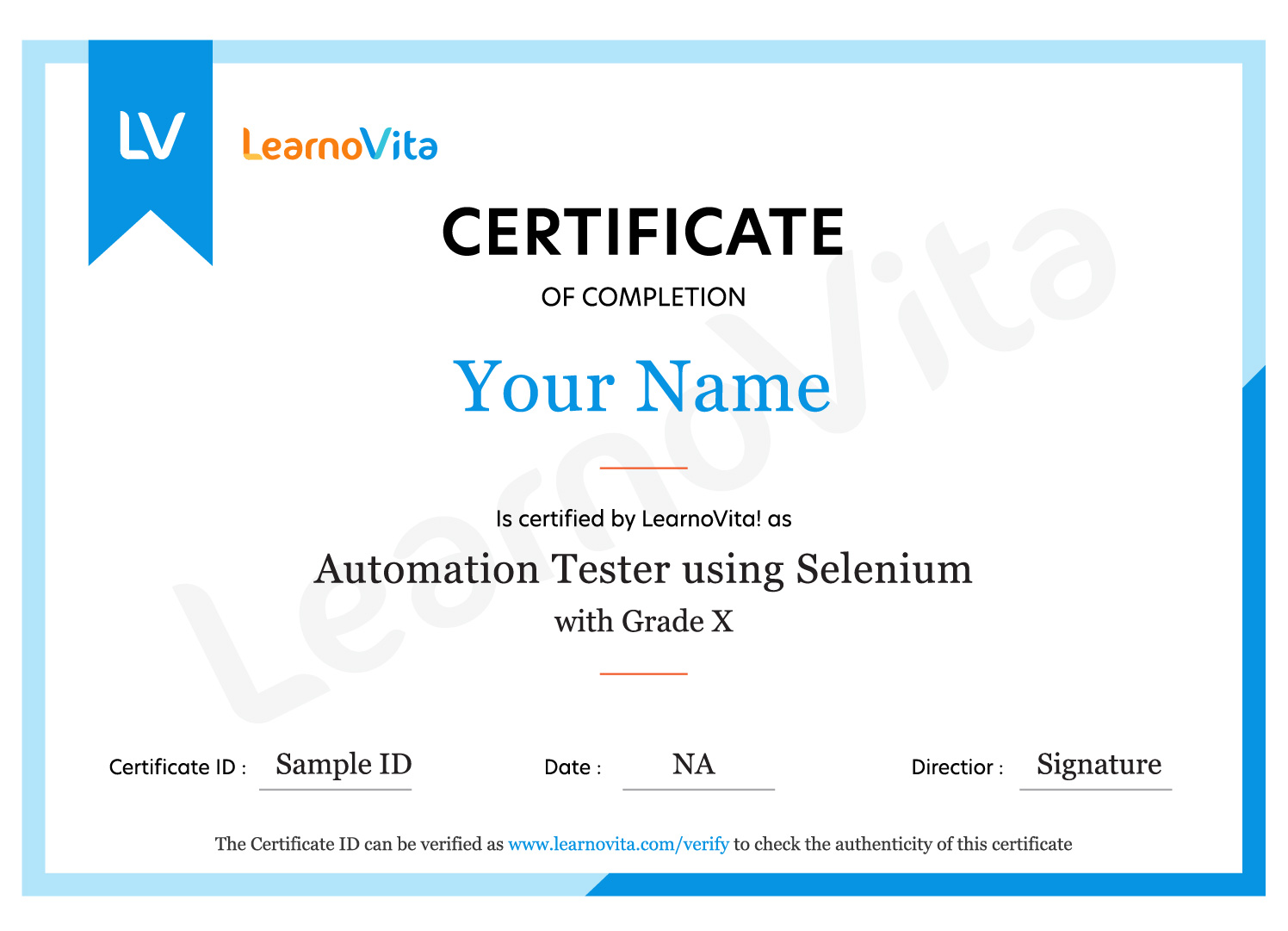
After successfully completing the training, learners can receive a LearnoVita course completion certificate. The SAP CPI program also introduces relevant certification pathways and helps participants understand preparation requirements for applicable industry examinations. Trainer guidance can support learners in identifying suitable certifications and developing the practical knowledge needed for SAP CPI and cloud integration positions.
Yes, the SAP CPI course includes practical, industry-oriented projects based on realistic business integration scenarios. Learners explore integration flows, message mapping, adapters, data transformation, API connectivity, routing, security settings, and communication between enterprise systems. These exercises help participants apply their knowledge, improve troubleshooting abilities, and develop practical skills relevant to SAP cloud integration roles.
LearnoVita provides flexible training formats, including instructor-led online classes, self-paced learning, classroom sessions, one-to-one training, fast-track programs, customized courses, and online learning options. These formats help participants choose a learning method that fits their schedules, preferred learning styles, professional commitments, and career goals while building practical SAP CPI knowledge.
If you miss a training session, available learning resources can help you review the missed topics. Depending on the course schedule and training policies, you may be able to access class presentations and recordings, attend the relevant topic in another suitable batch, or contact the training team to discuss alternative arrangements within the course duration.
For further information about the SAP CPI syllabus, training schedules, practical projects, certification options, or enrollment procedures, contact the LearnoVita support team at contact@learnovita.com. The team can clarify your questions and provide additional information about the course and registration process.
You can enroll in the SAP CPI course through the LearnoVita website or contact the training team for registration assistance. You may also visit an available LearnoVita branch to learn about upcoming batches, training formats, schedules, fees, and enrollment requirements before beginning the course.
Yes, enrolled learners can access available training resources through the student portal. Depending on the course package, these may include study materials, instructional videos, recorded sessions, presentations, practical reference guides, and interview preparation questions. These resources help participants revise SAP CPI concepts, strengthen their technical understanding, and continue learning outside scheduled classes.
LearnoVita aims to provide an interactive learning environment with manageable batch sizes, enabling learners to communicate with trainers, clarify doubts, and participate in practical exercises. Smaller groups can offer more opportunities for focused instruction and discussion of complex SAP CPI topics. The actual batch size may vary according to the selected training format and schedule.
The salary of an SAP CPI professional in India depends on experience, technical capabilities, job responsibilities, location, employer, and industry. Entry-level professionals may start with comparatively lower compensation, while experienced SAP CPI consultants, integration developers, and specialists may qualify for higher salary packages based on their skills, project experience, and professional background.
view More view Less
Career Assistance
  • Build a Powerful Resume for Career Success
  • Get Trainer Tips to Clear Interviews
  • Practice with Experts: Mock Interviews for Success
  • Crack Interviews & Land Your Dream Job
100% JOB GUARANTEE

Global Quality Training
At The Lowest Fees & Expert Trainer

AVAILABLE IN:
India Canada USA Singapore UAE Australia EU Germany

Need custom pricing?

4.9/5 from 50k+ students
Acte Technologies WhatsApp
Call Us! Chat With Us