Home » Others Courses » Salesforce Developer Training Jayanagar

Salesforce Developer Training Jayanagar

(4.5) 9980 Ratings
  • Master CRM development with Salesforce Developer Training in Jayanagar.
  • Learn Salesforce development through flexible weekday, weekend, and fast-track batches.
  • Earn Salesforce Developer Certification with practical projects and placement assistance.
  • Learn Apex, Lightning Web Components, Salesforce automation, and CRM customization.
  • Gain practical experience through industry-based projects and expert guidance.
  • Boost your career with resume building, interview preparation, and placement support.

Course Duration

45+ Hrs

Live Project

3 Project

Certification Pass

Guaranteed

Training Format

Live Online (Expert Trainers)
Quality Training With Affordable Fee

⭐ Fees Starts From

INR 38,000
INR 18,500

10258+

Professionals Trained

9+

Batches every month

2068+

Placed Students

208+

Corporate Served

What You'll Learn

Salesforce Developer Training in Jayanagar builds a strong foundation in CRM programming, platform architecture, and cloud-based solutions.

Understand Apex, Lightning Web Components, SOQL queries, triggers, custom objects, and automation tools for developing efficient Salesforce applications.

Build skills in CRM configuration, data modeling, API integration, application customization, and workflow automation to meet business requirements.

Practice Salesforce development through hands-on assignments involving coding, debugging, testing, deployment, and application maintenance.

Explore REST APIs, platform security, system integrations, AppExchange solutions, DevOps practices, and scalable cloud application design.

Strengthen certification readiness and practical abilities for careers in Salesforce programming, CRM customization, cloud development, and applications.

Salesforce Developer Course Overview

Salesforce Developer Training in Jayanagar helps learners build technical proficiency in CRM programming, Apex development, Lightning Web Components, and Salesforce platform configuration. The course covers application building, database operations, system integration, debugging techniques, workflow automation, and deployment procedures through practical exercises. Learners strengthen their coding abilities by completing hands-on tasks and industry-focused projects based on common business requirements. The training also explains how to develop scalable cloud applications and customize Salesforce features to improve organizational workflows. With structured placement assistance, interview preparation, and career guidance, can prepare for opportunities in Salesforce development, CRM solutions, and cloud application engineering.

Additional Info

Emerging Trends Shaping Salesforce Developer Training in Jayanagar

  • AI-Assisted Salesforce Development: Salesforce Developer Training in Jayanagar introduces learners to the growing role of artificial intelligence in application development. Future learning approaches will explore intelligent coding assistance, automated debugging, code recommendations, and personalized practice activities. These capabilities can help developers improve productivity, resolve programming issues, and create customized business applications more efficiently.
  • Automated DevOps Workflows: Modern Salesforce development increasingly depends on streamlined release processes and collaborative coding practices. Training will emphasize Git repositories, automated testing, continuous integration, and deployment pipelines. Learners can understand how development teams manage application versions, identify errors before release, maintain consistent environments, and deliver reliable updates across enterprise Salesforce projects.
  • Modern Lightning Component Development: Lightning Web Components will continue supporting the creation of dynamic Salesforce interfaces. Learners will explore JavaScript, component communication, event handling, reusable elements, and application integration. Practical exercises will help participants develop responsive interfaces that improve usability, simplify business interactions, and provide consistent application experiences across desktop and mobile devices.
  • Efficient Apex and SOQL Programming: Advanced Salesforce development requires reliable business logic and optimized data retrieval. Training will cover Apex classes, triggers, asynchronous processing, SOQL queries, governor limits, and exception handling. Learners will understand how to improve execution efficiency, manage large datasets, and build maintainable applications that satisfy business requirements without compromising platform performance.
  • Blockchain Integration Possibilities: Emerging enterprise applications may combine Salesforce environments with blockchain-based services for specialized business requirements. Learners can explore distributed ledgers, transaction verification, smart contract concepts, and secure integration patterns. Understanding these technologies can help developers evaluate potential solutions for organizations that require transparent records, traceable transactions, and trusted information exchange.
  • Connected Cloud Architectures: Salesforce applications increasingly exchange information with external cloud platforms and enterprise services. Training will introduce APIs, cloud integration patterns, serverless computing, and microservices concepts. Learners will understand how Salesforce connects with platforms such as AWS and Microsoft Azure, enabling them to develop flexible solutions that support distributed applications and changing organizational requirements.
  • Combining Declarative and Custom Coding: Future development practices will encourage the effective use of visual configuration alongside programming. Learners will work with Salesforce Flow, Lightning App Builder, Apex, and Lightning Web Components to understand the strengths of each approach. This combination supports faster application delivery while preserving customization, security, maintainability, and appropriate control over business processes.
  • Application Security and Data Protection: Secure development remains essential when Salesforce applications handle confidential customer and business information. Training will address profiles, permission sets, field-level security, authentication, secure API access, and data protection techniques. Learners will gain the knowledge needed to reduce unauthorized access, follow organizational security requirements, and develop applications with appropriate safeguards.
  • Cloud-Specific Development Expertise: Specialized Salesforce products create opportunities for developers to focus on different business functions. Training will introduce development possibilities across Service Cloud, Experience Cloud, Marketing Cloud, and industry-oriented solutions. Learners can explore product-specific capabilities, automation options, integration methods, and customization approaches that align technical skills with particular implementation requirements.
  • Collaborative Agile Development: Salesforce projects commonly involve developers, administrators, testers, analysts, and business stakeholders working together. Training will cover sprint planning, user stories, requirement clarification, code reviews, testing coordination, and release preparation. These practices help learners understand team-based delivery, communicate technical decisions clearly, and contribute to application improvements throughout the software development lifecycle.

Essential Tools and Technologies Covered in Salesforce Developer Training

  • Salesforce Lightning Platform: The Lightning Platform enables developers to build customized business applications using Salesforce services and reusable interface components. Training explores application architecture, interface configuration, component development, and responsive layouts. Learners gain practical understanding of how to create accessible applications that support business workflows, improve user interactions, and accommodate different organizational needs.
  • Apex Development: Apex is Salesforce's programming language for implementing server-side business logic and customized application behavior. Learners study classes, triggers, controllers, exception handling, collections, and asynchronous operations. Practical coding exercises explain how to validate records, automate business rules, process information, and develop maintainable functionality while respecting platform limits and execution requirements.
  • Visualforce Development: Visualforce supports the creation of customized Salesforce pages through markup and controller-based logic. Training introduces page structure, standard components, custom controllers, and Apex integration. Learners examine how this technology supports existing Salesforce implementations and helps maintain specialized interfaces where Visualforce remains part of established business applications and development workflows.
  • Salesforce Object Query Language: SOQL helps developers retrieve specific records from Salesforce objects according to application requirements. Training covers filtering, sorting, relationship queries, aggregate functions, and efficient data retrieval. Learners practice writing suitable queries, understanding execution limits, and handling related records to support accurate reporting, application logic, and scalable data-driven functionality.
  • Salesforce REST API: REST API capabilities allow Salesforce to exchange information with external applications through web services. Learners explore authentication, endpoints, HTTP methods, JSON payloads, and record operations. Practical examples demonstrate how to connect business systems, synchronize information, and build integrations that maintain reliable communication while following appropriate access controls and security requirements.
  • Salesforce Developer Experience: Salesforce DX supports source-driven development, collaborative coding, and organized application delivery. Training covers Salesforce CLI, scratch orgs, source tracking, Git integration, automated tests, and deployment procedures. Learners understand how to maintain version history, coordinate development activities, manage application changes, and improve consistency across multiple Salesforce environments.
  • Schema Builder: Schema Builder offers a visual workspace for examining Salesforce objects, fields, and relationships. Learners use this tool to understand data models, identify connections between records, and plan suitable application structures. These exercises strengthen their ability to organize business information, establish appropriate relationships, and support accurate data handling within customized Salesforce solutions.
  • Salesforce Mobile SDK: Salesforce Mobile SDK provides development resources for applications that interact with Salesforce services on mobile devices. Training introduces authentication, data access, offline capabilities, and mobile integration concepts. Learners examine how connected mobile applications can deliver relevant business information while supporting responsive interactions, dependable synchronization, and appropriate protection of organizational data.
  • Lightning App Builder: Lightning App Builder allows developers and administrators to configure Salesforce pages through a visual interface. Training covers page layouts, component placement, application configuration, and reusable elements. Learners discover how declarative customization can complement programming techniques, helping them deliver suitable interfaces efficiently without introducing unnecessary complexity into application development projects.
  • CRM Analytics and Tableau: Salesforce analytics tools help organizations interpret operational information through reports, dashboards, and interactive visualizations. Training introduces reporting concepts, dashboard configuration, data presentation, and analytical interpretation. Learners understand how Salesforce information can be organized into meaningful insights that assist business teams in monitoring performance, identifying patterns, and supporting informed decisions.

Career Opportunities and Responsibilities for Salesforce Professionals

  • Salesforce Developer: A Salesforce Developer converts business requirements into customized platform functionality using Apex, Lightning Web Components, APIs, and automation. Daily responsibilities include writing code, creating reusable components, connecting external applications, testing features, and resolving technical defects. Developers also maintain existing solutions and improve application performance to support changing business operations.
  • Salesforce Administrator: A Salesforce Administrator maintains the platform's configuration, user accounts, permissions, reports, dashboards, and data quality. The role includes monitoring system usage, configuring declarative automation, supporting end users, and maintaining access controls. Administrators also coordinate with developers and business stakeholders to introduce platform changes that meet operational requirements.
  • Salesforce Consultant: A Salesforce Consultant evaluates business processes and recommends suitable platform solutions. Responsibilities include gathering requirements, reviewing existing workflows, planning implementations, configuring features, and advising stakeholders. Consultants connect business objectives with Salesforce capabilities, helping organizations improve customer interactions, simplify processes, and adopt technology that supports their operational priorities.
  • Salesforce Solution Architect: A Solution Architect designs the technical foundation of Salesforce implementations. Responsibilities involve planning data models, integration approaches, security controls, application components, and scalable system structures. Architects guide development teams, assess technical decisions, and ensure solutions remain aligned with business requirements, platform capabilities, maintainability, and future expansion needs.
  • Salesforce Business Analyst: A Business Analyst identifies stakeholder expectations and documents requirements for Salesforce projects. Typical duties include process mapping, preparing user stories, defining acceptance criteria, evaluating workflows, and coordinating discussions between business and technical teams. This role helps ensure that application features address genuine business needs and produce the expected operational outcomes.
  • Salesforce Quality Assurance Tester: A Salesforce QA Tester checks whether applications function correctly before deployment. Responsibilities include preparing test cases, conducting functional and integration testing, identifying defects, validating fixes, and documenting results. Testers collaborate with developers and analysts to confirm that application behavior matches specifications and that changes do not disrupt existing functionality.
  • Salesforce Product Owner: A Product Owner prioritizes development activities according to business objectives, stakeholder feedback, and user requirements. Responsibilities include maintaining the product backlog, refining user stories, clarifying acceptance criteria, and coordinating sprint priorities. This role helps development teams concentrate on valuable features and maintain alignment between planned functionality and business expectations.
  • Salesforce Integration Developer: An Integration Developer builds connections between Salesforce and external enterprise applications through REST APIs, SOAP services, MuleSoft, and related technologies. Duties include designing data exchanges, configuring authentication, testing integrations, monitoring failures, and resolving synchronization issues. The role helps maintain dependable communication between Salesforce and connected business systems.
  • Salesforce Lightning Developer: A Lightning Developer creates interactive user experiences with Lightning Web Components, JavaScript, Apex, and Salesforce interface technologies. Responsibilities include developing reusable components, configuring responsive pages, improving navigation, and resolving interface issues. Developers also evaluate performance and usability to ensure applications meet user expectations and support efficient business activities.
  • Salesforce Marketing Cloud Specialist: A Marketing Cloud Specialist develops customer engagement campaigns using relevant Salesforce marketing capabilities, including Email Studio and Journey Builder. Duties may include audience segmentation, campaign configuration, journey automation, personalization, and performance tracking. These professionals use customer information and marketing workflows to support targeted communications and measurable engagement objectives.

Companies Offering Opportunities for Salesforce Developer Professionals

  • Accenture: Accenture delivers Salesforce consulting, application development, integration, and digital transformation services to organizations across industries. Developers may contribute to customized CRM applications, platform modernization, automation, and enterprise integrations. Their work involves translating client requirements into technical features, improving application functionality, and supporting implementations that align Salesforce capabilities with business goals.
  • Cognizant: Cognizant provides technology services involving Salesforce implementation, CRM development, automation, analytics, and system integration. Salesforce professionals may work on application customization, business process improvements, API connections, and platform maintenance. These assignments help developers apply programming skills to enterprise requirements while supporting reliable applications and evolving customer relationship processes.
  • Deloitte: Deloitte incorporates Salesforce technologies into consulting engagements, digital transformation programs, and enterprise implementation projects. Developers may support custom application development, integration, platform configuration, and performance improvements. Their responsibilities include building technical solutions that address client requirements while maintaining application quality, scalability, and alignment with broader transformation objectives.
  • Tata Consultancy Services: TCS provides Salesforce development, consulting, integration, and application modernization services for businesses across multiple sectors. Developers can contribute to customized applications, API integrations, platform enhancements, and automation initiatives. Working on such projects may provide exposure to enterprise development practices, changing Salesforce capabilities, and complex business application requirements.
  • Capgemini: Capgemini supports organizations through Salesforce consulting, implementation, integration, and application development services. Salesforce professionals may work on custom features, workflow automation, connected systems, and platform improvements. Their responsibilities involve developing maintainable applications, addressing client-specific requirements, and supporting digital solutions that improve operational efficiency and customer engagement.
  • Infosys: Infosys delivers enterprise technology and digital transformation services that include Salesforce-based solutions. Developers may use Apex, Lightning Web Components, Visualforce, and APIs to build customized applications and integrate business systems. Their work can involve application enhancements, data connectivity, testing, and maintenance to ensure Salesforce solutions support organizational processes effectively.
  • IBM: IBM combines enterprise consulting, cloud technologies, data capabilities, and Salesforce services to address complex business requirements. Salesforce professionals may participate in application customization, integration projects, and connected enterprise solutions. Their responsibilities can include developing platform features, supporting data exchange, and coordinating Salesforce functionality with wider organizational technology environments.
  • Wipro: Wipro provides Salesforce consulting, development, application support, and integration services for clients in different industries. Developers may work on Apex programming, Lightning interfaces, APIs, and automated business processes. Their work involves interpreting functional requirements, improving existing applications, and creating technical solutions that accommodate changing client priorities and platform capabilities.
  • LTIMindtree: LTIMindtree supports CRM modernization, Salesforce implementation, application engineering, and digital transformation initiatives. Salesforce professionals may contribute to custom development, integrations, automation, and platform enhancements. Their responsibilities include building scalable applications, coordinating technical changes, and maintaining solutions that meet project specifications and enterprise operational requirements.
  • PwC: PwC uses Salesforce capabilities across consulting, implementation, and business transformation engagements. Salesforce specialists may assist with application development, platform customization, integration, and solution optimization. Their work involves understanding client needs, developing suitable technical functionality, and supporting enterprise solutions that improve business processes and strengthen customer relationship operations.
View more

Salesforce Developer Course Objectives

Salesforce Developer Training is suitable for beginners and professionals with basic programming knowledge. Familiarity with programming logic, databases, object-oriented concepts, and web technologies can be helpful. However, extensive prior experience is not mandatory, as the course covers essential concepts required to build Salesforce development skills.
Salesforce Developer Training helps learners develop skills in CRM application development, Apex programming, Lightning Web Components, APIs, and Salesforce customization. Practical exercises and project-based learning improve development capabilities, problem-solving skills, and technical confidence while preparing learners for Salesforce and cloud application development opportunities.
Salesforce Developer skills are valuable in today's technology-driven job market as organizations increasingly use cloud-based CRM platforms. Developers are required to customize, integrate, maintain, and extend Salesforce solutions. Building expertise through Salesforce Developer Training can help candidates prepare for opportunities in development, consulting, CRM, and cloud technology roles.
  • Salesforce Application Developer
  • Salesforce Technical Consultant
  • CRM Solution Architect
  • Lightning Web Components Developer
  • Salesforce Integration Specialist
  • Salesforce Administrator
  • Salesforce Business Analyst
Yes, Salesforce Developer Training can include practical project-based exercises that simulate real business scenarios. Learners can work with Apex, Lightning Web Components, Salesforce objects, APIs, and CRM workflows. This practical approach helps participants strengthen coding abilities, understand development processes, troubleshoot issues, and gain experience with application customization.
  • Salesforce Fundamentals and CRM Concepts
  • Apex Programming and Triggers
  • Lightning Web Components (LWC)
  • Visualforce Development
  • SOQL and SOSL Queries
  • Salesforce APIs and Integration
  • Data Management and Security
Salesforce Developer Training can strengthen technical knowledge, practical skills, and job readiness, but it cannot guarantee employment. Career opportunities depend on individual skills, project experience, certification, interview performance, and market conditions. Consistent practice and continuous learning can improve a candidate's ability to pursue Salesforce-related roles.
  • Develops Salesforce CRM application development skills
  • Strengthens Apex programming knowledge
  • Builds Lightning Web Components expertise
  • Improves debugging and problem-solving abilities
  • Develops API and integration knowledge
  • Enhances practical project experience
  • Supports career opportunities in the Salesforce ecosystem
Participants in Salesforce Developer Training can learn tools and technologies including Salesforce Lightning Platform, Apex, Visualforce, SOQL, SOSL, Lightning Web Components, Salesforce APIs, Developer Console, Flow Builder, Data Loader, Workbench, and Sandbox environments used for development, testing, data management, and deployment.
  • Information Technology and Software Services
  • Banking, Financial Services, and Insurance
  • Healthcare and Life Sciences
  • Retail and E-commerce
  • Telecommunications
  • Manufacturing and Supply Chain
  • Professional and Consulting Services
view More view Less

Salesforce Developer Course Benefits

Salesforce Developer Training in BTM Layout builds practical skills in Apex, Lightning Web Components, automation, APIs, and CRM customization. Learners work on Salesforce development Projects and gain real-world exposure through a Salesforce development Internship. The course supports coding, testing, deployment, and integration skills for Salesforce development careers with practical tasks. Learners also explore Salesforce objects, triggers, SOQL, data handling, security controls, and application workflows through guided exercises. Practical sessions help participants understand how to create customized Salesforce solutions, develop reusable components, automate business processes, and connect external applications using APIs.

  • Designation
  • Annual Salary
    Hiring Companies
  • 6L
    Min
  • 8L
    Average
  • 20L
    Max
  • 15L
    Min
  • 18L
    Average
  • 20L
    Max
  • 7L
    Min
  • 9L
    Average
  • 25L
    Max
  • 7L
    Min
  • 9L
    Average
  • 25L
    Max

About Salesforce Developer Certification Training

Salesforce Developer Training in BTM Layout builds skills in Apex, LWC, SOQL, triggers, objects, flows, security, and API integration. Practical projects cover custom applications, automation, data modeling, and CRM workflows. Learners receive Salesforce development Material, interview guidance, and placement support through the Salesforce development With Placement program for careers. The training also introduces Lightning components, validation rules, asynchronous processing, deployment methods, and application testing. Hands-on exercises help learners understand development processes and create scalable solutions. The program supports beginners and professionals seeking practical knowledge for Salesforce developer roles.

Top Skills You Will Gain
  • Apex Programming
  • Visualforce Pages
  • Lightning Components
  • API Integration
  • Data Modeling
  • Workflow Automation
  • Security Management
  • SOQL Queries

12+ Salesforce Developer Tools

Online Classroom Batches Preferred

Weekdays (Mon - Fri)
19 - Oct - 2026
08:00 AM (IST)
Weekdays (Mon - Fri)
21 - Oct - 2026
08:00 AM (IST)
Weekend (Sat)
24 - Oct - 2026
11:00 AM (IST)
Weekend (Sun)
25 - Oct - 2026
11:00 AM (IST)
Can't find a batch you were looking for?
₹38,000 ₹18,500 10% OFF Expires in

No Interest Financing start at ₹ 5000 / month

Corporate Training

  • Customized Learning
  • Enterprise Grade Learning Management System (LMS)
  • 24x7 Support
  • Enterprise Grade Reporting

Not Just Studying
We’re Doing Much More!

Empowering Learning Through Real Experiences and Innovation
Hiring
Hiring
Hiring
Hiring
Hiring
Hiring
Hiring
User
User
User
User
User
User

Salesforce Developer Course Curriculum

Trainers Profile

Our Salesforce Developer Training in BTM Layout focuses on building practical expertise in Salesforce development, CRM customization, and cloud-based application solutions. Learners work with Apex, Lightning Web Components, Salesforce Objects, Triggers, SOQL, integrations, automation, and other core development features through guided exercises and industry-oriented projects. The training includes structured Salesforce Developer training materials to simplify complex concepts and support regular practice. Hands-on development tasks and project-based learning help participants understand application customization, improve coding skills, and develop effective problem-solving abilities for Salesforce development roles.

Syllabus for Salesforce Developer Training Download syllabus

  • Overview of Salesforce Platform
  • Understanding CRM and Cloud Computing
  • Salesforce Architecture and Components
  • Introduction to Salesforce Development Tools
  • Navigating Salesforce Setup and Configuration
  • Understanding Apex Language Syntax
  • Variables, Data Types, and Collections
  • Apex Classes and Methods
  • Trigger Basics and Syntax
  • Exception Handling in Apex
  • Trigger Framework Design Patterns
  • Using Queueable Apex for Efficient Processing
  • Test Class Design and Best Practices
  • Dynamic Apex Techniques
  • Managing Complex Business Logic in Apex
  • Introduction to Visualforce Pages
  • Visualforce Markup Language Basics
  • Working with Visualforce Controllers
  • Customizing Visualforce Pages using Apex
  • Integrating Visualforce with Salesforce Objects
  • Introduction to Lightning Web Components
  • Creating and Using LWC
  • LWC Architecture and Structure
  • Managing Data in LWC using Apex
  • Interacting with Salesforce Data using LWC
  • Understanding Objects and Fields
  • Custom Objects and Fields Creation
  • Relationship Types in Salesforce
  • Validation and Field-Level Security
  • Schema Builder and Data Types
  • Writing Simple SOQL Queries
  • Advanced SOQL Techniques Aggregate Queries
  • SOSL for Full-Text Search
  • Query Performance Tuning
  • Dynamic SOQL and SOSL Queries
  • Integrating with REST API
  • SOAP API Work
  • Integration with External Applications
  • Authentication Methods for API Integration
  • Error Handling and Debugging in Integrations
  • Introduction to Salesforce Lightning Design System
  • Building Custom Components with SLDS
  • Designing Responsive Layouts
  • Using SLDS with Lightning Web Components
  • Styling and Customization with SLDS
  • User Management and Profiles
  • Role Hierarchy and Sharing Rules
  • Field-Level Security and Permission Sets
  • Login and Session Security
  • Secure Apex Code Practices
(15) view More view Less
Need customized curriculum?

REAL

start
STORIES SUCCESS INSPIRATION
CAREER
UPGRADE
sowmiya

sowmiya

CAREER
UPGRADE
Rajkumar

Rajkumar

CAREER
UPGRADE
Thon

Thon

CAREER
UPGRADE
lavanya

Lavanya

Industry Projects

Project 1
Automated Lead Scoring System

Build a Salesforce lead scoring application using Apex and automation features to evaluate prospect data, assign scores, and route qualified leads automatically for faster sales follow-up.

Project 2
Custom Inventory Management

Create a Salesforce inventory solution with custom objects and Lightning components to manage stock levels, process orders, trigger alerts, and maintain accurate inventory records efficiently.

Project 3
Sales Forecasting Dashboard

Develop a Salesforce forecasting dashboard using reports, analytics, and Lightning components to track sales trends, review performance data, and generate insights for planning future targets.

Our Hiring Partner

Exam & Salesforce Developer Certification

  • Knowledge of basic programming concepts, including variables, conditions, loops, functions, and object-oriented principles, is useful.
  • Prior exposure to HTML, CSS, JavaScript, or SQL can make development concepts easier to understand, but it is not mandatory.
  • Basic awareness of CRM systems, cloud platforms, and business applications can support the learning process.
  • An interest in software development, Salesforce customization, automation, and cloud technologies is beneficial.
  • Freshers and beginners can begin Salesforce Developer training without previous experience on the Salesforce platform.
Salesforce Developer certification demonstrates knowledge of Apex programming, Lightning Web Components, Visualforce, SOQL, Salesforce data models, triggers, APIs, security, and application development. It reflects the ability to build, customize, test, and maintain Salesforce applications based on business and technical requirements.
Salesforce Developer Training in BTM Layout may include practical projects, internship exposure, placement assistance, resume guidance, and interview preparation. Certification alone cannot assure employment because hiring decisions depend on technical ability, experience, interview performance, and employer requirements. Practical Salesforce experience can help learners prepare for relevant development and CRM opportunities.
  • Salesforce Developer
  • Salesforce Lightning Developer
  • Salesforce CRM Developer
  • Salesforce Technical Consultant
  • Salesforce Application Developer
  • Salesforce Integration Developer
Salesforce Developer certification helps learners build a stronger foundation in Apex, Lightning Web Components, Visualforce, automation, integrations, security, and cloud application development. Combined with hands-on practice, it can improve technical confidence and prepare professionals for opportunities involving Salesforce development, CRM solutions, integration, and enterprise application platforms.

MNC Recognized course
complete certification
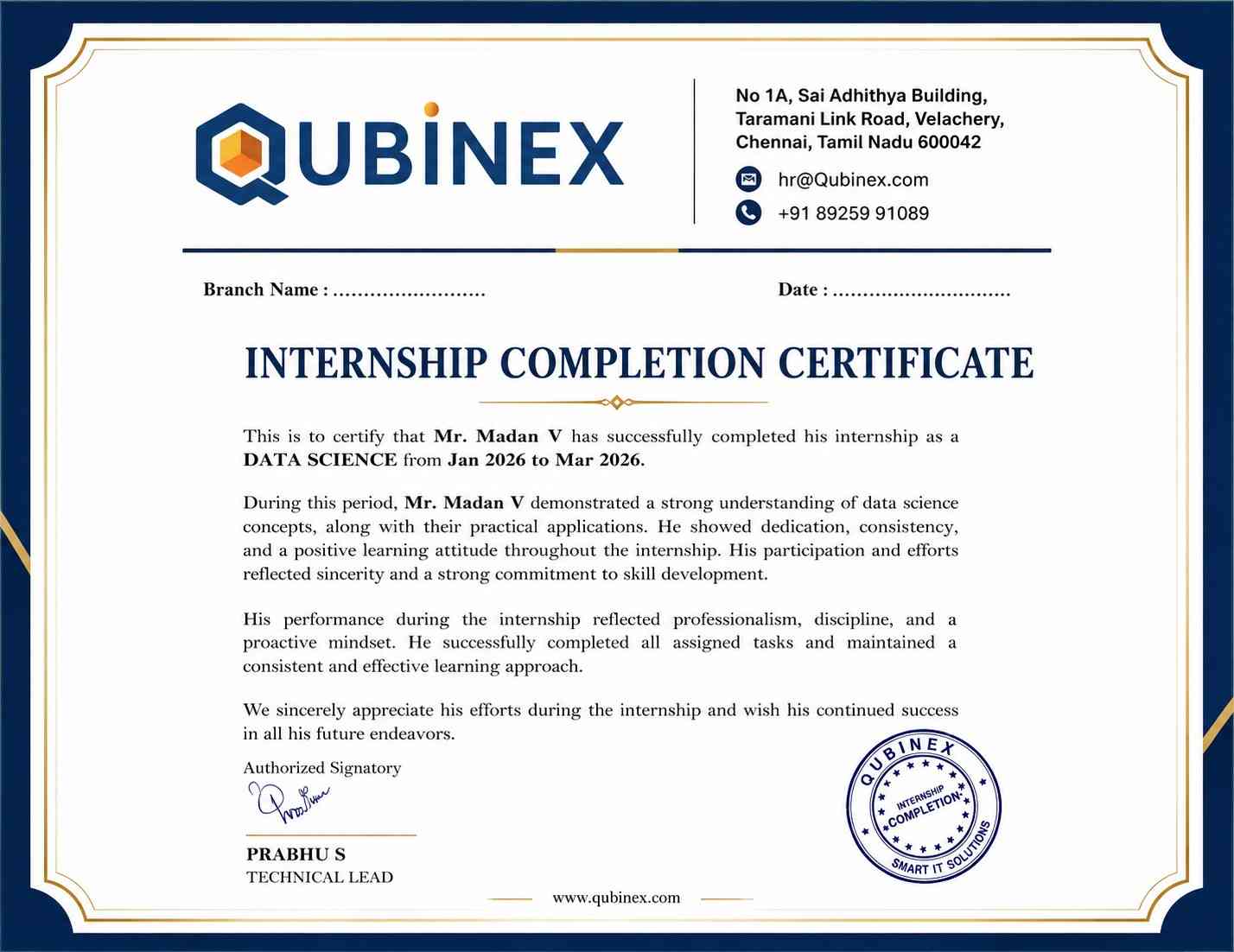
Intership
complete certification
Placement
complete certification

Our learners
transformed their careers

35 Laks
Highest Salary Offered
50%
Average Salary Hike
30K+
Placed in MNC's
15+
Year's in Training
Our Alumni
Alumni

A majority of our alumni

fast-tracked into managerial careers.

Get inspired by their progress in the Career Growth Report.

Our Student Successful Story

checkimage Regular 1:1 Mentorship From Industry Experts checkimage Live Classes checkimage Career Support

How are the Salesforce Developer Course with LearnoVita Different?

Feature

LearnoVita

Other Institutes

Affordable Fees

Competitive Pricing With Flexible Payment Options.

Higher Salesforce Developer Fees With Limited Payment Options.

Live Class From ( Industry Expert)

Well Experienced Trainer From a Relevant Field With Practical Salesforce Developer Training

Theoretical Class With Limited Practical

Updated Syllabus

Updated and Industry-relevant Salesforce Developer Course Curriculum With Hands-on Learning.

Outdated Curriculum With Limited Practical Training.

Hands-on projects

Real-world Salesforce Developer Projects With Live Case Studies and Collaboration With Companies.

Basic Projects With Limited Real-world Application.

Certification

Industry-recognized Salesforce Developer Certifications With Global Validity.

Basic Salesforce Developer Certifications With Limited Recognition.

Placement Support

Strong Placement Support With Tie-ups With Top Companies and Mock Interviews.

Basic Placement Support

Industry Partnerships

Strong Ties With Top Tech Companies for Internships and Placements

No Partnerships, Limited Opportunities

Batch Size

Small Batch Sizes for Personalized Attention.

Large Batch Sizes With Limited Individual Focus.

Additional Features

Lifetime Access to Salesforce Developer Course Materials, Alumni Network, and Hackathons.

No Additional Features or Perks.

Training Support

Dedicated Mentors, 24/7 Doubt Resolution, and Personalized Guidance.

Limited Mentor Support and No After-hours Assistance.

Salesforce Developer Course FAQ's

Yes, learners can attend a demo session to understand the Salesforce Developer Course structure and teaching approach. Since live classes have limited seats, direct participation may depend on availability. If you cannot attend the live demo, you can access a pre-recorded session conducted by the same trainer to explore the course content, training quality, and interactive learning experience.
The Salesforce Developer Course is delivered by experienced industry professionals who work with leading organizations and possess 9 to 12 years of relevant IT experience. Their practical knowledge helps learners understand Salesforce development concepts through real-world examples, coding practices, project guidance, and industry-oriented implementation techniques.
  • LearnoVita supports eligible learners with career guidance, interview opportunities, and assistance throughout their job search.
  • After completing the career-focused Salesforce Developer Course, learners may receive placement assistance and opportunities through connections with leading MNCs.
  • The Placement Cell helps candidates prepare for interviews with reputed organizations and provides guidance on resumes, communication, technical skills, and interview performance.
  • Learners can strengthen their employability through practical Salesforce projects, industry-focused training, and structured career preparation.
  • Mock interviews, presentation sessions, and technical preparation help candidates approach Salesforce Developer interviews with greater confidence.
  • The student portal provides access to job opportunities, study materials, training videos, recorded sessions, and commonly asked MNC interview questions.
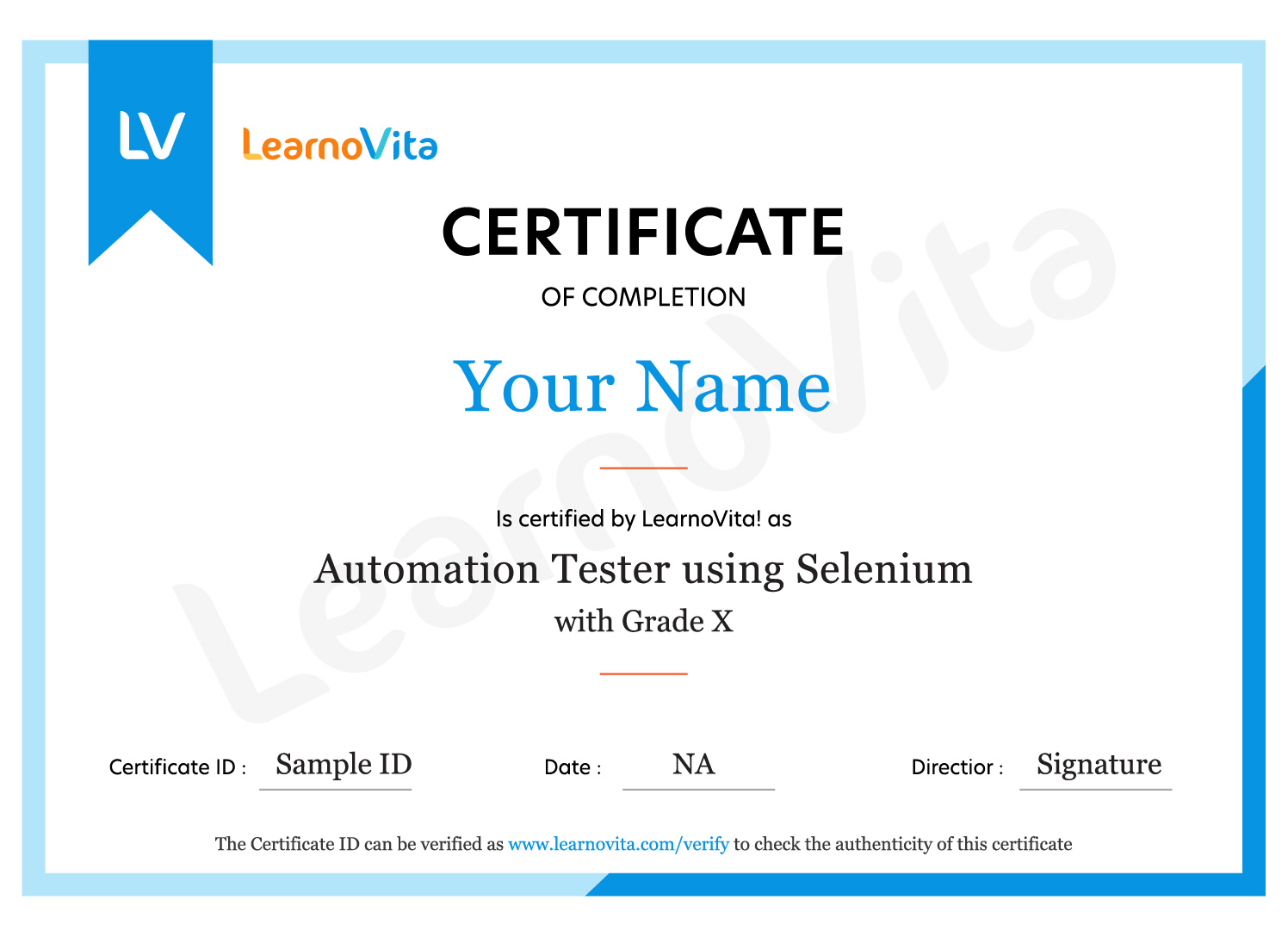
After successfully completing the Salesforce Developer Course, learners can receive a course completion certificate from LearnoVita. The training also prepares participants for relevant Salesforce certification examinations by strengthening their knowledge of Apex, Lightning Web Components, SOQL, APIs, application development, and other essential Salesforce technologies.
Yes, the Salesforce Developer Course includes practical and project-based learning to help students understand real-world development requirements. Learners work on relevant projects involving Apex, Lightning Web Components, integrations, automation, and CRM customization. These exercises strengthen technical abilities, problem-solving skills, and confidence in handling industry-oriented Salesforce development tasks.
Learners can select from flexible training formats based on their schedules and learning preferences. Available options may include instructor-led online training, classroom training, self-paced learning, one-to-one sessions, fast-track programs, customized training, and online classes. These formats provide convenient ways to develop Salesforce skills while balancing academic, professional, and personal commitments.
If you miss a session, you can use available options to catch up on the topics covered. Depending on the training schedule, you may receive access to class recordings and presentation materials, attend a missed topic in another available batch, or coordinate with the training team for a suitable alternative within the course duration. This helps ensure continuity throughout your learning journey.
If you have additional questions about the Salesforce Developer Course, training schedule, curriculum, fees, projects, certification, or placement assistance, you can contact the LearnoVita support team at contact@learnovita.com for further information and clarification.
You can register for the Salesforce Developer Course through the LearnoVita website or contact the training team for enrollment assistance. Learners can also visit a LearnoVita branch for direct guidance regarding course schedules, training options, curriculum, fees, and other enrollment details.
Yes, enrolled learners can access digital learning resources through the student portal. These resources may include Salesforce Developer study materials, training videos, recorded classes, practical resources, interview preparation content, and commonly asked MNC interview questions. Online access allows students to revise concepts and practice Salesforce development at their convenience.
LearnoVita focuses on providing an interactive learning environment with opportunities for students to communicate with trainers and clarify technical doubts. To support personalized attention and better classroom interaction, Salesforce Developer batches are generally kept small, with around 5 to 6 learners, subject to the selected training format and batch availability.
The salary of a Salesforce Developer professional in India can vary based on experience, technical expertise, location, certifications, and organization. Entry-level candidates may start with competitive packages, while experienced professionals with strong skills in Apex, Lightning Web Components, integrations, and Salesforce architecture can access higher-paying career opportunities.
view More view Less
Career Assistance
  • Build a Powerful Resume for Career Success
  • Get Trainer Tips to Clear Interviews
  • Practice with Experts: Mock Interviews for Success
  • Crack Interviews & Land Your Dream Job
100% JOB GUARANTEE

Global Quality Training
At The Lowest Fees & Expert Trainer

AVAILABLE IN:
India Canada USA Singapore UAE Australia EU Germany

Need custom pricing?

4.9/5 from 50k+ students
Acte Technologies WhatsApp
Call Us! Chat With Us