Home » Others Courses » Collibra Training in Jayanagar

Collibra Training in Jayanagar

(4.8) 10244 Ratings
  • Build data governance skills with the Collibra Training in Jayanagar.
  • Learn data cataloging, metadata management, data lineage, and governance workflows.
  • Gain practical experience through real-time Collibra projects.
  • Ideal for Collibra Consultants, Data Governance Analysts, and Metadata Specialists.
  • Choose weekday, weekend, or fast-track batches to suit your schedule.
  • Access placement assistance, interview preparation, and certification guidance.

Course Duration

50+ Hrs

Live Project

3 Project

Certification Pass

Guaranteed

Training Format

Live Online (Expert Trainers)
Quality Training With Affordable Fee

⭐ Fees Starts From

INR 38,000
INR 18,500

11039+

Professionals Trained

9+

Batches every month

2887+

Placed Students

214+

Corporate Served

What You'll Learn

Understand Collibra fundamentals, including data governance, metadata organization, data quality, and enterprise data management practices.

Explore business glossaries, data catalogs, lineage tracking, data stewardship, and governance workflows for managing organizational data.

Practice domain creation, asset management, workflow setup, governance policies, and Organizational data data quality monitoring.

Work on practical Collibra exercises involving catalog creation, metadata updates, stewardship tasks, and governance workflow configuration in Jayanagar.

Learn advanced features such as automated workflows, governance dashboards, data lineage, and enterprise governance models and using collibra.

Build job-ready Collibra skills for roles such as Data Steward, Collibra Consultant, Business Analyst,System intergrations and Data Governance Specialist.

Comprehensive Overview of Collibra Training

The Collibra Training in Jayanagar helps learners develop practical skills in data governance, metadata management, data cataloging, data quality, and stewardship. The program covers governance workflows, catalog implementation, policy configuration, and metadata control through hands-on exercises and industry-based scenarios guided by experienced trainers. Learners can choose classroom training, instructor-led online sessions, or self-paced learning to match their schedules and learning needs. This training supports technical skill development, certification preparation, and career opportunities in data governance and enterprise data management, while building confidence for real-world professional challenges.

Additional Info

Future Trends for Collibra Course in Jayanagar

  • AI-Powered Data Governance: Artificial intelligence is improving enterprise data governance through automated classification, metadata tagging, and intelligent workflows. Collibra professionals can use AI-supported processes to reduce manual tasks, improve data accuracy, and strengthen policy enforcement. These developments help organizations identify governance issues early, maintain reliable information, and make informed decisions using trusted business data.
  • Automated Data Catalog Management: Automated catalog management is simplifying how organizations discover, classify, and maintain data assets. Modern governance processes support dataset discovery, metadata updates, and improved indexing across business systems. Learning these capabilities helps professionals maintain accurate catalogs, reduce repetitive work, and improve information accessibility. Automation is becoming increasingly valuable for managing growing enterprise data environments efficiently.
  • Cloud-Based Governance Solutions: Cloud adoption is changing how organizations manage data governance across distributed environments. Collibra supports governance practices that help businesses organize metadata, monitor data assets, and maintain visibility across connected platforms. Professionals develop relevant skills for hybrid and cloud-based systems, including data integration and governance coordination. These capabilities support scalable operations and consistent data management across enterprise environments.
  • Privacy and Regulatory Compliance: Growing privacy requirements are increasing the need for structured data governance and accountability. Collibra helps organizations document policies, assign ownership, and maintain information about data assets. Training introduces governance practices that support compliance monitoring, access controls, and audit readiness. Professionals learn how to improve transparency, protect sensitive business information, and establish consistent procedures for responsible enterprise data usage.
  • Advanced Data Lineage Tracking: Data lineage provides visibility into data origins, transformations, and movement between connected systems. Collibra-related workflows help organizations understand relationships between datasets and identify the effects of changes. Professionals learn how lineage information supports impact assessments, troubleshooting, and audit activities. Better traceability improves confidence in reporting outputs and helps businesses maintain transparent, well-documented data governance processes.
  • Intelligent Data Quality Monitoring: Data quality initiatives increasingly rely on automated validation, monitoring, and issue identification. Collibra governance practices help organizations document quality rules, assign responsibilities, and track data-related concerns. Learners understand how structured quality processes support completeness, consistency, and accuracy. These capabilities help businesses improve reporting reliability, reduce information errors, and maintain dependable datasets for analytics and operational decisions.
  • Self-Service Data Discovery: Organizations are enabling business users to discover approved information without depending entirely on technical teams. Collibra supports data discovery through searchable catalogs, business definitions, and governance details. Training introduces controlled access practices and metadata exploration techniques. These capabilities help employees locate relevant datasets, understand their meaning, and use information responsibly while maintaining organizational policies and appropriate data protection requirements.
  • Metadata Intelligence Development: Metadata is becoming increasingly important for understanding enterprise information and improving data discovery. Collibra helps organize descriptions, ownership details, relationships, and classifications within governed environments. Professionals learn how structured metadata improves searchability, context, and consistency across departments. Better metadata practices allow organizations to understand available information, strengthen governance decisions, and maintain useful documentation as data environments expand.
  • Automated Data Stewardship: Digital stewardship workflows are helping organizations manage ownership, approvals, and governance responsibilities more efficiently. Collibra enables structured processes for assigning tasks, documenting decisions, and tracking accountability. Learners explore workflow configuration and stewardship coordination to reduce manual follow-ups. These practices improve consistency, clarify responsibilities, and help enterprises maintain reliable data assets while supporting collaboration between business and technical teams.
  • Enterprise Data Fabric Integration: Data fabric approaches connect information across multiple platforms while improving accessibility and governance visibility. Collibra can support these environments by organizing metadata, documenting relationships, and maintaining governance standards. Professionals develop an understanding of distributed data ecosystems and integration requirements. These skills help organizations coordinate information across systems, improve discoverability, and maintain consistent governance practices as enterprise architectures become more complex.

Tools and Technologies for Collibra Training

  • Collibra Data Catalog: Collibra Data Catalog helps organizations discover, classify, and document enterprise data assets. It provides business context through searchable metadata, descriptions, and ownership information. Training covers catalog organization, asset classification, and metadata maintenance. These skills help professionals improve data accessibility and enable users to identify relevant information across business systems while following established governance standards.
  • Collibra Data Governance Center: Collibra governance capabilities help organizations define data ownership, policies, responsibilities, and approval procedures. Professionals learn how governance structures support consistent information management across departments. Training explores roles, accountability, and policy documentation. These practices help businesses establish clear governance expectations, improve coordination, and maintain reliable data management processes aligned with organizational requirements.
  • Collibra Workflow Designer: Workflow configuration supports the automation of governance activities, including requests, approvals, and data-related reviews. Learners explore workflow logic, task assignment, and process coordination within Collibra environments. These capabilities reduce repetitive manual work and improve process visibility. Understanding workflow design helps professionals support consistent governance operations and manage responsibilities across business and technical teams.
  • Collibra Data Lineage: Data lineage capabilities help organizations understand where information originates and how it moves through connected systems. Training introduces lineage concepts, data relationships, and impact assessment requirements. Professionals learn how documented data flows support transparency and troubleshooting. These skills are useful for reviewing reporting dependencies, investigating data changes, and strengthening traceability throughout enterprise data management processes.
  • Collibra Business Glossary: The business glossary helps organizations maintain consistent definitions for important business terms and data concepts. Learners explore terminology creation, ownership assignment, and relationship management. Standardized definitions reduce confusion between departments and improve communication between technical and business users. These practices support shared understanding, consistent reporting, and stronger collaboration across enterprise data governance activities.
  • Collibra API Integration: API integration enables Collibra environments to exchange information with compatible applications and enterprise platforms. Training introduces API concepts, integration requirements, and automated data exchange workflows. Professionals understand how connected systems can support metadata synchronization and governance operations. These skills help improve interoperability, reduce duplicate effort, and coordinate information management across different technology environments.
  • Data Quality Management: Data quality management focuses on maintaining accurate, complete, and consistent information across organizational systems. Learners explore quality rules, issue documentation, monitoring processes, and corrective action coordination. Collibra governance practices help assign ownership and track data quality responsibilities. These capabilities support trustworthy reporting, better analytics, and improved confidence in the information used for business decisions.
  • Collibra Stewardship Management: Stewardship practices establish clear responsibilities for maintaining enterprise data assets. Training covers ownership assignment, issue handling, business glossary maintenance, and governance approvals. Professionals learn how stewards collaborate with data owners and technical teams to improve information reliability. Structured stewardship supports accountability, consistent definitions, and effective coordination throughout enterprise data management operations.
  • Collibra Asset Management: Asset management helps users organize data resources, document business context, and maintain relationships between information assets. Learners explore asset creation, classification, ownership, and lifecycle updates. These activities improve discoverability and support structured governance. Professionals develop practical knowledge of maintaining useful data inventories and ensuring that enterprise information remains documented, understandable, and accessible to authorized users.
  • Security and Access Governance: Access governance helps organizations define permissions and responsibilities for using enterprise information. Training covers role assignments, access policies, and governance documentation within Collibra environments. Professionals learn how clear ownership and controlled access support responsible data usage. These practices strengthen accountability, help protect sensitive information, and support organizational privacy and compliance requirements.

Roles and Responsibilities for Collibra Training

  • Data Governance Analyst: A Data Governance Analyst helps maintain data standards, ownership records, and governance policies across enterprise systems. Responsibilities include reviewing metadata, tracking data quality concerns, and coordinating governance activities. Collibra training introduces catalog management and workflow processes. These skills help analysts improve information consistency, document governance requirements, and support reliable data usage across business departments.
  • Data Steward: A Data Steward maintains business definitions, data classifications, ownership details, and quality responsibilities. The role involves coordinating with data owners, reviewing information issues, and ensuring governance procedures are followed. Collibra training develops knowledge of glossary management, stewardship workflows, and asset documentation. These responsibilities help organizations preserve data integrity and establish accountability for important business information.
  • Data Governance Consultant: A Data Governance Consultant helps businesses establish governance frameworks that align with operational requirements. Responsibilities include evaluating existing processes, defining ownership structures, documenting policies, and supporting Collibra implementation. Training provides knowledge of governance workflows and metadata organization. These capabilities help consultants recommend practical improvements, strengthen accountability, and support consistent enterprise data management practices.
  • Metadata Analyst: A Metadata Analyst organizes descriptions, classifications, relationships, and ownership information associated with enterprise datasets. The role supports data discovery by keeping metadata accurate and understandable. Collibra training introduces catalog structures, metadata documentation, and governance workflows. These skills help analysts improve information visibility, maintain consistent definitions, and support business users in identifying appropriate data resources.
  • Data Quality Analyst: A Data Quality Analyst identifies information gaps, inconsistencies, and accuracy concerns across organizational datasets. Responsibilities include monitoring quality indicators, documenting issues, and coordinating corrective actions. Collibra training supports understanding of data ownership and quality governance processes. These capabilities help analysts improve reporting reliability, communicate data problems clearly, and maintain dependable information for business operations.
  • Data Catalog Specialist: A Data Catalog Specialist maintains searchable inventories of enterprise datasets and related business information. Responsibilities include classifying assets, updating metadata, and improving catalog usability. Collibra training develops practical knowledge of catalog structures and governance practices. These skills help specialists make information easier to discover, clarify dataset meanings, and support responsible data access across business teams.
  • Compliance Data Analyst: A Compliance Data Analyst reviews data practices to support internal policies and applicable regulatory requirements. The role includes documenting governance controls, identifying process gaps, and assisting with audit preparation. Collibra training introduces policy management, ownership tracking, and governance documentation. These skills help analysts improve traceability, support compliance reviews, and encourage responsible handling of organizational information.
  • Data Lineage Specialist: A Data Lineage Specialist documents how information originates, changes, and moves between systems. Responsibilities include mapping data relationships, reviewing transformations, and supporting impact assessments. Collibra training introduces lineage concepts and metadata relationships. These capabilities help professionals investigate reporting dependencies, improve transparency, and maintain traceable records that support auditing and enterprise data governance activities.
  • Enterprise Data Manager: An Enterprise Data Manager coordinates data governance, quality, ownership, and accessibility across business units. Responsibilities include aligning policies, monitoring governance progress, and supporting collaboration between departments. Collibra training develops knowledge of enterprise data structures and governance processes. These skills help managers improve consistency, coordinate data initiatives, and establish effective information management practices throughout an organization.
  • Data Governance Architect: A Data Governance Architect designs governance structures, operating models, and integration approaches for enterprise information systems. Responsibilities include defining standards, establishing workflows, and aligning governance requirements with technical architecture. Collibra training introduces platform capabilities and governance design concepts. These skills help architects develop scalable governance solutions, clarify accountability, and support consistent data management across complex environments.

Companies Hiring Collibra Training Professionals

  • IBM: IBM delivers enterprise technology and consulting services that may involve data governance, metadata management, and catalog implementation. Professionals with Collibra knowledge can support governance workflows, data documentation, and quality initiatives across client environments. Relevant skills include asset classification, lineage concepts, and policy management. Opportunities depend on project requirements, experience, and available roles within the organization.
  • Accenture: Accenture supports organizations with data transformation, analytics, and governance initiatives. Collibra-skilled professionals may contribute to metadata organization, governance framework implementation, and data stewardship activities. Knowledge of workflows, catalog management, and business glossaries can support enterprise projects. Candidates should combine platform familiarity with communication and analytical skills to meet client requirements and changing data management needs.
  • Deloitte: Deloitte provides consulting services across data strategy, risk, compliance, and enterprise transformation. Collibra expertise can be relevant to projects involving governance policies, metadata documentation, and data lineage. Professionals may help clients establish ownership structures and improve information traceability. Opportunities vary by team and project, making practical platform knowledge and an understanding of governance principles valuable career assets.
  • Tata Consultancy Services (TCS): TCS works with enterprises on technology modernization, data management, and analytics projects. Collibra-trained candidates may contribute to catalog maintenance, metadata governance, and stewardship processes. Understanding data quality, ownership, and workflow configuration can support client requirements. Professionals also benefit from strong problem-solving skills and the ability to coordinate governance activities across technical and business teams.
  • Infosys: Infosys delivers consulting and technology services that include enterprise data management and analytics. Collibra knowledge may be useful for projects involving data catalogs, metadata documentation, and governance processes. Professionals can support asset classification, ownership tracking, and policy coordination. Candidates with practical experience, clear communication, and a sound understanding of enterprise data concepts can prepare for relevant opportunities.
  • Wipro: Wipro provides digital transformation and enterprise technology services across multiple industries. Collibra-related skills may support governance implementation, data classification, and metadata management initiatives. Professionals can contribute to documenting data assets, coordinating stewardship responsibilities, and improving information visibility. Familiarity with governance workflows and enterprise systems helps candidates prepare for project-based roles aligned with organizational requirements.
  • Capgemini: Capgemini works on technology consulting, data transformation, and enterprise information management projects. Collibra skills may be relevant to catalog implementation, metadata governance, and policy documentation. Professionals can support structured data ownership and improve the accessibility of business information. Knowledge of governance principles, workflow processes, and cross-team collaboration can strengthen readiness for suitable client-facing or technical assignments.
  • Cognizant: Cognizant supports enterprises with digital services, analytics, and data management solutions. Collibra-trained professionals may assist with catalog organization, governance workflows, metadata maintenance, and lineage documentation. These activities help businesses improve information consistency and traceability. Candidates with platform knowledge, analytical thinking, and an understanding of data stewardship can explore relevant opportunities based on project demand and experience.
  • HCLTech: HCLTech delivers technology services involving enterprise applications, data platforms, and digital modernization. Collibra expertise may support metadata organization, governance documentation, and data asset management projects. Professionals can help coordinate ownership, improve catalog usability, and maintain structured governance processes. Practical knowledge of enterprise data environments and collaboration skills can help candidates prepare for relevant technical and consulting positions.
  • Amazon Web Services (AWS): AWS provides cloud computing and data services used by organizations to build and manage large-scale data environments. Collibra knowledge may be relevant to projects that coordinate cloud data catalogs, metadata governance, and information policies across platforms. Professionals benefit from understanding cloud data concepts, integration requirements, and governance controls. Specific opportunities depend on the employer, role, and project environment.
View more

Collibra Course Objectives

Learners joining Collibra Training in Jayanagar can benefit from basic knowledge of databases, data management, or business analytics. Previous experience with governance tools is helpful but not essential. Beginners from technical and business backgrounds can also participate. An interest in organizing information, understanding metadata, and improving data quality provides a useful foundation for learning Collibra concepts and workflows.
Collibra training develops practical knowledge of data catalogs, metadata organization, governance policies, and stewardship activities. Learners understand how businesses maintain consistent, accessible, and reliable information. Exercises involving assets and workflows strengthen platform familiarity. These skills can support career development in data governance, data management, business analysis, and related enterprise information management roles.
Organizations need reliable data to support reporting, analytics, regulatory compliance, and business decisions. Collibra helps structure governance responsibilities and improve visibility into enterprise information. Professionals familiar with its features can contribute to catalog management, metadata documentation, and governance workflows. These capabilities are relevant across industries where data quality, accountability, and responsible information use are important.
  • Increasing opportunities in data governance
  • Growing adoption of cloud data platforms
  • Greater demand for catalog management skills
  • Expansion of data privacy and compliance activities
  • Career paths in metadata and stewardship
Yes, learners can practise Collibra concepts through practical exercises and project-based scenarios. Activities may include creating data catalogs, organizing metadata, configuring governance workflows, and documenting business terms. These tasks help connect theoretical concepts with workplace requirements. Practical exposure also develops confidence in navigating governance processes and understanding how enterprise teams manage information assets.
  • Fundamentals of data governance
  • Metadata organization and classification
  • Enterprise data catalog management
  • Data lineage and asset relationships
  • Business glossary and stewardship workflows
Completing Collibra training does not guarantee a job, but it can help learners develop skills relevant to data governance positions. Employment depends on practical knowledge, interview performance, experience, and employer requirements. Project practice, continued learning, and preparation for technical discussions can improve readiness for suitable opportunities. Placement assistance, where available, can provide additional career guidance.
  • Understanding of enterprise data governance
  • Practical metadata management knowledge
  • Improved data cataloging capabilities
  • Experience with governance workflows
  • Preparation for relevant career opportunities
  • Foundation for further platform learning and certification
Participants explore Collibra features for cataloging data assets, managing metadata, documenting lineage, maintaining business glossaries, and coordinating governance workflows. Training may also introduce platform integrations and API concepts, depending on the syllabus. Practical activities help learners understand how these capabilities connect business information with governance responsibilities and support consistent data management across enterprise environments.
  • Information technology and consulting
  • Banking and financial services
  • Healthcare and life sciences
  • Retail and e-commerce
  • Insurance and risk management
view More view Less

Collibra Course Benefits

The Collibra Training in Jayanagar focuses on developing practical expertise in enterprise data governance, metadata management, and compliance processes through industry-oriented learning. The program incorporates a Collibra internship to help learners understand governance operations, workflow configuration, and data management practices. Through hands-on assignments and real-world Collibra projects, participants strengthen their technical knowledge, analytical abilities, and problem-solving skills. This training also supports career preparation through placement assistance and expert guidance, helping learners pursue opportunities in data governance, metadata management, and enterprise data management across leading IT organizations. Learners also gain industry insights, improve professional confidence, and prepare for evolving data governance requirements.

  • Designation
  • Annual Salary
    Hiring Companies
  • 3.24L
    Min
  • 6.5L
    Average
  • 13.5L
    Max
  • 4.50L
    Min
  • 8.5L
    Average
  • 16.5L
    Max
  • 4.0L
    Min
  • 6.5L
    Average
  • 13.5L
    Max
  • 3.24L
    Min
  • 6.5L
    Average
  • 12.5L
    Max

About SAP Security GRC Course

The Collibra Training in Jayanagar helps learners build practical expertise in data governance, metadata management, data cataloging, data quality, and enterprise information management. The program covers governance workflows, business glossaries, asset management, data lineage, and policy configuration through hands-on exercises and industry-focused assignments. With expert guidance and real-time practice, participants develop the technical and analytical skills needed to manage organizational data effectively. The course also provides Collibra material for continued learning and revision, along with Collibra with Placement support to help learners strengthen their resumes, prepare for interviews, and explore relevant career opportunities.

Top Skills You Will Gain
  • Data Governance
  • Metadata Management
  • Workflow Automation
  • Policy Enforcement
  • Data Stewardship
  • Business Glossaries
  • Compliance Tracking
  • Quality Monitoring

12+ Collibra Tools

Online Classroom Batches Preferred

Weekdays (Mon - Fri)
16 - Nov - 2026
08:00 AM (IST)
Weekdays (Mon - Fri)
18 - Nov - 2026
08:00 AM (IST)
Weekend (Sat)
21 - Nov - 2026
11:00 AM (IST)
Weekend (Sun)
22 - Nov - 2026
11:00 AM (IST)
Can't find a batch you were looking for?
₹38,000 ₹18,500 10% OFF Expires in

No Interest Financing start at ₹ 5000 / month

Corporate Training

  • Customized Learning
  • Enterprise Grade Learning Management System (LMS)
  • 24x7 Support
  • Enterprise Grade Reporting

Not Just Studying
We’re Doing Much More!

Empowering Learning Through Real Experiences and Innovation
Hiring
Hiring
Hiring
Hiring
Hiring
Hiring
Hiring
User
User
User
User
User
User

Collibra Course Curriculum

Trainers Profile

The Collibra Training in Jayanagar helps learners develop practical skills in data governance, metadata organization, business glossary administration, and enterprise data catalog management. Through guided demonstrations and application-based exercises, participants explore how Collibra supports data discovery, lineage tracking, quality monitoring, and governance workflows. The training materials provide structured guidance for understanding platform features and applying them to organizational requirements. With practical exposure to governance processes and data management activities, learners can build the technical foundation needed to pursue opportunities in data governance and enterprise information management.

Syllabus for Collibra Course Download syllabus

  • Core principles of enterprise data governance
  • Data ownership and accountability
  • Governance teams and stakeholder roles
  • Policies, standards, and data guidelines
  • Governance operating models
  • Enterprise data lifecycle management
  • Technical and business metadata
  • Metadata capture and documentation
  • Metadata repositories and storage
  • Attribute definitions and descriptions
  • Metadata relationships and mapping
  • Metadata organization and maintenance
  • Collibra platform architecture
  • Workspace navigation and exploration
  • User interface and platform features
  • Community and domain configuration
  • Asset structure and organization
  • Environment settings and administration
  • Data asset registration and classification
  • Dataset documentation and categorization
  • Catalog domains and asset organization
  • Data search and discovery techniques
  • Asset descriptions and attribute management
  • Catalog updates and maintenance
  • Business terminology and definitions
  • Glossary creation and configuration
  • Business term categorization
  • Relationships between glossary terms
  • Alignment of business and technical language
  • Glossary review and maintenance
  • Data origin and flow identification
  • Source-to-target relationship mapping
  • Data transformation documentation
  • Lineage views and visualization
  • Upstream and downstream dependency analysis
  • Impact assessment for data changes
  • Workflow design and configuration
  • Review and approval stages
  • Task allocation and responsibility tracking
  • Workflow rules and automation options
  • Governance issue reporting and resolution
  • Process monitoring and workflow updates
  • Data quality dimensions and indicators
  • Validation criteria and rule definitions
  • Identification of data inconsistencies
  • Data cleansing and correction processes
  • Quality issue tracking and reporting
  • Data quality status monitoring
  • User account and role configuration
  • Permission assignment and administration
  • Access control for governance assets
  • Confidential data handling principles
  • Security settings and policy alignment
  • Authorization and access review processes
  • Enterprise data integration concepts
  • API connectivity and integration methods
  • Data transfer and exchange mechanisms
  • Connecting external data platforms
  • Integration components and architecture
  • Metadata synchronization and updates
(15) view More view Less
Need customized curriculum?

REAL

start
STORIES SUCCESS INSPIRATION
CAREER
UPGRADE
sowmiya

sowmiya

CAREER
UPGRADE
Rajkumar

Rajkumar

CAREER
UPGRADE
Thon

Thon

CAREER
UPGRADE
lavanya

Lavanya

Industry Projects

Project 1
Enterprise Data Governance Implementation

Develop an enterprise data governance framework using Collibra to organize business data assets, define ownership responsibilities, establish stewardship workflows, and improve data quality. This project introduces learners to governance policies and collaborative processes for maintaining reliable and accessible organizational information.

Project 2
Business Glossary and Metadata Catalog

Create a centralized business glossary and metadata catalog in Collibra to document business terms, data definitions, technical assets, and relationships information sources. Participants practice connecting metadata with business context and helping teams maintain consistent terminology across departments.

Project 3
Data Quality and Compliance Management

Configure a Collibra-based governance workflow to monitor data quality responsibilities, document compliance requirements, and track issue resolution. Learners explore how data owners and stewards collaborate to maintain accurate records and support transparent reporting across business operations.

Our Hiring Partner

Exam & Collibra Certification

  • Fundamental computer operating skills
  • Awareness of enterprise data management concepts
  • Understanding of data governance fundamentals
  • Introductory knowledge of metadata and data quality
  • Previous Collibra platform experience is not mandatory
Collibra certification can demonstrate your understanding of enterprise data governance, metadata administration, data catalog operations, stewardship responsibilities, and data quality processes. It can strengthen your professional profile and support applications for opportunities in data governance, business analytics, information management, and related enterprise data functions.
Obtaining Collibra certification can help learners demonstrate knowledge of governance workflows, metadata organization, catalog administration, and data stewardship activities. However, certification does not guarantee a job. Combining certification preparation with practical assignments, project exposure, communication skills, and interview preparation can improve readiness for relevant employment opportunities.
  • Collibra Implementation Consultant
  • Data Governance Specialist
  • Business Data Steward
  • Metadata Administrator
  • Data Quality Specialist
  • Enterprise Information Management Analyst
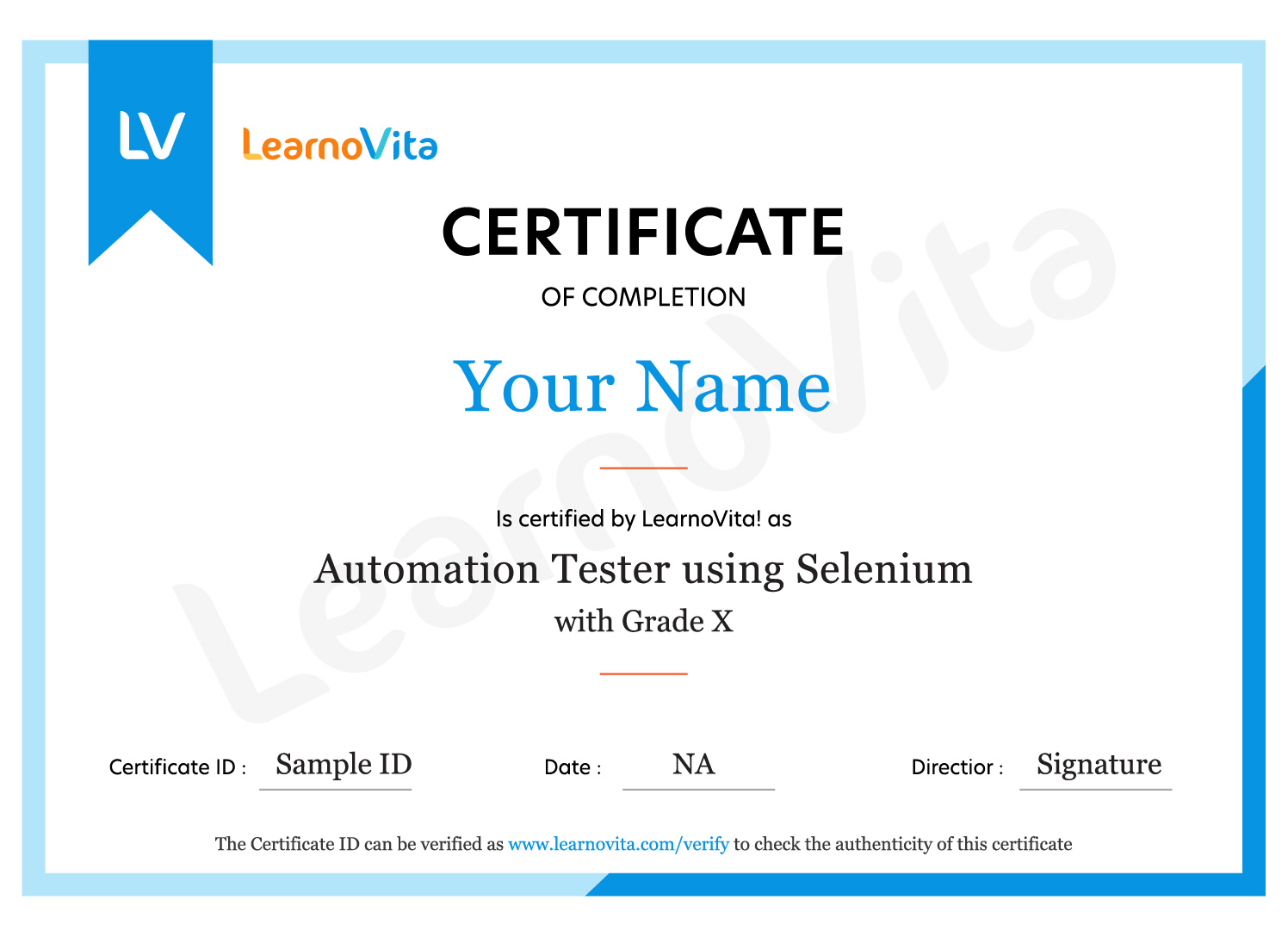
Collibra certification can help professionals strengthen their knowledge of data governance, metadata relationships, catalog configuration, data quality controls, and compliance-related processes. The Collibra course in Jayanagar complements this learning through structured instruction and practical exercises, helping participants prepare for broader responsibilities in data governance, enterprise information management, and analytics-oriented teams.

MNC Recognized course
complete certification
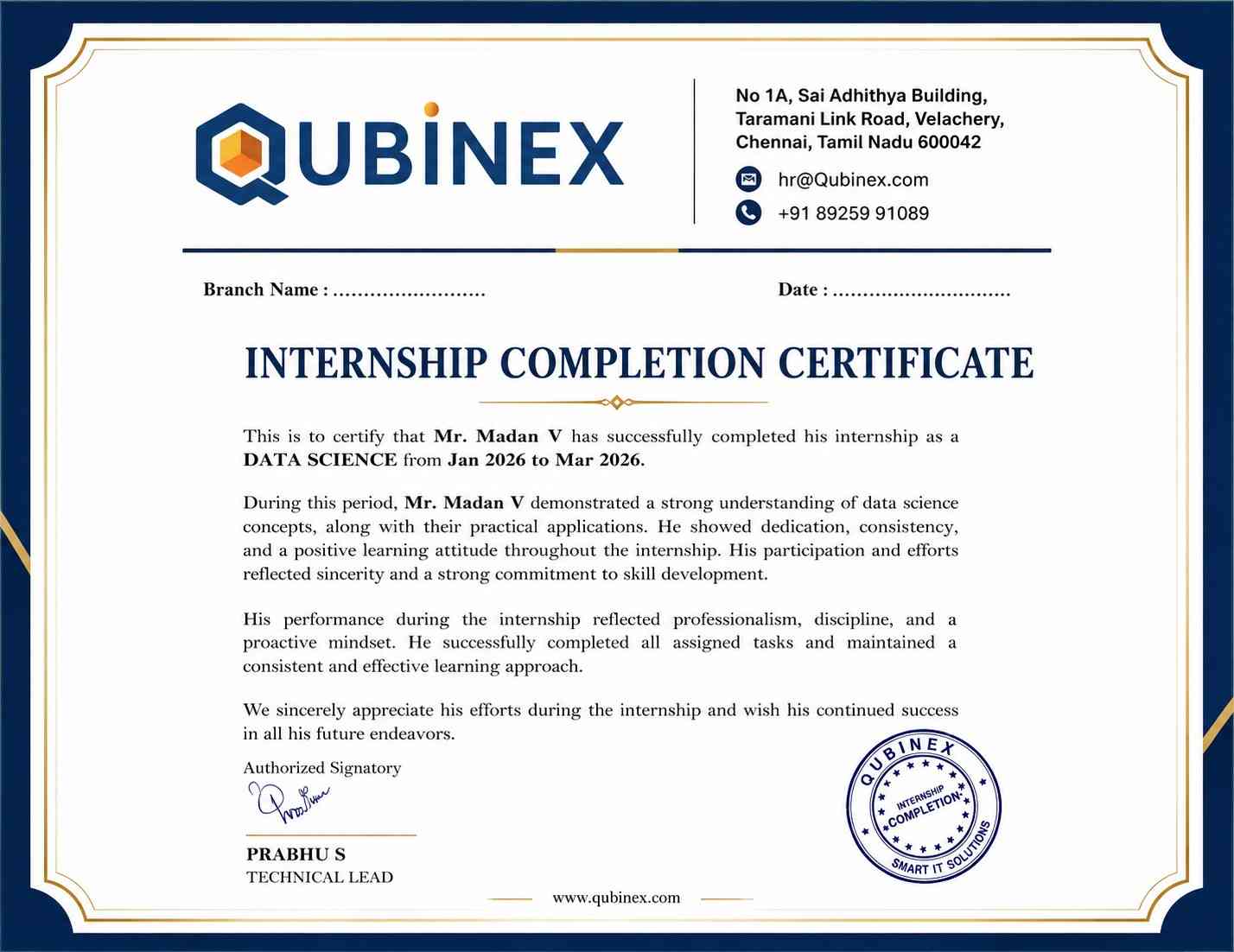
Intership
complete certification
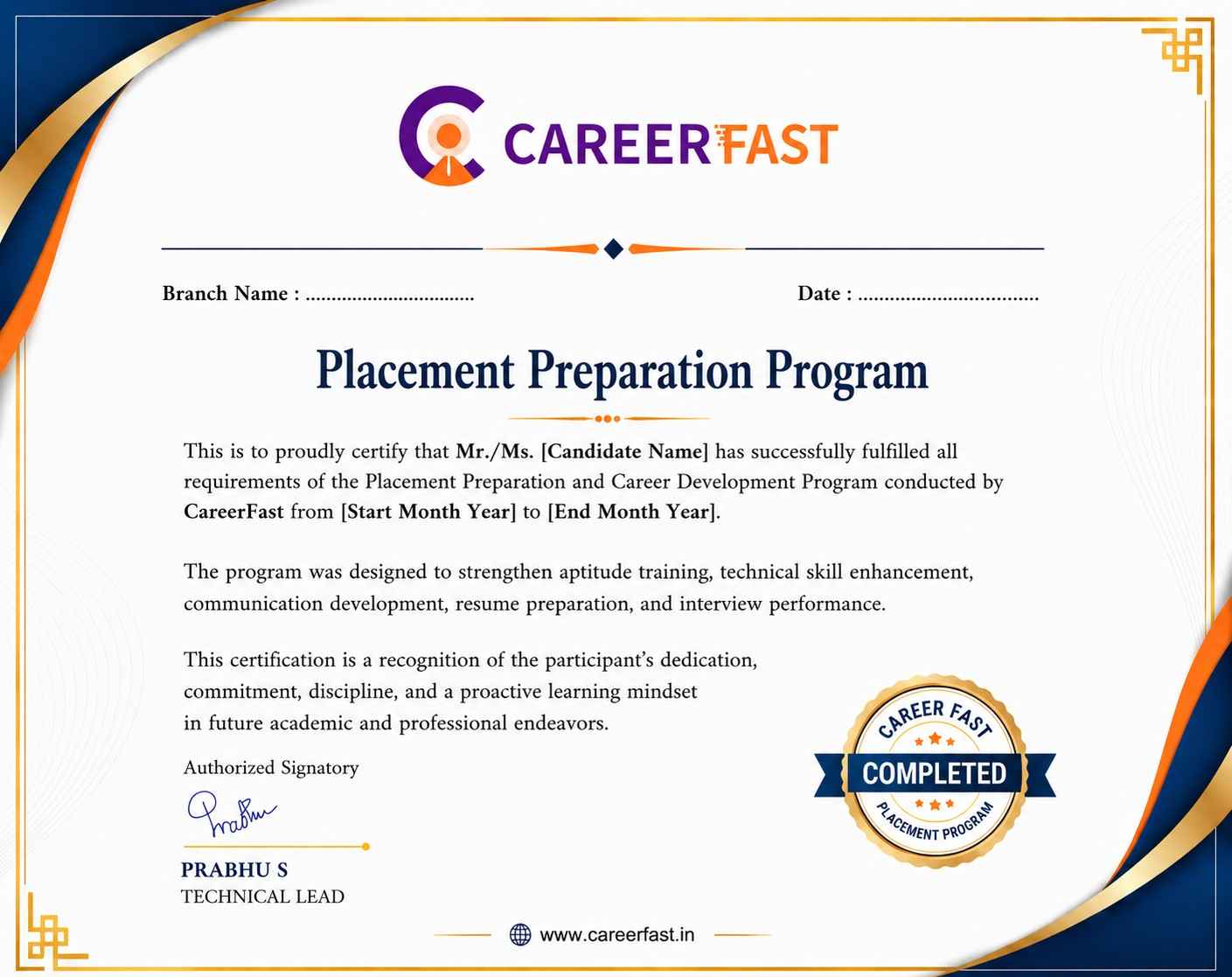
Placement
complete certification

Our learners
transformed their careers

35 Laks
Highest Salary Offered
50%
Average Salary Hike
30K+
Placed in MNC's
15+
Year's in Training
Our Alumni
Alumni

A majority of our alumni

fast-tracked into managerial careers.

Get inspired by their progress in the Career Growth Report.

Our Student Successful Story

checkimage Regular 1:1 Mentorship From Industry Experts checkimage Live Classes checkimage Career Support

How are the Collibra Course with LearnoVita Different?

Feature

LearnoVita

Other Institutes

Affordable Fees

Competitive Pricing With Flexible Payment Options.

Higher Collibra Fees With Limited Payment Options.

Live Class From ( Industry Expert)

Well Experienced Trainer From a Relevant Field With Practical Collibra Training

Theoretical Class With Limited Practical

Updated Syllabus

Updated and Industry-relevant Collibra Course Curriculum With Hands-on Learning.

Outdated Curriculum With Limited Practical Training.

Hands-on projects

Real-world Collibra Projects With Live Case Studies and Collaboration With Companies.

Basic Projects With Limited Real-world Application.

Certification

Industry-recognized Collibra Certifications With Global Validity.

Basic Collibra Certifications With Limited Recognition.

Placement Support

Strong Placement Support With Tie-ups With Top Companies and Mock Interviews.

Basic Placement Support

Industry Partnerships

Strong Ties With Top Tech Companies for Internships and Placements

No Partnerships, Limited Opportunities

Batch Size

Small Batch Sizes for Personalized Attention.

Large Batch Sizes With Limited Individual Focus.

Additional Features

Lifetime Access to Collibra Course Materials, Alumni Network, and Hackathons.

No Additional Features or Perks.

Training Support

Dedicated Mentors, 24/7 Doubt Resolution, and Personalized Guidance.

Limited Mentor Support and No After-hours Assistance.

Collibra Course FAQ's

Yes, learners can explore the training approach through an introductory demo. Since live classes are organized to maintain effective interaction and learning quality, direct participation may require enrollment. If attending a live demonstration is inconvenient, you can request access to a pre-recorded session delivered by the trainer. It helps you understand the teaching methodology, course coverage, and practical learning approach before choosing the Collibra Training in Jayanagar.
LearnoVita trainers bring industry experience and practical knowledge from relevant IT and enterprise environments. Instructors generally have 9 to 12 years of professional experience, helping learners understand data governance concepts, metadata administration, catalog management, and Collibra workflows. Their practical explanations and guided exercises help participants connect platform features with common workplace requirements.
  • LearnoVita provides career guidance to help eligible learners identify relevant vacancies, connect with recruiters, and prepare for employment opportunities suited to their skills.
  • Eligible participants may receive placement assistance after completing the training, including guidance on job applications and opportunities through the institute's employer network.
  • The placement team supports interview preparation for opportunities across organizations such as IBM, Accenture, Oracle, Wipro, TCS, Infosys, HCL, Cognizant, Capgemini, and Tech Mahindra, depending on available openings and employer requirements.
  • Learners can explore relevant job opportunities and career resources shared through LearnoVita's placement support channels to identify suitable entry-level and experienced professional positions.
  • Career preparation activities may include resume improvement, mock interviews, communication practice, and guidance on presenting Collibra knowledge effectively during recruitment discussions.
  • The student portal provides access to available job updates, learning resources, recorded sessions, course materials, and interview preparation content to support continued career development.
Learners who successfully complete the program can receive a course completion certificate from LearnoVita, subject to the applicable course requirements. This certificate can help demonstrate participation in structured Collibra training and the skills covered during the program. Learners interested in an official vendor-issued Collibra certification should check the current certification requirements and examination process separately.
Yes, the training can include practical exercises and project-oriented activities that help learners apply Collibra concepts to common enterprise data governance requirements. Participants can work on tasks involving metadata organization, data catalog configuration, business glossary administration, lineage exploration, and governance workflows. These activities help develop problem-solving abilities and provide practical exposure that can be discussed during technical interviews.
LearnoVita offers different learning formats, subject to current availability, to accommodate varied schedules and learning preferences. Options may include instructor-led online classes, classroom training, self-paced learning, one-to-one sessions, fast-track batches, and customized programs. Learners can contact the training team to confirm the available format, batch schedule, and delivery options for Collibra Training in Jayanagar before registering.
If you miss a session, you can contact the training coordinator to discuss the available options for covering the missed topics. Depending on the batch schedule and course policy, you may be able to review class recordings, access shared learning materials, attend a suitable session with another batch, or arrange an alternative session where available. These options help you continue learning without losing track of the syllabus.
For clarification about the Collibra syllabus, batch schedules, fees, training formats, or enrollment procedure, contact the LearnoVita support team at contact@learnovita.com. The team can help you obtain the information needed to select a suitable training option.
You can register for the Collibra course through the LearnoVita website or contact the institute for enrollment assistance. Before confirming your registration, review the syllabus, available batch timings, delivery format, fee details, and course requirements. You can also enquire about practical exercises, training materials, and career support to choose a program that matches your learning objectives.
Enrolled learners can access the course resources made available through the student portal, subject to the applicable access policy. These resources may include study materials, recorded lessons, presentations, and interview preparation content. Reviewing the available resources regularly can reinforce your understanding of Collibra features, governance processes, metadata concepts, and data catalog operations.
LearnoVita aims to create a learning environment where participants can interact with trainers, discuss technical questions, and receive guidance during practical exercises. Batch size may vary according to the training format and schedule. Contact the team to confirm the current number of participants in a Collibra training batch and check whether a smaller group or individual learning option is available.
Salary for Collibra professionals in India varies according to experience, technical expertise, job responsibilities, industry, and employer. Professionals entering data governance roles may receive different compensation from experienced Collibra consultants or platform specialists. Candidates can improve their prospects by developing practical skills in metadata management, data cataloging, governance workflows, and enterprise data platforms while gaining relevant project experience.
view More view Less
Career Assistance
  • Build a Powerful Resume for Career Success
  • Get Trainer Tips to Clear Interviews
  • Practice with Experts: Mock Interviews for Success
  • Crack Interviews & Land Your Dream Job
100% JOB GUARANTEE

Global Quality Training
At The Lowest Fees & Expert Trainer

AVAILABLE IN:
India Canada USA Singapore UAE Australia EU Germany

Need custom pricing?

4.9/5 from 50k+ students
Acte Technologies WhatsApp
Call Us! Chat With Us