Home » Others Courses » Other Courses Online » Microsoft PowerApps Course in Jayanagar

Microsoft PowerApps Course in Jayanagar

(4.9) 9564 Ratings
  • Enroll in the Microsoft PowerApps Course in Jayanagar to master low-code application development .
  • Learn PowerApps, Power Automate, Dataverse, SharePoint Integration, Canvas Apps, and Business Process Automation.
  • Gain hands-on experience through real-time projects and enterprise application development scenarios.
  • Ideal for Developers, Business Analysts, IT Professionals, Functional Consultants, and Fresh Graduates.
  • Choose from Weekday, Weekend, or Fast-Track batch schedules That Fits you.
  • Benefit from placement support, interview preparation, and certification guidance.

Course Duration

60 Hrs

Live Project

3 Project

Certification Pass

Guaranteed

Training Format

Live Online (Expert Trainers)
Quality Training With Affordable Fee

⭐ Fees Starts From

INR 38,000
INR 18,500

11258+

Professionals Trained

8+

Batches every month

3543+

Placed Students

265+

Corporate Served

What You'll Learn

Explore Microsoft PowerApps Course in Jayanagar covering low-code development, Dataverse, application design, and workflow automation.

Build knowledge of Canvas Apps, Model-Driven Apps, forms, controls, connectors, and SharePoint integration for creating user-friendly applications.

Practice application configuration, interface development, data connections, workflow setup, and deployment methods for business applications.

Create practical PowerApps solutions for employee requests, approval processes, automated tasks, and everyday operational requirements.

Discover AI Builder, custom connectors, Power BI integration, environment management, and application lifecycle practices for enterprise solutions.

Strengthen Microsoft PowerApps certification preparation with applied learning that supports careers in app development, automation, and support.

Comprehensive Overview of Microsoft PowerApps Course

The Microsoft PowerApps Course in Jayanagar helps learners gain practical skills in creating customized business applications using the Microsoft Power Platform. The training explores app development with Canvas Apps and Model-Driven Apps, data management through Dataverse, workflow automation with Power Automate, and integration with Power BI, Azure Logic Apps, and Microsoft 365 services. Participants practice designing user-friendly interfaces, connecting multiple data sources, configuring access permissions, and implementing automated business processes. Through hands-on assignments and application development projects, learners understand the complete development lifecycle, from gathering requirements and building solutions to testing and deployment. This course strengthens low-code development capabilities and prepares participants to pursue opportunities in Power Apps development.

Additional Info

Emerging Trends in Microsoft PowerApps Course Internship in Jayanagar

  • Low-Code Application Innovation: Businesses increasingly adopt low-code platforms to accelerate application delivery and reduce development complexity. Microsoft PowerApps enables professionals to build business solutions using visual tools, reusable components, and connected data sources. Training explores scalable application design, automation, governance, and deployment techniques. Learners develop practical knowledge to create flexible applications that respond to evolving operational requirements while improving productivity and supporting digital transformation initiatives across different industries.
  • Industry-Specific Applications: Organizations across healthcare, banking, retail, manufacturing, education, and logistics use PowerApps to simplify operational activities. Applications support digital forms, inventory tracking, approvals, employee requests, and service management. Training introduces industry-oriented scenarios that help learners understand business requirements and application planning. Participants practice connecting data sources, designing interfaces, and configuring workflows to develop practical solutions that address departmental challenges and improve everyday business operations through low-code development.
  • Remote Workforce Enablement: Modern organizations require applications that support employees working across offices, remote locations, and mobile devices. PowerApps enables teams to access business information, submit requests, manage approvals, and coordinate activities through connected solutions. Training covers responsive layouts, mobile functionality, permissions, and cloud connectivity. Learners explore application development approaches that improve accessibility, collaboration, and workflow continuity while helping distributed teams complete operational tasks efficiently and maintain consistent information across workplace environments.
  • Artificial Intelligence Integration: Artificial intelligence is expanding the capabilities of business application development through intelligent document processing, predictions, recommendations, and automated workflows. PowerApps can connect with suitable AI services to support these functions. Training introduces practical scenarios involving intelligent data handling, AI-assisted processes, and automation integration. Learners understand how to combine application interfaces, business information, and AI capabilities to develop solutions that simplify repetitive activities, improve information processing, and support informed organizational decisions.
  • Expanding Career Opportunities: Organizations adopting Microsoft Power Platform seek professionals who understand application development, workflow automation, data management, and enterprise integration. PowerApps training emphasizes requirement analysis, solution planning, security, and application maintenance. Learners practice translating business needs into functional applications while developing technical and analytical abilities. These competencies can support career opportunities in low-code development, business analysis, consulting, and application support as organizations continue modernizing business processes through connected digital solutions.
  • Connected Microsoft Services: PowerApps increasingly works alongside Power Automate, Power BI, Dataverse, SharePoint, Microsoft Teams, Dynamics 365, and Azure. Integrated solutions combine application interfaces, automated workflows, business data, and reporting capabilities. Training explores connectors, authentication, data exchange, and service integration. Learners understand how connected Microsoft technologies support end-to-end business processes, helping them design applications that improve collaboration, streamline information flow, and provide users with practical functionality across enterprise departments and operational environments.
  • Enterprise Security and Governance: As organizations develop more business applications, managing access, environments, data protection, and deployment becomes increasingly important. PowerApps training introduces security roles, environment planning, governance policies, and application lifecycle concepts. Learners examine methods for organizing solutions and controlling access to business information. Practical exercises explain how structured administration supports reliable application delivery, reduces operational risks, and helps enterprise teams maintain secure, scalable Power Platform environments while managing applications across multiple departments.
  • Analytics-Driven Applications: Businesses increasingly integrate operational data and analytical insights into everyday applications to improve decision-making. PowerApps can connect with reporting services and structured data sources to provide relevant information within business workflows. Training covers data connections, dashboard integration, reporting features, and interactive interfaces. Learners practice designing applications that help users monitor activities, review performance indicators, and access meaningful information, supporting better visibility into business operations and more informed decisions across organizational functions.
  • Business Process Modernization: Organizations use PowerApps to improve approvals, inventory management, service requests, employee activities, and customer-related workflows. Modern application development focuses on connecting complete processes rather than automating isolated tasks. Training helps learners analyze existing procedures, identify repetitive activities, and design suitable application interfaces. Practical exercises demonstrate how connected data and automation can reduce manual work, improve information accuracy, simplify coordination, and create more consistent workflows that support organizational efficiency and operational improvement.
  • Continuous Skill Development: Microsoft regularly evolves Power Platform capabilities, making ongoing learning valuable for application developers and administrators. Training introduces updated features, integration options, automation techniques, security concepts, and application development methods. Learners strengthen their knowledge through practical assignments, guided exercises, and certification-oriented preparation where applicable. Continuous skill development helps professionals adapt to changing technology requirements, improve their understanding of PowerApps projects, and remain prepared for new responsibilities in enterprise application development and digital transformation.

Essential Tools and Technologies in Placement Microsoft PowerApps Course in Jayanagar

  • Microsoft PowerApps: Microsoft PowerApps enables professionals to create business applications using low-code development features. Learners explore canvas apps, model-driven apps, controls, formulas, forms, and navigation components. Practical exercises cover data connectivity, interface customization, validation, testing, sharing, and deployment. Participants develop the ability to translate business requirements into functional applications that simplify organizational activities while improving usability, information access, and process efficiency across different operational environments.
  • Microsoft Dataverse: Microsoft Dataverse provides structured data storage for applications developed within the Power Platform ecosystem. Learners study tables, columns, relationships, business rules, choices, and security roles. Practical exercises demonstrate data modeling, record management, and application connectivity. Participants understand how centralized data structures support consistency and controlled access. These capabilities help them design reliable business applications that organize information effectively and maintain appropriate data relationships across connected organizational processes.
  • Power Automate: Power Automate supports workflow automation across applications, services, and business processes. Learners configure triggers, actions, conditions, variables, approvals, and connectors to automate repetitive activities. Training demonstrates how PowerApps can initiate workflows for notifications, requests, and information updates. Participants also explore flow monitoring and error handling. These skills help professionals reduce manual intervention, improve task consistency, and create connected workflows that support efficient business operations and collaboration.
  • Microsoft Power BI: Power BI helps organizations transform business data into interactive reports and visual dashboards. Learners explore data preparation, relationships, modeling, filters, and visualization techniques. Training explains how reporting capabilities can complement PowerApps solutions by presenting relevant insights within business workflows. Practical exercises focus on connecting operational activities with analytical information. Participants understand how integrated applications and reports can improve performance monitoring, information accessibility, and data-informed decisions across different departments.
  • Microsoft SharePoint: Microsoft SharePoint supports collaboration, document management, and structured information sharing within organizations. Learners work with lists, libraries, permissions, and data connections while developing PowerApps solutions. Practical sessions demonstrate customized forms, approval workflows, and document-related processes. Participants understand how applications can access SharePoint information and support daily operations. This knowledge helps them create connected solutions that improve information organization, collaboration, and workflow efficiency across business teams and departments.
  • Microsoft Teams: Microsoft Teams provides a collaborative workspace where users can access business applications and coordinate activities. Learners explore PowerApps integration, application sharing, workflow automation, and team-based solutions. Practical scenarios include employee requests, approvals, internal services, and task coordination. Participants understand how connected Microsoft services improve application accessibility and collaboration. These skills help them develop solutions that fit existing workplace processes while supporting communication, information sharing, and employee productivity.
  • Dynamics 365: Dynamics 365 provides enterprise applications for customer engagement, sales, service, and business operations. PowerApps can extend these solutions through customized interfaces, additional functionality, and automated workflows. Learners explore data connectivity, application customization, and process integration. Practical exercises demonstrate how connected services can support business requirements. This knowledge helps participants understand enterprise application environments and develop solutions that improve information access, process coordination, and user experiences across different organizational functions.
  • Microsoft Azure: Microsoft Azure offers cloud services that support application connectivity, identity, data processing, and enterprise integration. Learners explore how PowerApps can connect with selected Azure resources and external services. Training introduces authentication, cloud data services, integration approaches, and scalability concepts. Practical examples explain how cloud connectivity can extend application functionality. These skills help professionals understand connected enterprise environments and develop solutions that require secure communication, external data access, and cloud-based capabilities.
  • GitHub: GitHub supports collaborative development through repositories, version tracking, branches, and pull requests. Learners explore how development teams organize project files, document changes, and coordinate technical work. Training introduces version control concepts that complement structured Power Platform development activities. Participants understand how collaboration and change tracking support project organization. These skills can improve teamwork, documentation, and coordination when working with application components, related code, configuration files, and shared development resources.
  • Azure DevOps: Azure DevOps provides tools for project planning, work tracking, source control, testing coordination, and deployment management. Learners explore work items, repositories, pipelines, and release processes. Training explains how teams organize application development and coordinate changes across environments. Practical exercises introduce lifecycle planning, task tracking, and deployment workflows. These capabilities help participants understand structured delivery methods, improve collaboration, and support reliable implementation of PowerApps solutions within enterprise development environments.

Career Roles After Microsoft PowerApps Course in Jayanagar

  • PowerApps Consultant: A PowerApps Consultant evaluates business requirements and recommends appropriate Power Platform solutions. Responsibilities include analyzing workflows, identifying automation opportunities, planning application functionality, and coordinating with stakeholders. Consultants may guide teams on Dataverse, integrations, governance, and workflow design. Strong analytical and communication abilities help them translate operational challenges into practical application strategies while considering usability, security, scalability, and long-term business requirements.
  • Product Owner: A Product Owner defines application priorities and coordinates feature development according to business objectives. Responsibilities include gathering requirements, maintaining the product backlog, reviewing deliverables, and collecting stakeholder feedback. Product Owners collaborate with analysts, developers, testers, and business users to clarify expectations. They help prioritize functionality and validate completed features, ensuring PowerApps solutions remain aligned with user requirements, project goals, and changing organizational priorities.
  • PowerApps Trainer: A PowerApps Trainer helps individuals and teams understand application development, workflow automation, and connected Power Platform services. Responsibilities include delivering demonstrations, preparing learning activities, explaining technical concepts, and supporting practical exercises. Trainers may also assess learner progress and clarify implementation challenges. Strong communication and mentoring skills help them simplify low-code development concepts, improve platform adoption, and support teams in developing confidence with business application technologies.
  • PowerApps Developer: A PowerApps Developer creates, tests, and maintains business applications using PowerApps, Dataverse, and connected services. Responsibilities include configuring controls, developing formulas, building interfaces, connecting data sources, and implementing application logic. Developers also troubleshoot defects and support deployment activities. Collaboration with business analysts and stakeholders helps ensure applications meet functional requirements while improving usability, automating tasks, and supporting efficient organizational workflows.
  • Business Analyst: A Business Analyst identifies operational requirements and converts them into clear application specifications. Responsibilities include stakeholder interviews, workflow documentation, process analysis, and functional requirement definition. Analysts collaborate with developers and participate in testing to validate proposed solutions. Strong analytical and communication skills help them identify process gaps and ensure PowerApps applications address business challenges, improve existing procedures, and provide useful functionality for end users.
  • QA Tester: A QA Tester verifies that PowerApps applications meet functional requirements and operate reliably. Responsibilities include preparing test scenarios, executing test cases, documenting defects, and validating corrections. Testing may cover application forms, permissions, data handling, integrations, and workflow behavior. Regression testing helps identify issues introduced by updates. Careful quality assurance improves application reliability, usability, consistency, and readiness for deployment across different business scenarios.
  • Release Manager: A Release Manager coordinates application releases across development, testing, and production environments. Responsibilities include scheduling deployments, tracking changes, maintaining documentation, coordinating stakeholders, and monitoring implementation progress. Release Managers help teams introduce updates in a controlled manner and respond to deployment challenges. Their work supports organized application lifecycle activities, improves communication, and helps maintain traceability throughout the delivery of PowerApps solutions.
  • UX/UI Designer: A UX/UI Designer creates application interfaces that are intuitive, accessible, and easy to navigate. Responsibilities include studying user needs, designing screen layouts, preparing prototypes, and improving navigation. Designers work closely with developers to implement effective interfaces and review feedback for improvements. Attention to accessibility, consistency, and responsive layouts helps create user-friendly PowerApps applications that improve engagement, usability, and productivity across different devices.
  • Project Manager: A Project Manager coordinates PowerApps initiatives by managing schedules, resources, stakeholders, risks, and deliverables. Responsibilities include defining milestones, tracking tasks, resolving issues, and communicating project progress. Managers collaborate with analysts, developers, testers, and business teams to maintain priorities. Effective planning and communication help ensure application development follows agreed requirements, supports business objectives, and progresses within established timelines and resource constraints.
  • Power Platform Administrator: A Power Platform Administrator manages environments, access permissions, security settings, and governance controls. Responsibilities may include monitoring platform usage, supporting users, managing environments, and coordinating application deployment. Administrators help maintain suitable security policies and operational standards across business applications. Their knowledge supports controlled platform adoption, secure information access, reliable administration, and organized management of growing PowerApps environments within enterprise organizations.

Leading Companies Hiring Microsoft PowerApps Professionals

  • Deloitte: Deloitte delivers consulting and digital transformation services where Power Platform technologies can support application modernization and workflow automation. PowerApps professionals may contribute to requirements analysis, application development, integration, testing, and implementation. Projects can involve different industries and business functions. Working with technical and functional teams can strengthen solution design, analytical thinking, communication, and enterprise application skills while supporting process improvement initiatives and technology-enabled business transformation.
  • Ernst & Young (EY): EY supports organizations through consulting, technology transformation, and process improvement initiatives. PowerApps professionals may contribute to application development, workflow configuration, requirements gathering, and implementation activities. Projects can involve different operational needs and Microsoft technologies. Collaboration with business consultants and technical teams helps professionals strengthen their understanding of automation, Dataverse, application integration, and solution delivery while developing practical skills for enterprise application environments.
  • KPMG: KPMG works with organizations on digital transformation, technology adoption, and business process improvement. PowerApps professionals may support low-code applications, data integration, workflow automation, and solution testing. Responsibilities can involve collaborating with analysts, consultants, developers, and business stakeholders. Exposure to varied requirements helps professionals improve their understanding of enterprise workflows, application design, technical integration, and problem-solving while contributing to technology-driven operational improvements.
  • HCLTech: HCLTech provides enterprise technology services involving cloud platforms, application development, automation, and digital transformation. PowerApps professionals may work on customized applications, workflow configuration, data connectivity, testing, and deployment. Projects can involve Microsoft 365, SharePoint, Dataverse, and Power Automate. Collaboration with technical teams helps professionals strengthen implementation, troubleshooting, and integration capabilities while gaining experience with business applications designed to improve operational efficiency.
  • Capita: Capita delivers technology-enabled services supporting business operations, customer services, and workflow improvement. PowerApps professionals may contribute to internal applications, process automation, information management, and service-related solutions. Responsibilities can include requirements analysis, application configuration, testing, and workflow design. Working with business teams helps professionals understand operational needs and user expectations while developing practical skills in low-code development, application usability, and process optimization.
  • Tech Mahindra: Tech Mahindra provides technology services across digital transformation, enterprise applications, cloud solutions, and automation. PowerApps professionals may contribute to business application development, automated workflows, reporting integration, and data connectivity. Projects often require coordination between client stakeholders and technical teams. This exposure can strengthen knowledge of PowerApps, Power Automate, Power BI, and Dataverse while developing communication, implementation, and problem-solving abilities across enterprise technology projects.
  • Hitachi Vantara: Hitachi Vantara works across data infrastructure, cloud technologies, digital solutions, and enterprise transformation. Power Platform professionals may support applications that improve information access, workflow coordination, and operational processes. Responsibilities can include application development, integration, automation, and testing. Working with interconnected technology environments can help professionals improve their understanding of data-driven solutions, troubleshooting, application connectivity, and digital process improvement within enterprise settings.
  • NTT DATA: NTT DATA provides technology consulting and services covering cloud platforms, application modernization, and digital transformation. PowerApps professionals may contribute to application development, workflow automation, data integration, testing, and delivery coordination. Projects can involve different industries and business requirements. Working with functional and technical teams helps professionals strengthen low-code development, communication, integration, and implementation skills while understanding how enterprise applications support operational improvement.
  • DXC Technology: DXC Technology delivers enterprise IT services involving cloud solutions, application modernization, and digital operations. PowerApps professionals may participate in application configuration, workflow automation, testing, integration, and deployment activities. Enterprise projects can introduce structured delivery practices and diverse business processes. Collaboration with analysts and developers helps professionals strengthen application implementation, troubleshooting, and coordination skills while contributing to technology solutions that support business efficiency and digital transformation.
  • Oracle: Oracle provides enterprise applications, cloud infrastructure, and data management technologies for organizations across industries. PowerApps professionals may contribute to integration projects connecting Microsoft applications with broader enterprise systems. Responsibilities can include workflow development, data connectivity, application testing, and process improvement. Experience with interconnected business platforms can strengthen integration knowledge, application design, and technical problem-solving while helping professionals understand how enterprise technologies support modern business operations.
View more

Microsoft PowerApps Course Objectives

The Microsoft PowerApps Course in Jayanagar welcomes beginners, graduates, and working professionals who want to learn low-code application development. Basic computer knowledge, familiarity with Microsoft Office, and an understanding of simple business processes are helpful. Prior coding experience is not essential, as learners can gradually develop application-building skills through guided demonstrations and practical exercises.
This training helps participants learn to create business applications, connect data sources, simplify repetitive tasks, and improve operational workflows. Practical exercises introduce canvas apps, model-driven apps, Power Automate integration, and Dataverse fundamentals. By applying these concepts to business-oriented assignments, learners strengthen their technical capabilities and understand how low-code solutions address everyday organizational requirements.
  • Growing adoption of low-code application development across enterprises
  • Increased demand for business workflow automation specialists
  • Expansion of cloud-based application integration projects
  • Greater use of Power Platform solutions in digital transformation
  • Emerging opportunities in AI-assisted application development
Organizations increasingly use low-code technologies to develop internal applications, reduce manual work, and respond quickly to changing business needs. PowerApps knowledge enables professionals to contribute to application development, process automation, and data integration initiatives without relying entirely on traditional programming. These capabilities can support career opportunities in IT services, consulting, operations, and enterprise application development.
  • Canvas and model-driven application creation
  • Power Fx formulas and application customization
  • Dataverse tables, relationships, and data handling
  • Power Automate flows and process integration
  • Application permissions, testing, and deployment
Yes, learners can apply their knowledge through project-based exercises involving business application development, approval workflows, data collection, and reporting solutions. These activities help participants understand application requirements, configure data connections, design user-friendly interfaces, and test functionality. Working on practical scenarios also develops problem-solving abilities and prepares learners to handle common Power Platform tasks in professional environments.
  • Information technology and software services
  • Healthcare and medical administration
  • Banking, finance, and insurance
  • Manufacturing and supply chain operations
  • Retail, logistics, and customer service
Completing the Microsoft PowerApps Course in Jayanagar can strengthen your technical profile by providing knowledge of application development, workflow automation, and data integration. Practical project experience and interview preparation may improve your readiness for relevant job opportunities. However, employment depends on your demonstrated skills, previous experience, communication abilities, employer requirements, and performance during the recruitment process.
  • Ability to build low-code business applications
  • Knowledge of automated business workflows
  • Experience connecting applications with business data
  • Improved analytical and troubleshooting capabilities
  • Preparation for Power Platform-related career paths
The course introduces Microsoft Power Apps, Power Automate, Microsoft Dataverse, SharePoint, Power BI, Microsoft Teams, Excel, SQL Server, and Dynamics 365 integration concepts. Depending on the curriculum, learners may also explore Microsoft Entra ID, Azure services, and Outlook connectivity. These technologies help participants create business applications, manage information, automate processes, connect enterprise systems, and support efficient digital operations.
view More view Less

Microsoft PowerApps Training Benefits

The Microsoft PowerApps Course in Jayanagar introduces learners to building custom business applications, simplifying operational workflows, and developing low-code solutions using Microsoft Power Platform. The curriculum explores Canvas and Model-Driven Apps, Power Apps Studio, Dataverse, Power Automate, Microsoft 365 Connectors, Azure Logic Apps, and Power BI integration. Participants practice connecting business data, designing application interfaces, configuring automated workflows, and improving organizational processes through guided exercises. The Microsoft PowerApps Internship provides opportunities to apply development concepts to practical business scenarios, while Microsoft PowerApps Projects help learners work on application integration, workflow optimization, data management, and digital transformation solutions. Through structured assignments and hands-on activities, learners strengthen their technical capabilities and prepare for career opportunities as PowerApps Developers, Power Platform Consultants, Business Application Developers, and Workflow Automation Specialists.

  • Designation
  • Annual Salary
    Hiring Companies
  • 5.44L
    Min
  • 9.8L
    Average
  • 19.3L
    Max
  • 5.0L
    Min
  • 8.6L
    Average
  • 18.45L
    Max
  • 4.9L
    Min
  • 9.5L
    Average
  • 16.7L
    Max
  • 5.84L
    Min
  • 8.4L
    Average
  • 16.7L
    Max

About Microsoft PowerApps Certification Training

The Microsoft PowerApps Course in Jayanagar helps learners develop the skills needed to build low-code business applications, streamline daily operations, and connect data across enterprise systems. The curriculum covers Canvas Apps, Model-Driven Apps, Dataverse, Power Automate, Power BI, Microsoft 365 integrations, Azure Logic Apps, and custom connectors. Through guided development tasks and practical projects, participants learn to design application interfaces, structure data, configure automated workflows, implement Business Process Flows, and integrate business applications. Realistic business scenarios encourage learners to apply their knowledge to common organizational challenges. The program also includes Microsoft PowerApps Material for revision and skill development, along with Microsoft PowerApps With Placement assistance to support interview preparation and career opportunities in Power Platform development.

Top Skills You Will Gain
  • Canvas Apps
  • Model-Driven Apps
  • Power Automate
  • Data Integration
  • AI Builder
  • Workflow Automation
  • Responsive Design
  • Connector Setup

12+ Microsoft PowerApps Tools

Online Classroom Batches Preferred

Weekdays (Mon - Fri)
16 - Nov - 2026
08:00 AM (IST)
Weekdays (Mon - Fri)
18 - Nov - 2026
08:00 AM (IST)
Weekend (Sat)
21 - Nov - 2026
11:00 AM (IST)
Weekend (Sun)
22 - Nov - 2026
11:00 AM (IST)
Can't find a batch you were looking for?
₹38,000 ₹18,500 10% OFF Expires in

No Interest Financing start at ₹ 5000 / month

Corporate Training

  • Customized Learning
  • Enterprise Grade Learning Management System (LMS)
  • 24x7 Support
  • Enterprise Grade Reporting

Not Just Studying
We’re Doing Much More!

Empowering Learning Through Real Experiences and Innovation
Hiring
Hiring
Hiring
Hiring
Hiring
Hiring
Hiring
User
User
User
User
User
User

Microsoft PowerApps Course Curriculam

Trainers Profile

The Microsoft PowerApps Course in Jayanagar helps learners build expertise in developing business applications with minimal coding using Microsoft Power Platform technologies. The curriculum explores canvas apps, model-driven apps, Dataverse configuration, Power Automate workflows, Microsoft 365 integration, Power BI connectivity, and Azure Logic Apps. Through application-building tasks, data integration exercises, and business-oriented projects, participants learn to design user-friendly solutions, streamline repetitive operations, manage business data, and improve organizational productivity. The program also includes Microsoft PowerApps learning resources and practical reference materials to reinforce technical concepts, strengthen application development skills, and prepare learners to create scalable solutions for real-world business needs.

Syllabus for Microsoft PowerApps Course in Jayanagar Download syllabus

  • PowerApps overview
  • Power Platform architecture
  • Types of apps
  • Environment setup
  • Canvas app basics
  • Screen design
  • Controls and layouts
  • App navigation
  • Dataverse fundamentals
  • Entity relationships
  • Forms and views
  • Business rules
  • Connectors overview
  • SharePoint integration
  • SQL Server integration
  • External data sources
  • Workflow creation
  • Triggers and actions
  • Approval flows
  • Automation scenarios
  • Role-based security
  • User access control
  • Data protection
  • Compliance settings
  • Custom connectors
  • AI Builder integration
  • Power Apps portals
  • Advanced formulas
  • Responsive design
  • User experience principles
  • Theming and styling
  • Component reuse
  • App testing methods
  • Error handling
  • Performance tuning
  • Troubleshooting apps
  • App publishing
  • Version control
  • Environment management
  • Power Platform admin center
(15) view More view Less
Need customized curriculum?

REAL

start
STORIES SUCCESS INSPIRATION
CAREER
UPGRADE
sowmiya

sowmiya

CAREER
UPGRADE
Rajkumar

Rajkumar

CAREER
UPGRADE
Thon

Thon

CAREER
UPGRADE
lavanya

Lavanya

Industry Projects

Project 1
Employee Onboarding Automation

Design a Microsoft PowerApps solution to automate employee onboarding, collect required documents, monitor task completion, and coordinate activities across departments efficiently.

Project 2
Corporate Asset Tracking System

Build a PowerApps application to register company assets, schedule maintenance, record equipment allocation, track returns, and improve overall visibility into organizational resources.

Project 3
Customer Feedback Workflow

Develop a Microsoft PowerApps solution to capture customer opinions, assign follow-up tasks, monitor complaint resolution, and enhance service delivery through organized workflows.

Our Hiring Partner

Exam & Microsoft PowerApps Certification

  • Basic awareness of business processes and organizational requirements helps learners understand how PowerApps supports everyday operations.
  • Familiarity with Microsoft Excel, Microsoft 365 applications, databases, and digital tools can make application development concepts easier to grasp.
  • Previous exposure to SharePoint, cloud platforms, or Microsoft Power Platform is beneficial, although beginners can start without extensive technical experience.
  • An interest in creating business applications, connecting data sources, and automating repetitive tasks provides a strong foundation for learning.
  • Students, fresh graduates, and working professionals can prepare for certification by developing their knowledge through structured lessons and hands-on exercises in the Microsoft PowerApps Course in Jayanagar.
Microsoft PowerApps certification can demonstrate knowledge of low-code application development, Canvas Apps, Model-Driven Apps, Microsoft Dataverse, Power Automate, and data integration. Learners develop an understanding of application interfaces, business logic, data connections, and workflow automation. These capabilities help professionals create business-focused solutions, improve operational efficiency, and support digital transformation initiatives using Microsoft Power Platform technologies.
Certification alone does not guarantee a job, but it can strengthen a candidate's technical profile when supported by practical experience. The Microsoft PowerApps Course in Jayanagar helps learners build relevant skills through application development exercises, project-based learning, and guidance on real-world business scenarios. Depending on eligibility and program availability, participants may also receive internship guidance, placement assistance, resume support, and interview preparation to pursue suitable opportunities in application development and business automation.
  • Microsoft PowerApps Developer
  • Power Platform Application Developer
  • Business Applications Developer
  • Power Automate Developer
  • Microsoft Power Platform Consultant
  • Low-Code Application Specialist
These roles involve developing business applications, automating workflows, integrating organizational data, and improving existing digital processes. Job eligibility depends on the employer's requirements, practical expertise, and relevant experience.
Microsoft PowerApps certification can help professionals demonstrate their understanding of low-code development, application customization, workflow automation, data management, and Microsoft Power Platform integration. By continuously improving these skills through practical projects and advanced learning, individuals can take on more complex business application requirements, contribute to enterprise automation initiatives, and prepare for expanded responsibilities in solution development, technical consulting, and digital transformation.

MNC Recognized course
complete certification
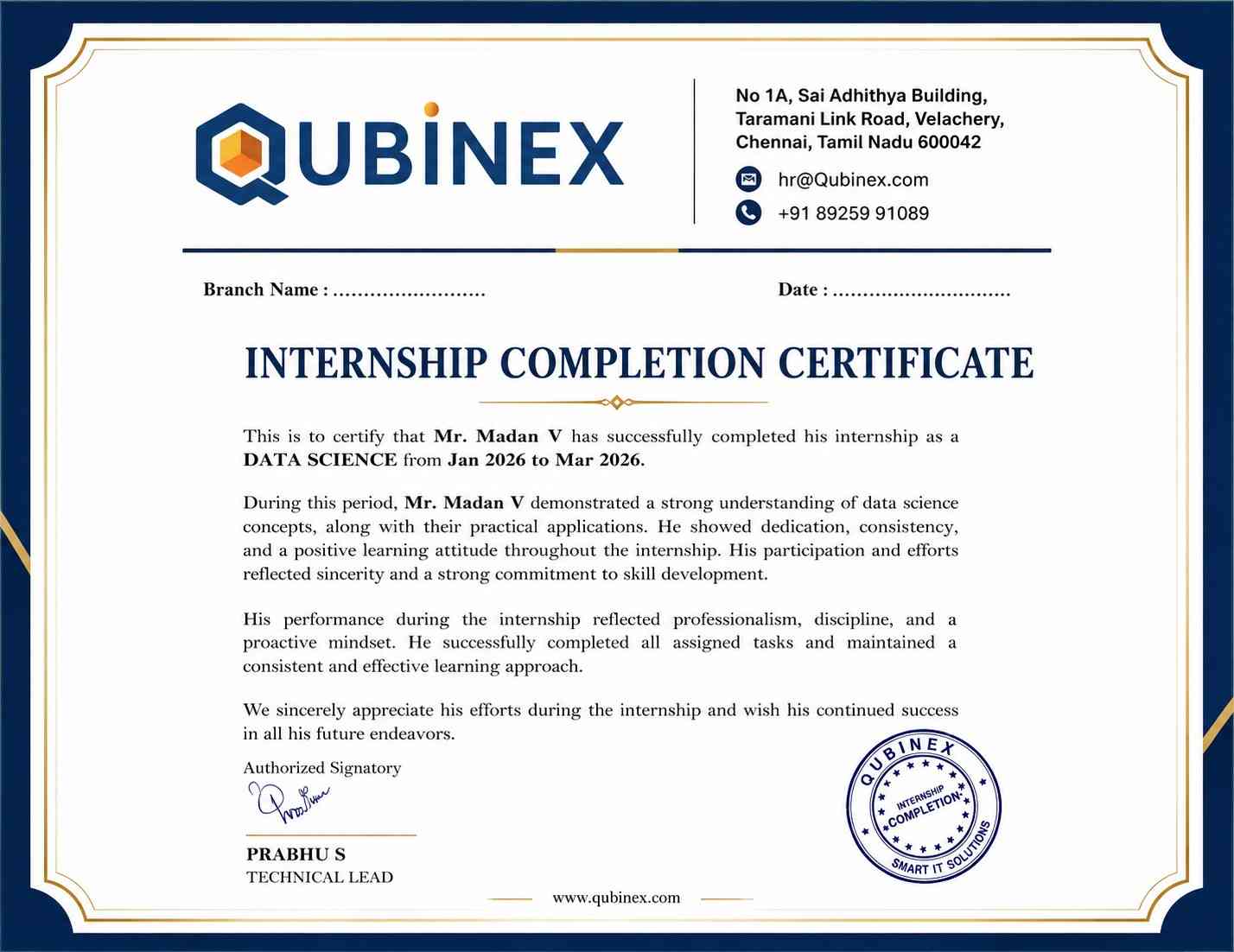
Intership
complete certification
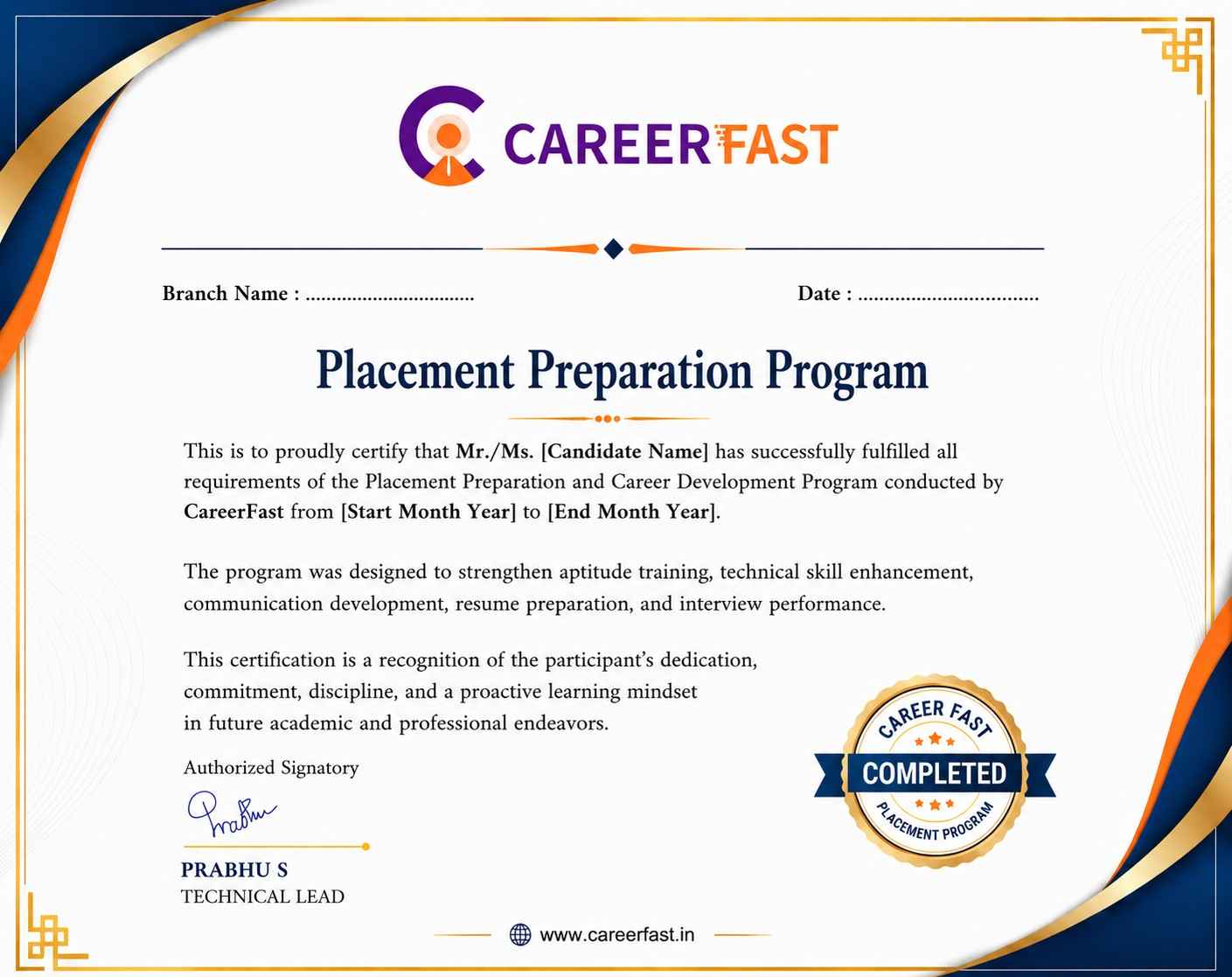
Placement
complete certification

Our learners
transformed their careers

35 Laks
Highest Salary Offered
50%
Average Salary Hike
30K+
Placed in MNC's
15+
Year's in Training
Our Alumni
Alumni

A majority of our alumni

fast-tracked into managerial careers.

Get inspired by their progress in the Career Growth Report.

Our Student Successful Story

checkimage Regular 1:1 Mentorship From Industry Experts checkimage Live Classes checkimage Career Support

How are the Microsoft PowerApps Course with LearnoVita Different?

Feature

LearnoVita

Other Institutes

Affordable Fees

Competitive Pricing With Flexible Payment Options.

Higher Microsoft PowerApps Fees With Limited Payment Options.

Live Class From ( Industry Expert)

Well Experienced Trainer From a Relevant Field With Practical Microsoft PowerApps Training

Theoretical Class With Limited Practical

Updated Syllabus

Updated and Industry-relevant Microsoft PowerApps Course Curriculum With Hands-on Learning.

Outdated Curriculum With Limited Practical Training.

Hands-on projects

Real-world Microsoft PowerApps Project With Live Case Studies and Collaboration With Companies.

Basic Projects With Limited Real-world Application.

Certification

Industry-recognized Microsoft PowerApps Certifications With Global Validity.

Basic Microsoft PowerApps Certifications With Limited Recognition.

Placement Support

Strong Placement Support With Tie-ups With Top Companies and Mock Interviews.

Basic Placement Support

Industry Partnerships

Strong Ties With Top Tech Companies for Internships and Placements

No Partnerships, Limited Opportunities

Batch Size

Small Batch Sizes for Personalized Attention.

Large Batch Sizes With Limited Individual Focus.

Additional Features

Lifetime Access to Microsoft PowerApps Course Materials, Alumni Network, and Hackathons.

No Additional Features or Perks.

Training Support

Dedicated Mentors, 24/7 Doubt Resolution, and Personalized Guidance.

Limited Mentor Support and No After-hours Assistance.

Microsoft PowerApps Course FAQ's

Yes, prospective learners can explore a demo session to understand the course delivery, teaching methods, and practical learning approach. Since live batches have limited seats to maintain effective interaction, attending a live class before enrollment may not always be possible. In such situations, you can request a pre-recorded demo session featuring the same trainer to evaluate the instructional quality, course structure, and level of technical explanation offered by the Microsoft PowerApps Course in Jayanagar.
LearnoVita instructors are experienced professionals who bring practical industry knowledge into the classroom. Trainers generally have 9 to 12 years of IT experience and guide learners through PowerApps concepts using demonstrations, structured explanations, and practical exercises. Their instruction helps participants understand canvas apps, model-driven applications, data connections, automation workflows, and business application development using Microsoft Power Platform.
  • LearnoVita supports learners in preparing for employment by helping them understand relevant job roles, improve their technical profiles, and explore suitable career opportunities.
  • Eligible participants can access placement assistance after completing the program, subject to the applicable training and placement policies. Support may include interview preparation and job opportunity updates.
  • The placement team shares opportunities from organizations such as Microsoft, HP, Wipro, Accenture, Google, IBM, Tech Mahindra, Amazon, CTS, TCS, Infosys, Mindtree, and Mphasis, depending on current vacancies and employer requirements.
  • Learners can strengthen their resumes by highlighting PowerApps applications, workflow automation tasks, data integration exercises, and other practical assignments completed during training.
  • Interview preparation activities may include mock interviews, communication development, presentation practice, and technical question discussions to improve confidence during recruitment.
  • The student portal provides access to available job updates, learning materials, video resources, recorded sessions, and interview preparation content to support career development.
After successfully completing the training requirements, learners receive a course completion certificate from LearnoVita. This certificate can be added to your resume or professional portfolio to demonstrate your training in Microsoft PowerApps. Participants interested in Microsoft credentials can also explore relevant Microsoft Power Platform certifications, such as those aligned with app development and solution building, based on their career goals and current certification requirements.
Practical assignments and project-based activities form an important part of the learning process. Participants can apply their knowledge by building business applications, connecting data sources, creating forms, configuring approval workflows, and developing solutions for common organizational requirements. These exercises help learners understand application development processes, improve troubleshooting abilities, and build practical skills that can be demonstrated during technical interviews.
LearnoVita offers flexible training formats to suit different schedules and learning preferences. Depending on availability, participants can choose instructor-led online classes, classroom training, self-paced learning, one-to-one sessions, fast-track programs, or customized training. Each format provides a different way to approach the curriculum, allowing learners to select an option that suits their existing technical knowledge, daily commitments, preferred learning pace, and professional objectives.
If you are unable to attend a scheduled session, contact the training team to discuss the available options for covering the missed material. Depending on batch schedules and course policies, you may be able to review class recordings, access available presentations, arrange an alternative session, or attend the corresponding topic with another batch. These options help you revisit important PowerApps concepts and continue learning without losing track of the curriculum.
For questions about the Microsoft PowerApps Course in Jayanagar, you can contact LearnoVita at contact@learnovita.com. The support team can provide further information about the syllabus, course fees, upcoming batches, available training formats, learning resources, and enrollment procedures.
To join the Microsoft PowerApps Course in Jayanagar, submit your enrollment request through the LearnoVita website or contact the training team for assistance. Before registering, review the course curriculum, duration, fee structure, batch timings, and available training options. This will help you choose a suitable program based on your current skills and future career plans.
Yes, enrolled learners can access the course resources provided through the student portal according to the applicable access terms. Resources may include presentations, technical notes, video lessons, recorded classes, practice exercises, and interview preparation materials. These resources help participants review PowerApps development techniques, revisit difficult concepts, practise application-building tasks, and strengthen their understanding outside scheduled sessions.
LearnoVita aims to maintain an interactive environment where learners can discuss technical questions, participate in demonstrations, and receive guidance from the instructor. Depending on the batch and training format, the group size may be approximately 5 to 6 participants. Smaller groups can encourage discussion, provide opportunities to clarify PowerApps development concepts, and support more focused participation during practical activities.
Salary packages for Microsoft PowerApps professionals in India depend on experience, technical proficiency, location, employer, and job responsibilities. Entry-level candidates may pursue roles such as PowerApps Developer, Power Platform Associate, Application Developer, or Junior Business Solutions Developer. With experience in application design, Power Automate, Dataverse, data integration, and enterprise solution development, professionals may qualify for more advanced roles and higher compensation. Actual salaries vary across organizations and market conditions.
view More view Less
Career Assistance
  • Build a Powerful Resume for Career Success
  • Get Trainer Tips to Clear Interviews
  • Practice with Experts: Mock Interviews for Success
  • Crack Interviews & Land Your Dream Job
100% JOB GUARANTEE

Global Quality Training
At The Lowest Fees & Expert Trainer

AVAILABLE IN:
India Canada USA Singapore UAE Australia EU Germany

Need custom pricing?

4.9/5 from 50k+ students
Acte Technologies WhatsApp
Call Us! Chat With Us