Home » Others Courses » Data Engineering Course

Data Engineering Course

(4.6) 8754 Ratings
  • Enroll in Data Engineering Training to learn cloud-based data pipelines, integration, and analytics workflows.
  • Explore Data Factory, Databricks, Synapse Analytics, and Power BI for efficient data processing and analysis.
  • Gain hands-on experience through practical projects involving ETL pipelines, data modeling, transformation, and reporting.
  • Ideal for Data Engineers,Cloud Analysts, and Analytics Professionals seeking to strengthen their cloud data skills.
  • Choose flexible learning schedules with weekday, weekend, and fast-track batches to suit your availability.
  • Receive placement support, interview preparation, and certification guidance to help advance your career.

Course Duration

50+ Hrs

Live Project

3 Project

Certification Pass

Guaranteed

Training Format

Live Online (Expert Trainers)
Quality Training With Affordable Fee

⭐ Fees Starts From

INR 38,000
INR 18,500

11548+

Professionals Trained

11+

Batches every month

3470+

Placed Students

212+

Corporate Served

What You'll Learn

Data Engineering Training introduces data pipelines, data storage, transformation, and processing techniques for managing large datasets efficiently.

Learn essential skills in data ingestion, ETL workflows, database management, and data integration through practical Data Engineering Training.

Develop and optimize scalable data pipelines, process structured and unstructured data, and explore batch and real-time data processing techniques.

Gain practical experience through Data Engineering Projects involving pipeline development, data transformation, and analytical reporting.

Explore cloud data platforms, big data processing, data quality, governance, security, and analytics to build reliable data engineering solutions.

Strengthen your professional skills through Data Engineering Certification preparation and practical learning for careers in data analytics and engineering.

Data Engineering Course Overview

The Data Engineering Online Course provides comprehensive knowledge of data pipelines, data integration, and modern data processing technologies. Through Data Engineering Online Training, learners gain practical experience in data warehousing, ETL processes, cloud platforms, database management, and data transformation workflows. Enrolling in this Data Engineering Course helps strengthen technical expertise, improve analytical problem-solving skills, and prepare learners for real-world data engineering challenges. Completing this Data Engineering Training creates opportunities in data engineering, cloud computing, business intelligence, and big data analytics. Learners also gain exposure to real-time data processing, pipeline automation, and data quality management, building the confidence needed to handle complex enterprise data environments.

Additional Info

Exploring Future Trends in Data Engineering Course

  • Cloud-Based Data Engineering: Future trends in Data Engineering will focus on cloud platforms such as AWS, Microsoft Azure, and Google Cloud. Organizations increasingly rely on cloud-based data lakes, warehouses, and scalable storage solutions. Data Engineers must learn to build, manage, and optimize cloud data pipelines that support reliable data processing and analytics.
  • Automation and AI-Powered Data Pipelines: Automation and artificial intelligence are transforming data engineering workflows. Data Engineers use automated pipeline orchestration, intelligent monitoring, and AI-assisted development to reduce manual tasks and improve efficiency. Training will increasingly emphasize automated data integration, error detection, workflow scheduling, and performance optimization.
  • Data Security and Governance: Data security and governance are becoming essential as organizations manage growing volumes of sensitive information. Data Engineering professionals must understand access control, encryption, data masking, data lineage, and regulatory compliance. Future training will emphasize building secure pipelines, maintaining data quality, and implementing governance policies across enterprise data platforms.
  • Big Data Processing and Analytics: The growing demand for large-scale analytics requires Data Engineers to work with distributed processing technologies such as Apache Spark and Hadoop. Training will focus on processing structured and unstructured data, designing scalable data architectures, and preparing reliable datasets for business intelligence, reporting, and advanced analytics applications.
  • DataOps and CI/CD Practices: Data Engineering teams are increasingly adopting DataOps practices to improve collaboration, automation, and deployment reliability. Professionals must understand version control, automated testing, pipeline deployment, and continuous integration and delivery. Tools such as Git, Apache Airflow, and cloud-based development platforms help teams maintain consistent and dependable data workflows.
  • Real-Time Data Streaming: Businesses increasingly need immediate access to information for monitoring and decision-making. Real-time data engineering involves collecting, processing, and delivering streaming data using technologies such as Apache Kafka and cloud streaming services. Training will cover event-driven architectures, stream processing, data synchronization, and the development of responsive analytics pipelines.
  • Lakehouse Architecture and Modern Data Platforms: Modern data architectures combine the flexibility of data lakes with the analytical capabilities of data warehouses. Data Engineers must understand lakehouse platforms, scalable storage, data catalogues, and efficient query processing. Technologies such as Databricks and cloud data platforms support unified data management for analytics, reporting, and machine learning applications.
  • Data Quality and Observability: Maintaining accurate, consistent, and reliable data is a major priority for organizations. Data Engineering professionals increasingly use automated validation, monitoring, anomaly detection, and data lineage tracking to identify pipeline issues. Future training will emphasize data quality frameworks, troubleshooting techniques, and observability practices that improve trust in enterprise data systems.
  • Machine Learning and AI Data Pipelines: The expansion of artificial intelligence and machine learning is increasing the need for dependable data infrastructure. Data Engineers prepare, transform, and deliver datasets for model training and deployment. Training will cover feature pipelines, batch and streaming ingestion, data versioning, and integration with machine learning platforms to support scalable AI applications.

Building Tools and Techniques with Data Engineering Training

  • SQL: SQL is an essential language for querying, transforming, and managing structured data in relational databases and analytical platforms. Data Engineers use SQL to extract information, join datasets, perform aggregations, and validate records. Strong SQL skills help professionals develop efficient transformations, troubleshoot data inconsistencies, and prepare reliable datasets for reporting and business intelligence applications.
  • Python: Python is widely used in Data Engineering for data extraction, transformation, automation, and pipeline development. Libraries such as Pandas and PySpark help professionals process datasets and automate repetitive workflows. Python also supports API integration, data validation, and interaction with cloud services. It enables Data Engineers to build maintainable scripts and connect different components of modern data platforms.
  • Apache Spark: Apache Spark is a distributed processing framework designed to handle large datasets across multiple computing resources. Data Engineers use Spark for batch processing, data transformation, and large-scale analytics. Its support for Python, SQL, and streaming workloads makes it useful for building scalable pipelines. Spark helps process high-volume data efficiently while supporting complex transformation requirements.
  • Apache Airflow: Apache Airflow is a workflow orchestration platform used to schedule, coordinate, and monitor data pipelines. Data Engineers define workflows as directed acyclic graphs and configure dependencies between tasks. Airflow helps automate recurring data processing jobs, manage execution schedules, and identify failed tasks. It improves pipeline visibility and supports reliable coordination across complex data engineering environments.
  • Azure Data Factory: Azure Data Factory is a cloud-based data integration service used to create and manage data pipelines. It supports data movement and transformation across different sources and destinations. Data Engineers use it to schedule workflows, connect enterprise systems, and prepare data for analytics. Its integration with Azure services helps organizations develop scalable data processing solutions.
  • Databricks: Databricks provides a unified platform for data engineering, analytics, and machine learning workloads. Data Engineers use it to build data pipelines, process large datasets, and work with lakehouse architectures. Its integration with Apache Spark and cloud storage supports collaborative development and scalable processing. Databricks is useful for creating dependable data workflows and preparing datasets for analytical applications.
  • Cloud Data Platforms: Cloud services such as Amazon Web Services, Microsoft Azure, and Google Cloud provide storage, processing, integration, and analytics capabilities. Data Engineers use these platforms to design scalable architectures and manage data workloads. Understanding cloud storage, data warehouses, access permissions, and cost optimization helps professionals develop secure and efficient data solutions for business requirements.
  • Apache Kafka: Apache Kafka is a distributed event-streaming platform used to collect, transmit, and process data in real time. Data Engineers use Kafka to build streaming pipelines that connect applications, databases, and analytical systems. It supports continuous data ingestion and event-driven architectures. Kafka is particularly valuable for applications requiring timely information, reliable message delivery, and scalable data integration.
  • Git and CI/CD Tools: Git and continuous integration and delivery tools help Data Engineers manage code changes, collaborate with development teams, and automate pipeline deployment. Version control supports change tracking and team collaboration, while automated testing helps identify errors before release. These practices improve maintainability, deployment consistency, and reliability across data engineering projects and environments.

Roles and Responsibilities After Data Engineering Training

  • Data Engineer: A Data Engineer designs, develops, and maintains systems that collect, transform, and deliver data for business use. Responsibilities include building ETL and ELT pipelines, integrating multiple data sources, managing storage systems, and improving processing performance. Data Engineers also monitor data quality, troubleshoot pipeline failures, and collaborate with analysts and data scientists to provide reliable datasets.
  • ETL Developer: An ETL Developer builds processes to extract data from source systems, transform it into the required format, and load it into databases or data warehouses. The role involves developing transformation logic, validating records, scheduling jobs, and resolving processing errors. ETL Developers help maintain data consistency and ensure that business teams receive accurate information for reporting and analysis.
  • Data Pipeline Developer: A Data Pipeline Developer creates automated workflows that move data between applications, databases, APIs, and analytical platforms. Responsibilities include designing ingestion processes, implementing transformations, configuring schedules, and monitoring pipeline execution. These professionals troubleshoot failures, optimize processing speed, and maintain dependable data flows that support operational reporting and data-driven decision-making.
  • Cloud Data Engineer: A Cloud Data Engineer develops and manages data infrastructure using platforms such as AWS, Microsoft Azure, and Google Cloud. The role includes configuring cloud storage, building ingestion pipelines, integrating cloud services, and optimizing performance and cost. Cloud Data Engineers also implement access controls, monitor workloads, and maintain scalable architectures that support enterprise analytics and reporting requirements.
  • Big Data Engineer: A Big Data Engineer develops systems for processing large volumes of structured, semi-structured, and unstructured data. Responsibilities include working with distributed computing frameworks such as Apache Spark, designing scalable storage solutions, and optimizing batch or streaming workloads. These professionals ensure efficient data processing and prepare datasets for advanced analytics, business intelligence, and machine learning applications.
  • Data Warehouse Developer: A Data Warehouse Developer designs and maintains systems that organize business data for reporting and analysis. The role involves creating data models, developing SQL transformations, implementing warehouse structures, and improving query performance. Data Warehouse Developers also validate information, manage data integration processes, and collaborate with reporting teams to deliver consistent and accessible business data.
  • Data Integration Engineer: A Data Integration Engineer connects data from different databases, applications, APIs, and enterprise platforms. Responsibilities include developing integration workflows, mapping data fields, transforming formats, and resolving compatibility issues. These professionals maintain accurate data transfers, implement validation checks, and ensure that information moves securely and consistently between operational systems and analytical environments.
  • Analytics Engineer: An Analytics Engineer transforms raw data into structured, documented datasets that analysts and business teams can use. The role involves developing SQL models, applying data quality tests, maintaining transformation logic, and organizing data for reporting. Analytics Engineers work closely with Data Engineers and analysts to create trusted datasets that support dashboards, business metrics, and informed decision-making.
  • Data Platform Engineer: A Data Platform Engineer builds and maintains the infrastructure that supports an organization's data processing and analytics workloads. Responsibilities include managing platform components, automating deployments, monitoring system reliability, and improving scalability. These professionals work with cloud services, orchestration tools, and distributed processing technologies to provide dependable environments for data pipelines and analytical applications.
  • Data Quality Engineer: A Data Quality Engineer ensures that datasets are accurate, complete, consistent, and suitable for business use. The role involves creating validation rules, developing automated tests, monitoring data quality metrics, and investigating anomalies. These professionals collaborate with Data Engineers and business teams to resolve data issues, strengthen governance practices, and improve confidence in reports and analytical results.

Top Companies Hiring Data Engineering Professionals

  • Microsoft: Microsoft offers opportunities in data engineering through its cloud, analytics, and enterprise data platforms. Data Engineering professionals may work with Azure Data Factory, Azure Databricks, cloud storage, and analytical services to build reliable data pipelines. Their responsibilities can include data integration, transformation, platform monitoring, and performance optimization. Experience with cloud architecture and scalable data processing is valuable for supporting Microsoft's data-driven products and customer solutions.
  • Amazon Web Services (AWS): Amazon Web Services provides cloud infrastructure and managed services for building modern data platforms. Data Engineers may work with services such as Amazon S3, AWS Glue, Amazon Redshift, and streaming technologies to create ingestion and transformation workflows. Responsibilities include developing scalable pipelines, managing cloud data storage, improving processing efficiency, and supporting analytics workloads for organizations across different industries.
  • Google: Google offers data engineering opportunities across cloud computing, analytics, and large-scale data processing environments. Professionals may work with Google Cloud services such as BigQuery, Dataflow, and Cloud Storage to develop data pipelines and analytical platforms. Typical responsibilities include data integration, workflow automation, pipeline monitoring, and performance optimization. Knowledge of SQL, Python, distributed processing, and cloud architecture can support these roles.
  • IBM: IBM provides enterprise technology, cloud, consulting, and data management solutions for clients across multiple industries. Data Engineering professionals may help build data integration workflows, maintain processing environments, and prepare information for analytics and AI applications. Their responsibilities can include pipeline development, data quality management, platform integration, and performance monitoring. Experience with Python, SQL, cloud technologies, and distributed data processing is useful in these environments.
  • Accenture: Accenture supports organizations with data modernization, cloud migration, analytics, and digital transformation projects. Data Engineers may develop ETL and ELT pipelines, integrate enterprise data sources, and build scalable data platforms for client requirements. The role often involves collaboration with cloud architects, analysts, and data scientists. Skills in SQL, Python, Apache Spark, orchestration tools, and cloud platforms can help professionals contribute to diverse data engineering projects.
  • Cognizant: Cognizant delivers technology consulting and data solutions to clients in sectors such as banking, healthcare, retail, and manufacturing. Data Engineering professionals may design data pipelines, integrate business applications, and maintain cloud-based processing environments. Responsibilities can include data transformation, quality checks, workflow scheduling, and troubleshooting. Knowledge of SQL, Python, cloud services, and data warehousing helps support enterprise reporting and analytics requirements.
  • Tata Consultancy Services (TCS): Tata Consultancy Services provides IT services and consulting for organizations across industries. Data Engineers may support data platform development, legacy system modernization, cloud migration, and enterprise analytics projects. Their work can involve building ingestion pipelines, optimizing data transformations, and maintaining secure data environments. Familiarity with SQL, Python, Apache Spark, cloud platforms, and orchestration tools is valuable for managing complex client data workloads.
  • Capgemini: Capgemini offers consulting, technology services, and data transformation solutions for global clients. Data Engineering professionals may develop cloud-based data architectures, integrate multiple data sources, and prepare datasets for business intelligence and advanced analytics. Responsibilities can include pipeline automation, data modelling, quality validation, and performance tuning. Practical experience with modern data platforms and collaborative development practices can support work across different industries and business applications.
  • Wipro: Wipro provides technology consulting, cloud services, and data management solutions to enterprise customers. Data Engineers may build and maintain data pipelines, support warehouse modernization, and integrate information from diverse systems. The role can include automating workflows, monitoring data quality, improving processing efficiency, and managing cloud-based infrastructure. Skills in SQL, Python, ETL tools, distributed processing, and cloud technologies can help professionals contribute to data-driven business initiatives.
  • Infosys: Infosys delivers digital transformation, consulting, cloud, and analytics services to organizations worldwide. Data Engineering professionals may develop scalable data pipelines, modernize data warehouses, and prepare reliable information for reporting and machine learning applications. Responsibilities can include data integration, transformation, workflow orchestration, and system performance monitoring. Experience with Python, SQL, cloud platforms, and big data technologies can help professionals support enterprise data initiatives.
`
View more

Data Engineering Training Objectives

    Data Engineering Training helps learners understand how to collect, process, transform, store, and manage large volumes of data. The course introduces data pipelines, ETL workflows, databases, data warehouses, cloud platforms, and analytics technologies while providing practical experience in developing reliable data solutions for business requirements.

  • Design and develop scalable data pipelines for efficient data processing.
  • Perform data ingestion, cleansing, transformation, and integration using ETL techniques.
  • Understand relational databases, data warehouses, and data storage solutions.
  • Work with batch processing and real-time data streaming workflows.
  • Apply data quality, governance, security, and monitoring practices to maintain reliable data systems.

    Learners develop skills in SQL, Python fundamentals, ETL pipeline development, data integration, database management, data transformation, and data warehousing. The training also introduces cloud data platforms, big data processing, workflow orchestration, data quality management, and analytical reporting to help learners build practical data engineering solutions.

    Data engineering skills are valuable to organizations that depend on reliable data pipelines, cloud infrastructure, data warehouses, and analytics systems. Training in data processing, integration, and storage technologies can help learners prepare for relevant career opportunities across IT, finance, healthcare, retail, and other data-driven industries.

    Data Engineering can be learned step by step with consistent practice and structured guidance. Basic knowledge of SQL, programming, and databases can be helpful, but beginners can gradually build their skills through practical exercises, pipeline development, data transformation tasks, and real-world projects.

    Data Engineer salaries vary according to experience, technical skills, location, industry, and employer requirements. Professionals with expertise in SQL, Python, cloud data platforms, ETL pipelines, and big data technologies may qualify for competitive opportunities. Practical project experience and strong problem-solving skills can also support career growth.

  • Data Engineer
  • ETL Developer
  • Data Pipeline Developer
  • Cloud Data Engineer
  • Big Data Developer
  • Data Warehouse Developer
  • Data Integration Engineer

    People interested in data engineering can benefit from basic computer knowledge and an interest in programming, databases, and data processing. Familiarity with SQL, Python, or data structures is useful but may not be essential for beginners. The required background depends on the course level and learning objectives.

  • Explore career opportunities in data pipeline development and cloud data engineering.
  • Build skills for batch processing and real-time data integration projects.
  • Learn data warehousing and large-scale data processing techniques.
  • Support business intelligence and analytics through reliable data infrastructure.
  • Develop transferable data management skills applicable across multiple industries.
  • Data ingestion, cleansing, transformation, and storage techniques.
  • ETL and ELT pipeline development and workflow orchestration.
  • SQL, Python, relational databases, and data warehouse fundamentals.
  • Batch processing, streaming data, and big data concepts.
  • Cloud data platforms, data quality, governance, and security practices.
view More view Less

Data Engineering Course Benefits

The Data Engineering Online Course offers comprehensive practical training in building, managing, and optimizing modern data infrastructure and processing systems. Through industry-oriented Data Engineering Projects, learners develop hands-on expertise in data extraction, transformation, loading (ETL), data pipelines, and large-scale data processing. The program covers essential technologies such as Python, SQL, Apache Spark, Hadoop, cloud computing, and data warehousing. Participants learn to integrate data from multiple sources, automate workflows, maintain data quality, and design scalable data architectures. Practical exercises strengthen programming knowledge, analytical thinking, and technical problem-solving abilities. This training prepares learners for career opportunities as Data Engineers, Big Data Engineers, ETL Developers, Cloud Data Engineers, and Data Platform Engineers across IT companies, startups, and enterprise technology organizations.

  • Designation
  • Annual Salary
    Hiring Companies
  • 8L
    Min
  • 10L
    Average
  • 20L
    Max
  • 7L
    Min
  • 10L
    Average
  • 20L
    Max
  • 4L
    Min
  • 6L
    Average
  • 15L
    Max
  • 6L
    Min
  • 9L
    Average
  • 20L
    Max

Data Engineering Certification Training

Our Data Engineering Training Institute Online offers comprehensive knowledge of data collection, processing, transformation, storage, and pipeline development. Learners gain practical experience through real-time Data Engineering Projects, Python programming, SQL queries, ETL workflows, data warehousing, and distributed processing technologies. The training covers Apache Spark, Hadoop, cloud data platforms, workflow orchestration, data validation, and performance optimization. With dedicated placement support, learners can prepare for career opportunities as Data Engineers, ETL Developers, Big Data Engineers, Cloud Data Engineers, and Data Platform Engineers in software companies, startups, and data-driven organizations.

Top Skills You Will Gain
  • Apache Spark
  • Azure Data Factory
  • Databricks
  • SQL and Python
  • Apache Kafka
  • ETL/ELT Development
  • Data Warehousing
  • Cloud Data Integration

12+ Data Engineering Tools

Online Classroom Batches Preferred

Weekdays (Mon - Fri)
16 - Nov - 2026
08:00 AM (IST)
Weekdays (Mon - Fri)
18 - Nov - 2026
08:00 AM (IST)
Weekend (Sat)
21 - Nov - 2026
11:00 AM (IST)
Weekend (Sun)
22 - Nov - 2026
11:00 AM (IST)
Can't find a batch you were looking for?
₹38,000 ₹18,500 10% OFF Expires in

No Interest Financing start at ₹ 5000 / month

Corporate Training

  • Customized Learning
  • Enterprise Grade Learning Management System (LMS)
  • 24x7 Support
  • Enterprise Grade Reporting

Not Just Studying
We’re Doing Much More!

Empowering Learning Through Real Experiences and Innovation

Hiring
Hiring
Hiring
Hiring
Hiring
Hiring
Hiring
User
User
User
User
User
User

Data Engineering Course Curriculum

Trainers Profile

Trainers are experienced professionals with 13+ years of industry experience in data engineering and modern data technologies. They bring practical expertise in Python programming, SQL, ETL development, data warehousing, Apache Spark, Hadoop, and cloud-based data platforms. With exposure to real-time enterprise projects, trainers incorporate practical demonstrations, industry scenarios, and project-based exercises into training sessions. Learners gain hands-on experience in building data pipelines, processing large datasets, integrating multiple data sources, and optimizing data workflows while understanding current engineering practices and industry requirements.

Syllabus of Data Engineering Course Download syllabus

  • Fundamentals of Data Engineering
  • Data Engineering Architecture and Components
  • Structured, Semi-Structured, and Unstructured Data
  • Data Lifecycle and Processing Concepts
  • Data Engineering Tools and Environment Setup
  • Python Syntax and Programming Fundamentals
  • Variables, Data Types, and Control Structures
  • Functions, Modules, and Object-Oriented Programming
  • File Handling and Data Processing
  • Exception Handling and Python Libraries
  • Relational Database Concepts and Architecture
  • SQL Queries and Data Manipulation
  • Joins, Subqueries, and Common Table Expressions
  • Stored Procedures and Query Optimization
  • Database Design and Data Modeling
  • Introduction to ETL and ELT Processes
  • Data Extraction from Multiple Sources
  • Data Transformation and Loading Techniques
  • Pipeline Scheduling and Workflow Automation
  • Data Validation and Error Management
  • Data Warehouse Architecture and Concepts
  • Star Schema and Snowflake Schema Design
  • Fact Tables and Dimension Tables
  • Data Marts and Enterprise Data Warehousing
  • Warehouse Loading and Query Optimization
  • Introduction to Big Data Technologies
  • Hadoop Ecosystem and HDFS Architecture
  • MapReduce Programming Concepts
  • YARN Resource Management
  • Hive and Distributed Data Processing
  • Apache Spark Architecture and Components
  • RDDs, DataFrames, and Spark SQL
  • Data Transformation and Aggregation
  • Spark Streaming and Real-Time Processing
  • Performance Tuning and Resource Management
  • Introduction to Cloud Computing for Data Engineering
  • AWS Data Services and Storage Solutions
  • Azure Data Factory and Data Lake
  • Google Cloud Data Processing Services
  • Cloud Pipeline Integration and Monitoring
  • Apache Airflow Architecture and DAG Concepts
  • Task Scheduling and Pipeline Dependencies
  • Data Quality Checks and Validation
  • Pipeline Monitoring and Failure Recovery
  • Workflow Automation and Execution Tracking
  • End-to-End Data Pipeline Development
  • Batch and Real-Time Data Processing
  • Cloud-Based Data Integration Project
  • Pipeline Deployment and Version Control
  • Data Engineering Project Implementation
(15) view More view Less
Need customized curriculum?

REAL

start
STORIES SUCCESS INSPIRATION
CAREER
UPGRADE
sowmiya

sowmiya

CAREER
UPGRADE
Rajkumar

Rajkumar

CAREER
UPGRADE
Thon

Thon

CAREER
UPGRADE
lavanya

Lavanya

Industry Projects

Project 1
E-Commerce Data Pipeline Development

Develop an end-to-end data pipeline to collect, and store e-commerce information, including customer details, product records, and sales transactions. Apply ETL processes and SQL queries to prepare reliable data for business reporting and analysis.

Project 2
Real-Time Data Processing System

Build a real-time data processing solution using Apache Kafka and Spark Streaming to capture and process continuous data streams. Configure data transformation, monitoring, and storage workflows to support timely insights and efficient data handling.

Project 3
Cloud-Based Data Warehouse

Create a cloud-based data warehouse that integrates information from multiple sources using ETL workflows. Design data models, and optimize queries to support business intelligence, reporting, and analytical requirements.

Our Hiring Partner

Exam & Certification

At LearnoVita, you can select either instructor-led online classroom training or online self-paced learning. Online Classroom:
  • Attend and complete one batch of the Data Engineering Training Course.
  • Successfully complete and pass the evaluation of any one assigned data engineering project.
Online Self-Learning:
  • Complete at least 85% of the Data Engineering Certification Course.
  • Successfully complete and pass the evaluation of any one assigned project.
Yes, LearnoVita includes practice assessments in the Data Engineering Training Course to help learners evaluate their understanding of important concepts. These exercises cover Python programming, SQL queries, ETL processes, data warehousing, Apache Spark, Hadoop, cloud data services, and pipeline development. Regular assessments help participants identify knowledge gaps, improve their technical abilities, and prepare for course evaluations and practical project assignments.

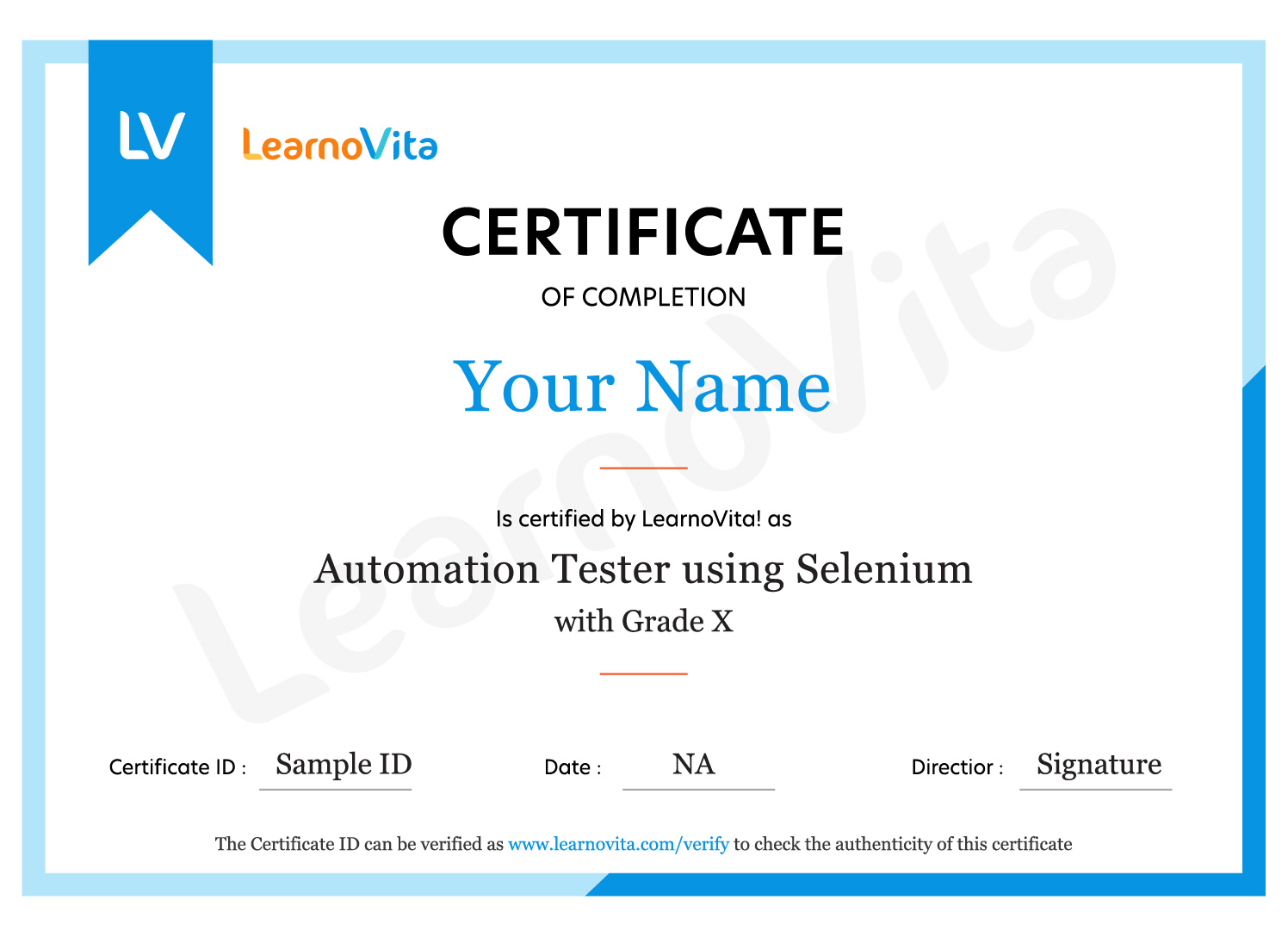
Learners can earn the following course completion certification through the Data Engineering training program:

  • LearnoVita Data Engineering Certification
  • Review the course syllabus and understand essential data engineering concepts, tools, and workflows.
  • Practice Python programming and SQL queries to improve data processing and database skills.
  • Study learning materials covering ETL, data warehousing, Hadoop, Apache Spark, and cloud platforms.
  • Participate in LearnoVita's online training sessions to clarify technical topics and interact with instructors.
  • Complete practical exercises and real-time projects involving data pipelines, transformation, storage, and deployment.
Data Engineering Online Training helps learners develop practical expertise in Python, SQL, ETL development, data warehousing, big data processing, and cloud-based data platforms. Working on industry-oriented projects strengthens their technical portfolios and demonstrates their ability to build and maintain data pipelines. The course helps learners prepare for career opportunities as Data Engineers, ETL Developers, Big Data Engineers, Cloud Data Engineers, and Data Platform Engineers across technology companies and data-driven organizations.

MNC Recognized course
complete certification
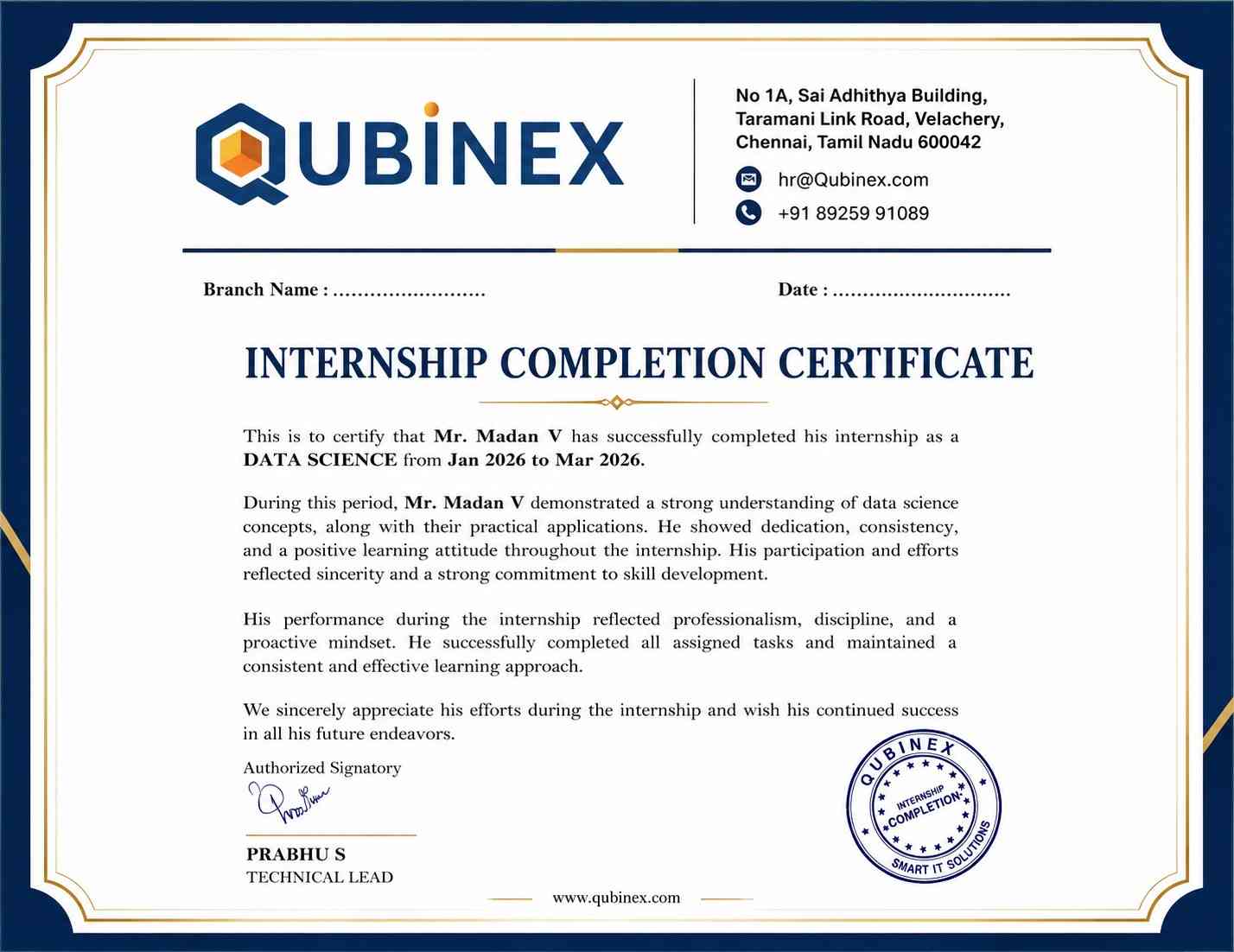
Intership
complete certification

Placement
complete certification

Our learners
transformed their careers

35 Laks
Highest Salary Offered
50%
Average Salary Hike
30K+
Placed in MNC's
15+
Year's in Training
Our Alumni
Alumni

A majority of our alumni

fast-tracked into managerial careers.

Get inspired by their progress in the Career Growth Report.

Our Student Successful Story

checkimage Regular 1:1 Mentorship From Industry Experts checkimage Live Classes checkimage Career Support

How are the Data Engineering Course with LearnoVita Different?

Feature

LearnoVita

Other Institutes

Affordable Fees

Competitive Pricing With Flexible Payment Options.

Data Engineering on Microsoft Azure Course Fees With Limited Payment Options.

Live Class From (Industry Expert)

Experienced Trainers Provide Practical Data Engineering Course Training With Industry-Based Examples.

Theoretical Classes With Limited Practical Data Engineering Experience.

Updated Syllabus

Updated and Industry-Relevant Data Engineering Course Curriculum Covering Data Pipelines, ETL, Cloud Platforms, and Data Warehousing.

Outdated Curriculum With Limited Practical Training in Modern Data Engineering Tools.

Hands-on Projects

Real-World Data Engineering Projects Covering Data Integration, ETL Pipelines, Data Processing, and Cloud-Based Data Solutions.

Basic Projects With Limited Real-World Data Engineering Applications.

Certification

Data Engineering Course Certification to Showcase Your Technical Skills, Practical Training, and Project Experience.

Basic Data Engineering Certifications With Limited Practical Assessment.

Placement Support

Strong Placement Support With Career Guidance, Resume Preparation, and Mock Interviews for Data Engineering Roles.

Basic Placement Support With Limited Interview Preparation.

Industry Partnerships

Industry-Focused Data Engineering Training With Career Preparation for Relevant Technology Opportunities.

Limited Industry Exposure and Fewer Practical Learning Opportunities.

Batch Size

Small Batch Sizes for Personalized Attention, Hands-on Data Engineering Practice, and Trainer Guidance.

Large Batch Sizes With Limited Individual Attention During Practical Sessions.

Additional Features

Access to Data Engineering Course Materials, Practical Exercises, Project Guidance, and Career Development Resources.

Limited Learning Materials, Project Guidance, and Additional Career Support.

Training Support

Dedicated Mentors, Doubt-Clearing Sessions, Technical Assistance, and Personalized Guidance for Data Engineering Learners.

Limited Mentor Support and Fewer Opportunities to Resolve Technical Questions.

Data Engineering Course FAQ's

Data Engineering involves designing, developing, and maintaining systems that collect, process, transform, and store large volumes of data. It includes building data pipelines, managing databases, implementing ETL workflows, and working with cloud and big data technologies to make information accessible for analytics and business operations.
Students, graduates, freshers, working professionals, and individuals interested in data technologies can enroll in this course. Basic knowledge of programming, databases, or mathematics can be useful, but beginners can also start with fundamental concepts before progressing to data processing, pipeline development, and cloud-based solutions.
The training covers Python programming, SQL, database management, ETL and ELT processes, data warehousing, data modeling, Hadoop, Apache Spark, cloud data platforms, workflow orchestration, and data pipeline development. Learners also explore data validation, distributed processing, performance optimization, and deployment techniques.
Yes, practical projects help learners apply the concepts covered during training. Assignments may include developing an e-commerce data pipeline, building a real-time data processing system, and creating a cloud-based data warehouse. These activities provide experience with data extraction, transformation, storage, integration, and workflow automation.
After completing the training, learners can explore opportunities in data infrastructure, analytics, big data processing, and cloud-based data solutions. Career options may include Data Engineer, ETL Developer, Big Data Engineer, Cloud Data Engineer, and Data Platform Engineer, depending on their technical knowledge, project experience, and employer requirements.

Learners can develop the following skills during the course:

  • Python programming and logical problem-solving.
  • SQL queries and database management.
  • ETL development and data pipeline creation.
  • Data modeling and warehouse design.
  • Big data processing and cloud platform integration.

Depending on the course syllabus, learners may work with these technologies:

  • Python for data processing and automation.
  • SQL and relational databases for data management.
  • Apache Hadoop for distributed data storage and processing.
  • Apache Spark for large-scale data processing.
  • Apache Airflow for workflow scheduling and orchestration.

The course introduces learners to cloud data engineering concepts and services through relevant platforms and technologies, including:

  • AWS data services for cloud storage and processing.
  • Azure Data Factory for data integration and pipeline development.
  • Azure Data Lake for managing large datasets.
  • Google Cloud services for data processing and analytics.
  • Cloud-based data integration, monitoring, and deployment fundamentals.

Data pipeline validation and testing are important parts of data engineering. Learners may practise the following activities:

  • Validating extracted and transformed data.
  • Identifying and resolving pipeline execution errors.
  • Checking data accuracy, completeness, and consistency.
  • Monitoring pipeline performance and processing time.
  • Testing workflow recovery and handling failed tasks.

You can prepare for data engineering interviews by focusing on these areas:

  • Revise Python programming concepts and problem-solving techniques.
  • Practise SQL queries, joins, subqueries, and database operations.
  • Understand ETL workflows, data modeling, and pipeline architecture.
  • Gain practical exposure to Hadoop, Apache Spark, and cloud platforms.
  • Build data engineering projects and prepare to explain your technical decisions.
view More view Less
Career Assistance
  • Build a Powerful Resume for Career Success
  • Get Trainer Tips to Clear Interviews
  • Practice with Experts: Mock Interviews for Success
  • Crack Interviews & Land Your Dream Job
100% JOB GUARANTEE

Global Quality Training
At The Lowest Fees & Expert Trainer

AVAILABLE IN:
India Canada USA Singapore UAE Australia EU Germany

Need custom pricing?

4.9/5 from 50k+ students
Acte Technologies WhatsApp
Call Us! Chat With Us