
CGRC Training in Marathahalli
 18903
Ratings


- Join CGRC Training in Marathahalli to build expertise in governance, risk assessment, and regulatory compliance.
- Explore essential CGRC topics, including governance standards and authorization procedures.
- Develop practical skills through real-world CGRC projects and hands-on governance exercises.
- Designed for aspiring GRC specialists, compliance experts, and cybersecurity professionals seeking to advance their skills.
- Choose Flexible Batch Timings with weekday, weekend, and fast-track training schedules.
- Receive Placement Assistance, Interview Preparation, and guidance on relevant CGRC certification opportunities.
Course Duration
45+ HrsLive Project
3 ProjectCertification Pass
GuaranteedTraining Format
Live Online (Expert Trainers)Quality Training With Affordable Fee
 Fees Starts From

10487+
Professionals Trained
8+
Batches every month
2557+
Placed Students
234+
Corporate ServedWhat You'll Learn
CGRC Training in Marathahalli covers governance principles, risk management practices, compliance standards, and cybersecurity frameworks.
Understand core CGRC topics, including governance models, risk management methodologies, security policies, and regulatory compliance standards.
Build practical expertise in risk evaluation, security control implementation, continuous monitoring, risk mitigation, and authorization processes.
Strengthen your practical knowledge through CGRC projects, risk analysis tasks, security control evaluations, and compliance management exercises.
Explore advanced CGRC practices, including risk response strategies, security categorization, ongoing monitoring, and assessment methods.
Develop industry-relevant governance, risk, and compliance skills to prepare for roles such as GRC Analyst, Risk Analyst, and Compliance Specialist.
CGRC Course Objectives
- Governance Analyst
- Risk Management Consultant
- Compliance Analyst
- Information Security Auditor
- Cyber Risk Analyst
- GRC Consultant
- Information Assurance Consultant
- Security Controls Specialist
- Governance Principles and Frameworks
- Risk Identification and Assessment
- Security Control Evaluation
- Compliance Frameworks and Standards
- Information Security Fundamentals
- Regulatory Compliance Requirements
- Audit Preparation and Assessment
- Risk Treatment and Mitigation
- Security Policy Development
- Continuous Control Monitoring
- Information Technology and Software Services
- Banking and Financial Services
- Healthcare and Medical Services
- Insurance and Financial Risk
- Government and Public Sector
- Telecommunications
- Manufacturing and Industrial Services
- Energy and Utilities
- Retail and E-commerce
- Risk and Compliance Consulting
- Build knowledge of governance frameworks
- Improve risk identification and assessment skills
- Understand compliance standards and requirements
- Develop skills in security control evaluation
- Strengthen audit preparation and documentation practices
Request more informations
WhatsApp (For Call & Chat):
+91 72003 88604
CGRC Course Benefits
The CGRC Course in Marathahalli offers practical learning in governance, risk management, and enterprise security through industry-oriented CGRC projects. Learners explore real-world scenarios involving risk evaluation, security policy analysis, compliance reviews, and audit preparation. These CGRC projects help participants understand how organizations identify potential threats,and maintain effective governance practices. Through guided assignments and CGRC internship-oriented activities, learners develop analytical thinking, risk assessment, and professional documentation skills. This practical approach helps prepare participants to support governance, risk, and compliance functions across cybersecurity and enterprise environments.
- Designation
-
Annual SalaryHiring Companies








About CGRC Course
CGRC Training in Marathahalli helps learners build practical expertise in governance, risk assessment, compliance standards, security controls, and enterprise protection practices. Participants develop their skills through CGRC projects, risk evaluation tasks, and industry-focused exercises covering governance frameworks, threat identification, authorization procedures, continuous monitoring, and security risk management. The course incorporates practical assignments, compliance assessments, security control reviews, and realistic GRC scenarios to improve analytical thinking and problem-solving abilities. CGRC training with placement assistance supports interview preparation and career development while helping learners gain confidence in handling governance, risk, and compliance responsibilities across different organizational environments.
Top Skills You Will Gain
- Risk Assessment
- Compliance
- Audit Planning
- Governance Frameworks
- Ethical Leadership
- Regulatory Analysis
- Control Implementation
- Policy Development
12+ CGRC Tools
Online Classroom Batches Preferred
No Interest Financing start at ₹ 5000 / month
Corporate Training
- Customized Learning
- Enterprise Grade Learning Management System (LMS)
- 24x7 Support
- Enterprise Grade Reporting
Not Just Studying
We’re Doing Much More!
Empowering Learning Through Real Experiences and Innovation





CGRC Course Curriculam
Trainers Profile
CGRC Training in Marathahalli is conducted by knowledgeable cybersecurity and GRC professionals with practical experience in governance, risk assessment, and information security. The program combines structured instruction with industry-based governance and compliance scenarios to help learners strengthen their technical knowledge and decision-making skills. Comprehensive CGRC study materials are provided to explain essential concepts and support learning throughout the course. Participants develop the knowledge to identify organizational risks, assess security controls, understand compliance obligations, and contribute to governance and information security activities within enterprise environments.
Syllabus for CGRC Training Download syllabus
- Governance Fundamentals
- Risk Concepts
- Compliance Overview
- Information Security Basics
- Business Objectives
- Security Lifecycle
- Governance Principles
- Organizational Policies
- Security Frameworks
- Control Objectives
- Decision Processes
- Governance Structure
- Risk Identification
- Risk Analysis
- Risk Evaluation
- Risk Prioritization
- Risk Documentation
- Administrative Controls
- Technical Controls
- Physical Controls
- Control Selection
- Control Assessment
- Control Monitoring
- Regulatory Requirements
- Industry Standards
- Compliance Processes
- Internal Controls
- Legal Considerations
- Compliance Reviews
- Audit Planning
- Audit Scope
- Evidence Collection
- Audit Documentation
- Findings Analysis
- Audit Reporting
- Asset Protection
- Data Security
- Identity Security
- Access Control
- Incident Response
- Security Awareness
- Risk Treatment
- Security Planning
- Corrective Actions
- Preventive Controls
- Monitoring Activities
- Improvement Strategies
- Vendor Assessment
- External Risks
- Contract Review
- Service Evaluation
- Security Verification
- Performance Review
- Security Metrics
- Compliance Tracking
- Log Review
- Monitoring Tools
- Reporting Dashboards
- Performance Evaluation
Request more informations
WhatsApp (For Call & Chat):
+91 72003 88604
REAL

UPGRADE

sowmiya

UPGRADE

Rajkumar

UPGRADE

Thon
UPGRADE

Lavanya

Industry Projects
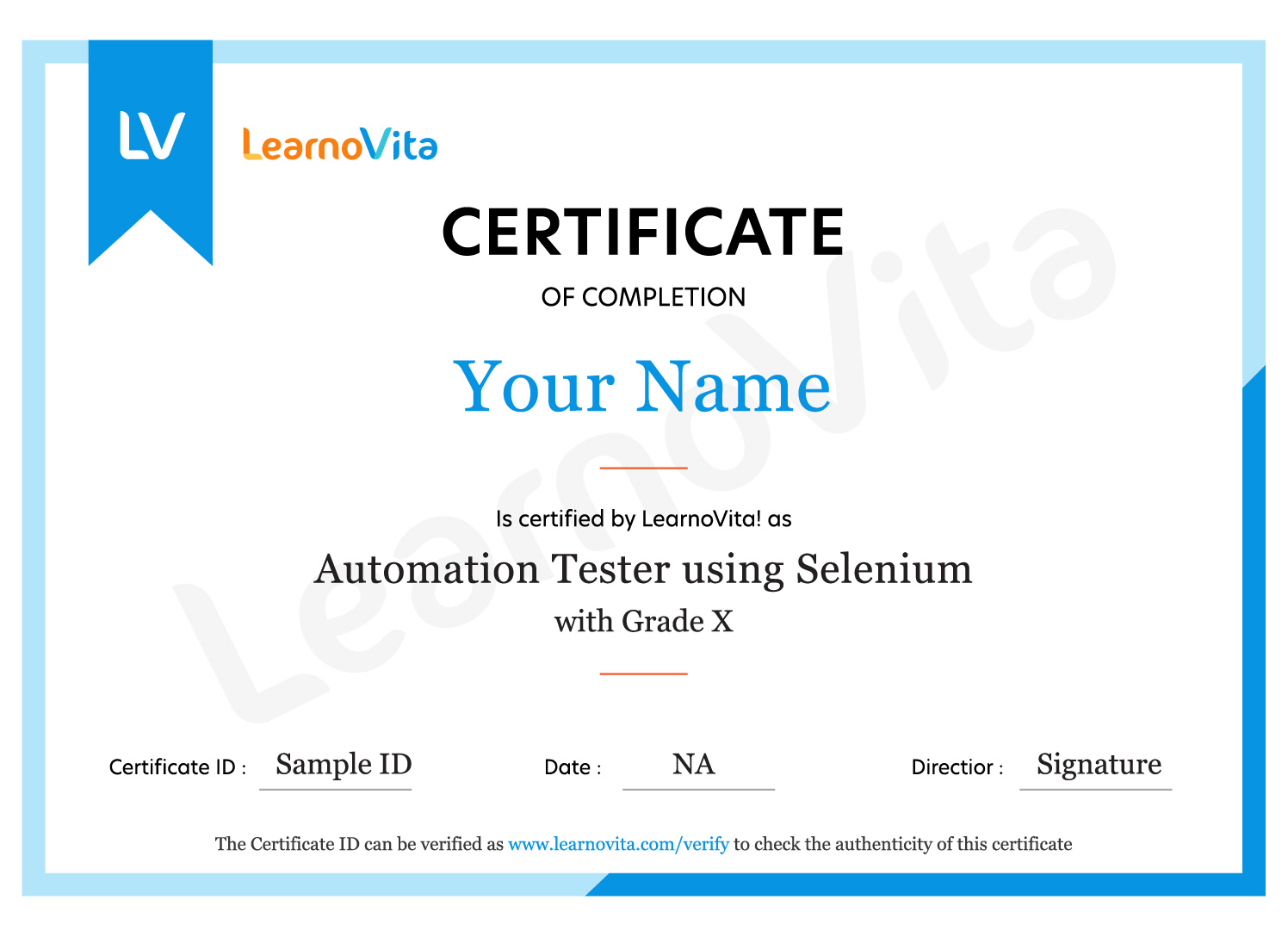
Exam & CGRC Certification
- Fundamental understanding of cybersecurity and information security
- Basic knowledge of governance, risk management, and compliance principles
- Familiarity with security controls, organizational policies, and compliance frameworks
- Awareness of risk assessment, security authorization, and control monitoring processes
- Previous professional CGRC experience may not be necessary for introductory training, but certification eligibility requirements can vary
- Governance, Risk, and Compliance Analyst
- Enterprise Risk Analyst
- Regulatory Compliance Analyst
- Security Compliance Specialist
- IT Risk Management Analyst
- Information Security Auditor
MNC Recognized course
complete certification
Intership
complete certification
Placement
complete certification
Our learners
transformed their careers

A majority of our alumni
fast-tracked into managerial careers.
Get inspired by their progress in the Career Growth Report.
Our Student Successful Story
 Regular 1:1 Mentorship From Industry Experts
Live Classes
Career Support

Sandeep Kumar D
Software Engineer, Cisco Systems )

Vinoth P
UI Developer, TCS
Vijeyalakshme kannan
QA Engineer, Amazon Development Center
Pranav Srinivas
Software Testing, Capgemini
Prasanna
SAP Admin, HCLHow are the CGRC Course with LearnoVita Different?
Feature
LearnoVita
Other Institutes
Affordable Fees
Competitive Pricing With Flexible Payment Options.
Higher CGRC Fees With Limited Payment Options.
Live Class From ( Industry Expert)
Well Experienced Trainer From a Relevant Field With Practical CGRC Training
Theoretical Class With Limited Practical
Updated Syllabus
Updated and Industry-relevant CGRC Course Curriculum With Hands-on Learning.
Outdated Curriculum With Limited Practical Training.
Hands-on projects
Real-world CGRC Projects With Live Case Studies and Collaboration With Companies.
Basic Projects With Limited Real-world Application.
Certification
Industry-recognized CGRC Certifications With Global Validity.
Basic CGRC Certifications With Limited Recognition.
Placement Support
Strong Placement Support With Tie-ups With Top Companies and Mock Interviews.
Basic Placement Support
Industry Partnerships
Strong Ties With Top Tech Companies for Internships and Placements
No Partnerships, Limited Opportunities
Batch Size
Small Batch Sizes for Personalized Attention.
Large Batch Sizes With Limited Individual Focus.
Additional Features
Lifetime Access to CGRC Course Materials, Alumni Network, and Hackathons.
No Additional Features or Perks.
Training Support
Dedicated Mentors, 24/7 Doubt Resolution, and Personalized Guidance.
Limited Mentor Support and No After-hours Assistance.
CGRC Course FAQ's
- LearnoVita may provide career guidance to help eligible learners identify relevant openings and understand recruitment requirements for governance, risk, compliance, and cybersecurity roles.
- Placement assistance may be available to eligible learners who complete the course, subject to the program's terms and conditions. Employment outcomes depend on individual qualifications, skills, experience, and employer requirements.
- Career support may include guidance for opportunities at organizations such as Oracle, HP, Wipro, Accenture, Google, IBM, Tech Mahindra, Amazon, CTS, TCS, Infosys, Mindtree, and Mphasis, depending on available vacancies and hiring criteria.
- Learners can check the official LearnoVita website for available placement information and student outcome details.
- Interview preparation activities may include mock interviews, resume guidance, communication practice, and presentation skills development.
- The student portal may provide access to job updates, study materials, training videos, recorded sessions, and interview preparation resources, depending on the course package.

- Build a Powerful Resume for Career Success
- Get Trainer Tips to Clear Interviews
- Practice with Experts: Mock Interviews for Success
- Crack Interviews & Land Your Dream Job
Global Quality Training
At The Lowest Fees & Expert Trainer








Need custom pricing?

