
Oracle Solaris Training in Hyderabad
 11254
11254 Ratings


- Join the Best Oracle Solaris Course in Hyderabad to Gain Expertise in Enterprise OS Administration.
- Flexible Oracle Solaris Class Schedules: Opt for Weekday, Weekend, or Rapid Fast-Track Learning Modes.
- Comprehensive Oracle Solaris Certification Training with Job-Ready Placement Support.
- Engage in Hands-On Server Configuration Tasks and Capstone Projects Led by Skilled Solaris.
- Master ZFS, SMF, Network Management, and System Security Using Oracle Solaris.
- Get industry-relevant training from an Oracle Solaris training institute in Hyderabad with career support.
Course Duration
50+ HrsLive Project
3 ProjectCertification Pass
GuaranteedTraining Format
Live Online (Expert Trainers)Quality Training With Affordable Fee
 Fees Starts From

10865+
Professionals Trained
9+
Batches every month
2987+
Placed Students
184+
Corporate ServedWhat You'll Learn
Learn how to install, set up, and maintain Oracle Solaris systems in real-world scenarios.
Become adept in system administration, user management, and Solaris file systems.
Gain hands-on experience with network configuration, security, and optimization.
Understand patch management, system troubleshooting, and performance optimization.
Analyze the high availability, backup, and recovery features of the Oracle Solaris Course in Hyderabad.
To further your career, take advantage of expert Oracle Solaris training in Hyderabad.
Oracle Solaris Training Objectives
- That performed it popular with institutions, governments, enterprises, and other large companies, which used Solaris as a platform to develop their fashionable software -- software that still survives today.
- In short, Solaris is used to run legacy applications developed for Solaris.
- The current license allows Solaris 10 and Solaris 11 to be downloaded free of assessment from the Oracle Technology Network and used externally as a support obligation indefinitely; however, the license only expressly permits the user to use Solaris as a community platform and expressly excludes commercial and "production" use.
- Oracle Solaris is the most reliable performance operating system for Oracle Database and Java purposes. Focused improvements across CPU, memory, file system, I/O, networking, and protection deliver the best database, middleware, and application production for Oracle workloads.
- Solaris is an advanced UNIX operating system designed by Sun Microsystems to work on SPARC and x86_64 hardware. It technically followed SunOS which was BSD-based and was retroactively titled Solaris.
- Solaris familiarized NFS and ZFS file systems, DTrace OS instrumentation, superior networking, clustering, and framework computing, zones (containers), SMF.
- Towards the end of its continuation, Sun open-sourced Solaris, creating several Solaris-based pursuit OSes (SmartOS, Illumos, OpenIndiana).
- Everything is a file, Linux and other Unix-like Operating systems maintain consistency by treating everything as a record (even the hardware devices).
- The keyboard, mouse, printers, monitor, hard disk, processes, even the records are treated as lists in Linux.
- The regular files include data such as documents (text files), music, videos (multimedia files), etc. Set aside the regular data, there are some other data about these files, such as their measurement, ownership, permissions, timestamp, etc.
- This meta-data about data is conducted with a data formation known as an inode (index node).
- I would think it would be most comfortable to get a description with a public cloud provider like Oracle, HP, Microsoft, AWS, Google, Rackspace, or Joyent and bring up a VM in one of those situations.
- Small VMs run in money per hour price spectrum and many of those providers have free start sessions. Check out the provider to see if they have a relevant base image first, though I'm reasonably confident they all will, particularly Oracle. Doing this method would give you some free cloud experience too.
- I agree with Rod Young and would try to follow Solaris on a virtual device. There are x86 virtual device templates previously pre-created. You just need to download and manage them in the hypervisor of your preference.
- As hardware entrepreneurs, they introduced cheaper commodity lines to compete with x86 OSes and then passed them into x86 servers themselves
- Solaris introduced certain innovations such as ZFS and DTrace, both have which are open source and obtained widespread support beginning in BSD-based systems, especially MacOS X and then in Linux (well, ZFS - survives but I haven’t come across in serious use).
- Also. removing the Solaris codebase was an extraordinary achievement, and the processors possibly more so: the T-series SPARC processor had enormous potential and have been working in receivers by now had Sun not been acquired by Oracle.
- Frankly, I didn't require much from both Sparc or Solaris after the purchase of Sun by Oracle. Most charLearnoVitars outside of those companies stopped paying applications altogether.
- Due to Sun's business location, and due to the non-competitiveness of Sparc's appearance at the time, many consumers had already chosen to move workloads from Sparc to x86 and from Solaris to Linux.
- Sparc was tracking x86 Xeon in performance and dropping further and further behind.
- I used to like Solaris, but when Sun abandoned and Oracle took over, it became obvious that Oracle was going to extract every cent they could from Solaris.
- SPARC policies are too expensive and X86 Solaris isn’t well maintained by vendors, isn’t as compatible with non-Oracle branded hardware. Plus, many admins I know decline to use results from organizations they consider to be “evil”.
Request more informations
WhatsApp (For Call & Chat):
+91 72003 88604
Benefits of Oracle Solaris Course
Oracle Solaris Training Institute in Hyderabad enables professionals to manage and maximize Oracle's enterprise-class operating system. The Oracle Solaris Certification course in Hyderabad covers system installation, configuration, security, and performance optimization. Learners gain hands-on expertise in managing storage systems, network services, and virtualized environments to guarantee safe and efficient system operations. This competence enhances career chances in high-performance IT environments and system administration.
- Designation
-
Annual SalaryHiring Companies








Request more informations
WhatsApp (For Call & Chat):
+91 72003 88604
About Your Oracle Solaris Training
Our Oracle Solaris Internship in Hyderabad offers thorough training on managing and administering Oracle Solaris operating systems. Learn vital skills such as system installation, setup, user administration, security, networking, and performance optimization through hands-on activities and real-world situations. Gain proficiency in effectively managing Oracle Solaris project in Hyderabad settings. With 100% Oracle Solaris placement in Hyderabad assistance and access to over 500 employment partners, our training ensures that you are prepared for a successful career as an Oracle Solaris Administrator.
Top Skills You Will Gain
- System Installation
- User Management
- Network Configuration
- Disk Management
- Security Hardening
- Performance Tuning
- Virtualization Setup
- Backup Solutions
12+ Oracle Solaris Tools
Online Classroom Batches Preferred
No Interest Financing start at ₹ 5000 / month
Corporate Training
- Customized Learning
- Enterprise Grade Learning Management System (LMS)
- 24x7 Support
- Enterprise Grade Reporting
Not Just Studying
We’re Doing Much More!
Empowering Learning Through Real Experiences and Innovation


Oracle Solaris Course Curriculam
Trainers Profile
LearnoVita to be one of the best leading IT training with best 11+ years experienced IT professionals and skilled resources . It will be very helpful for the beginners to start learn our Best Oracle Solaris Training in Hyderabad. All trainers working as in Top MNC's they are having live projects , trainers will use these projects during the class sessions .
Syllabus of Oracle Solaris Training Download syllabus
- Introduction to UNIX
- What is Kernel – Shell – File System – Client/Server
- Hardware Requirements – Sparc vs Intel
- Basic Unix commands
- Openboot interface
- Openboot parameters
- Device names and aliases
- Boot Options
- Booting with GRUB
- Boot Phases
- init
- System run levels
- inittab file
- Run control scripts
- Adding a run control script
- Disabling a run control script
- The shutdown command
- The init command
- The halt/poweroff commands
- The reboot command
- The stop-a command
- Basic Features
- SMF Environment
- SMF and Booting
- SMF Environmental Structures
- Service States
- Managing Services
- Listing Services with svcs and inetadm
- Managing the State of a Service with svcadm
- Configuring a Service with svccfg
- Managing the State of inetd Network Services with inetadm
- Installation requirements
- Partitions and multiple disks
- Packages, Clusters and Groups
- Configuration cluster
- Definition of Installation methods
- Interactive Installation Process
- Documentation Packages
- Configuration clusters
- Displaying current software package information
- Checking the installation of a package
- Adding software packages
- Removing software packages
- Package logfiles & Troubleshooting tips
- Introduction to Process Management
- The ps command
- The prstat command
- The kill command
- Using the cron processes
- Creating crontab entries
- Crontab command options
- The at command
- Maintenance of patches and patch clusters
- Verification of currently installed patches
- Installing a patch on the system
- Removing a patch from the system Patch logfiles
- Displaying disk information
- Partitions/Slices
- Naming conventions
- Physical device names
- Instance name
- Logical device names
- Block and charLearnoVitar devices
- Configuring new disk devices
- Partitioning the disk with the format command and Solaris
- Management Console
- Making a new partition
- Disk based file systems
- Main root sub-directories
- Pseudo file systems
- Components of a ufs file system
- Boot block
- Superblocks
- Inodes
- Data disk blocks
- Ulimit parameter
- File types
- Symbolic and Hard links
- Creating file systems
- The newfs command
- The mount command
- The umount command
- The vfstab file
- The mnttab file
- Filesystem checking
- Determining if a file system needs checking
- Running fsck manually
- The lost+found directories
- Automounting CDs and floppies (Volume Management)
- Checking free disk space
- The df command
- The quot command
- The du command
- Freeing disk space
- Freeing up disk space with compression utilities
- Rotating files with logadm
- ZFS
- ZFS – A Basic Description
- Main Features
- ZFS Tools
- Managing ZFS Pools with zpool
- Pool Configuration Features
- Creating and Deleting (‘Destroying Pools’)
- Managing File Systems with ZFS
- Creating and Destroying a File System
- ACLs (Access Control Lists)
- The setfacl command
- The getfacl command
- The ACL mask
- USER MANAGEMENT
- User accounts
- Files used in creating a user – the passwd, group and shadow files
- Adding a user
- Changing user details
- Deleting a user
- User group maintenance
- Password administration
- Local Login control
- Remote Login control
- Login logs
- The wall command
- The message of the day
- Controlling the amount of disk space accessible to users using quotas
- Backup overview
- Backup and restore utilities overview
- Tape device names
- The mt utility – retentsion, rewind, space forward or backward and status
- The ufsdump and ufsrestore utilities
- ufs snapshots
- The print service
- Print service files
- Printer configuration with lpadmin
- Line printer commands – lpshut, lpsched, accept, reject, enable, disable, lpmove lpusers, lpstat, lp, cancel
- DNS Server and Client Setup
- NIS Servers and Clients
- Setting up NIS Servers and Clients
- NIS+ Overview
- LDAP Overview and Setting up an LDAP Client
- The Name Service Switch Configuration Files
- Name Service Cache Daemon
- Network File System (NFS)
- NFS Server
- NFS Client
- /etc/dfs/dfstab File
- NFS Client Configuration
- Troubleshooting NFS
- Cache File System (Cachefs)
- Creating a Cache File System
- Adding/Removing Cache File System
- NFS Logging – user access
- Automount Maps
- Registering Changes for Automount
- automount -v
- RAID
- Volume Management Operations
- metadevices
- State Database Replicas
- SVM Commands and Files
- Creating State Database Replicas
- Creating a Disk Concatenation
- Creating a Concatenation of two disk slices
- Creating and Managing Mirrors
- Creating File Systems on Volumes
- Deleting a Metadevice
- Dynamically Growing Existing File Systems
- Configuring Swap Space
- Adding a Swap File on an Existing File System
- Disabling Swap Space
- Automatic Installation
- Principles of JumpStart
- Server Setup for JumpStart
- Configuring NIS to Support JumpStart
- Configuring Non NIS Server for JumpStart
- Rules File
- Class File
- Check Utility
- Setting up DHCP for Intel clients
- Jumpstart troubleshooting
- Live Upgrade description
- Basic procedures
- lucreate and luupdate commands
- lucativate an lustatus commands
- Live Upgrade Example
- Dump File Definition
- System Crash Dumps
- Core Dump Configuration
- SYSLOG
- syslog Configuration
- The M4 Utility
- Editing the syslog.conf File
- Logging Telnet, FTP and other Networking Daemon
- Testing syslogd Logging
- Traditional Unix Security vs RBAC
- The RBAC Security Model
- Configuring RBAC Examples
- Zone Configuration Settings and CharLearnoVitaristics
- Creating Zones
- Managing the Zone State
- Zone System Processes
Request more informations
WhatsApp (For Call & Chat):
+91 72003 88604
REAL

UPGRADE

sowmiya

UPGRADE

Rajkumar

UPGRADE

Thon
UPGRADE

Lavanya

Industry Projects
Exam & Certification
At LearnoVita, You Can Enroll in Either the instructor-led Oracle Solaris Online Course, Classroom Training or Online Self-Paced Training.
Oracle Solaris Online Training / Class Room:
- Participate and Complete One batch of Oracle Solaris Training Course
- Successful completion and evaluation of any one of the given projects
Oracle Solaris Online Self-learning:
- Complete 85% of the Oracle Solaris Certification Training
- Successful completion and evaluation of any one of the given projects
These are the Different Kinds of Certification levels that was Structured under the Oracle Solaris Certification Path.
- Oracle Certified Associate, Oracle Solaris 11 System Administrator
- Oracle Certified Professional, Oracle Solaris 11 System
- Oracle Solaris 11 Installation and Configuration Certified
- Learn About the Certification Paths.
- Refer and Read Recommended Books Depending on Which Exam you are Going to Take up.
- Join LernoVita Oracle Solaris Certification Training in Hyderabad That Gives you a High Chance to interact with your Subject Expert Instructors and fellow Aspirants Preparing for Certifications.
- Solve Sample Tests that would help you to Increase the Speed needed for attempting the exam and also helps for Agile Thinking.
MNC Recognized course
complete certification
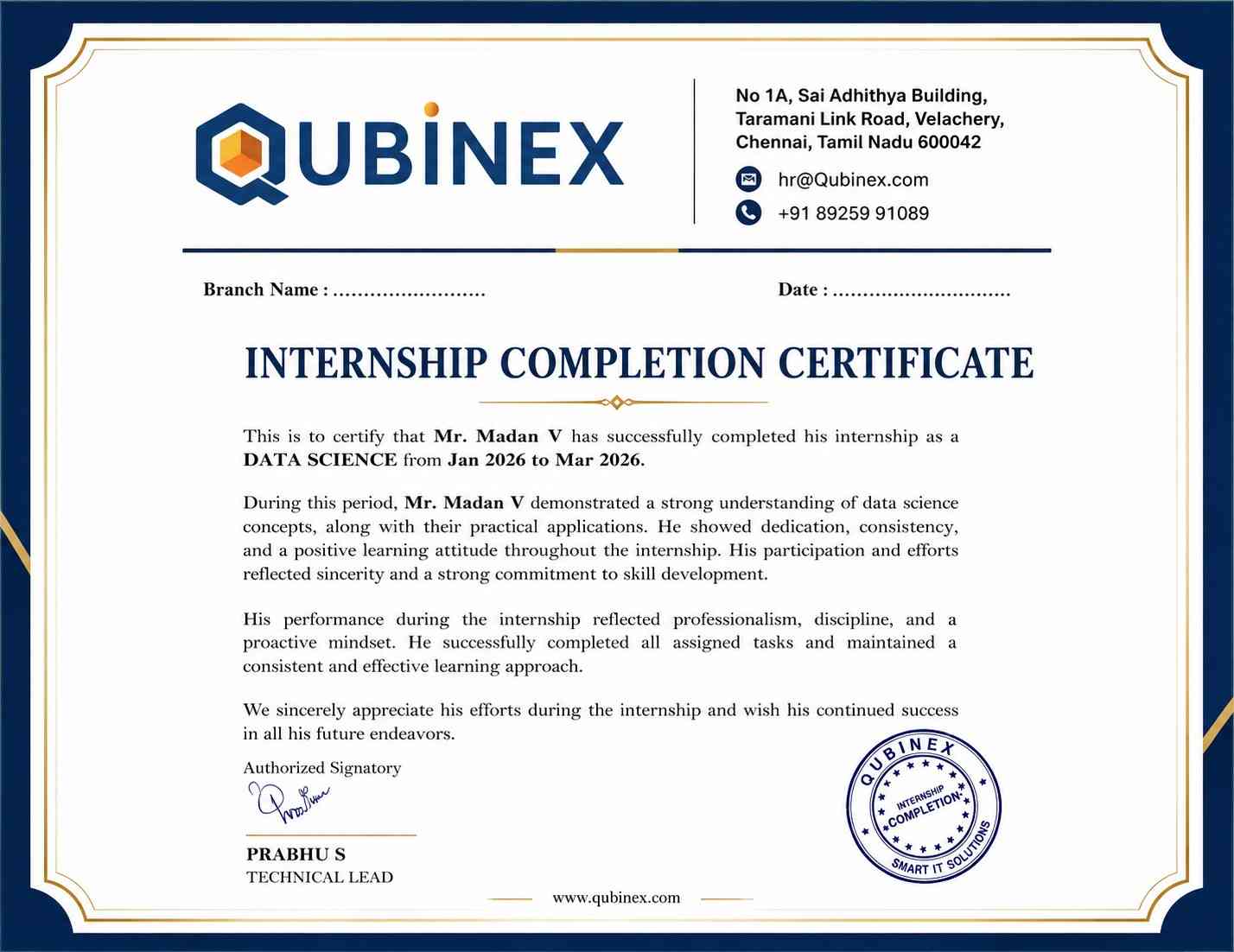
Intership
complete certification
Placement
complete certification
Our learners
transformed their careers

A majority of our alumni
fast-tracked into managerial careers.
Get inspired by their progress in the Career Growth Report.
Our Student Successful Story
 Regular 1:1 Mentorship From Industry Experts
Live Classes
Career Support
Regular 1:1 Mentorship From Industry Experts
Live Classes
Career Support

Sandeep Kumar D
Software Engineer, Cisco Systems )

Vinoth P
UI Developer, TCS
Vijeyalakshme kannan
QA Engineer, Amazon Development Center
Pranav Srinivas
Software Testing, Capgemini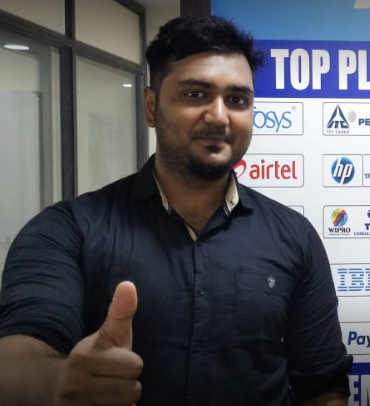
Prasanna
SAP Admin, HCLHow are the Oracle Solaris Course with LearnoVita Different?
Feature
LearnoVita
Other Institutes
Affordable Fees
Competitive Pricing With Flexible Payment Options.
Higher Oracle Solaris Fees With Limited Payment Options.
Live Class From ( Industry Expert)
Well Experienced Trainer From a Relevant Field With Practical Oracle Solaris Training
Theoretical Class With Limited Practical
Updated Syllabus
Updated and Industry-relevant Oracle Solaris Course Curriculum With Hands-on Learning.
Outdated Curriculum With Limited Practical Training.
Hands-on projects
Real-world Oracle Solaris Projects With Live Case Studies and Collaboration With Companies.
Basic Projects With Limited Real-world Application.
Certification
Industry-recognized Oracle Solaris Certifications With Global Validity.
Basic Oracle Solaris Certifications With Limited Recognition.
Placement Support
Strong Placement Support With Tie-ups With Top Companies and Mock Interviews.
Basic Placement Support
Industry Partnerships
Strong Ties With Top Tech Companies for Internships and Placements
No Partnerships, Limited Opportunities
Batch Size
Small Batch Sizes for Personalized Attention.
Large Batch Sizes With Limited Individual Focus.
Additional Features
Lifetime Access to Oracle Solaris Course Materials, Alumni Network, and Hackathons.
No Additional Features or Perks.
Training Support
Dedicated Mentors, 24/7 Doubt Resolution, and Personalized Guidance.
Limited Mentor Support and No After-hours Assistance.
Oracle Solaris Course FAQ's
- LearnoVita is dedicated to assisting job seekers in seeking, connecting, and achieving success, while also ensuring employers are delighted with the ideal candidates.
- Upon successful completion of a career course with LearnoVita, you may qualify for job placement assistance. We offer 100% placement assistance and maintain strong relationships with over 650 top MNCs.
- Our Placement Cell aids students in securing interviews with major companies such as Oracle, HP, Wipro, Accenture, Google, IBM, Tech Mahindra, Amazon, CTS, TCS, Sports One , Infosys, MindTree, and MPhasis, among others.
- LearnoVita has a legendary reputation for placing students, as evidenced by our Placed Students' List on our website. Last year alone, over 5400 students were placed in India and globally.
- We conduct development sessions, including mock interviews and presentation skills training, to prepare students for challenging interview situations with confidence. With an 85% placement record, our Placement Cell continues to support you until you secure a position with a better MNC.
- Please visit your student's portal for free access to job openings, study materials, videos, recorded sections, and top MNC interview questions.

- Build a Powerful Resume for Career Success
- Get Trainer Tips to Clear Interviews
- Practice with Experts: Mock Interviews for Success
- Crack Interviews & Land Your Dream Job
Global Quality Training
At The Lowest Fees & Expert Trainer








Need custom pricing?

