Home » Others Courses » Other Courses Online » Azure Data Engineer Training in HSR Layout

Azure Data Engineer Training in HSR Layout

(4.5) 16000 Ratings
  • Enroll in the Best Azure Data Engineer Training in HSR Layout to Master Azure Data Engineering.
  • Flexible Learning Options: Weekday, Weekend, and Fast-Track Azure Data Engineer Training Batches.
  • Build Job-Ready Azure Data Engineering Skills with Complete Practical Experience through Real-World Projects.
  • Learn Azure Data Engineering, Data Warehousing, ETL, Data Integration, Databricks, and Cloud Data Management.
  • Hands-On Training with Industry-Based Projects and Guidance from Experienced Azure Data Engineering Professionals.
  • Advance Your Career with Resume Building and Expert Support in Azure Data Engineering, and Microsoft Azure.

Course Duration

50+ Hrs

Live Project

3 Project

Certification Pass

Guaranteed

Training Format

Live Online (Expert Trainers)
Quality Training With Affordable Fee

⭐ Fees Starts From

INR 38,000
INR 18,500

11237+

Professionals Trained

9+

Batches every month

3010+

Placed Students

260+

Corporate Served

What You'll Learn

The Azure Data Engineer Training in HSR Layout provides comprehensive knowledge of Azure data engineering, cloud data platforms, data integration, data processing, data warehousing, and analytics solutions.

Understand the fundamentals of Azure Data Engineering, including Azure Data Factory, Azure Storage, Azure SQL Database, data lakes, data warehouses, data pipelines, and cloud-based data architecture.

Develop practical skills in data ingestion, ETL and ELT processes, data transformation, pipeline development, data integration, data migration, data quality, and cloud data processing.

Gain hands-on expertise in Azure Data Factory, Azure Data Lake Storage, Azure Synapse Analytics, Azure Databricks, Azure SQL, Data Pipelines, Data Transformation, and Data Integration.

Explore advanced concepts such as Databricks and Spark processing, data lake architecture, real-time data processing, orchestration, data security, monitoring, optimization, and scalable cloud data solutions.

Complete the program with practical Azure Data Engineer training to strengthen career opportunities in Azure data engineering, cloud data platforms, data analytics, data warehousing, and related technology roles.

Comprehensive Overview of Azure Data Engineer Training

The Azure Data Engineer Training in HSR Layout is designed to help learners build practical expertise in cloud data engineering, including data pipelines, ETL and ELT processes, data integration, data transformation, and scalable Azure data platforms. Through hands-on Azure Data Engineer training in HSR Layout, participants gain practical exposure to real-world projects, industry-oriented exercises, cloud-based data workflows, and guided implementation sessions. The Azure Data Engineer Certification Course in HSR Layout offers flexible learning options, including online and instructor-led training, allowing learners to choose a format that suits their requirements. The program strengthens skills in Azure data services, cloud storage, data processing, data warehousing, data integration, and pipeline development, helping participants develop job-ready capabilities for opportunities in cloud data engineering and related technology domains.

Additional Info

Future Trends for Azure Data Engineer Training in HSR Layout

  • Real-Time Data Streaming Evolution: Training increasingly focuses on real-time streaming, where data is processed as it is generated. Learners explore continuous data flows from applications and devices, enabling faster analytics, quicker decisions, and timely business insights across modern enterprises.
  • AI-Driven Data Engineering: AI is becoming important in data engineering, helping automate pipelines, optimize workflows, identify patterns, and improve data quality. Learners explore AI-enabled services that reduce manual tasks and support efficient, intelligent data processing at scale.
  • Cloud-Native Data Architecture: Modern data engineering is moving toward cloud-native architectures designed for scalable environments. Learners study flexible data solutions, faster pipeline deployment, improved performance, and reduced infrastructure maintenance for complex enterprise systems.
  • Advanced Data Lake Optimization: Data lake optimization is gaining importance as organizations manage growing volumes of structured and unstructured data. Learners explore efficient storage, data organization, access control, and query performance to support demanding enterprise analytics workloads.
  • Serverless Data Processing: Serverless data processing is changing how modern pipelines are built by reducing infrastructure management. Learners explore scalable workflows where cloud services handle resource allocation automatically, supporting faster deployment and efficient data operations.
  • Data Security and Governance Enhancements: Data security and governance remain essential in cloud data engineering. Learners study encryption, access control, monitoring, compliance, and governance practices that protect sensitive information and support secure, reliable enterprise data ecosystems effectively.
  • Automated Data Pipeline Orchestration: Automated pipeline orchestration manages data movement and transformation with minimal manual intervention. Learners explore scheduling, monitoring, dependencies, and error handling to improve efficiency, consistency, and reliability across enterprise data workflows.
  • Hybrid Data Integration Models: Hybrid integration combines on-premises and cloud data environments to support flexible enterprise architectures. Learners explore synchronization, connectivity, migration, and management across platforms, helping organizations maintain access and control during cloud adoption.
  • Machine Learning Data Pipelines: Machine learning is becoming closely connected with data engineering as pipelines prepare data for model training and deployment. Learners explore data preparation, feature engineering, scalable workflows, and integration with machine learning systems for predictive analytics.
  • Edge Data Processing Expansion: Edge data processing is growing as organizations need faster insights from devices and distributed systems. Learners explore processing data closer to its source, reducing latency and supporting real-time applications across IoT and other high-speed environments.

Tools and Technologies for Azure Data Engineer Training

  • Azure Data Factory: Azure Data Factory is a key service for creating and managing data pipelines. Learners understand how to connect multiple data sources, automate data movement, build workflows, and perform transformations. It supports efficient integration and reliable data processing across enterprise environments.
  • Azure Synapse Analytics: Azure Synapse Analytics combines data warehousing and big data analytics capabilities. Learners explore large-scale data processing, complex queries, analytical workloads, and scalable reporting. It helps organizations manage enterprise datasets efficiently while supporting advanced analytics and business intelligence requirements.
  • Azure Data Lake Storage: Azure Data Lake Storage provides scalable storage for structured, semi-structured, and unstructured data. Learners understand data organization, secure access, storage management, and efficient retrieval. It supports large-scale analytics workloads and forms an important part of modern cloud data architectures.
  • Azure Databricks: Azure Databricks is a collaborative analytics platform built around Apache Spark for large-scale data processing. Learners explore data transformation, distributed computing, real-time analytics, and machine learning workflows. It supports efficient processing of complex datasets across modern data engineering projects.
  • Azure SQL Database: Azure SQL Database is a managed relational database service used to store and process structured information. Learners develop SQL skills for querying, manipulating, and managing data while understanding availability, backups, security, and performance features required for enterprise database applications.
  • Azure Stream Analytics: Azure Stream Analytics enables real-time processing of continuous data streams from multiple sources. Learners explore event-based processing, live analytics, alerts, and dashboard integration. It supports applications requiring quick insights from streaming information, including IoT, monitoring, and operational data scenarios.
  • Azure Blob Storage: Azure Blob Storage provides scalable cloud storage for unstructured data such as documents, media, and application files. Learners understand storage organization, access management, security, and data retrieval. It supports reliable storage solutions for applications handling large volumes of cloud-based information.
  • Azure Data Explorer: Azure Data Explorer is designed for fast analysis of large volumes of structured and semi-structured data. Learners explore query techniques for logs, telemetry, and operational information. It supports rapid data investigation and helps organizations gain timely insights from high-volume datasets.
  • Azure Logic Apps: Azure Logic Apps helps automate workflows and connect applications, services, and data sources with minimal coding. Learners explore event-driven automation, service integration, workflow design, and process management. It supports efficient data operations and enterprise integration across cloud-based environments.
  • Power BI: Power BI transforms data into interactive reports, dashboards, and visual analytics. Learners explore data visualization, reporting, dashboard creation, and business intelligence techniques. It helps present complex information clearly, enabling organizations to identify trends, monitor performance, and support data-driven decisions.

Roles and Responsibilities for Azure Data Engineer Training

  • Azure Data Engineer: Azure Data Engineers design, build, and maintain scalable cloud data solutions using Azure services. They develop batch and real-time pipelines, integrate data sources, ensure data quality, and optimize systems for performance, scalability, reliability, and cost efficiency to support business analytics.
  • Data Pipeline Developer: Data Pipeline Developers create automated workflows that move data between systems using ETL and ELT technologies. They work with tools such as Azure Data Factory to extract, transform, and load information while monitoring pipelines, resolving errors, and maintaining reliable data movement across cloud environments.
  • Data Integration Specialist: Data Integration Specialists connect databases, applications, APIs, and cloud platforms into unified data environments. They manage synchronization, consistency, and data movement while integrating structured and unstructured information. Their work helps organizations create connected data ecosystems for analytics and operational requirements.
  • Cloud Data Architect: Cloud Data Architects design the overall structure of data platforms within Azure environments. They determine how information is stored, processed, secured, and accessed while selecting suitable cloud services. They also establish scalable, secure, and cost-efficient architectures and guide teams in implementing data solutions.
  • Data Warehouse Engineer: Data Warehouse Engineers develop centralized systems for storing and analyzing structured business data. They design schemas, optimize queries, manage data loading processes, and maintain data accuracy. Their work ensures reliable and accessible information for reporting, analytics, and business intelligence applications.
  • Big Data Engineer: Big Data Engineers process and manage large-scale datasets using distributed technologies such as Azure Databricks and Apache Spark. They develop scalable data solutions, transform complex datasets, optimize processing performance, and support real-time analytics for organizations handling high-volume and high-velocity information.
  • Data Analyst Engineer: Data Analyst Engineers analyze processed datasets to identify trends, patterns, and meaningful business insights. They create reports, dashboards, and analytical models while collaborating with data engineering teams. Their work helps organizations interpret reliable information and apply data-driven insights to business operations.
  • Cloud ETL Developer: Cloud ETL Developers design and maintain cloud-based pipelines that extract, transform, and load data for analytics. They clean and structure raw information, optimize workflows for performance and reliability, troubleshoot data movement issues, and prepare high-quality datasets for reporting and business intelligence systems.
  • Data Quality Engineer: Data Quality Engineers ensure organizational data remains accurate, consistent, complete, and reliable. They implement validation rules, monitor pipelines, identify data issues, and coordinate with engineering teams to resolve inconsistencies. Their work strengthens data governance and improves confidence in enterprise data systems.
  • BI Data Engineer: BI Data Engineers prepare and optimize data for business intelligence platforms such as Power BI. They transform raw information into analytics-ready datasets, improve query performance, and support dashboard development. Their work connects data engineering processes with reporting requirements and business intelligence initiatives.

Companies Hiring Azure Data Engineer Professionals

  • Microsoft: Microsoft hires Azure Data Engineer professionals to develop and manage cloud data platforms, analytics solutions, and scalable pipelines. Engineers work with Azure Data Factory, Databricks, Synapse, and other services to support enterprise data processing, integration, and cloud-based analytics initiatives.
  • Amazon Web Services (AWS): AWS employs data engineering professionals for hybrid cloud, migration, and enterprise data projects. Azure expertise can support cross-cloud integration initiatives where teams connect Azure services with other cloud platforms, focusing on scalable data pipelines, secure environments, performance optimization, and analytics workflows.
  • Google Cloud: Google Cloud offers data engineering opportunities involving large-scale processing, analytics, and machine learning data workflows. Professionals with Azure knowledge can contribute to hybrid and multi-cloud integration projects, building scalable pipelines and managing distributed data environments for advanced analytics and AI applications.
  • IBM: IBM engages Azure Data Engineer professionals in cloud modernization, enterprise data transformation, and analytics initiatives. Engineers work on scalable pipelines, data integration, legacy system modernization, and secure cloud environments. Azure expertise supports projects focused on improving enterprise data platforms and digital transformation.
  • Accenture: Accenture employs Azure Data Engineers across consulting and enterprise technology projects. Professionals design cloud data architectures, develop integration workflows, transform datasets, and support analytics solutions for clients across industries. Strong Azure skills and problem-solving capabilities are relevant to large-scale digital transformation programs.
  • TCS (Tata Consultancy Services): TCS recruits Azure Data Engineers for cloud migration, data integration, and analytics projects across enterprise environments. Professionals develop scalable pipelines, manage structured and unstructured data, and implement Azure-based solutions that support cloud adoption, modernization, reporting, and data-driven business operations.
  • Infosys: Infosys provides opportunities for Azure Data Engineers working on cloud data management, enterprise analytics, and digital transformation projects. Professionals develop ETL pipelines, integrate data sources, and manage Azure services while supporting scalable data platforms and analytics solutions for global business requirements.
  • Wipro: Wipro hires Azure Data Engineers for cloud data processing, analytics, and enterprise modernization initiatives. Professionals design data architectures, develop and optimize pipelines, integrate multiple sources, and support cloud adoption projects. Azure knowledge contributes to delivering scalable and efficient data solutions for clients.
  • Cognizant: Cognizant recruits Azure Data Engineers for data modernization, cloud analytics, and business intelligence projects. Professionals develop and maintain data pipelines, improve data quality, and optimize processing performance. Their work supports enterprise transformation initiatives across industries using modern cloud data technologies.
  • Capgemini: Capgemini employs Azure Data Engineers for consulting, cloud transformation, and data engineering projects. Professionals design end-to-end pipelines, integrate enterprise systems, and develop scalable analytics solutions. Azure expertise supports secure cloud architectures and modern data platforms designed for diverse business and technology requirements.
View more

Azure Data Engineer Course Objectives

Learners can benefit from having basic knowledge of databases, SQL, and fundamental data concepts before starting the Azure Data Engineer training. Familiarity with Python or another programming language can make technical topics easier to understand. Basic awareness of cloud computing and data storage is also useful. Candidates from IT, computer science, data analytics, or related backgrounds may find the concepts easier to follow. However, beginners with logical thinking and a willingness to practice can also develop the required skills during the course.
The Azure Data Engineer course helps learners develop practical skills for designing, building, and managing cloud-based data solutions. It covers data integration, transformation, storage, processing, and pipeline development using Azure services. Participants gain hands-on experience with cloud data tools and learn to solve common data engineering challenges. The training also improves technical and analytical abilities while preparing learners for opportunities in cloud computing, data engineering, analytics, and related technology roles.
Azure Data Engineering plays an important role in modern organizations that depend on cloud platforms and data-driven operations. Businesses need professionals who can build reliable data pipelines, manage large datasets, and prepare information for analytics and reporting. Azure services are widely used for data storage, integration, processing, and business intelligence. Professionals with practical cloud data engineering skills can explore opportunities across technology, finance, healthcare, retail, manufacturing, and other data-intensive industries.
  • Growing adoption of cloud-based data engineering and analytics solutions
  • Increasing integration of artificial intelligence with data engineering workflows
  • Rising demand for real-time analytics and streaming data processing
  • Continued use of Azure services in enterprise cloud modernization projects
  • Expanding requirements for hybrid and multi-cloud data environments
Yes, learners can gain practical exposure through real-world and project-based Azure Data Engineer exercises during the training. Projects may involve developing data pipelines, processing large datasets, performing transformations, and working with Azure data services. This practical approach allows participants to apply concepts in realistic cloud environments and understand common industry scenarios. Hands-on project experience also helps improve technical confidence, troubleshooting abilities, and understanding of complete data engineering workflows.
  • Azure Data Factory for data integration and pipeline development
  • Azure Synapse Analytics and modern analytical data solutions
  • Azure Data Lake Storage for scalable data management
  • Azure Databricks and Apache Spark-based data processing
  • Azure SQL Database and cloud database management concepts
The Azure Data Engineer course can help improve career readiness, but completing a training program alone does not guarantee employment. Hiring decisions can depend on technical knowledge, practical project experience, communication abilities, interview performance, and employer requirements. Learners who consistently practice Azure services and build hands-on experience can strengthen their professional profiles. The course provides a foundation for exploring opportunities in cloud data engineering and related technology roles.
  • Practical understanding of cloud-based data engineering concepts
  • Hands-on exposure to Microsoft Azure data services and platforms
  • Career opportunities across cloud, data, analytics, and IT domains
  • Improved capabilities in designing and managing data pipelines
  • Experience with real-time analytics and large-scale data processing
Participants develop practical familiarity with Azure Data Factory, Azure Synapse Analytics, Azure Data Lake Storage, and Azure Databricks. The training may also cover Azure SQL Database, Azure Stream Analytics, and Power BI for data analysis and reporting. Additional exposure can include Azure Blob Storage, Azure Logic Apps, and Azure Data Explorer. Together, these technologies help learners understand data ingestion, storage, transformation, processing, analytics, integration, and reporting within the Microsoft Azure ecosystem.
  • Information technology, software development, and digital services
  • Banking, financial services, and insurance organizations
  • Healthcare, pharmaceuticals, and life sciences sectors
  • E-commerce, retail, and consumer-focused businesses
  • Manufacturing, engineering, and industrial organizations
  • Telecommunications and connected technology companies
view More view Less

Azure Data Engineer Course Benefits

Azure Data Engineer Training in HSR Layout is designed to help learners develop practical expertise in building scalable cloud-based data solutions using Microsoft Azure services. The program combines structured labs, hands-on cloud exercises, guided implementation sessions, and industry-focused projects to strengthen technical and problem-solving skills. Participants gain practical exposure through Azure Data Factory projects, data integration workflows, data transformation activities, data processing tasks, and cloud data pipeline development. The course also provides internship opportunities and placement support to help learners prepare for career opportunities in cloud data engineering, data analytics, and related technology domains.

  • Designation
  • Annual Salary
    Hiring Companies
  • 4.75L
    Min
  • 6.75L
    Average
  • 15.0L
    Max
  • 5.50L
    Min
  • 7.45L
    Average
  • 14.75L
    Max
  • 3.75L
    Min
  • 6.45L
    Average
  • 15.75L
    Max
  • 3.45L
    Min
  • 6.65L
    Average
  • 14.25L
    Max

About Azure Data Engineer Training

The Azure Data Engineer Training in HSR Layout is designed to provide comprehensive knowledge of cloud data engineering, data integration, data processing, data warehousing, and scalable data solutions using Microsoft Azure services. Learners develop practical expertise through hands-on Azure data engineering exercises, real-world cloud scenarios, case studies, project-based activities, and industry-focused assignments covering key areas such as Azure Data Engineering Fundamentals, Azure Data Factory, Azure Data Lake Storage, Azure SQL Database, Azure Synapse Analytics, Azure Databricks, Data Pipelines, ETL and ELT Processes, Data Transformation, Data Integration, Data Warehousing, Data Lake Architecture, Big Data Processing, Data Orchestration, Data Security, Monitoring, Performance Optimization, and Cloud Data Engineering Solutions.

Top Skills You Will Gain
  • Data Integration
  • Pipeline Orchestration
  • ETL Processes
  • Data Transformation
  • Cloud Storage
  • Monitoring Dashboards
  • Automation Scripting
  • Performance Tuning

12+ Azure Data Factory Tools

Online Classroom Batches Preferred

Weekdays (Mon - Fri)
12 - Oct - 2026
08:00 AM (IST)
Weekdays (Mon - Fri)
14 - Oct - 2026
08:00 AM (IST)
Weekend (Sat)
17 - Oct - 2026
11:00 AM (IST)
Weekend (Sun)
18 - Oct - 2026
11:00 AM (IST)
Can't find a batch you were looking for?
₹38,000 ₹18,500 10% OFF Expires in

No Interest Financing start at ₹ 5000 / month

Corporate Training

  • Customized Learning
  • Enterprise Grade Learning Management System (LMS)
  • 24x7 Support
  • Enterprise Grade Reporting

Not Just Studying
We’re Doing Much More!

Empowering Learning Through Real Experiences and Innovation

Hiring
Hiring
Hiring
Hiring
Hiring
Hiring
Hiring
User
User
User
User
User
User

Azure Data Engineer Course Curriculam

Trainers Profile

The Azure Data Engineer Training in HSR Layout is delivered by experienced trainers with practical expertise in cloud data engineering, data pipeline development, data integration, and large-scale data processing using Microsoft Azure technologies. Participants gain hands-on exposure through instructor-led sessions, practical exercises, cloud-based projects, and implementation-focused scenarios that help strengthen their technical, analytical, and problem-solving abilities. The program includes structured Azure Data Engineer training materials to support step-by-step learning of Azure Data Factory, Azure Synapse Analytics, Azure Databricks, Azure Data Lake Storage, data transformation, data integration, and pipeline development. Through project-based learning, practical demonstrations, and expert guidance, participants can develop relevant skills and confidence for opportunities in cloud data engineering, data analytics, data platforms, and enterprise data management.

Syllabus for Azure Data Engineer Training Download syllabus

  • Overview of Azure ecosystem
  • Data engineering fundamentals
  • Cloud computing basics
  • Role of data engineers
  • Types of data systems
  • Enterprise data flow concepts
  • Pipeline creation concepts
  • Data movement techniques
  • Activity configuration
  • Trigger setup methods
  • Data integration basics
  • Monitoring pipeline execution
  • Data lake architectur
  • Storage hierarchy design
  • File organization methods
  • Data access control
  • Large data handling techniques
  • Storage optimization concepts
  • Data warehouse concepts
  • Query execution methods
  • Data integration process
  • Analytical workspace setup
  • Performance tuning basics
  • Distributed query processing
  • SQL query fundamentals
  • Database creation steps
  • Data manipulation techniques
  • Table structure design
  • Indexing concepts
  • Query optimization methods
  • Spark cluster setup
  • Data processing workflows
  • Notebook usage methods
  • Data transformation steps
  • Distributed computing basics
  • Real-time processing flow
  • ETL process design
  • Data cleaning methods
  • Data mapping strategies
  • Structured data handling
  • Format conversion techniques
  • Workflow optimization
  • Streaming data concepts
  • Event-driven processing
  • Data ingestion methods
  • Live data handling
  • Stream analytics flow
  • Real-time monitoring
  • Source connection methods
  • API integration basics
  • Cross-platform data flow
  • System synchronization
  • Data consistency handling
  • Data encryption methods
  • Access control setup
  • Identity management basics
  • Secure data transfer
  • Authentication techniques
(15) view More view Less
Need customized curriculum?

REAL

start
STORIES SUCCESS INSPIRATION
CAREER
UPGRADE
sowmiya

sowmiya

CAREER
UPGRADE
Rajkumar

Rajkumar

CAREER
UPGRADE
Thon

Thon

CAREER
UPGRADE
lavanya

Lavanya

Industry Projects

Project 1
Real-Time Streaming Data System

This project involves creating a real-time data streaming pipeline using Azure services. Learners collect continuous data from multiple sources, process incoming information, and prepare it for analytics while developing practical skills in cloud-based data processing and storage.

Project 2
Cloud Data Warehouse Development

This project focuses on designing a scalable cloud data warehouse with Azure Synapse Analytics. Learners structure large datasets for efficient querying and reporting while gaining practical knowledge of data modeling, storage optimization, and analytical processing.

Project 3
Automated ETL Pipeline Development

This project enables learners to create automated ETL pipelines using Azure Data Factory. They extract source data, apply transformations, and load processed information into storage platforms, strengthening practical skills in workflow automation, data integration, and pipeline management.

Our Hiring Partner

Exam & Azure Data Engineer Certification

  • Basic Understanding of Data Engineering, Databases, and Cloud Computing Concepts
  • Familiarity with SQL, Data Pipelines, ETL Processes, and Data Integration is Helpful
  • Basic Knowledge of Data Warehousing, Data Lakes, Data Processing, and Analytics is Advantageous
  • Understanding of Microsoft Azure Services or Cloud Data Platforms is Helpful
  • No Prior Azure Data Engineering Experience Required for Beginner-Level Training
Azure Data Engineer certification demonstrates knowledge of cloud data engineering, data integration, data pipelines, data transformation, data warehousing, data lakes, and Microsoft Azure data services. It can strengthen professional credibility and support career opportunities in Azure data engineering, cloud data platforms, data analytics, data warehousing, and related technology roles.
Azure Data Engineer certification demonstrates knowledge of Azure data engineering concepts and cloud data technologies. While certification alone does not guarantee employment, combining it with hands-on Azure Data Factory, Azure Databricks, Azure Synapse Analytics, data pipelines, ETL processes, data integration, data transformation, and practical Azure data engineering projects can support career opportunities in Azure and related roles.
  • Azure Data Engineer
  • Cloud Data Engineer
  • Azure Data Integration Engineer
  • Data Pipeline Developer
  • Azure Data Platform Engineer
  • Data Engineering Analyst
Azure Data Engineer certification helps professionals strengthen their skills in Azure Data Factory, Azure Data Lake Storage, Azure Synapse Analytics, Azure Databricks, data pipelines, ETL and ELT processes, data integration, data transformation, data warehousing, big data processing, data orchestration, security, monitoring, and cloud data architecture. It supports career development by preparing learners for opportunities involving Azure data engineering, cloud data platforms, data analytics, data warehousing, and enterprise data management.

MNC Recognized course
complete certification
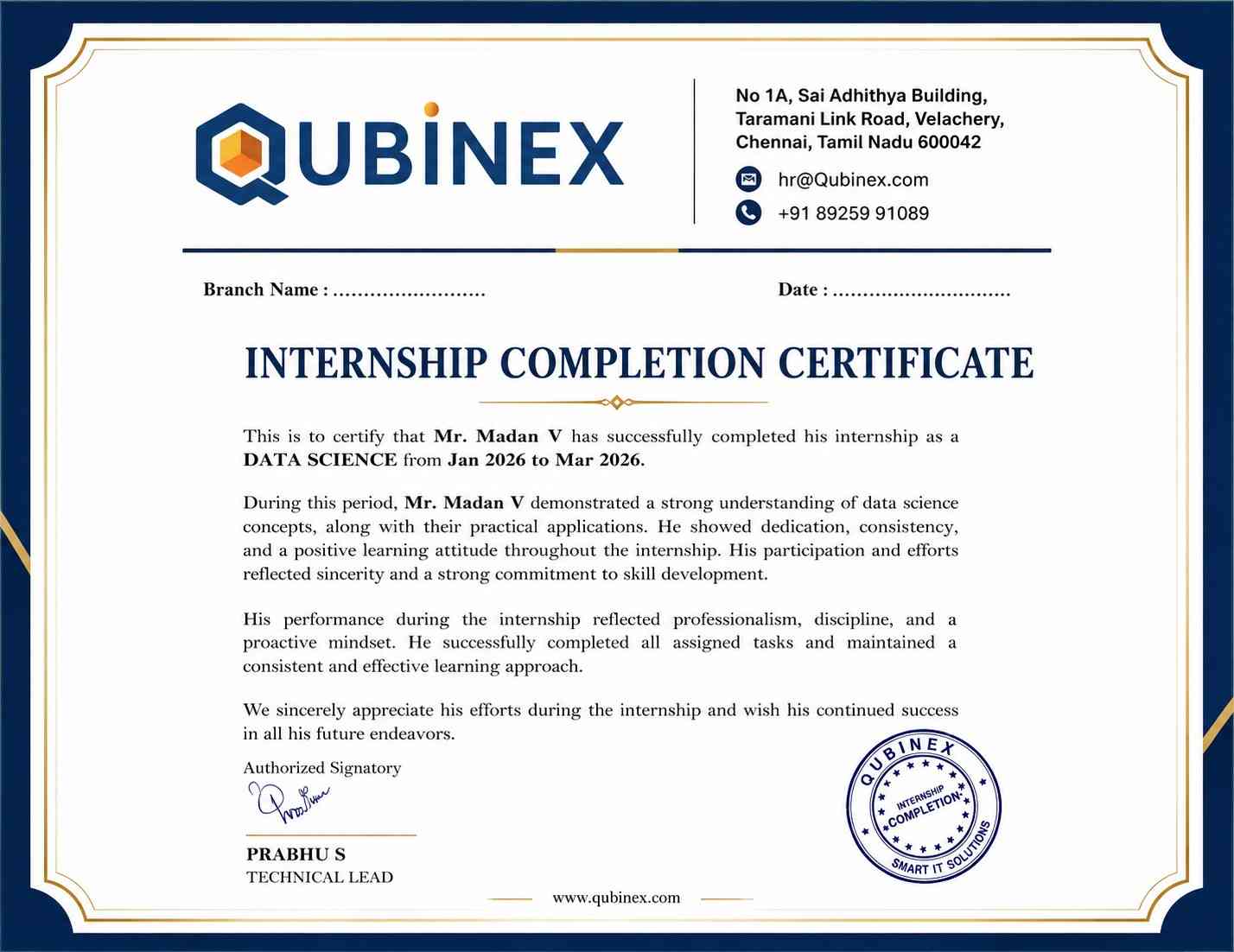
Intership
complete certification
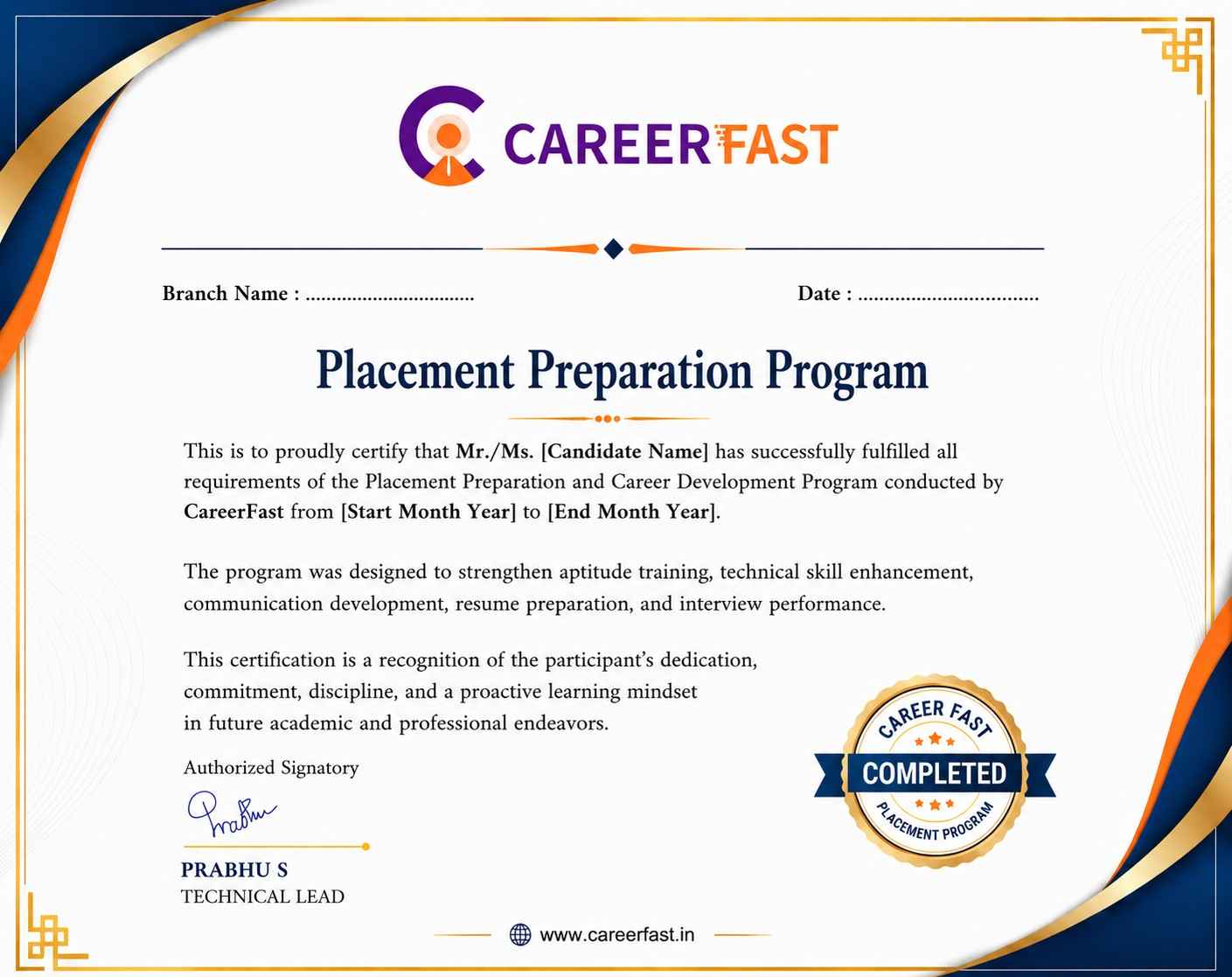
Placement
complete certification

Our learners
transformed their careers

35 Laks
Highest Salary Offered
50%
Average Salary Hike
30K+
Placed in MNC's
15+
Year's in Training
Our Alumni
Alumni

A majority of our alumni

fast-tracked into managerial careers.

Get inspired by their progress in the Career Growth Report.

Our Student Successful Story

checkimage Regular 1:1 Mentorship From Industry Experts checkimage Live Classes checkimage Career Support

How are the Azure Data Factory Course with LearnoVita Different?

Feature

LearnoVita

Other Institutes

Affordable Fees

Competitive Pricing With Flexible Payment Options.

Higher Azure Data Factory Fees With Limited Payment Options.

Live Class From ( Industry Expert)

Well Experienced Trainer From a Relevant Field With Practical Azure Data Factory Training

Theoretical Class With Limited Practical

Updated Syllabus

Updated and Industry-relevant Azure Data Factory Course Curriculum With Hands-on Learning.

Outdated Curriculum With Limited Practical Training.

Hands-on projects

Real-world Azure Data Factory Projects With Live Case Studies and Collaboration With Companies.

Basic Projects With Limited Real-world Application.

Certification

Industry-recognized Azure Data Factory Certifications With Global Validity.

Basic Azure Data Factory Certifications With Limited Recognition.

Placement Support

Strong Placement Support With Tie-ups With Top Companies and Mock Interviews.

Basic Placement Support

Industry Partnerships

Strong Ties With Top Tech Companies for Internships and Placements

No Partnerships, Limited Opportunities

Batch Size

Small Batch Sizes for Personalized Attention.

Large Batch Sizes With Limited Individual Focus.

Additional Features

Lifetime Access to Azure Data Factory Course Materials, Alumni Network, and Hackathons.

No Additional Features or Perks.

Training Support

Dedicated Mentors, 24/7 Doubt Resolution, and Personalized Guidance.

Limited Mentor Support and No After-hours Assistance.

Azure Data Factory Course FAQ's

Yes, learners can explore a demo session before enrolling. Live sessions may have limited availability to maintain an effective learning environment. If you are unable to attend a live demo, you can access a pre-recorded session conducted by the trainer to understand the teaching approach, course structure, interaction style, and overall training experience.
The instructors are experienced industry professionals with practical knowledge of Azure Data Factory, cloud data engineering, data integration, and enterprise data solutions. Their industry exposure helps learners understand technical concepts through practical examples, real-world scenarios, and project-based exercises.
  • Placement assistance is provided to help learners explore relevant job opportunities and connect with potential employers.
  • After completing the course, eligible learners can receive support with job applications, interview opportunities, and career preparation based on their skills and experience.
  • The Placement Cell supports learners with interview opportunities across technology, cloud computing, data engineering, and analytics organizations.
  • Career guidance and job support are provided based on individual profiles, technical capabilities, experience, and employer requirements.
  • Training includes career development activities such as mock interviews, resume preparation, and presentation skills to help learners approach interviews with greater confidence.
  • Learners can access relevant job openings, study materials, training videos, recorded sessions, and interview preparation resources through the student portal.
Upon successful completion of the Azure Data Factory course, learners may receive a course completion certificate. The training also helps participants understand the concepts and skills required for relevant Microsoft Azure certification exams. Guidance can be provided on certification preparation, exam topics, and practical Azure Data Factory skills.
Yes, the training includes practical and industry-oriented projects that allow learners to apply Azure Data Factory concepts in realistic scenarios. Projects may cover data integration, ETL pipeline development, data transformation, workflow automation, and cloud data processing to strengthen practical knowledge and project experience.
Learners can choose from instructor-led online training, self-paced learning, classroom training, one-to-one sessions, fast-track programs, customized training, and online learning options. These formats provide flexibility and allow participants to select a training mode based on their schedule, learning preferences, technical background, and career objectives in Azure Data Factory.
If you miss a class, you can use different options to catch up with the topics covered. Depending on the training schedule, you may receive access to class presentations and recorded sessions, attend the missed topic in another available batch, or coordinate with the training team for a suitable catch-up arrangement within the course duration.
For additional questions about the Azure Data Factory course, training schedule, fees, projects, certification, or enrollment process, you can contact the training support team for further information and clarification.
You can register for the Azure Data Factory Course through the training provider's website or contact the enrollment team for assistance with registration, batch schedules, course details, and available training options.
Yes, enrolled learners can access course materials, learning resources, training videos, recorded sessions, and interview preparation content through the student portal, subject to the access terms provided by the training program.
The Azure Data Factory Course is conducted with a limited batch size to encourage individual attention and meaningful interaction. Smaller groups allow learners to ask questions, clarify complex concepts, participate in practical exercises, and receive guidance from instructors during the training sessions.
Salary for Azure Data Factory professionals in India varies based on experience, technical skills, location, job role, organization, and project expertise. Professionals with relevant Azure data engineering skills may find opportunities across cloud data engineering, data integration, analytics, and data platform roles.
view More view Less
Career Assistance
  • Build a Powerful Resume for Career Success
  • Get Trainer Tips to Clear Interviews
  • Practice with Experts: Mock Interviews for Success
  • Crack Interviews & Land Your Dream Job
100% JOB GUARANTEE

Global Quality Training
At The Lowest Fees & Expert Trainer

AVAILABLE IN:
India Canada USA Singapore UAE Australia EU Germany

Need custom pricing?

4.9/5 from 50k+ students
Acte Technologies WhatsApp
Call Us! Chat With Us