
CCNA Course in Anna Nagar
 17649
17649 Ratings


- Our CCNA Training in Anna Nagar Covers Networking Fundamentals, Routing, Switching, and IP Addressing.
- Gain Hands-On Networking Experience Through Practical Lab Sessions, Real-Time Exercises, and Expert-Led Training.
- Choose Weekday, Weekend, or Fast-Track Training Batches Based on Your Learning Preferences and Availability.
- Prepare for the CCNA Certification with Complete Placement Support and Career Guidance.
- Receive Expert Assistance to Create a Strong Resume and Enhance Your Technical Interview Skills.
- Join the CCNA Training Institute in Anna Nagar to Master Network Configuration, Troubleshooting.
Course Duration
55+ HrsLive Project
3 ProjectCertification Pass
GuaranteedTraining Format
Live Online (Expert Trainers)Quality Training With Affordable Fee
 Fees Starts From

11420+
Professionals Trained
12+
Batches every month
2574+
Placed Students
236+
Corporate ServedWhat You'll Learn
Explore the fundamentals of computer networking with CCNA Training in Anna Nagar, designed for students, graduates, and working professionals.
Learn key CCNA concepts including networking fundamentals, IP addressing, routing, switching, network security, and wireless technologies.
Gain practical experience through real-time networking projects, hands-on labs, Cisco simulations, configuration exercises, and troubleshooting scenarios.
Master Cisco networking concepts through our CCNA Course in Anna Nagar covering LAN, WAN, VLAN, TCP/IP, routers, switches, and network management.
Advance from beginner to professional-level networking skills for managing, configuring, and securing modern IT infrastructure.
Develop the expertise needed to install, maintain, and troubleshoot networks while preparing for career opportunities in networking and IT support.
CCNA Course Objectives
- Basic computer knowledge
- Interest in networking technologies
- Logical thinking and problem-solving skills
- Basic understanding of internet concepts
- Networking Fundamentals
- Routing and Switching
- IP Addressing
- Network Security Basics
- Network Troubleshooting
- Information Technology
- Telecommunications
- Banking and Finance
- Healthcare Services
- Cisco Packet Tracer
- Cisco IOS
- Wireshark
- GNS3
- PuTTY
Request more informations
WhatsApp (For Call & Chat):
+91 72003 88604
CCNA Course Benefits
The CCNA Training in Anna Nagar provides practical learning that helps learners understand networking concepts, routing, switching, and network security used in modern IT environments. Through hands-on CCNA training sessions, participants gain experience in network configuration, troubleshooting, IP addressing, and infrastructure management. The CCNA Certification Course in Anna Nagar is guided by experienced trainers who explain technical concepts clearly and provide career-focused guidance. The CCNA Course includes real-time CCNA Projects and exposure to popular CCNA Tools such as Cisco Packet Tracer, Wireshark, GNS3, and Cisco IOS to develop practical networking skills and confidence.
- Designation
-
Annual SalaryHiring Companies








About Your CCNA Certification Training
Our CCNA Certification Course in Anna Nagar provides a strong foundation in computer networking, helping learners understand network fundamentals, routing, switching, IP addressing, and network security concepts used in modern IT environments. The CCNA Course includes practical learning through real-time CCNA Projects, allowing participants to gain hands-on experience in network configuration, troubleshooting, device management, and infrastructure setup. With trainer-led sessions, interactive labs, and real-world networking scenarios, learners can develop the technical skills required for CCNA roles. The program also offers guidance on CCNA Internships and career opportunities to help learners confidently begin their journey in the networking domain.
Top Skills You Will Gain
- Network Basics
- Routing
- Switching
- IP Addressing
- Network Security
- Troubleshooting
- Wireless Networking
- Network Configuration
12+ CCNA Tools
Online Classroom Batches Preferred
No Interest Financing start at ₹ 5000 / month
Corporate Training
- Customized Learning
- Enterprise Grade Learning Management System (LMS)
- 24x7 Support
- Enterprise Grade Reporting
Not Just Studying
We’re Doing Much More!
Empowering Learning Through Real Experiences and Innovation










CCNA Course Curriculum
Trainers Profile
Our CCNA Certification Course in Anna Nagar is delivered by experienced networking professionals with in-depth knowledge of Cisco technologies, routing, switching, and network security. The trainers help learners build a solid understanding of networking concepts through practical lab sessions, live demonstrations, and real-world networking scenarios. The course includes structured study materials, hands-on configuration exercises, and industry-based projects to strengthen technical skills. Every networking concept is explained in a simple and practical manner, making it suitable for both beginners and IT professionals. The CCNA trainers also provide expert guidance on IP addressing, router and switch configuration, network troubleshooting, VLANs, wireless networking, and security fundamentals to prepare learners for real-world networking roles.
Syllabus for CCNA Course in Anna Nagar Download syllabus
- Introduction to computer networks
- OSI reference model
- TCP/IP protocol suite
- Network topologies
- Types of network devices
- Network communication basics
- IPv4 addressing
- IPv6 fundamentals
- Subnetting concepts
- Variable Length Subnet Masking
- Default gateway configuration
- Address assignment methods
- IP troubleshooting
- Router functions
- Static routing
- Dynamic routing basics
- Routing protocols overview
- Route selection process
- Default routes
- Routing table analysis
- Router configuration
- Switch operations
- MAC address table
- VLAN configuration
- Inter-VLAN communication
- Trunking concepts
- Spanning Tree Protocol
- DHCP configuration
- DNS overview
- NAT concepts
- NTP services
- FTP and TFTP
- SNMP basics
- Syslog monitoring
- Security fundamentals
- Access Control Lists
- Port security
- Device hardening
- Authentication methods
- Secure remote access
- Firewall basics
- Security monitoring
- Wireless standards
- Wireless LAN setup
- Access point configuration
- Wireless security
- SSID management
- Wireless troubleshooting
- Introduction to automation
- Software-defined networking
- REST API basics
- JSON fundamentals
- Automation concepts
- Configuration management
- Network programmability
- Connectivity testing
- Ping and Traceroute
- Interface troubleshooting
- Routing issue analysis
- Switch diagnostics
- Performance monitoring
- Log analysis
- Fault resolution
- Initial device setup
- IOS management
- Configuration backup
- Password protection
- SSH configuration
- System maintenance
- WAN concepts
- PPP configuration
- VPN basics
- MPLS overview
- Broadband connections
- WAN troubleshooting
- Remote connectivity
Request more informations
WhatsApp (For Call & Chat):
+91 72003 88604
REAL

UPGRADE

sowmiya

UPGRADE

Rajkumar

UPGRADE

Thon
UPGRADE

Lavanya

Industry Projects
Exam & CCNA Certification
- Network Administrator
- Network Engineer
- Network Support Engineer
- NOC Engineer
- Network Security Analyst
- Basic understanding of computer fundamentals
- Interest in networking technologies
- Familiarity with operating systems and IT concepts is helpful
- Knowledge of network basics is an advantage
- No previous networking experience is required
- Interest in building a career in networking and IT infrastructure
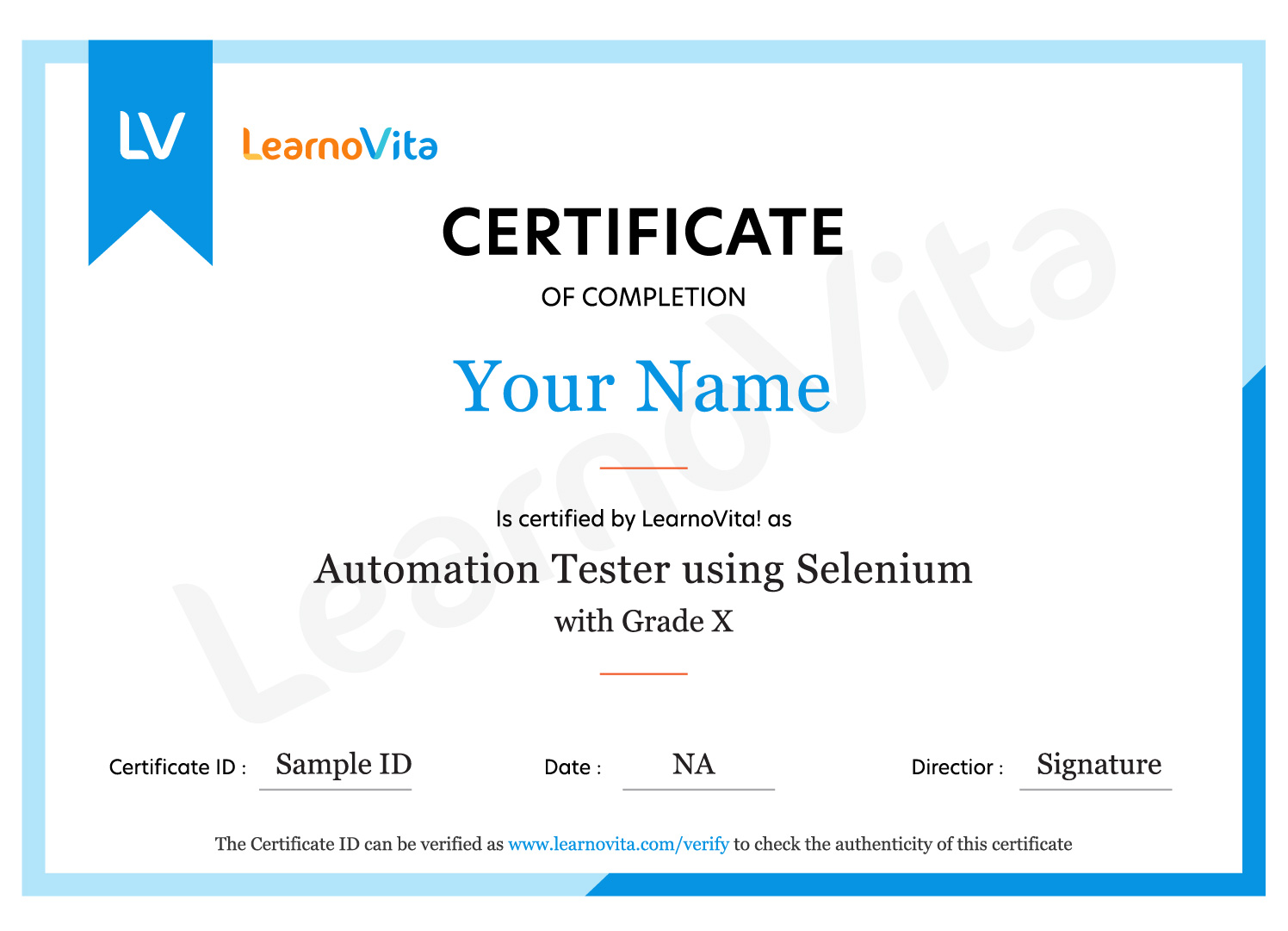
MNC Recognized course
complete certification
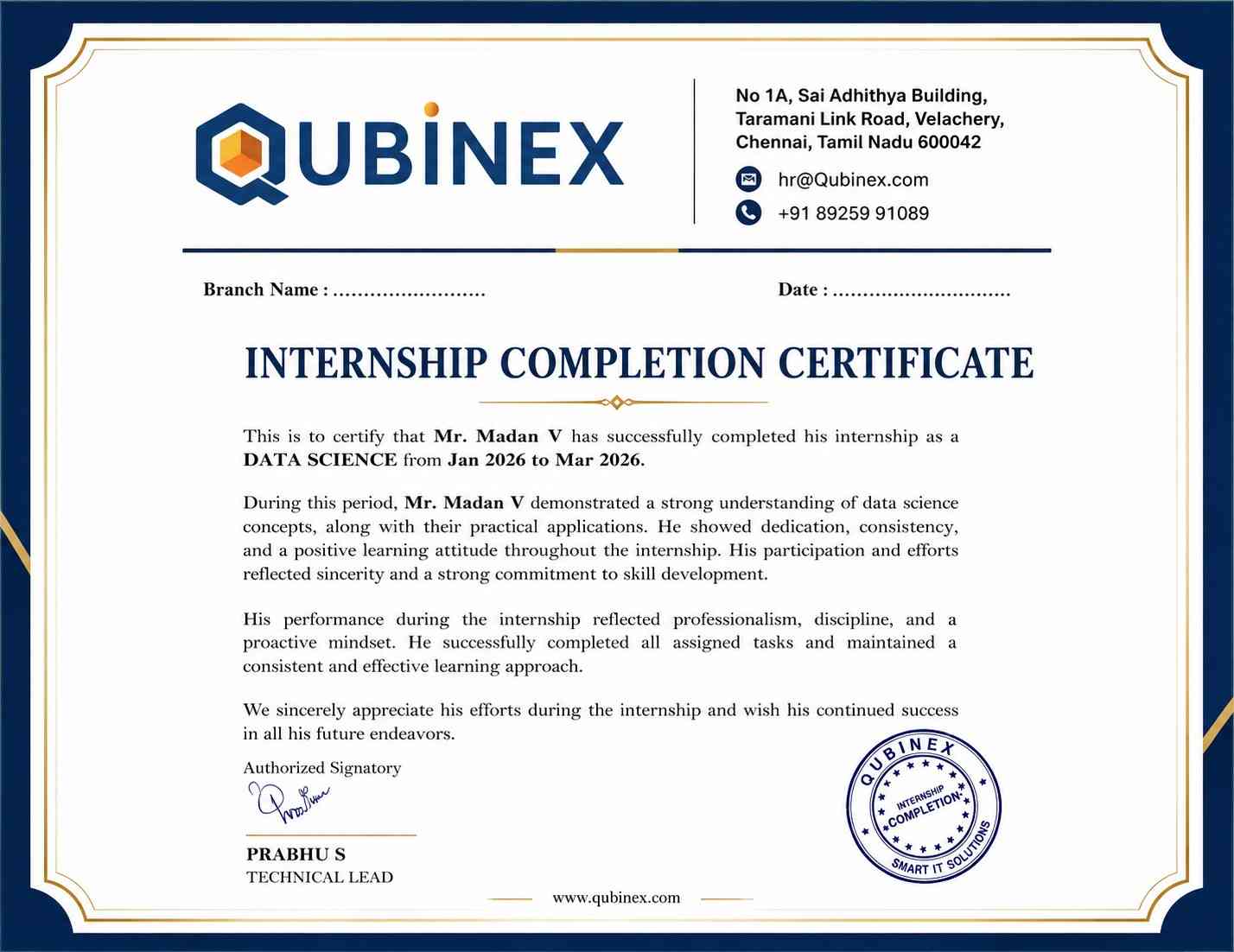
Intership
complete certification
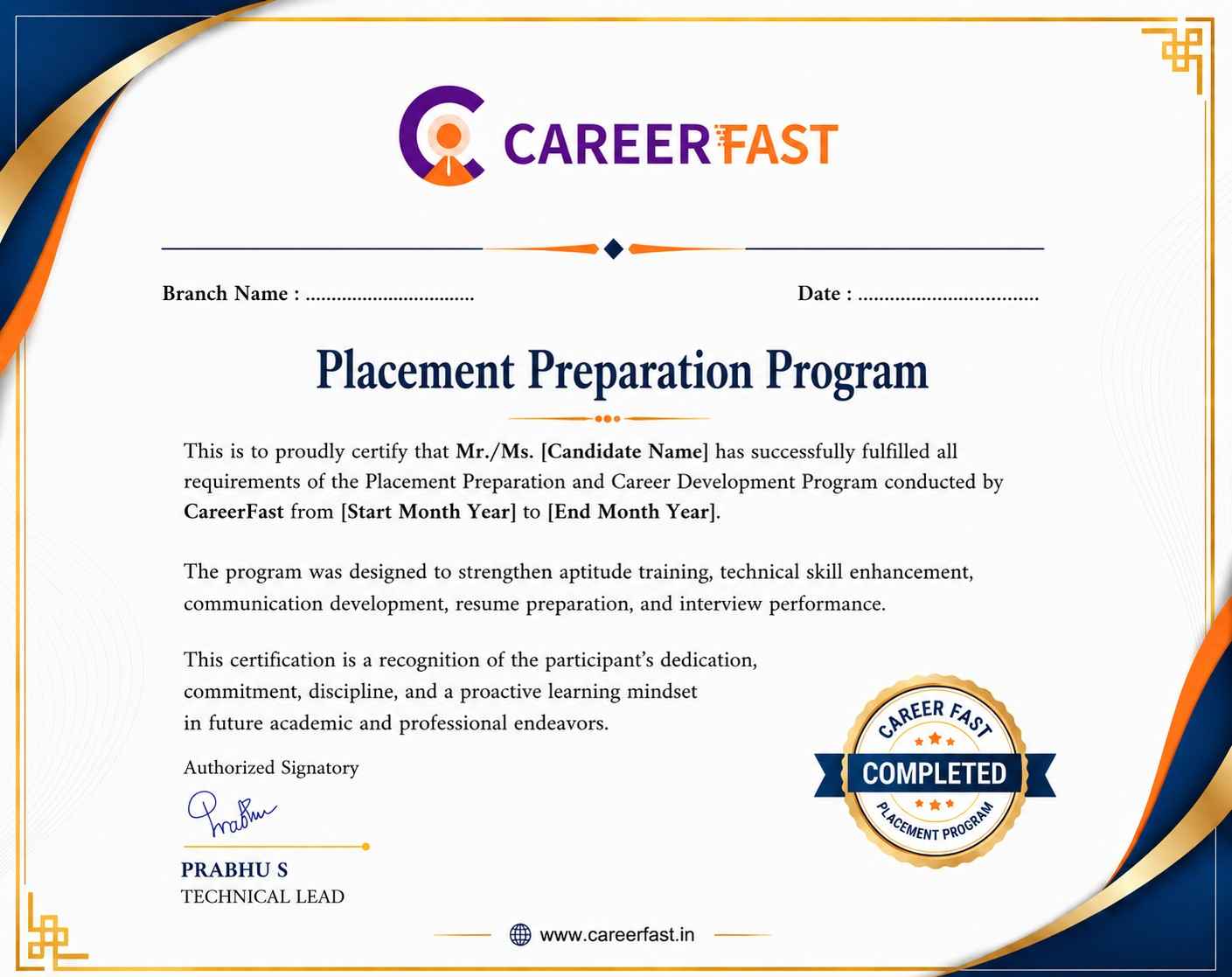
Placement
complete certification
Our learners
transformed their careers

A majority of our alumni
fast-tracked into managerial careers.
Get inspired by their progress in the Career Growth Report.
Our Student Successful Story
 Regular 1:1 Mentorship From Industry Experts
Live Classes
Career Support
Regular 1:1 Mentorship From Industry Experts
Live Classes
Career Support

Sandeep Kumar D
Software Engineer, Cisco Systems )

Vinoth P
UI Developer, TCS
Vijeyalakshme kannan
QA Engineer, Amazon Development Center
Pranav Srinivas
Software Testing, Capgemini
Prasanna
SAP Admin, HCLHow are the CCNA Course with LearnoVita Different?
Feature
LearnoVita
Other Institutes
Affordable Fees
Competitive Pricing With Flexible Payment Options.
Higher CCNA Fees With Limited Payment Options.
Live Class From ( Industry Expert)
Well Experienced Trainer From a Relevant Field With Practical CCNA Training
Theoretical Class With Limited Practical
Updated Syllabus
Updated and Industry-relevant CCNA Course Curriculum With Hands-on Learning.
Outdated Curriculum With Limited Practical Training.
Hands-on projects
Real-world CCNA Projects With Live Case Studies and Collaboration With Companies.
Basic Projects With Limited Real-world Application.
Certification
Industry-recognized CCNA Certifications With Global Validity.
Basic CCNA Certifications With Limited Recognition.
Placement Support
Strong Placement Support With Tie-ups With Top Companies and Strong Mock Interviews.
Basic Placement Support
Industry Partnerships
Strong Ties With Top Tech Companies for Internships and Placements
No Partnerships, Limited Opportunities
Batch Size
Small Batch Sizes for Personalized Attention.
Large Batch Sizes With Limited Individual Focus.
Additional Features
Lifetime Access to CCNA Course Materials, Alumni Network, and Hackathons.
No Additional Features or Perks.
Training Support
Dedicated Mentors, 24/7 Doubt Resolution, and Personalized Guidance.
Limited Mentor Support and No After-hours Assistance.
CCNA Course FAQ's
- LearnoVita is dedicated to assisting job seekers in seeking, connecting, and achieving success, while also ensuring employers are delighted with the ideal candidates.
- Upon successful completion of a career course with LearnoVita, you may qualify for job placement assistance. We offer 100% placement assistance and maintain strong relationships with over 650 top MNCs.
- Our Placement Cell aids students in securing interviews with major companies such as Oracle, HP, Wipro, Accenture, Google, IBM, Tech Mahindra, Amazon, CTS, TCS, HCL, Infosys, MindTree, and MPhasis, among others.
- LearnoVita has a legendary reputation for placing students, as evidenced by our Placed Students' List on our website. Last year alone, over 5400 students were placed in India and globally.
- We conduct development sessions, including mock interviews and presentation skills training, to prepare students for challenging interview situations with confidence. With an 85% placement record, our Placement Cell continues to support you until you secure a position with a better MNC.
- Please visit your student's portal for free access to job openings, study materials, videos, recorded sections, and top MNC interview questions.

- Build a Powerful Resume for Career Success
- Get Trainer Tips to Clear Interviews
- Practice with Experts: Mock Interviews for Success
- Crack Interviews & Land Your Dream Job
Global Quality Training
At The Lowest Fees & Expert Trainer








Need custom pricing?

