Home » Others Courses » Clinical SAS Course in Marathahalli

Clinical SAS Course in Marathahalli

(4.9) 12865 Ratings
  • Learn clinical data analysis with the Clinical SAS Course in Marathahalli.
  • Master SAS programming, SDTM, ADaM, and statistical analysis.
  • Gain practical experience through clinical research projects and data validation.
  • Ideal for graduates, life science professionals, and aspiring Clinical SAS programmers.
  • Choose weekday, weekend, or fast-track batches to suit your schedule.
  • Access placement assistance, interview preparation, and certification guidance.

Course Duration

45+ Hrs

Live Project

3 Project

Certification Pass

Guaranteed

Training Format

Live Online (Expert Trainers)
Quality Training With Affordable Fee

⭐ Fees Starts From

INR 38,000
INR 18,500

10987+

Professionals Trained

9+

Batches every month

2036+

Placed Students

203+

Corporate Served

What You'll Learn

Explore SAS programming, clinical data analysis, statistics, and pharmaceutical research through practical Clinical SAS training in Marathahalli.

Practice SAS datasets, data steps, procedures, functions, formats, and macros to understand clinical data processing and programming techniques.

Learn SDTM, ADaM, trial data analysis, validation methods, and statistical reporting to create accurate tables, listings, and figures in clinical SAS.

Strengthen technical abilities through Clinical SAS projects involving dataset preparation, data analysis, reporting, and clinical research scenarios.

Understand macro programming, SQL procedures, data quality checks, regulatory requirements, and clinical trial submission workflows.

Prepare for Clinical SAS careers in Marathahalli by developing skills for roles such as Clinical SAS Programmer and Biostatistician.

Comprehensive Overview of Clinical SAS Course

The Clinical SAS Course in Marathahalli helps learners develop technical knowledge in SAS coding, clinical trial data processing, statistical analysis, and pharmaceutical data workflows. Through guided practice and industry-focused projects, participants learn to work with SDTM and ADaM datasets, perform data validation, generate clinical reports, and prepare accurate study outputs. The course also introduces regulatory requirements, submission standards, and reporting methods used in clinical research. This Clinical SAS Certification Course prepares learners to pursue opportunities in pharmaceutical companies, biotechnology firms, organizations by strengthening their programming abilities and practical understanding.

Additional Info

Future Trends in Clinical SAS Training in Marathahalli

  • AI-Powered Clinical Analytics: Artificial intelligence is transforming clinical research by supporting faster data analysis, automated quality checks, predictive insights, and efficient report generation. Clinical SAS professionals can combine programming knowledge with intelligent analytical tools to identify data inconsistencies, interpret trial results, and improve research productivity while supporting accurate, evidence-based healthcare decisions.
  • Cloud-Based Clinical Research: Cloud computing is changing clinical research by providing scalable storage, secure data access, and collaborative working environments. Clinical SAS professionals increasingly work with cloud-hosted datasets, remote programming environments, and integrated analytics platforms to process clinical information efficiently. These technologies support flexible research operations, controlled data access, and effective collaboration between geographically distributed teams.
  • Real-Time Clinical Reporting: Real-time reporting technologies help research teams monitor clinical trial progress and evaluate incoming study information more efficiently. Clinical SAS programmers develop automated reports, statistical summaries, and analytical outputs that help identify unusual observations and data discrepancies. Faster reporting improves communication between research teams, supports timely reviews, and strengthens the accuracy of clinical study decisions.
  • Expanding Regulatory Requirements: Clinical research organizations require reliable datasets and documentation that meet evolving regulatory expectations. Clinical SAS professionals work with CDISC standards, applicable FDA submission requirements, validation procedures, and structured reporting processes. Strong knowledge of these requirements helps maintain data traceability, improve submission readiness, support audit preparation, and reduce errors during clinical trial documentation and regulatory review.
  • Advanced Clinical Data Visualization: Data visualization makes complex clinical findings easier to interpret through charts, graphs, dashboards, and statistical displays. Clinical SAS professionals use analytical outputs to communicate patient characteristics, treatment responses, safety observations, and study outcomes clearly. Effective visualization improves collaboration between statisticians, researchers, and medical teams while helping stakeholders understand important findings and identify meaningful patterns within clinical datasets.
  • Predictive Healthcare Analytics: Predictive analytics is expanding the use of statistical programming in clinical research by helping researchers evaluate treatment responses, patient characteristics, and possible health outcomes. Clinical SAS professionals apply statistical models and analytical techniques to identify patterns in historical and current study data. These insights can support research planning, patient risk assessment, trial optimization, and evidence-based decisions throughout clinical development.
  • Automated Data Validation: Automated validation is becoming increasingly important for maintaining the accuracy and consistency of clinical trial information. Clinical SAS programmers develop reusable validation programs, data quality checks, comparison routines, and error identification processes. These methods reduce repetitive manual work, help detect discrepancies earlier, improve dataset reliability, and support consistent reporting throughout clinical research and regulatory submission activities.
  • Clinical Big Data Integration: Clinical research increasingly combines information from electronic health records, laboratory systems, clinical trials, and patient monitoring technologies. Clinical SAS professionals need data processing and integration skills to organize these different sources into reliable analytical datasets. Structured data preparation, quality assessment, and statistical analysis help research teams examine larger information collections while maintaining consistency and supporting meaningful healthcare research findings.
  • Growth of Personalized Medicine: Personalized medicine focuses on understanding how individual patient characteristics influence treatment response and healthcare outcomes. Clinical SAS professionals analyze clinical observations, demographic information, treatment data, and relevant biological measurements to identify meaningful relationships. Statistical programming supports subgroup analysis, outcome comparisons, and research reporting, helping pharmaceutical and biotechnology organizations evaluate targeted treatment approaches and strengthen precision medicine research.
  • International Clinical Research Collaboration: Global clinical trials involve research teams, laboratories, sponsors, and healthcare institutions working across different regions. Clinical SAS professionals prepare standardized datasets, maintain consistent reporting procedures, and support data exchange according to applicable study requirements. Knowledge of international clinical data standards and documentation practices helps improve coordination, maintain traceability, and ensure that research information remains consistent throughout multinational clinical development programs.

Essential Tools and Technologies in Clinical SAS Course in Marathahalli

  • SAS Programming Environment: The SAS programming environment supports clinical data preparation, statistical analysis, dataset transformation, and report development. Learners practice writing SAS code, applying data steps, using procedures, creating reusable programs, and checking output accuracy. These skills help Clinical SAS professionals process research information systematically, resolve programming errors, maintain reliable analytical datasets, and prepare structured outputs for clinical reporting requirements.
  • Clinical Data Standards: Clinical data standards such as SDTM and ADaM organize research information into consistent structures for statistical analysis and regulatory submissions. Learners understand how raw clinical observations are transformed, mapped, and checked against defined specifications. Practical exposure to standardized datasets improves data consistency, traceability, reporting quality, and readiness for clinical study documentation and submission activities.
  • Statistical Analysis Techniques: Statistical analysis techniques help researchers interpret clinical trial results and evaluate differences between treatment groups. Clinical SAS learners explore descriptive statistics, frequency analysis, hypothesis testing, confidence intervals, and suitable statistical procedures. These methods support accurate interpretation of patient characteristics, treatment responses, and research outcomes while helping professionals produce meaningful summaries for clinical reports and evidence-based decisions.
  • Clinical Data Visualization Tools: Clinical data visualization tools present statistical findings through charts, graphs, tables, and graphical summaries. Learners develop the ability to organize analytical results and communicate important study observations in a clear format. These techniques help research teams compare treatment outcomes, recognize data patterns, review patient information, and understand complex findings while improving the readability of clinical research reports and presentations.
  • Clinical Trial Databases: Clinical trial databases store patient information, laboratory results, treatment details, and other study-related records in organized digital environments. Clinical SAS learners explore data extraction, database integration, dataset preparation, and quality verification concepts. Understanding these processes helps professionals work with structured clinical information, identify inconsistencies, maintain reliable datasets, and support accurate analysis throughout the clinical trial lifecycle.
  • Regulatory Compliance Technologies: Regulatory compliance technologies support documentation, data verification, traceability, and submission preparation in clinical research. Learners study the relevance of CDISC standards, applicable FDA requirements, validation documentation, and controlled reporting procedures. This knowledge helps Clinical SAS professionals prepare consistent analytical outputs, maintain appropriate records, investigate discrepancies, and support the quality requirements associated with regulated pharmaceutical research activities.
  • Automated Reporting Solutions: Automated reporting solutions help clinical programming teams generate repeatable statistical outputs with improved consistency. Clinical SAS learners practice developing reusable programs, organizing reporting workflows, checking generated results, and reducing repetitive coding activities. Automation can improve reporting efficiency, simplify routine updates, and help teams maintain consistent tables, listings, and figures across clinical studies while preserving the need for appropriate review and validation.
  • Healthcare Analytics Platforms: Healthcare analytics platforms help researchers examine patient records, clinical observations, treatment outcomes, and population-level information. Clinical SAS learners develop skills in data preparation, descriptive analysis, interpretation, and structured reporting. These capabilities help transform raw healthcare information into meaningful findings, support research planning, improve understanding of clinical outcomes, and contribute to informed decisions across pharmaceutical and biotechnology research environments.
  • Machine Learning Applications: Machine learning applications are gaining attention in healthcare research for identifying patterns and supporting predictive analysis. Clinical SAS professionals can benefit from understanding data preparation, model evaluation, statistical interpretation, and the limitations of predictive outputs. Combining these concepts with clinical programming knowledge helps researchers explore treatment trends, evaluate patient-related patterns, and support analytical projects while maintaining data quality and appropriate scientific interpretation.
  • Cloud Data Platforms: Cloud data platforms provide flexible environments for storing, processing, and sharing clinical research information. Learners explore cloud-based data access, secure information handling, collaborative workflows, and scalable analytics concepts. Understanding these technologies helps Clinical SAS professionals adapt to modern research infrastructure, work with distributed teams, organize large datasets, and support efficient programming activities while following organizational security and data governance requirements.

Roles and Responsibilities After Clinical SAS Training

  • Clinical Data Analyst: A Clinical Data Analyst examines clinical study information to identify inconsistencies, maintain data quality, and prepare useful analytical summaries. Responsibilities include reviewing patient records, checking data completeness, investigating discrepancies, and supporting reporting activities. Knowledge of SAS programming and clinical data structures helps analysts organize research information accurately and provide dependable datasets for statisticians, clinical researchers, and pharmaceutical development teams.
  • SAS Programming Specialist: A SAS Programming Specialist develops and maintains programs used for clinical data processing, statistical analysis, and reporting. Daily responsibilities may include creating analysis datasets, applying programming logic, validating outputs, resolving coding issues, and generating tables, listings, and figures. Strong programming skills and knowledge of clinical data standards help specialists deliver consistent analytical results and support documentation required for clinical research activities.
  • Clinical Research Associate: A Clinical Research Associate supports clinical trial monitoring by reviewing study conduct, checking documentation, and coordinating with investigators and research teams. Responsibilities can include monitoring protocol compliance, reviewing study records, tracking trial progress, and reporting potential issues through established procedures. Understanding clinical research processes and data integrity requirements helps professionals contribute to participant safety, reliable study documentation, and consistent trial execution.
  • Biostatistics Analyst: A Biostatistics Analyst applies statistical methods to clinical trial data to evaluate treatment outcomes, patient characteristics, and study endpoints. Responsibilities include preparing analysis plans, conducting statistical assessments, interpreting results, and collaborating with clinical programming teams. Knowledge of statistical procedures and clinical datasets helps analysts develop meaningful findings, assess study results accurately, and communicate evidence that supports pharmaceutical research and clinical development decisions.
  • Regulatory Compliance Specialist: A Regulatory Compliance Specialist helps ensure clinical research documentation and data processes follow applicable regulatory expectations and organizational procedures. Responsibilities may include reviewing submission documents, checking validation records, maintaining traceability, and supporting audit preparation. Familiarity with CDISC standards and relevant regulatory requirements helps professionals identify documentation gaps, strengthen data quality, and support consistent preparation of clinical study reports and regulatory submissions.
  • Clinical Database Specialist: A Clinical Database Specialist supports the organization, maintenance, and quality of clinical trial databases. Responsibilities include reviewing data structures, monitoring data entry quality, coordinating database updates, checking inconsistencies, and supporting appropriate access controls. Understanding database concepts and clinical data workflows helps specialists maintain dependable study information, assist research teams with data queries, and support reliable information management throughout the clinical trial lifecycle.
  • Medical Reporting Analyst: A Medical Reporting Analyst converts clinical study information into structured reports, statistical summaries, tables, and graphical presentations. Responsibilities include reviewing analytical outputs, checking report consistency, organizing study findings, and preparing information for research stakeholders. SAS programming knowledge and attention to detail help professionals communicate clinical observations clearly, support documentation requirements, and ensure that research findings are presented accurately for review and decision-making.
  • Healthcare Data Scientist: A Healthcare Data Scientist uses statistical analysis, data processing, and predictive techniques to investigate healthcare information. Responsibilities may include identifying trends, preparing analytical datasets, developing models, evaluating results, and communicating findings to research teams. Familiarity with clinical data and programming concepts helps professionals explore patient outcomes, understand healthcare patterns, and contribute to analytical initiatives supporting research planning and evidence-based healthcare decisions.
  • Clinical Operations Coordinator: A Clinical Operations Coordinator helps organize trial activities, maintain study documentation, and coordinate communication among research teams. Responsibilities include tracking study milestones, monitoring operational requirements, maintaining records, and escalating issues through established processes. Knowledge of clinical trial workflows and data quality concepts supports efficient coordination, timely documentation, and consistent communication between investigators, sponsors, clinical research teams, and other study stakeholders.
  • Pharmacovigilance Specialist: A Pharmacovigilance Specialist evaluates drug safety information and supports the monitoring of adverse events associated with medicinal products. Responsibilities include reviewing safety reports, organizing case information, identifying potential safety patterns, and assisting with regulatory documentation. Clinical data knowledge and analytical skills help professionals maintain accurate safety records, support appropriate reporting processes, and contribute to ongoing medicine safety monitoring during clinical development and post-market surveillance.

Top Companies Hiring Clinical SAS Professionals

  • IQVIA: IQVIA provides services across clinical research, healthcare analytics, and life sciences technology. Clinical SAS professionals may find opportunities involving statistical programming, clinical dataset preparation, data validation, and regulatory reporting. Relevant programming knowledge and understanding of clinical data standards can help candidates contribute to research projects, prepare reliable analytical outputs, and collaborate with teams supporting pharmaceutical development and clinical study operations.
  • Cognizant: Cognizant works across healthcare technology, life sciences services, and data-driven business solutions. Clinical SAS professionals may explore roles involving clinical programming, statistical reporting, dataset validation, and healthcare data analysis, depending on available openings. Practical knowledge of SAS procedures, clinical data standards, and reporting workflows helps candidates prepare for responsibilities involving accurate data processing and research support for healthcare and pharmaceutical clients.
  • Accenture: Accenture delivers technology and consulting services across healthcare and life sciences, including data and digital transformation initiatives. Relevant opportunities may involve healthcare analytics, data processing, reporting automation, and clinical research technology, depending on project requirements. Candidates with SAS programming knowledge, analytical skills, and an understanding of regulated data workflows can strengthen their readiness for data-focused positions supporting healthcare and pharmaceutical organizations.
  • Pfizer: Pfizer is a pharmaceutical company involved in medicine development and clinical research. Relevant career opportunities may include statistical programming, biostatistics support, clinical data analysis, and research reporting, subject to current vacancies and role requirements. Knowledge of SAS programming, clinical trial datasets, validation methods, and applicable reporting standards helps candidates prepare for responsibilities supporting clinical development, research analysis, and the evaluation of pharmaceutical study outcomes.
  • Novartis: Novartis operates in the pharmaceutical industry, with research activities spanning medicine development and clinical studies. Clinical SAS-related opportunities may involve statistical programming, clinical data analysis, study reporting, and submission support, depending on available positions. Candidates familiar with SAS coding, SDTM, ADaM, data validation, and clinical reporting workflows can develop relevant skills for contributing to research teams and maintaining consistent analytical outputs across clinical development projects.
  • Syneos Health: Syneos Health provides services supporting clinical development and commercialization within the life sciences sector. Relevant positions may involve clinical programming, statistical analysis, clinical data reporting, and research support according to project needs. Clinical SAS professionals benefit from practical experience with dataset preparation, programming validation, reporting standards, and collaborative research workflows, which can help them prepare for roles supporting clinical trials and pharmaceutical development programs.
  • Parexel: Parexel provides clinical research and development services to pharmaceutical and biotechnology organizations. Clinical SAS professionals may explore opportunities in statistical programming, clinical reporting, data analysis, and regulatory submission support, depending on current openings. Skills in SAS programming, CDISC standards, data quality checks, and analytical output preparation help candidates understand the requirements of clinical research projects and contribute to reliable study documentation and reporting processes.
  • Labcorp: Labcorp operates across laboratory services, diagnostics, and clinical research. Career opportunities relevant to Clinical SAS may include clinical data analysis, statistical programming, laboratory data processing, and research reporting, depending on team requirements. Candidates with knowledge of SAS procedures, clinical datasets, validation techniques, and structured reporting can build relevant capabilities for working with research information and supporting data quality across healthcare and pharmaceutical study environments.
  • ICON: ICON provides clinical research services to pharmaceutical, biotechnology, and medical device organizations. Clinical SAS-related positions may focus on statistical programming, clinical dataset preparation, analysis reporting, and data validation. Practical experience with SAS code, SDTM and ADaM structures, tables, listings, and figures can help candidates prepare for clinical programming responsibilities and collaborate effectively with research teams working on clinical development studies.
  • Medpace: Medpace is a clinical research organization supporting pharmaceutical and biotechnology development programs. Relevant opportunities may include clinical programming, statistical analysis, data management, and clinical reporting, depending on current vacancies. Candidates with strong SAS programming fundamentals, clinical trial data knowledge, validation skills, and familiarity with regulatory reporting requirements can prepare for roles that support accurate research analysis and consistent clinical study documentation.
View more

Clinical SAS Course Objectives

Basic knowledge of statistics, healthcare terminology, and data handling can help learners understand Clinical SAS concepts. Previous programming experience is useful but not essential. Beginners interested in pharmaceutical research can build their understanding through structured lessons, SAS coding exercises, clinical dataset practice, and guided assignments.
Clinical SAS training develops programming, clinical data processing, statistical analysis, and reporting capabilities. Practical assignments help learners understand clinical trial workflows, dataset preparation, and data validation. The course also builds familiarity with industry requirements and interview preparation, supporting learners who want to pursue opportunities in clinical research and pharmaceutical data analysis.
  • Clinical SAS Programming and Data Analysis
  • Pharmaceutical Research and Development
  • Clinical Trial Data Management
  • Statistical Reporting and Regulatory Submissions
  • Biostatistics and Healthcare Analytics
Clinical SAS skills are relevant to organizations that analyze clinical trial information and prepare pharmaceutical research reports. Professionals who understand SAS programming, clinical data standards, statistical outputs, and validation processes can contribute to research documentation and submission activities. These capabilities may support career opportunities across clinical research, biotechnology, and healthcare analytics.
  • SAS Data Steps, Procedures, and Functions
  • Clinical Trial Data Processing and Analysis
  • Statistical Programming and Report Generation
  • SDTM and ADaM Dataset Standards
  • Data Quality Checks and Regulatory Requirements
Yes, learners can practice with sample clinical datasets, programming exercises, statistical analysis tasks, and report development activities. These assignments demonstrate how clinical information is prepared, checked, and analyzed. Practical exercises also introduce dataset validation, structured reporting, and regulatory documentation concepts, helping participants develop confidence in applying their skills to clinical research scenarios.
  • Pharmaceutical and Drug Development Companies
  • Contract Research Organizations (CROs)
  • Biotechnology and Life Sciences Firms
  • Healthcare Data Analytics Organizations
  • Clinical Research and Medical Reporting Services
Completing Clinical SAS training does not guarantee a job, but it can help learners strengthen their technical foundation and prepare for relevant positions. Practical programming exercises, project experience, certification guidance, mock interviews, and placement assistance can improve job readiness. Employment outcomes depend on individual skills, qualifications, interview performance, and available vacancies.
  • Practical SAS Coding and Data Processing
  • Clinical Dataset Preparation and Validation
  • Statistical Analysis and Interpretation
  • Clinical Tables, Listings, and Figures
  • Understanding of Research Standards and Workflows
Learners explore SAS programming environments, data manipulation procedures, statistical functions, SQL concepts, and clinical reporting techniques. The course also introduces SDTM and ADaM data structures, validation methods, and tools used for preparing clinical outputs. This foundation helps participants understand how programming technologies support clinical trial analysis, research documentation, and regulatory reporting workflows.
view More view Less

Clinical SAS Course Benefits

The Clinical SAS Course in Marathahalli helps learners gain practical knowledge of SAS programming, clinical data processing, statistical analysis, and pharmaceutical research workflows. Through structured Clinical SAS Training, participants learn to prepare clinical trial datasets, work with SDTM and ADaM standards, perform data validation, and generate statistical reports. Hands-on Clinical SAS projects provide experience in clinical data analysis and industry-based reporting tasks, while Clinical SAS internship opportunities help learners gain practical exposure. The Clinical SAS Certification Course also covers regulatory requirements, reporting standards, and research documentation. With placement assistance, resume building, interview preparation, and career guidance, learners can prepare for opportunities in pharmaceutical companies, biotechnology firms, healthcare analytics, and clinical research organizations.

  • Designation
  • Annual Salary
    Hiring Companies
  • 5.44L
    Min
  • 9.8L
    Average
  • 19.3L
    Max
  • 5.0L
    Min
  • 8.6L
    Average
  • 18.45L
    Max
  • 4.9L
    Min
  • 9.5L
    Average
  • 16.7L
    Max
  • 5.84L
    Min
  • 8.4L
    Average
  • 16.7L
    Max

About Clinical SAS Course

The Clinical SAS Course in Marathahalli helps learners develop essential skills in SAS programming, clinical trial data processing, statistical analysis, and pharmaceutical research. The curriculum includes SAS datasets, DATA steps, procedures, macros, SDTM, ADaM, data validation, and clinical report generation through practical exercises. Industry-focused Clinical SAS projects allow participants to practice dataset preparation, statistical programming, and clinical reporting tasks. The program also offers Clinical SAS internship opportunities to build practical experience with clinical research workflows and project-based learning. This training supports career preparation for roles in pharmaceutical companies, biotechnology firms, healthcare analytics, and clinical research organizations, with industry guidance, interview preparation, and placement assistance.

Top Skills You Will Gain
  • SAS Programming
  • Clinical Reporting
  • Data Validation
  • Statistical Analysis
  • Trial Management
  • Healthcare Analytics
  • Data Visualization
  • Regulatory Compliance

12+ Clinical SAS Tools

Online Classroom Batches Preferred

Weekdays (Mon - Fri)
02 - Nov - 2026
08:00 AM (IST)
Weekdays (Mon - Fri)
04 - Nov - 2026
08:00 AM (IST)
Weekend (Sat)
07 - Nov - 2026
11:00 AM (IST)
Weekend (Sun)
08 - Nov - 2026
11:00 AM (IST)
Can't find a batch you were looking for?
₹38,000 ₹18,500 10% OFF Expires in

No Interest Financing start at ₹ 5000 / month

Corporate Training

  • Customized Learning
  • Enterprise Grade Learning Management System (LMS)
  • 24x7 Support
  • Enterprise Grade Reporting

Not Just Studying
We’re Doing Much More!

Empowering Learning Through Real Experiences and Innovation
Hiring
Hiring
Hiring
Hiring
Hiring
Hiring
Hiring
User
User
User
User
User
User

Clinical SAS Course Curriculam

Trainers Profile

The Clinical SAS Training in Marathahalli is led by skilled trainers with practical knowledge of SAS programming, clinical trial analysis, pharmaceutical research, and clinical data management. Learners develop technical proficiency through guided coding sessions, clinical dataset exercises, real-time Clinical SAS projects, and industry-focused assignments. The program provides structured learning materials, practical training, and internship opportunities to improve programming abilities and workplace readiness. Participants explore statistical reporting, clinical data validation, regulatory documentation, and submission procedures to understand pharmaceutical research requirements. This training helps learners prepare for career opportunities in clinical research organizations, biotechnology companies, pharmaceutical firms, and healthcare analytics.

Syllabus for Clinical SAS Course Download syllabus

  • Clinical Research Basics
  • SAS Environment Setup
  • Healthcare Data Concepts
  • Clinical Workflow Overview
  • SAS Navigation Basics
  • Industry Standards Introduction
  • SAS Syntax Fundamentals
  • Variables Data Types
  • Conditional Statements Usage
  • Looping Concepts Basics
  • Functions Procedures Usage
  • Program Debugging Methods
  • Clinical Dataset Handling
  • Data Cleaning Techniques
  • Data Validation Methods
  • Missing Data Analysis
  • Database Integration Basics
  • Data Transformation Concepts
  • Descriptive Statistics Methods
  • Regression Analysis Basics
  • Hypothesis Testing Concepts
  • Statistical Reporting Techniques
  • Predictive Analysis Introduction
  • Data Interpretation Skills
  • Report Generation Methods
  • Graphical Visualization Techniques
  • Listing Creation Concepts
  • Summary Table Development
  • Report Formatting Standards
  • Automated Reporting Setup
  • SDTM Standards Overview
  • ADaM Dataset Concepts
  • Clinical Data Mapping
  • Regulatory Submission Basics
  • Compliance Documentation Methods
  • Data Standardization Techniques
  • FDA Guidelines Basics
  • Audit Trail Management
  • Validation Documentation Process
  • Compliance Monitoring Methods
  • Clinical Quality Standards
  • Regulatory Reporting Techniques
  • Macro Programming Basics
  • Advanced Procedures Usage
  • SQL Integration Methods
  • Automation Workflow Techniques
  • Performance Optimization Methods
  • Advanced Data Processing
  • Trial Data Analysis
  • Patient Data Monitoring
  • Safety Data Reporting
  • Pharmacovigilance Concepts Basics
  • Clinical Metrics Evaluation
  • Healthcare Analytics Techniques
  • Real Time Projects
  • Clinical Case Studies
  • Reporting Workflow Practice
  • Data Analysis Projects
  • Industry Scenario Training
  • Placement Preparation Sessions
(15) view More view Less
Need customized curriculum?

REAL

start
STORIES SUCCESS INSPIRATION
CAREER
UPGRADE
sowmiya

sowmiya

CAREER
UPGRADE
Rajkumar

Rajkumar

CAREER
UPGRADE
Thon

Thon

CAREER
UPGRADE
lavanya

Lavanya

Industry Projects

Project 1
Clinical Trial Data Analysis

Analyze clinical trial datasets using SAS programming, evaluate patient responses, perform statistical calculations, validate study data, and prepare structured reports to interpret research outcomes accurately.

Project 2
Clinical Data Reporting

Process clinical research records using SAS, organize patient information, create tables, listings, and figures, verify dataset consistency, and produce reports that support clinical study documentation.

Project 3
Drug Safety Data Assessment

Examine adverse event datasets using Clinical SAS, identify safety-related patterns, summarize drug reaction findings, and generate organized reports for pharmacovigilance and clinical safety monitoring.

Our Hiring Partner

Exam & Clinical SAS Certification

  • Basic knowledge of SAS programming concepts and data processing
  • Understanding of clinical trials and clinical research workflows
  • Familiarity with introductory statistics and clinical data handling
  • General awareness of pharmaceutical research procedures
  • Prior industry experience in Clinical SAS is not essential
Clinical SAS certification highlights your understanding of SAS coding, clinical data processing, SDTM and ADaM standards, statistical programming, and report generation. It can improve your professional profile and help you explore opportunities in pharmaceutical research, clinical data analysis, healthcare analytics, and statistical programming. The Clinical SAS Course in Marathahalli can also help learners build practical knowledge for these career paths.
Obtaining Clinical SAS certification can demonstrate your understanding of clinical programming and data analysis, but it does not guarantee a job. Developing practical skills through real-world assignments, clinical dataset exercises, SAS coding practice, and CDISC standards can improve your readiness for recruitment and help you pursue relevant positions.
  • Clinical SAS Programmer
  • Statistical Programming Associate
  • Clinical Data Analyst
  • Clinical Data Management Associate
  • Biostatistics Programmer
  • Clinical Research Data Analyst
Clinical SAS certification can help you develop expertise in SAS programming, clinical dataset preparation, SDTM and ADaM implementation, data quality checks, statistical analysis, and clinical report creation. These capabilities can support professional growth across clinical research, pharmaceutical development, healthcare data services, and statistical programming teams. Training in Marathahalli can provide a foundation for building and applying these skills.

MNC Recognized course
complete certification
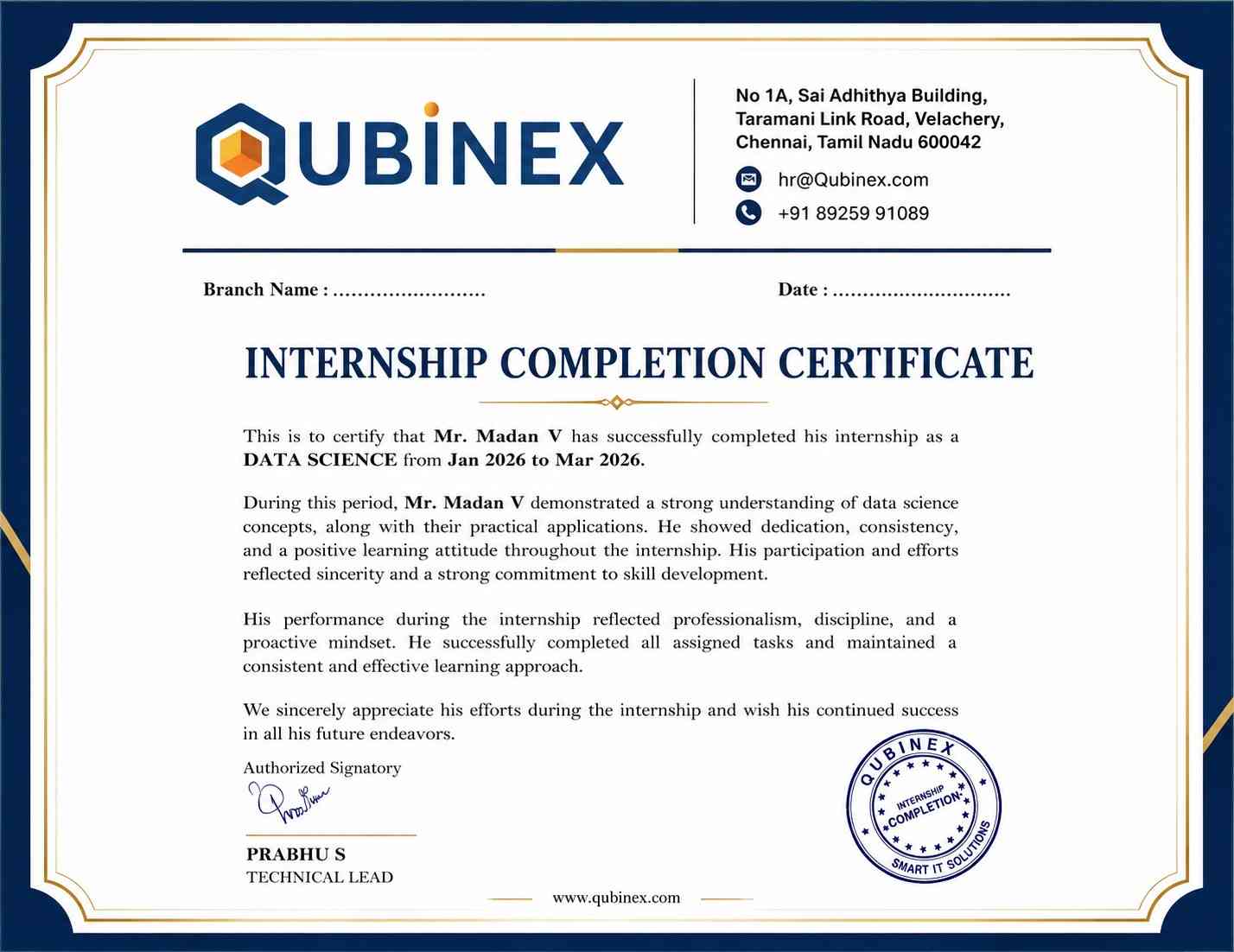
Intership
complete certification
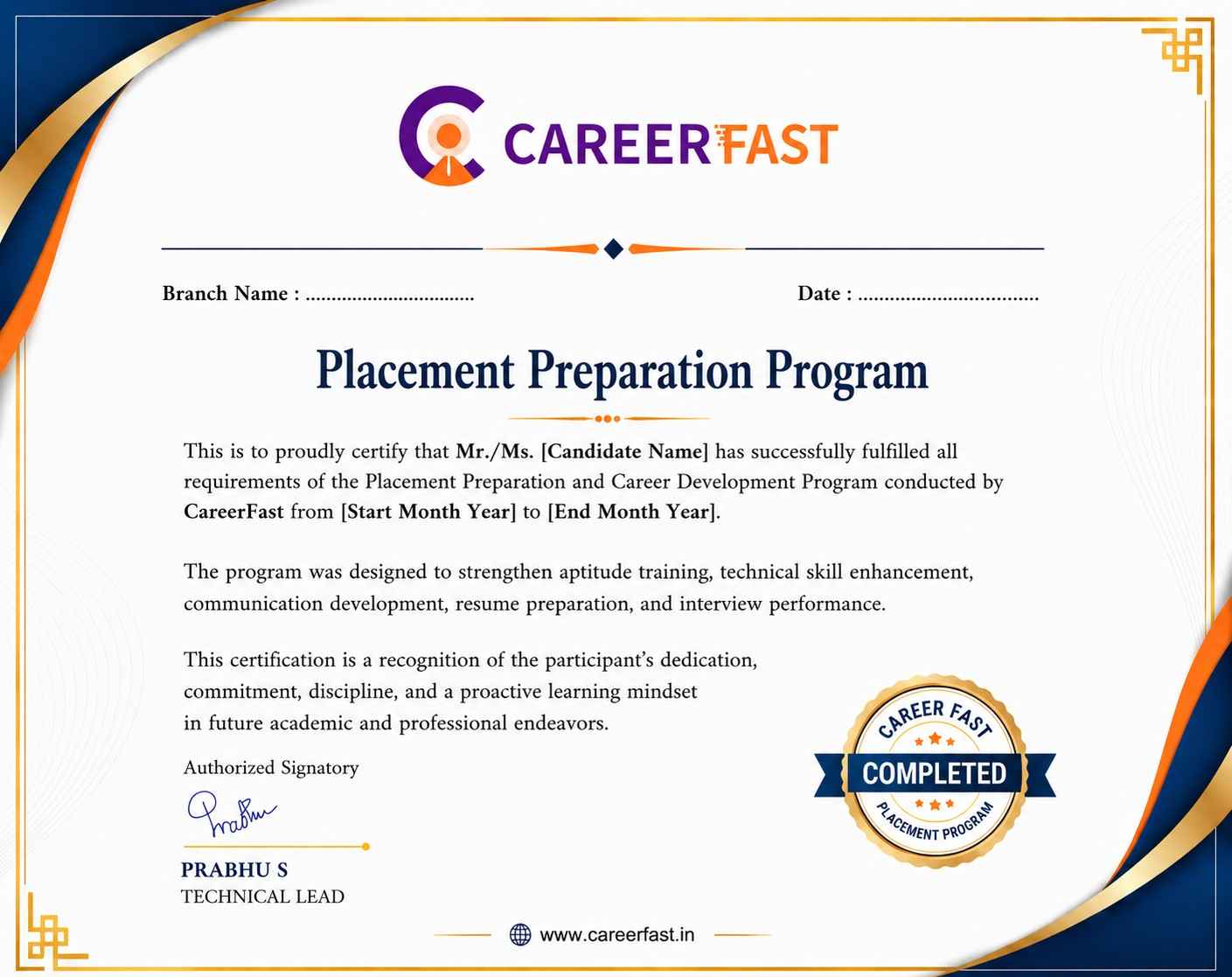
Placement
complete certification

Our learners
transformed their careers

35 Laks
Highest Salary Offered
50%
Average Salary Hike
30K+
Placed in MNC's
15+
Year's in Training
Our Alumni
Alumni

A majority of our alumni

fast-tracked into managerial careers.

Get inspired by their progress in the Career Growth Report.

Our Student Successful Story

checkimage Regular 1:1 Mentorship From Industry Experts checkimage Live Classes checkimage Career Support

How are the Clinical SAS Course with LearnoVita Different?

Feature

LearnoVita

Other Institutes

Affordable Fees

Competitive Pricing With Flexible Payment Options.

Higher Clinical SAS Fees With Limited Payment Options.

Live Class From ( Industry Expert)

Well Experienced Trainer From a Relevant Field With Practical Clinical SAS Training

Theoretical Class With Limited Practical

Updated Syllabus

Updated and Industry-relevant Clinical SAS Course Curriculum With Hands-on Learning.

Outdated Curriculum With Limited Practical Training.

Hands-on projects

Real-world Clinical SAS Project With Live Case Studies and Collaboration With Companies.

Basic Projects With Limited Real-world Application.

Certification

Industry-recognized Clinical SAS Certifications With Global Validity.

Basic Clinical SAS Certifications With Limited Recognition.

Placement Support

Strong Placement Support With Tie-ups With Top Companies and Mock Interviews.

Basic Placement Support

Industry Partnerships

Strong Ties With Top Tech Companies for Internships and Placements

No Partnerships, Limited Opportunities

Batch Size

Small Batch Sizes for Personalized Attention.

Large Batch Sizes With Limited Individual Focus.

Additional Features

Lifetime Access to Clinical SAS Course Materials, Alumni Network, and Hackathons.

No Additional Features or Perks.

Training Support

Dedicated Mentors, 24/7 Doubt Resolution, and Personalized Guidance.

Limited Mentor Support and No After-hours Assistance.

Clinical SAS Course FAQ's

Yes, learners can explore the teaching methodology through a demo session before enrolling. Live demo availability may depend on seat limits and batch schedules. If attending a live session is not possible, a pre-recorded class by the trainer can help you understand the course format, instructional approach, and topics covered in the Clinical SAS Course in Marathahalli.
The training is delivered by industry professionals with practical knowledge of Clinical SAS and clinical research workflows. Trainers explain SAS programming, clinical data processing, statistical reporting, and industry-related concepts through examples and guided exercises, helping learners connect theoretical knowledge with practical applications.
  • The placement team offers career guidance and job-search assistance to help eligible learners prepare for relevant employment opportunities.
  • After completing the Clinical SAS course, learners may receive placement assistance, including resume guidance, interview preparation, and support in identifying suitable openings.
  • Available opportunities may come from pharmaceutical companies, healthcare organizations, clinical research firms, analytics teams, and other related sectors.
  • Career advisors help learners identify suitable Clinical SAS positions based on their technical knowledge, qualifications, and professional experience.
  • Mock interviews, technical practice, resume reviews, and communication exercises help learners prepare for recruitment discussions with greater confidence.
  • The student portal may provide access to job updates, learning resources, recorded classes, training videos, and interview preparation materials.
Learners who successfully complete the Clinical SAS training can receive a course completion certificate. The program can also introduce relevant industry certification pathways, including their eligibility requirements, preparation topics, and the competencies associated with clinical programming roles.
Yes, the course incorporates practical exercises and project-based learning to help learners apply their knowledge. Activities may include working with clinical datasets, writing SAS programs, checking data quality, performing statistical analysis, and preparing clinical reports relevant to healthcare research and pharmaceutical studies.
The Clinical SAS Course in Marathahalli may be available through instructor-led online classes, classroom sessions, self-paced learning, one-to-one training, fast-track batches, customized programs, and other online learning formats. Availability depends on the current schedule, allowing learners to select an option that suits their time commitments and learning needs.
Learners who miss a class can use the available recovery options to review the lesson. Depending on the batch schedule and course policy, they may access recorded sessions and online study materials, join a corresponding topic in another batch, or contact the training team for help completing the missed portion.
For assistance with the Clinical SAS curriculum, class timings, project work, certification options, course fees, or placement services, contact the training team. They can explain the available options and help you obtain the information needed before enrolling.
To enroll in the Clinical SAS Course in Marathahalli, contact the training team through the official website or visit the center for registration guidance. You can enquire about upcoming batches, fee details, class schedules, available learning modes, and the enrollment process before confirming your admission.
Yes, enrolled learners can use the online resources made available through the student portal. These may include course notes, training videos, class recordings, practical assignments, programming exercises, and interview preparation content to support revision and continued learning.
Batch sizes are planned to encourage learner participation and provide opportunities for questions and individual guidance. Smaller groups can make it easier to discuss clinical datasets, practise SAS programming, review assignments, and clarify technical doubts during practical training sessions. Actual batch size may vary by schedule and training format.
Clinical SAS salaries in India depend on factors such as technical proficiency, previous experience, qualifications, job responsibilities, employer, and location. Entry-level candidates and experienced professionals may receive different salary packages. Practical programming ability, familiarity with clinical data standards, and relevant project experience can influence career progression.
view More view Less
Career Assistance
  • Build a Powerful Resume for Career Success
  • Get Trainer Tips to Clear Interviews
  • Practice with Experts: Mock Interviews for Success
  • Crack Interviews & Land Your Dream Job
100% JOB GUARANTEE

Global Quality Training
At The Lowest Fees & Expert Trainer

AVAILABLE IN:
India Canada USA Singapore UAE Australia EU Germany

Need custom pricing?

4.9/5 from 50k+ students
Acte Technologies WhatsApp
Call Us! Chat With Us