Home » Others Courses » Data Analytics Course in Noida

Data Analytics Course in Noida

(4.9) 9564 Ratings
  • Join the Data Analytics Training in Noida to build strong data analysis and visualization skills.
  • Learn Excel, SQL, Power BI, data cleaning, statistical analysis and reporting techniques.
  • Gain hands-on experience through real-time datasets, case studies, and practical projects.
  • Ideal for Students, Analysts, Working Professionals aiming for analytics careers.
  • Choose flexible batches: Weekday, Weekend, or Fast-Track Data Analytics training in Noida.
  • Benefit from placement support, interview preparation and expert career guidance.

Course Duration

50+ Hrs

Live Project

3 Project

Certification Pass

Guaranteed

Training Format

Live Online (Expert Trainers)
Quality Training With Affordable Fee

⭐ Fees Starts From

INR 38,000
INR 18,500

12563+

Professionals Trained

11+

Batches every month

3692+

Placed Students

236+

Corporate Served

What You'll Learn

Understand core data analytics concepts, including data types and analytical frameworks.

Enroll in the Data Analytics Course in Noida to practice data cleaning and analysis techniques.

Learn statistical methods, visualization tools, and business reporting standards for informed insights.

Gain hands-on experience with live projects using real-world business datasets.

Explore predictive modeling, trend analysis, and data-driven decision-making strategies.

Prepare for Data Analytics Training in Noida with expert-led practical sessions and applied exercises.

Comprehensive Overview of Data Analytics Course

The Data Analytics Course in Noida is designed to help learners convert raw data into actionable business insights. This comprehensive training covers data collection, processing, visualization, and decision-support techniques used across industries. Through practical exercises, real-world datasets, and case studies, participants gain applied analytical skills. The program prepares candidates for Data Analytics Certification and offers career support, interview preparation, and project-based learning as part of the Data Analytics Course with Placement, enabling growth in analytics, consulting, and data-driven business roles.

Additional Info

Future Trends in Data Analytics Training

  • AI Driven Analytics: Artificial intelligence is redefining how data analytics is taught and applied. Data Analytics Training now focuses on AI-driven tools that automate data processing, pattern recognition, and insight generation. Learners are trained to work with machine learning models that enhance predictive accuracy and reduce manual effort. This trend helps analysts move beyond basic reporting to advanced insight discovery, enabling faster and smarter business decisions across industries.
  • Predictive Analytics Growth: Predictive analytics is becoming a core component of modern analytics training. Programs emphasize forecasting techniques using historical and real-time data to predict customer behavior, risks, and market trends. Learners gain hands-on experience with predictive models that support proactive planning and strategy building. This trend increases demand for analytics professionals who can help organizations anticipate outcomes and maintain a competitive edge.
  • Cloud Analytics Platforms: Cloud-based analytics is transforming how data is stored, processed, and accessed. Training now includes cloud platforms that offer scalability, flexibility, and cost efficiency. Learners work with cloud tools to analyze large datasets, collaborate remotely, and access real-time insights securely. This trend prepares professionals to handle enterprise-scale data environments and adapt quickly to evolving business needs.
  • Real Time Insights: Real-time analytics is gaining importance as businesses demand instant insights. Data Analytics Training focuses on processing live data streams and building dashboards that update continuously. Learners develop skills to monitor performance, detect anomalies, and respond immediately to business events. This trend improves operational agility and prepares analysts for fast-paced industries like finance, retail, and logistics.
  • Data Storytelling Skills: Analytics training increasingly emphasizes storytelling alongside technical skills. Learners are trained to present insights using clear narratives, visuals, and dashboards that influence decision-making. Data storytelling bridges the gap between technical analysis and business strategy. This trend ensures analysts can communicate findings effectively to stakeholders, making analytics more impactful and actionable.
  • Industry Focused Analytics: Data analytics training is becoming more industry-specific. Programs tailor analytics use cases for sectors such as healthcare, finance, retail, and manufacturing. Learners gain domain knowledge along with analytical skills, enabling them to deliver targeted insights. This trend increases employability by preparing professionals to solve real-world problems within specific business environments.
  • Automation In Analytics: Automation is streamlining analytics workflows by reducing manual data preparation and reporting tasks. Training includes automated tools that generate insights, alerts, and reports efficiently. Learners focus more on interpretation and strategy rather than repetitive processes. This trend improves productivity and allows analytics teams to scale operations without increasing complexity.
  • Ethical Data Analytics: Ethics and data governance are becoming critical components of analytics training. Programs now address data privacy laws, bias reduction, and responsible data usage. Learners understand how to build transparent and compliant analytics models. This trend builds trust in data-driven decisions and ensures analytics practices align with legal and ethical standards.
  • Advanced Visualization Tools: Visualization tools are evolving to support interactive and immersive analytics experiences. Training focuses on modern dashboards that allow users to explore data dynamically. Learners develop skills to create visuals that simplify complex insights. This trend enhances decision-making by enabling stakeholders to understand data quickly and confidently.
  • Analytics Consulting Demand: The demand for analytics consulting is growing as organizations seek expert guidance. Training now prepares learners for consulting roles that combine analytics expertise with business strategy. Learners gain problem-solving, communication, and client-facing skills. This trend opens diverse career opportunities and positions analytics professionals as strategic partners in business transformation.

Essential Tools and Technologies in Data Analytics

  • Data Visualization Platforms: Data visualization platforms are vital for turning complex datasets into clear, actionable insights. Tools such as Power BI and Tableau help analysts design interactive dashboards, charts, and reports that highlight trends and performance metrics. These platforms make data accessible to non-technical stakeholders and support faster decision-making. In Data Analytics Training, learners develop strong visualization skills to communicate insights effectively across business teams.
  • Spreadsheet Analytics Tools: Spreadsheet tools remain a core part of data analytics workflows. Applications like Microsoft Excel are widely used for data cleaning, calculations, pivot tables, and scenario analysis. Analysts rely on spreadsheets for quick validations and exploratory analysis. Training programs emphasize advanced formulas, automation features, and data modeling capabilities, making spreadsheets a practical and flexible tool for real-world analytics tasks.
  • Database Query Systems: Database query systems are essential for managing and analyzing structured data. Tools such as SQL Server, MySQL, and PostgreSQL allow analysts to retrieve, filter, and join large datasets efficiently. Strong query skills help ensure data accuracy and consistency. Data Analytics Training focuses on writing optimized queries to support reporting, dashboarding, and advanced analytical workflows.
  • Statistical Analysis Software: Statistical software enables analysts to uncover patterns, correlations, and trends within data. Tools like R and SPSS support regression analysis, hypothesis testing, and probability modeling. These tools help validate business assumptions and improve forecasting accuracy. Learning statistical software strengthens analytical thinking and supports data-driven decision-making across various business scenarios.
  • Programming Analytics Languages: Programming languages play a key role in modern data analytics. Python and R are commonly used for data manipulation, automation, and predictive modeling. Libraries such as Pandas and NumPy simplify complex data operations. Programming skills help analysts handle large datasets efficiently, build reusable analytics solutions, and integrate analytics with business systems.
  • Business Intelligence Systems: Business intelligence systems combine data integration, reporting, and analytics into unified platforms. Tools like Power BI and Looker help organizations track KPIs and monitor performance in real time. These systems support a data-driven culture by enabling easy access to insights. BI platforms bridge the gap between raw data and strategic business decisions.
  • Cloud Analytics Services: Cloud analytics services offer scalable and flexible data processing environments. Platforms such as AWS, Azure, and Google Cloud enable secure storage and analysis of large datasets. Cloud tools support collaboration, real-time access, and cost-effective scaling. Training in cloud analytics prepares professionals to work with enterprise-grade analytics infrastructure and advanced services.
  • Data Integration Tools: Data integration tools help consolidate data from multiple sources into a single view. Tools like Talend and Informatica manage extraction, transformation, and loading processes efficiently. These technologies ensure data consistency and reliability across systems. Effective data integration supports accurate analytics by eliminating silos and improving data quality.
  • Predictive Modeling Technologies: Predictive modeling tools use historical and real-time data to forecast future outcomes. These tools apply machine learning algorithms to predict trends, customer behavior, and risks. Predictive insights help businesses plan proactively and optimize strategies. Data Analytics Training focuses on building and interpreting predictive models for measurable business impact.
  • Analytics Automation Solutions: Automation tools streamline analytics processes by reducing manual effort in data preparation and reporting. Automated systems generate dashboards, alerts, and scheduled reports efficiently. This improves accuracy and saves time. Training in automation technologies allows analysts to focus on interpretation, insights, and strategic decision-making rather than repetitive tasks.

Roles and Responsibilities of Data Analytics

  • Data Collection Management: Data analytics professionals are responsible for gathering data from multiple sources such as databases, applications, APIs, and external platforms. They ensure data relevance, accuracy, and completeness before analysis begins. This role involves coordinating with stakeholders to understand data needs, defining data requirements, and validating incoming datasets. Proper data collection lays the foundation for reliable insights and ensures that business decisions are based on trustworthy information.
  • Data Cleaning Preparation: One of the key responsibilities in data analytics is cleaning and preparing raw data for analysis. Analysts identify missing values, inconsistencies, duplicates, and errors within datasets. They apply transformation techniques to standardize formats and improve data quality. This process ensures datasets are analysis-ready and reduces the risk of misleading results, making insights more accurate and actionable for business use.
  • Exploratory Data Analysis: Exploratory data analysis helps analysts understand data behavior, patterns, and anomalies. This role involves summarizing datasets using statistical methods and visual techniques. Analysts explore trends, correlations, and distributions to uncover insights and guide further analysis. Exploratory analysis supports hypothesis generation and helps businesses identify opportunities, risks, and performance gaps early in the decision-making process.
  • Statistical Model Building: Data analytics professionals develop and apply statistical models to interpret data and solve business problems. This responsibility includes regression analysis, hypothesis testing, and probability modeling. Analysts use these models to identify relationships between variables and validate assumptions. Strong statistical modeling supports evidence-based decisions and improves forecasting accuracy across various business functions.
  • Predictive Insight Generation: Generating predictive insights is a crucial role in data analytics. Analysts use historical and real-time data to forecast future trends, customer behavior, and operational outcomes. Predictive models help organizations plan proactively, optimize resources, and reduce uncertainty. This responsibility directly impacts strategic planning, risk management, and revenue growth initiatives.
  • Data Visualization Design: Designing effective data visualizations is a key responsibility of data analytics professionals. They create dashboards, charts, and reports that present insights clearly and intuitively. Visualization helps stakeholders quickly grasp complex findings and supports informed decision-making. Analysts ensure visuals align with business goals and communicate insights to both technical and non-technical audiences.
  • Business Insight Translation: Data analytics professionals translate analytical findings into meaningful business insights. This role requires understanding business context and aligning data outcomes with organizational objectives. Analysts communicate results through reports, presentations, and storytelling. Effective translation ensures insights lead to actionable strategies rather than remaining as isolated data observations.
  • Performance Metrics Tracking: Tracking and monitoring key performance indicators is an essential analytics responsibility. Analysts define metrics, measure outcomes, and assess business performance over time. They identify deviations from targets and recommend corrective actions. Continuous performance tracking helps organizations evaluate strategy effectiveness and drive continuous improvement initiatives.
  • Stakeholder Collaboration Support: Collaboration with cross-functional teams is central to data analytics roles. Analysts work closely with management, marketing, finance, and operations teams to understand requirements and deliver relevant insights. This responsibility ensures analytics solutions address real business challenges and support organizational goals through data-driven collaboration.
  • Data Governance Compliance: Ensuring data governance and compliance is a critical responsibility in data analytics. Professionals follow data privacy regulations, security standards, and ethical guidelines while handling information. They maintain documentation, manage access controls, and promote responsible data usage. Strong governance builds trust, protects sensitive data, and supports sustainable analytics practices.

Top Companies Hiring for Data Analytics Professionals

  • Google: Google is one of the largest employers of data analytics professionals worldwide. The company uses advanced analytics to improve search algorithms, advertising performance, user experience, and product innovation. Data analysts at Google work with massive datasets, machine learning models, and real-time insights to solve complex problems. The role demands strong analytical thinking, data visualization, and business interpretation skills, offering exposure to cutting-edge technology and global-scale decision-making.
  • Amazon: Amazon heavily relies on data analytics to optimize supply chains, customer experience, pricing strategies, and recommendation systems. Data analytics professionals analyze customer behavior, sales trends, and operational performance to drive efficiency. Analysts work closely with business teams to convert data into actionable insights. Amazon offers dynamic roles where analytics directly influences strategic planning, automation, and continuous improvement across global operations.
  • Microsoft: Microsoft hires data analytics professionals to support product development, cloud services, customer insights, and enterprise solutions. Analysts work with data from Azure, software usage, and business platforms to improve performance and innovation. The company values skills in data modeling, visualization, and predictive analytics. Microsoft provides a collaborative environment where analytics supports technology advancement and data-driven business strategies.
  • IBM: IBM is known for its strong focus on data analytics, artificial intelligence, and enterprise solutions. Data analytics professionals at IBM work on large-scale business transformation projects across industries. Their responsibilities include data analysis, predictive modeling, and consulting-driven insights. IBM offers opportunities to work with global clients, advanced analytics platforms, and real-world business challenges, making it a strong career destination.
  • Accenture: Accenture hires data analytics professionals to support analytics consulting, digital transformation, and business intelligence projects. Analysts help clients implement data-driven strategies, optimize processes, and improve decision-making. The role combines technical analytics skills with business problem-solving. Accenture provides exposure to multiple industries, advanced tools, and global clients, offering strong career growth in analytics consulting.
  • Deloitte: Deloitte employs data analytics professionals across consulting, risk advisory, and business strategy services. Analysts work on data-driven insights, performance measurement, and predictive analysis for clients. The company values professionals who can translate complex data into clear business recommendations. Deloitte offers structured career growth, learning opportunities, and exposure to high-impact analytics projects across industries.
  • Infosys: Infosys recruits data analytics professionals to support enterprise analytics, digital transformation, and data engineering initiatives. Analysts work on data processing, visualization, and predictive insights for global clients. The company emphasizes analytical accuracy, automation, and scalable solutions. Infosys provides strong training programs and long-term career opportunities in analytics and data-driven technology services.
  • Tata Consultancy Services: TCS is a major employer of data analytics professionals across banking, healthcare, retail, and manufacturing sectors. Analysts support data-driven decision-making, reporting, and advanced analytics projects. The role involves working with large datasets, business intelligence tools, and client-focused insights. TCS offers stability, global exposure, and continuous learning opportunities in analytics careers.
  • Flipkart: Flipkart uses data analytics to enhance customer experience, inventory planning, pricing strategies, and marketing performance. Data analysts work with real-time data to optimize e-commerce operations and user engagement. The company values professionals who can interpret trends and support fast-paced decision-making. Flipkart offers dynamic analytics roles in a high-growth digital commerce environment.
  • JP Morgan Chase: JP Morgan Chase hires data analytics professionals to support financial analysis, risk management, fraud detection, and customer insights. Analysts work with large financial datasets to improve operational efficiency and strategic planning. Strong analytical and statistical skills are essential. The company offers exposure to advanced financial analytics, compliance-driven environments, and global banking operations.
View more

Data Analytics Course Objectives

No strict prerequisites are required for Data Analytics training. Basic knowledge of numbers, spreadsheets, and logical thinking is helpful. Beginners and working professionals can easily adapt to the course structure.
Data Analytics training provides hands-on experience with real datasets and tools. Learners develop practical skills in analysis, visualization, and reporting. It improves decision-making ability and job readiness.
  • High demand across industries
  • Strong salary growth
  • Global job opportunities
  • Rapid technology adoption
  • Long-term career stability
Data Analytics training is crucial as businesses rely heavily on data-driven decisions. Organizations seek professionals who can convert data into insights. Skilled analysts are essential across technology, finance, healthcare, and retail sectors.
  • Data analysis fundamentals
  • Excel and SQL
  • Statistics concepts
  • Data visualization tools
  • Predictive analytics basics
Yes, learners work on real-world analytics projects using industry datasets. These projects simulate actual business scenarios. They help learners gain practical exposure and build a strong portfolio.
  • IT and software
  • Banking and finance
  • Healthcare analytics
  • Retail and e-commerce
  • Consulting firms
Data Analytics training improves job readiness. Success depends on skills, project experience, and interview performance. Training with placement support increases hiring opportunities.
  • Practical analytics skills
  • Improved career prospects
  • Industry tool exposure
  • Better decision making
  • Competitive job advantage
Students gain hands-on experience with popular analytics tools and platforms. These tools help in data cleaning, analysis, and visualization. Tool proficiency improves efficiency and real-world job performance.
view More view Less

Data Analytics Course Benefits

The Data Analytics Certification Course in Noida offers practical, hands-on training in data analysis, visualization, and predictive modeling. Learners gain real-world experience through live projects, industry case studies, and expert mentorship. With dedicated placement support, this Data Analytics Course prepares participants for high-demand roles in analytics, consulting, finance, and data-driven business environments.

  • Designation
  • Annual Salary
    Hiring Companies
  • 5.44L
    Min
  • 9.8L
    Average
  • 19.3L
    Max
  • 5.0L
    Min
  • 8.6L
    Average
  • 18.45L
    Max
  • 4.9L
    Min
  • 9.5L
    Average
  • 16.7L
    Max
  • 5.84L
    Min
  • 8.4L
    Average
  • 16.7L
    Max

Data Analytics Certification Training

Our Data Analytics Training in Noida provides immersive, practical learning in data analysis, visualization, and informed decision-making. Participants work with real datasets, industry-standard tools, and applied scenarios under expert guidance. With structured placement assistance, this program equips learners to build successful careers in analytics, consulting, and business intelligence roles.

Top Skills You Will Gain
  • Data Analysis
  • Data Visualization
  • Statistical Thinking
  • Predictive Modeling
  • Business Insights
  • SQL Querying
  • Python Basics
  • Dashboard Design

12+ Data Analytics Tools

Online Classroom Batches Preferred

Weekdays (Mon - Fri)
25 - May - 2026
08:00 AM (IST)
Weekdays (Mon - Fri)
27 - May - 2026
08:00 AM (IST)
Weekend (Sat)
29 - May - 2026
11:00 AM (IST)
Weekend (Sun)
30 - May - 2026
11:00 AM (IST)
Can't find a batch you were looking for?
₹38,000 ₹18,500 10% OFF Expires in

No Interest Financing start at ₹ 5000 / month

Corporate Training

  • Customized Learning
  • Enterprise Grade Learning Management System (LMS)
  • 24x7 Support
  • Enterprise Grade Reporting

Not Just Studying
We’re Doing Much More!

Empowering Learning Through Real Experiences and Innovation

Hiring
Hiring
Hiring
Hiring
Hiring
Hiring
Hiring
User
User
User
User
User
User

Data Analytics Course Curriculam

Trainers Profile

Our Data Analytics Course in Noida is delivered by expert trainers with strong industry experience in data analysis, business intelligence, statistics, and predictive modeling. We offer high-quality learning resources, real-world case studies, Data Analytics Internship opportunities, and hands-on project exposure. These practical learning elements help learners strengthen analytical thinking, master analytics tools, and build successful careers in data-driven roles across industries.

Syllabus for Data Analytics Course in Noida Download syllabus

  • Analytics fundamentals overview
  • Data driven decisions
  • Analytics lifecycle stages
  • Business analytics concepts
  • Types analytics models
  • Industry use cases
  • Data sources types
  • Structured unstructured data
  • Data acquisition techniques
  • Web data extraction
  • Data quality checks
  • Data preparation basics
  • Excel functions basics
  • Pivot tables analysis
  • Data cleaning methods
  • Charts visualization basics
  • Lookup formulas usage
  • Scenario analysis tools
  • Database fundamentals concepts
  • SQL query basics
  • Joins and subqueries
  • Data filtering techniques
  • Aggregation functions usage
  • Analytics reporting queries
  • Descriptive statistics basics
  • Probability concepts overview
  • Hypothesis testing methods
  • Correlation regression analysis
  • Statistical distributions basics
  • Business interpretation skills
  • Python syntax basics
  • Data analysis libraries
  • Pandas dataframes usage
  • NumPy calculations basics
  • Data visualization plots
  • Automation analytics tasks
  • Visualization principles basics
  • Tableau fundamentals usage
  • Power BI dashboards
  • Interactive charts creation
  • Storytelling with data
  • Business insights presentation
  • Predictive modeling basics
  • Regression model building
  • Classification techniques overview
  • Forecasting methods basics
  • Model evaluation metrics
  • Business prediction use
  • Industry datasets analysis
  • Business problem solving
  • KPI driven insights
  • End to end analytics
  • Stakeholder reporting skills
  • Project documentation practices
  • Analytics interview preparation
  • Resume building guidance
  • Case study discussions
  • Portfolio development support
  • Internship project exposure
  • Placement readiness training
(15) view More view Less
Need customized curriculum?

REAL

start
STORIES SUCCESS INSPIRATION
CAREER
UPGRADE
sowmiya

sowmiya

CAREER
UPGRADE
Rajkumar

Rajkumar

CAREER
UPGRADE
Thon

Thon

CAREER
UPGRADE
lavanya

Lavanya

Industry Projects

Project 1
Customer Behavior Analysis

Analyze customer purchase data to identify patterns, segment users, and generate insights that help businesses improve marketing strategies.

Project 2
Sales Performance Dashboard

Build an interactive dashboard using real sales data to track KPIs, regional performance, and trends, enabling management to make data-driven business decisions.

Project 3
Demand Forecasting Model

Develop a predictive model using historical data to forecast product demand, helping organizations optimize inventory planning and reduce risks.

Our Hiring Partner

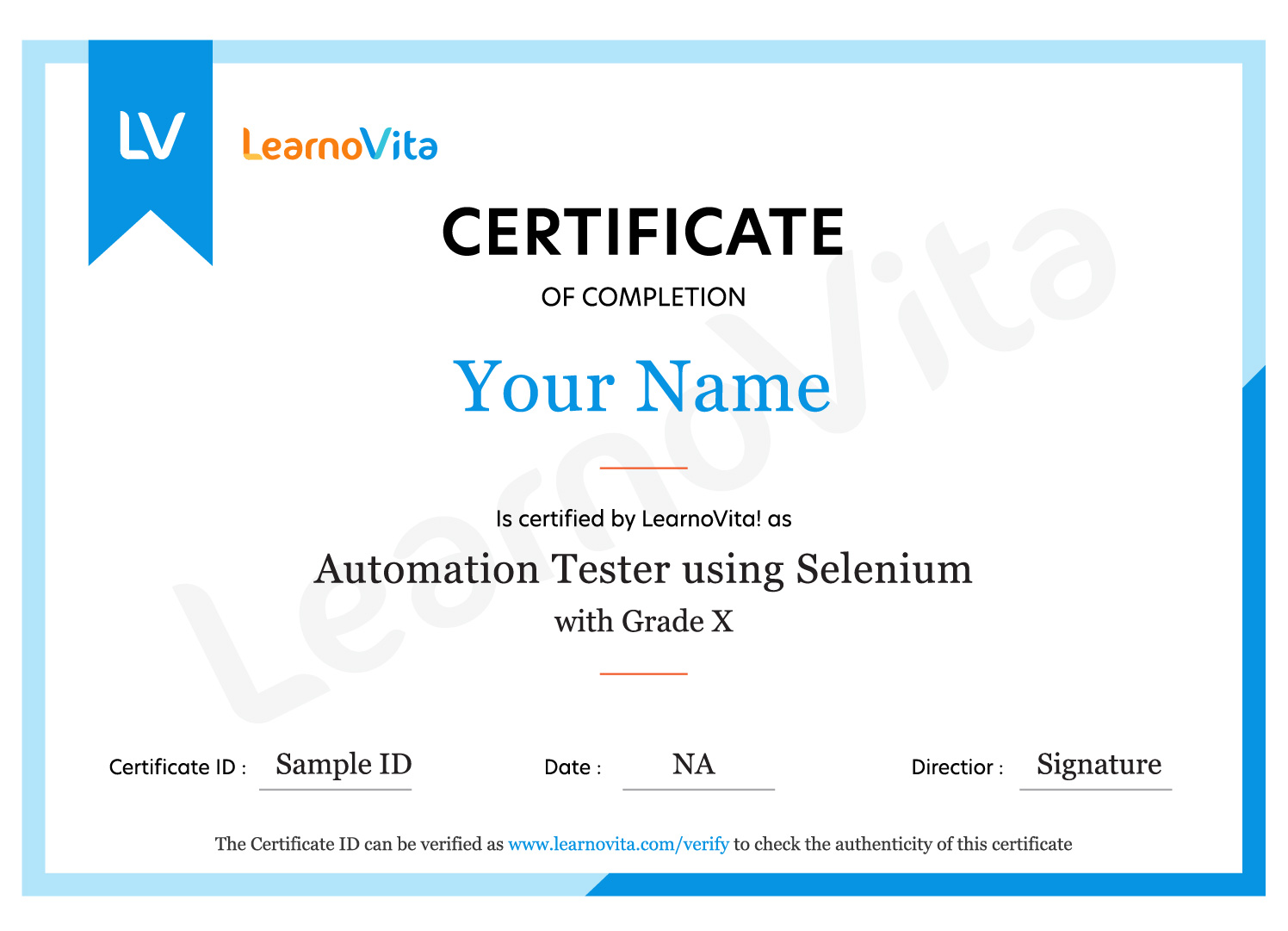
Exam & Data Analytics Certification

A Data Analytics certification validates your ability to analyze, interpret, and present data for business decisions. It improves credibility with employers and demonstrates practical analytics knowledge. Certified professionals often gain better job visibility, higher salaries, and faster career growth.
  • Basic mathematics knowledge
  • Fundamental computer skills
  • Interest in data analysis
  • Logical thinking ability
  • No mandatory coding background
A Data Analytics certification it significantly improves employability. It helps candidates stand out in competitive job markets. Practical skills, projects, and interview readiness play a key role alongside certification.
  • Data Analyst
  • Business Analyst
  • Reporting Analyst
  • Analytics Consultant
  • Operations Analyst
The certification builds strong analytical and problem-solving skills needed across industries. It opens opportunities for advanced roles and leadership positions. Certified professionals gain long-term career stability in data-driven organizations.

Our learners
transformed their careers

35 Laks
Highest Salary Offered
50%
Average Salary Hike
30K+
Placed in MNC's
15+
Year's in Training
Our Alumni
Alumni

A majority of our alumni

fast-tracked into managerial careers.

Get inspired by their progress in the Career Growth Report.

Our Student Successful Story

checkimage Regular 1:1 Mentorship From Industry Experts checkimage Live Classes checkimage Career Support

How are the Data Analytics Course with LearnoVita Different?

Feature

LearnoVita

Other Institutes

Affordable Fees

Competitive Pricing With Flexible Payment Options.

Higher Data Analytics Fees With Limited Payment Options.

Live Class From ( Industry Expert)

Well Experienced Trainer From a Relevant Field With Practical Data Analytics Training

Theoretical Class With Limited Practical

Updated Syllabus

Updated and Industry-relevant Data Analytics Course Curriculum With Hands-on Learning.

Outdated Curriculum With Limited Practical Training.

Hands-on projects

Real-world Data Analytics Project With Live Case Studies and Collaboration With Companies.

Basic Projects With Limited Real-world Application.

Certification

Industry-recognized Data Analytics Certifications With Global Validity.

Basic Data Analytics Certifications With Limited Recognition.

Placement Support

Strong Placement Support With Tie-ups With Top Companies and Mock Interviews.

Basic Placement Support

Industry Partnerships

Strong Ties With Top Tech Companies for Internships and Placements

No Partnerships, Limited Opportunities

Batch Size

Small Batch Sizes for Personalized Attention.

Large Batch Sizes With Limited Individual Focus.

Additional Features

Lifetime Access to Data Analytics Course Materials, Alumni Network, and Hackathons.

No Additional Features or Perks.

Training Support

Dedicated Mentors, 24/7 Doubt Resolution, and Personalized Guidance.

Limited Mentor Support and No After-hours Assistance.

Data Analytics Course FAQ's

Certainly, you are welcome to join the demo session. However, due to our commitment to maintaining high-quality standards, we limit the number of participants in live sessions. Therefore, participation in a live class without enrollment is not feasible. If you're unable to attend, you can review our pre-recorded session featuring the same trainer. This will provide you with a comprehensive understanding of our class structure, instructor quality, and level of interaction.
All of our instructors are employed professionals in the industry who work for prestigious companies and have a minimum of 9 to 12 years of significant IT field experience. A great learning experience is provided by all of these knowledgeable people at LearnoVita.
  • LearnoVita is dedicated to assisting job seekers in seeking, connecting, and achieving success, while also ensuring employers are delighted with the ideal candidates.
  • Upon successful completion of a career course with LearnoVita, you may qualify for job placement assistance. We offer 100% placement assistance and maintain strong relationships with over 650 top MNCs.
  • Our Placement Cell aids students in securing interviews with major companies such as Oracle, HP, Wipro, Accenture, Google, IBM, Tech Mahindra, Amazon, CTS, TCS, Sports One , Infosys, MindTree, and MPhasis, among others.
  • LearnoVita has a legendary reputation for placing students, as evidenced by our Placed Students' List on our website. Last year alone, over 5400 students were placed in India and globally.
  • We conduct development sessions, including mock interviews and presentation skills training, to prepare students for challenging interview situations with confidence. With an 85% placement record, our Placement Cell continues to support you until you secure a position with a better MNC.
  • Please visit your student's portal for free access to job openings, study materials, videos, recorded sections, and top MNC interview questions.
LearnoVita Certification is awarded upon course completion and is recognized by all of the world's leading global corporations. LearnoVita are the exclusive authorized Oracle, Microsoft, Pearson Vue, and Data Analytics. I exam centers, as well as an authorized partner of Data Analytics. Additionally, those who want to pass the National Authorized Certificate in a specialized IT domain can get assistance from LearnoVita's technical experts.
As part of the training program, LearnoVita provides you with the most recent, pertinent, and valuable real-world projects. Every program includes several projects that rigorously assess your knowledge, abilities, and real-world experience to ensure you are fully prepared for the workforce. Your abilities will be equivalent to six months of demanding industry experience once the tasks are completed.
At LearnoVita, participants can choose from instructor-led online training, self-paced training, classroom sessions, one-to-one training, fast-track programs, customized training, and online training options. Each mode is designed to provide flexibility and convenience to learners, allowing them to select the format that best suits their needs. With a range of training options available, participants can select the mode that aligns with their learning style, schedule, and career goals to excel in Data Analytics.
LearnoVita guarantees that you won't miss any topics or modules. You have three options to catch up: we'll reschedule classes to suit your schedule within the course duration, provide access to online class presentations and recordings, or allow you to attend the missed session in another live batch.
Please don't hesitate to reach out to us at contact@learnovita.com if you have any questions or need further clarification.
To enroll in the Data Analytics at LearnoVita, you can conveniently register through our website or visit any of our branches in India for direct assistance.
Yes, after you've enrolled, you will have lifetime access to the student portal's study materials, videos, and top MNC interview questions.
At LearnoVita, we prioritize individual attention for students, ensuring they can clarify doubts on complex topics and gain a richer understanding through interactions with instructors and peers. To facilitate this, we limit the size of each Data Analytics Service batch to 5 or 6 members.
The average annual salary for Data Analytics Professionals in India is 5 LPA to 6 LPA.
view More view Less
Career Assistance
  • Build a Powerful Resume for Career Success
  • Get Trainer Tips to Clear Interviews
  • Practice with Experts: Mock Interviews for Success
  • Crack Interviews & Land Your Dream Job
Acte Technologies WhatsApp