
Graphic Designing Course in Hyderabad
 19621
19621 Ratings


- Enroll in the Graphic Designing training in Hyderabad to learn creative design, digital visuals, and branding fundamentals.
- Join the Graphic Designing training institute in Hyderabad to master tools like Photoshop, Illustrator and Figma.
- Gain hands-on experience through real-time projects, design exercises, and portfolio creation.
- Ideal for Designers, Creative Professionals, Marketing Executives, and Digital Artists aiming to upskill.
- Choose from flexible batch timings: Weekday, Weekend, or Fast-Track learning schedules.
- Benefit from placement assistance, interview preparation, and portfolio guidance.
Course Duration
55+ HrsLive Project
3 ProjectCertification Pass
GuaranteedTraining Format
Live Online (Expert Trainers)Quality Training With Affordable Fee
 Fees Starts From

11258+
Professionals Trained
10+
Batches every month
3695+
Placed Students
236+
Corporate ServedWhat You'll Learn
Graphic Designing training in Hyderabad helps learners boost creativity and gain practical knowledge in digital design and visual storytelling.
Learn key Graphic Designing concepts like color theory, typography, and layouts through interactive sessions.
Work on creative design projects using industry tools to sharpen your professional skills.
Gain practical experience with Graphic Designing software and build a strong portfolio with expert guidance.
Enhance skills in branding, motion graphics, and UI/UX design to stay current with design trends.
Enroll in Graphic Designing course in Hyderabad and earn a certification to advance your career in creative media.
Graphic Designing Course Objectives
- Web and Mobile UI/UX Design
- Brand Identity and Logo Creation
- Digital Marketing Visuals
- Animation and Motion Graphics
- E-commerce Product Design
- Core Design Principles and Concepts
- Color Theory and Typography Essentials
- Adobe Photoshop Fundamentals
- Adobe Illustrator for Vector Design
- Advertising and Marketing Agencies
- E-commerce and Retail Companies
- IT and Software Firms
- Media and Entertainment Houses
- Publishing and Printing Services
- Proficiency in industry-standard design tools
- Ability to create professional-quality visuals
- High demand across creative and digital sectors
- Career opportunities in multiple domains
- Opportunities for freelance work and entrepreneurship
Request more informations
WhatsApp (For Call & Chat):
+91 72003 88604
Graphic Designing Course Benefits
The Graphic Designing Certification Course in Hyderabad gives students hands-on exposure with creative software, project-oriented activities, and industry-standard design procedures. Through practical assignments and a Graphic Designing internship ,participants hone their talents for difficulties in professional design. Under the guidance of experts, the curriculum covers advanced skills in digital graphics, branding, and multimedia content. Students who successfully complete this Graphic Designing course with placement are prepared for in-demand roles in top design studios, agencies, and corporate creative teams.
- Designation
-
Annual SalaryHiring Companies








About Graphic Designing Certification Training
Our Graphic Designing Course in Hyderabad empowers learners to develop advanced skills for crafting visually striking designs and digital assets. Through Graphic Designing projects, students gain practical experience creating logos, flyers, websites, and multimedia content. The course emphasizes hands-on assignments to strengthen creativity and technical proficiency. With strong industry partnerships, participants benefit from excellent career prospects and 100% placement support for aspiring design professionals.
Top Skills You Will Gain
- Color Theory
- Typography Basics
- Layout Design
- Digital Illustration
- Motion Graphics
- Branding Concepts
- UI/UX Design
- Vector Graphics
12+ Graphic Designing Tools
Online Classroom Batches Preferred
No Interest Financing start at ₹ 5000 / month
Corporate Training
- Customized Learning
- Enterprise Grade Learning Management System (LMS)
- 24x7 Support
- Enterprise Grade Reporting
Not Just Studying
We’re Doing Much More!
Empowering Learning Through Real Experiences and Innovation
Graphic Designing Course Curriculum
Trainers Profile
Our Graphic Designing Course in Hyderabad is guided by industry professionals who specialize in visual storytelling, creative design, and digital media. They focus on imparting real-world skills through interactive sessions and hands-on exercises. Learners get access to comprehensive training materials that cover essential design tools and techniques. This approach ensures students gain practical experience and confidence to excel in Graphic Designing roles.
Syllabus for Graphic Designing Course Download syllabus
- Introduction to Graphic Design
- Elements of Design
- Principles of Visual Communication
- Understanding Typography
- Color Theory and Combinations
- Layout and Composition
- Interface and Workspace Overview
- Image Editing and Retouching
- Layer Management
- Selection Tools and Masks
- Filters and Effects
- Exporting Images for Web and Print
- Vector Graphics Overview
- Pen Tool and Shape Creation
- Working with Paths and Anchor Points
- Typography in Illustrator
- Color and Gradient Tools
- Exporting Vector Graphics
- Principles of Page Layout
- Grids and Alignment
- Designing Brochures and Flyers
- Poster and Banner Design
- Typography for Print
- Preparing Print-Ready Files
- Introduction to Digital Illustration
- Drawing with Graphics Tablets
- Using Brushes and Tools
- Creating Icons and Characters
- Vector vs Raster Illustration
- Coloring and Shading Techniques
- UI Elements Overview
- Responsive Layouts
- Designing Buttons and Icons
- Typography for Screens
- Wireframe Concepts
- Visual Hierarchy
- Basics of Animation
- Creating Simple GIFs
- Introduction to After Effects
- Motion Design Principles
- Timeline and Keyframes
- Adding Effects and Transitions
- Understanding Brand Identity
- Logo Types and Styles
- Typography for Logos
- Color Psychology in Branding
- Designing a Logo in Illustrator
- Brand Collateral Design
- Color Harmonies and Palettes
- Psychology of Colors
- Combining Fonts Effectively
- Text Hierarchy and Readability
- Typography in Digital Media
- Color Correction and Adjustment
- UI Components and Widgets
- Buttons and Forms Design
- Navigation Menus
- Icons and Symbols
- Interactive Infographics
Request more informations
WhatsApp (For Call & Chat):
+91 72003 88604
REAL

UPGRADE

sowmiya

UPGRADE

Rajkumar

UPGRADE

Thon
UPGRADE

Lavanya

Industry Projects
Exam & Graphic Designing Certification
- Basic computer knowledge
- Interest in visual arts and creativity
- Familiarity with digital tools (optional)
- Willingness to learn design concepts
- Understanding of color and composition principles
- Graphic Design Analyst
- UI/UX Designer
- Motion Graphics Designer
- Visual Design Consultant
- Digital Illustrator
- Art Director
- Branding Specialist
- Layout Designer
- Marketing Design Strategist
- Creative Director
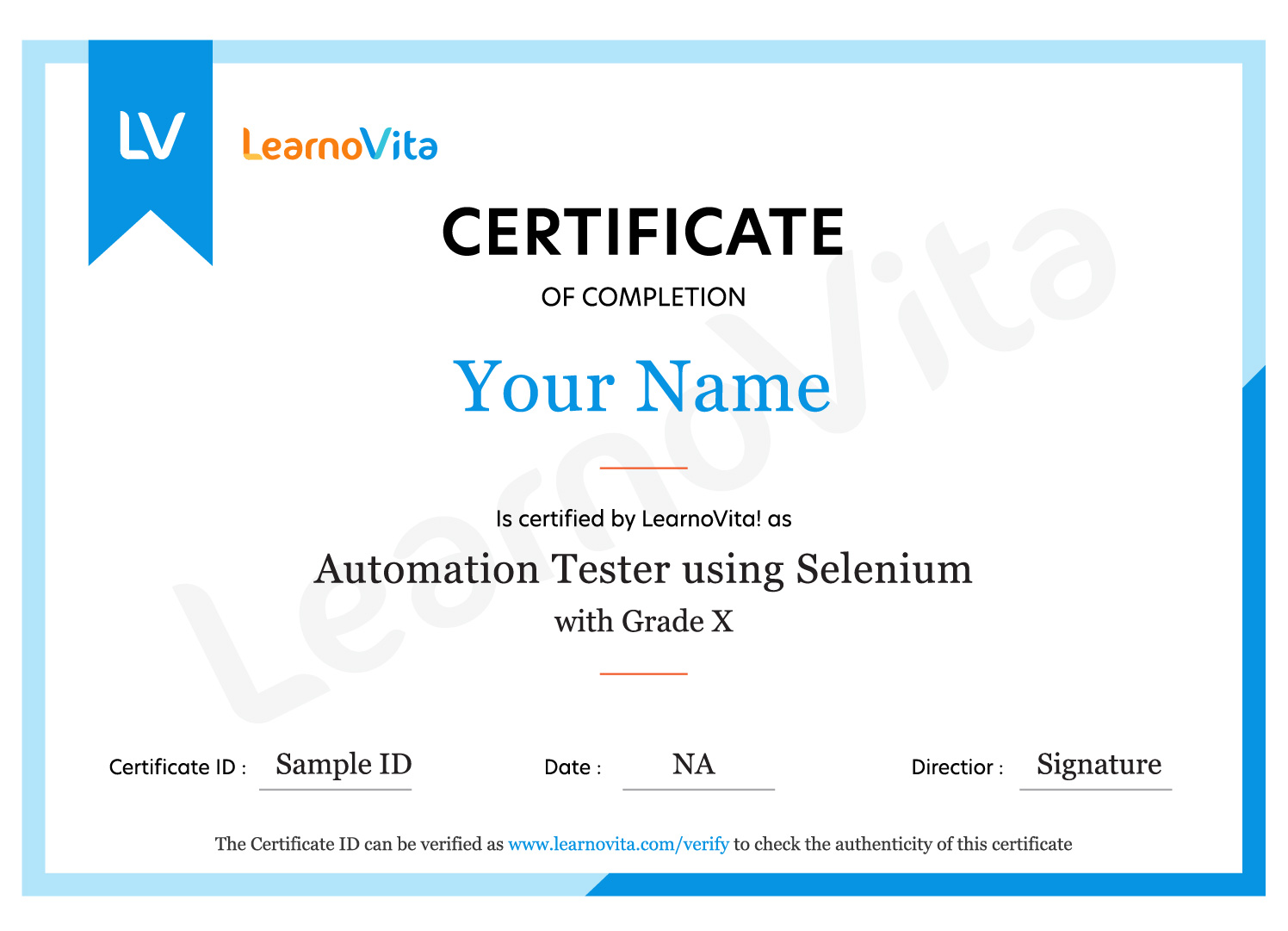
MNC Recognized course
complete certification
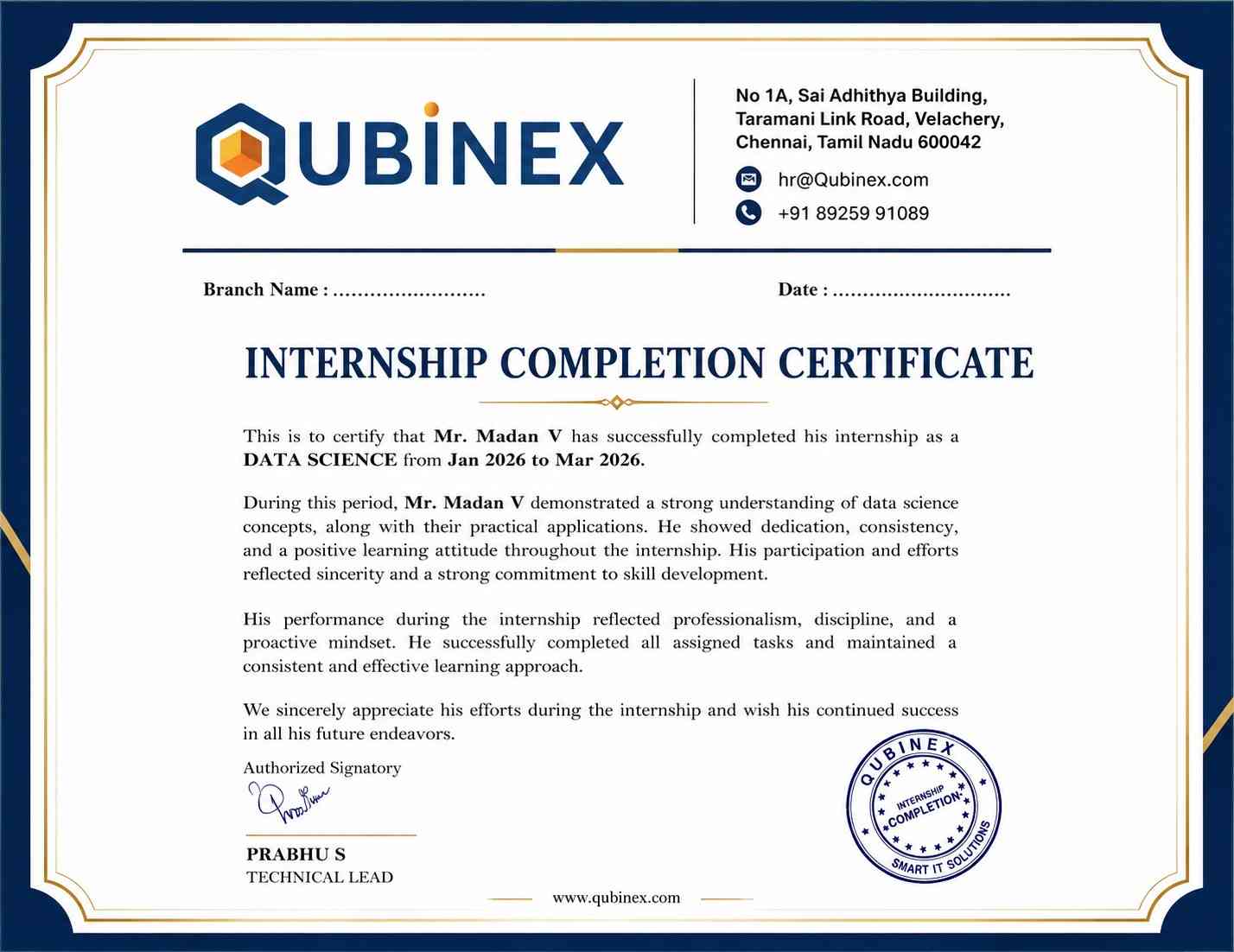
Intership
complete certification
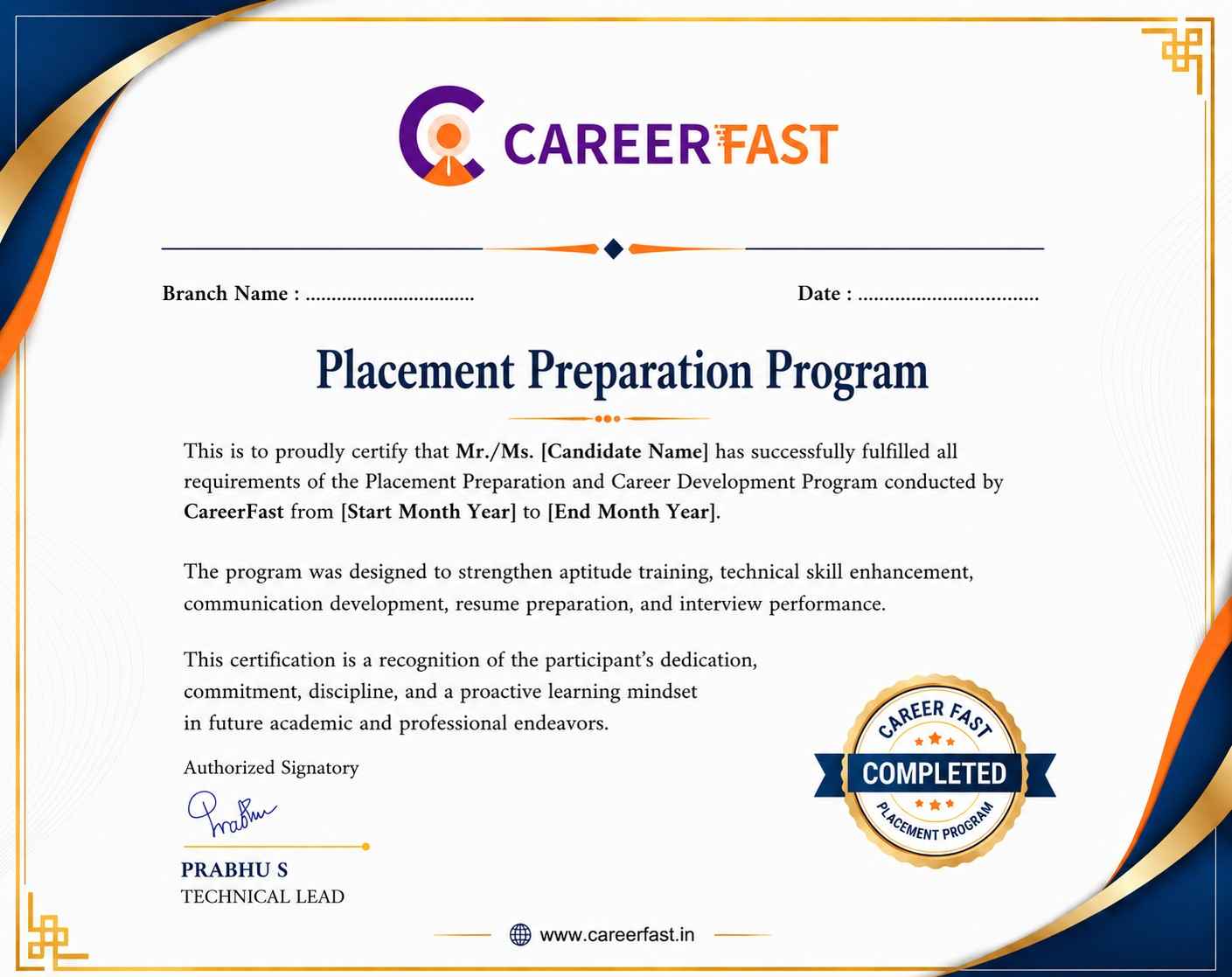
Placement
complete certification
Our learners
transformed their careers

A majority of our alumni
fast-tracked into managerial careers.
Get inspired by their progress in the Career Growth Report.
Our Student Successful Story
 Regular 1:1 Mentorship From Industry Experts
Live Classes
Career Support
Regular 1:1 Mentorship From Industry Experts
Live Classes
Career Support

Sandeep Kumar D
Software Engineer, Cisco Systems )
Vinoth P
UI Developer, TCS
Vijeyalakshme kannan
QA Engineer, Amazon Development Center
Pranav Srinivas
Software Testing, Capgemini
Prasanna
SAP Admin, HCLHow are the Graphic Designing Course with LearnoVita Different?
Feature
LearnoVita
Other Institutes
Affordable Fees
Competitive Pricing With Flexible Payment Options.
Higher Graphic Designing Fees With Limited Payment Options.
Live Class From ( Industry Expert)
Well Experienced Trainer From a Relevant Field With Practical Graphic Designing Training
Theoretical Class With Limited Practical
Updated Syllabus
Updated and Industry-relevant Graphic Designing Course Curriculum With Hands-on Learning.
Outdated Curriculum With Limited Practical Training.
Hands-on projects
Real-world Graphic Designing Project With Live Case Studies and Collaboration With Companies.
Basic Projects With Limited Real-world Application.
Certification
Industry-recognized Graphic Designing Certifications With Global Validity.
Basic Graphic Designing Certifications With Limited Recognition.
Placement Support
Strong Placement Support With Tie-ups With Top Companies and Mock Interviews.
Basic Placement Support
Industry Partnerships
Strong Ties With Top Tech Companies for Internships and Placements
No Partnerships, Limited Opportunities
Batch Size
Small Batch Sizes for Personalized Attention.
Large Batch Sizes With Limited Individual Focus.
Additional Features
Lifetime Access to Graphic Designing Course Materials, Alumni Network, and Hackathons.
No Additional Features or Perks.
Training Support
Dedicated Mentors, 24/7 Doubt Resolution, and Personalized Guidance.
Limited Mentor Support and No After-hours Assistance.
Graphic Designing Course FAQ's
- LearnoVita is dedicated to assisting job seekers in seeking, connecting, and achieving success, while also ensuring employers are delighted with the ideal candidates.
- Upon successful completion of a career course with LearnoVita, you may qualify for job placement assistance. We offer 100% placement assistance and maintain strong relationships with over 650 top MNCs.
- Our Placement Cell aids students in securing interviews with major companies such as Oracle, HP, Wipro, Accenture, Google, IBM, Tech Mahindra, Amazon, CTS, TCS, Sports One , Infosys, MindTree, and MPhasis, among others.
- LearnoVita has a legendary reputation for placing students, as evidenced by our Placed Students' List on our website. Last year alone, over 5400 students were placed in India and globally.
- We conduct development sessions, including mock interviews and presentation skills training, to prepare students for challenging interview situations with confidence. With an 85% placement record, our Placement Cell continues to support you until you secure a position with a better MNC.
- Please visit your student's portal for free access to job openings, study materials, videos, recorded sections, and top MNC interview questions.

- Build a Powerful Resume for Career Success
- Get Trainer Tips to Clear Interviews
- Practice with Experts: Mock Interviews for Success
- Crack Interviews & Land Your Dream Job
Global Quality Training
At The Lowest Fees & Expert Trainer








Need custom pricing?

