Home » Tableau Online Training in Pune » Informatica MDM Course in Siruseri

Informatica MDM Course in Siruseri

(4.6) 14768 Ratings
  • Enroll in the Informatica MDM Training in Siruseri to gain practical skills in master data management and data governance.
  • Explore MDM architecture, data integration, data quality, and Match and Merge processes.
  • Build expertise through real-time Informatica MDM projects and practical exercises.
  • Ideal for Data Engineers, ETL Developers, and IT Professionals targeting MDM careers.
  • Choose Weekday, Weekend, or Fast-Track batches based on your schedule.
  • Get placement assistance, certification guidance, and career mentoring for MDM job opportunities.

Course Duration

45+ Hrs

Live Project

3 Project

Certification Pass

Guaranteed

Training Format

Live Online (Expert Trainers)
Quality Training With Affordable Fee

⭐ Fees Starts From

INR 38,000
INR 18,500

10987+

Professionals Trained

8+

Batches every month

2567+

Placed Students

168+

Corporate Served

What You'll Learn

Learn Informatica MDM fundamentals, data governance principles, and master data management concepts through practical training.

Build strong skills in data quality management and MDM implementation through Informatica MDM Course in Siruseri.

Explore customer data integration, data modeling techniques, and enterprise data management workflows with practical examples.

Gain practical exposure through hands-on Informatica MDM configuration tasks, implementation exercises, and real-time projects.

Study real-world MDM scenarios, data cleansing methods, matching rules, and survivorship strategies using practical exercises.

Prepare for Informatica MDM Training in Siruseri with expert-led sessions, practical learning, and industry-focused project training.

Comprehensive Overview of Informatica MDM Course

The Informatica MDM Course in Siruseri provides practical knowledge of Master Data Management, data governance, data integration, and enterprise data quality. Learners develop skills to manage accurate, consistent, and reliable business data across organizations. Through Informatica MDM Training in Siruseri, participants gain hands-on experience in data modeling, matching, merging, hierarchy management, data cleansing, and real-time MDM implementation. The Informatica MDM Certification validates your understanding of enterprise data management and supports career growth. With Informatica MDM Training with Placement, learners can prepare for opportunities in data engineering, analytics, MDM, and enterprise data governance roles.

Additional Info

Future Trends for Informatica MDM Training:

  • AI-Powered Data Management: AI is making master data management more intelligent and automated. Future Informatica MDM training will introduce AI-based data matching, cleansing, and validation. These capabilities can help identify duplicate or incorrect records faster. AI can also recognize data patterns and improve data quality processes. Learners can understand how AI supports MDM in real business environments. This combination can create new opportunities for MDM professionals.
  • Cloud-Based MDM: Cloud technology is changing how organizations manage and access master data. Future Informatica MDM training will focus more on cloud-based MDM environments and implementations. Learners can explore cloud integration, scalability, security, and accessibility. Cloud MDM also helps connect applications across different locations and platforms. Understanding these concepts can support MDM modernization projects. Cloud skills are becoming increasingly useful for data professionals.
  • Real-Time Data Integration: Businesses need accurate information quickly for daily operations and customer interactions. Future MDM training will focus more on real-time data synchronization between connected systems. Learners can understand how updates in one application can reach other systems quickly. Training may include APIs, integration processes, and event-based data movement. This approach helps reduce outdated information across applications. Real-time MDM knowledge can support modern integration roles.
  • Intelligent Data Quality: Maintaining accurate data is becoming increasingly important for organizations. Future Informatica MDM training will cover smarter approaches to profiling, cleansing, and validating information. Learners can understand how automated processes identify missing, incorrect, and duplicate records. Better data quality supports reliable reporting and business operations. Practical training can demonstrate how quality rules work with real data. These skills help professionals manage enterprise information more effectively.
  • Customer 360: Customer 360 helps organizations create a unified view of customer information from different sources. Future Informatica MDM training can teach learners how customer records are matched and combined. Data from sales, marketing, support, websites, and applications can be connected. A reliable customer profile helps businesses understand interactions more clearly. Learners can also explore identity resolution and customer relationships. These concepts are useful for organizations focused on connected customer experiences.
  • Automated Data Governance: Data governance is becoming essential as organizations manage larger volumes of business information. Future MDM training will connect data management with governance, ownership, and compliance requirements. Learners can understand how policies and rules help maintain consistent master data. Automation can make governance processes easier to monitor across systems. Training may also cover data stewardship, auditing, and lineage. These skills can support professionals working with enterprise data programs.
  • API-Based MDM Integration: APIs are playing a growing role in connecting modern business applications. Future Informatica MDM training will provide more exposure to API-based MDM integration. Learners can understand how master data moves between MDM, CRM, ERP, and other applications. API knowledge makes MDM solutions more flexible and connected. Training can include practical integration scenarios from enterprise environments. This combination of MDM and API skills can support modern data integration careers.
  • Data Fabric Integration: Data fabric is gaining attention as organizations connect information across different environments. Future Informatica MDM training can explain how trusted master data fits into this architecture. Learners can explore the relationship between MDM, data integration, governance, and metadata. This provides a broader understanding of enterprise data management. A data fabric perspective can be useful when working on large transformation projects. It can also help professionals understand modern data strategies.
  • Advanced Matching and Entity Resolution: Organizations often receive similar customer, product, or supplier records from multiple sources. Future MDM training will focus more on automated matching and entity resolution techniques. Learners can understand how systems compare names, addresses, identifiers, and other attributes. These methods help create accurate master records from different sources. Training can also cover missing, outdated, or inconsistent information. This knowledge is valuable for professionals handling large data consolidation projects.
  • MDM for Analytics: Reliable master data provides an important foundation for accurate reporting and analytics. Future Informatica MDM training will show how consistent data supports business intelligence and advanced analytics. Learners can understand how standardized customer, product, and supplier information improves reporting. MDM can also help teams work with consistent business definitions. Practical examples can show how poor master data affects analytical results. This connection between MDM and analytics can expand career opportunities for data professionals.

Essential Tools and Technologies in Informatica MDM

  • Informatica MDM Hub: Informatica MDM Hub acts as the central platform for bringing important business data together. It combines information from different applications and helps create reliable master records. Teams can use it for data modeling, matching, merging, and survivorship configuration. The Hub also supports consistent information across connected business systems. It forms an important foundation for organizations building a structured MDM environment.
  • Data Quality: Data Quality capabilities help organizations find and correct problems within their master data. They can detect duplicate entries, inconsistent formats, incomplete values, and other common data issues. Cleansing and standardization rules can then be applied to improve the records. Reliable data makes reporting and business processes more dependable. These capabilities are especially useful when information comes from many different sources.
  • Data Integration Services: Data Integration Services connect Informatica MDM with applications, databases, and other data sources. They help move information between systems through suitable transformation and loading processes. Both scheduled and near-real-time integration scenarios can be supported depending on project requirements. This keeps master records synchronized with important business applications. It also makes it easier to manage data across hybrid enterprise environments.
  • Informatica Developer: Informatica Developer provides an environment for creating data integration workflows and processing logic. Developers can build mappings, transformations, and pipelines for handling information from different sources. It supports the development and troubleshooting of processes used within data management projects. The visual development approach makes complex data flows easier to understand. It is useful when preparing and transforming data before it reaches MDM systems.
  • Identity Resolution Tool: Identity resolution helps determine when records from different sources refer to the same real-world entity. It can compare attributes such as names, addresses, identifiers, and other available details. Matching results can then be used to consolidate duplicate customer, supplier, or product records. This creates a clearer and more dependable view of important business entities. It is particularly valuable for projects involving Customer 360 and data consolidation.
  • Data Governance: Data governance provides the rules and responsibilities needed to manage master data properly. It helps organizations define ownership, standards, access requirements, and quality expectations. Governance practices can also support metadata visibility, auditing, and regulatory requirements. Clear policies make it easier for business and technical teams to manage data consistently. This creates a stronger framework for maintaining trusted enterprise information.
  • Cloud Integration Tech: Cloud integration technologies allow Informatica MDM to work with applications and data hosted in cloud environments. They support connections between cloud platforms, on-premises systems, and hybrid infrastructures. Organizations can use these capabilities to move and synchronize master data across distributed applications. Cloud-based integration also provides flexibility when business systems change or expand. These technologies are becoming increasingly relevant in modern MDM implementation projects.
  • Workflow Automation: Workflow automation helps MDM teams manage repetitive data processes with less manual intervention. It can support activities such as approvals, validation, record updates, and data review. Automated workflows help move tasks between users and systems according to predefined business rules. This can reduce delays and improve consistency in day-to-day data operations. Automation is useful when organizations need to manage large volumes of master data efficiently.
  • Metadata Management System: Metadata management helps teams understand what their data represents and where it is being used. It can provide information about data definitions, relationships, lineage, and sources across an organization. This visibility makes it easier to trace information and maintain consistent data standards. It also supports governance teams when reviewing data ownership and usage. Better metadata understanding can improve collaboration between technical and business users.
  • Security Management: Security management protects master data by controlling who can access and modify important information. MDM environments can use roles, permissions, authentication, and audit mechanisms to manage access. These controls help organizations protect sensitive customer, supplier, and business records. Security practices can also support internal policies and applicable data protection requirements. Strong access management is an important part of maintaining a trustworthy MDM platform.

Roles and Responsibilities of Informatica MDM

  • MDM Developer Role: MDM Developers build and maintain solutions that organize and manage enterprise master data. They work with data models, match and merge configurations, integrations, and MDM workflows. Developers also troubleshoot technical problems and improve application performance when required. They translate business requirements into working MDM functionality. Their work helps keep master data processes stable and consistent across connected systems.
  • Data Steward Role: Data Stewards take responsibility for maintaining the quality and proper use of important business data. They review records, investigate duplicates, and help resolve data inconsistencies. They also work with business teams to apply agreed data standards and governance rules. Their daily work often involves identifying issues that require business clarification. Data Stewards help ensure that users can rely on the information maintained within the MDM environment.
  • MDM Architect Role: MDM Architects plan the technical structure of an Informatica MDM implementation. They decide how data models, integrations, applications, and security components should work together. Architects consider factors such as performance, scalability, maintainability, and business requirements. They also provide technical direction to developers and implementation teams. Their decisions shape how the MDM platform operates within the wider enterprise architecture.
  • Data Analyst Role: Data Analysts examine master data to identify useful patterns, inconsistencies, and business information. They may work with reports and datasets to understand customer, product, supplier, or operational data. Analysts also check whether the information is suitable for reporting and analysis. Their findings can help teams identify areas where data needs improvement. This role connects well-managed master data with practical business insights.
  • MDM Consultant Role: MDM Consultants help businesses plan, implement, and improve their master data management initiatives. They study business requirements and suggest suitable approaches for data modeling, governance, integration, and quality. Consultants may also support configuration, testing, documentation, and user discussions. They work across technical and business teams during implementation projects. Their role is often focused on making the MDM solution fit the organization's actual processes.
  • Data Engineer Role: Data Engineers build the pipelines and integration processes that move information into and around MDM environments. They work with source systems, transformations, data loading, and synchronization activities. They also handle performance challenges when large amounts of information are processed. Reliable pipelines help keep master records updated across connected applications. This role is valuable in MDM projects that involve complex or high-volume data flows.
  • Data Governance Role: Data Governance professionals establish the standards and policies used to manage organizational data. They define areas such as data ownership, quality expectations, access, and compliance requirements. They may also monitor governance activities and coordinate with Data Stewards and technical teams. Their work helps organizations apply consistent rules across different data domains. A clear governance structure gives MDM projects stronger long-term direction.
  • Solution Architect Role: Solution Architects design complete MDM solutions around specific business and technical requirements. They determine how Informatica MDM should connect with existing enterprise applications and services. Their responsibilities can include technology selection, integration design, security planning, and performance considerations. They also guide teams when complex implementation decisions arise. Their focus is on creating an MDM solution that can support current needs and future expansion.
  • Data Quality Analyst Role: Data Quality Analysts investigate problems that affect the accuracy and consistency of master data. They examine datasets, identify recurring issues, and help develop suitable cleansing and validation rules. They may track quality measurements to understand whether data is improving over time. Their findings are shared with technical and business teams for corrective action. This role helps organizations maintain dependable information across their MDM environment.
  • Implementation Manager Role: Implementation Managers coordinate the different activities involved in delivering an Informatica MDM project. They work with technical teams, business stakeholders, consultants, and other project members. Their responsibilities include planning, tracking progress, managing risks, and coordinating important milestones. They also help ensure that project requirements are addressed before deployment. Effective coordination helps move an MDM implementation from planning through delivery with fewer disruptions.

Top Companies Hiring Informatica MDM Professionals

  • Deloitte: Deloitte offers opportunities for Informatica MDM professionals to work on enterprise data governance, master data management, and data quality initiatives. Professionals contribute to large-scale projects involving data integration, compliance, and business transformation across industries such as finance, healthcare, and retail.
  • Accenture: Accenture hires Informatica MDM specialists to support enterprise data integration, governance strategies, and customer data management solutions. Professionals work with global clients to improve data accuracy, strengthen decision-making, and build scalable MDM solutions.
  • TCS: Tata Consultancy Services (TCS) provides opportunities for Informatica MDM professionals to work on data migration, master data management, and data quality projects. They support enterprise systems by integrating, cleansing, and synchronizing data across multiple platforms.
  • Infosys: Infosys recruits Informatica MDM professionals for data management, governance, and integration initiatives. Professionals work with large datasets, maintain data consistency, and develop MDM solutions that support improved business operations and analytics.
  • Cognizant: Cognizant hires Informatica MDM specialists for enterprise data quality, master data integration, and data architecture projects. Professionals help develop scalable solutions that improve reporting accuracy, business intelligence, and data-driven decision-making.
  • IBM: IBM offers opportunities for Informatica MDM professionals to work on enterprise data management, system integration, and cloud-based MDM solutions. Professionals contribute to data governance initiatives and help maintain reliable and high-quality master data across enterprise environments.
  • Capgemini: Capgemini recruits Informatica MDM experts for data integration, governance, and enterprise data quality projects. Professionals help organizations streamline data processes, minimize duplication, and improve overall operational efficiency.
  • Wipro: Wipro hires Informatica MDM professionals for data migration, master data governance, and integration projects. Professionals support the development of scalable MDM solutions that improve data accuracy and consistency across business systems.
  • HCLTech: HCLTech provides opportunities for Informatica MDM professionals to work on enterprise data solutions, integration projects, and data quality frameworks. Professionals help implement effective MDM practices to support business intelligence and operational efficiency.
  • Tech Mahindra: Tech Mahindra recruits Informatica MDM specialists for enterprise data management, integration, and governance projects. Professionals work on improving data workflows, maintaining data accuracy, and building reliable master data solutions for business operations.
View more

Informatica MDM Course Objectives

A basic understanding of databases, SQL, and data concepts is useful before starting Informatica MDM training. Familiarity with enterprise applications and data flows can make the lessons easier to follow. Beginners can also join the course and build these fundamentals during the training.
Informatica MDM training helps learners understand master data, data quality, integration, matching, and governance. Practical exercises provide experience with common MDM tasks and business scenarios. The course can also help develop skills relevant to data management and enterprise technology roles.
  • Cloud-Based MDM
  • AI-Driven Data Management
  • Real-Time Data Integration
  • Customer 360 Solutions
  • Automated Data Quality
Informatica MDM skills are useful for organizations that need accurate and consistent business data across multiple systems. Professionals with MDM knowledge can work on data quality, integration, governance, and master data projects. These skills are relevant across sectors such as finance, healthcare, retail, and IT services.
  • MDM Fundamentals
  • Data Modeling
  • Match and Merge
  • Data Quality
  • MDM Workflows
  • Data Integration
  • Data Governance
Yes, practical projects can give students experience with common Informatica MDM business scenarios. Activities may include customer data consolidation, duplicate identification, data cleansing, and master record creation. This type of practice helps learners understand how MDM concepts are applied in enterprise environments.
  • Banking and Finance
  • Healthcare and Pharmaceuticals
  • Retail and E-Commerce
  • Insurance
  • IT and Consulting
Training can strengthen your Informatica MDM knowledge and improve your preparation for relevant roles, but it cannot guarantee a job. Employment depends on your technical skills, practical experience, interview performance, and employer requirements. Placement assistance and project exposure can provide additional career support.
  • Master Data Management Skills
  • Data Quality Knowledge
  • Integration Experience
  • Governance Understanding
  • Practical MDM Exposure
Students can gain practical exposure to Informatica MDM Hub, Informatica Data Quality, PowerCenter, SQL, and related integration technologies. Depending on the syllabus, training may also cover cloud integration and data governance tools. These technologies help learners work with, connect, and maintain enterprise master data.
view More view Less

Informatica MDM Course Benefits

The Informatica MDM Certification Course in Siruseri offers practical training in master data management, data quality, governance, and enterprise data integration. Learners gain hands-on experience through case studies, data modeling tasks, and real-world projects guided by trainers. This Informatica MDM Course with Placement support helps learners prepare for roles in data engineering, analytics, and enterprise data management.

  • Designation
  • Annual Salary
    Hiring Companies
  • 10L
    Min
  • 15L
    Average
  • 25L
    Max
  • 7L
    Min
  • 12L
    Average
  • 20L
    Max
  • 5L
    Min
  • 8L
    Average
  • 12L
    Max
  • 6L
    Min
  • 9L
    Average
  • 15L
    Max

About Your Informatica MDM Certification Training

Our Informatica MDM Training in Siruseri offers practical learning in master data management, data integration, data governance, and enterprise data quality. Learners build hands-on skills through real-time case studies, data modeling activities, and practical exercises. With placement support, the training helps candidates prepare for careers in data engineering, analytics, and enterprise data management.

Top Skills You Will Gain
  • Data Governance
  • Data Modeling
  • Data Integration
  • Data Cleansing
  • Data Matching
  • Workflow Design
  • ETL Processing
  • Data Analysis

12+ Informatica MDM Tools

Online Classroom Batches Preferred

Weekdays (Mon - Fri)
21 - Sep - 2026
08:00 AM (IST)
Weekdays (Mon - Fri)
23 - Sep - 2026
08:00 AM (IST)
Weekend (Sat)
26 - Sep - 2026
11:00 AM (IST)
Weekend (Sun)
27 - Sep - 2026
11:00 AM (IST)
Can't find a batch you were looking for?
₹38,000 ₹18,500 10% OFF Expires in

No Interest Financing start at ₹ 5000 / month

Corporate Training

  • Customized Learning
  • Enterprise Grade Learning Management System (LMS)
  • 24x7 Support
  • Enterprise Grade Reporting

Not Just Studying
We’re Doing Much More!

Empowering Learning Through Real Experiences and Innovation
Hiring
Hiring
Hiring
Hiring
Hiring
Hiring
Hiring
User
User
User
User
User
User

Trainers Profile

Our Informatica MDM Training in Anna Nagar is delivered by highly experienced industry professionals with strong expertise in master data management, data governance, data integration, data quality, and enterprise data architecture. We provide high-quality training materials, real-time case studies, Informatica MDM Internship opportunities, and hands-on project exposure to strengthen practical skills. These resources help learners build strong analytical, data modeling, and implementation skills while preparing them for successful careers in global data management and enterprise analytics domains.

Syllabus for Informatica MDM Course Download syllabus

  • MDM Platform Overview
  • Architecture Fundamentals Study
  • Master Data Concepts
  • Business Data Understanding
  • System Components Overview
  • MDM Lifecycle Introduction
  • Data Model Design
  • Entity Relationship Setup
  • Hierarchy Structure Creation
  • Attribute Mapping Techniques
  • Business Rules Definition
  • Model Validation Process
  • Source System Connection
  • Data Extraction Process
  • Transformation Logic Setup
  • Data Loading Techniques
  • Integration Workflow Design
  • System Synchronization Process
  • Data Cleansing Methods
  • Duplicate Removal Process
  • Data Standardization Rules
  • Validation Rule Setup
  • Error Handling Techniques
  • Quality Monitoring System
  • Match Rule Creation
  • Duplicate Detection Logic
  • Record Matching Process
  • Merge Strategy Definition
  • Survivorship Rule Setup
  • Conflict Resolution Handling
  • Workflow Design Setup
  • Process Automation Rules
  • Task Assignment Configuration
  • Approval Flow Structure
  • Exception Handling Process
  • Workflow Optimization Techniques
  • Governance Framework Setup
  • Policy Definition Rules
  • Compliance Standards Review
  • Metadata Management Process
  • Data Stewardship Roles
  • Audit Tracking Methods
  • MDM Hub Setup
  • System Configuration Steps
  • Security Role Setup
  • User Access Control
  • Performance Optimization Tuning
  • Environment Management Process
  • Report Generation Setup
  • Dashboard Configuration Design
  • Data Visualization Methods
  • KPI Monitoring System
  • Business Insight Analysis
  • Performance Reporting Tools
  • Cloud MDM Integration
  • Real Time Processing
  • API Connectivity Setup
  • Big Data Integration
  • Advanced Automation Techniques
  • Project Implementation Practice
(15) view More view Less
Need customized curriculum?

REAL

start
STORIES SUCCESS INSPIRATION
CAREER
UPGRADE
sowmiya

sowmiya

CAREER
UPGRADE
Rajkumar

Rajkumar

CAREER
UPGRADE
Thon

Thon

CAREER
UPGRADE
lavanya

Lavanya

Industry Projects

Project 1
Customer Master Data Cleansing and Matching

Create a customer master in Informatica MDM by identifying duplicate records, applying matching rules, and producing clean, reliable customer profiles.

Project 2
Product Master Data Project

Build a centralized product master by integrating data from different sources, standardizing attributes, and creating structured product hierarchies.

Project 3
Customer 360 Data Project

Combine customer details from multiple systems using Informatica MDM. Apply cleansing, matching, and merging to create a unified customer profile

Our Hiring Partner

Exams and Certifications

An Informatica MDM certification demonstrates your understanding of master data management, data quality, governance, and integration practices. It gives employers evidence of your technical knowledge and can strengthen your professional profile when applying for MDM and enterprise data management roles.
  • Understanding of Database Concepts
  • Basic SQL Knowledge
  • Awareness of Data Management
  • Fundamentals of ETL Processes
  • Logical and Problem-Solving Skills
Certification alone does not guarantee employment, but it can demonstrate your knowledge of Informatica MDM concepts to potential employers. Combining certification with practical projects, technical skills, and interview preparation can help you become better prepared for relevant data management opportunities.
  • Informatica MDM Developer
  • Data Analyst
  • Data Steward
  • MDM Consultant
  • Data Engineer
An Informatica MDM certification can strengthen your profile by demonstrating knowledge of enterprise data management and governance. When supported by hands-on experience, project work, and relevant technical skills, it can help you explore opportunities in MDM development, data quality, integration, analytics, and consulting.

MNC Recognized course
complete certification
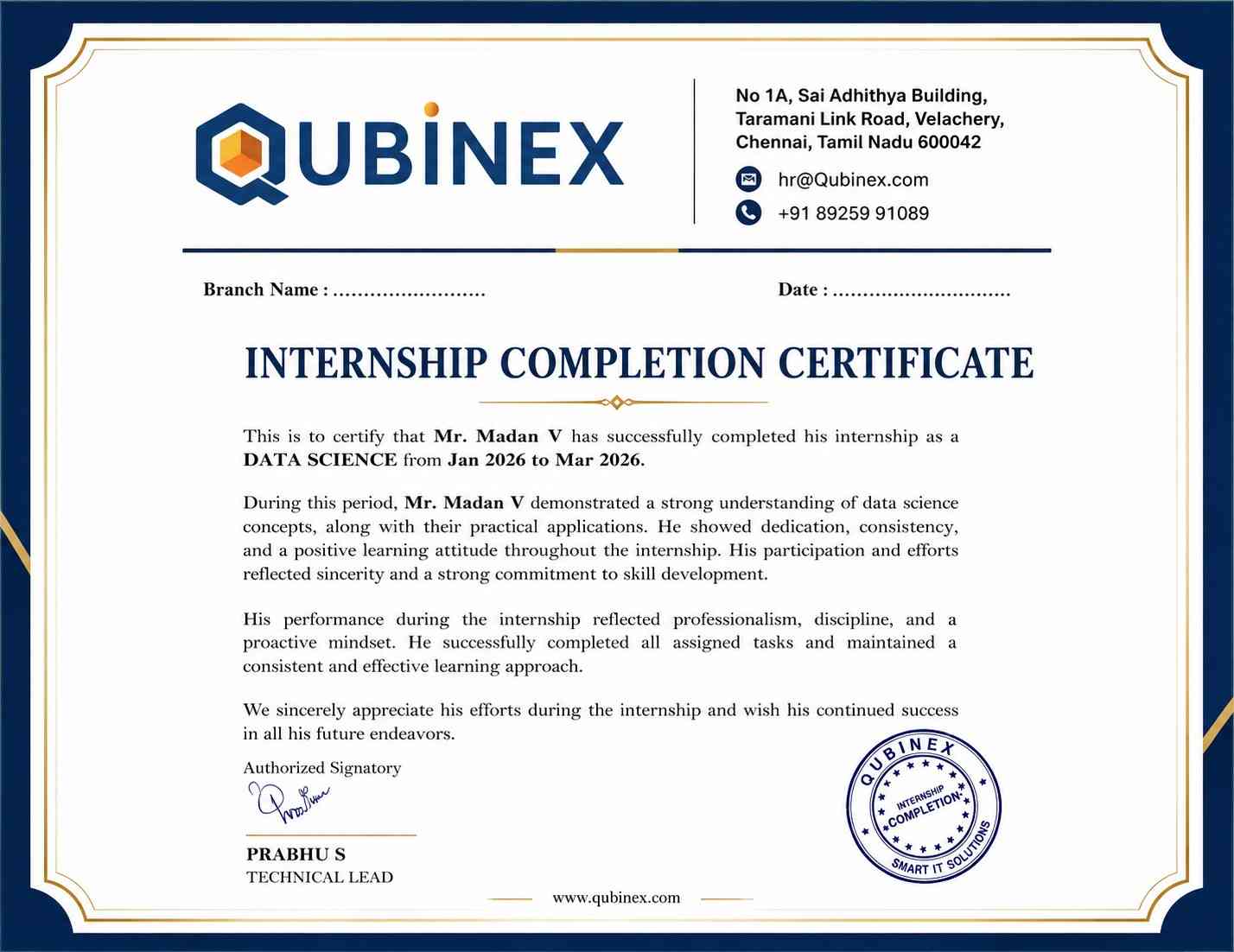
Intership
complete certification
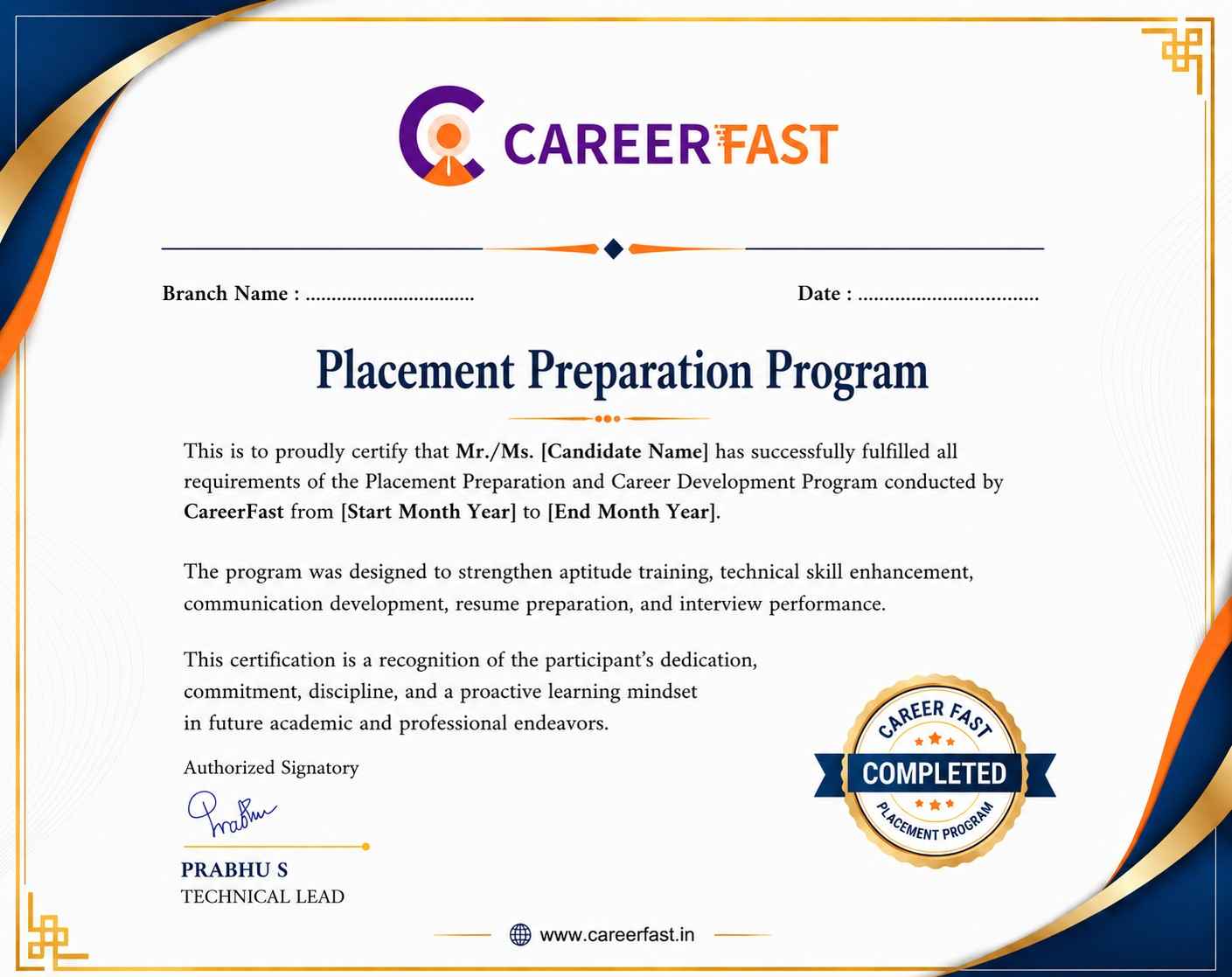
Placement
complete certification

Our learners
transformed their careers

35 Laks
Highest Salary Offered
50%
Average Salary Hike
30K+
Placed in MNC's
15+
Year's in Training
Our Alumni
Alumni

A majority of our alumni

fast-tracked into managerial careers.

Get inspired by their progress in the Career Growth Report.

Our Student Successful Story

checkimage Regular 1:1 Mentorship From Industry Experts checkimage Live Classes checkimage Career Support

How are the Informatica MDM Course with LearnoVita Different?

Feature

LearnoVita

Other Institutes

Affordable Fees

Competitive Pricing With Flexible Payment Options.

Higher Informatica MDM Fees With Limited Payment Options.

Live Class From ( Industry Expert)

Well Experienced Trainer From a Relevant Field With Practical Informatica MDM Training

Theoretical Class With Limited Practical

Updated Syllabus

Updated and Industry-relevant Informatica MDM Course Curriculum With Hands-on Learning.

Outdated Curriculum With Limited Practical Training.

Hands-on projects

Real-world Informatica MDM Projects With Live Case Studies and Collaboration With Companies.

Basic Projects With Limited Real-world Application.

Certification

Industry-recognized Informatica MDM Certifications With Global Validity.

Basic Informatica MDM Certifications With Limited Recognition.

Placement Support

Strong Placement Support With Tie-ups With Top Companies and Mock Interviews.

Basic Placement Support

Industry Partnerships

Strong Ties With Top Tech Companies for Internships and Placements

No Partnerships, Limited Opportunities

Batch Size

Small Batch Sizes for Personalized Attention.

Large Batch Sizes With Limited Individual Focus.

Additional Features

Lifetime Access to Informatica MDM Course Materials, Alumni Network, and Hackathons.

No Additional Features or Perks.

Training Support

Dedicated Mentors, 24/7 Doubt Resolution, and Personalized Guidance.

Limited Mentor Support and No After-hours Assistance.

Informatica MDM Course FAQ's

Yes, you can attend a demo session to understand the training approach, trainer expertise, and course structure. A recorded session may also be available for review.
LearnoVita instructors are experienced IT professionals with strong industry knowledge. They focus on practical concepts, real-time examples, and hands-on learning.
  • Placement assistance is available to eligible learners.
  • Support may include resume guidance, mock interviews, and interview preparation.
  • Learners may also receive access to relevant job opportunities.
After completing the course, you will receive a LearnoVita course completion certificate. Guidance may also be provided for relevant industry certification exams.
Yes, learners work on practical Informatica MDM projects to apply concepts and develop hands-on experience.
LearnoVita offers online instructor-led, classroom, self-paced, one-to-one, and customized training options to suit different learning needs and schedules.
If you miss a session, you can use the available class recordings or attend a suitable replacement session, subject to batch and course availability.
For further questions about the Informatica MDM Course, contact LearnoVita at contact@learnovita.com.
You can register for the Informatica MDM Course through the LearnoVita website or contact the training team for enrollment assistance.
Yes, enrolled learners can access available study materials, recordings, and interview preparation resources through the student portal.
LearnoVita keeps batches limited to support better interaction, doubt clarification, and individual attention during training.
Salary varies based on experience, skills, location, and employer. Informatica MDM professionals can explore opportunities in data management and MDM-related roles.
view More view Less
Career Assistance
  • Build a Powerful Resume for Career Success
  • Get Trainer Tips to Clear Interviews
  • Practice with Experts: Mock Interviews for Success
  • Crack Interviews & Land Your Dream Job
100% JOB GUARANTEE

Global Quality Training
At The Lowest Fees & Expert Trainer

AVAILABLE IN:
India Canada USA Singapore UAE Australia EU Germany

Need custom pricing?

4.9/5 from 50k+ students
Acte Technologies WhatsApp
Call Us! Chat With Us