Home » Designing & Animation » Interior Design Course in Coimbatore

Interior Design Course in Coimbatore

(4.5) 19354 Ratings
  • Enroll in the Interior Design Training in Coimbatore to master creative space planning, 3D modeling and décor techniques.
  • Gain layout design and color coordination skills at the Interior Design training institute in Coimbatore.
  • Get practical exposure through real-time projects, design assignments and portfolio creation.
  • Ideal for aspiring interior designers, architects and creative professionals seeking hands-on training.
  • Choose from flexible batch timings: Weekday, Weekend or Fast-Track sessions.
  • Benefit from placement support, interview preparation and career guidance for a successful start.

Course Duration

55+ Hrs

Live Project

3 Project

Certification Pass

Guaranteed

Training Format

Live Online (Expert Trainers)
Quality Training With Affordable Fee

⭐ Fees Starts From

INR 38,000
INR 18,500

11362+

Professionals Trained

10+

Batches every month

2574+

Placed Students

265+

Corporate Served

What You'll Learn

Interior Design Course in Coimbatore provides in-depth knowledge of space planning, color theory and creative décor solutions.

Learn the fundamentals of Interior Design training in Coimbatore, including furniture layouts, lighting and material selection.

Develop practical skills in 3D modeling, floor plans and virtual visualization to bring designs to life.

Explore techniques for creating functional and aesthetic interiors using modern design tools.

Gain experience in project-based assignments, interior styling and thematic concept development.

Obtaining a recognized certification can improve your professional prospects and professional guidance in interior design.

An Overview of Interior Design Course

The Interior Design Course in Coimbatore is designed to provide learners with comprehensive knowledge of interior design principles, including space planning, décor, lighting and furniture layout. Through Interior Design training in Coimbatore, students gain practical exposure via hands-on projects, real-world design scenarios and guidance from industry experts. Enrolling in the Interior Design Certification Course in Coimbatore not only enhances your creative and technical skills but also improves your career readiness, opening opportunities in interior design studios, architectural firms and freelance design projects. Completing the Interior Design training course equips you with the expertise to handle real-time design challenges, create professional portfolios and advance confidently in the interior design industry.

Additional Info

Future Trends for Interior Design Course

  • Sustainable Interiors: Sustainable design focuses on eco-friendly materials, energy-efficient lighting and renewable resources. Designers learn to select recycled furniture, low-impact paints and sustainable flooring options. This tendency lessens the impact on the environment in addition to promotes healthier living spaces. Learners explore how to blend sustainability with modern aesthetics effectively. Green interiors are becoming a key expectation in both residential and commercial projects. Designers are also investigating energy-saving technologies and carbon-neutral materials. Environmental responsibility is increasingly being considered when making decisions for clients.
  • Smart Home Integration: Smart homes merge technology with interior design for efficiency and convenience. Students gain skills in integrating automated lighting, climate control and voice-assisted devices into living spaces. This trend improves functionality without compromising style. Learners also study how IoT devices enhance user experience. Smart interiors are increasingly demanded in urban residential and luxury spaces. They also enable real-time monitoring of energy consumption. Learning to blend aesthetics with smart technology is crucial for future-ready designers.
  • Minimalistic Design: Simplicity, straight lines, and clutter-free spaces are key components of minimalism. To create large, peaceful spaces, designers emphasize open layouts, neutral color schemes and useful furnishings. Students gain proficiency in designing functional and aesthetically pleasing environments. Interiors that are minimalistic enhance spatial flow and lessen visual strain. This style is very well-liked in contemporary offices and residences. Additionally, functional décor that makes the most of available space is encouraged by minimalism. Designers discover how to use fewer, well-chosen items to create visually striking rooms.
  • Biophilic Design: Students investigate ways to improve indoor aesthetics, air quality, and well-being. This style unites contemporary interior design with nature. Students also understand how to balance greenery with functional design. Biophilic interiors are increasingly implemented in offices, homes and hospitality projects. Integrating natural materials like wood and stone adds sensory comfort. Biophilic principles also improve occupant productivity and creativity.
  • Adaptive Reuse Interiors: Adaptive reuse transforms old or unused structures into functional, modern spaces. In order to preserve architectural character, designers learn how to repurpose pre-existing materials. In urban design, this approach promotes sustainability and inventiveness. Students get the ability to modify interior spaces without undergoing a full overhaul. For cities that have little room for new construction, adaptive reuse is essential. Students explore historical preservation while producing modern aesthetics. This tactic promotes cost-effectiveness and environmental sustainability at the same time.
  • Virtual and Augmented Reality: VR and AR technologies enable immersive 3D walkthroughs and real-time design visualizations. Students learn to experiment with layouts, colors and furnishings virtually. These tools improve client communication and reduce design errors. Learners also study interactive presentation techniques using VR/AR. Digital visualization is becoming a must-have skill in contemporary interior design. VR/AR also allows quick iterations of design ideas before implementation. Students gain confidence in presenting complex concepts visually to clients.
  • Multi-Functional Spaces: Multipurpose interior spaces are becoming more and more desirable as metropolitan areas get smaller. Designers concentrate on multipurpose, adaptable spaces, including rooms that may be used for both work and living. Students comprehend how to maximize space while preserving aesthetic appeal. This trend calls for originality in layout planning and furniture design. Interiors with multiple uses are very desirable in contemporary businesses and apartments. To increase utility, designers also look into modular furniture options. For urban interior designers, flexibility and adaptability become critical competencies.
  • Customized Furniture & Décor: Customized furniture and décor allow clients to achieve unique, personalized interiors. Students learn how to create items that are suited to specific tastes and available space. This style gives places personality and improves functionality. Additionally, they study ergonomics, craftsmanship and material selection. Boutique projects and high-end clients are increasingly favoring personalized interiors. Customization encourages creativity while satisfying the demands of every single customer. Designers acquire the ability to seamlessly blend functional design with artistic expression.
  • Wellness-Oriented Interiors: Wellness-oriented design prioritizes mental and physical health in living and working spaces. Designers incorporate ergonomic furniture, natural lighting and calming color palettes. Learners explore strategies to create interiors that reduce stress and promote well-being. This trend is significant in offices, homes and hospitality sectors. Wellness-focused interiors are becoming a major differentiator in client satisfaction. Designers also integrate air purification, acoustic comfort and biophilic elements. The emphasis on health-conscious design is increasing across global urban projects.
  • Digital Interior Design Platforms: Online tools and software transform how designers conceptualize and present their ideas. Students learn to create floor plans, 3D models and virtual staging using digital platforms. This trend enhances efficiency, collaboration and project visualization. Learners also gain proficiency in remote client presentations and interactive designs. Digital platforms are now essential for modern interior design workflows and professional growth. Designers can simulate multiple scenarios rapidly to optimize outcomes. Mastery of digital tools is critical to stay competitive in a technology-driven design industry.

Tools and Technologies for Interior Design Course

  • AutoCAD: The main tool for producing accurate 2D and 3D interior design plans is AutoCAD. It is used by students to draft architectural details, furniture arrangement and layouts. Changes and annotations are permitted for client approval. Students acquire proficiency in digital documentation and technical drawing. AutoCAD facilitates the depiction of realistic spatial arrangements. Expert interior design positions require AutoCAD proficiency. Additionally, it helps students create comprehensive electrical, lighting, and plumbing plans. Project management accuracy and efficacy are ensured by proficiency using AutoCAD.
  • SketchUp: Designers may quickly produce 3D models of interior spaces with SketchUp. Students gain the ability to see ideas, objects and lighting in three dimensions. Presenting clients with realistic designs is made easier with this tool. Students can model color palettes and furniture placement. Rendering plugins are also supported by SketchUp for intricate effects. Knowledge of SketchUp improves workflow effectiveness and creativity. It makes it possible to quickly prototype interior designs for quicker client approval. Additionally, students investigate architectural context visualization and terrain modeling.
  • 3ds Max: 3ds Max allows interior designers to produce photorealistic renderings and animations. Learners explore advanced modeling, texturing and lighting techniques. It helps communicate design ideas with lifelike accuracy. Students gain experience in virtual walkthroughs for client presentations. 3ds Max supports large-scale project visualization efficiently. Mastering this tool increases employability in high-end interior design studios. It also enables dynamic furniture simulation and material customization. Designers can integrate it with VR platforms for immersive presentations.
  • Adobe Photoshop: Photoshop is utilized for concept visualization, texture development and post-processing. Designers improve renderings, make mood boards and edit photos. Students gain proficiency in graphic manipulation and color correction. Photoshop helps in presenting professional design proposals. Students can combine sketches, photos and digital textures. Expertise in Photoshop improves communication of design aesthetics to clients. It also allows students to create branding visuals for interior projects. Learning Photoshop supports marketing-ready presentations and portfolio creation.
  • Revit: Revit focuses on Building Information Modeling (BIM) for interior design projects. Students gain the ability to produce intricate 3D models with precise measurements. It easily facilitates cooperation with engineers and architects. Students are adept at keeping track of supplies, lighting, and room arrangements. Designs are practical and implementable to Revit. Large-scale residential and commercial projects benefit greatly from Revit proficiency. It also aids in structural coordination and clash detection. A working knowledge of Revit guarantees improved client satisfaction and project management.
  • Lumion: For interior design, Lumion offers real-time 3D rendering and visualization. Students can swiftly apply lighting, environment effects and textures. It aids in creating high-quality photos and walkthrough videos. Students can dynamically experiment with various colors and materials. Lumion uses immersive presentations to improve client comprehension. Lumion proficiency is essential for contemporary design communication. Additionally, it enables the simulation of environmental context, including weather and sunshine impacts. Lumion speeds up the rendering process, saving project time and costs.
  • CorelDRAW: CorelDRAW is used for graphic design, floor plans and decorative patterns. Designers learn to create detailed design elements for interiors. Students explore layout planning, custom textures and print-ready designs. It aids in producing professional-quality presentations for clients. Learners can integrate CorelDRAW designs into larger 3D projects. Knowledge of CorelDRAW complements digital interior design skills. It also supports creating branding visuals, signage and client presentation boards. CorelDRAW enhances creativity and precision in decorative and visual components.
  • Blender: Blender is a free, open-source 3D modeling and animation software used in interior design. Students produce lifelike 3D animations and visualizations. Advanced shading, lighting and material simulations are supported. Students can show clients interactive walkthroughs. Additionally, Blender enables the virtual prototyping of décor and furniture. Gaining proficiency with Blender increases adaptability and artistic freedom. Learners explore physics simulations for realistic material behavior. Blender also supports VR and AR integration for immersive design presentations.
  • V-Ray: The rendering engine V-Ray is compatible with multiple 3D design software. Students learn to produce realistic lighting, shadows and material textures. It enhances the visual quality of interior renderings. Learners can experiment with different environmental and artificial light settings. V-Ray allows high-quality photorealistic presentations for clients. Skill in V-Ray is essential for luxury and commercial interior projects. It also enables subtle detailing of reflections and transparency in interiors. Mastery of V-Ray improves credibility and client confidence in designs.
  • Chief Architect: Chief Architect is specialized software for residential interior and architectural design. Learners can draft floor plans, elevations and 3D interior layouts. It allows realistic modeling of furniture, fixtures and lighting. Students gain experience in project planning and visual communication. The tool assists designers in creating renderings and blueprints that are ready for clients. Proficiency in Chief Architect equips students for professions in interior design. Additionally, it supports construction documentation and automated dimensioning. From design to implementation, the chief architect makes sure everything goes well.

Roles and Responsibilities for Interior Design Course

  • Interior Designer: An Interior Designer conceptualizes and develops functional, aesthetic spaces for clients. They select materials, colors, lighting and furniture to suit project requirements. Learners study spatial planning, ergonomics and visual appeal in detail. Designers ensure projects comply with building codes and safety standards. They also coordinate with contractors and vendors for seamless execution. This role requires creativity, technical knowledge and client communication skills. Interior designers also research trends and innovations to keep designs contemporary. They ensure cost-effective solutions while maintaining style. Clear communication of concepts to clients is facilitated by proficient presentation abilities.
  • Space Planner: To maximize layouts for flow and efficiency, a space planner examines the spaces that are available. They concentrate on functional zones, traffic patterns and furniture placement. Students become proficient with CAD and 3D modeling software for planning. Aesthetic appeal and functionality are balanced by space planners. They work together with architects and designers to accomplish project objectives. To succeed in this position, one must possess both spatial intelligence and attention to detail. For better spatial comfort, planners often take ventilation and illumination into account. The design expertly incorporates storage alternatives. Stakeholder communication guarantees that design requirements are fulfilled.
  • Lighting Consultant: A Lighting Consultant specializes in designing lighting schemes that enhance interiors. They select fixtures, bulbs and placement to improve ambiance and functionality. Learners explore natural and artificial light integration techniques. Lighting Consultants ensure energy efficiency and compliance with standards. They also create visual simulations for client approval. Expertise in lighting design elevates the overall experience of a space. Consultants stay updated with LED technologies and smart lighting trends. They adjust lighting for mood, productivity or aesthetic impact. Collaboration with interior designers ensures harmonious integration of lighting.
  • Color Specialist: A Color Specialist advises on palettes, tones and combinations to create visually appealing interiors. They study color psychology, trends and harmony for different spaces. Learners understand the effect of light and materials on color perception. Color Specialists collaborate with designers to reinforce branding and aesthetics. They ensure cohesive color schemes across furniture, walls and décor. Mastery of color enhances mood, functionality and client satisfaction. Specialists also consider cultural and emotional impacts of colors. They adapt color themes to modern design trends. Accurate color selection improves material coordination and visual balance.
  • Furniture Designer: A furniture designer makes fashionable and useful furniture that fits a client's needs and available space. They emphasize manufacturing methods, materials and ergonomics. In order to create furniture, students experiment with design tools and prototype modeling. For production, designers also work with manufacturers and carpenters. They use innovation to strike a balance between durability, comfort and style. Technical proficiency, inventiveness and meticulousness are necessary for this position. Furniture designers also experiment with textures and finishes for aesthetic appeal. They adapt designs to client lifestyle requirements. Designers ensure safety and functionality in all custom pieces.
  • Interior Stylist: An Interior Stylist adds finishing touches to spaces, including décor, accessories and textiles. They ensure visual harmony and thematic consistency in interiors. Learners develop skills in styling for residential, commercial and hospitality projects. In order to accommodate client budgets and tastes, stylists also modify trends. They work with vendors and build mood boards. This position combines practical implementation, trend awareness, and inventiveness. Interior decorators also use fabric choices and art placement to improve a space. They guide lighting and color integration for visual impact. Their work ensures interiors feel cohesive and inviting.
  • CAD Technician: For interior designs, a CAD technician creates 3D models and technical drawings. They convert the concepts of designers into accurate, workable plans. Students get practical experience with SketchUp, Revit and AutoCAD. CAD Technicians check the correctness of measurements, dimensions, and spatial information. Throughout a project, they assist architects and designers. For this position, technical accuracy and software expertise are crucial. Additionally, technicians look for constructability problems in designs. Working together with the design team guarantees a smooth project completion.
  • Project Coordinator: A Project Coordinator manages schedules, budgets and communication for interior design projects. They guarantee that assignments are finished on schedule and resources are allocated efficiently. Learners study project planning, vendor management and documentation. Coordinators liaise between clients, designers and contractors. They track progress, solve issues and maintain quality standards. Excellent communication and organizing abilities are essential for this position. Coordinators also monitor procurement and inventory of materials. Risk assessment and mitigation are part of their responsibilities.
  • Sustainability Consultant: A Sustainability Consultant focuses on eco-friendly materials, energy efficiency and green practices in interiors. They evaluate design choices for environmental effect and sustainability compliance. Students research renewable resources, recyclable materials and low-energy systems. Consultants offer guidance on eco-friendly certifications and project solutions. In contemporary interior design, proficiency in sustainable design is becoming more and more desirable. They give clients advice on cost-effective and ecologically friendly options. They ensure that environmental requirements are met by the design.
  • Visualizer: A Visualizer creates realistic 3D renderings and walkthroughs to present design concepts. They translate 2D plans into immersive digital experiences for clients. Students gain proficiency with Blender, Photoshop, Lumion and 3ds Max. To communicate the designer's vision, visualizers draw attention to materials, textures and lighting. They support marketing presentations and client approvals. For this position, strong technical skills and artistic sensibility are essential. Visualizers also create interactive virtual tours for stakeholder presentations. They ensure accurate representation of scale and proportions. Their work helps clients visualize final interiors before execution.

Companies Hiring Interior Design Professionals

  • Godrej Interio: Godrej Interio hires trained interior design professionals to create functional and stylish residential and commercial spaces. Experts work together with customers on modular interior design, furniture arrangements and décor. Students enrolled in interior design programs contribute creative ideas to improve customer satisfaction. For real-time projects, they also work on material selection and design visualization. The organization places a high importance on expertise in trend adaptability and spatial planning.
  • Hettich India: For projects involving office fit-out and customized furnishings, Hettich India hires interior designers. Skilled applicants help with space efficiency and ergonomic layouts. They support the choice of materials and the integration of aesthetics throughout projects. Professionals skilled in 3D visualization help clients understand final designs before implementation. The company values creativity, precision and knowledge of modern design trends.
  • Pepperfry: Pepperfry engages interior design trainees to support residential and commercial design solutions. They assist in furniture selection, décor coordination and style consultation. Professionals work with digital tools to create layouts, 3D models and visual presentations. Trained designers help enhance customer experience through aesthetic and functional designs. Expertise in trend research and practical implementation is preferred.
  • Livspace: Livspace hires interior design professionals to deliver end-to-end home and office interiors. Trainees contribute to concept development, material specification and project execution. They gain hands-on experience with client interaction and digital design tools. Professionals work on modular furniture layouts, color schemes and lighting solutions. Knowledge of contemporary design trends and client communication is highly appreciated.
  • Godrej & Boyce: Godrej & Boyce employs Interior Design professionals for large-scale commercial and corporate interiors. Candidates help in conceptualization, space planning and furniture design. They work together with project managers and architects to ensure seamless execution. Professionals leverage CAD and 3D modeling skills for precise project visualization. Success requires creativity, adaptability and practical design skills.
  • Urban Ladder: For residential interior projects, Urban Ladder employs trainees in interior design with an emphasis on contemporary and practical layouts. Experts help with choosing furniture, creating color schemes and decorating décor. They gain experience in client presentations and digital renderings. The company values innovative thinking, space optimization and trend awareness. Trained designers also ensure ergonomic and aesthetic solutions in every project.
  • IKEA India: IKEA India recruits Interior Design professionals for showroom layouts and customized client projects. Trainees contribute to creating functional and visually appealing retail and residential spaces. Professionals work on material selection, lighting and ergonomic furniture designs. They also assist in digital modeling and client presentations. Expertise in global design standards and local aesthetic adaptation is highly regarded.
  • Asian Paints – Home Solutions: Asian Paints hires Interior Design professionals to design color-coordinated and functional living spaces. Trainees assist in mood boards, furniture layouts and décor planning. Professionals contribute to client consultations and material recommendations. They leverage digital tools for precise visualization and project accuracy. Creativity, practical knowledge and trend adaptation are key skills required by the company.
  • Blue Diamond Interiors: Blue Diamond Interiors engages trained interior design professionals to handle residential and boutique commercial projects. Trainees support space planning, material selection and decorative finishes. Professionals work on client presentations and 3D modeling for better design communication. They gain hands-on experience in implementing modern design trends. Innovation, technical expertise and client-focused solutions are highly valued.
  • Spacewood: Spacewood recruits Interior Design professionals to design modular kitchens, wardrobes and office interiors. Trainees assist in furniture layout, material specification and functional design solutions. Professionals contribute to digital visualization and project documentation. They collaborate with project managers to deliver quality interiors on time. Creativity, technical skills and practical design knowledge are essential for thriving in this company.
View more

Interior Design Training Objectives

Students should have a basic understanding of design principles, creativity and an eye for aesthetics. Familiarity with drawing, color theory and computer applications helps, but beginners with strong enthusiasm for design can also enroll. No formal degree is required, though prior exposure to art or architecture is beneficial.
This course equips learners with hands-on skills in space planning, furniture design, lighting and décor selection. Participants gain expertise in using modern design software, understanding material properties and creating visually appealing environments. Completing the course enhances career prospects, prepares learners for client-facing projects and provides exposure to real-world design challenges.
Interior design is essential in forming functional, aesthetically pleasing spaces across industries. With growing urbanization and demand for smart, sustainable and innovative interiors, skilled professionals are highly sought after. Businesses and homeowners increasingly value creative, practical design solutions, making trained interior designers an essential part of construction and real estate projects.
Yes, working on real projects gives students real-world experience interior projects. This includes designing layouts, selecting materials, creating 3D models and presenting solutions to clients or mentors. Real-world projects help learners develop problem-solving skills, time management and professional communication, bridging the gap between theoretical knowledge and industry practice.
  • Residential and commercial interior projects
  • Hospitality and hotel design opportunities
  • Retail and showroom design development
  • Event and exhibition space design
  • Sustainable and eco-friendly interior solutions
  • Fundamentals of Interior Design
  • Color Theory and Material Selection
  • Furniture Design and Layout Planning
  • Lighting Techniques and Fixtures
  • 3D Modeling and CAD Tools
  • Residential real estate and housing developers
  • Commercial office spaces and co-working setups
  • Hotels, resorts and hospitality chains
  • Retail stores and showrooms
  • Exhibition and event design companies
Interior Design course provides strong industry-relevant skills, placement assistance and real-world project experience, it guarantee employment. Success depends on individual effort, portfolio quality, networking and market demand. Completing the course significantly improves job readiness and career growth opportunities.
  • Develop practical design and spatial planning skills
  • Gain expertise in modern CAD and 3D modeling tools
  • Improve career opportunities in diverse industries
  • Understand material selection, lighting and décor
  • Learn sustainable and eco-friendly design techniques
  • Gain exposure to real-world project execution
Participants get practical experience using industry-standard tools like AutoCAD, SketchUp, 3ds Max, Revit, Lumion, Photoshop, Illustrator, CorelDRAW, V-Ray, Blender, Rhino and ArchiCAD. Mastery of these tools helps learners create 2D plans, 3D visualizations, interior renderings and professional presentations for client and project requirements.
view More view Less

Interior Design Course Benefits

The Interior Design certification course in Coimbatore offers learners hands-on experience with modern design techniques, digital tools and practical workflows. Participants gain real-world exposure through Interior Design internship in Coimbatore, refining skills in space planning, material selection and 3D visualization. Project-based learning is emphasized in the curriculum, enabling students to implement concepts under expert guidance. Completing this Interior Design course with placement support opens doors to rewarding careers in top design studios and creative firms.

  • Designation
  • Annual Salary
    Hiring Companies
  • 4.24L
    Min
  • 6.02L
    Average
  • 12L
    Max
  • 5.2L
    Min
  • 7.0L
    Average
  • 13L
    Max
  • 4.0L
    Min
  • 8.7L
    Average
  • 14.2L
    Max
  • 5.0L
    Min
  • 9.5L
    Average
  • 16.4L
    Max

About Interior Design Certification Training

Our Interior Design Course in Coimbatore offers in-depth training through practical Interior Design projects, allowing learners to master space planning, color schemes and 3D visualization techniques. Students gain hands-on experience with layout design, material selection and furniture arrangement under expert guidance. The program emphasizes creativity and real-world application, ensuring learners are industry-ready. With strong industry connections and 100% placement support, this course opens pathways to rewarding careers in interior design studios and creative firms.

Top Skills You Will Gain
  • Space Planning
  • Color Theory
  • Material Selection
  • Lighting Design
  • 3D Visualization
  • Furniture Layout
  • Textiles Knowledge
  • Trend Analysis

12+ Interior Design Tools

Online Classroom Batches Preferred

Weekdays (Mon - Fri)
27 - Apr - 2026
08:00 AM (IST)
Weekdays (Mon - Fri)
29 - Apr - 2026
08:00 AM (IST)
Weekend (Sat)
2 - May - 2026
11:00 AM (IST)
Weekend (Sun)
3 - May - 2026
11:00 AM (IST)
Can't find a batch you were looking for?
₹38,000 ₹18,500 10% OFF Expires in

No Interest Financing start at ₹ 5000 / month

Corporate Training

  • Customized Learning
  • Enterprise Grade Learning Management System (LMS)
  • 24x7 Support
  • Enterprise Grade Reporting

Not Just Studying
We’re Doing Much More!

Empowering Learning Through Real Experiences and Innovation

Hiring
Hiring
Hiring
Hiring
Hiring
Hiring
Hiring
User
User
User
User
User
User

Interior Design Course Curriculam

Trainers Profile

Our Interior Design Course in Coimbatore is led by industry experts with extensive experience in modern design principles, 3D visualization and creative workflows. With a strong emphasis on practical applications, learners gain hands-on exposure to real-world interior projects. We provide comprehensive Interior Design training materials to guide students through every step of the learning process. These resources help participants develop technical skills, enhance creativity and excel in professional interior design roles.

Syllabus for Interior Design Training Download syllabus

  • Principles of Design
  • Elements of Space Planning
  • Understanding Proportion and Scale
  • Color Theory and Psychology
  • Visual Balance and Harmony
  • Sketching Basics
  • Perspective Drawing
  • Technical Drawing Skills
  • Floor Plans and Elevations
  • Interior Detailing
  • Types of Flooring and Wall Finishes
  • Textiles and Upholstery Selection
  • Wood, Metal and Glass Materials
  • Surface Treatments and Textures
  • Sustainable Material Usage
  • Types of Lighting Fixtures
  • Ambient, Task and Accent Lighting
  • Natural Light Integration
  • Lighting Calculations and Layouts
  • Mood and Atmosphere Creation
  • Furniture Styles and Selection
  • Ergonomics in Furniture
  • Built-in vs Modular Furniture
  • Custom Furniture Design
  • Functional Layouts
  • Introduction to CAD Tools
  • 3D Rendering Techniques
  • Visualization of Interiors
  • Textures and Material Application
  • Virtual Walkthroughs
  • Zoning and Functional Areas
  • Residential Space Planning
  • Commercial Space Planning
  • Circulation and Flow
  • Optimizing Small Spaces
  • Color Palette Selection
  • Accent Colors and Contrasts
  • Wall Treatments and Finishes
  • Accessories and Décor Items
  • Integrating Art and Sculptures
  • Green Materials and Resources
  • Energy-efficient Lighting
  • Indoor Air Quality Considerations
  • Eco-friendly Furniture Options
  • Sustainable Design Techniques
  • Modern and Contemporary Styles
  • Minimalism and Maximalism
  • Biophilic Design Concepts
  • Cultural and Regional Influences
  • Innovative Material Trends
(15) view More view Less
Need customized curriculum?

REAL

start
STORIES SUCCESS INSPIRATION
CAREER
UPGRADE
sowmiya

sowmiya

CAREER
UPGRADE
Rajkumar

Rajkumar

CAREER
UPGRADE
Thon

Thon

CAREER
UPGRADE
lavanya

Lavanya

Industry Projects

Project 1
Residential Apartment Redesign

Revamp an existing apartment layout with functional zones, modern furniture and aesthetic color palettes. Focus on space optimization, lighting enhancement and 3D visualization to create practical living environment.

Project 2
Boutique Café Interior Concept

Design an inviting café interior, integrating thematic décor, seating arrangements and ambient lighting. Emphasize creativity, customer experience and 3D renderings to showcase the concept effectively.

Project 3
Sustainable Workspace Design

Create an eco-friendly office environment using energy-efficient lighting, green materials and ergonomic furniture. Apply digital modeling to visualize space flow, sustainability features and functional layouts.

Our Hiring Partner

Exam & Interior Design Certification

  • Basic knowledge of art and design principles
  • Familiarity with drawing and sketching techniques
  • Interest in interior aesthetics and décor
  • Computer literacy for digital tools
  • Passion for creative problem-solving
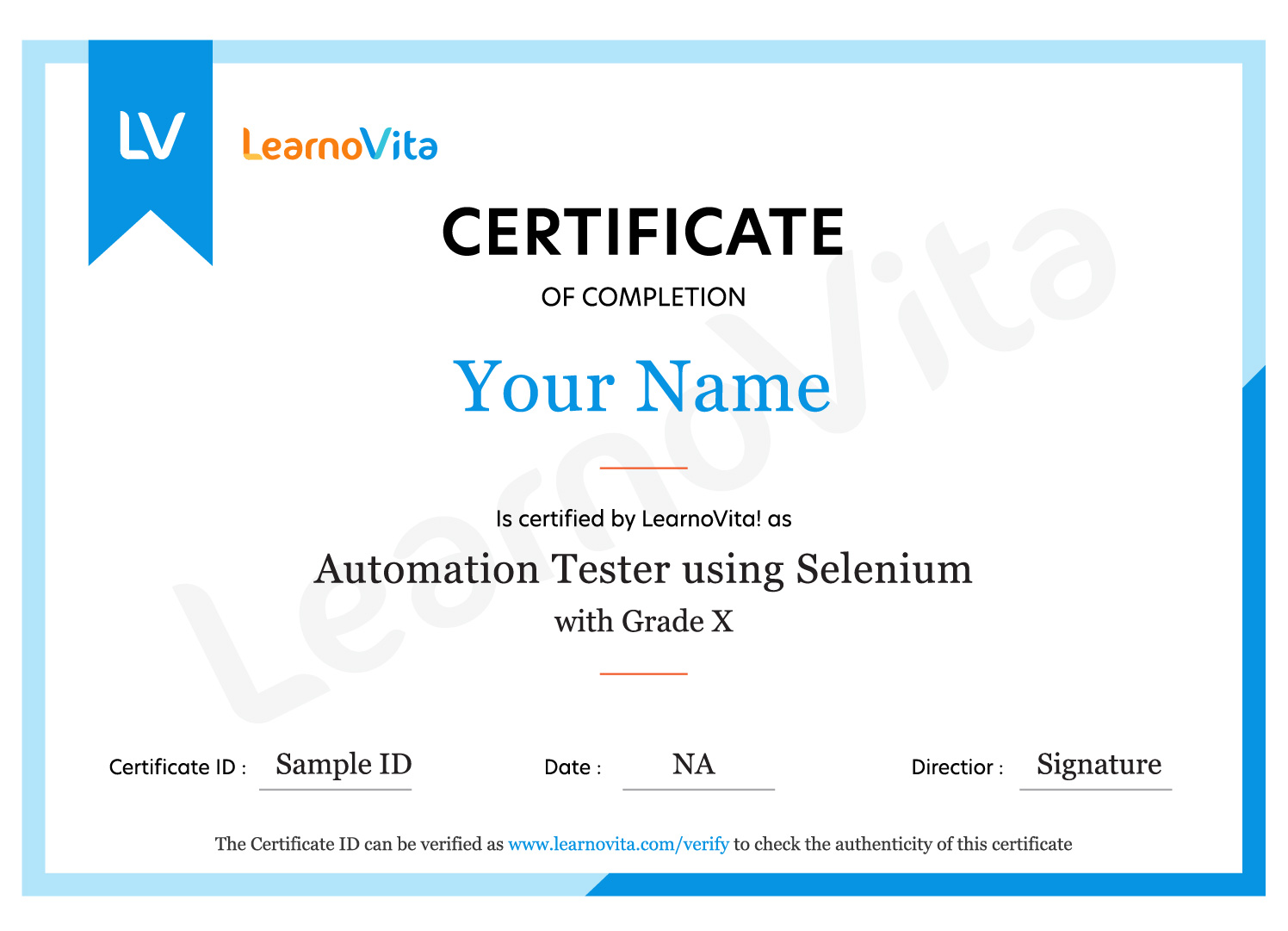
Earning an Interior Design certification validates your skills in space planning, color theory and 3D visualization. It enhances your credibility, increases employability and demonstrates your ability to handle real-world design projects with professionalism and creative expertise.
Interior Design certification significantly boosts your job prospects and marketability, it does not guarantee employment. Success depends on portfolio strength, practical experience, networking and continual skill development in the field.
  • Space Planner
  • 3D Visualizer
  • Furniture Designer
  • Set Designer
  • Color Consultant
  • Lighting Specialist
Having a certification in interior design gives you knowledge and abilities that are relevant to the industry, which increases your marketability. It opens opportunities in premium design studios, consultancy firms and freelance projects, fostering professional growth and creative development.

Our learners
transformed their careers

35 Laks
Highest Salary Offered
50%
Average Salary Hike
30K+
Placed in MNC's
15+
Year's in Training
Our Alumni
Alumni

A majority of our alumni

fast-tracked into managerial careers.

Get inspired by their progress in the Career Growth Report.

Our Student Successful Story

checkimage Regular 1:1 Mentorship From Industry Experts checkimage Live Classes checkimage Career Support

How are the Interior Design Course with LearnoVita Different?

Feature

LearnoVita

Other Institutes

Affordable Fees

Competitive Pricing With Flexible Payment Options.

Higher Interior Design Fees With Limited Payment Options.

Live Class From ( Industry Expert)

Well Experienced Trainer From a Relevant Field With Practical Interior Design Training

Theoretical Class With Limited Practical

Updated Syllabus

Updated and Industry-relevant Interior Design Course Curriculum With Hands-on Learning.

Outdated Curriculum With Limited Practical Training.

Hands-on projects

Real-world Interior Design Project With Live Case Studies and Collaboration With Companies.

Basic Projects With Limited Real-world Application.

Certification

Industry-recognized Interior Design Certifications With Global Validity.

Basic Interior Design Certifications With Limited Recognition.

Placement Support

Strong Placement Support With Tie-ups With Top Companies and Mock Interviews.

Basic Placement Support

Industry Partnerships

Strong Ties With Top Tech Companies for Internships and Placements

No Partnerships, Limited Opportunities

Batch Size

Small Batch Sizes for Personalized Attention.

Large Batch Sizes With Limited Individual Focus.

Additional Features

Lifetime Access to Interior Design Course Materials, Alumni Network, and Hackathons.

No Additional Features or Perks.

Training Support

Dedicated Mentors, 24/7 Doubt Resolution, and Personalized Guidance.

Limited Mentor Support and No After-hours Assistance.

Interior Design Course FAQ's

Certainly, you are welcome to join the demo session. However, due to our commitment to maintaining high-quality standards, we limit the number of participants in live sessions. Therefore, participation in a live class without enrollment is not feasible. If you're unable to attend, you can review our pre-recorded session featuring the same trainer. This will provide you with a comprehensive understanding of our class structure, instructor quality, and level of interaction.
All of our instructors are employed professionals in the industry who work for prestigious companies and have a minimum of 9 to 12 years of significant IT field experience. A great learning experience is provided by all of these knowledgeable people at LearnoVita.
  • LearnoVita is dedicated to assisting job seekers in seeking, connecting, and achieving success, while also ensuring employers are delighted with the ideal candidates.
  • Upon successful completion of a career course with LearnoVita, you may qualify for job placement assistance. We offer 100% placement assistance and maintain strong relationships with over 650 top MNCs.
  • Our Placement Cell aids students in securing interviews with major companies such as Oracle, HP, Wipro, Accenture, Google, IBM, Tech Mahindra, Amazon, CTS, TCS, Sports One , Infosys, MindTree, and MPhasis, among others.
  • LearnoVita has a legendary reputation for placing students, as evidenced by our Placed Students' List on our website. Last year alone, over 5400 students were placed in India and globally.
  • We conduct development sessions, including mock interviews and presentation skills training, to prepare students for challenging interview situations with confidence. With an 85% placement record, our Placement Cell continues to support you until you secure a position with a better MNC.
  • Please visit your student's portal for free access to job openings, study materials, videos, recorded sections, and top MNC interview questions.
LearnoVita Certification is awarded upon course completion and is recognized by all of the world's leading global corporations. LearnoVita are the exclusive authorized Oracle, Microsoft, Pearson Vue, and Interior Design I exam centers, as well as an authorized partner of Interior Design . Additionally, those who want to pass the National Authorized Certificate in a specialized IT domain can get assistance from LearnoVita's technical experts.
As part of the training program, LearnoVita provides you with the most recent, pertinent, and valuable real-world projects. Every program includes several projects that rigorously assess your knowledge, abilities, and real-world experience to ensure you are fully prepared for the workforce. Your abilities will be equivalent to six months of demanding industry experience once the tasks are completed.
At LearnoVita, participants can choose from instructor-led online training, self-paced training, classroom sessions, one-to-one training, fast-track programs, customized training, and online training options. Each mode is designed to provide flexibility and convenience to learners, allowing them to select the format that best suits their needs. With a range of training options available, participants can select the mode that aligns with their learning style, schedule, and career goals to excel in Interior Design .
LearnoVita guarantees that you won't miss any topics or modules. You have three options to catch up: we'll reschedule classes to suit your schedule within the course duration, provide access to online class presentations and recordings, or allow you to attend the missed session in another live batch.
Please don't hesitate to reach out to us at contact@learnovita.com if you have any questions or need further clarification.
To enroll in the Interior Design at LearnoVita, you can conveniently register through our website or visit any of our branches in India for direct assistance.
Yes, after you've enrolled, you will have lifetime access to the student portal's study materials, videos, and top MNC interview questions.
At LearnoVita, we prioritize individual attention for students, ensuring they can clarify doubts on complex topics and gain a richer understanding through interactions with instructors and peers. To facilitate this, we limit the size of each Interior Design Service batch to 5 or 6 members.
The average annual salary for Interior Design Professionals in India is 5 LPA to 7 LPA.
view More view Less
Career Assistance
  • Build a Powerful Resume for Career Success
  • Get Trainer Tips to Clear Interviews
  • Practice with Experts: Mock Interviews for Success
  • Crack Interviews & Land Your Dream Job

Find Interior Design Training in Other Cities

Acte Technologies WhatsApp