
Java Course in Velachery
 18231
18231 Ratings


- Join the Best Java Training in Velachery to Build Programming Skills.
- Java Certification Course with Career-Focused Placement Assistance.
- Flexible Java Training Options: Weekday, Weekend, or Fast-Track Schedules.
- Learn with Real-Time Projects and Practical Sessions from Expert Java Trainers.
- Get Help with Resume Writing, Mock Interviews, and Career Development in Java.
- Course offered by Java training institute in Velachery and covers Javaite, Firebase, XML, UI Design, and Google APIs.
Course Duration
50+ HrsLive Project
3 ProjectCertification Pass
GuaranteedTraining Format
Live Online (Expert Trainers)Quality Training With Affordable Fee
 Fees Starts From

11258+
Professionals Trained
10+
Batches every month
3025+
Placed Students
203+
Corporate ServedWhat You'll Learn
Gain an understanding of OOP ideas to easily construct modular, reusable, and effective Java applications.
Get an understanding of exception handling strategies to enhance code stability and manage runtime issues.
Use the Swing and JavaFX frameworks to rapidly and simply create desktop apps with a graphical user interface.
Learn multithreading to execute processes concurrently and improve program performance in Java training in Velachery.
To link Java to databases in a reliable manner, try working with file handling and JDBC.
Practical skills are taught at the Java Course in Velachery through hands-on coding and real-world projects.
Java Training Objectives
- Certainly Yes. JAVA is the language to start learning, even if you are not sure about your career path. Java is most successful in server-side and web-applications, where Java alone is not sufficient, hence you may need to add more skills such as javascript, serverside javascript etc...
- It is hence both wise and lucrative to look for a career in Java as a software developer. The strong community, enterprise support, and growing popularity among programmers show that Java is set to stay the first choice for most businesses. Start Enhance Your Career with Advance Java Training
- Career progression opportunities for individuals who become Java developers are excellent
- With IT skills in strong demand, deciding to become a Java developer can open opportunities to progress your career in both the private and public sectors.
- Certainly Yes. Even the recruiters know the knowledge we get in colleges is not enough to do a software job. They will see how confident you are. However they will train you according to their requirement once you get into the company.
- Be confident with your basics that's enough You to get tons of Jobs opportunity by learning Java programming language from Java Coaching Centers in Velachery.
Our Java Institute in Velachery is designed to give a hands-on approach to the students in Java. The course is made up of Both theoretical & Practical classes that teach the basics of each module followed by high-intensity practical sessions of Completing Each Module that Related current challenges and needs of the industry that will demand the students’ time and commitment.
- Real-time project use cases & scenarios from the various Industries.
- Mock Tests and discussing various questions.
- Java Training with Placement in Velachery has been actively involved in 100% Job Placement Assistance as a value-added service in the Technical Program. With the backup of an advanced training curriculum and real-time business projects, we have a very consistent and growing Job Placement and Track Record.
- Market entry to various countries and jobs in major corporate.
- Immediate job opportunities after Completion of Advance Java Course.
- The requirements include basic Computer and programming knowledge. Additionally, knowledge of C and C++ language is an added advantage to learn JAVA Programing language from Advance Java Course
- Mostly Yes, Having Agile Thinking is enough to Understand the JAVA Concepts. Even though The Basic Programing Language of C and C++ language knowledge is to make Ease to Understand the Concepts Easily.
After this Java Training, the significant areas where you excel are as follows:
- Ability to understand concepts like Classes, Inheritance, Objects, Interfaces and Polymorphism
- Describe Java APIs for I/O Streams and Collections
- Design Applets using Swing, AWT and GUI applications
- Develop Networking and Multithreaded applications
- Develop database applications using JDBC
The Java Training is perfect for the below job positions:
- Software developers
- Web designers
- Programming enthusiasts
- Engineering graduates
- Java is widely used to develop cutting-edge and customized applications for web or mobile platforms and is the stepping stone for individuals hoping to advance their mobile development careers.
- The demand for certified Java developers is always higher, with salaries averaging more than $ 125,000 per year.
Request more informations
WhatsApp (For Call & Chat):
+91 72003 88604
Java Course Benefits
Participating in a Java Certification Course in Velachery gives you the programming abilities required to create reliable applications. It helps you think more logically, prepares you for problems in the real world, and provides access to highly sought-after IT jobs. This course enhances your employment possibilities in software development and beyond with hands-on training, industry projects, and certification assistance.You can also apply your skills through a Java Internship in Velachery for real-world exposure.
- Designation
-
Annual SalaryHiring Companies








Request more informations
WhatsApp (For Call & Chat):
+91 72003 88604
About Your Java Certification Training
We provide reasonably priced training in both fundamental and sophisticated Java programming at our Java Course in Velachery. You gain real projects, professional coaching, and hands-on coding experience that teach you skills that are in demand in the industry. With 100% Java course with placement assistance and over 500 work partners, our program guarantees that you are prepared for sustained career success.You’ll also work on Java projects in Velachery to strengthen your practical skills.
Top Skills You Will Gain
- Core Java
- J2EE , Struts
- Spring, Servlets
- Hibernate, JDBC
- Web Services
- Advanced Java
- EJB, JDO, JSF
- Android Development
12+ Java Tools
Online Classroom Batches Preferred
No Interest Financing start at ₹ 5000 / month
Corporate Training
- Customized Learning
- Enterprise Grade Learning Management System (LMS)
- 24x7 Support
- Enterprise Grade Reporting
Not Just Studying
We’re Doing Much More!
Empowering Learning Through Real Experiences and Innovation








Java Course Curriculam
Trainers Profile
Java Course in Velachery Trainers gives the required individual attention to each student and provides in-depth training with complete hands-on practices . Trainers are certified professionals with 9+ years of experience and they are currently working with Top MNCs. LearnoVita Instructors trains the students with Industry-relevant skills .
Syllabus of Java Training Download syllabus
- Features of Java
- Simple
- Secure
- Portable
- Robust
- Multithreading
- Platform-Independent
- Distributed.
- Dynamic
- New Features of Java 8
- Introducing Java Environment
- Java Development Kit
- Java Platforms
- Java Virtual Machine
- Java API
- Java Programs
- Installing Java
- What about CLASSPATH?
- Java’s Reserve Words
- Starting a Java program
- Line 1—public class App
- Line 2—public static void main(String[] args)
- Line 3—System.out.println(“Hello from Java!”);
- Compiling Code 15
- Compiling Code: Using Command-Line Options
- Cross-Compilation Options
- Compiling Code: Checking for Deprecated Methods
- Running Code
- Running Code: Using Command-Line Options
- Commenting Your Code
- Importing Java Packages and Classes
- Finding Java Class with CLASSPATH
- Summary
- Variables
- Data Typing
- Arrays
- Strings
- What Data Types are Available?
- Creating Integer Literals
- Creating Floating-Point Literals
- Creating Boolean Literals
- Creating CharLearnoVitar Literals
- Creating String Literals
- Creating Binary Literals
- Using Underscores in Numeric Literals
- Declaring Integer Variables
- Declaring Floating-Point Variables
- Declaring CharLearnoVitar Variables
- Declaring Boolean Variables
- Initializing Variables Dynamically
- Conversion between Data Types
- Automatic Conversions
- Casting to New Data Types
- Declaring One-Dimensional
- Creating One-Dimensional Arrays
- Initializing One-Dimensional Arrays
- Declaring Multi-Dimensional Arrays
- Creating Multi-Dimensional Arrays
- Initializing Multi-Dimensional Arrays
- Creating Irregular Multi-Dimensional Arrays
- Getting an the Length of an Array
- Understanding General Form of Static Import
- Importing Static Members
- The String Class
- Getting String Length
- Concatenating Strings
- Getting CharLearnoVitars and Substrings
- Searching For and Replacing Strings
- Changing Case in Strings
- Checking for Empty String
- Formatting Numbers in Strings
- The StringBuffer Class
- Creating StringBuffers
- Getting and Setting StringBuffer Lengths and Capacities
- Setting CharLearnoVitars in String Buffers
- Appending and Inserting Using StringBuffers
- Deleting Text in StringBuffers
- Replacing Text in String Buffer
- Using the Wrapper Class
- Autoboxing and Unboxing of Primitive Types
- Learning the Fundamentals of Varargs Methods
- Overloading Varargs Methods
- Learning the Ambiguity in Varargs Methods
- Using Non-Reifiable Formal Parameters
- Operators
- Conditionals
- Loops
- Operator Precedence
- Incrementing and Decrementing (++ and --)
- Unary NOT (~ And !)
- Multiplication and Division (* and /)
- Modulus (%)
- Addition and Subtraction (+ and -)
- Shift Operators (>>, >>>, and <<)
- Relational Operators (>, >=, <, <=, ==, and !=)
- Bitwise and Bitwise Logical AND, XOR, and OR (&, ^, and /)
- Logical (&& and ||)
- The if-then-else Operator
- Assignment Operators (= and [operator]=)
- Using the Math
- Changes in the Math Class
- Class StrictMath
- Comparing Strings
- The if Statement
- The else Statement
- Nested if
- The if-else Ladders
- The switch Statement
- Using Strings in switch Statement
- The while Loop
- The do-while Loop
- The for Loop
- The for-each Loop
- Supporting for-each in Your Own Class
- A (Poor) Solution
- Significance of for-
- Nested Loops
- Using the break Statement
- Using the continue Statement
- Using the return Statement
- Summary
- The Control Overview of a Class
- Working with Objects
- Working with Methods
- Defining Default Methods
- Working with Constructors
- Using Default Constructor
- Using Parameterized Constructors
- Exploring Packages
- Studying the Types of Packages
- Importing Packages
- Using Access Specifiers
- Working with Streams API
- Stream API Overview
- Collection and Stream
- Commonly Used Functional Interfaces in Stream
- Java.util.Optional
- Aggregate Operations
- Working with Time API
- Understanding Encapsulation
- Understanding Abstraction
- Understanding Inheritance
- Understanding the final Keyword
- Preventing Inheritance
- Declaring Constant
- Preventing Method Overriding
- Implementing Interfaces
- Working with Lambda Expressions
- Method References
- Using Lambda Expressions
- Implementing Abstract Classes and Methods
- Difference between Abstract Classes and Interfaces
- Implementing Polymorphism
- Understanding the Static Polymorphism
- Understanding the Dynamic Polymorphism
- Summary
- Streams, Readers and Writers
- Essentials in NIO
- Buffers
- Channels
- Charsets and Selectors
- Enhancements in NIO with Java 8
- The Path Interface
- The Files Class
- The Paths Class
- The File Attribute Interfaces
- The FileSystem Class
- The FileSystems Class
- The FileStore Class
- Prospects of NIO
- Working with Streams
- The InputStream Class
- The OutputStream Class
- The ByteArrayInputStream Class
- The ByteArrayOutputStream Class
- The BufferedInputStream Class
- The BufferedOutputStream Class
- The FileInputStream Class
- The FileOutputStream Class
- Working with the Reader Class
- Working with the Writer Class
- Accepting Input from the Keyboard with the InputStreamReader Class
- Working with the OutputStreamWriter Class
- Working with Files
- Using the File Class
- Using the FileReader Class
- Using the FileWriter Class
- Working with the RandomAccessFile Class
- Working with CharLearnoVitar Arrays
- Using the CharArrayReader Class
- Using the CharArrayWriter Class
- Working with Buffers
- Using the BufferedReader Class
- Using the BufferedWriter Class
- Working with the PushbackReader Class
- Working with the PrintWriter Class
- Working with the StreamTokenizer Class
- Implementing the Serializable Interface
- Working with the Console Class
- Working with the Clipboard
- Working with the Printer
- Printing with the Formatter Class
- Using the System.out.printf() Method
- Using the String.format() Method
- Formatting Dates Using the String.format() Method
- Using the Java.util.Formatter Class
- Scanning Input with the Scanner class
- Summary
- Exception Handling Techniques
- Rethrowing Catched Exception with Improved Type Checking
- Built-in Exceptions
- User-Defined Exceptions
- Summary
- Using Threads in Java
- Life Cycle of a Thread
- Synchronization of Threads
- Multithreaded Custom Class Loader
- Getting the Main Thread
- Naming a Thread
- Pausing a Thread
- Creating a Thread with the Runnable Interface
- Creating a Thread with the Thread Class
- Creating Multiple Threads
- Joining Threads
- Checking if a Thread Is Alive
- Setting Thread Priority and Stopping Threads
- Synchronizing
- Communicating between Threads
- Suspending and Resuming Threads
- Creating Graphics Animation with Threads
- Eliminating Flicker in Graphics Animation Created Using Threads
- Suspending and Resuming Graphics Animation
- Using Double Buffering
- Simplifying Producer-Consumer with the Queue Interface
- Implementing Concurrent Programming
- Simplifying Servers Using the Concurrency Utilities
- Knowing Various Concurrency Utilities
- Learning about the Java.util.concurrent Package
- Learning about the Java.util.concurrent.locks Package
- Learning about the Java.util.concurrent.atomic Package
- Summary
- The Collection Interfaces
- The Collection Classes
- The Map Interfaces
- The Map Classes
- Collections Framework Enhancements in Java SE 8
- Using the Collection Interface
- The Queue Interface
- The List Interface
- The Set Interface
- The SortedSet Interface
- Using the Collection Classes
- Using the Comparator Interface
- Using the Iterator Interface
- Using the ListIterator Interface
- Using the AbstractMap Class
- Using the HashMap Class
- Using the TreeMap Class
- Using the Arrays Class
- Learning the Fundamentals of Enumerations
- The Legacy Classes and Interfaces
- Using the Aggregate Operations
- Using the Java.util.function Package
- Summary
- Packages and Interfaces
- JAR Files
- The Java API Package
- The Java.lang Package
- Basics of Annotation
- Other Built-In Annotations
- Creating a Package
- Creating Packages that have Subpackages
- Creating an Interface
- Implementing an Interface
- Extending an Interface
- Using Interfaces for Callbacks
- Performing Operations on a JAR File
- Marker Annotations
- Single Member Annotations
- Summary
- What is Java Bean?
- Advantages of Java Bean
- Introspection
- Persistence
- Customizers
- Understanding Java Beans
- Designing Programs Using Java Beans
- Creating Applets that Use Java Beans
- Creating a Java Bean
- Creating a Bean Manifest File
- Creating a Bean JAR File
- Creating a New Bean
- Adding Controls to Beans
- Giving a Bean Properties
- Design Patterns for Properties
- Using Simple Properties
- Designing Patterns for Events
- Learning Methods and Design Patterns
- Creating Bound Properties
- Giving a Bean Methods
- Giving a Bean an Icon
- Creating a BeanInfo Class
- Setting Bound and Constrained Properties
- Implementing Persistence
- Using the Java Beans API
- Learning the Basics of an Event
- Using the Java Beans Conventions
- Using the Remote Notification and Distributed Notification
- Using Beans with JSP
- Summary
- Basics of Networking
- Sockets in Java
- Client-Server Networking
- Proxy Servers
- Internet Addressing
- Domain Name Service
- Inet4Addresses and Inet6Addresses
- The URL Class
- The URI Class
- URI Syntax and Components
- TCP/IP and Datagram
- Blackboard Assignment Retrieval Transaction
- Understanding Networking Interfaces and Classes in the Java.net Package
- Understanding the InetAddresses
- Caching InetAddress
- Creating and Using Sockets
- Creating TCP Clients and Servers
- Understanding the Whois Example
- Submitting an HTML Form from a Java Program
- Handling URL
- Using the URLConnection Objects
- Working with Datagrams
- Datagrams Server and Client
- Working with BART
- Learning about the Java.security Package
- Summary
- Introducing Events
- Introducing Event Handling
- Working with the Types of Servlet Events
- Developing the onlineshop Web Application
- Introducing Wrappers
- Working with Wrappers
- Summary
- Introducing JSP Technology
- Listing Advantages of JSP over Java Servlet
- Exploring the Architecture of a JSP Page
- Describing the Life Cycle of a JSP Page
- Working with JSP Basic Tags and Implicit Objects
- Working with Action Tags in JSP
- Exploring EL
- Using Custom Tag Library with EL Functions
- Exploring the Need of Filters
- Exploring the Working of Filters
- Exploring Filter API
- Configuring a Filter
- Creating a Web Application Using Filters
- Using Initializing Parameter in Filters
- Manipulating Responses
- Discussing Issues in Using Threads with Filters
- Summary
- Describing the Java EE Application Architecture
- Introducing a Design Pattern
- Discussing the Role of Design Patterns
- Exploring Types of Patterns
- Summary
- Section A: Exploring SOA and Java Web Services
- Overview of SOA
- Describing the SOA Environment
- Overview of JWS
- Role of WSDL, SOAP and Java/XML Mapping in SOA
- Section B: Understanding Web Service Specifications to Implement SOA
- Exploring the JAX-WS 2.2 Specification
- Exploring the JAXB 2.2 Specification
- Exploring the WSEE 1.3 Specification
- Exploring the WS-Metadata 2.2 Specification
- Describing the SAAJ 1.3 Specification
- Working with SAAJ and DOM APIs
- Describing the JAXR Specification
- JAXR Architecture
- Exploring the StAX 1.0 Specification
- Exploring the WebSocket 1.0 Specification
- Describing the JAX-RS 2.0 Specification
- Exploring the JASON-P 1.0 Specification
- Section C: Using the Web Service Specifications
- Using the JAX-WS 2.2 Specification
- Using the JAXB 2.2 Specification
- Using the WSEE and WS-Metadata Specifications
- Implementing the SAAJ Specification
- Implementing the JAXR Specification
- Implementing the StAX Specification
- Introduction to Hibernate
- Hibernate CRUD Operation
- Hibernate Queries and Relationships
- Mapping Relationship with Hibernate
- Introduction to Spring
- Dependency Injection, SpringBean Lifecycle, Wiring and Scope
- Introduction to Spring AOP (Aspect-Oriented Programming)
- Configuring AOP in Java Application using AspectJ Approach
- Spring JDBC Implementation in an Application
- Spring Hibernate Template
- Spring JDBC Transaction Management
- Spring MVC Architecture, Components, and Framework
- Spring MVC Program
Request more informations
WhatsApp (For Call & Chat):
+91 72003 88604
REAL

UPGRADE

sowmiya

UPGRADE

Rajkumar

UPGRADE

Thon
UPGRADE

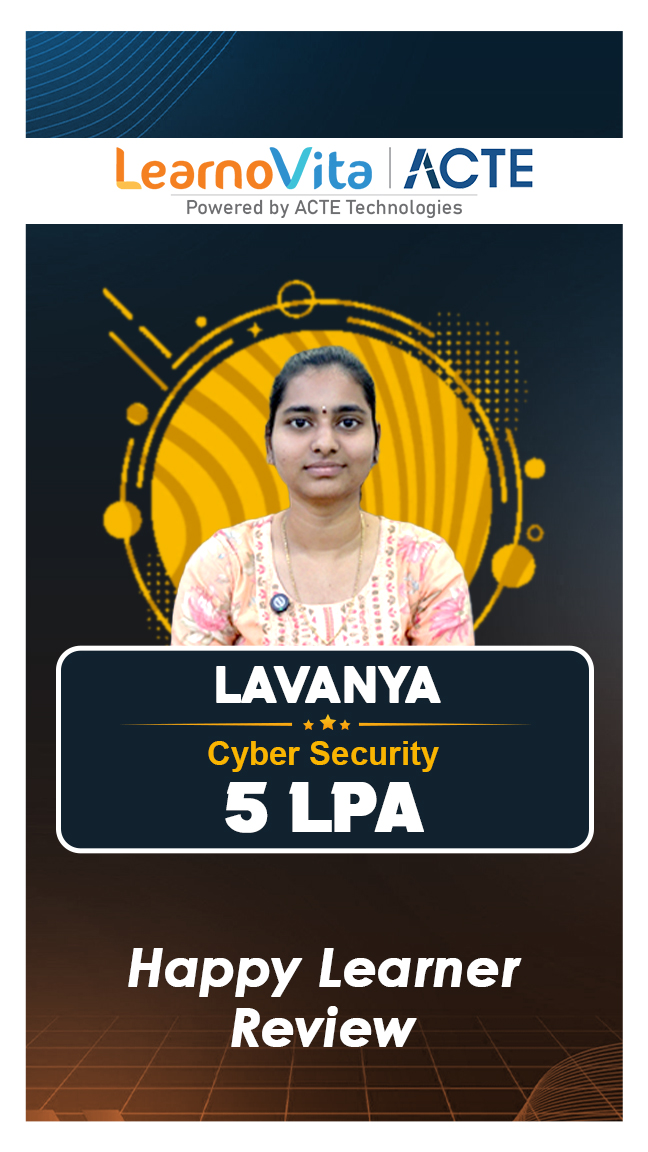
Lavanya

Industry Projects
Exam & Java Certification
Java Online Training / Class Room:
- Participate and Complete One batch of Java Training Course
- Successful completion and evaluation of any one of the given projects
- Complete 85% of the Java Certification Training
- Successful completion and evaluation of any one of the given projects
- Oracle Certified Associate (OCA)
- Oracle Certified Professional (OCP)
- Oracle Certified Expert (OCE)
- Oracle Certified Master (OCM)
- Learn About the Certification Paths.
- Write Code Daily This will help you develop Coding Reading and Writing ability.
- Refer and Read Recommended Books Depending on Which Exam you are Going to Take up.
- Join LernoVita Java Certification Training in Velachery That Gives you a High Chance to interact with your Subject Expert Instructors and fellow Aspirants Preparing for Certifications.
- Solve Sample Tests that would help you to Increase the Speed needed for attempting the exam and also helps for Agile Thinking.
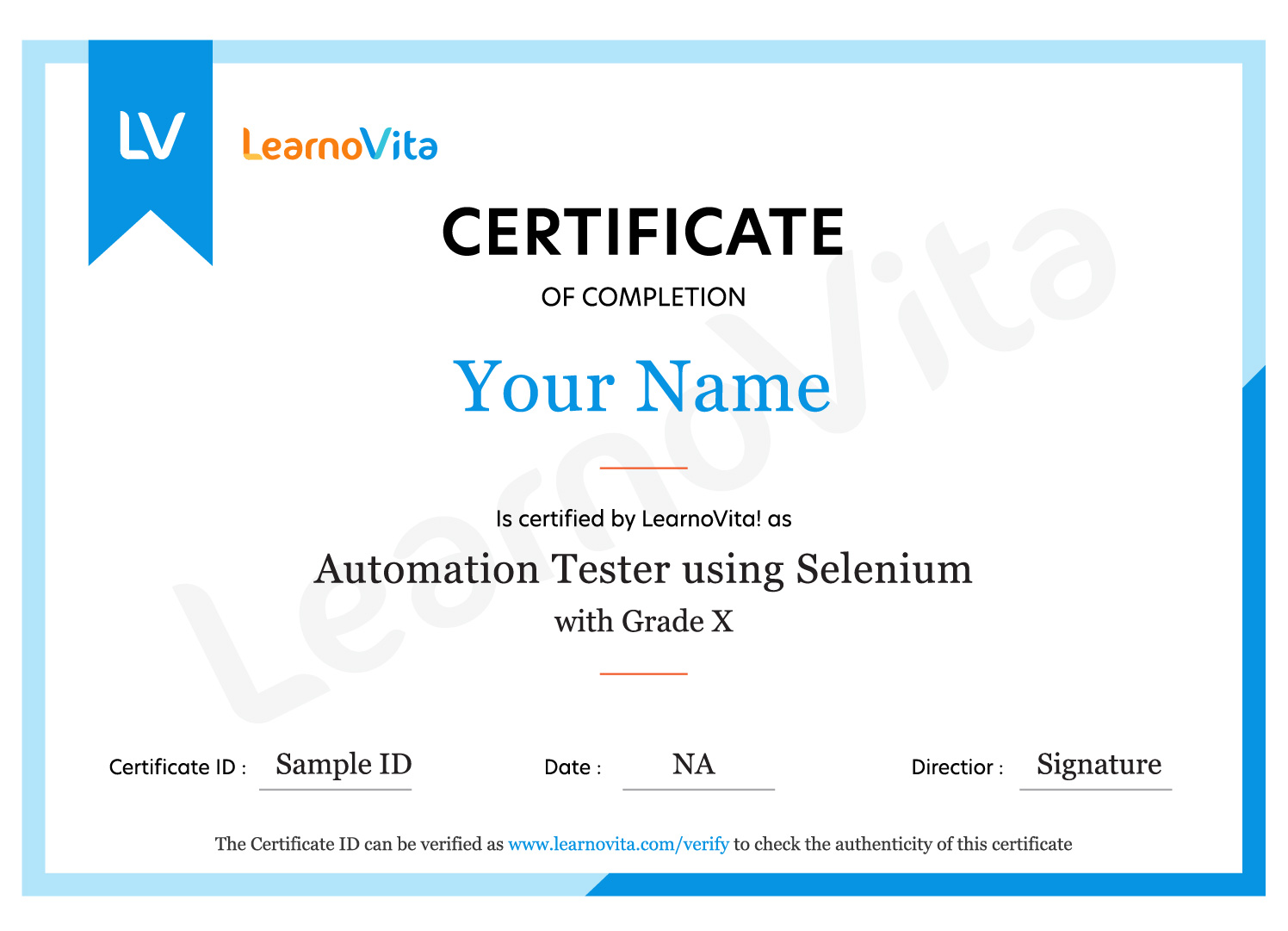
MNC Recognized course
complete certification
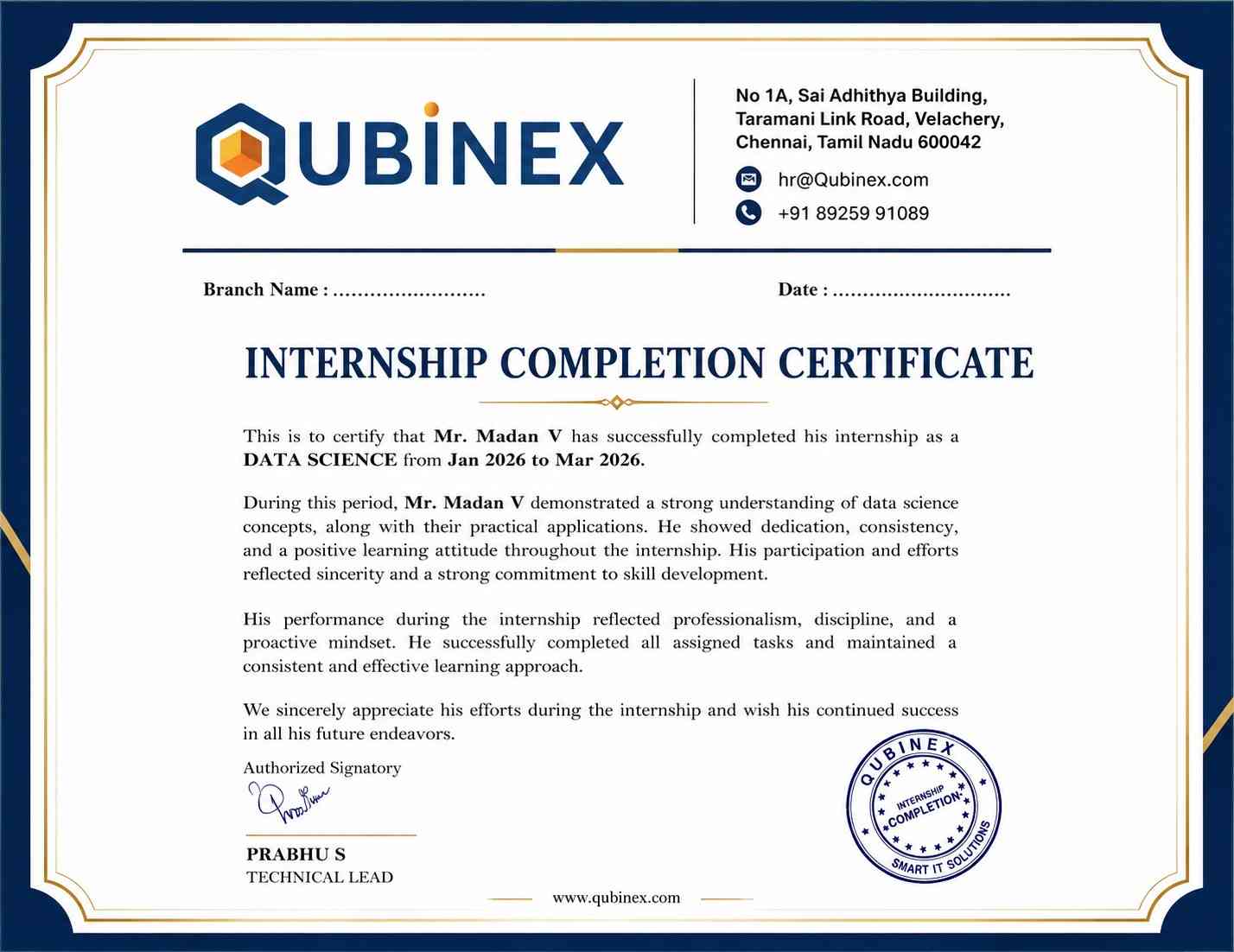
Intership
complete certification
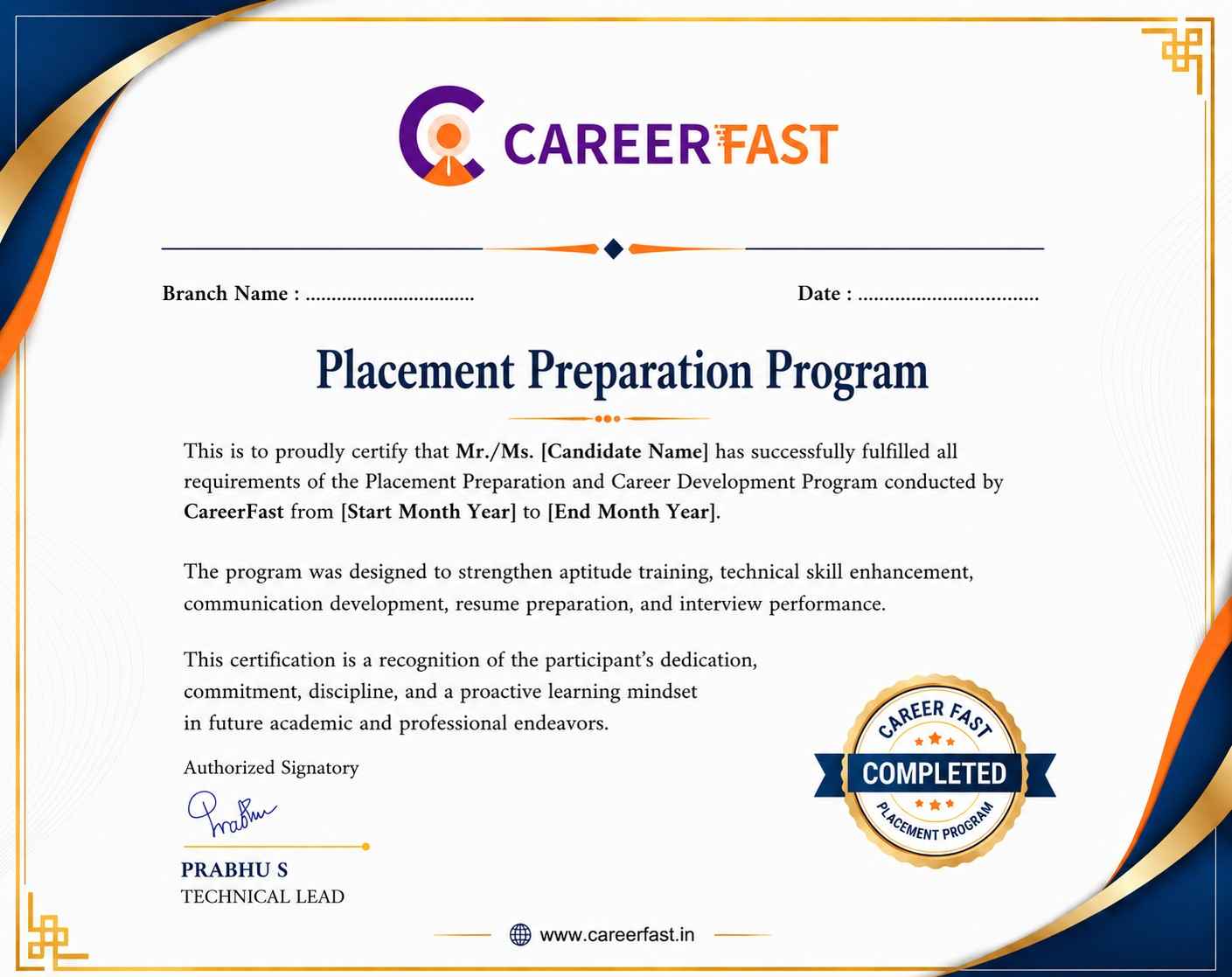
Placement
complete certification
Our learners
transformed their careers

A majority of our alumni
fast-tracked into managerial careers.
Get inspired by their progress in the Career Growth Report.
Our Student Successful Story
 Regular 1:1 Mentorship From Industry Experts
Live Classes
Career Support
Regular 1:1 Mentorship From Industry Experts
Live Classes
Career Support

Sandeep Kumar D
Software Engineer, Cisco Systems )

Vinoth P
UI Developer, TCS
Vijeyalakshme kannan
QA Engineer, Amazon Development Center
Pranav Srinivas
Software Testing, Capgemini
Prasanna
SAP Admin, HCLHow are the Java Course with LearnoVita Different?
Feature
LearnoVita
Other Institutes
Affordable Fees
Competitive Pricing With Flexible Payment Options.
Higher Java Fees With Limited Payment Options.
Live Class From ( Industry Expert)
Well Experienced Trainer From a Relevant Field With Practical Java Training
Theoretical Class With Limited Practical
Updated Syllabus
Updated and Industry-relevant Java Course Curriculum With Hands-on Learning.
Outdated Curriculum With Limited Practical Training.
Hands-on projects
Real-world Java Projects With Live Case Studies and Collaboration With Companies.
Basic Projects With Limited Real-world Application.
Certification
Industry-recognized Java Certifications With Global Validity.
Basic Java Certifications With Limited Recognition.
Placement Support
Strong Placement Support With Tie-ups With Top Companies and Mock Interviews.
Basic Placement Support
Industry Partnerships
Strong Ties With Top Tech Companies for Internships and Placements
No Partnerships, Limited Opportunities
Batch Size
Small Batch Sizes for Personalized Attention.
Large Batch Sizes With Limited Individual Focus.
Additional Features
Lifetime Access to Java Course Materials, Alumni Network, and Hackathons.
No Additional Features or Perks.
Training Support
Dedicated Mentors, 24/7 Doubt Resolution, and Personalized Guidance.
Limited Mentor Support and No After-hours Assistance.
Java Course FAQ's
- LearnoVita is dedicated to assisting job seekers in seeking, connecting, and achieving success, while also ensuring employers are delighted with the ideal candidates.
- Upon successful completion of a career course with LearnoVita, you may qualify for job placement assistance. We offer 100% placement assistance and maintain strong relationships with over 650 top MNCs.
- Our Placement Cell aids students in securing interviews with major companies such as Oracle, HP, Wipro, Accenture, Google, IBM, Tech Mahindra, Amazon, CTS, TCS, Sports One , Infosys, MindTree, and MPhasis, among others.
- LearnoVita has a legendary reputation for placing students, as evidenced by our Placed Students' List on our website. Last year alone, over 5400 students were placed in India and globally.
- We conduct development sessions, including mock interviews and presentation skills training, to prepare students for challenging interview situations with confidence. With an 85% placement record, our Placement Cell continues to support you until you secure a position with a better MNC.
- Please visit your student's portal for free access to job openings, study materials, videos, recorded sections, and top MNC interview questions.

- Build a Powerful Resume for Career Success
- Get Trainer Tips to Clear Interviews
- Practice with Experts: Mock Interviews for Success
- Crack Interviews & Land Your Dream Job
Global Quality Training
At The Lowest Fees & Expert Trainer








Need custom pricing?

