Home » Others Courses » Other Courses Online » Microsoft PowerApps Course in Indira Nagar

Microsoft PowerApps Course in Indira Nagar

(4.9) 9564 Ratings
  • Enroll in the Microsoft PowerApps Course in Indira Nagar to master low-code application development .
  • Learn PowerApps, Power Automate, Dataverse, SharePoint Integration, Canvas Apps, and Business Process Automation.
  • Gain hands-on experience through real-time projects and enterprise application development scenarios.
  • Ideal for Developers, Business Analysts, IT Professionals, Functional Consultants, and Fresh Graduates.
  • Choose from Weekday, Weekend, or Fast-Track batch schedules That Fits you.
  • Benefit from placement support, interview preparation, and certification guidance.

Course Duration

60 Hrs

Live Project

3 Project

Certification Pass

Guaranteed

Training Format

Live Online (Expert Trainers)
Quality Training With Affordable Fee

⭐ Fees Starts From

INR 38,000
INR 18,500

11258+

Professionals Trained

8+

Batches every month

3543+

Placed Students

265+

Corporate Served

What You'll Learn

Learn Microsoft PowerApps fundamentals, low-code development, Dataverse, workflow automation, and practical business solutions in Indira Nagar.

Understand Canvas Apps, Model-Driven Apps, controls, forms, connectors, business rules, and SharePoint integration through practical PowerApps training.

Develop practical skills in app design, data connectivity, interface configuration, workflow creation, automation, and deployment for business applications.

Work on PowerApps projects covering approval workflows, employee applications, automated processes, and business operations in Indira Nagar.

Explore AI Builder, custom connectors, Power BI integration, security roles, environment setup, and application lifecycle management with PowerApps.

Prepare for Microsoft PowerApps certification while gaining practical skills for application development, automation, consulting, and support roles.

Comprehensive Overview of Microsoft PowerApps Course

The Microsoft PowerApps Course in Indira Nagar is designed to help learners build business applications using low-code development techniques across the Microsoft Power Platform. The curriculum covers Canvas Apps, Model-Driven Apps, Dataverse, Power Automate, Power BI, Azure Logic Apps, and Microsoft 365 connectivity. Learners gain practical experience with data sources, user interfaces, automated workflows, security settings, permissions, and business process solutions. Project-based exercises explain how applications are planned, configured, tested, integrated, and deployed in organizational environments. The training also develops skills in application integration and process automation, preparing learners for Power Apps development and enterprise solution roles.

Additional Info

Upcoming Future Transformations in Microsoft PowerApps Course in Indira Nagar

  • Expansion of Low-Code Development: Low-code platforms are becoming increasingly important as businesses look for quicker ways to build applications. PowerApps helps teams develop solutions with less traditional coding. Future learning will focus on reusable components, scalable designs, governance, automation, and faster deployment. Learners will gain practical exposure to modern approaches for developing applications that can adapt to changing business needs.
  • Wider Industry Adoption: Microsoft PowerApps is being used across banking, healthcare, retail, education, manufacturing, logistics, and service organizations. Businesses use it to digitize forms, approvals, tracking, and internal processes. Future training will include industry-based application scenarios that help learners understand different requirements. This exposure will improve their ability to analyze workflows, plan solutions, connect data, and develop applications suited to specific operational needs.
  • Support for Flexible Work Environments: Businesses increasingly need applications that employees can access from different locations and devices. PowerApps supports solutions for approvals, service requests, employee activities, reporting, and collaboration. Future learning will cover responsive interfaces, mobile access, cloud connectivity, and secure permissions. Learners will practice creating applications that help distributed teams remain connected and productive while supporting modern workplace processes.
  • Integration of Artificial Intelligence: AI capabilities are becoming closely connected with business application development. PowerApps can use intelligent features for document processing, recommendations, predictions, and automated decisions. Future training will introduce AI-supported application scenarios and intelligent workflows. Learners will explore how applications, data, automation, and AI can work together. Practical exercises will help participants understand ways to create smarter solutions for everyday business operations.
  • Growing Demand for Power Platform Skills: Organizations adopting Power Platform require professionals who can develop applications, automate processes, manage data, and connect business systems. Future training will give greater importance to solution planning, architecture, governance, and requirement analysis. Learners will practice converting business needs into usable applications. Developing both technical and functional knowledge can help participants prepare for changing responsibilities within application development and digital transformation teams.
  • Stronger Microsoft Ecosystem Integration: PowerApps is increasingly connected with services such as Power Automate, Power BI, Dataverse, Teams, SharePoint, Dynamics 365, and Azure. Future learning will focus on building complete solutions using multiple Microsoft services. Learners will work with data connections, workflows, reporting, authentication, and cloud services. Understanding these integrations will help participants create applications with broader functionality and support connected business processes across different departments.
  • Enterprise Governance and Scalability: As companies build more applications, managing security, environments, data, and deployment becomes essential. Future PowerApps training will cover governance strategies, access management, environment planning, application lifecycle concepts, and scalable solution design. Learners will understand how enterprise teams organize applications while maintaining control and reliability. Practical activities will help participants become familiar with structured deployment and management approaches used in larger Power Platform environments.
  • Data-Driven Application Development: Businesses increasingly depend on operational data to monitor performance and make informed decisions. PowerApps can connect applications with reporting and analytical services to bring useful insights closer to users. Future training will cover dashboards, visual information, reporting integration, and application analytics. Learners will create solutions that combine daily processes with relevant data. This approach can make applications more useful for monitoring activities and supporting business decisions.
  • Process and Service Optimization: PowerApps can support business processes such as approvals, inventory tracking, service requests, employee workflows, and customer activities. Future learning will focus on designing applications around complete processes instead of isolated tasks. Learners will identify repetitive activities, connect information sources, and develop suitable interfaces. Practical scenarios will demonstrate how low-code applications can simplify operations, reduce manual work, improve information flow, and support more organized digital workflows.
  • Continuous Learning and Certification: Microsoft continues to introduce new capabilities across Power Platform, making regular upskilling important for professionals. Future training will address updated application features, automation methods, data services, administration, and integration options. Learners can reinforce their understanding through assignments and certification-focused preparation. Keeping technical knowledge current can help professionals adapt to platform changes and build confidence when working on new PowerApps projects and digital solutions.

Building Tools and Techniques with Microsoft PowerApps Course in Indira Nagar

  • Microsoft PowerApps: Microsoft PowerApps provides the core environment for developing business applications with low-code capabilities. Learners work with canvas apps, model-driven applications, controls, formulas, forms, and navigation. Practical sessions focus on connecting applications with business data and creating useful interfaces. Participants also learn about application testing, sharing, and deployment. These skills help them transform business requirements into functional applications that support everyday organizational activities.
  • Microsoft Dataverse: Microsoft Dataverse provides structured data storage for Power Platform solutions. Learners explore tables, columns, relationships, choices, business rules, and security roles while designing data models for applications. Practical activities show how centralized data can support consistent application behavior and connected workflows. Participants also understand data access and management concepts. This knowledge helps them create applications that work with organized business information while maintaining suitable security and structure.
  • Power Automate: Power Automate helps organizations automate approvals, notifications, repetitive tasks, and business workflows. Learners create automated and scheduled flows using triggers, actions, conditions, variables, and connectors. Training demonstrates how PowerApps can initiate automated activities and exchange information with other services. Participants also explore monitoring and error-handling concepts. These skills help them design workflows that reduce manual effort, improve consistency, and connect different business applications through automated processes.
  • Microsoft Power BI: Power BI converts business data into interactive reports, dashboards, and visual insights. Learners study data preparation, relationships, modeling, filters, and visualization techniques. PowerApps integration allows analytical information to be accessed alongside business processes. Practical activities demonstrate how operational data can be presented for monitoring and analysis. Participants gain an understanding of how applications and reporting solutions can work together to provide users with useful information during routine business activities.
  • Microsoft SharePoint: SharePoint can serve as a valuable data and collaboration source for PowerApps applications. Learners work with lists, libraries, documents, permissions, and forms while creating connected solutions. Training demonstrates how SharePoint information can be accessed through customized applications and automated workflows. Participants learn to organize business information and connect it with processes such as approvals and document handling. These capabilities support internal applications for collaboration, information management, and daily operational activities.
  • Microsoft Teams: Microsoft Teams provides a collaborative environment where PowerApps solutions can be made accessible to users. Learners explore application integration, embedded experiences, workflow automation, and information sharing within Teams. Practical scenarios include employee requests, approvals, internal services, and team-based processes. Participants understand how Microsoft services can work together within a common workspace. This knowledge helps them design applications that are easier for employees to access while supporting collaboration and workplace productivity.
  • Dynamics 365: Dynamics 365 provides enterprise applications covering areas such as sales, customer service, finance, and business operations. PowerApps can extend these systems through customized applications and workflows. Learners explore data connectivity, forms, business processes, and application customization. Practical sessions demonstrate how Power Platform features can complement enterprise applications. This understanding helps participants create solutions that connect business information, improve processes, and provide users with applications tailored to specific organizational requirements.
  • Microsoft Azure: Microsoft Azure provides cloud services that can extend application integration, identity, data, security, and scalability. Learners understand how PowerApps can connect with selected Azure resources and enterprise services. Training introduces cloud connectivity, authentication, data services, and integration concepts. Practical exercises show how cloud technologies can expand application capabilities. This knowledge is useful for professionals working on enterprise solutions that require secure connections, external services, scalable resources, and broader cloud-based integrations.
  • GitHub: GitHub supports collaborative development, repository management, version tracking, and structured project coordination. Learners become familiar with repositories, commits, branches, pull requests, and version history. Training activities demonstrate how development teams can organize project resources and manage changes efficiently. Although PowerApps follows a low-code approach, understanding collaborative development practices can improve project coordination. These skills help professionals work more systematically with application resources, documentation, configurations, and related development activities.
  • Azure DevOps: Azure DevOps supports project planning, source control, testing, collaboration, and deployment activities. Learners explore work items, repositories, pipelines, release processes, and task tracking. Training introduces ways development teams can coordinate Power Platform application delivery across environments. Practical exercises focus on lifecycle planning, testing coordination, and deployment management. These capabilities help participants understand structured application delivery while improving communication, traceability, task organization, and collaboration between technical and functional teams.

Roles and Responsibilities of Microsoft PowerApps Internship Course in Indira Nagar

  • PowerApps Consultant: A PowerApps Consultant studies business requirements and recommends suitable Power Platform solutions. Responsibilities can include analyzing workflows, identifying automation opportunities, planning application structures, and discussing requirements with stakeholders. Consultants may guide teams on Dataverse, Power Automate, integrations, and governance. Strong communication and analytical abilities are valuable for this role. They help organizations translate operational challenges into practical application strategies while considering usability, security, scalability, and long-term solution management.
  • Product Owner: A Product Owner manages business priorities throughout an application development initiative. The role includes gathering requirements, maintaining the product backlog, reviewing features, and coordinating stakeholder feedback. Product Owners work closely with analysts, developers, testers, and business teams to clarify expectations. They help determine which capabilities should be developed first and validate completed features. This responsibility supports organized development and ensures that PowerApps solutions remain aligned with user needs and business objectives.
  • PowerApps Coach: A PowerApps Coach supports individuals and teams in learning and adopting Microsoft Power Platform technologies. Responsibilities may include conducting training sessions, demonstrating application features, reviewing development approaches, and assisting with technical challenges. Coaches can identify learning gaps and recommend suitable practices for different users. Effective communication and mentoring skills are important. Their guidance helps teams improve platform knowledge, develop confidence, and encourage wider adoption of low-code application development across business departments.
  • PowerApps Developer: A PowerApps Developer designs, builds, tests, and maintains applications using PowerApps, Dataverse, and connected services. Responsibilities include creating interfaces, configuring controls, writing formulas, connecting data sources, and implementing application logic. Developers also troubleshoot issues and support deployment activities. They work with analysts and stakeholders to understand functional requirements. Knowledge of Power Automate and integration services can help them create connected solutions that streamline business processes and improve user interaction.
  • Business Analyst: A Business Analyst examines business processes and converts organizational requirements into clear application specifications. Responsibilities include interviewing stakeholders, documenting workflows, identifying process gaps, and defining functional needs. Analysts communicate requirements to developers and may participate in testing and validation activities. Strong analytical and communication skills are important. Their work helps ensure that PowerApps solutions address genuine business requirements, improve existing processes, and provide users with practical functionality rather than simply replacing manual tasks.
  • QA Tester: A QA Tester checks PowerApps solutions against defined functional and technical requirements. Responsibilities include preparing test scenarios, executing tests, identifying defects, documenting findings, and validating fixes. Testers may examine forms, workflows, permissions, data handling, and integrations under different conditions. Regression testing is also important when applications are updated. Careful testing helps identify problems before deployment and supports reliable application performance, better usability, and consistent functionality across different business scenarios.
  • Release Manager: A Release Manager coordinates the movement of PowerApps solutions across development, testing, and production environments. Responsibilities include planning releases, tracking deployment activities, coordinating teams, maintaining documentation, and monitoring implementation progress. They help ensure that application changes are introduced in a controlled manner. Release Managers may also coordinate responses to deployment issues. Their work supports organized application lifecycle management and improves communication between developers, testers, administrators, and business stakeholders.
  • UX/UI Designer: A UX/UI Designer focuses on creating PowerApps interfaces that are clear, accessible, consistent, and easy to navigate. Responsibilities include understanding user expectations, preparing layouts, developing prototypes, and improving navigation. Designers collaborate with developers to ensure interfaces can be implemented effectively. They may review user feedback and refine application screens accordingly. Attention to accessibility and responsive design helps create better user experiences across devices while supporting application adoption, usability, and productivity.
  • Project Manager: A Project Manager oversees PowerApps initiatives by coordinating schedules, resources, stakeholders, risks, and project activities. Responsibilities include planning tasks, tracking milestones, organizing meetings, resolving issues, and communicating progress. Project Managers often coordinate analysts, developers, testers, and business users throughout the application lifecycle. Their organizational and communication skills help teams maintain priorities and manage changes. Effective coordination supports smoother project execution and helps ensure application development remains aligned with agreed requirements and timelines.
  • Power Platform Administrator: A Power Platform Administrator manages environments, permissions, security settings, platform resources, and governance controls. Responsibilities may include configuring environments, managing access, supporting users, monitoring usage, and assisting with application deployment. Administrators also help maintain suitable security and operational practices across PowerApps solutions. Knowledge of platform administration is important for enterprise environments with multiple applications. Their work supports controlled platform usage, secure data access, organized environments, and reliable management of growing application portfolios.

Top Companies Hiring for Microsoft PowerApps Professionals

  • Deloitte: Deloitte works on consulting and digital transformation initiatives where Power Platform technologies can support application modernization and workflow automation. PowerApps professionals may contribute to requirements analysis, application development, process automation, integration, and implementation activities. Projects can involve different industries and business requirements, giving professionals exposure to varied operational scenarios. Working with technical and functional teams can strengthen application development, problem-solving, communication, and enterprise solution skills while supporting technology-driven business process improvements.
  • Ernst & Young (EY): EY uses digital technologies and automation approaches to support business transformation and process improvement initiatives. PowerApps professionals may participate in application development, workflow configuration, requirements gathering, testing, and implementation activities. Working with different business functions can provide exposure to varied operational needs. Professionals can strengthen their knowledge of PowerApps, Power Automate, Dataverse, and related technologies while collaborating with consultants and technical specialists on solutions designed to improve business processes and application efficiency.
  • KPMG: KPMG works with digital platforms to help organizations modernize processes and improve operational workflows. PowerApps professionals may support application development, automation, data connectivity, reporting, and solution implementation. Their responsibilities can involve working with consultants, analysts, developers, and business stakeholders. Exposure to different requirements can improve understanding of enterprise processes and application design. Experience with Power Platform services can also help professionals strengthen technical, analytical, integration, and problem-solving abilities across digital transformation projects.
  • HCL Technologies: HCL Technologies works across enterprise applications, cloud technologies, automation, and digital transformation services. PowerApps professionals may contribute to application development, workflow automation, data integration, testing, and deployment activities. Projects can involve Microsoft 365, SharePoint, Dataverse, and Power Automate. Working with distributed technical teams can provide exposure to different development environments and business requirements. Such experience helps professionals improve implementation, troubleshooting, collaboration, and enterprise application integration skills through practical project participation.
  • Capita: Capita works on digital solutions that support business operations, customer services, automation, and internal workflows. PowerApps professionals can contribute to applications designed to simplify processes, organize information, and support service activities. Responsibilities may include requirements analysis, application configuration, workflow creation, testing, and process improvement. Working with business teams helps professionals understand user expectations and operational needs. Experience with Power Platform technologies can strengthen solution design, automation, communication, analytical thinking, and application development capabilities.
  • Tech Mahindra: Tech Mahindra delivers technology services involving digital transformation, enterprise applications, cloud platforms, and process automation. PowerApps professionals may work on business applications, automated workflows, data integration, and reporting solutions. Projects can require close collaboration with clients and technical teams to understand requirements and implement suitable solutions. Exposure to different industries can broaden knowledge of business processes. Professionals can develop their PowerApps, Power Automate, Power BI, and Dataverse skills through varied enterprise application projects.
  • Hitachi Vantara: Hitachi Vantara works with data, cloud technologies, digital solutions, and enterprise transformation initiatives. Power Platform professionals may support applications that improve workflows, information access, and operational activities. Their responsibilities can involve application design, data connectivity, automation, testing, and integration. Working within technology-focused teams can expose professionals to complex business requirements and interconnected systems. This experience can strengthen application engineering, automation, troubleshooting, integration, and digital process improvement skills across enterprise technology environments.
  • NTT DATA: NTT DATA provides enterprise technology services covering cloud solutions, application modernization, digital transformation, and business systems. PowerApps professionals can contribute to application development, workflow automation, data integration, testing, and application delivery. Projects may involve clients from different industries, requiring an understanding of varied workflows and user expectations. Working with technical and functional teams can improve communication and implementation skills. Experience with Power Platform technologies can also strengthen capabilities in low-code development, automation, integration, and enterprise solution delivery.
  • DXC Technology: DXC Technology works across enterprise applications, cloud services, infrastructure, modernization, and digital transformation. PowerApps professionals may participate in low-code application development, process automation, integration, testing, troubleshooting, and deployment coordination. Enterprise projects can provide exposure to structured development practices and diverse business requirements. Collaboration with technical and functional teams helps professionals develop stronger implementation skills. Knowledge of PowerApps, Power Automate, Dataverse, and related services can support work on modern business application and automation initiatives.
  • Oracle: Oracle operates across enterprise applications, cloud computing, data platforms, and business technology solutions. PowerApps professionals may work on projects where Microsoft-based applications interact with broader enterprise environments and business processes. Responsibilities can include application development, workflow automation, integration, testing, and process improvement. Exposure to complex technology environments can strengthen understanding of interconnected systems. Professionals can develop application design, troubleshooting, integration, and automation skills while learning how modern business applications support enterprise operations and digital transformation.
View more

Microsoft PowerApps Course Objectives

Microsoft PowerApps training is suitable for beginners, professionals, and learners interested in low-code application development and business automation. Basic computer knowledge, familiarity with Microsoft Office applications, and logical thinking are helpful. No advanced programming experience is required, allowing candidates from different educational and professional backgrounds to participate effectively.
Microsoft PowerApps training helps learners develop practical skills in building business applications, automating processes, connecting data sources, and integrating Microsoft services. Hands-on exercises and projects improve technical knowledge, application development capabilities, productivity, and readiness for professional roles involving Power Platform solutions.
  • Growing Low-Code Development
  • Enterprise Process Automation
  • Digital Transformation Initiatives
  • Cloud-Based Application Development
  • Business Solution Innovation
Microsoft PowerApps training is valuable in the current job market as organizations increasingly use low-code platforms to develop applications and automate business processes. Professionals with PowerApps skills can create solutions, streamline workflows, connect business data, and contribute to digital transformation projects across different industries.
  • Low-Code Application Development
  • Workflow Automation and Power Automate
  • Data Integration and Dataverse
  • Microsoft Power Platform Services
  • Application Security and Access Management
Yes, students receive practical exposure through real-world projects involving business application development, workflow automation, data integration, approval processes, and organizational solutions. These projects help learners understand practical requirements, apply PowerApps concepts, and gain confidence in developing and implementing solutions for professional environments.
  • Information Technology and Software Services
  • Healthcare and Life Sciences
  • Banking and Financial Services
  • Manufacturing and Engineering
  • Retail and E-Commerce
Microsoft PowerApps training can strengthen your employability by developing practical application development, automation, and integration skills. Project experience and industry-focused learning can help candidates prepare for relevant roles, while placement assistance, interview preparation, and individual effort can further support their career opportunities.
  • Business Application Development Skills
  • Workflow Automation Knowledge
  • Improved Career Opportunities
  • Business Process Understanding
  • Practical Industry Experience
Students learn to work with PowerApps, Power Automate, Dataverse, SharePoint, Power BI, Microsoft Teams, SQL Server, Azure, Outlook, Excel, Dynamics 365, and other Microsoft Power Platform services. These tools enable learners to develop applications, automate workflows, integrate data, and manage business solutions efficiently.
view More view Less

Microsoft PowerApps Training Benefits

The Microsoft PowerApps Course in Indira Nagar delivers practical training in low-code application development, business process automation, and Microsoft Power Platform solutions. Learners develop responsive business applications, integrate multiple data sources, automate repetitive workflows, and create solutions aligned with organizational needs. The curriculum covers Canvas Apps, Model-Driven Apps, Power Apps Studio, Dataverse, Power Automate, Microsoft 365 Connectors, Azure Logic Apps, and Power BI integration. Through a Microsoft PowerApps Internship, participants gain hands-on exposure to application development tasks and real-time workplace scenarios. Microsoft PowerApps Projects provide practical experience in workflow automation, data integration, business process management, application connectivity, and digital solution development. Guided exercises and assignments help learners strengthen technical skills and prepare for careers in PowerApps development, Power Platform consulting, business application development, and automation roles.

  • Designation
  • Annual Salary
    Hiring Companies
  • 5.44L
    Min
  • 9.8L
    Average
  • 19.3L
    Max
  • 5.0L
    Min
  • 8.6L
    Average
  • 18.45L
    Max
  • 4.9L
    Min
  • 9.5L
    Average
  • 16.7L
    Max
  • 5.84L
    Min
  • 8.4L
    Average
  • 16.7L
    Max

About Microsoft PowerApps Certification Training

The Microsoft PowerApps Course in Indira Nagar provides a practical learning path for developing business applications, automating workflows, and managing organizational data using Microsoft Power Platform. Learners explore Canvas Apps, Model-Driven Apps, Dataverse, Power Automate, Power BI, Microsoft 365 Connectors, Azure Logic Apps, and custom integrations. The training focuses on hands-on application development through exercises covering data modeling, interface design, workflow automation, Business Process Flows, security roles, custom connectors, and enterprise integrations. With project-based learning and real-time business scenarios, participants build practical development skills. The program also provides Microsoft PowerApps With Placement assistance and Microsoft PowerApps Material to support continuous practice, technical improvement, and career preparation.

Top Skills You Will Gain
  • Canvas Apps
  • Model-Driven Apps
  • Power Automate
  • Data Integration
  • AI Builder
  • Workflow Automation
  • Responsive Design
  • Connector Setup

12+ Microsoft PowerApps Tools

Online Classroom Batches Preferred

Weekdays (Mon - Fri)
02 - Nov - 2026
08:00 AM (IST)
Weekdays (Mon - Fri)
04 - Nov - 2026
08:00 AM (IST)
Weekend (Sat)
07 - Nov - 2026
11:00 AM (IST)
Weekend (Sun)
08 - Nov - 2026
11:00 AM (IST)
Can't find a batch you were looking for?
₹38,000 ₹18,500 10% OFF Expires in

No Interest Financing start at ₹ 5000 / month

Corporate Training

  • Customized Learning
  • Enterprise Grade Learning Management System (LMS)
  • 24x7 Support
  • Enterprise Grade Reporting

Not Just Studying
We’re Doing Much More!

Empowering Learning Through Real Experiences and Innovation
Hiring
Hiring
Hiring
Hiring
Hiring
Hiring
Hiring
User
User
User
User
User
User

Microsoft PowerApps Course Curriculam

Trainers Profile

The Microsoft PowerApps Course in Indira Nagar offers practical training in low-code application development and the Microsoft Power Platform ecosystem. The program covers Power Apps, Dataverse, Power Automate, Azure Logic Apps, Microsoft 365 connectivity, Power BI integration, and business application development. Participants gain hands-on experience by building functional applications, configuring automated workflows, integrating data sources, and addressing real-world business requirements through guided exercises and practical projects. The course also provides Microsoft PowerApps training materials to support continuous learning in application creation, data management, workflow automation, system integration, and enterprise solution development. This practical approach helps learners strengthen their technical skills and confidently apply PowerApps concepts in professional environments.

Syllabus for Microsoft PowerApps Course in BTM Layout Download syllabus

  • PowerApps overview
  • Power Platform architecture
  • Types of apps
  • Environment setup
  • Canvas app basics
  • Screen design
  • Controls and layouts
  • App navigation
  • Dataverse fundamentals
  • Entity relationships
  • Forms and views
  • Business rules
  • Connectors overview
  • SharePoint integration
  • SQL Server integration
  • External data sources
  • Workflow creation
  • Triggers and actions
  • Approval flows
  • Automation scenarios
  • Role-based security
  • User access control
  • Data protection
  • Compliance settings
  • Custom connectors
  • AI Builder integration
  • Power Apps portals
  • Advanced formulas
  • Responsive design
  • User experience principles
  • Theming and styling
  • Component reuse
  • App testing methods
  • Error handling
  • Performance tuning
  • Troubleshooting apps
  • App publishing
  • Version control
  • Environment management
  • Power Platform admin center
(15) view More view Less
Need customized curriculum?

REAL

start
STORIES SUCCESS INSPIRATION
CAREER
UPGRADE
sowmiya

sowmiya

CAREER
UPGRADE
Rajkumar

Rajkumar

CAREER
UPGRADE
Thon

Thon

CAREER
UPGRADE
lavanya

Lavanya

Industry Projects

Project 1
Employee Onboarding Tracker

Build a PowerApps solution to streamline employee onboarding by tracking document submissions, monitoring onboarding stages, assigning tasks, and improving coordination between HR teams and new employees through centralized workflows.

Project 2
Asset Management Application

Develop a PowerApps application to maintain company asset records, monitor allocation and returns, track maintenance activities, update asset status, and provide organized information for efficient equipment management across teams.

Project 3
Customer Feedback Management

Create a PowerApps solution for capturing customer feedback, categorizing responses, assigning follow-up activities, monitoring issue resolution, and improving service processes through centralized feedback tracking and workflow automation.

Our Hiring Partner

Exam & Microsoft PowerApps Certification

  • Basic knowledge of business processes and digital workflows can help learners understand PowerApps concepts more effectively
  • Familiarity with Microsoft 365, Excel, databases, and business applications can make practical PowerApps exercises easier to complete
  • Previous exposure to SharePoint, cloud platforms, or Microsoft Power Platform is beneficial, although it is not required
  • Interest in low-code development, data integration, and workflow automation can support a stronger and more engaging learning experience
  • Beginners and freshers can pursue the certification by building essential PowerApps knowledge through structured learning and hands-on practice
Microsoft PowerApps certification demonstrates practical understanding of Canvas Apps, Model-Driven Apps, Dataverse, Power Automate, data connectors, and application customization. It can showcase the ability to create low-code business applications, integrate different data sources, automate workflows, and develop solutions that address real-world organizational needs.
The Microsoft PowerApps Course in Indira Nagar can offer practical assignments, project experience, internship opportunities, placement assistance, resume guidance, and interview preparation. Certification can strengthen a technical profile, but employment depends on practical skills, knowledge, experience, interview performance, and employer requirements. Hands-on Power Platform training can prepare learners for application development, automation, consulting, and business solution roles.
  • PowerApps Developer
  • Microsoft Power Platform Developer
  • Business Application Developer
  • Power Automate Developer
  • Power Platform Consultant
  • Low-Code Solution Developer
Microsoft PowerApps certification can strengthen professional skills in low-code application development, workflow automation, data integration, Dataverse, and business process improvement. Regular project practice can improve the ability to design scalable applications and contribute to enterprise automation initiatives, supporting career growth in Power Platform solutions and digital application development.

MNC Recognized course
complete certification
Intership
complete certification
Placement
complete certification

Our learners
transformed their careers

35 Laks
Highest Salary Offered
50%
Average Salary Hike
30K+
Placed in MNC's
15+
Year's in Training
Our Alumni
Alumni

A majority of our alumni

fast-tracked into managerial careers.

Get inspired by their progress in the Career Growth Report.

Our Student Successful Story

checkimage Regular 1:1 Mentorship From Industry Experts checkimage Live Classes checkimage Career Support

How are the Microsoft PowerApps Course with LearnoVita Different?

Feature

LearnoVita

Other Institutes

Affordable Fees

Competitive Pricing With Flexible Payment Options.

Higher Microsoft PowerApps Fees With Limited Payment Options.

Live Class From ( Industry Expert)

Well Experienced Trainer From a Relevant Field With Practical Microsoft PowerApps Training

Theoretical Class With Limited Practical

Updated Syllabus

Updated and Industry-relevant Microsoft PowerApps Course Curriculum With Hands-on Learning.

Outdated Curriculum With Limited Practical Training.

Hands-on projects

Real-world Microsoft PowerApps Project With Live Case Studies and Collaboration With Companies.

Basic Projects With Limited Real-world Application.

Certification

Industry-recognized Microsoft PowerApps Certifications With Global Validity.

Basic Microsoft PowerApps Certifications With Limited Recognition.

Placement Support

Strong Placement Support With Tie-ups With Top Companies and Mock Interviews.

Basic Placement Support

Industry Partnerships

Strong Ties With Top Tech Companies for Internships and Placements

No Partnerships, Limited Opportunities

Batch Size

Small Batch Sizes for Personalized Attention.

Large Batch Sizes With Limited Individual Focus.

Additional Features

Lifetime Access to Microsoft PowerApps Course Materials, Alumni Network, and Hackathons.

No Additional Features or Perks.

Training Support

Dedicated Mentors, 24/7 Doubt Resolution, and Personalized Guidance.

Limited Mentor Support and No After-hours Assistance.

Microsoft PowerApps Course FAQ's

Yes, learners can request a demo session to understand the training approach. However, live sessions have limited availability to maintain training quality, so non-enrolled participants may not be able to join regular live classes. If you are unable to attend, you can access a pre-recorded session conducted by the same trainer to evaluate the teaching style, course structure, and classroom interaction.
LearnoVita instructors are experienced IT professionals working with reputed organizations and bringing a minimum of 9 to 12 years of industry experience. Their practical expertise helps learners understand Microsoft PowerApps concepts through real-world examples and application-focused training.
  • LearnoVita supports job seekers by helping them identify suitable opportunities, connect with employers, and prepare for successful recruitment processes.
  • After successfully completing a career-oriented course, eligible learners may receive job placement assistance along with access to opportunities from a broad network of companies.
  • The Placement Cell supports learners with interview opportunities at organizations such as Microsoft, HP, Wipro, Accenture, Google, IBM, Tech Mahindra, Amazon, CTS, TCS, Infosys, Mindtree, and Mphasis, subject to available openings.
  • LearnoVita provides placement-focused support and maintains a record of placed learners through its website, helping candidates explore career opportunities across India and international markets.
  • Career development sessions include mock interviews, communication practice, presentation skills, and interview preparation to help learners approach recruitment processes with greater confidence.
  • Through the student portal, learners can access job openings, study resources, videos, recorded sessions, and interview questions from leading organizations.
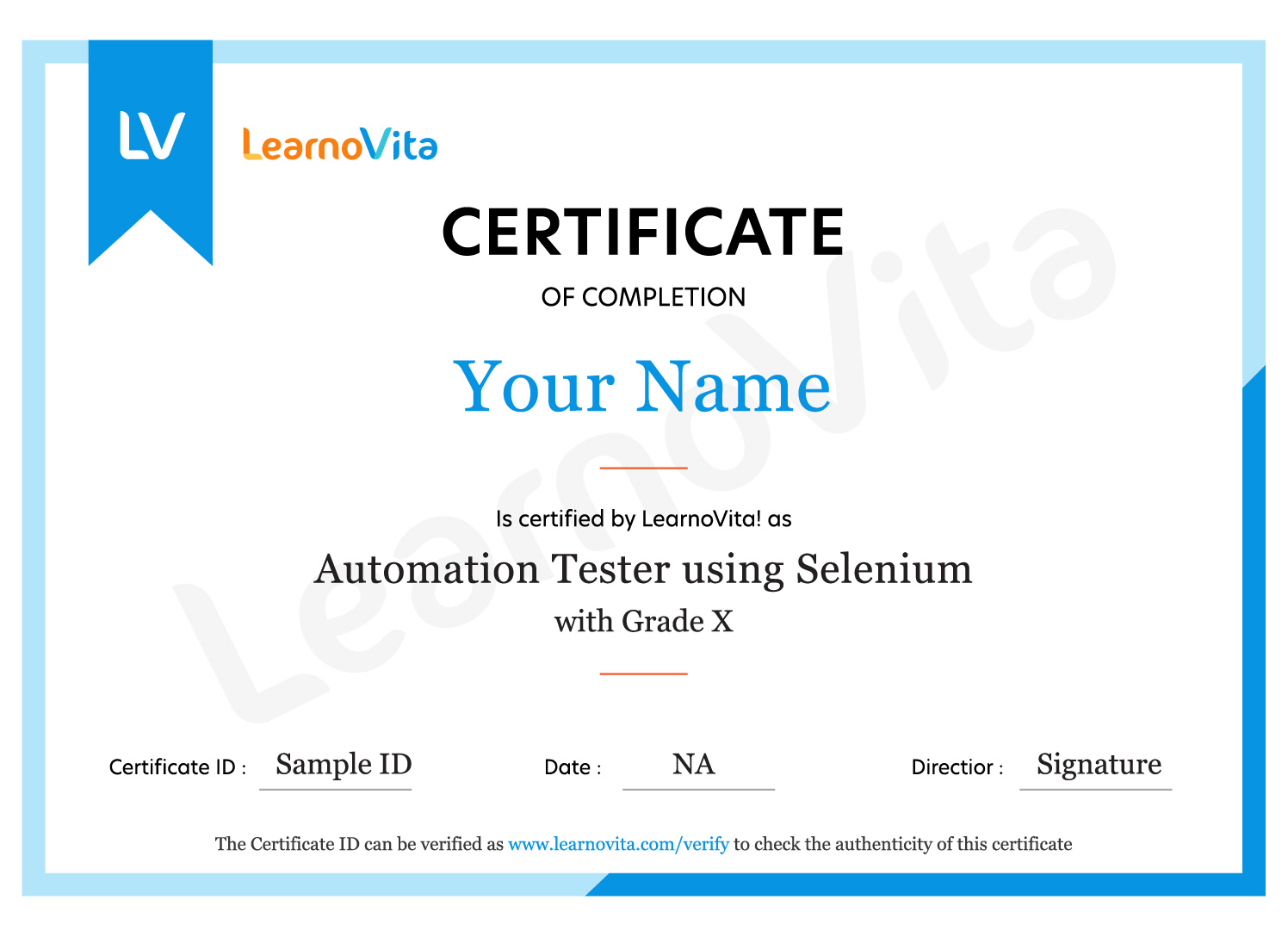
LearnoVita provides a course completion certificate after successful training. The certification can help demonstrate your learning and practical exposure in Microsoft PowerApps. Learners preparing for specialized IT certifications can also receive guidance from technical trainers regarding relevant certification paths and examination preparation.
Yes, the training includes practical and industry-oriented projects designed to strengthen your understanding of Microsoft PowerApps. These projects help learners apply concepts such as app development, data integration, workflow automation, and business application design while building practical experience relevant to workplace requirements.
LearnoVita offers multiple learning formats, including instructor-led online training, self-paced learning, classroom training, one-to-one sessions, fast-track programs, customized training, and online learning options. These flexible formats allow learners to select a training mode that matches their schedule, learning preferences, professional commitments, and career objectives in Microsoft PowerApps.
LearnoVita provides options to help you cover missed topics and modules. You can use three options to catch up: reschedule the missed class within the course duration, access online presentations and recorded sessions, or attend the same topic in another available live batch.
For additional information, course-related questions, or clarification about the Microsoft PowerApps training, you can contact the LearnoVita support team at contact@learnovita.com.
You can enroll in the Microsoft PowerApps course at LearnoVita by registering through the official website or visiting one of the available branches in India. The support team can provide information about batches, training modes, schedules, and enrollment procedures.
Yes, enrolled learners can access course resources through the student portal. The available materials may include study content, training videos, recorded sessions, and interview preparation questions to support continued learning and revision.
LearnoVita focuses on maintaining interactive and learner-friendly sessions by keeping batch sizes limited. This allows participants to ask questions, clarify complex concepts, and interact effectively with instructors and other learners. A typical Microsoft PowerApps batch may include around 5 to 6 participants.
The average annual salary for Microsoft PowerApps professionals in India can range from approximately 4 LPA to 8 LPA, depending on skills, experience, job role, location, organization, and level of expertise.
view More view Less
Career Assistance
  • Build a Powerful Resume for Career Success
  • Get Trainer Tips to Clear Interviews
  • Practice with Experts: Mock Interviews for Success
  • Crack Interviews & Land Your Dream Job
100% JOB GUARANTEE

Global Quality Training
At The Lowest Fees & Expert Trainer

AVAILABLE IN:
India Canada USA Singapore UAE Australia EU Germany

Need custom pricing?

4.9/5 from 50k+ students
Acte Technologies WhatsApp
Call Us! Chat With Us