Home » Others Courses » Python Full Stack Course in Coimbatore

Python Full Stack Course in Coimbatore

(4.2) 19564 Ratings
  • Join the Python Full Stack Training in Coimbatore to master end-to-end web development using Python frameworks.
  • Learn essential tools and frameworks like Django, Flask, React, and REST API integration for full-stack projects.
  • Get practical experience through real-time projects, coding exercises, and deployment tasks to build industry-ready skills.
  • Perfect for Developers, Programmers, and IT professionals seeking hands-on full-stack expertise.
  • Choose from flexible batch timings including Weekday, Weekend, or Fast-Track options for convenience.
  • Enjoy placement support and guidance to advance your career at Python Full Stack training institute in Coimbatore.

Course Duration

50+ Hrs

Live Project

3 Project

Certification Pass

Guaranteed

Training Format

Live Online (Expert Trainers)
WatchLive Classes
Course fee at
₹16000

₹21000

11325+

Professionals Trained

10+

Batches every month

2656+

Placed Students

196+

Corporate Served

What You'll Learn

Python Full Stack Course in Coimbatore offers in-depth knowledge of modern web development, covering both frontend and backend technologies for real-time applications.

Learn Python Full Stack fundamentals, including server-side programming, database handling and interactive user interfaces for dynamic web projects.

Build intelligent web solutions by integrating APIs, data processing tools and Python frameworks to enhance application efficiency and usability.

Gain hands-on expertise in Python Full Stack configuration, responsive frontend design and database integration for end-to-end project delivery.

Explore advanced Python Full Stack features like real-time data analytics, asynchronous programming and scalable application development for modern web platforms.

Earn a valued Python Full Stack certification to improve career prospects and practical knowledge through Python Full Stack training in Coimbatore.

An Complete Overview of Python Full Stack Course

The Python Full Stack Course in Coimbatore is intended to provide students a thorough understanding of full-stack web development, covering Python frameworks, frontend and backend integration and database management. Through Python Full Stack training in Coimbatore, participants work on real-time projects to obtain practical experience, practical exercises and industry-relevant case studies. Self-paced study is one of the flexible learning choices offered by the curriculum and instructor-led sessions to suit diverse learning preferences. Enrolling in the Python Full Stack Certification Course in Coimbatore enhances coding expertise and improves employability, making learners highly sought after by IT companies. Completing the Python Full Stack course equips participants has the ability to create dynamic web apps and tackle complex programming challenges. The Python Full Stack training emphasizes practical application, ensuring readiness for professional environments. Overall, the Python Full Stack training course opens doors to promising career opportunities in software development, startups and enterprise-level projects.

Additional Info

Future Trends for Python Full Stack Course

  • Cloud-Native Development: Python Full Stack developers are increasingly leveraging cloud platforms like AWS, Azure and Google Cloud to deploy scalable applications. Cloud-native approaches enable faster provisioning, auto-scaling and better resource management. Developers integrate cloud services seamlessly with Python frameworks. Full-stack apps benefit from distributed architecture and reliability. Hands-on experience with cloud services ensures developers are prepared for modern enterprise needs.
  • Microservices Architecture: Microservices break down applications into smaller, independent modules for easier management. Python frameworks like Flask and Django support this modular development. Full-stack developers design APIs that communicate efficiently across services. This architecture improves scalability and simplifies maintenance. Learning microservices helps developers handle complex, enterprise-level applications.
  • AI and Machine Learning Integration: Python is perfect for integrating AI and machine learning models into full-stack applications because of its adaptability. For predictive analytics developers utilize frameworks such as PyTorch and TensorFlow. Adding machine learning to web apps enhances automation and personalization. Learners who receive practical instruction are better prepared to create intelligent apps. The scope of full-stack development is changing as a result of this trend.
  • Progressive Web Apps (PWAs): PWAs offer app-like experiences through web browsers and work offline efficiently. Python Full Stack developers combine Django or Flask with modern frontend frameworks to create PWAs. They improve user engagement and load performance. PWAs reduce dependency on app stores while retaining native-like functionality. Training in PWA development prepares learners for cutting-edge web projects.
  • API-First Development: Prior to frontend integration, backend services are created using APIs thanks to API-first techniques. The main focus of Python Full Stack developers is creating GraphQL and RESTful APIs. This method speeds up development and simplifies frontend-backend communication. APIs make it simple to integrate mobile apps and third-party services. Modern full-stack jobs require an understanding of API design.
  • Serverless Computing: Developers can execute code without thinking about server management thanks to serverless architectures. Python functions can be set up on Azure Functions or AWS Lambda. This scales automatically and lowers operating overhead. Rather than concentrating on infrastructure, full-stack developers can concentrate on business logic. Gaining knowledge of serverless trends speeds up project deployment and improves efficiency. Full-stack developers can focus on business logic rather than infrastructure. Learning serverless trends enhances efficiency and project deployment speed.
  • Containerization and DevOps Practices: In Python Full Stack settings, containers such as Docker and Kubernetes are commonly used. Applications are packaged with dependencies by developers to provide consistency between development and production. Pipelines for deployment and continuous integration increase dependability. Simplified project operations and quicker delivery are made possible by familiarity with DevOps tools. It is assumed that full-stack developers will follow these guidelines.
  • Real-Time Applications: There is a growing need for features like chat, notifications and live dashboards. Python enables features through asynchronous frameworks like Django Channels and FastAPI. WebSocket and APIs are integrated by full-stack developers to create dynamic user experiences. These apps improve engagement and interactivity. Development training equips students to work on interactive online projects.
  • Security-First Development: In today's applications, security is paramount. Data encryption, secure authentication and frequent code audits are implemented by Python Full Stack developers. Robust apps are ensured by being aware of vulnerabilities such as SQL injection or XSS. By incorporating security from the beginning, risks are decreased and confidence is increased. Training centered on cybersecurity improves full-stack developers' employability.

Tools and Technologies of Python Full Stack Course

  • Python: Python is the core language for full-stack development due to its simplicity and versatility. Developers use it for both backend logic and data manipulation. Its vast library ecosystem accelerates project development. Python supports frameworks like Django and Flask, making web app development efficient. Learning Python forms the foundation of any full-stack career.
  • Django: A high-level Python framework called Django is used to create scalable and safe online applications. It simplifies backend development with built-in features like ORM, authentication and templating. Developers can quickly implement APIs and database integration. Its modular structure supports rapid deployment of enterprise projects. Mastery of Django is critical for full-stack expertise.
  • Flask: Flask is a lightweight Python framework used for microservices and RESTful APIs. It allows developers to build minimalistic and flexible backend solutions. Flask supports extensions for security, database management and authentication. Its simplicity makes it ideal for small to medium-scale projects. Learning Flask enhances backend development proficiency.
  • JavaScript: JavaScript powers the frontend of web applications and ensures interactivity. Python Full Stack developers use JS frameworks like React or Angular for dynamic UI creation. It enables updates and responsive interfaces. Integration with Python backend APIs ensures seamless data flow. JavaScript skills are indispensable for complete full-stack development.
  • HTML & CSS: HTML structures web content, while CSS styles it for an appealing visual experience. Python Full Stack developers combine these with JS frameworks for responsive designs. Understanding semantic HTML improves accessibility and SEO. CSS frameworks like Bootstrap speed up UI development. Mastery of HTML and CSS ensures professional-quality web interfaces.
  • React.js: React.js is a frontend library for creating dynamic and reusable components. It improves UI performance with virtual DOM and one-way data binding. Developers integrate React with Python APIs for seamless frontend-backend communication. React’s component-based structure enables scalability in complex applications. Learning React is key to modern full-stack projects.
  • Docker: Docker allows developers to containerize Python Full Stack applications for consistent deployment. Containers package code, dependencies and libraries into portable units. This eliminates environment conflicts between development and production. Docker enables scalable deployments on cloud platforms. Learning Docker enhances application portability and operational efficiency.
  • Postman: One tool for testing and debugging APIs is called Postman. Python Full Stack developers use it to verify endpoints, request/response behavior and error handling. It accelerates backend testing before frontend integration. Postman ensures that APIs are reliable and production-ready. Proficiency in Postman is vital for delivering stable full-stack applications.

Roles and Responsibilities of Python Full Stack Course

  • Full-Stack Developer: The frontend and backend components of Python Full Stack applications are managed by Full-Stack Developers. They use Python frameworks like Django or Flask to implement server-side functionality and React.js or Angular to create responsive user interfaces. For smooth data management, they incorporate databases like PostgreSQL or MongoDB. Among their responsibilities are end-to-end application testing, debugging and deployment. Project execution runs well when designers and project managers work together. Full-Stack Developers are in charge of creating scalable, fully working online applications.
  • Frontend Developer: Creating dynamic and aesthetically pleasing online interfaces is the primary emphasis of frontend developers. They make responsive designs using the HTML, CSS and JavaScript frameworks. Data flow is guaranteed through integration with backend APIs. For a better user experience and quicker loading times, they optimize user interface performance. To ensure consistency, frontend developers work closely with teams of backend developers. Their job is to make sure the application's user interface is dynamic, intuitive and easy to use.
  • Backend Developer: Backend Developers manage server-side logic using Python frameworks like Django and Flask. They handle database operations, API creation and user authentication. Security, data validation and server performance are key responsibilities. They provide smooth front-end and back-end communication systems. Backend Developers also implement scalable solutions for enterprise-grade applications. Their work is crucial for building robust and reliable web applications.
  • Database Administrator: PostgreSQL, MySQL and MongoDB are just a few of the databases that database administrators maintain and enhance. They guarantee data integrity, optimize queries and create schemas. Among their primary responsibilities are database security, backup and recovery. Working together with developers guarantees seamless application data integration. Administrators resolve database problems and keep an eye on performance. They play a vital role in preserving scalable, safe and high-performing data systems.
  • UI/UX Designer: UI/UX Designers focus on creating intuitive, user-centered interfaces for web applications. They design wireframes, mockups and interactive prototypes. Designers collaborate with frontend developers to implement accurate designs. They analyze user behavior to enhance usability and engagement. Accessibility, responsiveness and aesthetic appeal are critical aspects of their role. Their work improves user satisfaction and overall application adoption.
  • DevOps Engineer: For Python Full Stack applications, DevOps engineers oversee continuous integration and deployment pipelines. They automate the procedures of release, monitoring, and testing. Code integration runs well when development teams work together. DevOps engineers manage server infrastructure, cloud environments and containers. Their daily duties include troubleshooting and performance optimization. Their function speeds up project completion while preserving system stability and dependability.
  • Quality Assurance Analyst: Python Full Stack apps are tested by QA analysts for security, performance, and functionality. They create test cases for API endpoints, frontends and backends. Both automatic and manual testing guarantee bug-free releases. Analysts and developers work together to effectively address problems. They concentrate on upholding strict quality standards for applications that are prepared for manufacturing. Their job is to guarantee the delivery of software that is dependable, safe and error-free.
  • Technical Project Manager: Technical Project Managers oversee Python Full Stack development from planning to delivery. They coordinate between clients, developers and designers. Resource allocation, milestone tracking and schedule management are their key tasks. They ensure adherence to coding standards and project quality. Risk assessment and mitigation strategies are implemented proactively. Their responsibility is to deliver projects successfully within scope and budget.
  • API Developer: API Developers design, implement and manage RESTful or GraphQL APIs for Python Full Stack applications. They guarantee effective and safe communication between backend and frontend systems. Documentation, optimization and error handling are some of their duties. Frontend teams collaborate with API developers to ensure seamless interaction. They handle versioning and ensure scalability for huge projects. They are essential to the development of robust and high-performing systems.

Companies Hiring Python Full Stack Professionals

  • TCS (Tata Consultancy Services): To create scalable web and enterprise apps, TCS employs Python Full Stack specialists. Workers integrate dynamic frontends with backend services. The business specializes on automation, data-driven apps and cloud solutions. For a project to be successful cooperation with international teams is crucial. Practical experience and practical Python Full Stack skills are highly valued by TCS.
  • Infosys: Python Full Stack developers are sought after by Infosys to create safe and interactive solutions. Experts participate in database management, frontend and backend projects. The business has a strong emphasis on developing enterprise-grade, high-performance solutions. Team collaboration and agile methodology play key roles. Infosys seeks developers with practical training and expertise.
  • Wipro: Regarding the development and deployment of web apps, Wipro is looking for Python Full Stack specialists. Developers are responsible for API integration, server-side logic and responsive frontend design. The business uses cutting-edge Python frameworks to promote innovation. It helps to have some working knowledge of cloud systems and databases. Professionals with practical project experience are given preference by Wipro.
  • Accenture: Accenture employs Python Full Stack developers to create web solutions tailored to each client. Integrating secure backend systems, analytics, and APIs is the main goal. To build scalable apps, developers operate in agile settings. Working together with UI/UX teams guarantees user experiences that are intuitive. Real-world experience and Python Full Stack certifications are valued by Accenture.
  • Cognizant: Cognizant recruits Python Full Stack professionals for enterprise web and mobile applications. Workers oversee the entire development process, from front-end to back-end services. They put into practice safe, effective database solutions. Project delivery relies heavily on teamwork and agile approaches. Candidates with experience in real-world projects and up-to-date skill sets are preferred by Cognizant.
  • Tech Mahindra: To create cutting-edge online apps, Tech Mahindra is looking for Python Full Stack engineers. They concentrate on fusing strong backend logic with dynamic frontend interfaces. One of the main responsibilities is integrating with cloud platforms and databases. Developers work in cross-functional teams on projects. Hands-on experience from training programs is highly valued.
  • HCL Technologies: HCL hires Python Full Stack professionals to build enterprise applications and automation solutions.Workers oversee responsive user interfaces, server-side programming and APIs. It's crucial to understand Python frameworks like Flask and Django. High-quality solutions are delivered on time when a team works together. Candidates with project experience and hands-on training are encouraged by HCL.
  • Capgemini: Capgemini seeks Python Full Stack professionals for designing and deploying client-oriented web applications. Developers handle server-side coding, database management and frontend integration. Agile project management and teamwork are key for delivery. Professionals also work on optimizing performance and security. Capgemini prefers candidates with practical Python Full Stack project experience.
  • Mindtree: Python Full Stack engineers are used by Mindtree to produce high-performance, scalable digital applications. They develop responsive user interfaces, database connectivity and APIs. Across domains, teamwork guarantees seamless project execution. The workflow includes projects and agile methods. Mindtree values candidates who have exposure to certification and practical training.
View more

Python Full Stack Training Objectives

Prior to enrolling in Python Full Stack course, students should be familiar with the principles of programming, particularly in Python. Knowledge of databases like MySQL or MongoDB helps but is not mandatory. A willingness to practice coding and build real-world applications ensures a smoother learning experience.
Python Full Stack training equips students to develop complete web applications, covering frontend, backend and database integration. Learners gain hands-on experience in frameworks like Django or Flask, enhancing coding efficiency. The training improves employability and prepares participants for real-time projects. It also strengthens skills in API development, responsive UI design and deployment.
Python Full Stack skills are extremely valuable as Businesses favor developers that are proficient in both front-end and back-end development efficiently. Professionals with full-stack expertise are sought after in IT services, SaaS platforms and product-based startups. The versatility of Python, combined with frameworks and database knowledge, makes candidates highly employable and capable of delivering end-to-end solutions.
Yes, learners get hands-on experience with real-world projects, developing full-stack applications from scratch. Projects include building dashboards, e-commerce platforms and interactive web apps. These exercises enhance coding proficiency, debugging skills and teamwork experience. Students also gain insights into project lifecycle management and deployment practices.
  • High demand for full-stack developers in startups and enterprise environments
  • Opportunities in web and mobile application development
  • Integration with cloud technologies and DevOps pipelines
  • Roles in API design, backend services and frontend development
  • Career growth in AI, data analytics and automation projects
  • Python programming fundamentals and advanced concepts
  • Django and Flask frameworks for backend development
  • HTML, CSS and JavaScript for frontend design
  • Database management with MySQL or MongoDB
  • RESTful API development and integration
  • IT services and software development companies
  • E-commerce and online retail platforms
  • Fintech and banking technology firms
  • Healthcare and telemedicine software providers
  • EdTech and online learning platforms
Python Full Stack training greatly improves employability. The course provides practical skills, real-world project exposure and guidance for interviews. Candidates who actively practice and apply these skills are highly likely to secure roles in IT firms, startups or product-based companies.
  • Complete knowledge of frontend and backend technologies
  • Hands-on experience with real-time projects
  • Expertise in Python, Django/Flask, JavaScript and databases
  • Strong understanding of modern frameworks, APIs and deployment
  • Increased employability and competitive salary prospects
Participants will gain practical expertise in tools and platforms such as Python, Django, Flask, HTML, CSS, JavaScript, MySQL, MongoDB, Git, GitHub, Postman and Visual Studio Code, which are essential for building, testing and deploying full-stack applications.
view More view Less

Python Full Stack Course Benefits

Python Full Stack certification course in Coimbatore offers learners hands-on experience with frontend, backend and database development. The program includes practical exercises and real-time Python Full Stack internship in Coimbatore to build industry-ready skills. Students explore frameworks, APIs and deployment techniques under expert guidance. Completing this Python Full Stack course with placement boosts career opportunities in top IT companies and startups.

  • Designation
  • Annual Salary
    Hiring Companies
  • 4.75L
    Min
  • 6.75L
    Average
  • 15.0L
    Max
  • 5.50L
    Min
  • 7.45L
    Average
  • 14.75L
    Max
  • 3.75L
    Min
  • 6.45L
    Average
  • 15.75L
    Max
  • 3.45L
    Min
  • 6.65L
    Average
  • 14.25L
    Max

About Python Full Stack Certification Training

The Python Full Stack Course in Coimbatore offers hands-on experience with frontend and backend development, database integration and API creation. Learners gain practical skills through real-time projects and a Python Full Stack internship in Coimbatore. The program covers modern frameworks, responsive design and application deployment under expert guidance. Completing this Python Full Stack course with placement support enhances career opportunities in top IT firms and startups.

Top Skills You Will Gain
  • Python Programming
  • Django Framework
  • Frontend Development
  • REST API
  • Database Handling
  • JavaScript ES6
  • HTML5 Design
  • CSS Styling

12+ Python Full Stack Tools

Online Classroom Batches Preferred

Weekdays (Mon - Fri)
15 - Dec - 2025
08:00 AM (IST)
Weekdays (Mon - Fri)
17 - Dec - 2025
08:00 AM (IST)
Weekend (Sat)
20 - Dec - 2025
11:00 AM (IST)
Weekend (Sun)
21 - Dec - 2025
11:00 AM (IST)
Can't find a batch you were looking for?
₹21000 ₹16000 10% OFF Expires in

No Interest Financing start at ₹ 5000 / month

Corporate Training

  • Customized Learning
  • Enterprise Grade Learning Management System (LMS)
  • 24x7 Support
  • Enterprise Grade Reporting

Why Python Full Stack Course From Learnovita? 100% Money Back Guarantee

Python Full Stack Course Curriculum

Trainers Profile

Our Python Full Stack Course in Coimbatore is designed to provide practical knowledge through real-world applications. Learners gain hands-on experience with coding, debugging, and project development. We provide comprehensive Python Full Stack training materials to guide every step of your learning journey. These resources help students build robust applications and strengthen their technical expertise effectively.

Syllabus of Python Full Stack Course Download syllabus

  • Python Basics: Syntax, Variables, and Data Types
  • Control Structures: If Statements, Loops
  • Functions: Defining and Calling Functions
  • Modules and Packages: Importing and Using Libraries
  • Error Handling: Exceptions and Debugging
  • Object-Oriented Programming (OOP): Classes and Objects
  • Inheritance and Polymorphism: Extending Classes
  • Decorators and Generators: Enhancing Functionality
  • File Handling: Reading and Writing Files
  • Working with APIs: Making HTTP Requests
  • HTML/CSS Basics: Structure and Styling
  • JavaScript Essentials: DOM Manipulation and Events
  • Responsive Design: Media Queries and Layouts
  • Version Control with Git: Basic Commands and Workflow
  • Getting Started with Flask: Installation and Setup
  • Routing and Views: Defining Routes and Handling Requests
  • Templates with Jinja2: Rendering HTML Templates
  • Forms and Validation: User Input Handling
  • Database Integration: Connecting to SQL Databases
  • Introduction to Django: Setting Up and Project Structure
  • Models and Migrations: Defining Models and Database Schema
  • Views and Templates: Creating Views and Using Templates
  • Forms and User Authentication: Handling Forms and Managing Users
  • Django Admin Interface: Customizing the Admin Panel
  • JavaScript Frameworks: Overview of React.js and Angular
  • State Management: Using Redux with React
  • Component-Based Architecture: Building Reusable Components
  • API Integration: Fetching Data from REST APIs
  • Frontend Build Tools: Webpack and Babel
  • RESTful API Design: Principles and Best Practices
  • Database Management: SQL and NoSQL Databases
  • Data Models and ORM: Using SQLAlchemy and Django ORM
  • Authentication and Authorization: Securing APIs
  • Deployment Basics: Hosting Web Applications
  • Containerization with Docker: Creating and Managing Containers
  • Continuous Integration/Continuous Deployment (CI/CD): Setting Up Pipelines
  • Server Management: Configuring and Managing Servers
  • Monitoring and Scaling: Performance Monitoring and Load Balancing
  • Project Planning: Defining Project Scope and Requirements
  • Design and Architecture: Structuring the Application
  • Implementation: Developing Features and Functionality
  • Testing: Unit Testing and Integration Testing
  • Deployment: Deploying the Final Project
  • Database Design Principles: Normalization and ER Modeling
  • SQL Query Writing: Advanced Query Techniques
  • Database Security: Protecting Data
  • Indexing and Performance Tuning: Enhancing Query Efficiency
  • Backup and Recovery: Ensuring Data Integrity
(15) view More view Less
Need customized curriculum?

Industry Projects

Project 1
ATM Simulation System

This project users can perform various transactions like withdrawals, deposits, and checking the balance of the account in just one click.

Project 2
HelpDesk Management System

This is a project made with the intention to help individuals raise a complaint regarding a ticket issued to them.

Project 3
Supply Chain Management

This project helps enterprises to move materials from source to destination. It is generally used by the production sector.

Career Support

Our Hiring Partner

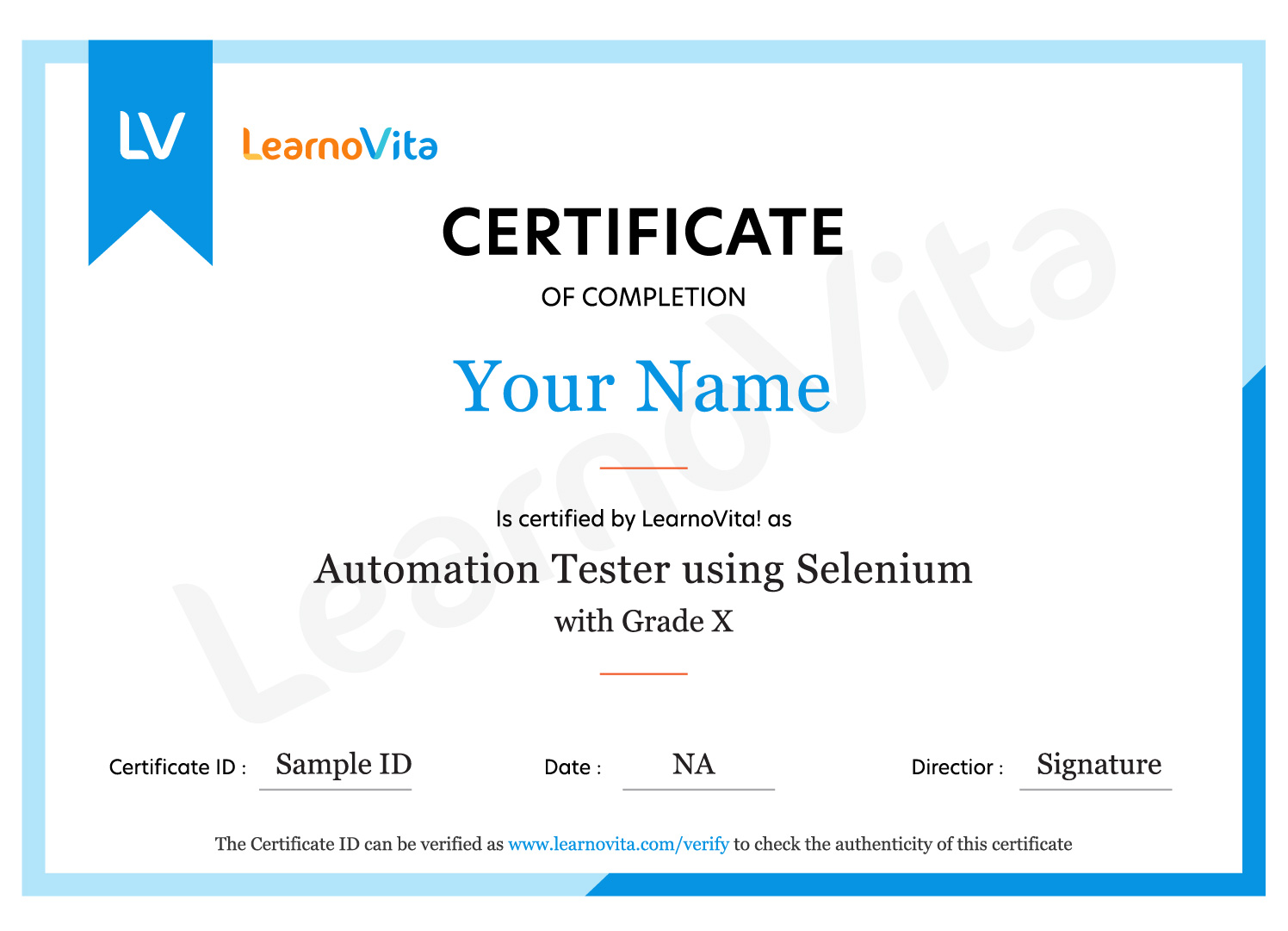
Exam & Python Full Stack Certification

  • Basic understanding of programming concepts and logic
  • Familiarity with HTML, CSS and JavaScript
  • Knowledge of Python fundamentals
  • Willingness to work on hands-on projects
Earning a Python Full Stack certification validates your proficiency in web programming, both front-end and back-end showcasing your ability to design, develop and deploy full-stack applications. It enhances your credibility among employers, improves job prospects and prepares you to handle real-world development challenges with confidence.
While Python Full Stack certification significantly boosts your employability and practical skills, it guarantee a job on its own. Career success depends on applying the skills learned, building a strong portfolio and performing well in interviews.
  • Full-Stack Developer
  • Backend Developer
  • Frontend Developer
  • Web Application Developer
  • Python Developer
Python Full Stack certification equips you with in-demand technical skills, allowing you to work on complete web applications. It improves your chances of higher-paying roles, makes you eligible for diverse development positions and enhances your ability to contribute effectively in IT and software development projects.

Our Student Successful Story

checkimage Regular 1:1 Mentorship From Industry Experts checkimage Live Classes checkimage Career Support

How are the Python Full Stack Course with LearnoVita Different?

Feature

LearnoVita

Other Institutes

Affordable Fees

Competitive Pricing With Flexible Payment Options.

Higher Python Full Stack Fees With Limited Payment Options.

Live Class From ( Industry Expert)

Well Experienced Trainer From a Relevant Field With Practical Python Full Stack Training

Theoretical Class With Limited Practical

Updated Syllabus

Updated and Industry-relevant Python Full Stack Course Curriculum With Hands-on Learning.

Outdated Curriculum With Limited Practical Training.

Hands-on projects

Real-world Python Full Stack Projects With Live Case Studies and Collaboration With Companies.

Basic Projects With Limited Real-world Application.

Certification

Industry-recognized Python Full Stack Certifications With Global Validity.

Basic Python Full Stack Certifications With Limited Recognition.

Placement Support

Strong Placement Support With Tie-ups With Top Companies and Mock Interviews.

Basic Placement Support

Industry Partnerships

Strong Ties With Top Tech Companies for Internships and Placements

No Partnerships, Limited Opportunities

Batch Size

Small Batch Sizes for Personalized Attention.

Large Batch Sizes With Limited Individual Focus.

Additional Features

Lifetime Access to Python Full Stack Course Materials, Alumni Network, and Hackathons.

No Additional Features or Perks.

Training Support

Dedicated Mentors, 24/7 Doubt Resolution, and Personalized Guidance.

Limited Mentor Support and No After-hours Assistance.

Python Full Stack Course FAQ's

Certainly, you are welcome to join the demo session. However, due to our commitment to maintaining high-quality standards, we limit the number of participants in live sessions. Therefore, participation in a live class without enrollment is not feasible. If you're unable to attend, you can review our pre-recorded session featuring the same trainer. This will provide you with a comprehensive understanding of our class structure, instructor quality, and level of interaction.
All of our instructors are employed professionals in the industry who work for prestigious companies and have a minimum of 9 to 12 years of significant IT field experience. A great learning experience is provided by all of these knowledgeable people at LearnoVita.
  • LearnoVita is dedicated to assisting job seekers in seeking, connecting, and achieving success, while also ensuring employers are delighted with the ideal candidates.
  • Upon successful completion of a career course with LearnoVita, you may qualify for job placement assistance. We offer 100% placement assistance and maintain strong relationships with over 650 top MNCs.
  • Our Placement Cell aids students in securing interviews with major companies such as Oracle, HP, Wipro, Accenture, Google, IBM, Tech Mahindra, Amazon, CTS, TCS, Sports One , Infosys, MindTree, and MPhasis, among others.
  • LearnoVita has a legendary reputation for placing students, as evidenced by our Placed Students' List on our website. Last year alone, over 5400 students were placed in India and globally.
  • We conduct development sessions, including mock interviews and presentation skills training, to prepare students for challenging interview situations with confidence. With an 85% placement record, our Placement Cell continues to support you until you secure a position with a better MNC.
  • Please visit your student's portal for free access to job openings, study materials, videos, recorded sections, and top MNC interview questions.
LearnoVita Certification is awarded upon course completion and is recognized by all of the world's leading global corporations. LearnoVita are the exclusive authorized Oracle, Microsoft, Pearson Vue, and Python Full Stack exam centers, as well as an authorized partner of Python Full Stack . Additionally, those who want to pass the National Authorized Certificate in a specialized IT domain can get assistance from LearnoVita's technical experts.
As part of the training program, LearnoVita provides you with the most recent, pertinent, and valuable real-world projects. Every program includes several projects that rigorously assess your knowledge, abilities, and real-world experience to ensure you are fully prepared for the workforce. Your abilities will be equivalent to six months of demanding industry experience once the tasks are completed.
At LearnoVita, participants can choose from instructor-led online training, self-paced training, classroom sessions, one-to-one training, fast-track programs, customized training, and online training options. Each mode is designed to provide flexibility and convenience to learners, allowing them to select the format that best suits their needs. With a range of training options available, participants can select the mode that aligns with their learning style, schedule, and career goals to excel in Python Full Stack .
LearnoVita guarantees that you won't miss any topics or modules. You have three options to catch up: we'll reschedule classes to suit your schedule within the course duration, provide access to online class presentations and recordings, or allow you to attend the missed session in another live batch.
Please don't hesitate to reach out to us at contact@learnovita.com if you have any questions or need further clarification.
To enroll in the Python Full Stack at LearnoVita, you can conveniently register through our website or visit any of our branches in India for direct assistance.
Yes, after you've enrolled, you will have lifetime access to the student portal's study materials, videos, and top MNC interview questions.
At LearnoVita, we prioritize individual attention for students, ensuring they can clarify doubts on complex topics and gain a richer understanding through interactions with instructors and peers. To facilitate this, we limit the size of each Python Full Stack Service batch to 5 or 6 members.
The average annual salary for Python Full Stack Professionals in India is 3 LPA to 8 LPA.
view More view Less
Career Assistance
  • Build a Powerful Resume for Career Success
  • Get Trainer Tips to Clear Interviews
  • Practice with Experts: Mock Interviews for Success
  • Crack Interviews & Land Your Dream Job

Find Python Full Stack Training in Other Cities

Get Our App Now!