Home » Data Science and Ai » R Programming Training in Pune

R Programming Training in Pune

(4.7) 18546 Ratings
  • Join the Best R Programming Course in Pune to Build Programming Skills.
  • R Programming Certification Course with Career-Focused Placement Assistance.
  • Flexible R Programming Training Options: Weekday, Weekend, or Fast-Track Schedules.
  • Learn with Real-Time Projects and Practical Sessions from Expert R Programming Trainers.
  • Get Help with Resume Writing, Mock Interviews, and Career Development in R Programming.
  • Covers SQLite, Firebase, UI Design, and Google APIs with guidance from a top R Programming training institute in Pune.

Course Duration

50+ Hrs

Live Project

3 Project

Certification Pass

Guaranteed

Training Format

Live Online (Expert Trainers)
WatchLive Classes
Course fee at
₹14500

₹18000

11298+

Professionals Trained

9+

Batches every month

2967+

Placed Students

265+

Corporate Served

What You'll Learn

Build a strong foundation in data science and analytics using industry-relevant R programming skills.

Master core concepts such as data types, vectors, matrices, data frames, control structures, functions, loops, and apply family functions in R Programming Course in Pune.

Understand how R is used for data manipulation, statistical analysis, data visualization, and building predictive models in real-world scenarios.

Learn essential coding practices, data cleaning techniques, and visualization tools like ggplot2 and Shiny for interactive web applications.

Get hands-on experience through practical projects, case studies, and assignments led by experienced instructors from the data science industry.

Enroll in the R Programming Training in Pune with 100% placement support to launch your career in data analytics and data science.

Comprehensive Overview of R Programming Course

The Comprehensive R Programming Training in Pune is a structured training program designed for both beginners and professionals aiming to build or advance their data analytics and programming skills. It covers foundational topics such as variables, data types, vectors, matrices, data frames, control structures, loops, and user-defined functions in R Programming training. Our R Programming course in Pune is ideal for individuals seeking practical, industry-relevant skills in data science and analytics.The course also introduces advanced concepts like data manipulation using dplyr, data visualization with ggplot2, statistical modeling, and building interactive web applications using Shiny.This R Programming certification course in Pune helps learners gain in-demand expertise through hands-on training and expert guidance.Master the tools and techniques essential for real-world data analysis and R-based application development.

Additional Info

Future Developments in R Programming Course

  • AI-Powered Code Assistance AI tools are revolutionizing programming workflows. Future R Programming courses will incorporate AI-powered code assistants such as GitHub Copilot, TabNine, and IntelliCode. These tools will help learners by suggesting code snippets, detecting bugs, and auto-completing syntax. AI will provide real-time logic suggestions, code optimizations and help streamline coding processes. This integration will boost learners' efficiency and productivity. Students will use AI assistants during hands-on labs to simulate industry environments. Ultimately, AI-powered code assistance will shape how learners interact with programming languages.
  • Integration with Modern Development Practices Future R Programming courses will focus on modern development practices like DevOps, CI/CD, and version control. Students will learn Git for version control, CMake for build automation, and Jenkins or GitHub Actions for continuous integration. The course will cover branching, merging, and repository management techniques Emphasis will be placed on real-time collaboration, test automation, and workflow optimization. Learners will gain practical experience with collaborative platforms and tools. These practices prepare students for real-world software engineering roles. Industry adoption of these methods will be crucial in streamlining software development and deployment.
  • Focus on System-Level Programming & IoT R Programming is essential for the development of system-level and IoT applications. Future courses will include modules on working with microcontrollers like Arduino and STM32. Students will explore sensor integration, real-time operating systems, and memory-efficient programming. The course will feature hands-on projects like home automation or building sensor-based systems. Learners will write drivers, handle interrupts, and integrate hardware with software This practical focus will bridge the gap between hardware and software.
  • Cross-Platform Development & Performance Optimization Cross-platform development will be a key part of future R Programming courses. Learners will explore how to write code compatible with Windows, Linux, and macOS using tools like Qt and CMake The curriculum will include performance optimization topics such as multi-threading, memory profiling, and compiler optimizations. Students will analyze bottlenecks, test execution times, and use tools like Valgrind or gprof. The course will teach methods to write portable and efficient code These are crucial for industries finance, and real-time computing. Graduates will be prepared for cross-platform software development in various sectors.
  • Project-Based Learning with Real-World Applications Practical learning will be the focus of future R Programming courses, where students build projects that reflect real-world scenarios. The course will include full-fledged applications, such as chat servers or data analytics tools. These projects will require learners to apply theoretical concepts to solve complex, real-world problems. Students will work with deadlines, documentation, and peer collaboration. Every module will include a capstone project to reinforce skills learned during the course. GitHub portfolios will allow students to showcase their work to potential employers. This project-based approach prepares learners for job interviews and professional software development environments.
  • Soft Skills & Team Collaboration In future R Programming courses, collaboration and communication will be key components Learners will engage in group coding sessions, peer reviews, and team problem-solving exercises. The course will simulate Agile practices like sprint planning and daily stand-ups to build team dynamics. Students will practice presenting their code, explaining logic, and debugging as a team. Remote pair programming will also be emphasized to reflect modern work practices. These soft skills ensure learners are prepared for team-based software development environments The training fosters effective communication and collaborative problem-solving abilities.
  • Industry Tools & IDEs Integration Future R Programming courses will emphasize industry-standard tools and IDEs to enhance productivity. Students will gain proficiency with integrated development environments like Visual Studio, Eclipse, and CLion The course will cover debugging with GDB, memory checks with Valgrind, and build management using CMake. Students will also learn how to use Doxygen for documentation and static analyzers for improving code quality. Mastery of these tools is essential for real-world development projects and professional software engineering. Exposure to these technologies will boost learners' industry readiness. This hands-on experience ensures students are equipped with tools used in modern software development.
  • Security & Best Practices With the increasing focus on secure coding, future R Programming courses will cover security best practices Learners will study techniques to prevent memory leaks, buffer overflows, and pointer mismanagement. The course will emphasize secure coding practices such as bounds checking, memory allocation, and safe input handling. Students will explore real-world examples of security breaches to understand the importance of secure coding. By following these practices, learners will write robust, maintainable, and safe code This training prepares students to develop secure software application Security-focused learning ensures students understand the importance of protecting user data and system integrity.
  • Data Structures, Algorithms, and Interview Readiness Future R Programming courses will provide an in-depth focus on data structures and algorithms, critical for coding interviews. Learners will explore concepts like arrays, linked lists, stacks, queues, trees, graphs, sorting, and searching algorithms. Competitive coding problems will help reinforce these topics and prepare students for technical interviews. The course will also emphasize time and space complexity analysis to help students optimize their solutions Practicing coding challenges will boost learners' problem-solving abilities and prepare them for top-tier job interviews. The curriculum will include mock interviews and assessments. This focus will make learners job-ready for technical roles in data science and software engineering.
  • Alignment with Industry Certifications Future R Programming courses will align with recognized certifications, validating learners' skills for career advancement. The curriculum designed to meet the standards of certifications such as the C++ Certified Professional Programmer (CPP) and the Certified Data Scientist. Students will receive guidance on certification syllabi, practice exams, and effective exam strategies. These certifications boost credibility and enhance resumes, making learners more competitive in the job market The course will ensure that students meet the certification standards and are well-prepared for exam success. Achieving industry certifications will add value to both fresh graduates and experienced professionals. Learners will gain confidence in their skills and improve their employability.

Structure Tools and Techniques with R Programming Course

  • Introduction to R Programming R is powerful programming language used statistical computing and data analysis This course introduces the basics of R, including its syntax, data types (vectors, lists, data frames, and matrices), operators, and control structures. Learners will get hands-on experience working with R's rich set of functions for manipulating data, conducting basic analysis, and creating visualizations. By the end of this module, students will be able to write simple R scripts, clean and transform data, and use R's built-in functions for basic statistical analysis.
  • Data Manipulation and Visualization with R This module dives deeper into R's data manipulation capabilities using libraries like dplyr and tidyr Students will learn how to filter, group, and summarize data, and how to transform datasets into the desired formats. Emphasis is also placed on data visualization techniques using ggplot2, allowing students to create informative charts and graphs. By the end of this module, learners will be able to manipulate and visualize large datasets effectively, an essential skill for data analysts and statisticians.
  • Statistical Analysis and Modelling in R R is statistical analysis, and this course focuses on its robust statistical tools. Topics include hypothesis testing, ANOVA, regression analysis, and time series analysis Students will also learn about various statistical tests and how to perform them in R. By the end of this course, learners will have a strong foundation in statistical analysis, enabling them to apply the right techniques for analyzing data and drawing conclusions.
  • Advanced R Programming Concepts In this advanced module, students will explore more complex programming concepts in R, such as writing functions, using loops and conditionals, and creating custom packages. The course will also introduce object-oriented programming concepts in R, using S3 and S4 classes. Learners will improve their ability to write efficient and reusable code, which is crucial when working with large datasets. By the end of this module, learners will be confident in applying advanced R programming techniques to their own data analysis projects.
  • R for Data Science and Machine Learning R is machine learning and this course covers the use of R libraries like caret, randomForest, and xgboost to build predictive models. Students will learn the basics of supervised and unsupervised learning, including classification, regression, and clustering techniques. This course will also cover model evaluation, cross-validation, and feature selection. By the end of this module, learners will be able to build, evaluate, and improve machine learning models in R.
  • R Markdown and Reproducible Research Reproducibility is a key aspect of data science, and R Markdown is a powerful tool for integrating code and documentation. In this module R Markdown for creating dynamic reports that combine code, output, and narrative. Students will learn how to publish reports in HTML, PDF, or Word formats and how to share their work with others. By the end of this course, learners will be able to produce well-documented, reproducible analyses that are easy to share and collaborate on.
  • Data Cleaning and Preprocessing in R Before analysis, data often requires cleaning and preprocessing. This module focuses on handling missing values, outliers, and data inconsistencies in R. Learners will explore techniques for dealing with non-numeric data, formatting, and reshaping data using R packages like tidyr and dplyr By the end of this module, learners will be able to prepare complex datasets for analysis, ensuring that the data is clean, structured, and ready for modeling.
  • Time Series Analysis in R Time series data is prevalent in fields like economics, finance, and environmental science. This course will teach learners how to analyze time series data using R. Topics include decomposition of time series, trend analysis, moving averages, and forecasting using ARIMA models. By the end of this module, learners will be able to perform time series analysis in R and make predictions based on historical data.
  • Working with Big Data in R Big Data analysis presents unique challenges, but R offers solutions to handle large datasets. This course explores the use of data.table, sparklyr, and other packages to work efficiently with big data. Learners will learn how to scale their R code for larger datasets, use parallel processing, and interact with big data tools like Apache Spark. By the end of this course, students will be able to handle and analyze large datasets using R.
  • R Packages and Libraries R has an extensive ecosystem of packages that extend its functionality. This course introduces students to popular R packages like ggplot2, dplyr, tidyr, and shiny. Students will learn how to install and load packages, and how to use them for specific tasks like visualization, data manipulation, and building web applications. By the end of this module, learners will be proficient in using R’s rich ecosystem of packages to simplify their workflows.
  • Integrated Development Environment (IDE) Usage in R Efficient programming requires an understanding of the tools at your disposal. This course introduces learners to R Studio, the most widely used IDE for R programming. Topics include setting up projects, using built-in tools for code completion, debugging, and profiling. Students will also explore version control using Git and GitHub for collaboration. By the end of this module, learners will be comfortable working in R Studio and using various tools to enhance their R programming experience.

Key Roles and Responsibilities of a R Programming Course

  • Instructor/Trainer The instructor is responsible for delivering course content in a clear, engaging, and comprehensive manner, ensuring that students gain a solid understanding of R programming concepts. They guide learners through both foundational and advanced topics, such as data manipulation, statistical analysis, data visualization, and machine learning in R The instructor conducts hands-on coding exercises, provides real-world examples, and offers individualized assistance to address students’ specific learning needs They foster an interactive environment by encouraging participation, asking thought-provoking questions, and facilitating group discussions, ensuring students develop practical skills in R programming.
  • Curriculum Developer The curriculum developer designs and updates the course materials to keep them relevant to the latest trends and advancements in R programming. They ensure that the content covers a wide range of topics, including data wrangling, visualization techniques, statistical methods, and machine learning algorithm The curriculum developer collaborates with instructors to ensure the course progresses logically, catering to various skill levels and meeting student needs. Their role is vital in crafting a structured, engaging learning path that equips students with the knowledge data challenges using R.
  • Technical Support Specialist The technical support specialist assists students with troubleshooting any technical issues related to the R programming course. They help students set up the necessary software (e.g., R and RStudio), resolve problems with code execution, and ensure students can run their R scripts effectively. The technical support specialist ensures that any issues whether related to package installations, IDE configurations, or error messages are quickly addressed, allowing students to focus on learning rather than technical difficulties.
  • Project Mentor The project mentor provides guidance to students as they work on hands-on R programming projects. They offer feedback on students' code, data analysis methods and visualizations. The mentor helps students apply R programming techniques to real-world data scenarios, such as building predictive models, cleaning large datasets and generating meaningful insights from data. By encouraging critical thinking and providing continuous feedback, the project mentor ensures that students gain practical experience and refine their skills throughout the course.
  • Course Coordinator The course coordinator manages the logistical aspects of the R programming course, including course scheduling, student progress tracking, and resource availability. They serve as the main point of contact for administrative matters, such as deadlines, course materials, and assignment submissions The coordinator works closely with instructors and mentors to maintain clear communication, ensuring that the course runs smoothly and that students have the support and resources needed to succeed.
  • Assessment and Evaluation Specialist The assessment and evaluation specialist designs quizzes, exams, and assignments to evaluate students' understanding of R programming concepts They assess students’ coding abilities, problem-solving skills, and theoretical knowledge. The specialist provides constructive feedback, highlighting areas for improvement and ensuring that students meet course objectives By tracking students’ performance, they help identify additional support.
  • Learning Facilitator The learning facilitator encourages active student participation through discussions, group projects, and collaborative problem-solving. They clarify complex R programming topics, help students grasp challenging concepts, and provide additional explanations when needed. The facilitator ensures that students feel comfortable asking questions and engaging in peer learning. By creating a positive and learning facilitator fosters student motivation, collaboration and a sense of community throughout the course.
  • Student Support Advisor The student support advisor provides non-technical assistance to students, helping them navigate course materials, manage deadlines, and address scheduling conflicts. They offer emotional support and guidance focused and motivated to achieve their learning goals. The advisor helps students access additional support services and ensures that they have the resources and tools needed for a successful learning experience in the R programming course.
  • Industry Expert/Guest Speaker Industry experts and guest speakers bring real-world insights and perspectives to the course They share their professional experiences with R programming in fields such as data science, machine learning, and statistics. By discussing current trends, challenges, and industry tools connect theoretical knowledge with practical applications Guest speakers provide valuable career advice and offer students a better understanding of what is expected in the data science job market.
  • Quality Assurance (QA) Specialist The QA specialist ensures that the course materials, coding exercises and assignments meet high standards of quality. They review the content for accuracy, clarity, and relevance, ensuring it aligns with best practices in R programming The QA specialist also evaluates assignments and projects to ensure they effectively reinforce key concepts and skills. By maintaining quality control, they ensure that students receive reliable, up-to-date resources and a valuable learning experience.

Best Companies Seeking R Programming Talent for Innovation

  • Tata Consultancy Services (TCS) TCS in IT services, is actively seeking skilled R programmers to drive innovation in data analytics and artificial intelligence. They are looking for professionals with expertise in R programming to develop data-driven solutions for industries like healthcare and retail. Candidates should be adept at data manipulation, statistical analysis, and predictive modeling. Working at TCS provides an opportunity to contribute to large-scale projects with global impact and advance skills in cutting-edge data science and machine learning technologies.
  • Infosys Infosys, a major IT services company, hires R programming experts to develop data science solutions that fuel digital transformation across various sectors. They are looking for developers who excel in data analytics, machine learning, and statistical modeling. Infosys values professionals R-based solutions with modern technologies such as AI, cloud computing, and big data. This role offers opportunities to work on innovative projects that shape the future of digital analytics and provide actionable insights for businesses.
  • Cognizant Technology Solutions (CTS) Cognizant is seeking talented R programmers to create data-driven systems and applications across diverse industries. They value professionals who can leverage R to build advanced data analytics models, predictive models, and visualizations that support business decision-making. CTS values candidates who can integrate AI, cloud technologies, and data science into their solutions, helping clients innovate. This role offers the chance to work on impactful projects that advance business intelligence and technological innovation.
  • Wipro Technologies Wipro is looking for skilled R developers to design and implement data science solutions that help industries like banking, healthcare, and manufacturing innovate They seek candidates with a strong grasp of data manipulation, statistical analysis, and predictive modeling techniques Developers are encouraged to work with emerging technologies, such as AI and cloud computing, to deliver cutting-edge solutions. This role provides opportunities to contribute to transformative projects that help clients leverage data to drive business growth.
  • Accenture Accenture is hiring R programming experts to design and implement innovative analytics solutions that help clients navigate digital transformation. They seek professionals with strong skills in data science, machine learning, and statistical modeling who can use R to optimize processes and extract insights from large datasets. Accenture offers the opportunity to work on large-scale, high-impact projects, collaborating with cross-functional teams to deliver data-driven advancements across industries.
  • HCL Technologies HCL Technologies is looking for R programming experts to develop high-performance data science solutions that help businesses extract meaningful insights from their data. They seek candidates who are proficient in statistical analysis, machine learning, and data visualization, and who can integrate emerging technologies like AI and big data analytics into their projects. HCL encourages innovation and offers the chance to work on large-scale, high-impact data analytics projects for global clients.
  • Capgemini Capgemini is actively seeking R programmers to help deliver data science and analytics solutions that empower businesses to make informed decisions. Developers are expected to design scalable and efficient models that align with business needs and technological advancements. Capgemini values candidates who can integrate R-based solutions with AI, cloud computing, and data analytics.
  • L&T Infotech (LTI) L&T Infotech is looking for R developers to build reliable and efficient data science solutions for clients across industries such as banking, insurance, and manufacturing. They value professionals who are skilled in data manipulation, statistical modeling, and machine learning. Developers at LTI will have the opportunity to work on diverse projects, applying their R programming expertise to create innovative data solutions that drive business success and enhance client operations.
  • Tech Mahindra Tech Mahindra is hiring R programming specialists to develop data science solutions that help clients optimize their operations through advanced analytics and machine learning. They seek professionals with experience in statistical analysis, data visualization, and predictive modeling. R developers at Tech Mahindra work on projects across industries like telecom, healthcare, and retail, creating data-driven solutions that improve and help businesses make informed, data-backed decisions.
  • IBM India IBM India is looking for skilled R programmers to design and develop advanced data science and machine learning solutions using R. They seek professionals with expertise in statistical modeling, data analytics, and machine learning algorithms complex business challenges. IBM offers the opportunity to work on innovative projects leveraging AI, big data, and cloud computing, collaborating with a dynamic team to deliver data-driven insights and solutions across multiple industries.
View more

R Programming Course Objectives

To enroll in an R Programming training, it is recommended that students have a basic understanding of programming concepts, such as variables, loop and control structures. Familiarity with statistics and data analysis concepts would also be beneficial. While prior experience in programming languages like Python or Java can be advantageous, no prior experience in R is required. Basic knowledge of mathematics, especially in areas like probability and algebra, is also recommended to fully grasp the concepts in R programming.
The R Programming training provides several benefits, including a strong foundation in data analysis and statistical programming, hands-on experience with data visualization tools, and proficiency in writing efficient R code. By completing the course, participants will be able to analyze large datasets, build predictive models, perform data cleaning and manipulation, and generate meaningful insights through visualization. This training also enhances problem-solving and analytical skills, preparing students for real-world data science challenges and improving employability in fields like analytics, research, and machine learning.
R Programming remains highly important in today’s job market, particularly in industries that rely on data analysis and statistical modeling. Its widespread use in data science, research, and academia makes it a key skill for many analytical roles. Organizations that deal with large datasets, such as in healthcare, finance, and retail, increasingly require R skills. As machine learning and artificial intelligence continue to evolve, proficiency in R programming opens doors to high-demand jobs in data analysis, research, and AI development.
Yes, students will have opportunities to work on real-world projects during the R Programming training course. These projects may involve analyzing publicly available datasets, developing data models, performing statistical tests, and visualizing results. Students will also work on end-to-end data science projects, applying R to solve real-world problems, and building portfolios to demonstrate their skills to potential employers.
  • High demand in data analysis
  • Key language for statistical analysis
  • Increasing adoption in machine learning and AI
  • Opportunities in developing data-driven applications
  • Continuous growth in sectors
  • Introduction to R programming and environment setup
  • Variables, data types, and basic operations in R
  • Control structures: loops, conditional statements, and functions
  • Data structures in R: vectors, lists, data frames, and matrices
  • Data manipulation using dplyr and tidyr
  • Data science and analytics
  • Financial services
  • Healthcare and medical research
  • Marketing and customer analytics
  • Government and public policy
While completing the R Programming training significantly enhances your job prospects a job Success in securing employment depends on several factors, including the level of proficiency gained, experience, personal networking, and how well you apply the skills learned in real-world scenarios However, this course will equip you with valuable R programming skills, making you a competitive candidate for roles in data science, analytics, and research.
  • Strong foundation in statistical analysis and data science.
  • High demand for R programming skills in analytics, finance, healthcare, and technology.
  • Mastery of data visualization tools for communicating insights.
  • Improved problem-solving, analytical thinking, and statistical modeling skills.
  • Increased career opportunities in fields like data science, machine learning, and academia.
Integrated Development Environments (IDEs) like RStudio, Data manipulation and analysis packages: dplyr, tidyr, data.table, Data visualization libraries: ggplot2, plotly, Machine learning libraries: caret, randomForest, xgboost, Statistical analysis tools and libraries in R and Version control tools such as Git.
view More view Less

R Programming Course Benefits

R Programming certification course in Pune equips students with essential data analysis and statistical computing skills for solving complex real-world problems. The course covers core programming concepts such as variables, data types, control structures, functions, and advanced topics in data manipulation, statistical analysis, and machine learning. Students will gain proficiency in using popular R libraries and packages, such as dplyr, ggplot2, and caret, to clean, analyze, and visualize data effectively along with opportunities for R Programming internship in Pune to enhance hands-on learning and industry exposure.

  • Designation
  • Annual Salary
    Hiring Companies
  • 8L
    Min
  • 10L
    Average
  • 20L
    Max
  • 7L
    Min
  • 10L
    Average
  • 20L
    Max
  • 4L
    Min
  • 6L
    Average
  • 15L
    Max
  • 6L
    Min
  • 9L
    Average
  • 20L
    Max

About Your R Programming Course

Our R Programming Training in Pune offers comprehensive instruction in data analysis, statistical computing, and programming using R. This course covers essential concepts such as variables, data types, control structures, functions, and advanced topics like data manipulation, visualization, statistical analysis, and machine learning. You will gain hands-on experience in writing efficient code, debugging, and problem-solving with industry-standard tools and R libraries like dplyr, ggplot2, and caret. Work on real-time R Programming projects in Pune to apply your skills in practical scenarios. Enroll in our R Programming course with placement support to boost your job readiness and career growth.

Top Skills You Will Gain
  • Data Manipulation
  • Statistical Analysis
  • Data Visualization
  • Data Import and Export
  • Machine Learning
  • Time Series Analysis
  • R Markdown
  • Advanced R Programming

12+ R Programming Tools

Online Classroom Batches Preferred

Weekdays (Mon - Fri)
15 - Dec - 2025
08:00 AM (IST)
Weekdays (Mon - Fri)
17 - Dec - 2025
08:00 AM (IST)
Weekend (Sat)
20 - Dec - 2025
11:00 AM (IST)
Weekend (Sun)
21 - Dec - 2025
11:00 AM (IST)
Can't find a batch you were looking for?
₹18000 ₹14500 10% OFF Expires in

No Interest Financing start at ₹ 5000 / month

Corporate Training

  • Customized Learning
  • Enterprise Grade Learning Management System (LMS)
  • 24x7 Support
  • Enterprise Grade Reporting

Why R Programming Course From Learnovita ? 100% Money Back Guarantee

R Programming Training Curriculum

Trainers Profile

Our R Programming Training in Pune bring extensive industry experience and a deep understanding of data analysis, statistical computing, and machine learning With proficiency in core R programming concepts such as data manipulation, visualization, statistical analysis, and machine learning algorithms, they deliver These trainers have hands-on experience working on real-world projects in fields such as data science, finance, healthcare analytics, and research.

Syllabus for R Programming Course Download syllabus

  • Key Features and Benefits of R Programming
  • Setting Up the R Programming Environment
  • Introduction to R Studio and Other IDEs for R
  • Basic Syntax and Structure of R Programs
  • Data Types in R
  • Variables and Constants in R
  • Control Structures
  • Functions and Function Definitions in R
  • Working with Vectors and Lists
  • Data Frames and Matrices
  • Advanced Data Structures in R
  • Working with Dates and Times in R
  • Functions and Argument Passing in R
  • R Package Management and Installation
  • Debugging and Error Handling in R
  • Handling Missing Data in R
  • Subsetting and Filtering Data
  • Data Transformation with dplyr
  • Merging and Reshaping Data
  • Working with Regular Expressions in R
  • Using ggplot2
  • Customizing Plots
  • Heatmaps and Geographic Maps in R
  • Interactive Visualizations with plotly and shiny
  • Visualizing Time Series and Geospatial Data
  • Hypothesis Testing and p-values
  • ANOVA, Chi-Square and Tests
  • Correlation and Covariance
  • Time Series Analysis
  • Working with Statistical Tests in R
  • Supervised Learning
  • Unsupervised Learning
  • Model Evaluation and Cross-Validation
  • Random Forests and Decision Trees
  • Building Predictive Models
  • Accessing SQL Databases
  • Working with APIs in R
  • Importing and Exporting Data
  • Data Wrangling with SQL Queries
  • Building Reports and Dashboards
  • Bayesian Inference in R
  • Time Series Forecasting
  • High-Performance Computing
  • Parallel Computing and Distributed Systems
  • Text Mining and Sentiment Analysis
  • Developing Machine Learning Models
  • Visualizing and Reporting Results
  • Optimizing Code and Performance Tuning
  • Final Testing and Debugging
  • Project for Deployment
(15) view More view Less
Need customized curriculum?

Industry Projects

Project 1
Data Integration and Preprocessing

Design a project focusing on the integration and preprocessing of diverse datasets using R Programming. The project will cover techniques to clean and merge data from multiple sources.

Project 2
Machine Learning with R Programming

Develop a project that focuses on applying machine learning algorithms using R Programming. Students will gain experience implementing various supervised and unsupervised decision trees.

Project 3
Visualization and Reporting with R Programming

Create an R Programming project focused on data visualization and reporting. This project will guide students in creating interactive and informative data visualizations using ggplot2, plotly, and shiny.

Career Support

Our Hiring Partner

Exam & R Programming Certifications

  • Basic understanding of programming concepts
  • Familiarity with logical thinking and problem-solving
  • Knowledge of fundamental data structures
  • Interest in programming and software development
  • Exposure to other programming languages is beneficial
  • Enthusiasm to learn complex concepts in systems programming
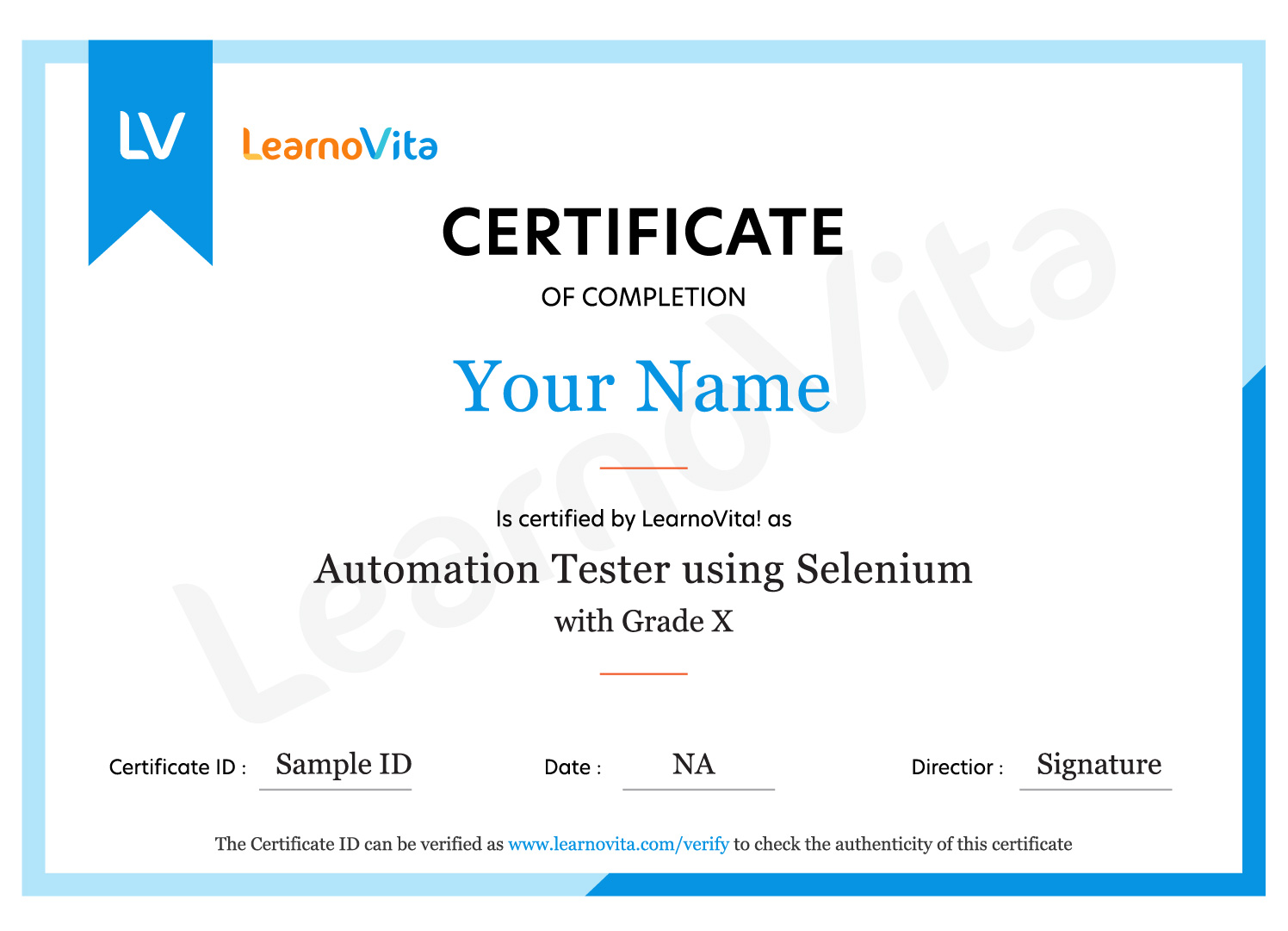
Earning an R Programming certification validates your programming expertise and showcases your competence in core concepts such as memory management, data structures, object-oriented programming, and system-level development This certification demonstrates your ability to write optimized, reliable code and tackle complex software development challenges Having this credential can significantly boost your credibility with potential employers, increasing your chances of securing high-demand roles in software engineering, embedded systems, systems programming, and more.
Earning an R Programming certification certainly enhances your job prospects It demonstrates that you have the knowledge and skills required to excel in programming, tackle real-world coding problems, and contribute effectively to complex projects. Certification provides a competitive edge, especially for entry-level or junior programming roles, and boosts your chances of crowded job market.
  • Software Engineer
  • Embedded Systems Developer
  • C/C++ Developer
  • System Programmer
  • Application Developer
  • Game Developer
An R Programming certification lays a strong foundation for advancing your career in the fields of software development, system-level programming, and embedded systems. It proves your expertise in foundational programming languages essential for building robust software, operating systems, and embedded systems. Certified professionals can expect better career opportunities, higher salaries, and the potential to progress to more advanced roles in software development and architecture.

Our Student Successful Story

checkimage Regular 1:1 Mentorship From Industry Experts checkimage Live Classes checkimage Career Support

How are the R Programming Course with LearnoVita Different?

Feature

LearnoVita

Other Institutes

Affordable Fees

Competitive Pricing With Flexible Payment Options.

Higher R Programming Fees With Limited Payment Options.

Live Class From ( Industry Expert)

Well Experienced Trainer From a Relevant Field With Practical R Programming Training

Theoretical Class With Limited Practical

Updated Syllabus

Updated and Industry-relevant R Programming Course Curriculum With Hands-on Learning.

Outdated Curriculum With Limited Practical Training.

Hands-on projects

Real-world R Programming Projects With Live Case Studies and Collaboration With Companies.

Basic Projects With Limited Real-world Application.

Certification

Industry-recognized R Programming Certifications With Global Validity.

Basic R Programming Certifications With Limited Recognition.

Placement Support

Strong Placement Support With Tie-ups With Top Companies and Mock Interviews.

Basic Placement Support

Industry Partnerships

Strong Ties With Top Tech Companies for Internships and Placements

No Partnerships, Limited Opportunities

Batch Size

Small Batch Sizes for Personalized Attention.

Large Batch Sizes With Limited Individual Focus.

Additional Features

Lifetime Access to R Programming Course Materials, Alumni Network, and Hackathons.

No Additional Features or Perks.

Training Support

Dedicated Mentors, 24/7 Doubt Resolution, and Personalized Guidance.

Limited Mentor Support and No After-hours Assistance.

R Programming Course FAQ's

Certainly, you are welcome to join the demo session. However, due to our commitment to maintaining high-quality standards, we limit the number of participants in live sessions. Therefore, participation in a live class without enrollment is not feasible. If you're unable to attend, you can review our pre-recorded session featuring the same trainer. This will provide you with a comprehensive understanding of our class structure, instructor quality, and level of interaction.
All of our instructors are employed professionals in the industry who work for prestigious companies and have a minimum of 9 to 12 years of significant IT field experience. A great learning experience is provided by all of these knowledgeable people at LearnoVita.
  • LearnoVita is dedicated to assisting job seekers in seeking, connecting, and achieving success, while also ensuring employers are delighted with the ideal candidates.
  • Upon successful completion of a career course with LearnoVita, you may qualify for job placement assistance. We offer 100% placement assistance and maintain strong relationships with over 650 top MNCs.
  • Our Placement Cell aids students in securing interviews with major companies such as R Programming , HP, Wipro, Accenture, Google, IBM, Tech Mahindra, Amazon, CTS, TCS, Sports One , Infosys, MindTree, and MPhasis, among others.
  • LearnoVita has a legendary reputation for placing students, as evidenced by our Placed Students' List on our website. Last year alone, over 5400 students were placed in India and globally.
  • We conduct development sessions, including mock interviews and presentation skills training, to prepare students for challenging interview situations with confidence. With an 85% placement record, our Placement Cell continues to support you until you secure a position with a better MNC.
  • Please visit your student's portal for free access to job openings, study materials, videos, recorded sections, and top MNC interview questions.
LearnoVita Certification is awarded upon course completion and is recognized by all of the world's leading global corporations. LearnoVita are the exclusive authorized R Programming , Microsoft, Pearson Vue, and R Programming I exam centers, as well as an authorized partner of R Programming . Additionally, those who want to pass the National Authorized Certificate in a specialized IT domain can get assistance from LearnoVita's technical experts.
As part of the training program, LearnoVita provides you with the most recent, pertinent, and valuable real-world projects. Every program includes several projects that rigorously assess your knowledge, abilities, and real-world experience to ensure you are fully prepared for the workforce. Your abilities will be equivalent to six months of demanding industry experience once the tasks are completed.
At LearnoVita, participants can choose from instructor-led online training, self-paced training, classroom sessions, one-to-one training, fast-track programs, customized training, and online training options. Each mode is designed to provide flexibility and convenience to learners, allowing them to select the format that best suits their needs. With a range of training options available, participants can select the mode that aligns with their learning style, schedule, and career goals to excel in R Programming . .
LearnoVita guarantees that you won't miss any topics or modules. You have three options to catch up: we'll reschedule classes to suit your schedule within the course duration, provide access to online class presentations and recordings, or allow you to attend the missed session in another live batch.
Please don't hesitate to reach out to us at contact@learnovita.com if you have any questions or need further clarification.
To enroll in the R Programming at LearnoVita, you can conveniently register through our website or visit any of our branches in India for direct assistance.
Yes, after you've enrolled, you will have lifetime access to the student portal's study materials, videos, and top MNC interview questions.
At LearnoVita, we prioritize individual attention for students, ensuring they can clarify doubts on complex topics and gain a richer understanding through interactions with instructors and peers. To facilitate this, we limit the size of each R Programming Service batch to 5 or 6 members.
The average annual salary for R Programming Professionals in India is 3 LPA to 9 LPA.
view More view Less
Career Assistance
  • Build a Powerful Resume for Career Success
  • Get Trainer Tips to Clear Interviews
  • Practice with Experts: Mock Interviews for Success
  • Crack Interviews & Land Your Dream Job

Find R Programming Training in Other Cities

Get Our App Now!