Understanding SAP Intelligent Product Design Training Overview
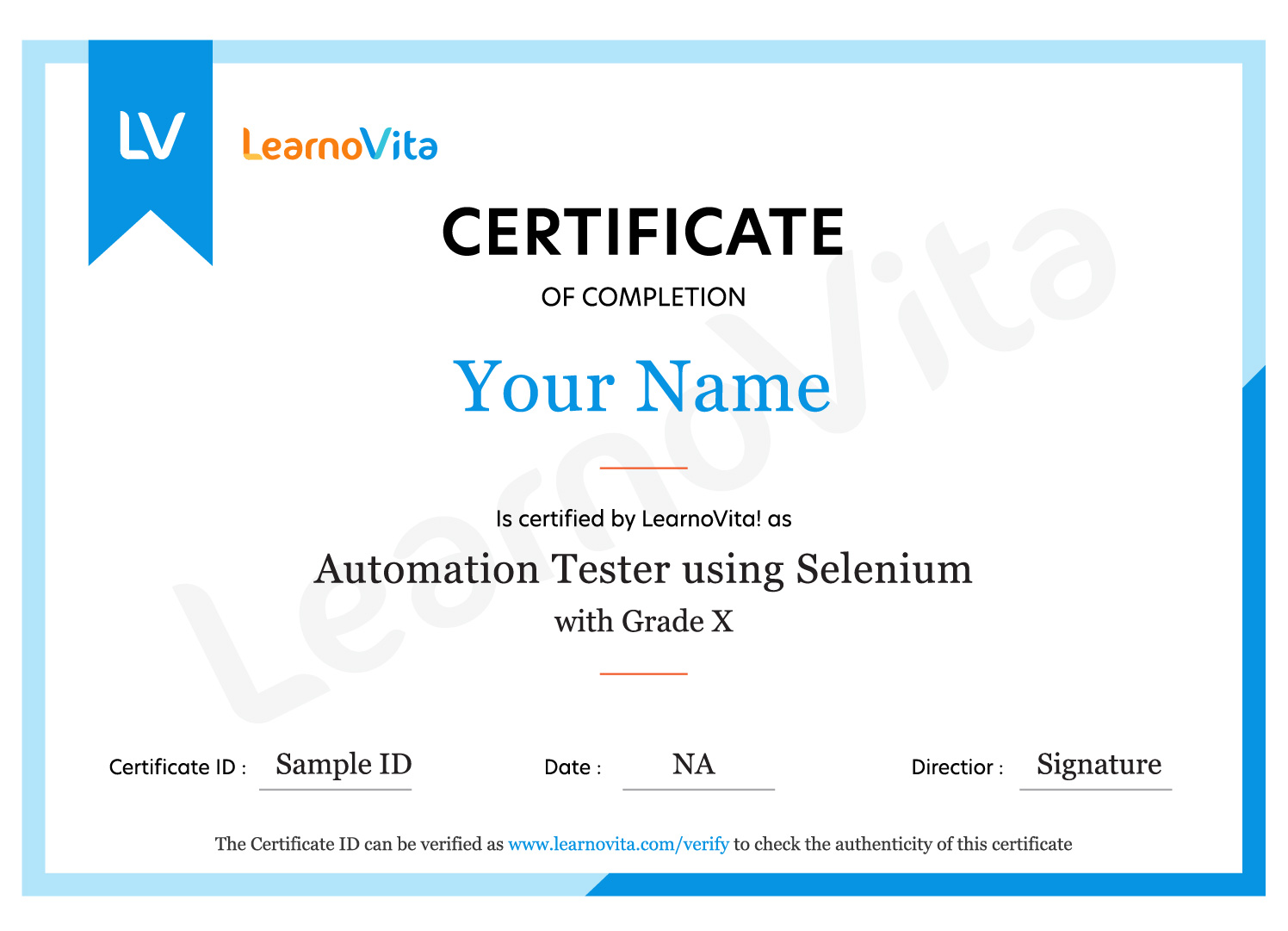
SAP Intelligent Product Design Training in Pune is a comprehensive program designed to equip professionals with the essential skills needed for product design in the digital age. Our SAP Intelligent Product Design course focuses on key aspects of product lifecycle management (PLM) product configuration 3D visualization and advanced analytics. The SAP Intelligent Product Design Course in Pune covers foundational to advanced techniques ensuring learners gain expertise in CAD data management design collaboration tools and SAP integration with ERP systems. Our SAP Intelligent Product Design certification provides recognition of your expertise which enhances your career opportunities. The SAP Intelligent Product Design institute offers hands-on learning with industry experts preparing you for real-world challenges in the product design space. Enroll now for SAP Intelligent Product Design Certification Course in Pune and start your career.
Additional Info
Future Trends and Innovations of SAP Intelligent Product Design Training
- Integration With AI:
SAP Intelligent Product Design is increasingly integrating AI to optimize design processes. AI-powered tools enhance automation speed up decision making and reduce human errors in product development. These technologies help in predicting design outcomes optimizing resources and improving innovation. Future trends will see more AI-driven design decisions that provide real-time adjustments and insights. This makes the design process more efficient cost effective and tailored to market needs. As businesses strive for smarter products AI integration in SAP Intelligent Product Design will become a critical skill.
- Cloud-Based Product Design Platforms:
Cloud technology is revolutionizing SAP Intelligent Product Design by enabling real-time collaboration across teams worldwide. Cloud platforms facilitate seamless access to design data allowing designers and engineers to work together regardless of location. The scalability of cloud solutions allows companies to handle massive product data and collaborate on complex designs. Cloud adoption also reduces infrastructure costs and ensures data security. The shift to cloud-based design platforms is a key trend that enhances flexibility innovation and cost efficiency. SAP’s cloud solutions are positioning businesses for a more connected and streamlined design process.
- Digital Twin Technology:
Digital twin technology is transforming how products are designed tested and maintained. In SAP Intelligent Product Design digital twins allow for the creation of virtual replicas of physical products which simulate their behavior in real-world conditions. This allows designers to predict performance detect flaws and optimize designs before production. As digital twin technology evolves it will enable predictive maintenance and continuous product improvement. This approach drastically reduces costs and time-to-market. Companies leveraging SAP's digital twin capabilities will have a competitive edge in developing smarter more resilient products.
- Sustainability in Product Design:
Sustainability is a growing focus in SAP Intelligent Product Design with companies increasingly adopting eco-friendly materials and processes. SAP’s tools help designers assess the environmental impact of products throughout their lifecycle. From sourcing raw materials to end-of-life recycling SAP enables businesses to create more sustainable designs. Future trends will focus on optimizing energy efficiency reducing waste and using sustainable resources. By integrating sustainability into the design process businesses can meet regulatory demands improve brand image and appeal to environmentally conscious consumers. This trend is shaping the future of product design across industries.
- Internet of Things (IoT) Integration :
The integration of IoT into SAP Intelligent Product Design is a game-changer for creating connected products. IoT-enabled products can transmit real-time data which helps businesses gather insights into product performance and user behavior. Designers can use this data to improve future iterations and offer enhanced customer experiences. IoT integration also enables predictive maintenance reducing downtime and extending product lifecycles. SAP’s IoT capabilities are essential for developing next-generation smart products. As IoT technology evolves it will play a central role in how SAP products are designed tested and maintained.
- Advanced Simulation:
SAP Intelligent Product Design training will emphasize the importance of advanced simulation and prototyping tools. These technologies enable designers to test and refine their concepts virtually reducing the need for physical prototypes. With simulations designers can assess performance under various conditions saving time and costs. Advanced tools like SAP's digital simulation solutions allow for more accurate testing and design verification. This technology will continue to evolve providing more complex and realistic simulations. The integration of AI and machine learning into simulation tools will also automate and optimize design iterations.
- Augmented Reality (AR) and VR:
Augmented and Virtual Reality (AR/VR) technologies are becoming essential in SAP Intelligent Product Design offering immersive ways to visualize and test products. AR and VR allow designers to interact with their designs in 3D environments providing a more intuitive understanding of product functionality. These tools are also valuable for stakeholder presentations enabling better communication and collaboration. As AR/VR technology improves it will be used for everything from concept development to virtual testing and customer feedback. This shift toward immersive design tools is making the SAP product design process more dynamic and user-focused.
- Collaborative Product Design:
SAP Intelligent Product Design will increasingly support collaborative design efforts across geographically dispersed teams. With the help of cloud platforms and real-time collaboration tools designers engineers and manufacturers can work together on projects from anywhere in the world. This global collaboration model reduces time-to-market and fosters innovation by combining diverse expertise. The future of SAP Intelligent Product Design will involve greater collaboration between cross-functional teams ensuring a more integrated and cohesive design process. Businesses will need to adapt their workflows to support continuous round-the-clock collaboration.
- Big Data and Analytics :
Big data analytics will become an integral part of SAP Intelligent Product Design providing insights that enhance design decisions. By analyzing vast amounts of data from product usage consumer feedback and market trends companies can make more informed design choices. Predictive analytics can also be used to forecast product demand optimize supply chains and improve customer satisfaction. The future of SAP Intelligent Product Design will rely heavily on data-driven design decisions helping businesses stay competitive in fast-changing markets. Leveraging big data will become a key skill for product designers.
- Customization and Personalization:
As consumer expectations shift toward more personalized products SAP Intelligent Product Design will focus on customization capabilities. Future trends will see the development of design systems that allow businesses to offer tailored products that meet individual customer needs. Using SAP’s configuration tools designers can create flexible product models that can be easily customized for different markets or customer preferences. This trend toward personalization will empower businesses to meet specific customer demands enhance user satisfaction and differentiate themselves in competitive markets. The ability to design personalized products will be a significant factor in business success.
Essential Tools and Technologies of SAP Intelligent Product Design Training
- SAP Cloud Platform Integration:
SAP Intelligent Product Design heavily utilizes the SAP Cloud Platform to provide a flexible and scalable environment for product design processes. This platform enables seamless integration of various product development tools offering real-time access to design data and collaboration features. It helps streamline product lifecycle management allowing teams to access critical information anytime anywhere. The SAP Cloud Platform also facilitates the efficient handling of large volumes of data essential for advanced analytics. By enabling cloud-based solutions SAP ensures faster time-to-market and more effective product innovation. Mastering this tool is crucial for designing connected and agile products.
- CAD Data Management:
CAD Data Management is a core tool in SAP Intelligent Product Design that allows the management of complex product design data. SAP provides a centralized platform for storing retrieving and sharing CAD models ensuring that product data remains consistent across teams. This tool integrates with other SAP modules and external systems enabling seamless data flow and reducing errors. By managing CAD data effectively designers can ensure that all versions of the product are up to date and meet quality standards and understanding CAD Data Management is essential for ensuring efficient design workflows.
- 3D Visualization Tools:
3D Visualization tools in SAP Intelligent Product Design enhance the design process by providing an interactive way to visualize products in three dimensions. These tools allow designers to view products in a simulated real-world environment and make adjustments in real time. 3D visualization also helps stakeholders better understand product features and functionality. With SAP's integration of 3D tools product design teams can quickly identify flaws and make necessary adjustments. These tools are crucial for ensuring design accuracy and enhancing customer presentations.
- Product Lifecycle Management (PLM) Integration:
PLM Integration within SAP Intelligent Product Design ensures the efficient management of the entire product lifecycle from concept to end-of-life. It connects all phases of product development including design manufacturing and maintenance. This tool facilitates the seamless flow of information between design teams production teams and suppliers. SAP’s PLM system allows for better collaboration decision-making and product tracking. Mastering PLM tools is crucial for effective product lifecycle control and continuous improvement.
- Digital Twin Technology:
Digital Twin technology in SAP Intelligent Product Design creates a virtual representation of physical products allowing designers to simulate and monitor product performance in real-time. This digital replica can help predict potential failures optimize designs and ensure better performance before production begins. By integrating sensor data from actual products the Digital Twin can provide insights into how a product will behave in real-world conditions. This reduces the risk of costly mistakes and accelerates time-to-market. As the future of product design moves towards more intelligent real-time solutions Digital Twin technology will play a key role in optimizing product development.
- Product Configuration Management:
SAP’s Product Configuration Management tool enables designers to manage product variants and configurations efficiently. This tool supports the creation of flexible product models that can be tailored to specific customer needs or market demands. It simplifies the process of creating and managing complex product variants which can be customized based on features sizes or materials. The configuration management system helps avoid costly errors by ensuring that all product configurations adhere to predefined rules. It also enhances collaboration among teams by providing a unified view of all product variants. Proficiency in this tool is essential for managing diverse product offerings.
- Advanced Simulation Tools:
SAP Intelligent Product Design includes advanced simulation tools that allow designers to test and validate product designs before physical prototypes are created. These tools simulate product behavior under different conditions helping to identify potential issues early in the design process. Simulations can be conducted on various aspects such as stress testing thermal performance and material usage. This reduces the need for costly physical prototypes and accelerates design cycles. Advanced simulation tools also help in refining product performance ensuring that products meet the required specifications. Mastery of these tools is key to optimizing product quality and performance.
- Collaborative Design Tools:
Collaborative design tools in SAP Intelligent Product Design foster better teamwork and communication across global teams. These tools allow multiple team members to work on the same design in real-time ensuring that everyone is on the same page. They support various collaboration features such as version control real-time commenting and file sharing. By centralizing all design-related communication these tools reduce the risk of miscommunication and enhance overall efficiency. SAP’s collaborative tools improve decision-making and ensure that design changes are seamlessly integrated. This tool is critical for managing cross-functional teams and speeding up product development timelines.
- Data Analytics Tools :
Data Analytics and Reporting tools are essential in SAP Intelligent Product Design for making data-driven decisions. These tools analyze product performance data customer feedback and market trends providing insights that help improve design and production processes. By utilizing these analytics businesses can predict product demand optimize design specifications and enhance user experience. The reporting tools allow for customized dashboards making it easy for teams to track project progress and make adjustments as necessary. As businesses move towards data-driven product development mastering these tools is crucial for staying competitive and improving product outcomes.
Roles and Responsibilities in SAP Intelligent Product Design Training
- Product Design Engineer:
A Product Design Engineer plays a critical role in SAP Intelligent Product Design by utilizing advanced tools to create innovative product concepts. They work closely with CAD systems to develop accurate 3D models ensuring that designs meet technical specifications and customer requirements. They integrate product data with SAP’s ERP and PLM systems for smooth collaboration across teams. Product Design Engineers use simulation tools to test product functionality and performance reducing the need for physical prototypes. Their work ensures that products are both functional and manufacturable. This role is key to translating ideas into feasible designs.
- SAP Integration Specialist:
The SAP Integration Specialist ensures seamless integration between SAP Intelligent Product Design tools and other enterprise systems including ERP SCM and CRM. They manage the flow of product data across systems enabling real-time updates and improving overall product lifecycle management. The role requires expertise in both SAP software and business processes to optimize workflows. Integration Specialists troubleshoot data exchange issues and customize interfaces to meet company-specific needs. Their contributions are crucial for ensuring that all departments have access to the most current product data. This role enhances efficiency and accuracy throughout the design and manufacturing process.
- Product Lifecycle Manager:
A Product Lifecycle Manager is responsible for overseeing the entire lifecycle of a product from initial design to end-of-life. They ensure that SAP Intelligent Product Design tools are used effectively to monitor and manage every stage of the product’s development. This includes setting up product configurations tracking changes and maintaining design integrity throughout its lifecycle. They coordinate between design teams engineers and manufacturing to ensure smooth product transitions. The role focuses on optimizing processes to reduce costs and time-to-market. A strong understanding of SAP’s PLM capabilities is essential for this role.
- 3D Visualization Specialist:
The 3D Visualization Specialist leverages SAP Intelligent Product Design tools to create high-quality 3D models of products. They enhance the design process by providing detailed visual representations that help designers identify potential issues early. This role involves collaborating with design engineers to ensure that the 3D visualizations accurately reflect the final product. The specialist uses advanced visualization tools to provide interactive views that stakeholders can explore to understand the product's functionality. They also help in presenting products to clients and internal teams. Their work accelerates decision-making and improves the overall design process.
- Product Configuration Specialist:
The Product Configuration Specialist ensures that the SAP Intelligent Product Design system is set up to handle complex product configurations. They work with product managers and engineers to define rules and constraints for different product variants. Their role is essential for customizing products based on specific customer or market needs while maintaining consistency in design. The specialist ensures that the configuration system integrates smoothly with other enterprise systems allowing for efficient production and order processing. They also monitor the configuration process for any potential errors. Their expertise enables a more efficient and flexible product design process.
- CAD Data Manager:
A CAD Data Manager is responsible for managing the digital design data within SAP Intelligent Product Design systems. They ensure that CAD files are stored retrieved and shared efficiently across teams. The role requires expertise in both CAD software and SAP tools to ensure smooth data flow between design and production. CAD Data Managers also track revisions maintain version control and ensure that design data is consistent throughout the product lifecycle. They play a crucial role in preventing errors by ensuring that the right version of the data is always used. Their work ensures accuracy and efficiency in the product development process.
- Sustainability Design Specialist:
The Sustainability Design Specialist focuses on creating products that minimize environmental impact using SAP Intelligent Product Design tools. They assess materials production processes and product end-of-life scenarios to reduce waste energy consumption and carbon footprints. By utilizing SAP’s sustainability tools they help ensure that designs are both eco-friendly and cost-efficient. This role involves collaborating with product designers to make environmentally conscious choices without sacrificing functionality. The specialist also monitors industry regulations and guidelines to ensure compliance. Sustainability is becoming an essential aspect of product development and this role ensures that products align with global standards.
- Data Analyst for Product Design:
The Data Analyst for Product Design leverages data analytics tools within SAP Intelligent Product Design to provide actionable insights that guide design decisions. They analyze customer feedback market trends and product performance data to identify areas for improvement. This role requires proficiency in using SAP’s data analytics tools to generate reports that inform design strategies. The Data Analyst works closely with design teams to interpret findings and suggest design optimizations. By identifying patterns and trends they ensure that products align with customer needs and expectations. Their contributions help refine products and enhance user satisfaction.
- Collaborative Design Facilitator:
A Collaborative Design Facilitator ensures that all team members from designers to engineers can work seamlessly together on SAP Intelligent Product Design tools. This role involves overseeing communication coordinating meetings and ensuring that all team members have access to the latest design information. The facilitator helps integrate cross-functional teams into the design process improving collaboration and minimizing miscommunication. They assist in troubleshooting any issues that arise in the collaborative design process. By fostering a collaborative environment they enhance productivity and speed up product development. This role is essential for ensuring a smooth flow of information across departments.
Top Companies Seeking SAP Intelligent Product Design Professionals
- Siemens:
The company constantly seeks SAP Intelligent Product Design professionals to enhance their design and manufacturing processes. Professionals skilled in SAP’s PLM tools play a crucial role in managing product lifecycles from conceptualization to production. Siemens aims to improve product innovation by integrating advanced technologies like digital twins and simulation into its design processes. These experts help optimize product design for efficiency and sustainability. Professionals trained in SAP Intelligent Product Design contribute significantly to Siemens’ commitment to technological excellence.
- BMW Group:
BMW Group relies heavily on advanced product design and engineering tools to maintain its position in the automotive industry. As part of their strategic focus on innovation and sustainability the company seeks professionals with expertise in SAP Intelligent Product Design. These experts work to integrate SAP systems into BMW’s product lifecycle management processes enabling better design collaboration and faster time-to-market. SAP Intelligent Product Design professionals help streamline the design process reduce costs and improve product quality. Their contribution to data-driven design ensures that BMW maintains its high standards of performance and innovation.
- General Electric (GE):
General Electric a leading global industrial company consistently seeks SAP Intelligent Product Design professionals to improve its product development processes. GE integrates SAP’s PLM and CAD tools to enhance collaboration between its global teams reduce design errors and accelerate product innovation. SAP-trained professionals are crucial in managing complex product lifecycles across various industries from aviation to energy. These experts ensure GE’s products are designed with efficiency and sustainability in mind. SAP Intelligent Product Design skills also support GE’s commitment to high-performance and cost-effective solutions.
- Caterpillar Inc :
Caterpillar Inc. a world leader in heavy equipment manufacturing uses SAP Intelligent Product Design tools to optimize product development and design processes. The company seeks professionals with knowledge of SAP’s PLM CAD data management and 3D visualization tools. These experts help Caterpillar design products that are durable efficient and technologically advanced. SAP-trained professionals contribute to the company’s ability to integrate digital technologies into its design process improving product performance. Their work also enables the company to meet customer demands for customized and sustainable solutions in the construction and mining industries.
- Intel:
Intel is at the forefront of semiconductor and technology innovation and the company continuously seeks professionals skilled in SAP Intelligent Product Design to manage complex design processes. SAP tools are integrated into Intel’s product lifecycle management to streamline development reduce costs and improve design accuracy. Experts in SAP Intelligent Product Design help Intel leverage digital twin technology simulation and 3D visualization tools to enhance the performance of its cutting-edge products. These professionals play a key role in improving collaboration between design teams and optimizing the product development timeline allowing Intel to remain competitive in the fast-evolving tech industry.
- Philips:
Philips a global health technology company relies on SAP Intelligent Product Design to drive innovation and enhance its product development capabilities. Professionals with expertise in SAP tools help Philips streamline design processes integrate advanced simulation techniques and ensure product quality. SAP-trained experts contribute to managing the lifecycle of products like medical devices consumer electronics and health systems. Their ability to work with SAP’s product configuration and PLM tools ensures that Philips can design products that meet both regulatory standards and customer expectations. SAP Intelligent Product Design professionals are integral to Philips’ mission of improving people’s lives through meaningful innovation.
- Ford Motor:
Ford Motor Company a major player in the automotive industry utilizes SAP Intelligent Product Design to enhance its product design and manufacturing processes. SAP-trained professionals are essential in managing Ford’s complex product development lifecycle from vehicle design to production. These experts work with CAD and PLM systems to optimize product designs and reduce time-to-market. By leveraging SAP tools Ford is able to incorporate digital technologies such as digital twins and 3D visualization into its design processes. SAP Intelligent Product Design professionals at Ford contribute to developing vehicles that are innovative sustainable and cost-efficient.
- Honeywell:
Honeywell a multinational conglomerate is known for its innovations in automation aerospace and building technologies. The company seeks professionals with expertise in SAP Intelligent Product Design to improve its product development processes across various industries. By integrating SAP tools into its design workflows Honeywell enhances collaboration reduces product development time and ensures higher quality standards. SAP-trained experts contribute to streamlining product lifecycle management and integrating advanced simulation technologies into product designs. These professionals help Honeywell remain a global leader by optimizing its product design and manufacturing processes for efficiency and sustainability.
- Tesla :
Tesla a pioneer in electric vehicles and energy solutions uses SAP Intelligent Product Design to optimize its design and production processes. The company is always on the lookout for professionals with expertise in SAP’s product lifecycle management and 3D visualization tools. These experts help Tesla integrate advanced technologies such as simulation digital twins and product configuration into its design processes. SAP-trained professionals work closely with engineering teams to ensure that products are innovative sustainable and of the highest quality. Their skills are essential to Tesla’s ongoing success in revolutionizing the automotive and energy industries with cutting-edge products.
- Amazon :
Amazon a global leader in e-commerce and technology seeks SAP Intelligent Product Design professionals to streamline its product development and supply chain management processes. With the rapid growth of its retail and cloud services Amazon relies on SAP tools to manage the design and manufacturing of products across various sectors including electronics and logistics. SAP-trained professionals help Amazon integrate digital technologies and data analytics into its product lifecycle reducing operational costs and improving product delivery. These experts play a key role in ensuring that Amazon’s products meet customer expectations for quality innovation and efficiency. Their work helps Amazon maintain its competitive edge in the market.

 14500
14500 


 Fees Starts From



























 Regular 1:1 Mentorship From Industry Experts