Home » Others Courses » Snowflake Course in Marathahalli

Snowflake Course in Marathahalli

(4.5) 12908 Ratings
  • Build expertise in cloud data platforms with the Snowflake Course in Marathahalli.
  • Explore Snowflake capabilities such as virtual warehouses, data sharing, Snowpipe, Time Travel.
  • Strengthen practical skills hands-on data engineering projects, ETL workflows, and SQL query performance tuning.
  • Develop industry-relevant knowledge for database professionals, data analysts, and cloud computing specialists.
  • Select a convenient learning plan with weekday, weekend, and fast-track training options to suit your schedule.
  • Prepare for career opportunities with placement support, mock interviews and Snowflake certification preparation.

Course Duration

50+ Hrs

Live Project

3 Project

Certification Pass

Guaranteed

Training Format

Live Online (Expert Trainers)
Quality Training With Affordable Fee

⭐ Fees Starts From

INR 38,000
INR 18,500

11258+

Professionals Trained

8+

Batches every month

2567+

Placed Students

168+

Corporate Served

What You'll Learn

The Snowflake Course in Marathahalli introduces modern cloud-native data platforms, helping learners organize, manage, and interpret large volumes of business information efficiently and accurately.

Learn to configure virtual warehouses, design database structures, manage role-based access, implement secure data sharing, and work with Snowflake storage and compute resources effectively.

Work with practical datasets to build data loading pipelines, transform raw records using SQL, combine information from multiple sources, and generate actionable analytical results consistently.

Snowflake Training in Marathahalli covers efficient data processing, warehouse resource allocation, query profiling, and integration techniques for reliable cloud analytics solutions in enterprise environments.

Explore advanced features including Snowpipe, Time Travel, Zero-Copy Cloning, and auto-scaling to simplify data recovery, continuous ingestion, development workflows, and workload management processes.

Apply your learning to industry-oriented practical tasks and prepare for professional roles in cloud data engineering, Snowflake development, data warehousing, and business intelligence.

A Copmlete Overview of Snowflake Course

The Snowflake Course in Marathahalli helps learners develop practical capabilities in cloud data management, warehouse architecture, data transformation, and business intelligence. Through guided lab sessions and industry-focused assignments, participants learn to work with enterprise datasets, create efficient data pipelines, and manage cloud-based analytical workloads. Snowflake Training in Marathahalli covers essential areas such as SQL development, data loading, database design, query optimization, access controls, and secure data collaboration. Experienced trainers provide practical instruction using relevant technical scenarios and hands-on activities. With classroom sessions, online learning, and instructor-led programs, learners can choose a format that suits their professional commitments. The Snowflake Certification Course in Marathahalli builds job-oriented skills for pursuing opportunities in data engineering.

Additional Info

Emerging Trends in Snowflake Course Internship in Marathahalli

  • Cross-Cloud Data Connectivity: Snowflake training introduces strategies for connecting data services across AWS, Microsoft Azure, and Google Cloud. Learners examine platform interoperability, workload portability, and distributed data access to understand how businesses manage information across cloud environments. These concepts support flexible infrastructure planning, consistent analytical workflows, secure data movement, and scalable enterprise solutions that accommodate evolving business and technology requirements.
  • Secure Data Marketplace: Snowflake training explores data marketplaces and controlled information exchange between organizations, partners, and internal departments. Learners understand how shared datasets, access permissions, and governed collaboration support analytics across industries such as banking, healthcare, manufacturing, and retail. They also discover how organizations can exchange valuable information, accelerate reporting, improve data availability, and protect confidential records while supporting responsible, insight-driven business decisions.
  • Intelligent Security Controls: Snowflake training develops an understanding of cloud data protection through encryption, authentication, role-based permissions, and access monitoring. Learners explore security configurations, user privileges, and governance policies designed to safeguard enterprise information. They also study auditing procedures, sensitive-data protection, and compliance requirements that help organizations minimize unauthorized access, strengthen accountability, and maintain secure data environments for business intelligence and analytical workloads.
  • AI-Driven Data Analytics: Snowflake training introduces emerging artificial intelligence capabilities that help organizations extract value from enterprise information. Learners explore predictive analytics, automated insights, machine learning workflows, and AI-supported data exploration. They also examine how prepared datasets and analytical models can reveal patterns, improve forecasting, and support operational planning, enabling businesses to apply intelligent technologies to practical challenges and make informed decisions using relevant data.
  • Automated Cloud Resources: Snowflake training examines automated compute management, workload scaling, and resource allocation across cloud data environments. Learners understand how warehouse configurations, processing requirements, and query workloads influence performance and expenditure. They also explore monitoring methods and resource optimization techniques that help businesses handle changing data volumes, reduce unnecessary compute usage, maintain responsive analytical operations, and manage cloud resources efficiently without excessive manual administration.
  • Domain-Oriented Data Architecture: Snowflake training introduces data mesh concepts that distribute data ownership across business domains while maintaining shared governance standards. Learners explore data product development, domain responsibilities, metadata practices, and organizational collaboration. These concepts help teams improve information discovery, maintain reliable datasets, and establish clear ownership while supporting consistent data quality, flexible enterprise architecture, and accessible analytics across departments with different operational requirements.
  • Continuous Data Processing: Snowflake training covers modern data ingestion techniques, event-driven workflows, streaming integrations, and continuously updated analytical datasets. Learners investigate how timely information supports applications in financial services, e-commerce, logistics, and connected-device environments. They also examine ingestion monitoring, data freshness, and processing workflows that help organizations identify changing trends, track operational events, improve reporting responsiveness, and generate useful insights from frequently refreshed business information.
  • Enterprise Data Governance: Snowflake training develops knowledge of data lineage, auditing, metadata management, access policies, and information lifecycle controls. Learners understand how organizations establish accountability, monitor data usage, and maintain consistent governance across analytical environments. They also explore quality checks, ownership policies, and compliance procedures that improve transparency, protect sensitive information, support regulatory obligations, and build confidence in datasets used for enterprise reporting and decision-making.
  • Collaborative Analytics Ecosystems: Snowflake training explores methods for enabling business teams to collaborate through shared datasets, governed access, and consistent analytical resources. Learners understand how data collaboration can connect departments, simplify reporting, and reduce duplicated information handling. They also examine permission management, cross-team data discovery, and coordinated analysis practices that improve information accessibility while preserving security controls and supporting evidence-based decisions across distributed enterprise operations.
  • Automated Data Engineering: Snowflake training examines workflow automation for data ingestion, transformation, validation, scheduling, and pipeline monitoring. Learners explore SQL-based processing, task scheduling, error identification, and automated execution to improve the consistency of data operations. These capabilities help reduce repetitive manual activities, identify processing issues earlier, maintain dependable data delivery, and support efficient business intelligence workflows that provide accurate information for ongoing analytical requirements.

Essential Tools and Technologies Covered in Snowflake Course Placement in Marathahalli

  • Snowflake Data Cloud: Snowflake Data Cloud offers an integrated environment for storing, processing, and analyzing business information at scale. The course introduces cloud warehouse design, distributed computing, data sharing, and cross-cloud connectivity. Learners explore how to organize large datasets, allocate computing resources, and build analytical workflows that support enterprise reporting, business intelligence, and scalable data engineering solutions across evolving business environments.
  • Snowflake Marketplace: Snowflake Marketplace helps users find and access third-party datasets and data services for analytical purposes. Training explains how to evaluate data offerings, access approved information, and incorporate external sources into existing workflows. Learners investigate how combining internal and external datasets can strengthen market analysis, uncover useful trends, improve forecasting, and support business planning while maintaining appropriate permissions and responsible data usage practices.
  • Snowpipe: Snowpipe supports continuous data ingestion by loading new information into Snowflake tables as files become available. Learners practice configuring automated loading workflows with supported cloud storage services, including Amazon S3, Microsoft Azure, and Google Cloud Storage. The course also covers ingestion monitoring, error troubleshooting, and load validation to help participants maintain reliable data pipelines, reduce manual processing, and make updated information available for timely analytics.
  • Snowflake Connector for Python: The Snowflake Connector for Python enables Python applications to connect with Snowflake databases and execute SQL statements. Training covers connection setup, query execution, retrieving results, and integrating database operations into analytical scripts. Learners also work with Python libraries such as Pandas and NumPy to manipulate retrieved data, automate repetitive tasks, and develop reusable workflows for reporting, data preparation, and cloud-based analytical applications.
  • Snowsight Interface: Snowsight provides a browser-based workspace for writing SQL, exploring datasets, monitoring queries, and visualizing analytical results. The course introduces worksheets, query history, dashboards, and resource monitoring features. Participants practice executing SQL statements, reviewing query performance, organizing analytical tasks, and presenting findings through visualizations, developing the practical ability to manage everyday database activities and investigate business information within Snowflake's integrated user interface.
  • Snowflake CLI: Snowflake CLI allows technical teams to interact with Snowflake resources through terminal-based commands. Learners explore command configuration, SQL execution, application development workflows, and repeatable administrative tasks. Practical activities demonstrate how command-line operations can support automation, simplify development routines, and improve consistency across environments. Participants also learn to incorporate CLI commands into suitable technical workflows for efficient resource administration and database development activities.
  • Streams and Tasks: Streams and Tasks help automate data processing by tracking table changes and scheduling SQL operations. Training explains how Streams capture change records and how Tasks execute defined processing steps according to schedules or dependencies. Learners build incremental transformation workflows, examine task execution, and manage processing sequences to reduce repeated data operations, maintain updated analytical tables, and deliver consistent information to reporting systems and downstream applications.
  • External Functions: External Functions connect Snowflake SQL workflows with external services through supported integration mechanisms. The course explores calling external processing services for specialized business logic, data enrichment, and selected machine learning applications. Learners examine integration configuration, request handling, and service communication while considering authentication and access controls. These skills help participants understand how external capabilities can extend Snowflake solutions and connect cloud data workflows with other enterprise applications.
  • Secure Data Sharing: Snowflake Data Sharing enables organizations to provide authorized consumers with access to selected data without creating separate copies for every recipient. Learners study sharing configurations, consumer access, permissions, and governance controls. Practical exercises demonstrate how teams can exchange current information with business partners and internal departments, reduce duplication, maintain consistent datasets, and support collaborative reporting while protecting sensitive information through controlled access.
  • SQL Query Performance Tuning: Query optimization helps improve SQL execution efficiency and manage warehouse resource consumption. Training covers query profiles, execution plans, warehouse sizing, clustering considerations, and appropriate use of materialized views. Learners identify inefficient query patterns, investigate performance bottlenecks, and refine SQL statements using practical exercises. This knowledge supports faster analytical processing, more efficient resource utilization, and dependable performance for data-intensive reporting and enterprise business intelligence workloads.

Career Roles and Responsibilities After Snowflake Course in Marathahalli

  • Snowflake Data Engineer: Snowflake Data Engineers build and maintain data pipelines that bring information from operational databases, applications, and cloud storage into Snowflake. Their work involves developing ingestion processes, transforming datasets, implementing data validation, and troubleshooting pipeline issues. They also optimize SQL workloads, monitor data quality, and coordinate with analytics teams to deliver consistent information for business intelligence, reporting, and enterprise data processing requirements.
  • Snowflake Solution Architect: A Snowflake Solution Architect plans the overall structure of cloud data environments based on business objectives, security needs, and technical requirements. Key responsibilities include designing data models, selecting integration approaches, defining access policies, and optimizing warehouse configurations. Architects also establish platform standards, assess scalability requirements, and guide implementation teams to deliver maintainable data solutions with appropriate governance, performance, and cost controls.
  • Snowflake Data Analyst: Data Analysts use Snowflake to explore business datasets, identify patterns, and prepare information for strategic decisions. Their daily activities include writing SQL queries, validating records, preparing reports, and presenting findings through analytical dashboards. They collaborate with business stakeholders to understand reporting requirements, investigate performance indicators, and translate raw data into meaningful insights that support operational improvements, customer analysis, and business planning.
  • Business Intelligence Developer: BI Developers create reporting systems and interactive dashboards using Snowflake as a source of analytical information. Their responsibilities include integrating datasets with tools such as Power BI and Tableau, developing reporting queries, and maintaining consistent business metrics. They also troubleshoot reporting issues, improve dashboard performance, and coordinate with stakeholders to deliver accurate visual insights that help teams monitor performance and make informed organizational decisions.
  • Snowflake Data Scientist: Data Scientists work with large Snowflake datasets to investigate business problems through statistical analysis and machine learning. Their tasks include preparing training data, developing predictive models, evaluating analytical results, and integrating Python or R workflows. They also identify meaningful relationships within datasets, communicate model findings, and support forecasting, customer behavior analysis, and other data-driven initiatives that help organizations discover opportunities and improve decision-making.
  • Cloud Data Administrator: Cloud Data Administrators maintain Snowflake environments by managing user access, monitoring resource consumption, and supporting platform reliability. They configure roles and permissions, review warehouse utilization, investigate operational issues, and help maintain security controls. Additional responsibilities include monitoring system activity, supporting data recovery procedures, and improving resource allocation to ensure authorized users and analytical applications can access dependable data services efficiently.
  • Snowflake Implementation Consultant: Snowflake Consultants advise organizations on adopting, configuring, and improving cloud data warehouse solutions. They assess existing infrastructure, recommend migration strategies, review architecture designs, and identify opportunities to enhance platform performance. Consultants also assist with implementation planning, data integration, and technical troubleshooting while coordinating with client teams to align Snowflake capabilities with business objectives, operational priorities, governance requirements, and future data growth.
  • ETL and Data Integration Developer: ETL Developers create workflows that extract information from source systems, transform it into usable formats, and load it into Snowflake. Their responsibilities include building integration pipelines with tools such as Fivetran, Talend, and Apache Spark, validating records, and resolving loading errors. They also monitor scheduled processes, improve transformation logic, and maintain dependable data movement to support reporting, analytics, and downstream business applications.
  • Snowflake Database Administrator: Database Administrators oversee database structures, permissions, workload performance, and operational reliability within Snowflake environments. They investigate query issues, configure user roles, monitor compute usage, and support backup and recovery requirements using available platform capabilities. They also review access activity, maintain administrative procedures, and collaborate with development teams to ensure secure database operations and consistent availability of information for enterprise reporting and analytical workloads.
  • Snowflake Technical Trainer: Snowflake Trainers teach cloud data warehousing concepts, SQL development, platform administration, and data engineering techniques through structured learning sessions. Their responsibilities include creating practical exercises, explaining platform features, supervising assignments, and guiding learners through project-based activities. They also update training materials, assess technical progress, and demonstrate industry-relevant workflows to help participants build practical competencies for data platform roles and continued professional development.

Leading Companies Offering Snowflake-Related Career Opportunities

  • Accenture: Accenture delivers cloud transformation, data engineering, and analytics services to organizations across multiple industries. Snowflake-skilled professionals may contribute to warehouse implementation, pipeline development, cloud migration, and business intelligence projects. Their responsibilities can include connecting enterprise data sources, improving query performance, and establishing governed data workflows while collaborating with technical specialists to build scalable analytics solutions that support reporting and business transformation initiatives.
  • Cognizant: Cognizant works on enterprise data modernization and cloud analytics initiatives that involve integrating information from diverse business systems. Professionals with Snowflake expertise may support ingestion pipelines, data transformation, warehouse optimization, and reporting solutions. They can also participate in troubleshooting, data validation, and platform administration while helping project teams improve information accessibility, maintain consistent processing workflows, and deliver analytics solutions aligned with customer requirements.
  • Capgemini: Capgemini provides technology consulting and data engineering services for businesses adopting modern cloud platforms. Snowflake-related roles may involve designing data models, migrating legacy warehouse workloads, developing integration pipelines, and improving analytical performance. Professionals also contribute to data quality controls, access management, and reporting development while working with cross-functional teams to establish flexible cloud data environments that accommodate changing operational and analytical requirements.
  • Deloitte: Deloitte supports organizations through technology consulting, cloud data transformation, and analytics implementation projects. Snowflake-skilled specialists may work on data architecture, migration planning, warehouse configuration, and governance-related activities. Their contributions can include integrating enterprise systems, improving data reliability, and developing analytical solutions while coordinating with business stakeholders to modernize information infrastructure and support reporting, regulatory needs, and data-driven business initiatives.
  • PwC (PricewaterhouseCoopers): PwC delivers consulting services involving enterprise data platforms, digital transformation, and analytical reporting. Professionals with Snowflake skills may participate in cloud warehouse design, data integration, migration activities, and information governance initiatives. They can also assist with data quality assessments, access controls, and analytical workflow development, helping organizations improve reporting reliability, strengthen information management, and support business decisions through accessible and well-organized data.
  • Wipro: Wipro works with enterprise customers on cloud engineering, data modernization, and business intelligence solutions. Snowflake professionals may contribute to data pipeline implementation, platform configuration, SQL optimization, and cloud migration projects. They can also support ingestion automation, access management, and operational monitoring while collaborating with engineering teams to improve processing efficiency, maintain reliable datasets, and develop scalable data environments for customer analytics and enterprise reporting.
  • IBM: IBM delivers enterprise technology solutions across hybrid cloud, data integration, and analytics environments. Snowflake-related opportunities may include developing data workflows, connecting cloud platforms, optimizing warehouse workloads, and supporting data migration. Professionals can also contribute to platform monitoring, governance, and analytics integration while helping organizations improve information accessibility, manage complex datasets, and establish dependable data services for business intelligence and enterprise applications.
  • SAP: SAP develops enterprise software used for business operations, financial processes, supply chain activities, and organizational reporting. Snowflake-skilled professionals may work on integrating SAP data with cloud analytics environments, preparing business datasets, and improving information flow between systems. Their contributions can support data extraction, transformation, reporting consistency, and cross-platform analysis, helping organizations gain clearer operational insights from enterprise information across different business functions.
  • Microsoft: Microsoft provides cloud computing, database, and business intelligence technologies used across enterprise data environments. Professionals with Snowflake expertise may contribute to cloud connectivity, data integration, security configuration, and reporting workflows involving connected platforms. They can also help optimize data movement, support analytics development, and maintain consistent information access while working with engineering and business intelligence teams on scalable data solutions.
  • Amazon Web Services (AWS): AWS offers cloud infrastructure and storage services commonly used alongside Snowflake deployments. Relevant roles may involve connecting cloud storage with data warehouses, configuring ingestion workflows, monitoring cloud resources, and supporting secure data movement. Snowflake-skilled professionals can contribute to pipeline development, cloud integration, and analytical workload optimization, helping organizations process growing datasets and maintain dependable data operations for reporting, business intelligence, and enterprise analytics.
View more

Snowflake Course Objectives

Learners can benefit from basic familiarity with SQL statements, database concepts, and data management before enrolling in Snowflake Training. Understanding cloud platforms such as AWS, Azure, or Google Cloud can make certain topics easier to follow, but previous cloud experience is not essential. An introduction to data warehousing, relational tables, and data integration also helps participants understand Snowflake functionality and practical exercises.
A Snowflake Course helps participants understand modern cloud data architecture, SQL-based processing, data integration, and analytical workflows. Learners explore warehouse configuration, data loading, query performance, and access management through structured lessons and practical activities. These skills can strengthen technical capabilities and prepare participants to explore career paths in cloud data engineering, database development, business intelligence, and enterprise analytics.
Organizations use cloud data platforms to consolidate information, support reporting, and manage growing analytical workloads. Snowflake Training in Marathahalli introduces the platform capabilities used in these environments, including scalable computing, secure data access, ingestion, and SQL processing. Developing these competencies can help learners prepare for relevant technical roles and understand how cloud-based data solutions contribute to business intelligence and data-driven operations.
  • Cloud Data Warehouse Design and Development
  • Data Security, Access Control, and Governance
  • AI-Enabled Analytics and Machine Learning Workflows
  • Enterprise Database and Platform Administration
  • Continuous Data Ingestion and Real-Time Analytics
Practical exercises can help learners connect Snowflake concepts with realistic data requirements. Training activities may involve importing datasets, creating database objects, writing SQL queries, transforming records, configuring virtual warehouses, and investigating query performance. Project-based assignments also allow participants to explore data pipeline development and analytical workflows, building practical familiarity with tasks commonly performed in cloud data engineering and business intelligence environments.
  • Snowflake Platform Fundamentals and Architecture
  • Database Objects and Virtual Warehouse Configuration
  • Structured Data Loading and Unloading Techniques
  • SQL Development, Functions, and Query Tuning
  • Security Roles, Permissions, and Data Governance
Depending on the training package, learners may receive career preparation services designed to support their job search. These services can include resume improvement, practice interviews, technical question preparation, communication development, and guidance on relevant job openings. Such assistance helps participants present their Snowflake knowledge more effectively and prepare for recruitment processes, although employment outcomes depend on individual skills, experience, and available opportunities.
  • Banking, Insurance, and Financial Analytics
  • Healthcare, Pharmaceuticals, and Life Sciences
  • Retail, E-commerce, and Customer Analytics
  • IT Consulting and Cloud Technology Services
  • Telecommunications, Media, and Digital Advertising
Learners can become familiar with Snowsight, SnowSQL, Snowflake connectors, and data integration utilities used in cloud data workflows. Depending on the curriculum, related technologies may include dbt, Tableau, Power BI, Python, AWS, Microsoft Azure, and Google Cloud. Understanding how these tools interact with Snowflake helps participants explore data ingestion, transformation, visualization, automation, and reporting while developing a broader understanding of modern data engineering solutions.
  • Understand Cloud Data Warehousing Concepts and Architecture
  • Practice Snowflake Database Operations and SQL Development
  • Develop Data Integration and Transformation Skills
  • Explore Cloud Analytics and Data Engineering Career Paths
  • Apply Modern Data Platform Techniques to Practical Tasks
view More view Less

Snowflake Course Benefits

The Snowflake Course in Marathahalli focuses on developing job-ready skills in cloud data platforms, warehouse configuration, SQL development, data processing, and business analytics. Through guided lab sessions, learners explore practical workflows, solve data-related challenges, and build technical confidence using industry-relevant tools. The curriculum covers data ingestion, transformation pipelines, query optimization, access management, secure data sharing, and cloud warehouse administration. Dedicated Snowflake projects provide opportunities to work with realistic datasets, design data pipelines, and improve analytical workflows. The Snowflake internship offers additional exposure through practical assignments and project-based learning activities. Learners can also access resume preparation, mock interviews, career guidance, and placement assistance to prepare for opportunities in data engineering, cloud analytics, and data warehousing. These learning experiences help learners strengthen technical expertise and improve workplace readiness.

  • Designation
  • Annual Salary
    Hiring Companies
  • 6L
    Min
  • 10L
    Average
  • 18L
    Max
  • 8L
    Min
  • 12L
    Average
  • 20L
    Max
  • 10L
    Min
  • 15L
    Average
  • 25L
    Max
  • 12L
    Min
  • 18L
    Average
  • 30L
    Max

About Your Snowflake Certification Training

The Snowflake Course in Marathahalli helps learners build practical expertise in cloud data warehousing, modern data analytics, and enterprise data solutions. Through hands-on exercises and industry-focused Snowflake projects, participants learn to manage datasets, configure virtual warehouses, develop data pipelines, optimize query performance, and explore cloud-based analytics workflows. The training combines guided instruction with practical assignments to strengthen technical knowledge and prepare learners for real-world responsibilities. Comprehensive Snowflake material supports revision, lab practice, and certification preparation throughout the program. Learners can also benefit from Snowflake with placement assistance, resume development, mock interviews, and career mentoring to prepare for opportunities in data engineering, cloud analytics, and data warehousing.

Top Skills You Will Gain
  • Data Modeling
  • Query Optimization
  • Performance Tuning
  • Data Integration
  • Cloud Management
  • SQL Scripting
  • Data Warehousing
  • ETL Processing

12+ Snowflake Tools

Online Classroom Batches Preferred

Weekdays (Mon - Fri)
09 - Nov - 2026
08:00 AM (IST)
Weekdays (Mon - Fri)
11 - Nov - 2026
08:00 AM (IST)
Weekend (Sat)
14 - Nov - 2026
11:00 AM (IST)
Weekend (Sun)
15 - Nov - 2026
11:00 AM (IST)
Can't find a batch you were looking for?
₹38,000 ₹18,500 10% OFF Expires in

No Interest Financing start at ₹ 5000 / month

Corporate Training

  • Customized Learning
  • Enterprise Grade Learning Management System (LMS)
  • 24x7 Support
  • Enterprise Grade Reporting

Not Just Studying
We’re Doing Much More!

Empowering Learning Through Real Experiences and Innovation

Hiring
Hiring
Hiring
Hiring
Hiring
Hiring
Hiring
User
User
User
User
User
User

Snowflake Course Curriculum

Trainers Profile

The Snowflake Course in Marathahalli helps learners gain practical knowledge of cloud-based data warehousing, data processing, and modern analytics solutions. Experienced trainers guide participants through interactive lab sessions, real-time technical tasks, and industry-oriented projects to strengthen their understanding of Snowflake architecture and cloud data environments. The course covers SQL development, data loading, pipeline integration, virtual warehouse configuration, query optimization, security controls, and analytical reporting. Learners also work with practical datasets to understand how organizations store, process, and analyze business information efficiently. This structured learning approach builds technical confidence and prepares participants for career opportunities in data engineering, business intelligence, cloud computing, and data analytics. Regular hands-on practice also strengthens problem-solving abilities and workplace readiness.

Syllabus for Snowflake Course Download syllabus

  • Cloud Data Warehousing
  • Snowflake UI
  • User Management
  • Snowflake Features
  • Multi-Cluster Architecture
  • Virtual Warehouses
  • Databases and Schemas
  • Data Sharing
  • Storage Layers
  • Data Types
  • Schema Design
  • Snowflake Schema
  • Star Schema
  • Data Normalization
  • Bulk Loading
  • Snowpipe Introduction
  • Data Staging
  • File Formats
  • External Tables
  • Basic SQL Queries
  • Joins and Aggregates
  • Filtering Data
  • Window Functions
  • Subqueries
  • Transforming Data
  • Using UDFs
  • Stored Procedures
  • Streams and Tasks
  • Data Pipelines
  • Query Optimization
  • Clustering Keys
  • Materialized Views
  • Result Caching
  • Data Partitioning
  • Authentication Methods
  • Role-Based Access Control
  • Data Encryption
  • Network Policies
  • Secure Views
  • External Tools
  • Data Loaders
  • ETL Integrations
  • Third-Party APIs
  • BI Tools Integration
  • Snowflake Query History
  • System Usage
  • Resource Monitoring
  • Error Logging
  • Performance Insights
(15) view More view Less
Need customized curriculum?

REAL

start
STORIES SUCCESS INSPIRATION
CAREER
UPGRADE
sowmiya

sowmiya

CAREER
UPGRADE
Rajkumar

Rajkumar

CAREER
UPGRADE
Thon

Thon

CAREER
UPGRADE
lavanya

Lavanya

Industry Projects

Project 1
Automated Data Ingestion Project

Build a Snowflake data ingestion workflow using Snowpipe to load incoming files, validate records, and prepare structured datasets for timely reporting and analytics across multiple business systems.

Project 2
Cloud Warehouse Performance Project

Configure a Snowflake data warehouse and apply query analysis, clustering strategies, and resource monitoring to improve processing speed and manage computing costs for enterprise workloads and systems.

Project 3
Enterprise Data Integration Project

Combine business data from sources such as Salesforce and Google Analytics in Snowflake, transform information into usable datasets, and configure secure data sharing for reporting teams.

Our Hiring Partner

Exam & Snowflake Certification

  • Working knowledge of SQL statements, tables, and relational database fundamentals
  • Basic awareness of cloud environments, including AWS, Microsoft Azure, or Google Cloud
  • Understanding of data warehousing, data storage, and data processing concepts
  • Participation in Snowflake training to build a strong foundation
  • Practical familiarity with Snowflake worksheets, warehouses, databases, and platform features
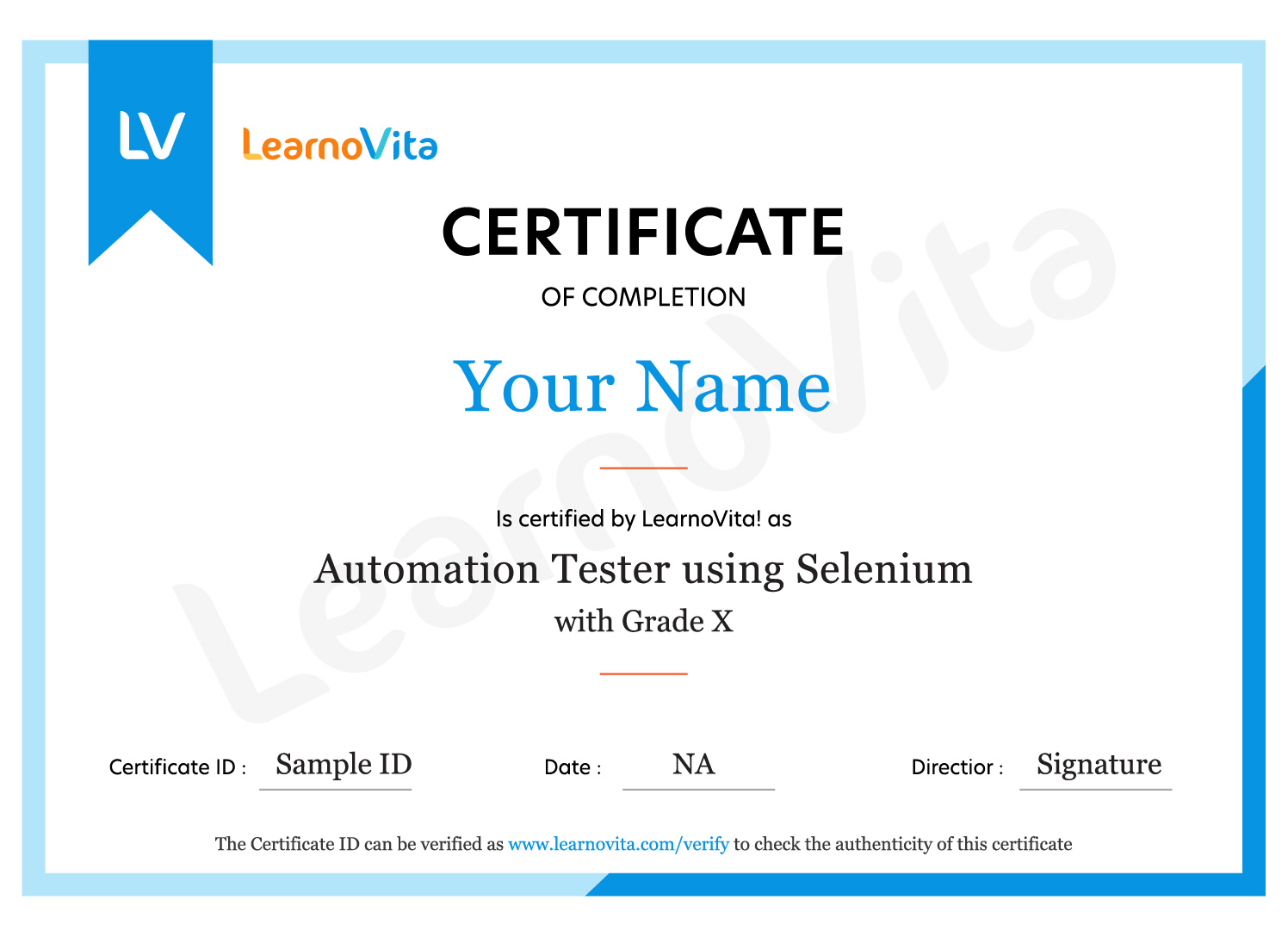
Snowflake Certification demonstrates your knowledge of cloud data warehousing and the Snowflake platform. It can strengthen your resume, highlight relevant technical skills, and support your applications for data engineering, analytics, and cloud data roles. Preparing through practical exercises and industry-oriented projects can further help you demonstrate your capabilities to potential employers.
Earning Snowflake Certification does not guarantee a job, as recruitment depends on your skills, experience, and employer requirements. However, combining certification preparation with practical assignments, SQL knowledge, portfolio projects, and interview practice can improve your readiness for relevant opportunities. The Snowflake Course in Marathahalli helps learners develop practical knowledge that can support their career preparation.
Snowflake Certification can help demonstrate your understanding of cloud data platforms, scalable storage, and analytical workloads. These skills may support career progression into data engineering, cloud architecture, warehouse development, and platform administration. Continued learning, hands-on implementation, and familiarity with evolving cloud technologies can further strengthen your professional development.
  • Snowflake Data Engineer
  • Cloud Data Architect
  • Data Analyst
  • Snowflake Platform Administrator
  • Data Scientist
  • Cloud Data Developer
  • Data Warehouse Developer
The roles available to you will depend on your practical skills, prior experience, and the specific requirements of each employer.

MNC Recognized course
complete certification
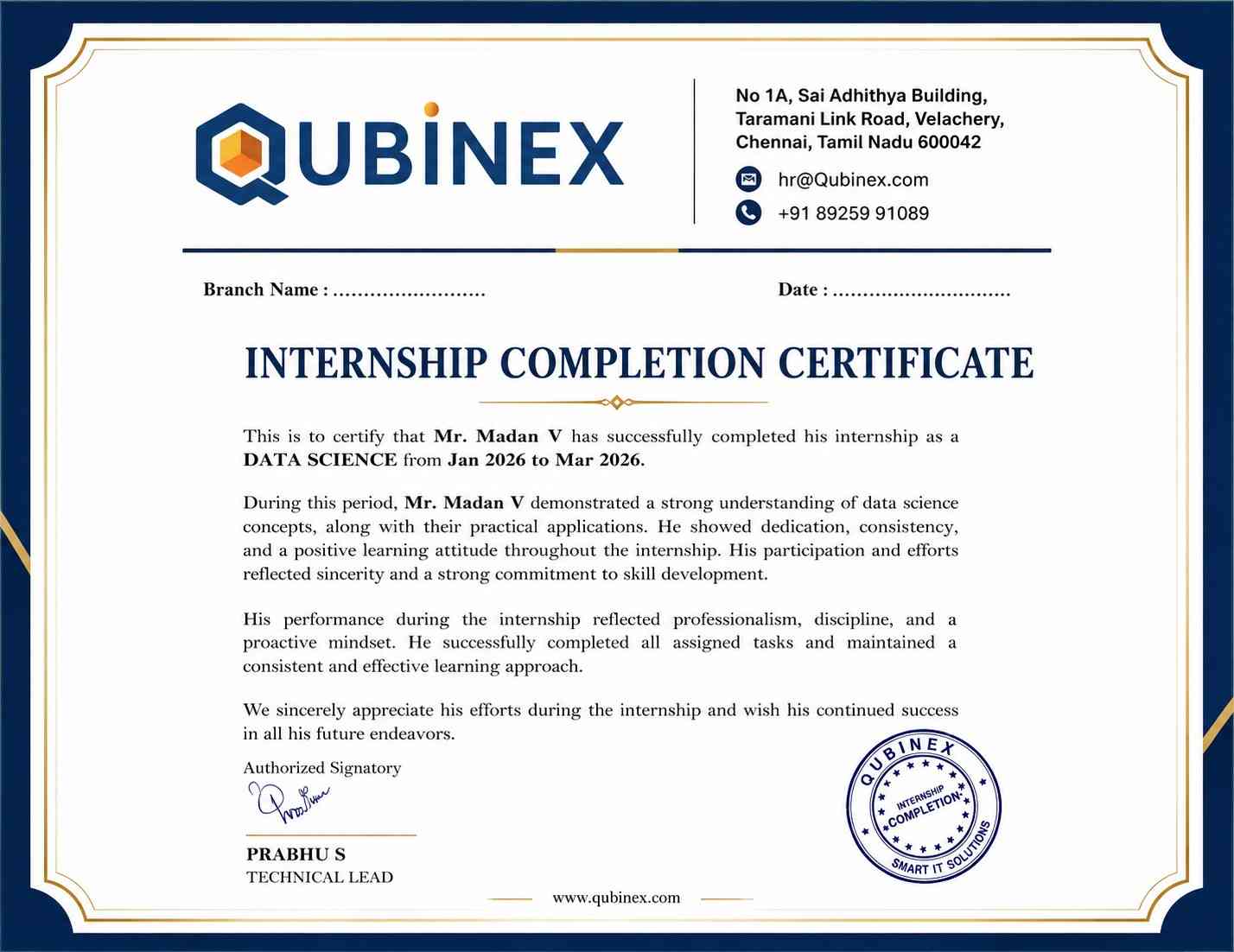
Intership
complete certification

Placement
complete certification

Our learners
transformed their careers

35 Laks
Highest Salary Offered
50%
Average Salary Hike
30K+
Placed in MNC's
15+
Year's in Training
Our Alumni
Alumni

A majority of our alumni

fast-tracked into managerial careers.

Get inspired by their progress in the Career Growth Report.

Our Student Successful Story

checkimage Regular 1:1 Mentorship From Industry Experts checkimage Live Classes checkimage Career Support

How are the Snowflake Course with LearnoVita Different?

Feature

LearnoVita

Other Institutes

Affordable Fees

Competitive Pricing With Flexible Payment Options.

Higher Snowflake Fees With Limited Payment Options.

Live Class From ( Industry Expert)

Well Experienced Trainer From a Relevant Field With Practical Snowflake Training

Theoretical Class With Limited Practical

Updated Syllabus

Updated and Industry-relevant Snowflake Course Curriculum With Hands-on Learning.

Outdated Curriculum With Limited Practical Training.

Hands-on projects

Real-world Snowflake Project With Live Case Studies and Collaboration With Companies.

Basic Projects With Limited Real-world Application.

Certification

Industry-recognized Snowflake Certifications With Global Validity.

Basic Snowflake Certifications With Limited Recognition.

Placement Support

Strong Placement Support With Tie-ups With Top Companies and Mock Interviews.

Basic Placement Support

Industry Partnerships

Strong Ties With Top Tech Companies for Internships and Placements

No Partnerships, Limited Opportunities

Batch Size

Small Batch Sizes for Personalized Attention.

Large Batch Sizes With Limited Individual Focus.

Additional Features

Lifetime Access to Snowflake Course Materials, Alumni Network, and Hackathons.

No Additional Features or Perks.

Training Support

Dedicated Mentors, 24/7 Doubt Resolution, and Personalized Guidance.

Limited Mentor Support and No After-hours Assistance.

Snowflake Course FAQ's

Yes, prospective learners can request a demo to explore the course syllabus, instructional methods, practical sessions, and trainer experience before registering. Live demonstrations may depend on trainer availability and batch schedules. When a live session cannot be arranged, a pre-recorded demo conducted by the trainer may be provided to help learners understand the course delivery and learning approach.
The Snowflake Course in Marathahalli is designed to provide guidance from trainers with industry knowledge of cloud data platforms, SQL, data warehousing, and analytics. Sessions can include practical demonstrations, real-world technical scenarios, and guided lab exercises to help learners understand Snowflake features and apply them to common data engineering tasks.
  • Learners may receive career guidance to explore suitable opportunities in Snowflake, cloud data, and analytics.
  • Eligible participants can access placement assistance and job-search guidance after completing the training.
  • Career support can help learners identify relevant openings and communicate their technical capabilities to employers.
  • Preparation activities may include resume reviews, mock interviews, communication practice, and interview coaching.
  • The student portal may provide access to job postings, course resources, recorded sessions, and interview preparation materials.
Learners who successfully complete the program may receive a course completion certificate. The training can also help participants prepare for relevant Snowflake certification exams by covering key platform concepts, practical workflows, and revision topics. Certification eligibility and exam requirements depend on the specific credential selected.
Yes, the course can include practical projects that help learners apply Snowflake concepts to realistic data challenges. Activities may cover data ingestion, SQL queries, transformation workflows, warehouse performance, access controls, and analytical reporting. By completing these exercises, participants gain experience with common cloud data tasks and develop a clearer understanding of how Snowflake supports business data operations.
Depending on availability, learners may choose from online instructor-led classes, classroom sessions, self-paced study, one-to-one training, fast-track batches, or customized learning programs. These options are designed to accommodate different schedules, learning preferences, and professional commitments. Contact the training team to confirm the formats currently available for the Snowflake Course in Marathahalli.
Learners who miss a scheduled session can contact the training team to check available options for covering the missed material. Depending on course policies and batch availability, support may include class recordings, presentations, a make-up session, or joining another batch covering the same topic. These options can help participants stay aligned with the course schedule and review important concepts.
For questions about the Snowflake syllabus, upcoming batches, course fees, project work, or registration, contact the training support team at contact@learnovita.com. The team can explain the available training options and provide further details to help you choose a suitable learning plan.
To register, visit the training provider's website or contact the support team for enrollment guidance. You can ask about upcoming batch dates, available learning modes, course fees, schedules, and registration requirements. Reviewing these details before enrolling helps you select a training option that fits your availability and career objectives.
Enrolled learners may be able to use the student portal to revisit course topics outside scheduled sessions. Learning resources can include study notes, presentations, recorded classes, tutorial videos, practice exercises, and interview preparation guides. These materials support independent revision and provide opportunities to reinforce Snowflake concepts while practising data warehousing and SQL skills.
Batch sizes depend on the selected training mode and scheduled intake. Smaller groups can provide more opportunities to ask questions, participate in technical discussions, and receive individual guidance during exercises. Where available, a Snowflake training batch may include approximately 5 to 6 learners, helping support an interactive learning environment.
Earnings for Snowflake professionals vary according to work experience, technical proficiency, job location, employer, and role responsibilities. Career paths may include cloud data engineering, data warehouse development, analytics, and platform administration. Strengthening SQL skills, learning cloud technologies, and building practical Snowflake projects can help candidates demonstrate their abilities and pursue suitable career opportunities.
view More view Less
Career Assistance
  • Build a Powerful Resume for Career Success
  • Get Trainer Tips to Clear Interviews
  • Practice with Experts: Mock Interviews for Success
  • Crack Interviews & Land Your Dream Job
100% JOB GUARANTEE

Global Quality Training
At The Lowest Fees & Expert Trainer

AVAILABLE IN:
India Canada USA Singapore UAE Australia EU Germany

Need custom pricing?

4.9/5 from 50k+ students
Acte Technologies WhatsApp
Call Us! Chat With Us