
Softskills Training in Hyderabad
 16000
16000 Ratings


- Join the Best Softskills Course in Hyderabad to Enhance Your Communication and Workplace Etiquette.
- Flexible Batch Timings: Weekday, Weekend, and Fast-Track Softskills Sessions Available.
- Softskills Training Institute in Hyderabad Offering Practical Training Through Interactive Workshops and Role-Plays.
- Learn Key Skills Verbal & Non-Verbal Communication, Public Speaking, Time Management and Conflict Resolution.
- Participate in Live Activities and Real-Life Case Studies Conducted by Experienced Softskills Coaches.
- Get Career Support Resume Writing, Personality Development, Mock Interviews, and Placement in Professional Roles.
Course Duration
50+ HrsLive Project
3 ProjectCertification Pass
GuaranteedTraining Format
Live Online (Expert Trainers)Quality Training With Affordable Fee
 Fees Starts From

11342+
Professionals Trained
10+
Batches every month
3125+
Placed Students
297+
Corporate ServedWhat You'll Learn
Acquire the communication, cooperation, and behaviour skills required to thrive in any type of professional environment.
Acquire essential soft skills such as active listening, emotional intelligence, and constructive feedback to improve teamwork.
Softskills Course in Hyderabad Develop your workplace etiquette, flexibility, and conflict resolution to excel in chaotic work environments.
Participate in interactive group discussions, role-plays, and live scenarios to gain practical exposure.
Upskill your communication, time management, and leadership skills from amateur to professional.
To enhance your work effectiveness, career growth, and confidence, enroll for Softskills Training in Hyderabad.
Softskills Training Objectives
- Essential for career advancement and leadership roles
- High demand across all industries including IT, healthcare, and finance
- Increasing relevance in remote and hybrid work environments
- Critical for global workforce integration and cross-cultural collaboration
- Required for client interaction, team management, and negotiations
- Communication Skills (Verbal & Non-verbal)
- Active Listening and Presentation Skills
- Time Management and Prioritization
- Teamwork and Collaboration
- Leadership and Decision-Making
- Information Technology and Software Development
- Business Process Outsourcing (BPO) and KPO
- Sales and Marketing
- Hospitality and Tourism
- Education and Training
- Boosts confidence and professional presence
- Enhances team collaboration and leadership skills
- Improves communication and conflict resolution
- Strengthens resume and job interview performance
Request more informations
WhatsApp (For Call & Chat):
+91 72003 88604
Softskills Course Benefits
Softskills Certification Course in Hyderabad delivers focused training in communication, leadership, and interpersonal development for success in the world outside the classroom. Softskills Course With Placement Professionals in the industry lead you through hands-on activities designed to increase your self-confidence and productivity in the workplace.
- Designation
-
Annual SalaryHiring Companies








Request more informations
WhatsApp (For Call & Chat):
+91 72003 88604
About Your Softskills Certification Training
Our Softskills Training in Hyderabad offers major enhancements in communication, teamwork, emotional intelligence, and leadership. Develop an understanding of the office dynamics with interactive lectures, role-plays, and expert sessions. Softskills Projects in Hyderabad Enhance your professional conduct with Softskills Internship in Hyderabad and prepare yourself for success in a variety of industries. Enjoy low Softskills course costs, which cater to a range of learning styles and budgets.
Top Skills You Will Gain
- Communication
- Teamwork
- Adaptability
- Leadership
- Time Management
- Problem Solving
- Emotional Intelligence
- Conflict Resolution
12+ Softskills Tools
Online Classroom Batches Preferred
No Interest Financing start at ₹ 5000 / month
Corporate Training
- Customized Learning
- Enterprise Grade Learning Management System (LMS)
- 24x7 Support
- Enterprise Grade Reporting
Not Just Studying
We’re Doing Much More!
Empowering Learning Through Real Experiences and Innovation


Softskills Course Curriculum
Trainers Profile
Our soft skills training is instructed by industry professionals with leadership, workplace etiquette, and communication backgrounds. With interactive courses and real-life exercises, students develop realistic confidence. Our comprehensive Softskills Course resources promote skill enhancement and lifelong learning. Your professional ability to lead, work together, and prosper is supported by these materials.
Syllabus of Softskills Course Download syllabus
- Verbal communication skills
- Non verbal communication signals
- Listening empathetically
- Brief message conveyance
- Confidence in public speaking
- Sharing constructive feedback
- Establishing workplace relationships
- Demonstrating mutual respect
- Active engagement abilities
- Positive attitude demonstration
- Empathy in dialogue
- Social behavior sensitivity
- Recognizing personal feelings
- Managing emotional reactions
- Understanding team feelings
- Empathetic leadership characteristics
- Emotion-based decision-making
- Developing self-awareness
- Establishing team trust
- Shared goal alignment
- Role clarity improvement
- Supporting team members
- Encouraging open discussion
- Collaborative problem solving
- Inspiring team vision
- Delegation with clarity
- Motivating peer efforts
- Influencing without authority
- Situational leadership styles
- Responsibility and ownership
- Daily task prioritization
- Setting smart goals
- Avoiding common distractions
- Focus and productivity
- Planning work schedules
- Managing time pressure
- Defining key issues
- Breaking down problems
- Exploring solution paths
- Evaluating potential outcomes
- Implementing chosen actions
- Reflecting for improvement
- Identifying conflict triggers
- Listening without judgment
- Expressing concerns respectfully
- Seeking mutual understanding
- Mediating difficult situations
- Resolving through compromise
- Embracing workplace change
- Responding to feedback
- Navigating uncertainties calmly
- Flexibility in thinking
- Adjusting to challenges
- Open-minded decision-making
- Structuring effective content
- Using visual support
- Maintaining audience engagement
- Practicing vocal delivery
Request more informations
WhatsApp (For Call & Chat):
+91 72003 88604
REAL

UPGRADE

sowmiya

UPGRADE

Rajkumar

UPGRADE

Thon
UPGRADE

Lavanya

Industry Projects
Exam & Softskills Certification
- Basic understanding of spoken and written English
- Willingness to participate in group activities and discussions
- Openness to receiving and applying feedback
- Interest in personal and professional development
- Completion of the Soft Skills training program at our institute
- Customer Service Executive
- Corporate Trainer
- Human Resource Assistant
- Team Leader or Project Coordinator
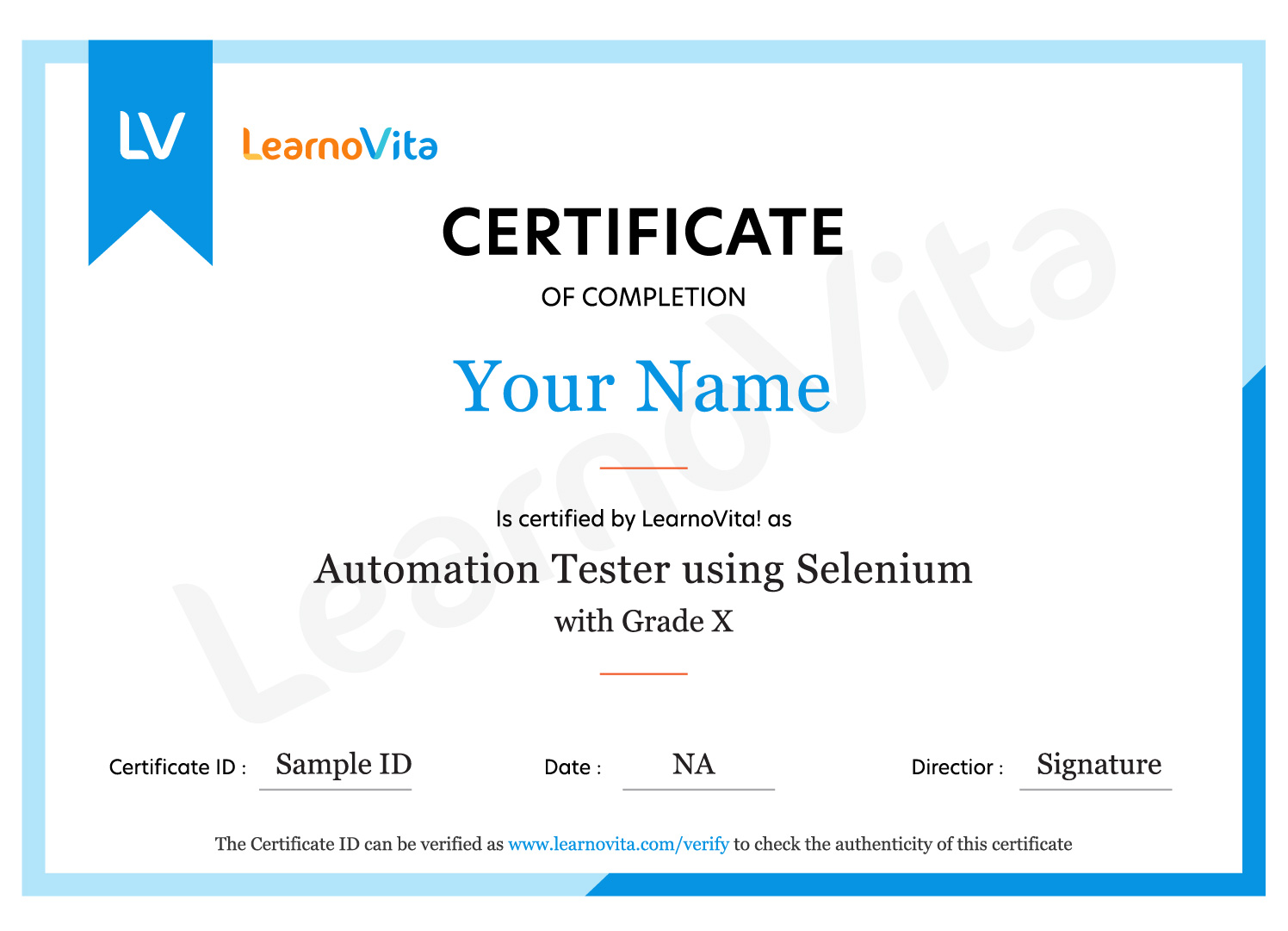
MNC Recognized course
complete certification
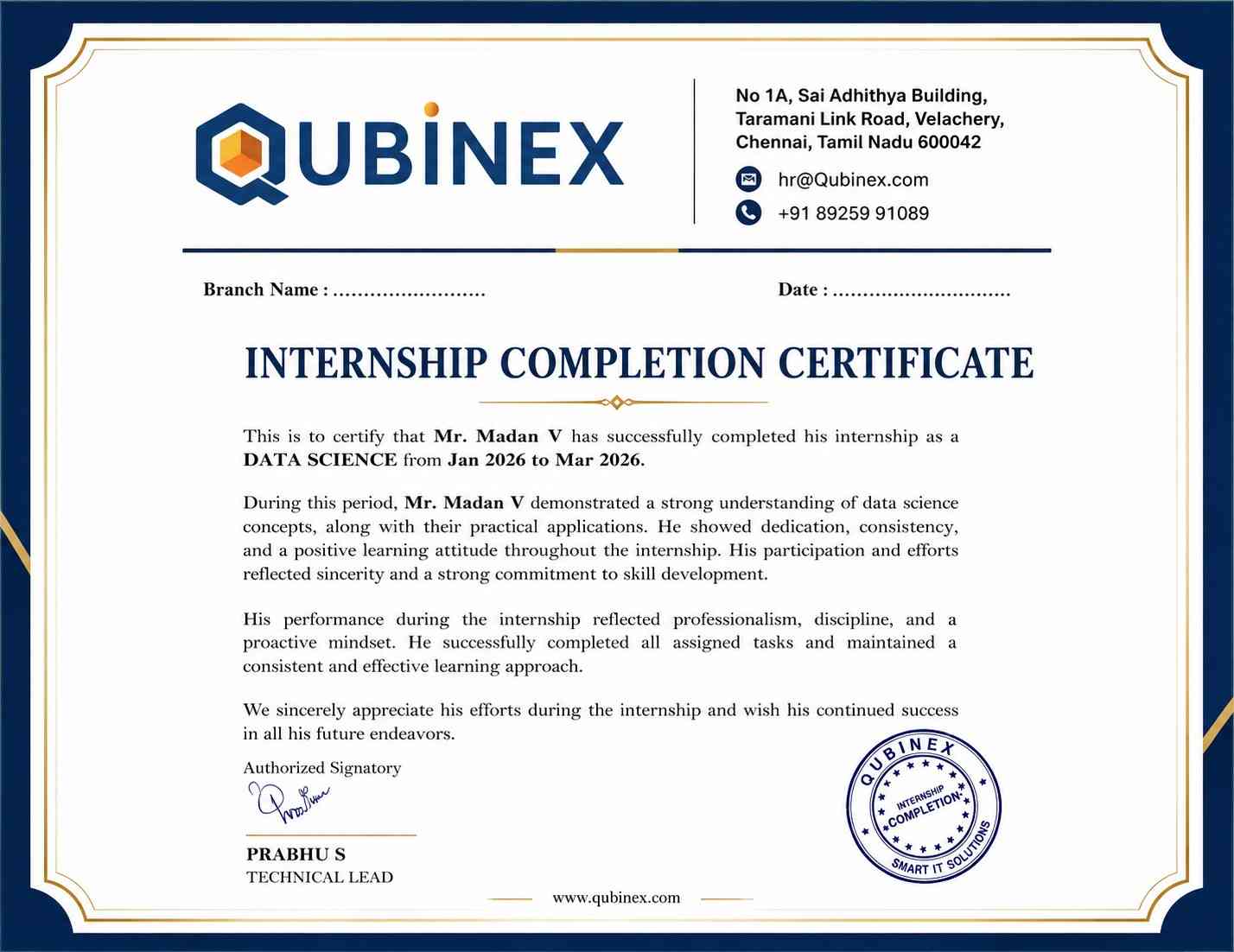
Intership
complete certification
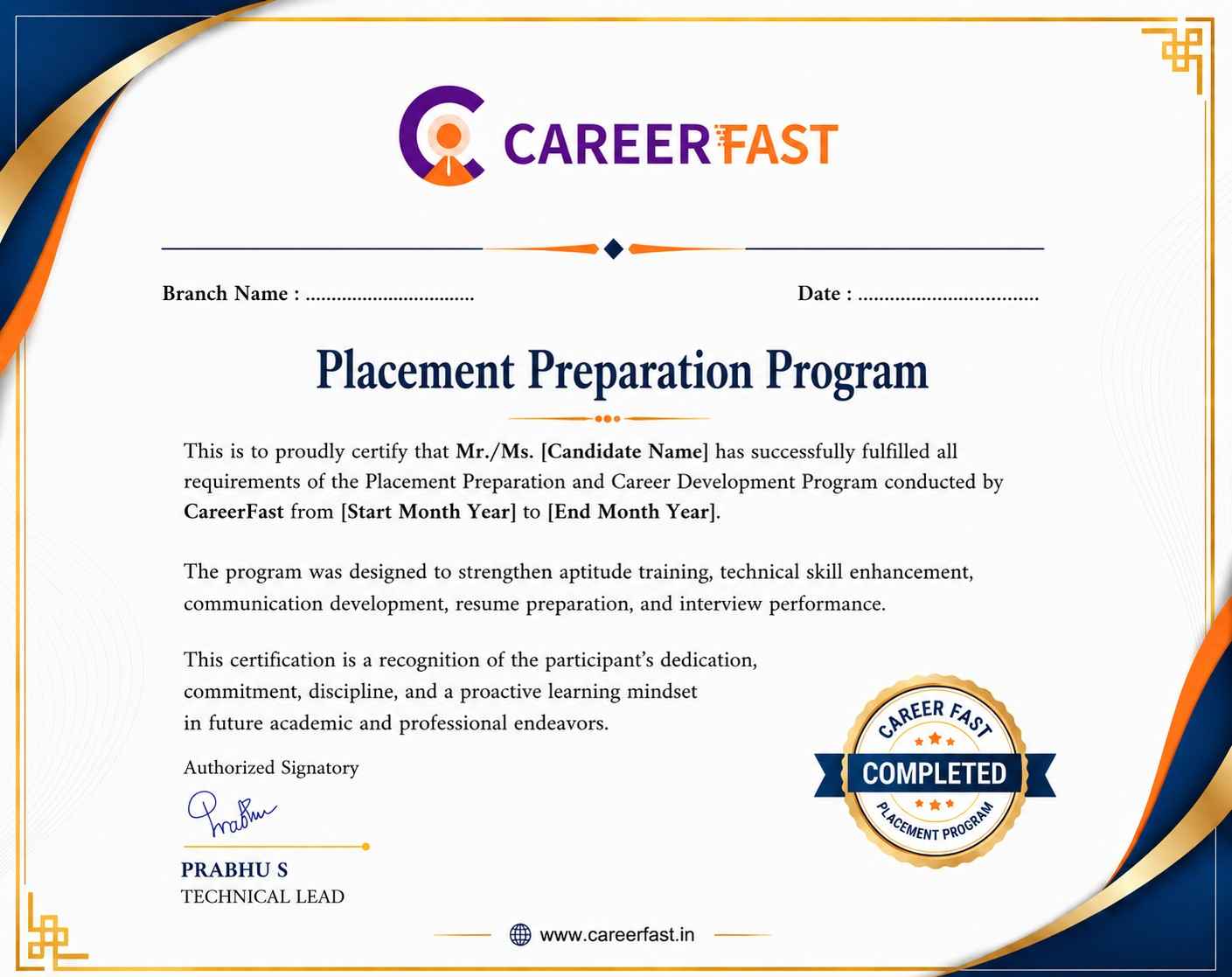
Placement
complete certification
Our learners
transformed their careers

A majority of our alumni
fast-tracked into managerial careers.
Get inspired by their progress in the Career Growth Report.
Our Student Successful Story
 Regular 1:1 Mentorship From Industry Experts
Live Classes
Career Support
Regular 1:1 Mentorship From Industry Experts
Live Classes
Career Support

Sandeep Kumar D
Software Engineer, Cisco Systems )

Vinoth P
UI Developer, TCS
Vijeyalakshme kannan
QA Engineer, Amazon Development Center
Pranav Srinivas
Software Testing, Capgemini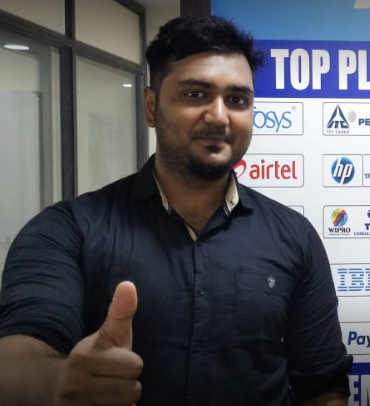
Prasanna
SAP Admin, HCLHow are the Softskills Course with LearnoVita Different?
Feature
LearnoVita
Other Institutes
Affordable Fees
Competitive Pricing With Flexible Payment Options.
Higher Softskills Fees With Limited Payment Options.
Live Class From ( Industry Expert)
Well Experienced Trainer From a Relevant Field With Practical Softskills Training
Theoretical Class With Limited Practical
Updated Syllabus
Updated and Industry-relevant Softskills Course Curriculum With Hands-on Learning.
Outdated Curriculum With Limited Practical Training.
Hands-on projects
Real-world Softskills Projects With Live Case Studies and Collaboration With Companies.
Basic Projects With Limited Real-world Application.
Certification
Industry-recognized Softskills Certifications With Global Validity.
Basic Softskills Certifications With Limited Recognition.
Placement Support
Strong Placement Support With Tie-ups With Top Companies and Mock Interviews.
Basic Placement Support
Industry Partnerships
Strong Ties With Top Tech Companies for Internships and Placements
No Partnerships, Limited Opportunities
Batch Size
Small Batch Sizes for Personalized Attention.
Large Batch Sizes With Limited Individual Focus.
Additional Features
Lifetime Access to Softskills Course Materials, Alumni Network, and Hackathons.
No Additional Features or Perks.
Training Support
Dedicated Mentors, 24/7 Doubt Resolution, and Personalized Guidance.
Limited Mentor Support and No After-hours Assistance.
Softskills Course FAQ's
- LearnoVita is dedicated to assisting job seekers in seeking, connecting, and achieving success, while also ensuring employers are delighted with the ideal candidates.
- Upon successful completion of a career course with LearnoVita, you may qualify for job placement assistance. We offer 100% placement assistance and maintain strong relationships with over 650 top MNCs.
- Our Placement Cell aids students in securing interviews with major companies such as Softskills , HP, Wipro, Accenture, Google, IBM, Tech Mahindra, Amazon, CTS, TCS, Sports One , Infosys, MindTree, and MPhasis, among others.
- LearnoVita has a legendary reputation for placing students, as evidenced by our Placed Students' List on our website. Last year alone, over 5400 students were placed in India and globally.
- We conduct development sessions, including mock interviews and presentation skills training, to prepare students for challenging interview situations with confidence. With an 85% placement record, our Placement Cell continues to support you until you secure a position with a better MNC.
- Please visit your student's portal for free access to job openings, study materials, videos, recorded sections, and top MNC interview questions.

- Build a Powerful Resume for Career Success
- Get Trainer Tips to Clear Interviews
- Practice with Experts: Mock Interviews for Success
- Crack Interviews & Land Your Dream Job
Global Quality Training
At The Lowest Fees & Expert Trainer








Need custom pricing?

