Home » Others Courses » Data Science Course in Vadodara

Data Science Course in Vadodara

(4.2) 19564 Ratings
  • Enroll in the Data Science Training in Vadodara to learn data analytics, machine learning, and practical AI workflows.
  • Master core areas such as statistics, Python programming, data visualization, and predictive modeling.
  • Gain hands-on experience through real-time projects, dataset analysis, model building, and deployment practice.
  • Ideal for Data Scientists, Developers, Graduates, and IT Professionals entering analytics careers.
  • Choose from flexible batch timings: Weekday, Weekend, or Fast-Track learning schedules.
  • Benefit from placement assistance, interview preparation, and certification guidance.

Course Duration

50+ Hrs

Live Project

3 Project

Certification Pass

Guaranteed

Training Format

Live Online (Expert Trainers)
Quality Training With Affordable Fee

⭐ Fees Starts From

INR 38,000
INR 18,500

11035+

Professionals Trained

10+

Batches every month

2638+

Placed Students

197+

Corporate Served

What You'll Learn

Data Science Course in Vadodara introduces learners to practical analytics methods that transform raw information into actionable business intelligence.

Understand the foundations of data processing, statistics, and machine learning used in modern analytical environments.

Build strong problem-solving ability by working with real datasets and designing predictive models that support smarter decisions.

Gain applied exposure through Data Science training in Vadodara, focusing on project-driven learning and real reporting scenarios.

Explore advanced capabilities such as deep learning basics, data visualization pipelines, and scalable analytics workflows.

Develop industry-ready skills that improve career opportunities in AI, analytics, and data-driven technology roles.

An Comprehensive Overview of Data Science Course

The Data Science Course in Vadodara is structured to build deep analytical thinking and technical capability through hands-on learning, focusing on real data environments, model development, and performance optimization. Through Data Science training in Vadodara, learners practice with live datasets, guided exercises, and mentor-led sessions that simulate industry workflows. The Data Science Certification Course in Vadodara supports multiple learning styles with flexible schedules, blending instructor guidance with self-paced study. This Data Science training course strengthens practical expertise, improves employability, and prepares participants to solve complex data challenges in modern tech-driven organizations.

Additional Info

Future Trends for Data Science Course

  • AI-Augmented Analytics Learning: Future-focused Data Science training is moving toward AI-augmented analytics where learners are taught how to work alongside intelligent systems rather than replace them. Courses increasingly show how automated modeling tools assist in pattern discovery while humans interpret business meaning. This shift trains students to validate AI suggestions instead of blindly trusting outputs. Training programs emphasize decision judgment, ethical interpretation, and contextual thinking. Learners practice blending automation with domain expertise to create reliable insights. This evolution prepares professionals to operate confidently in AI-assisted workplaces. It reflects a future where collaboration between analyst and algorithm becomes standard.
  • Real-Time Data Processing Skills: Modern Data Science education is expanding beyond static datasets into real-time processing environments. Students now train on streaming data platforms that simulate live digital ecosystems. Instead of analyzing historical reports alone, they learn to react to continuously flowing information. This approach builds reflexive analytical thinking suited for industries like fintech, healthcare, and smart infrastructure. Training focuses on latency awareness, data velocity, and rapid model updates. Learners understand how timing influences decisions as much as accuracy. These skills align directly with the growing demand for instant insight generation.
  • Ethical and Responsible Data Practice: Future Data Science training gives strong importance to ethical awareness and responsible data handling. Learners are trained to evaluate bias, fairness, and social impact within algorithms. Programs now include discussions about transparency and accountability in automated decisions. Students learn to question data sources and protect privacy while still extracting value. Ethical reasoning becomes a technical skill rather than a philosophical afterthought. This prepares professionals to work in regulated industries with confidence. Responsible analytics is emerging as a competitive advantage for organizations.
  • Domain-Specific Data Specialization: General data knowledge is evolving into industry-focused specialization within training programs. Learners increasingly select vertical tracks such as finance analytics, healthcare modeling, or retail intelligence. Courses integrate domain vocabulary alongside technical instruction. This blended learning ensures graduates can speak both business and analytical language. Specialization shortens onboarding time when entering the workforce. Students develop contextual intuition, not just tool familiarity. The future favors experts who understand where and why data is applied.
  • Human-Centered Visualization Techniques: Data Science training is placing renewed emphasis on storytelling and visual cognition. Learners explore how humans interpret patterns, color, and structure. Training teaches how to design dashboards that guide decisions rather than overwhelm viewers. Visualization becomes a psychological discipline as much as a technical one. Students practice converting raw outputs into persuasive narratives. Clear communication skills amplify the value of analytical findings. This trend recognizes that insight matters only when understood.
  • Automation-Driven Workflow Training: Automation is reshaping how data projects are executed, and training adapts accordingly. Learners are introduced to automated pipelines that manage cleaning, modeling, and deployment. Instead of manual repetition, they design systems that self-maintain. Training emphasizes efficiency, scalability, and reproducibility. Students understand how automation reduces human error while accelerating experimentation. This prepares them for environments where speed and reliability are essential. Future professionals must engineer workflows, not just perform tasks.
  • Cross-Disciplinary Collaboration Skills: Future Data Science roles demand cooperation with engineers, designers, and business leaders. Training programs simulate team environments where learners solve shared problems. Students practice translating technical results into accessible language. Collaboration exercises build negotiation and communication confidence. Exposure to multi-role workflows mirrors real organizational structures. Graduates become bridge-builders between departments. This capability increases their long-term career mobility.
  • Cloud-Native Data Infrastructure Learning: Training increasingly centers on cloud ecosystems where modern analytics is deployed. Learners work within distributed environments that mirror enterprise architecture. They understand scalability, cost efficiency, and remote collaboration. Cloud exposure ensures familiarity with real operational constraints. Students gain confidence managing large-scale data systems. This knowledge prepares them for globally connected workplaces. Cloud literacy is becoming foundational rather than optional.
  • Adaptive Learning and Personalized Training Paths: Education itself is becoming data-driven, shaping how Data Science is taught. Training platforms now adapt content to learner progress and skill gaps. Personalized paths accelerate mastery without unnecessary repetition. Students receive targeted challenges that match their development stage. This keeps motivation high while improving retention. Adaptive systems mirror the analytical principles students study. Learning becomes an applied demonstration of Data Science in action.
  • Decision Intelligence Integration: The future of training extends beyond analysis into decision intelligence frameworks. Learners study how insights influence operational strategy. Programs teach structured decision modeling and scenario simulation. Students evaluate risk, uncertainty, and long-term consequences. Data Science becomes a decision support discipline rather than a reporting function. This shift aligns analytics with executive priorities. Professionals trained this way contribute directly to strategic direction.

Tools and Technologies for Data Science Course

  • Python Analytical Stack: Python remains a central pillar in Data Science training because it allows learners to experiment, model, and automate within a single environment. Students work with scientific libraries that simplify complex mathematical operations. Training shows how Python bridges raw data and production-ready applications. Its readable structure helps beginners transition into advanced problem solving. Learners gain confidence by building scripts that scale from small experiments to enterprise tasks.
  • R Statistical Environment: R is introduced in training as a language built specifically for statistical reasoning and research-driven analysis. Learners explore how R handles probability modeling and structured data exploration. The environment encourages deep understanding of statistical foundations rather than surface-level output. Students appreciate how visualization and computation coexist naturally inside R workflows. Training ensures they can communicate analytical findings with precision and clarity.
  • SQL Data Engines: Structured query systems are essential because nearly all enterprise data sits inside relational databases. Training focuses on teaching learners how to retrieve, filter, and reshape information efficiently. SQL becomes a language of logic that sharpens analytical thinking. Students practice transforming large datasets into usable insights. Mastery of queries gives them direct access to business-critical information sources.
  • Apache Spark Framework: Spark appears in advanced training when learners begin handling high-volume distributed data. It introduces them to parallel computing concepts used in modern analytics. Students observe how large datasets are processed across clusters rather than single machines. Training emphasizes performance optimization and scalability awareness. Spark prepares learners for environments where speed and data size exceed traditional tools.
  • TensorFlow Modeling Platform: TensorFlow exposes students to structured machine learning architecture used in production systems. Training covers how models are trained, evaluated, and refined at scale. Learners see how neural networks translate theory into practical applications. The platform encourages experimentation with predictive systems. Exposure to TensorFlow builds readiness for AI-driven roles in industry.
  • Jupyter Notebook Workspace: Jupyter serves as a collaborative laboratory where code, visuals, and commentary coexist. Training uses notebooks to encourage step-by-step experimentation. Learners document reasoning alongside technical execution. This habit strengthens clarity and reproducibility. Jupyter becomes both a workspace and a communication medium for analytical storytelling.
  • Tableau Visualization Suite: Visualization tools like Tableau are integrated to teach learners how to present insights effectively. Training focuses on transforming complex datasets into intuitive dashboards. Students practice designing visuals that guide decision-makers. Emphasis is placed on clarity rather than decoration. This skill ensures analytical results influence real business actions.
  • Power BI Reporting System: Power BI training introduces enterprise reporting workflows common in corporate settings. Learners understand how analytics feeds into operational dashboards. They practice connecting diverse data sources into unified views. Training highlights real-time reporting and interactive exploration. This prepares students for environments where rapid insight delivery is essential.
  • Hadoop Distributed Storage: Hadoop appears in training as an introduction to distributed storage philosophy. Learners explore how large datasets are segmented and managed across nodes. This teaches resilience and fault tolerance concepts. Students gain awareness of infrastructure behind large analytics operations. Understanding Hadoop broadens their perspective beyond desktop analysis.
  • Git Version Control: Version control tools are taught to instill disciplined project tracking habits. Learners understand how analytical code evolves over time. Training emphasizes collaboration and rollback safety. Git introduces professional workflow structure into learning environments. This prepares students for team-based analytics development where accountability matters.

Roles and Responsibilities for Data Science Course

  • Data Analyst: A Data Analyst interprets raw numbers and converts them into meaningful patterns that support business direction. Training prepares learners to clean datasets, validate accuracy, and build structured reports. Analysts focus on identifying trends that influence operational decisions. They communicate findings clearly to non-technical stakeholders. Their responsibility is not only analysis but also storytelling through data. Strong analytical thinking ensures reliable insights.
  • Business Intelligence Specialist: A Business Intelligence Specialist connects analytics with strategic planning inside organizations. Training teaches how to design dashboards that track performance indicators. Professionals in this role transform scattered data into executive-level visibility. They ensure decision-makers access real-time operational intelligence. Accuracy and clarity are essential responsibilities. Their work directly influences growth strategies.
  • Machine Learning Engineer: A Machine Learning Engineer designs predictive systems that improve automated decision processes. Training focuses on algorithm selection, training pipelines, and model evaluation. Engineers refine models to increase accuracy and efficiency. They translate experimental prototypes into deployable systems. Their responsibility includes maintaining performance stability. Continuous optimization is a key expectation.
  • Data Engineer: A Data Engineer builds the infrastructure that allows analytics systems to function smoothly. Training emphasizes data pipelines, storage architecture, and integration workflows. Engineers ensure that information flows securely and efficiently. Their role supports analysts and scientists by delivering reliable datasets. They maintain scalability and performance. Infrastructure stability is their core responsibility.
  • Research Data Scientist: A Research Data Scientist explores experimental questions using advanced modeling techniques. Training develops statistical depth and investigative thinking. These professionals design experiments to validate hypotheses. Their work often contributes to innovation and product development. Precision and documentation are critical duties. They push analytical boundaries through structured inquiry.
  • Analytics Consultant: An Analytics Consultant advises organizations on how to use data to solve operational challenges. Training prepares learners to evaluate business problems and recommend analytical solutions. Consultants bridge technical insight with executive communication. They design frameworks that guide data-driven decisions. Adaptability across industries is essential. Their responsibility lies in translating complexity into actionable strategy.
  • AI Solutions Developer: An AI Solutions Developer creates intelligent systems that automate complex tasks. Training introduces neural networks and applied AI architecture. Developers integrate models into real applications. They focus on reliability and scalability of intelligent tools. Testing and refinement are ongoing responsibilities. Their work shapes future-ready digital ecosystems.
  • Data Visualization Expert: A Data Visualization Expert specializes in presenting analytics in intuitive visual formats. Training sharpens design thinking and dashboard architecture. These professionals ensure clarity in how insights are displayed. They transform dense datasets into accessible visuals. Their role reduces cognitive overload for decision-makers. Communication through visuals defines their responsibility.
  • Statistical Modeler: A Statistical Modeler applies mathematical frameworks to forecast outcomes. Training emphasizes probability, regression, and predictive structures. Modelers validate assumptions before deploying analytical conclusions. Their work supports risk assessment and planning. Precision and logical reasoning guide their responsibilities. They provide measurable confidence in predictions.
  • Big Data Specialist: A Big Data Specialist manages high-volume datasets that exceed traditional processing limits. Training focuses on distributed systems and performance optimization. Specialists design workflows that handle scale without data loss. They ensure speed and reliability across large environments. Monitoring system efficiency is central to their role. Their responsibility lies in maintaining seamless large-scale analytics.

Companies Hiring Data Science Professionals

  • Google: Google continuously invests in advanced analytics to refine search algorithms, advertising intelligence, and user behavior modeling. Professionals trained in data science contribute to building scalable AI systems that process massive datasets daily. The company values strong statistical thinking and real-time analytics capability. Teams rely on predictive insights to improve digital experiences. Skilled analysts help transform experimental models into global products.
  • Amazon: Amazon uses data science to power logistics, recommendation engines, and dynamic pricing strategies. Trained professionals analyze consumer patterns that shape supply chain efficiency and customer engagement. Their insights influence automation across warehouses and cloud services. Data-driven forecasting plays a central role in operational success. Specialists ensure intelligent decisions at every scale of the platform.
  • Microsoft: Microsoft integrates analytics deeply into cloud computing, enterprise software, and AI-driven tools. Data science professionals support product intelligence and predictive system performance. Their work improves decision frameworks within Azure and enterprise ecosystems. Innovation depends on measurable insights derived from structured experimentation. Skilled experts help translate analytics into commercial advantage.
  • Infosys: Infosys applies data science to digital transformation projects across industries. Analysts design intelligent systems that modernize enterprise operations. The company seeks professionals who can convert raw information into strategic recommendations. Real-time analytics enhances consulting outcomes. Data-driven thinking supports large-scale client solutions.
  • Tata Consultancy Services: TCS leverages analytics to optimize financial services, healthcare systems, and smart infrastructure projects. Data science professionals work on automation, forecasting, and operational intelligence. Their role strengthens technology-driven business consulting. Structured analytics supports global digital initiatives. Expertise in modeling accelerates enterprise innovation.
  • Accenture: Accenture combines analytics with business strategy to solve complex corporate challenges. Data science professionals collaborate with consulting teams to generate actionable intelligence. Their insights guide transformation programs for global clients. Precision in analytics improves decision quality. Skilled specialists bridge technology with strategic growth.
  • IBM: IBM focuses heavily on AI research, enterprise analytics, and cognitive computing. Data science experts develop intelligent systems used in automation and decision support. Their work contributes to advanced enterprise platforms. Analytical precision drives innovation across industries. Professionals play a key role in shaping next-generation solutions.
  • Flipkart: Flipkart depends on data science to enhance customer personalization and logistics optimization. Analysts interpret shopping behavior to refine product delivery strategies. Predictive systems improve inventory planning. Data-driven insights strengthen digital commerce performance. Professionals help scale intelligent retail infrastructure.
  • Deloitte: Deloitte integrates analytics into financial consulting and risk advisory services. Data science professionals evaluate complex datasets to support strategic decisions. Their work influences forecasting and compliance systems. Analytical clarity improves organizational performance. Specialists provide measurable insight into operational efficiency.
  • Wipro: Wipro uses data science to support enterprise automation and digital modernization. Professionals design analytical frameworks that improve system performance. Their insights assist organizations in navigating technology transitions. Structured modeling enhances operational reliability. Data expertise strengthens long-term innovation strategies.
View more

Data Science Course Objectives

A basic comfort level with mathematics, logical reasoning, and computer usage helps learners absorb concepts faster in Data Science training. Prior exposure to spreadsheets, programming fundamentals, or statistics is useful but not mandatory. The course is structured to support beginners while still challenging experienced learners. Curiosity about problem-solving and data interpretation is more important than formal background. A willingness to practice regularly is the biggest advantage.
Data Science training builds the ability to turn raw information into meaningful insight that organizations value. Learners develop analytical thinking, technical confidence, and hands-on experience with real datasets. The training strengthens decision-making skills and prepares participants for modern digital roles. It also improves problem-solving speed and accuracy. Graduates gain practical knowledge that translates directly into workplace performance.
  • Expansion of AI-driven industries
  • Increased demand for predictive analytics
  • Growth in automation and intelligent systems
  • Data-focused decision-making across sectors
  • Rising need for analytics leadership roles
  • Integration with cloud and edge computing
Data Science is considered a core driver of modern business strategy because nearly every industry depends on measurable insights. Organizations compete using analytics to improve efficiency and innovation. Skilled professionals are valued for their ability to predict trends and optimize operations. The job market rewards candidates who can translate data into action. Demand continues to rise as companies digitize processes.
  • Data cleaning and preprocessing
  • Statistical foundations
  • Programming for analytics
  • Machine learning fundamentals
  • Data visualization techniques
  • Predictive modeling
  • Database interaction
  • Applied analytics workflows
Yes, practical exposure is a central part of Data Science training. Learners work with industry-style datasets that mirror real analytical challenges. These projects simulate workplace expectations and improve technical confidence. Students practice model building, reporting, and interpretation. Real scenarios ensure learning goes beyond theory.
  • Finance and banking
  • Healthcare and biotechnology
  • Retail and e-commerce
  • Technology and software
  • Manufacturing and logistics
  • Telecommunications
  • Media and entertainment
No course can legally promise employment, but Data Science training significantly increases employability. It builds skills that match current hiring demands. Strong portfolios and project experience improve interview success. Career outcomes depend on effort, practice, and adaptability. The training gives a competitive edge in recruitment.
  • Strong analytical decision-making ability
  • Higher earning potential
  • Access to diverse career paths
  • Improved problem-solving skills
  • Industry-relevant technical expertise
  • Long-term career flexibility
Participants gain hands-on familiarity with programming environments, analytics libraries, visualization platforms, and data processing frameworks commonly used in professional Data Science workflows. These tools enable modeling, reporting, and automation required in real analytics roles.
view More view Less

Data Science Course Benefits

The Data Science course in Vadodara delivers practical, lab-driven learning where students build analytics workflows and deploy models in guided environments. Learners gain workplace exposure through a structured Data Science internship that mirrors real company expectations and problem-solving scenarios. Training covers automation pipelines, scalable data systems, and modern engineering concepts under the mentorship of working professionals. This Data Science course with placement prepares candidates for high-demand roles, connecting them with hiring networks and career-focused support.

  • Designation
  • Annual Salary
    Hiring Companies
  • 4.75L
    Min
  • 6.75L
    Average
  • 15.0L
    Max
  • 5.50L
    Min
  • 7.45L
    Average
  • 14.75L
    Max
  • 3.75L
    Min
  • 6.45L
    Average
  • 15.75L
    Max
  • 3.45L
    Min
  • 6.65L
    Average
  • 14.25L
    Max

About Data Science Certification Training

The Data Science certification course in Vadodara trains learners to design and deliver real analytics solutions from raw data to executive insight. Students work on industry-style Data Science projects that simulate reporting, modeling, and visualization challenges faced by modern companies. Hands-on sessions focus on dashboards, predictive analysis, and structured data storytelling through guided practice. Strong hiring partnerships and career support help graduates move confidently into professional analytics roles.

Top Skills You Will Gain
  • Data Wrangling
  • Statistical Modeling
  • Predictive Analytics
  • Machine Learning
  • Data Visualization
  • Python Programming
  • R Programming
  • Feature Engineering

12+ Data Science Tools

Online Classroom Batches Preferred

Weekdays (Mon - Fri)
27 - July - 2026
08:00 AM (IST)
Weekdays (Mon - Fri)
29 - July - 2026
08:00 AM (IST)
Weekend (Sat)
01 - Aug - 2026
11:00 AM (IST)
Weekend (Sun)
02 - Aug - 2026
11:00 AM (IST)
Can't find a batch you were looking for?
₹38,000 ₹18,500 10% OFF Expires in

No Interest Financing start at ₹ 5000 / month

Corporate Training

  • Customized Learning
  • Enterprise Grade Learning Management System (LMS)
  • 24x7 Support
  • Enterprise Grade Reporting

Not Just Studying
We’re Doing Much More!

Empowering Learning Through Real Experiences and Innovation
Hiring
Hiring
Hiring
Hiring
Hiring
Hiring
Hiring
User
User
User
User
User
User

Data Science Course Curriculum

Trainers Profile

The Data Science course in Vadodara is guided by experienced industry mentors who focus on practical analytics and applied problem-solving. Learners receive structured Data Science training materials that simplify complex topics and support steady skill development. Sessions emphasize real working scenarios so students gain confidence using data tools in live environments. The program strengthens technical ability and prepares participants for professional analytics roles.

Syllabus for Data Science Course Download syllabus

  • Introduction to analytics
  • Role of data in business
  • Types of datasets
  • Data lifecycle
  • Problem framing
  • Python fundamentals
  • Data structures
  • Control statements
  • Functions and modules
  • Working with libraries
  • Descriptive statistics
  • Probability concepts
  • Distributions
  • Hypothesis testing
  • Correlation analysis
  • Data cleaning
  • Missing value treatment
  • Data transformation
  • Feature selection
  • Data formatting
  • Pattern discovery
  • Trend identification
  • Data profiling
  • Summary techniques
  • Visual exploration
  • Chart types
  • Dashboard design
  • Storytelling with visuals
  • Interactive graphs
  • Reporting layouts
  • Supervised learning
  • Unsupervised learning
  • Model training
  • Evaluation metrics
  • Model tuning
  • Regression techniques
  • Classification methods
  • Clustering models
  • Dimensionality reduction
  • Ensemble approaches
  • SQL fundamentals
  • Query writing
  • Data extraction
  • Table relationships
  • Data storage concepts
  • Distributed computing
  • Data pipelines
  • Stream processing
  • Large dataset handling
  • Scalable analytics
(15) view More view Less
Need customized curriculum?

REAL

start
STORIES SUCCESS INSPIRATION
CAREER
UPGRADE
sowmiya

sowmiya

CAREER
UPGRADE
Rajkumar

Rajkumar

CAREER
UPGRADE
Thon

Thon

CAREER
UPGRADE
lavanya

Lavanya

Industry Projects

Project 1
Customer Behavior Prediction

Analyze multi-source retail data to forecast buying patterns using predictive modeling. The project focuses on feature engineering, classification, and performance evaluation to generate accurate demand insights that support data-driven marketing decisions.

Project 2
Healthcare Outcome Analytics

Work with clinical datasets to identify treatment effectiveness and risk indicators. Learners build models that interpret patient trends, visualize outcomes, and produce measurable analytics that assist data-supported healthcare planning.

Project 3
Financial Risk Detection

Develop algorithms that detect irregular transaction behavior in banking records. The project trains learners to clean large datasets, apply anomaly detection, and produce analytical reports that highlight financial risk signals.

Our Hiring Partner

Exam & Data Science Certification

  • Basic computer knowledge
  • Interest in analytics
  • Familiarity with numbers
  • Logical reasoning ability
  • Willingness to practice
A Data Science certification validates analytical capability and practical technical skill. It demonstrates structured training, improves employer confidence, and highlights readiness for data-driven roles. Certified professionals often stand out during hiring because they show verified competence and commitment to continuous learning.
No certification can legally promise employment, but it significantly strengthens job prospects. It improves credibility, builds confidence, and provides demonstrable skill. Hiring outcomes depend on effort, portfolio quality, and interview performance, but certification creates a strong competitive advantage.
  • Data Analyst
  • Machine Learning Engineer
  • Business Intelligence Specialist
  • Data Engineer
  • Analytics Consultant
  • Research Scientist
Certification accelerates career progress by proving technical competence and structured expertise. It helps professionals transition into analytics roles, negotiate better opportunities, and access advanced projects. Employers value certified candidates because they reduce training time and contribute faster to business goals.

MNC Recognized course
complete certification
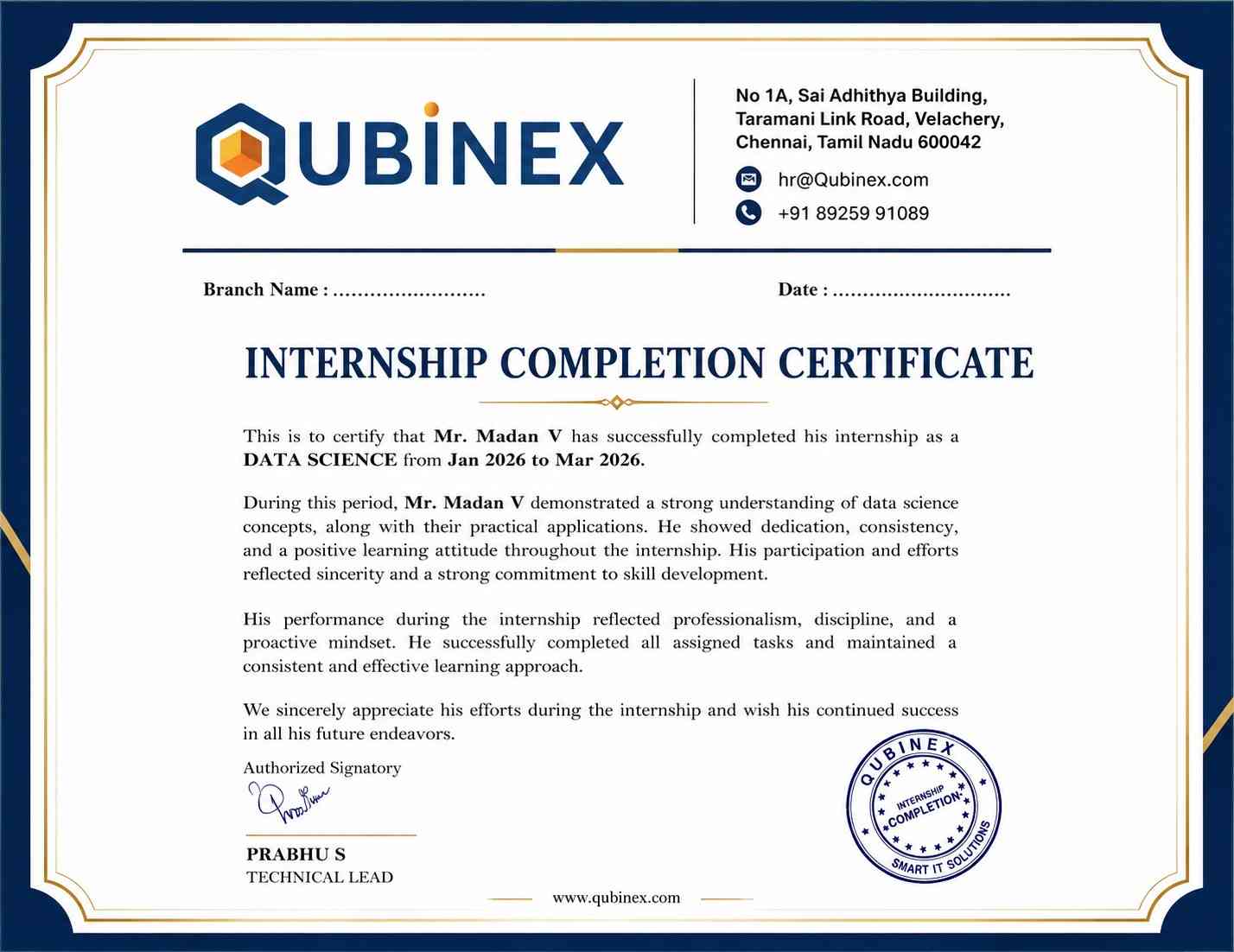
Intership
complete certification
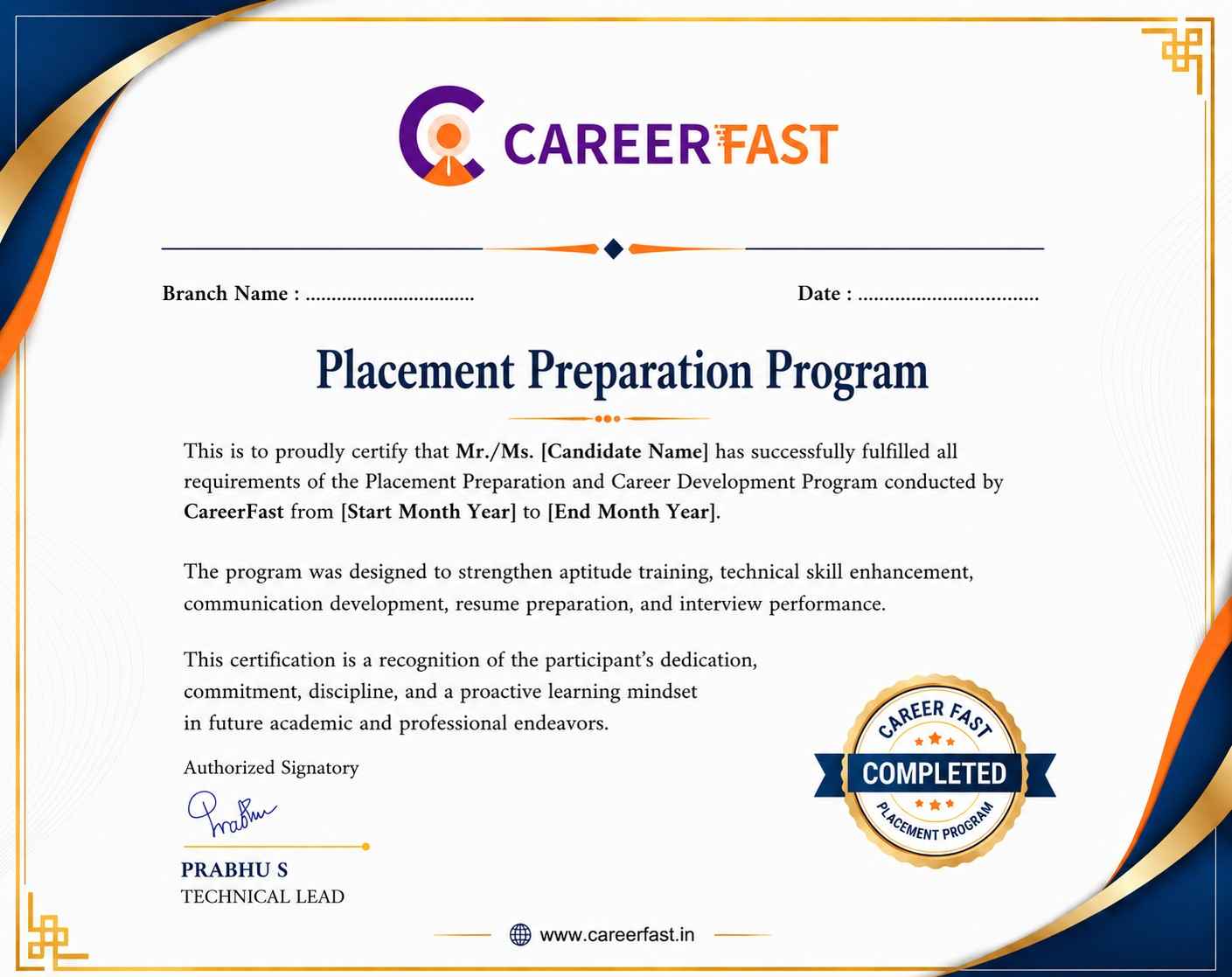
Placement
complete certification

Our learners
transformed their careers

35 Laks
Highest Salary Offered
50%
Average Salary Hike
30K+
Placed in MNC's
15+
Year's in Training
Our Alumni
Alumni

A majority of our alumni

fast-tracked into managerial careers.

Get inspired by their progress in the Career Growth Report.

Our Student Successful Story

checkimage Regular 1:1 Mentorship From Industry Experts checkimage Live Classes checkimage Career Support

How are the Data Science Course with LearnoVita Different?

Feature

LearnoVita

Other Institutes

Affordable Fees

Competitive Pricing With Flexible Payment Options.

Higher Data Science Fees With Limited Payment Options.

Live Class From ( Industry Expert)

Well Experienced Trainer From a Relevant Field With Practical Data Science Training

Theoretical Class With Limited Practical

Updated Syllabus

Updated and Industry-relevant Data Science Course Curriculum With Hands-on Learning.

Outdated Curriculum With Limited Practical Training.

Hands-on projects

Real-world Data Science Project With Live Case Studies and Collaboration With Companies.

Basic Projects With Limited Real-world Application.

Certification

Industry-recognized Data Science Certifications With Global Validity.

Basic Data Science Certifications With Limited Recognition.

Placement Support

Strong Placement Support With Tie-ups With Top Companies and Mock Interviews.

Basic Placement Support

Industry Partnerships

Strong Ties With Top Tech Companies for Internships and Placements

No Partnerships, Limited Opportunities

Batch Size

Small Batch Sizes for Personalized Attention.

Large Batch Sizes With Limited Individual Focus.

Additional Features

Lifetime Access to Data Science Course Materials, Alumni Network, and Hackathons.

No Additional Features or Perks.

Training Support

Dedicated Mentors, 24/7 Doubt Resolution, and Personalized Guidance.

Limited Mentor Support and No After-hours Assistance.

Data Science Course FAQ's

Certainly, you are welcome to join the demo session. However, due to our commitment to maintaining high-quality standards, we limit the number of participants in live sessions. Therefore, participation in a live class without enrollment is not feasible. If you're unable to attend, you can review our pre-recorded session featuring the same trainer. This will provide you with a comprehensive understanding of our class structure, instructor quality, and level of interaction.
All of our instructors are employed professionals in the industry who work for prestigious companies and have a minimum of 9 to 12 years of significant IT field experience. A great learning experience is provided by all of these knowledgeable people at LearnoVita.
  • LearnoVita is dedicated to assisting job seekers in seeking, connecting, and achieving success, while also ensuring employers are delighted with the ideal candidates.
  • Upon successful completion of a career course with LearnoVita, you may qualify for job placement assistance. We offer 100% placement assistance and maintain strong relationships with over 650 top MNCs.
  • Our Placement Cell aids students in securing interviews with major companies such as Oracle, HP, Wipro, Accenture, Google, IBM, Tech Mahindra, Amazon, CTS, TCS, Sports One , Infosys, MindTree, and MPhasis, among others.
  • LearnoVita has a legendary reputation for placing students, as evidenced by our Placed Students' List on our website. Last year alone, over 5400 students were placed in India and globally.
  • We conduct development sessions, including mock interviews and presentation skills training, to prepare students for challenging interview situations with confidence. With an 85% placement record, our Placement Cell continues to support you until you secure a position with a better MNC.
  • Please visit your student's portal for free access to job openings, study materials, videos, recorded sections, and top MNC interview questions.
LearnoVita Certification is awarded upon course completion and is recognized by all of the world's leading global corporations. LearnoVita are the exclusive authorized Oracle, Microsoft, Pearson Vue, and Data Science I exam centers, as well as an authorized partner of Data Science . Additionally, those who want to pass the National Authorized Certificate in a specialized IT domain can get assistance from LearnoVita's technical experts.
As part of the training program, LearnoVita provides you with the most recent, pertinent, and valuable real-world projects. Every program includes several projects that rigorously assess your knowledge, abilities, and real-world experience to ensure you are fully prepared for the workforce. Your abilities will be equivalent to six months of demanding industry experience once the tasks are completed.
At LearnoVita, participants can choose from instructor-led online training, self-paced training, classroom sessions, one-to-one training, fast-track programs, customized training, and online training options. Each mode is designed to provide flexibility and convenience to learners, allowing them to select the format that best suits their needs. With a range of training options available, participants can select the mode that aligns with their learning style, schedule, and career goals to excel in Data Science .
LearnoVita guarantees that you won't miss any topics or modules. You have three options to catch up: we'll reschedule classes to suit your schedule within the course duration, provide access to online class presentations and recordings, or allow you to attend the missed session in another live batch.
Please don't hesitate to reach out to us at contact@learnovita.com if you have any questions or need further clarification.
To enroll in the Data Science at LearnoVita, you can conveniently register through our website or visit any of our branches in India for direct assistance.
Yes, after you've enrolled, you will have lifetime access to the student portal's study materials, videos, and top MNC interview questions.
At LearnoVita, we prioritize individual attention for students, ensuring they can clarify doubts on complex topics and gain a richer understanding through interactions with instructors and peers. To facilitate this, we limit the size of each Data Science Service batch to 5 or 6 members.
The average annual salary for Data Science Professionals in India is 5 LPA to 7 LPA.
view More view Less
Career Assistance
  • Build a Powerful Resume for Career Success
  • Get Trainer Tips to Clear Interviews
  • Practice with Experts: Mock Interviews for Success
  • Crack Interviews & Land Your Dream Job
100% JOB GUARANTEE

Global Quality Training
At The Lowest Fees & Expert Trainer

AVAILABLE IN:
India Canada USA Singapore UAE Australia EU Germany

Need custom pricing?

4.9/5 from 50k+ students
Acte Technologies WhatsApp
Call Us! Chat With Us