
Mainframe Admin Course in BTM Layout
 17455
Ratings


- Join the Mainframe Admin Training in BTM Layout to master enterprise mainframe administration.
- Learn z/OS, JES2, RACF, JCL, storage management and mainframe system administration concepts.
- Gain hands-on experience through real-time mainframe projects, system operations, and practical exercises.
- Ideal for Mainframe Administrators, System Engineers, Support Engineers seeking mainframe careers.
- Choose flexible batches: Weekday, Weekend, or Fast-Track Mainframe Admin training in BTM Layout.
- Benefit from placement support, certification guidance and expert mainframe career mentoring.
Course Duration
45+ HrsLive Project
3 ProjectCertification Pass
GuaranteedTraining Format
Live Online (Expert Trainers)Quality Training With Affordable Fee
 Fees Starts From

11124+
Professionals Trained
11+
Batches every month
2665+
Placed Students
255+
Corporate ServedWhat You'll Learn
Learn core mainframe administration concepts, z/OS architecture, system operations, job scheduling, security controls, and routine support activities.
Build practical skills through Mainframe Admin Course in BTM Layout covering user administration, system monitoring, and operational tasks.
Work with JCL, JES, datasets, system utilities, operator commands, and diagnostic techniques to manage batch processing and resolve common issues.
Practice real-time administration tasks involving job control, dataset operations, system security, monitoring activities, and performance-related checks.
Understand backup and recovery procedures, incident response, system maintenance, and continuity tasks used in enterprise environments.
Develop job-ready administration capabilities through instructor guidance, hands-on activities, project practice, and practical Mainframe Admin skills.
Mainframe Admin Course Objectives
- Enterprise Mainframe Administration
- Cloud Mainframe Modernization
- Mainframe Security Management
- Automated System Operations
- Legacy System Modernization
- z/OS Administration Fundamentals
- Dataset Management Techniques
- JCL Administration Concepts
- Job Scheduling Management
- RACF Security Administration
- Banking And Finance
- Insurance Services
- Retail Organizations
- Healthcare Systems
- Government Services
- z/OS Administration Skills
- Mainframe Security Knowledge
- JCL Management Expertise
- System Monitoring Skills
- Production Support Experience
Request more informations
WhatsApp (For Call & Chat):
+91 72003 88604
Mainframe Admin Course Benefits
The Mainframe Admin Course in BTM Layout is structured around practical system administration, batch processing, job scheduling, performance monitoring, security management, and issue resolution. Through guided labs and real-time administration scenarios, learners develop the ability to manage mainframe environments and handle operational tasks efficiently. The program also includes Mainframe Admin Internship opportunities and Mainframe Admin Projects, enabling participants to apply their knowledge to practical requirements and build relevant experience for roles in mainframe administration, production support, system operations, and enterprise IT with confidence across modern enterprise environments.
- Designation
-
Annual SalaryHiring Companies








About Mainframe Admin Certification Training
Mainframe Admin Course in BTM Layout is designed to build practical expertise in managing and supporting enterprise mainframe environments. The training covers system configuration, user administration, job scheduling, resource monitoring, security controls, backup procedures, and troubleshooting techniques. Learners work through practical exercises and production-oriented scenarios to understand daily mainframe operations and infrastructure support. Mainframe Admin With Placement helps participants prepare for relevant job opportunities through career-focused guidance, while Mainframe Admin Material supports structured learning and continued practice. The course develops skills relevant to mainframe administration, system operations, production support, and enterprise IT environments, including monitoring, incident handling, system maintenance, and operational support.
Top Skills You Will Gain
- System Administration
- Job Scheduling
- System Monitoring
- Performance Tuning
- Security Management
- Backup Management
- Incident Troubleshooting
- User Management
12+ Mainframe Admin Tools
Online Classroom Batches Preferred
No Interest Financing start at ₹ 5000 / month
Corporate Training
- Customized Learning
- Enterprise Grade Learning Management System (LMS)
- 24x7 Support
- Enterprise Grade Reporting
Not Just Studying
We’re Doing Much More!
Empowering Learning Through Real Experiences and Innovation











Mainframe Admin Training Curriculam
Trainers Profile
The Mainframe Admin Course in BTM Layout offers practical, job-oriented learning guided by trainers experienced in mainframe operations and enterprise systems. The training covers system administration, workload scheduling, monitoring, security controls, backup and recovery, performance tuning, and troubleshooting techniques. Learners gain access to structured training materials, hands-on exercises, Mainframe Admin Internship opportunities, and project-based activities that reflect workplace requirements. This approach helps participants build confidence in managing mainframe environments and develop skills relevant to system administration, production support, infrastructure operations, and enterprise IT roles.
Syllabus for Mainframe Admin Training Download syllabus
- Mainframe Architecture Overview
- System Administration Basics
- zOS Platform Fundamentals
- Enterprise Computing Concepts
- Mainframe Environment Setup
- Console Operations Basics
- zOS System Components
- System Initialization Processes
- Address Space Management
- Dataset Management Basics
- System Parameter Configuration
- System Startup Procedures
- Dataset Types Overview
- Dataset Allocation Methods
- Catalog Management Concepts
- VSAM Dataset Administration
- Storage Management Practices
- Dataset Security Controls
- JCL Fundamentals Overview
- Job Statement Parameters
- Dataset Definition Statements
- Procedure Management Techniques
- Job Execution Monitoring
- JCL Error Troubleshooting
- Scheduling Concepts Overview
- Job Dependency Management
- Batch Processing Operations
- Schedule Configuration Methods
- Job Monitoring Practices
- Scheduling Error Resolution
- Security Concepts Overview
- RACF Administration Basics
- User Profile Management
- Access Permission Configuration
- Resource Protection Methods
- Security Audit Procedures
- System Monitoring Fundamentals
- Performance Metrics Analysis
- Resource Utilization Monitoring
- CPU Performance Management
- Memory Usage Analysis
- Performance Issue Troubleshooting
- Backup Strategy Fundamentals
- Recovery Planning Processes
- Data Backup Procedures
- Disaster Recovery Concepts
- Recovery Testing Methods
- Business Continuity Planning
- DB2 Administration Basics
- Database Object Management
- Storage Hierarchy Concepts
- Storage Allocation Methods
- Database Performance Monitoring
- Storage Issue Troubleshooting
- System Automation Concepts
- Production Support Procedures
- Incident Management Practices
- Change Management Processes
- Troubleshooting Production Issues
- Real World Projects
Request more informations
WhatsApp (For Call & Chat):
+91 72003 88604
REAL

UPGRADE

sowmiya

UPGRADE

Rajkumar

UPGRADE

Thon
UPGRADE

Lavanya

Industry Projects
Exam & Mainframe Admin Certification
- Basic familiarity with computers and IT environments
- Understanding of operating system fundamentals
- Awareness of enterprise mainframe concepts
- Basic knowledge of networking and system connectivity
- Exposure to Mainframe Admin Training is helpful for structured preparation
- Mainframe Systems Administrator
- z/OS System Support Specialist
- Mainframe Operations Engineer
- Production Support Analyst
- Enterprise Infrastructure Engineer
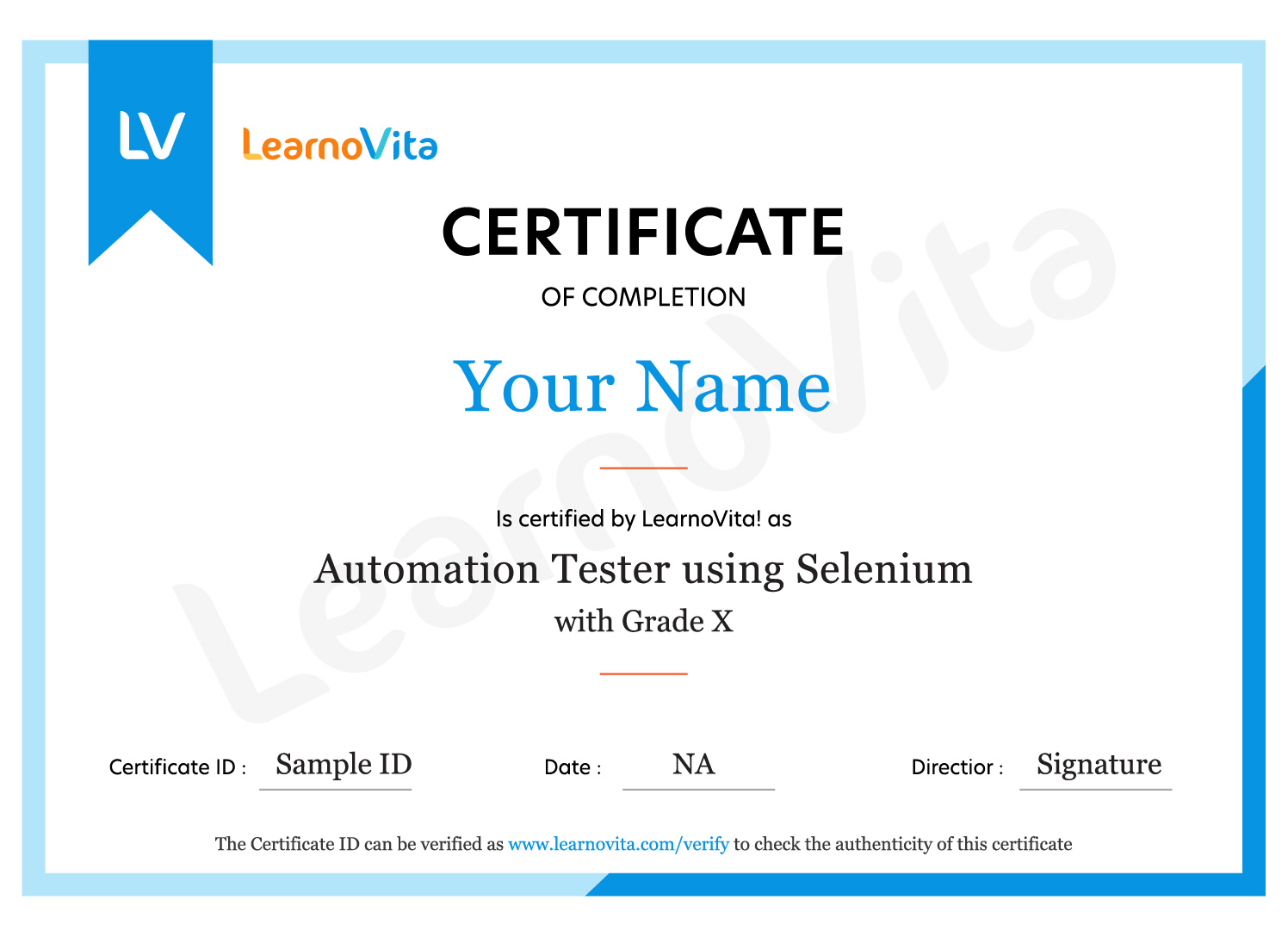
MNC Recognized course
complete certification
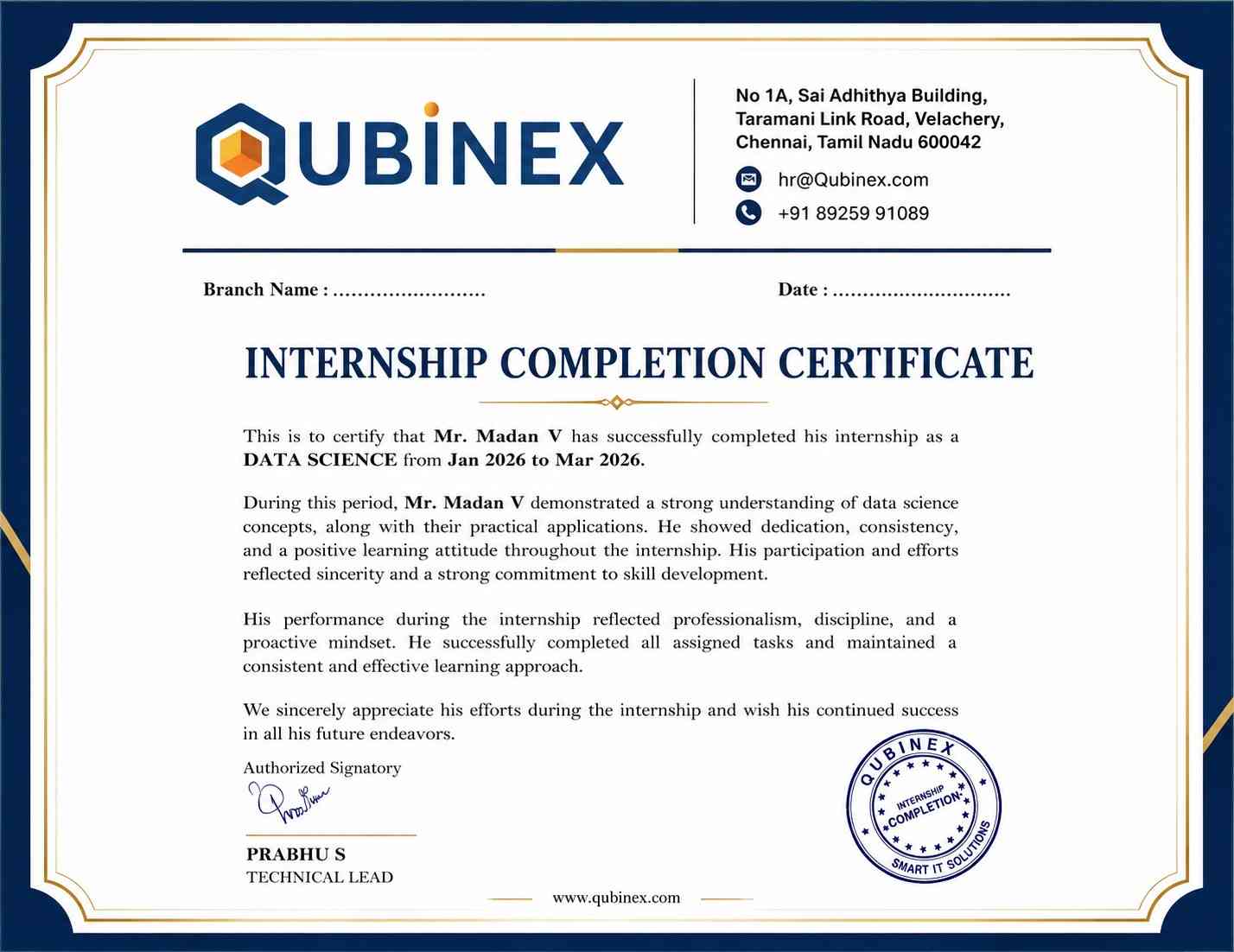
Intership
complete certification

Placement
complete certification
Our learners
transformed their careers

A majority of our alumni
fast-tracked into managerial careers.
Get inspired by their progress in the Career Growth Report.
Our Student Successful Story
 Regular 1:1 Mentorship From Industry Experts
Live Classes
Career Support

Sandeep Kumar D
Software Engineer, Cisco Systems )

Vinoth P
UI Developer, TCS
Vijeyalakshme kannan
QA Engineer, Amazon Development Center
Pranav Srinivas
Software Testing, Capgemini
Prasanna
SAP Admin, HCLHow are the Mainframe Admin Course with LearnoVita Different?
Feature
LearnoVita
Other Institutes
Affordable Fees
Competitive Pricing With Flexible Payment Options.
Higher Mainframe Admin Fees With Limited Payment Options.
Live Class From ( Industry Expert)
Well Experienced Trainer From a Relevant Field With Practical Mainframe Admin Training
Theoretical Class With Limited Practical
Updated Syllabus
Updated and Industry-relevant Mainframe Admin Course Curriculum With Hands-on Learning.
Outdated Curriculum With Limited Practical Training.
Hands-on projects
Real-world Mainframe Admin Projects With Live Case Studies and Collaboration With Companies.
Basic Projects With Limited Real-world Application.
Certification
Industry-recognized Mainframe Admin Certifications With Global Validity.
Basic Mainframe Admin Certifications With Limited Recognition.
Placement Support
Strong Placement Support With Tie-ups With Top Companies and Mock Interviews.
Basic Placement Support
Industry Partnerships
Strong Ties With Top Tech Companies for Internships and Placements
No Partnerships, Limited Opportunities
Batch Size
Small Batch Sizes for Personalized Attention.
Large Batch Sizes With Limited Individual Focus.
Additional Features
Lifetime Access to Mainframe Admin Course Materials, Alumni Network, and Hackathons.
No Additional Features or Perks.
Training Support
Dedicated Mentors, 24/7 Doubt Resolution, and Personalized Guidance.
Limited Mentor Support and No After-hours Assistance.
Mainframe Admin Course FAQ's
- LearnoVita is dedicated to assisting job seekers in seeking, connecting, and achieving success, while also ensuring employers are delighted with the ideal candidates.
- Upon successful completion of a career course with LearnoVita, you may qualify for job placement assistance. We offer 100% placement assistance and maintain strong relationships with over 650 top MNCs.
- Our Placement Cell aids students in securing interviews with major companies such as Oracle, HP, Wipro, Accenture, Google, IBM, Tech Mahindra, Amazon, CTS, TCS, Sports One , Infosys, MindTree, and MPhasis, among others.
- LearnoVita has a legendary reputation for placing students, as evidenced by our Placed Students' List on our website. Last year alone, over 5400 students were placed in India and globally.
- We conduct development sessions, including mock interviews and presentation skills training, to prepare students for challenging interview situations with confidence. With an 85% placement record, our Placement Cell continues to support you until you secure a position with a better MNC.
- Please visit your student's portal for free access to job openings, study materials, videos, recorded sections, and top MNC interview questions.

- Build a Powerful Resume for Career Success
- Get Trainer Tips to Clear Interviews
- Practice with Experts: Mock Interviews for Success
- Crack Interviews & Land Your Dream Job
Global Quality Training
At The Lowest Fees & Expert Trainer








Need custom pricing?

