Home » SAP » SAP PLM Course in Hebbal

SAP PLM Course in Hebbal

(4.9) 15689 Ratings
  • Join the SAP PLM Training in Hebbal to master product lifecycle management and SAP solutions.
  • Learn product data, document management, change management and SAP PLM configuration concepts.
  • Gain hands-on experience through real-time SAP PLM projects, product workflows, and practical exercises.
  • Ideal for SAP PLM Consultants, Product Managers, Engineers, IT Professionals seeking SAP careers.
  • Choose flexible batches: Weekday, Weekend, or Fast-Track SAP PLM training in Hebbal.
  • Benefit from certification guidance and expert product lifecycle management career mentoring.

Course Duration

50+ Hrs

Live Project

3 Project

Certification Pass

Guaranteed

Training Format

Live Online (Expert Trainers)
Quality Training With Affordable Fee

⭐ Fees Starts From

INR 38,000
INR 18,500

11557+

Professionals Trained

9+

Batches every month

2685+

Placed Students

236+

Corporate Served

What You'll Learn

Understand SAP PLM fundamentals, product data management, lifecycle processes, and core concepts used across product development environments.

Master SAP PLM Training in Hebbal to manage product structures, engineering changes, documents, materials, and lifecycle workflows.

Explore product development processes, BOM management, document control, change management, and integration with other SAP business functions.

Gain practical exposure through hands-on exercises involving product master data, workflow configuration, and lifecycle management.

Study real-world product lifecycle scenarios, process optimization techniques, collaboration methods, and strategies for improving product data accuracy.

Prepare for SAP PLM Certification through expert-led SAP PLM Training with Placement, practical learning, projects, and career-focused guidance.

Comprehensive Overview of SAP PLM Course

SAP PLM is a powerful solution for managing product information and processes throughout the complete product lifecycle. Our SAP PLM Training in Hebbal helps learners understand product data management, bill of materials, document management, engineering changes, and lifecycle workflows. The course combines conceptual learning with practical exercises to develop confidence in handling real-world product management requirements. Learners also gain exposure to SAP integration, process coordination, and data accuracy practices. With SAP PLM Certification preparation and hands-on project learning, the program supports professional growth. Our SAP PLM Training with Placement provides career guidance, practical knowledge for aspiring SAP PLM professionals and industry-ready career opportunities.

Additional Info

Future Trends in SAP PLM Training in Hebbal

  • Intelligent Product Development: SAP PLM is increasingly adopting artificial intelligence and machine learning to improve product development decisions. Intelligent systems can analyze product data, identify patterns, automate repetitive activities, and support engineering teams. AI-driven recommendations can help organizations detect potential issues earlier, optimize product processes, and improve overall productivity. This trend is expected to make product lifecycle management more predictive, efficient, and responsive to changing business requirements.
  • Cloud-Based PLM Solutions: Cloud adoption is transforming how organizations implement and manage SAP PLM environments. Cloud-based solutions provide flexible access to product information, support collaboration across locations, and reduce infrastructure management requirements. Businesses can scale resources according to their needs while improving accessibility and operational efficiency. Cloud integration also enables organizations to connect PLM processes with modern enterprise applications and support distributed product development teams.
  • Digital Twin Integration: Digital twin technology is becoming an important part of modern product lifecycle management. Organizations can create digital representations of physical products to monitor performance, simulate conditions, and analyze product behavior. When integrated with SAP PLM processes, digital twins can connect engineering information with operational data. This enables better product validation, predictive analysis, maintenance planning, and continuous improvement throughout the product lifecycle.
  • Connected Product Data: Connected product data enables organizations to bring information from engineering, manufacturing, supply chain, and service processes into a unified environment. SAP PLM solutions can support better data connectivity across different business functions. Improved integration helps teams access accurate product information and maintain consistency throughout the lifecycle. This trend encourages faster collaboration, better decision-making, and greater visibility into product-related processes.
  • Sustainable Product Design: Sustainability is becoming increasingly important in product development and lifecycle management. SAP PLM can support organizations in tracking materials, product information, environmental considerations, and lifecycle requirements. Companies are focusing on designing products that use resources efficiently and generate less waste. Future PLM processes are expected to provide stronger support for sustainable materials, responsible sourcing, circular product models, and environmentally conscious product development.
  • Advanced Data Analytics: Advanced analytics is helping organizations extract valuable insights from large volumes of product and engineering information. SAP PLM environments can use analytical capabilities to identify process inefficiencies, monitor product performance, and support informed decisions. Data-driven analysis can help teams understand product trends, detect risks, and improve lifecycle processes. This trend will continue strengthening the connection between product management and strategic business decision-making.
  • Collaborative Engineering Platforms: Modern product development increasingly depends on collaboration between engineering, manufacturing, suppliers, and other stakeholders. SAP PLM is evolving to support connected collaboration across product teams and locations. Shared product information, controlled workflows, and integrated communication can reduce information gaps and improve coordination. Collaborative engineering platforms can help teams work together more efficiently while maintaining consistency, traceability, and visibility across product development activities.
  • Automated Change Management: Product changes require accurate documentation, approvals, and coordination across multiple teams. Automation is helping organizations streamline engineering change processes within PLM environments. Automated workflows can route requests, notify responsible users, maintain records, and support approval procedures. Future SAP PLM implementations are expected to use greater automation to reduce manual work, improve traceability, accelerate change cycles, and minimize errors during product modifications.
  • IoT Product Integration: The Internet of Things is creating new opportunities for connecting physical products with digital lifecycle information. IoT data can provide valuable insights into product usage, performance, and operational conditions. When connected with SAP PLM processes, this information can support product improvements and service planning. Organizations can use real-world product data to refine designs, identify recurring issues, and develop more responsive product lifecycle strategies.
  • Generative AI Adoption: Generative AI is expected to influence product documentation, knowledge retrieval, engineering support, and product development workflows. It can assist teams in summarizing technical information, generating documentation drafts, and retrieving relevant product knowledge. When appropriately integrated with SAP PLM environments, generative AI can reduce repetitive tasks and improve access to information. Organizations will continue exploring responsible AI applications while maintaining data security and process controls.

Essential Tools and Technologies in SAP PLM

  • SAP PLM Platform: SAP PLM provides the core environment for managing product-related information and lifecycle processes. It supports activities such as product data management, document handling, engineering changes, and product structures. Professionals use SAP PLM capabilities to maintain consistent information throughout product development. Understanding the platform helps learners work with product lifecycle processes and coordinate information across engineering, manufacturing, procurement, and other connected business functions.
  • SAP S/4HANA Integration: SAP S/4HANA provides an important enterprise foundation for integrating product lifecycle processes with broader business operations. SAP PLM can work with S/4HANA processes involving materials, manufacturing, procurement, and other functions. This integration helps organizations maintain connected product information across departments. Understanding S/4HANA integration is valuable for professionals working on modern SAP PLM implementations and enterprise-wide product management processes.
  • SAP Fiori Applications: SAP Fiori provides a modern user experience for accessing SAP business processes through role-based applications. In SAP PLM environments, Fiori applications can simplify access to product-related information and tasks. Users can work with relevant processes through intuitive interfaces instead of navigating complex screens. Knowledge of Fiori helps professionals understand how modern SAP environments provide streamlined access to product data, workflows, approvals, and lifecycle activities.
  • SAP Document Management: SAP Document Management supports the controlled storage, organization, and management of product-related documents. It can be used for technical specifications, drawings, instructions, engineering records, and other important files. Document management helps organizations maintain version control, improve accessibility, and support compliance requirements. Professionals working with SAP PLM should understand how documents are created, classified, linked, controlled, and maintained throughout the product lifecycle.
  • SAP Engineering Change: SAP Engineering Change Management supports the controlled handling of product modifications and engineering changes. It helps organizations document change requests, manage approvals, maintain valid-from information, and track affected product data. Effective change management ensures that modifications are properly coordinated across relevant teams. Learning this capability helps SAP PLM professionals understand how organizations maintain product accuracy, traceability, and controlled lifecycle transitions.
  • SAP Material Management: SAP Material Management plays an important role in managing material-related information connected with product development. PLM processes often require accurate material master data for product structures, manufacturing, procurement, and planning activities. Understanding the relationship between SAP PLM and material management helps professionals maintain consistent product information. It also supports better coordination between engineering teams and business functions involved in material and product processes.
  • SAP BOM Management: Bill of Materials management is essential for defining the components and structures required to build products. SAP PLM supports the creation, maintenance, and lifecycle control of product-related BOM information. Professionals can use BOM capabilities to manage assemblies, components, quantities, and engineering changes. Strong knowledge of BOM management helps learners understand product structures and maintain accurate information for engineering and manufacturing processes.
  • SAP Workflow Management: SAP Workflow Management helps organizations automate and coordinate business processes involving approvals, reviews, notifications, and task assignments. Within SAP PLM, workflows can support document reviews, engineering changes, product approvals, and other lifecycle activities. Understanding workflow concepts helps professionals reduce manual coordination and improve process visibility. Proper workflow configuration can also strengthen accountability and ensure that important lifecycle activities follow defined procedures.
  • SAP Analytics Cloud: SAP Analytics Cloud provides analytical capabilities that can help organizations evaluate business and product-related information. When connected with relevant SAP data, it can support dashboards, reporting, visual analysis, and informed decision-making. SAP PLM professionals can benefit from understanding how analytical insights can identify process trends and performance indicators. This technology supports organizations in transforming product information into useful business insights.
  • SAP Integration Technologies: Integration technologies connect SAP PLM with other enterprise applications, external systems, and business processes. APIs, integration services, and related technologies can help exchange product information between different platforms. Effective integration reduces isolated data and supports consistent information flow across an organization. Professionals with knowledge of SAP integration technologies can better understand how PLM environments connect with manufacturing, supply chain, engineering, and other enterprise systems.

Roles and Responsibilities of SAP PLM

  • PLM Manager: A PLM Manager oversees product lifecycle management activities across engineering, manufacturing, and business teams. They define PLM strategies, coordinate product development processes, monitor project progress, and ensure effective use of SAP PLM solutions. They also manage stakeholders, identify process improvements, support implementation activities, and ensure product data remains accurate and accessible. Strong leadership and knowledge of SAP PLM processes help managers align product lifecycle activities with organizational requirements.
  • PLM Analyst: A PLM Analyst analyzes product lifecycle processes, business requirements, and product-related data to identify improvement opportunities. They work with functional teams to understand existing workflows and support SAP PLM configuration and optimization. Their responsibilities may include analyzing product structures, reviewing engineering changes, preparing reports, testing processes, and documenting requirements. They also help ensure that PLM processes support efficient product development and accurate information management.
  • PLM Consultant: A PLM Consultant helps organizations implement, configure, and optimize SAP PLM solutions according to business requirements. They gather requirements, design functional solutions, support configuration, conduct testing, and assist users during implementation. Consultants also troubleshoot process issues, prepare documentation, and coordinate with technical teams for integrations. Their role requires strong understanding of product data, document management, engineering changes, workflows, and SAP business processes.
  • PLM Specialist: A PLM Specialist manages specialized product lifecycle activities and supports organizations in maintaining effective PLM processes. They may handle product master data, document management, BOM structures, engineering changes, and lifecycle workflows. Specialists review data quality, identify process gaps, support system users, and help implement improvements. They also collaborate with engineering and business teams to ensure product information remains consistent, controlled, and available throughout the product lifecycle.
  • PLM Architect: A PLM Architect designs the overall technical and functional architecture of SAP PLM environments. They evaluate business requirements, define system structures, plan integrations, and establish standards for product information management. Architects work closely with consultants, developers, engineers, and business stakeholders to create scalable solutions. They also review implementation approaches, address architectural challenges, and help ensure that SAP PLM systems can support evolving product development and enterprise requirements.
  • Product Analyst: A Product Analyst evaluates product information, lifecycle processes, market requirements, and operational data to support product-related decisions. They work with PLM teams to analyze product structures, changes, documentation, and process performance. Their responsibilities may include preparing reports, identifying data issues, supporting process improvements, and communicating findings to stakeholders. They help organizations maintain reliable product information and improve the efficiency of product development activities.
  • Data Manager: A Data Manager is responsible for maintaining the quality, consistency, and governance of product-related information within SAP PLM environments. They manage product master data, classifications, documents, structures, and related records. Their work includes validating information, identifying duplicates, maintaining standards, and supporting data migration activities. They collaborate with business teams to establish data practices that improve accuracy, accessibility, traceability, and long-term product information management.
  • Change Manager: A Change Manager coordinates engineering and product changes throughout the lifecycle. They review change requests, manage approvals, monitor implementation activities, and maintain accurate change records. They ensure that modifications are properly documented and communicated to affected teams. Change Managers also help maintain traceability between product versions, documents, BOMs, and related information. Their responsibilities support controlled product updates while reducing errors and improving coordination across engineering and business functions.
  • Implementation Lead: An Implementation Lead coordinates SAP PLM implementation activities from planning through deployment. They work with business stakeholders and technical teams to define requirements, establish timelines, coordinate configuration, and monitor project progress. They support testing, data migration, user training, issue resolution, and deployment activities. Implementation Leads also help ensure that the delivered SAP PLM solution meets agreed business requirements and supports effective product lifecycle processes.
  • Support Specialist: A Support Specialist provides ongoing assistance to users working with SAP PLM applications and processes. They investigate system issues, resolve user queries, monitor incidents, and coordinate with technical teams when complex problems occur. They may also support configuration updates, testing, documentation, and user guidance. Their responsibilities help maintain system availability, improve user productivity, and ensure that product lifecycle processes continue to operate effectively after implementation.

Top Companies Hiring for SAP PLM Professionals

  • SAP: SAP offers opportunities across product development, enterprise software, consulting, implementation, and technology functions. SAP PLM professionals may work with product lifecycle solutions, product data management, engineering processes, cloud technologies, and enterprise integrations. Roles can involve solution consulting, implementation, development, architecture, and customer support. Professionals with SAP PLM knowledge can apply their skills to projects involving product information, digital transformation, and connected enterprise processes.
  • Siemens: Siemens operates across industrial technology, engineering, manufacturing, and digital solutions. PLM professionals can work on product development processes, engineering data, digital manufacturing, lifecycle management, and enterprise technology solutions. Opportunities may involve consulting, solution architecture, implementation, data management, and technical support. Experience with SAP PLM and related engineering technologies can support professionals working on complex product development and industrial digitalization projects.
  • Bosch: Bosch works across mobility, industrial technology, consumer goods, and energy-related solutions. Its product-focused operations require structured management of engineering information, product data, changes, and lifecycle processes. SAP PLM professionals may contribute to product data management, engineering processes, SAP implementation, integration, and process optimization. Candidates with knowledge of SAP PLM, ERP integration, BOM management, and engineering change processes can explore relevant technology and consulting opportunities.
  • Accenture: Accenture provides consulting, technology, and digital transformation services to organizations across multiple industries. SAP PLM professionals can contribute to implementation projects, business process analysis, solution design, system integration, and application support. Roles may involve working with clients to understand product lifecycle requirements and develop SAP-based solutions. Knowledge of SAP PLM combined with consulting, integration, and project delivery skills can support careers in enterprise transformation projects.
  • Deloitte: Deloitte provides consulting and technology services that include enterprise applications and SAP transformation initiatives. SAP PLM professionals may work on business requirements, process design, implementation, testing, integration, and support activities. Their responsibilities can involve helping organizations improve product lifecycle processes and connect PLM with broader SAP environments. Candidates with functional SAP knowledge, industry understanding, analytical skills, and implementation experience can explore relevant opportunities.
  • Capgemini: Capgemini delivers technology consulting, engineering, and digital transformation services for organizations worldwide. SAP PLM professionals may participate in implementation, application support, integration, testing, and process improvement projects. Their work can involve product data, document management, BOMs, engineering changes, and SAP system integration. Experience with SAP PLM and related enterprise processes can help professionals contribute to technology projects across manufacturing and other product-oriented industries.
  • IBM: IBM provides enterprise technology, consulting, cloud, and digital transformation services. Professionals with SAP PLM expertise may work on enterprise application projects involving product information, business process integration, analytics, and technology modernization. Responsibilities can include requirements analysis, solution development, implementation support, and system integration. Knowledge of SAP environments, product lifecycle processes, and enterprise technologies can be useful for professionals pursuing opportunities within technology and consulting teams.
  • Infosys: Infosys provides IT consulting, digital transformation, application services, and enterprise technology solutions. SAP PLM professionals may support implementation, configuration, testing, integration, and application maintenance activities. Their work can involve product data management, engineering changes, document processes, and connections with SAP business functions. Professionals with SAP PLM knowledge, analytical abilities, and enterprise application experience can explore roles supporting clients across manufacturing and other industries.
  • Wipro: Wipro delivers technology services, consulting, cloud solutions, and enterprise application support. SAP PLM professionals may work on PLM implementation, functional consulting, application support, process analysis, and integration projects. Responsibilities can include gathering requirements, configuring solutions, testing processes, resolving issues, and supporting users. Knowledge of SAP PLM processes combined with experience in SAP ERP, product data, and business process management can support opportunities across client projects.
  • TCS: Tata Consultancy Services provides IT services, consulting, and digital transformation solutions across industries. SAP PLM professionals can contribute to enterprise implementation projects, product lifecycle process analysis, application support, testing, integration, and optimization. Their responsibilities may include managing product data, engineering changes, documents, BOMs, and related SAP processes. Candidates with SAP PLM expertise and strong understanding of enterprise workflows can explore roles across technology and consulting projects.
View more

SAP PLM Course Objectives

Basic knowledge of SAP concepts and enterprise business processes is helpful before starting SAP PLM training. Familiarity with product development, materials, or engineering processes can make learning easier. However, beginners can also develop the required knowledge through structured training and practical exercises.
SAP PLM training provides practical knowledge of product data, BOMs, document management, engineering changes, workflows, and lifecycle processes. Learners develop skills through exercises and real-world scenarios. The training can also help candidates build a stronger profile for SAP PLM and product lifecycle management opportunities.
  • SAP PLM Consulting
  • Product Data Management
  • Engineering Change Management
  • Digital Product Development
  • PLM Process Management
SAP PLM training helps learners understand how organizations manage product information and lifecycle processes using SAP technologies. It develops knowledge across product data, engineering changes, BOMs, documents, and workflows. Practical SAP PLM skills can be useful for candidates targeting SAP consulting and product lifecycle management roles.
  • SAP PLM Fundamentals
  • Product Data Management
  • Bill Of Materials
  • Document Management
  • Engineering Change Management
Yes, SAP PLM training can include practical exercises and project-based learning based on real-world product lifecycle scenarios. Learners can work with product data, BOMs, documents, engineering changes, and workflows. This practical exposure helps students understand how SAP PLM concepts are applied in business environments.
  • Manufacturing Industry
  • Automotive Industry
  • Aerospace Industry
  • Engineering Industry
  • Consumer Products Industry
SAP PLM training can provide relevant technical knowledge and practical exposure. Employment depends on individual skills, experience, interview performance, and company requirements. Placement assistance, projects, and interview preparation can further support candidates during their job search.
  • Builds SAP PLM knowledge
  • Develops practical skills
  • Improves product data understanding
  • Provides project-based exposure
  • Supports SAP career development
Students gain practical familiarity with SAP PLM, SAP S/4HANA, SAP Fiori, SAP Document Management, SAP BOM management, and workflow capabilities. They also learn how PLM processes integrate with related SAP business functions. This helps learners understand the tools and technologies commonly used across product lifecycle management processes.
view More view Less

SAP PLM Course Benefits

The SAP PLM Certification Course in Hebbal provides practical learning in product lifecycle management, product data, BOM management, document control, and engineering change processes. Learners gain hands-on exposure through real-world projects, case studies, and guided exercises led by industry professionals. This SAP PLM Training with Placement support helps learners develop practical skills and prepares them for career opportunities in product management, engineering, manufacturing, consulting, and SAP implementation roles.

  • Designation
  • Annual Salary
    Hiring Companies
  • 4.24L
    Min
  • 6.5L
    Average
  • 13.5L
    Max
  • 4.50L
    Min
  • 8.5L
    Average
  • 16.5L
    Max
  • 4.0L
    Min
  • 6.5L
    Average
  • 13.5L
    Max
  • 3.24L
    Min
  • 6.5L
    Average
  • 12.5L
    Max

About SAP PLM Course

Our SAP PLM Training in Hebbal provides comprehensive knowledge in product lifecycle management, engineering changes, and SAP integration. Learners gain hands-on experience through practical exercises, real-world scenarios, and project-based learning. The training helps participants understand how SAP PLM supports product development and business processes across different industries. With placement support, this course prepares learners for opportunities in SAP consulting, engineering, and application support roles.

Top Skills You Will Gain
  • Product Management
  • BOM Management
  • Data Management
  • Change Management
  • Document Management
  • Workflow Management
  • Process Integration
  • Lifecycle Management

12+ SAP PLM Tools

Online Classroom Batches Preferred

Weekdays (Mon - Fri)
12 - Oct - 2026
08:00 AM (IST)
Weekdays (Mon - Fri)
14 - Oct - 2026
08:00 AM (IST)
Weekend (Sat)
17 - Oct - 2026
11:00 AM (IST)
Weekend (Sun)
18 - Oct - 2026
11:00 AM (IST)
Can't find a batch you were looking for?
₹38,000 ₹18,500 10% OFF Expires in

No Interest Financing start at ₹ 5000 / month

Corporate Training

  • Customized Learning
  • Enterprise Grade Learning Management System (LMS)
  • 24x7 Support
  • Enterprise Grade Reporting

Not Just Studying
We’re Doing Much More!

Empowering Learning Through Real Experiences and Innovation

Hiring
Hiring
Hiring
Hiring
Hiring
Hiring
Hiring
User
User
User
User
User
User

SAP PLM Course Curriculam

Trainers Profile

Our SAP PLM Training in Hebbal is delivered by experienced trainers with strong expertise in product lifecycle management, product data management, engineering change management, BOM management, document management, and SAP integration. We provide quality training materials, real-world case studies, SAP PLM Internship opportunities, and hands-on project exposure to strengthen practical learning. These resources help learners develop strong SAP PLM skills and prepare for successful careers in product lifecycle management and SAP consulting.

Syllabus for SAP PLM Course Download syllabus

  • SAP PLM Overview
  • PLM Architecture Basics
  • Product Lifecycle Processes
  • Product Data Management
  • SAP PLM Components
  • PLM Business Applications
  • Product Master Data
  • Material Data Management
  • Product Information Structure
  • Data Classification Methods
  • Product Data Maintenance
  • Data Quality Management
  • BOM Structure Overview
  • BOM Creation Process
  • BOM Maintenance Techniques
  • Multi-Level BOMs
  • BOM Component Management
  • BOM Lifecycle Control
  • Document Management Overview
  • Document Creation Process
  • Document Version Control
  • Document Classification Methods
  • Document Status Management
  • Document Linking Techniques
  • Change Management Overview
  • Change Request Creation
  • Engineering Change Records
  • Change Approval Process
  • Change Impact Analysis
  • Change History Tracking
  • Product Lifecycle Stages
  • Product Development Processes
  • Product Release Management
  • Product Status Control
  • Lifecycle Workflow Management
  • Product Data Integration
  • SAP ERP Integration
  • S/4HANA Integration Basics
  • Material Management Integration
  • Manufacturing Process Integration
  • Supply Chain Integration
  • External System Integration
  • Workflow Configuration Basics
  • Approval Process Management
  • Task Assignment Methods
  • Notification Management Process
  • Workflow Status Tracking
  • Automated Process Control
  • PLM Reporting Basics
  • Product Data Analysis
  • Lifecycle Performance Metrics
  • Dashboard Development Concepts
  • Data Visualization Techniques
  • Business Insight Generation
  • PLM Project Planning
  • Product Data Creation
  • BOM Management
  • Document Control
  • Engineering Change
  • PLM Implementation Practices
(15) view More view Less
Need customized curriculum?

REAL

start
STORIES SUCCESS INSPIRATION
CAREER
UPGRADE
sowmiya

sowmiya

CAREER
UPGRADE
Rajkumar

Rajkumar

CAREER
UPGRADE
Thon

Thon

CAREER
UPGRADE
lavanya

Lavanya

Industry Projects

Project 1
Product Data Management

Create and manage product master data and classifications while maintaining accurate records and structured product information throughout the lifecycle.

Project 2
Engineering Change

Develop an engineering change workflow covering change requests, documentation updates, and controlled implementation of product modifications.

Project 3
BOM Lifecycle Management

Build and manage a multi-level BOM structure while handling component changes, version control, and lifecycle updates for a complete product.

Our Hiring Partner

Exam & SAP PLM Certification

SAP PLM certification validates your understanding of product lifecycle management concepts and SAP PLM processes. It can strengthen your professional profile and demonstrate structured knowledge to employers. It also supports career development in SAP PLM, product data management, engineering change, and related roles.
  • Basic understanding of SAP concepts
  • Knowledge of product lifecycle processes
  • Familiarity with enterprise applications
  • Basic understanding of product data management
  • Practical SAP PLM training is recommended
SAP PLM certification can demonstrate your knowledge of SAP PLM concepts and strengthen your professional profile. Hiring decisions depend on skills, experience, interview performance, and employer requirements. Practical projects and relevant skills can further support your job search.
  • SAP PLM Consultant
  • SAP PLM Analyst
  • Product Lifecycle Consultant
  • SAP Functional Consultant
  • Product Data Analyst
SAP PLM certification can help demonstrate your knowledge of product lifecycle management and SAP-based processes. It may strengthen your profile when applying for relevant SAP and product management positions. Combined with practical experience, the certification can support professional development and opportunities to work on PLM-related projects.

MNC Recognized course
complete certification
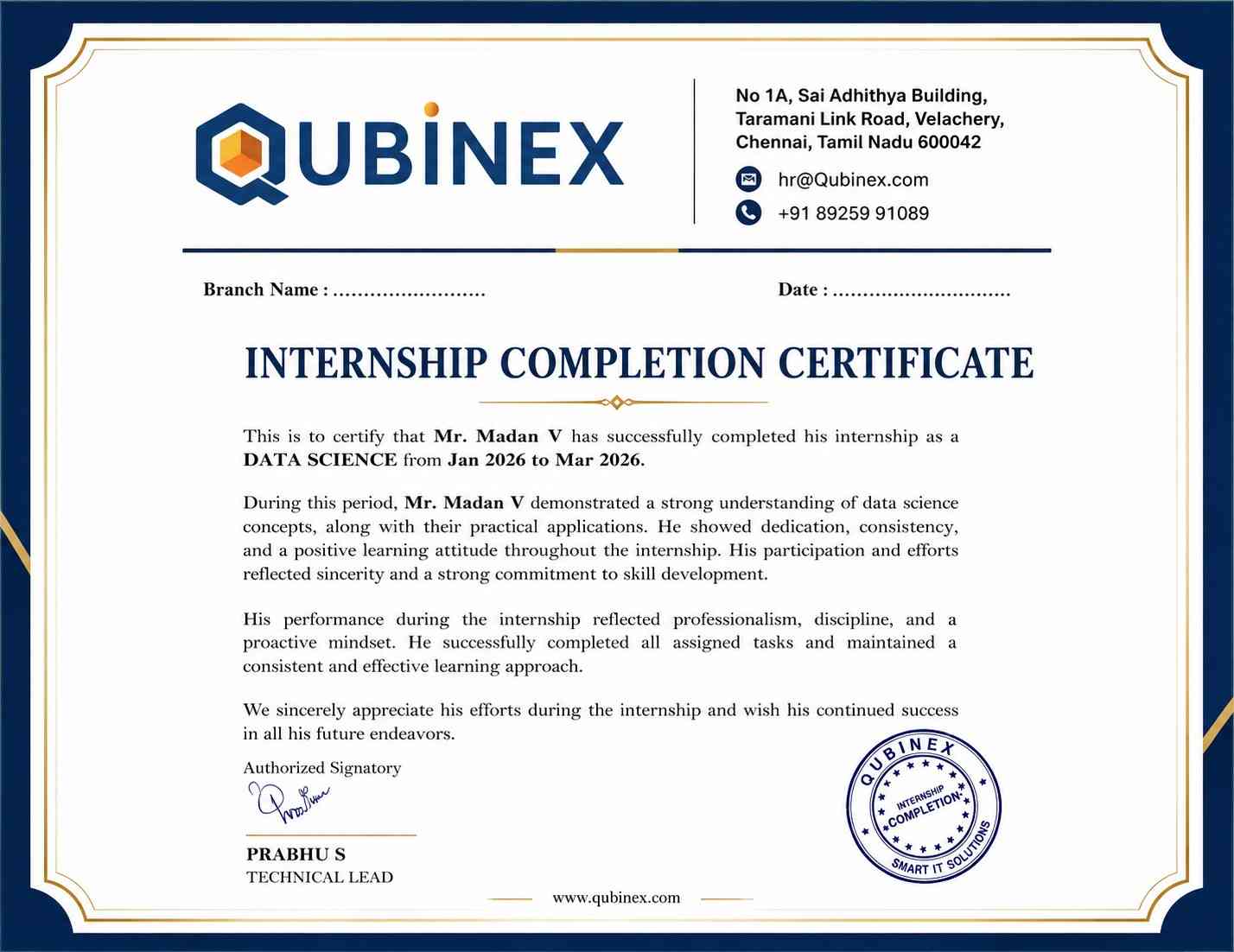
Intership
complete certification
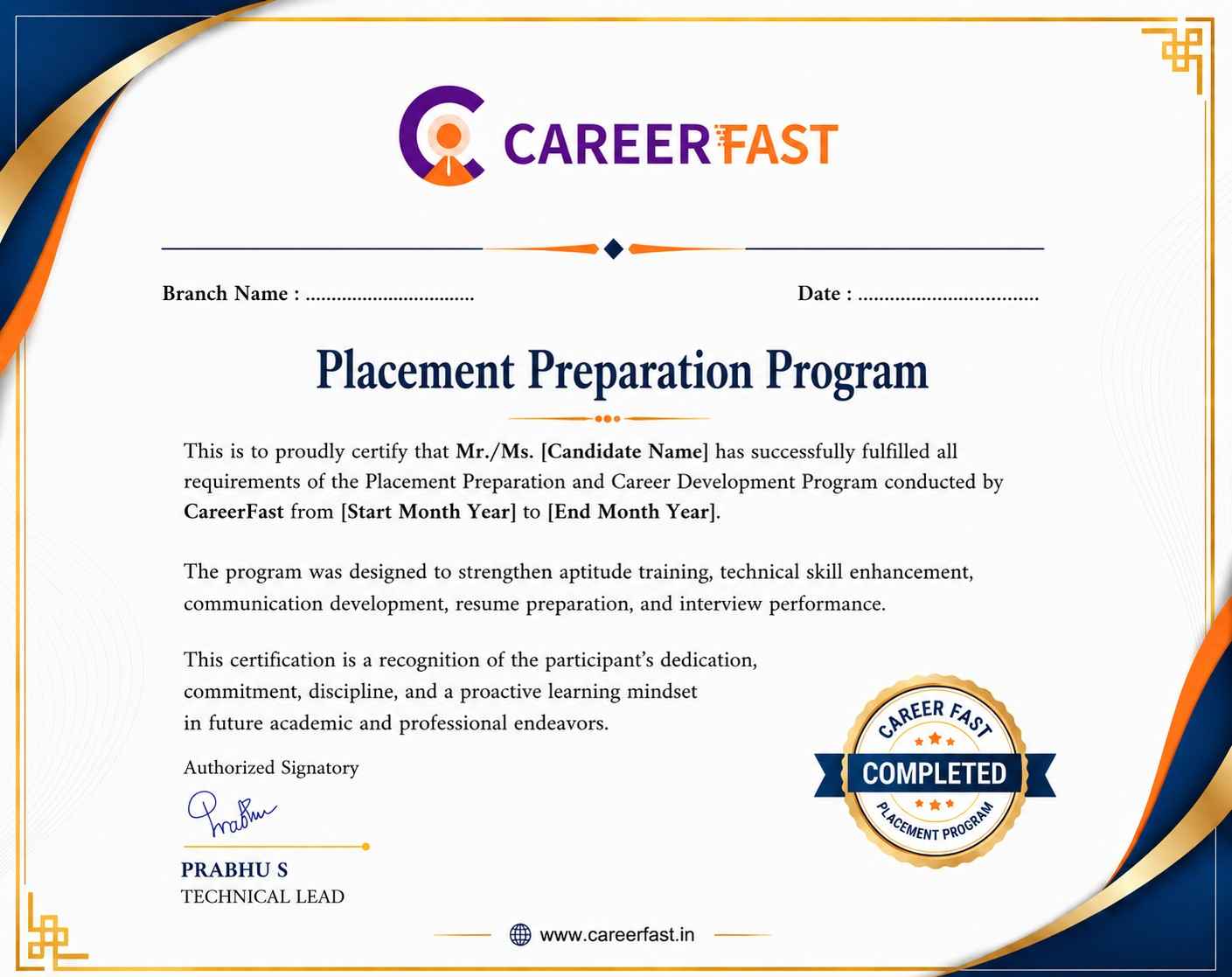
Placement
complete certification

Our learners
transformed their careers

35 Laks
Highest Salary Offered
50%
Average Salary Hike
30K+
Placed in MNC's
15+
Year's in Training
Our Alumni
Alumni

A majority of our alumni

fast-tracked into managerial careers.

Get inspired by their progress in the Career Growth Report.

Our Student Successful Story

checkimage Regular 1:1 Mentorship From Industry Experts checkimage Live Classes checkimage Career Support

How are the SAP PLM Course with LearnoVita Different?

Feature

LearnoVita

Other Institutes

Affordable Fees

Competitive Pricing With Flexible Payment Options.

Higher SAP PLM Fees With Limited Payment Options.

Live Class From ( Industry Expert)

Well Experienced Trainer From a Relevant Field With Practical SAP PLM Training

Theoretical Class With Limited Practical

Updated Syllabus

Updated and Industry-relevant SAP PLM Course Curriculum With Hands-on Learning.

Outdated Curriculum With Limited Practical Training.

Hands-on projects

Real-world SAP PLM Projects With Live Case Studies and Collaboration With Companies.

Basic Projects With Limited Real-world Application.

Certification

Industry-recognized SAP PLM Certifications With Global Validity.

Basic SAP PLM Certifications With Limited Recognition.

Placement Support

Strong Placement Support With Tie-ups With Top Companies and Mock Interviews.

Basic Placement Support

Industry Partnerships

Strong Ties With Top Tech Companies for Internships and Placements

No Partnerships, Limited Opportunities

Batch Size

Small Batch Sizes for Personalized Attention.

Large Batch Sizes With Limited Individual Focus.

Additional Features

Lifetime Access to SAP PLM Course Materials, Alumni Network, and Hackathons.

No Additional Features or Perks.

Training Support

Dedicated Mentors, 24/7 Doubt Resolution, and Personalized Guidance.

Limited Mentor Support and No After-hours Assistance.

SAP PLM Course FAQ's

Certainly, you are welcome to join the demo session. However, due to our commitment to maintaining high-quality standards, we limit the number of participants in live sessions. Therefore, participation in a live class without enrollment is not feasible. If you're unable to attend, you can review our pre-recorded session featuring the same trainer. This will provide you with a comprehensive understanding of our class structure, instructor quality, and level of interaction.
All of our instructors are employed professionals in the industry who work for prestigious companies and have a minimum of 9 to 12 years of significant IT field experience. A great learning experience is provided by all of these knowledgeable people at LearnoVita.
  • LearnoVita is dedicated to assisting job seekers in seeking, connecting, and achieving success, while also ensuring employers are delighted with the ideal candidates.
  • Upon successful completion of a career course with LearnoVita, you may qualify for job placement assistance. We offer 100% placement assistance and maintain strong relationships with over 650 top MNCs.
  • Our Placement Cell aids students in securing interviews with major companies such as Oracle, HP, Wipro, Accenture, Google, IBM, Tech Mahindra, Amazon, CTS, TCS, Sports One , Infosys, MindTree, and MPhasis, among others.
  • LearnoVita has a legendary reputation for placing students, as evidenced by our Placed Students' List on our website. Last year alone, over 5400 students were placed in India and globally.
  • We conduct development sessions, including mock interviews and presentation skills training, to prepare students for challenging interview situations with confidence. With an 85% placement record, our Placement Cell continues to support you until you secure a position with a better MNC.
  • Please visit your student's portal for free access to job openings, study materials, videos, recorded sections, and top MNC interview questions.
LearnoVita Certification is awarded upon course completion and is recognized by all of the world's leading global corporations. LearnoVita are the exclusive authorized Oracle, Microsoft, Pearson Vue, and SAP PLM I exam centers, as well as an authorized partner of SAP PLM . Additionally, those who want to pass the National Authorized Certificate in a specialized IT domain can get assistance from LearnoVita's technical experts.
As part of the training program, LearnoVita provides you with the most recent, pertinent, and valuable real-world projects. Every program includes several projects that rigorously assess your knowledge, abilities, and real-world experience to ensure you are fully prepared for the workforce. Your abilities will be equivalent to six months of demanding industry experience once the tasks are completed.
At LearnoVita, participants can choose from instructor-led online training, self-paced training, classroom sessions, one-to-one training, fast-track programs, customized training, and online training options. Each mode is designed to provide flexibility and convenience to learners, allowing them to select the format that best suits their needs. With a range of training options available, participants can select the mode that aligns with their learning style, schedule, and career goals to excel in SAP PLM .
LearnoVita guarantees that you won't miss any topics or modules. You have three options to catch up: we'll reschedule classes to suit your schedule within the course duration, provide access to online class presentations and recordings, or allow you to attend the missed session in another live batch.
Please don't hesitate to reach out to us at contact@learnovita.com if you have any questions or need further clarification.
To enroll in the SAP PLM at LearnoVita, you can conveniently register through our website or visit any of our branches in India for direct assistance.
Yes, after you've enrolled, you will have lifetime access to the student portal's study materials, videos, and top MNC interview questions.
At LearnoVita, we prioritize individual attention for students, ensuring they can clarify doubts on complex topics and gain a richer understanding through interactions with instructors and peers. To facilitate this, we limit the size of each SAP PLM Service batch to 5 or 6 members.
The average annual salary for SAP PLM Professionals in India is 7 LPA to 8 LPA.
view More view Less
Career Assistance
  • Build a Powerful Resume for Career Success
  • Get Trainer Tips to Clear Interviews
  • Practice with Experts: Mock Interviews for Success
  • Crack Interviews & Land Your Dream Job
100% JOB GUARANTEE

Global Quality Training
At The Lowest Fees & Expert Trainer

AVAILABLE IN:
India Canada USA Singapore UAE Australia EU Germany

Need custom pricing?

4.9/5 from 50k+ students
Acte Technologies WhatsApp
Call Us! Chat With Us