
Data Science Course in OMR
 18754
18754 Ratings


- Join the Best Data Science Training in OMR to Master Analytical and Coding Skills.
- Industry-Relevant Data Science Certification Course with Dedicated Placement Assistance.
- Choose from Flexible Learning Options: Weekday, Weekend, or Accelerated Batches.
- Enhance Expertise with Hands-On Assignments and Real-Time Labs guided by Experts.
- Boost Careers with Resume Guidance, Technical Drills, and Interview Coaching.
- Gain exposure to Python, data mining, visualization, APIs, and more with top Data Science Training institute in OMR.
Course Duration
50+ HrsLive Project
3 ProjectCertification Pass
GuaranteedTraining Format
Live Online (Expert Trainers)Quality Training With Affordable Fee
 Fees Starts From

10874+
Professionals Trained
10+
Batches every month
3174+
Placed Students
258+
Corporate ServedWhat You'll Learn
In-depth knowledge of data analysis, visualization, and machine learning methods is provided by Data Science Training in OMR
To get precise insights and predictive modeling, learn how to correctly preprocess and clean data.
Use real-world datasets to get real-world experience with Python, R, and well-known data science frameworks in Data Science Course in OMR.
To make data-driven decisions, explore actual applications such as consumer analytics and business intelligence.
Learn sophisticated methods for recommendation systems, grouping, regression, and classification.
Focus on Data Science internships that give you genuine industry exposure in OMR to further your career.
Data Science Course Objectives
- The time it takes to become a data scientist is determined by your career goals as well as the amount of money and time you are willing to invest in your education. There are four-year bachelor's degrees in data science as well as three-month boot camps available. If you already have a bachelor's degree or have completed a Bootcamp, you may want to consider pursuing a master's degree, which can be completed in as little as one year. According to the Burtch Works study, the majority of data scientists have a graduate degree.
- All you need to become a Data Scientist is the desire and passion to pursue a career as a data scientist. The first step in beginning your learning journey is to learn about Data Science and its prerequisites. Enrolling in the Best Data Science program offered by a reputable institute would be the best way to make your dream a reality. Constant learning and practice would land you the dream job.
- There are numerous reasons why data science is one of the best career options in the twenty-first century. The demand and scope of this technology are the primary motivators for many people to pursue a career in this platform. Furthermore, the pay scale offered in this sector is piquing the interest of young people in becoming Data Scientists. The job roles available in this domain are recognized as among the highest paid in the country. As data science continues to expand its impact across multiple fields, it is expected to replace many existing job roles. As a result, data science is the best option for anyone looking for a stable career.
- Yes, statistics are an important aspect of data science, and having a solid understanding of the various statistical concepts is one of the major prerequisites for mastering the Data Science Course. Statistics are essential for grasping the concepts of Machine Learning. Statistics make it simple to understand how Data Science concepts can be applied to problem-solving.
- Data scientists employ a wide range of skills, depending on the industry and job responsibilities. The majority of data scientists are familiar with programming languages like R and Python, as well as statistical analysis, data visualization, machine learning techniques, data cleaning, research, and data warehouses and structures.
- Data Science is one of the highest-paying jobs. Data Scientists earn an average of $116,100 per year, according to Glassdoor. As a result, Data Science is a highly lucrative career option.
- A data science internship is a sure-fire way to understand the domain while also gaining hands-on experience in this field. Many final-year graduate students are excited about a career in this cutting-edge field. Learn about some of the fundamental skills needed to land a data science internship.
- Computer Science is a technical skill.
- Python is a programming language. Python, along with Java, Perl, and C/C++, is the most common coding language I see required in data science roles.
- Platform for Hadoop.
- SQL Database and Coding.
- Spark is an acronym for Apache Spark.
- AI and machine learning.
- Visualization of data.
- Data that is unstructured.
- The future is data. Data science is expected to have a bright future in the coming years, and data scientists are expected to have a rewarding career path as well. Data Science has had a significant impact on the various fields in which it has been applied. Data science is expected to expand its enclave into many other fields and create new dynamics, in addition to replacing many existing jobs. In this world, there are approximately 1 lakh job opportunities for various job roles in the field of Data Science.
- yes,To summarise, data science certificates are unlikely to help you much in your job applications, especially at the early pass/fail stage of resume assessment, so you shouldn't focus on questions like "which data science certificate is best?" when deciding where to pursue data science education.
Request more informations
WhatsApp (For Call & Chat):
+91 72003 88604
Benefits of Data Science Course
A comprehensive and well-organized curriculum is provided by Data Science Certification Course in OMR, along with worthwhile internship options that aim to give students a wealth of real-world experience. With 100% Data Science course with placement aid and committed career support, our curriculum will help you transition into data science and analytics professions with ease. You develop a solid, striking portfolio that successfully displays your data science proficiency and problem-solving ability by working on real-world, industry-relevant Data Science projects in OMR.
- Designation
-
Annual SalaryHiring Companies








Request more informations
WhatsApp (For Call & Chat):
+91 72003 88604
About Your Data Science Training
Our Data Science Course in OMR offers comprehensive, reasonably priced instruction in statistical modeling, machine learning, and data analysis. To improve your chances of landing a job, we put you in touch with a large network of hiring partners. Learn useful skills through case studies and real-world projects that get you ready for the competitive data science market. The cost of the Data Science Course fees is intended to provide excellent value for thorough instruction and certification.Gain practical exposure and enhance your employability through our Data Science internship in OMR, designed to complement your classroom learning.
Top Skills You Will Gain
- Data Wrangling
- Predictive Modeling
- Statistical Analysis
- Machine Learning
- Data Visualization
- Programming Skills
- Feature Engineering
- Data Mining
12+ Data Science Tools
Online Classroom Batches Preferred
No Interest Financing start at ₹ 5000 / month
Corporate Training
- Customized Learning
- Enterprise Grade Learning Management System (LMS)
- 24x7 Support
- Enterprise Grade Reporting
Not Just Studying
We’re Doing Much More!
Empowering Learning Through Real Experiences and Innovation





Data Science Course Curriculam
Trainers Profile
Our Data Science Course in OMR is led by seasoned data scientists who are highly skilled in statistical modeling, data visualization, and machine learning. They give thorough data science training materials for a clear comprehension of concepts and emphasize hands-on training with actual datasets. In addition to receiving step-by-step guidance, learners acquire real industrial skills and receive their Data Science Certification. The trainers place a strong emphasis on individualized mentoring, interactive sessions, and ongoing assistance during the course. Students also work on live projects that mimic real-world challenges, which improves their confidence and problem-solving skills.
Syllabus for Data Science Training Download syllabus
- What is Data Science, significance of Data Science in today’s digitally-driven world, applications of Data Science, lifecycle of Data Science, components of the Data Science lifecycle, introduction to big data and Hadoop, introduction to Machine Learning and Deep Learning, introduction to R programming and R Studio.
- Hands-on Exercise - Installation of R Studio, implementing simple mathematical operations and logic using R operators, loops, if statements and switch cases.
- Introduction to data exploration, importing and exporting data to/from external sources, what is data exploratory analysis, data importing, dataframes, working with dataframes, accessing individual elements, vectors and factors, operators, in-built functions, conditional, looping statements and user-defined functions, matrix, list and array.
- Hands-on Exercise -Accessing individual elements of customer churn data, modifying and extracting the results from the dataset using user-defined functions in R.
- Need for Data Manipulation, Introduction to dplyr package, Selecting one or more columns with select() function, Filtering out records on the basis of a condition with filter() function, Adding new columns with the mutate() function, Sampling & Counting with sample_n(), sample_frac() & count() functions, Getting summarized results with the summarise() function, Combining different functions with the pipe operator, Implementing sql like operations with sqldf.
- Hands-on Exercise -Implementing dplyr to perform various operations for abstracting over how data is manipulated and stored.
- Introduction to visualization, Different types of graphs, Introduction to grammar of graphics & ggplot2 package, Understanding categorical distribution with geom_bar() function, understanding numerical distribution with geom_hist() function, building frequency polygons with geom_freqpoly(), making a scatter-plot with geom_pont() function, multivariate analysis with geom_boxplot, univariate Analysis with Bar-plot, histogram and Density Plot, multivariate distribution, Bar-plots for categorical variables using geom_bar(), adding themes with the theme() layer, visualization with plotly package & building web applications with shinyR, frequency-plots with geom_freqpoly(), multivariate distribution with scatter-plots and smooth lines, continuous vs categorical with box-plots, subgrouping the plots, working with co-ordinates and themes to make the graphs more presentable, Intro to plotly & various plots, visualization with ggvis package, geographic visualization with ggmap(), building web applications with shinyR.
- Hands-on Exercise -Creating data visualization to understand the customer churn ratio using charts using ggplot2, Plotly for importing and analyzing data into grids. You will visualize tenure, monthly charges, total charges and other individual columns by using the scatter plot.
- Why do we need Statistics?, Categories of Statistics, Statistical Terminologies,Types of Data, Measures of Central Tendency, Measures of Spread, Correlation & Covariance,Standardization & Normalization,Probability & Types of Probability, Hypothesis Testing, Chi-Square testing, ANOVA, normal distribution, binary distribution.
- Hands-on Exercise -– Building a statistical analysis model that uses quantifications, representations, experimental data for gathering, reviewing, analyzing and drawing conclusions from data.
- Introduction to Machine Learning, introduction to Linear Regression, predictive modeling with Linear Regression, simple Linear and multiple Linear Regression, concepts and formulas, assumptions and residual diagnostics in Linear Regression, building simple linear model, predicting results and finding p-value, introduction to logistic regression, comparing linear regression and logistics regression, bivariate & multi-variate logistic regression, confusion matrix & accuracy of model, threshold evaluation with ROCR, Linear Regression concepts and detailed formulas, various assumptions of Linear Regression,residuals, qqnorm(), qqline(), understanding the fit of the model, building simple linear model, predicting results and finding p-value, understanding the summary results with Null Hypothesis, p-value & F-statistic, building linear models with multiple independent variables.
- Hands-on Exercise -Modeling the relationship within the data using linear predictor functions. Implementing Linear & Logistics Regression in R by building model with ‘tenure’ as dependent variable and multiple independent variables.
- Introduction to Logistic Regression, Logistic Regression Concepts, Linear vs Logistic regression, math behind Logistic Regression, detailed formulas, logit function and odds, Bi-variate logistic Regression, Poisson Regression, building simple “binomial” model and predicting result, confusion matrix and Accuracy, true positive rate, false positive rate, and confusion matrix for evaluating built model, threshold evaluation with ROCR, finding the right threshold by building the ROC plot, cross validation & multivariate logistic regression, building logistic models with multiple independent variables, real-life applications of Logistic Regression
- Hands-on Exercise -Implementing predictive analytics by describing the data and explaining the relationship between one dependent binary variable and one or more binary variables. You will use glm() to build a model and use ‘Churn’ as the dependent variable.
- What is classification and different classification techniques, introduction to Decision Tree, algorithm for decision tree induction, building a decision tree in R, creating a perfect Decision Tree, Confusion Matrix, Regression trees vs Classification trees, introduction to ensemble of trees and bagging, Random Forest concept, implementing Random Forest in R, what is Naive Bayes, Computing Probabilities, Impurity Function – Entropy, understand the concept of information gain for right split of node, Impurity Function – Information gain, understand the concept of Gini index for right split of node, Impurity Function – Gini index, understand the concept of Entropy for right split of node, overfitting & pruning, pre-pruning, post-pruning, cost-complexity pruning, pruning decision tree and predicting values, find the right no of trees and evaluate performance metrics.
- Hands-on Exercise -Implementing Random Forest for both regression and classification problems. You will build a tree, prune it by using ‘churn’ as the dependent variable and build a Random Forest with the right number of trees, using ROCR for performance metrics.
- What is Clustering & it’s Use Cases, what is K-means Clustering, what is Canopy Clustering, what is Hierarchical Clustering, introduction to Unsupervised Learning, feature extraction & clustering algorithms, k-means clustering algorithm, Theoretical aspects of k-means, and k-means process flow, K-means in R, implementing K-means on the data-set and finding the right no. of clusters using Scree-plot, hierarchical clustering & Dendogram, understand Hierarchical clustering, implement it in R and have a look at Dendograms, Principal Component Analysis, explanation of Principal Component Analysis in detail, PCA in R, implementing PCA in R.
- Hands-on Exercise -Deploying unsupervised learning with R to achieve clustering and dimensionality reduction, K-means clustering for visualizing and interpreting results for the customer churn data
- Introduction to association rule Mining & Market Basket Analysis, measures of Association Rule Mining: Support, Confidence, Lift, Apriori algorithm & implementing it in R, Introduction to Recommendation Engine, user-based collaborative filtering & Item-Based Collaborative Filtering, implementing Recommendation Engine in R, user-Based and item-Based, Recommendation Use-cases.
- Hands-on Exercise -Deploying association analysis as a rule-based machine learning method, identifying strong rules discovered in databases with measures based on interesting discoveries.
- Introducing Artificial Intelligence and Deep Learning, what is an Artificial Neural Network, TensorFlow – computational framework for building AI models, fundamentals of building ANN using TensorFlow, working with TensorFlow in R.
- What is Time Series, techniques and applications, components of Time Series, moving average, smoothing techniques, exponential smoothing, univariate time series models, multivariate time series analysis, Arima model, Time Series in R, sentiment analysis in R (Twitter sentiment analysis), text analysis.
- Hands-on Exercise -Analyzing time series data, sequence of measurements that follow a non-random order to identify the nature of phenomenon and to forecast the future values in the series.
- Introduction to Support Vector Machine (SVM), Data classification using SVM, SVM Algorithms using Separable and Inseparable cases, Linear SVM for identifying margin hyperplane.
- What is Bayes theorem, What is Naïve Bayes Classifier, Classification Workflow, How Naive Bayes classifier works, Classifier building in Scikit-learn, building a probabilistic classification model using Naïve Bayes, Zero Probability Problem.
- Introduction to concepts of Text Mining, Text Mining use cases, understanding and manipulating text with ‘tm’ & ‘stringR’, Text Mining Algorithms, Quantification of Text, Term Frequency-Inverse Document Frequency (TF-IDF), After TF-IDF.
- This case study is associated with the modeling technique of Market Basket Analysis where you will learn about loading of data, various techniques for plotting the items and running the algorithms. It includes finding out what are the items that go hand in hand and hence can be clubbed together. This is used for various real world scenarios like a supermarket shopping cart and so on.
Request more informations
WhatsApp (For Call & Chat):
+91 72003 88604
REAL

UPGRADE

sowmiya

UPGRADE

Rajkumar

UPGRADE

Thon
UPGRADE

Lavanya

Industry Projects
Exam & Data Science Certification
At LearnoVita, You Can Enroll in Either the instructor-led Data Science Online Course, Classroom Training or Online Self-Paced Training.
Data Science Online Training / Class Room:
- Participate and Complete One batch of Data Science Course Course
- Successful completion and evaluation of any one of the given projects
Data Science Online Self-learning:
- Complete 85% of the Data Science Certification Training
- Successful completion and evaluation of any one of the given projects
These are the Different Kinds of Certification levels that was Structured under the Data Science Certification Path.
- Certified Analytics Professional (CAP)
- Cloudera Certified Associate: Data Analyst
- Cloudera Certified Professional: CCP Data Engineer
- Data Science Council of America (DASCA) Senior Data Scientist (SDS)
- Data Science Council of America (DASCA) Principle Data Scientist (PDS)
- Dell EMC Data Science Track
- Google Certified Professional Data Engineer
- Google Data and Machine Learning
- IBM Data Science Professional Certificate
- Microsoft MCSE: Data Management and Analytics
- Microsoft Certified Azure Data Scientist Associate
- Open Certified Data Scientist (Open CDS)
- SAS Certified Advanced Analytics Professional
- SAS Certified Big Data Professional
- SAS Certified Data Scientist
- Learn About the Certification Paths.
- Write Code Daily This will help you develop Coding Reading and Writing ability.
- Refer and Read Recommended Books Depending on Which Exam you are Going to Take up.
- Join LernoVita Data Science Certification Training in OMR That Gives you a High Chance to interact with your Subject Expert Instructors and fellow Aspirants Preparing for Certifications.
- Solve Sample Tests that would help you to Increase the Speed needed for attempting the exam and also helps for Agile Thinking.
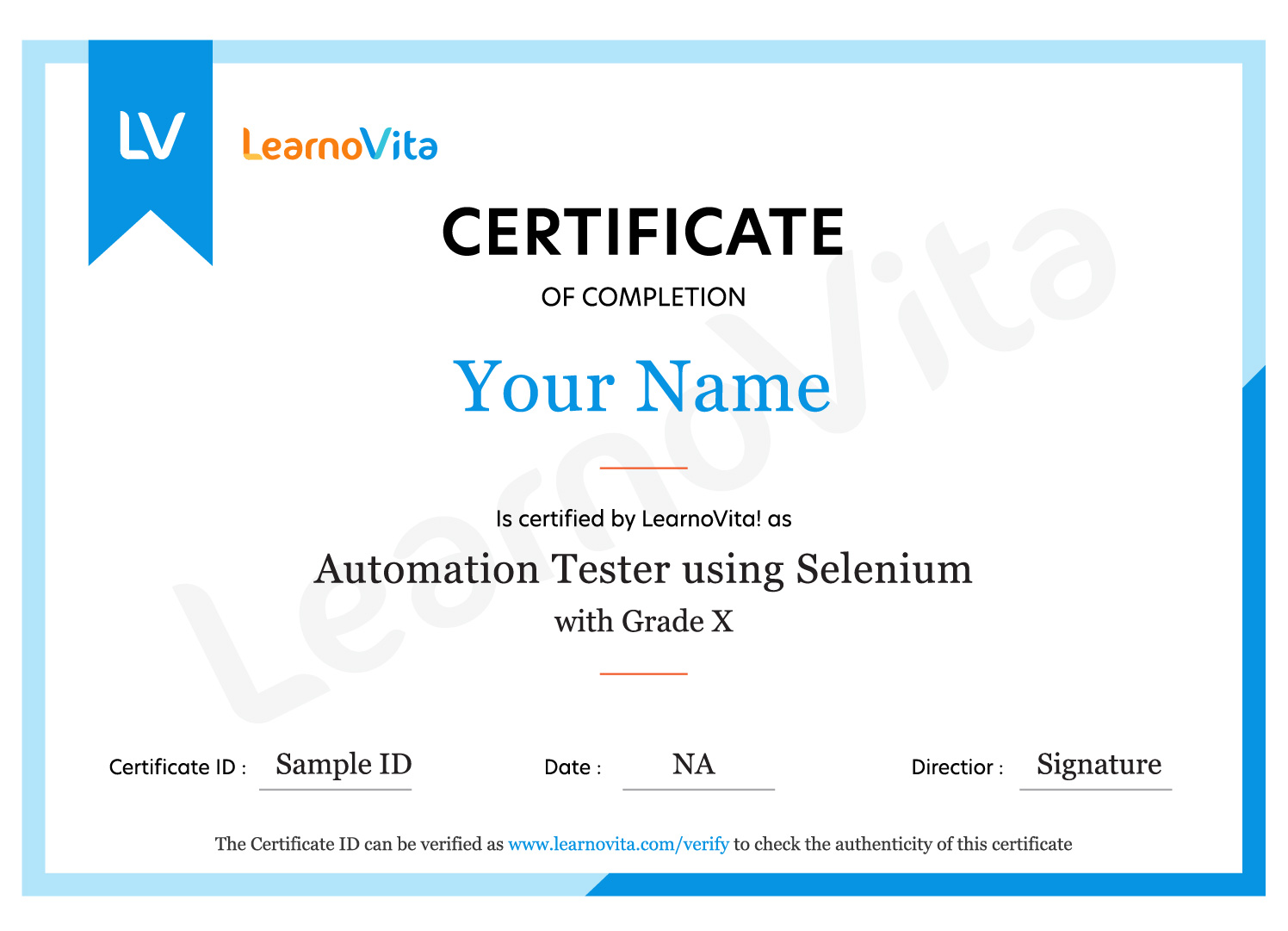
MNC Recognized course
complete certification
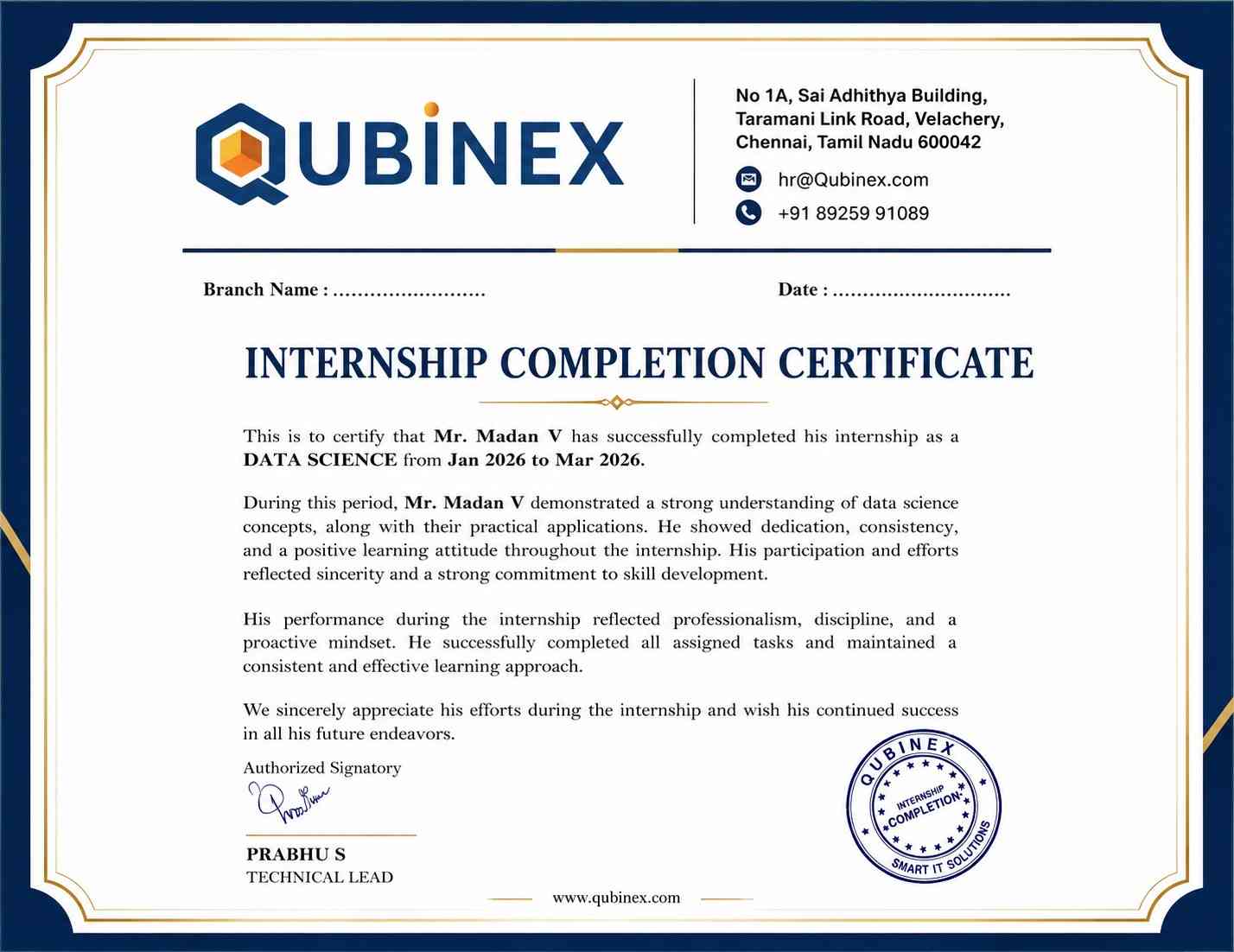
Intership
complete certification
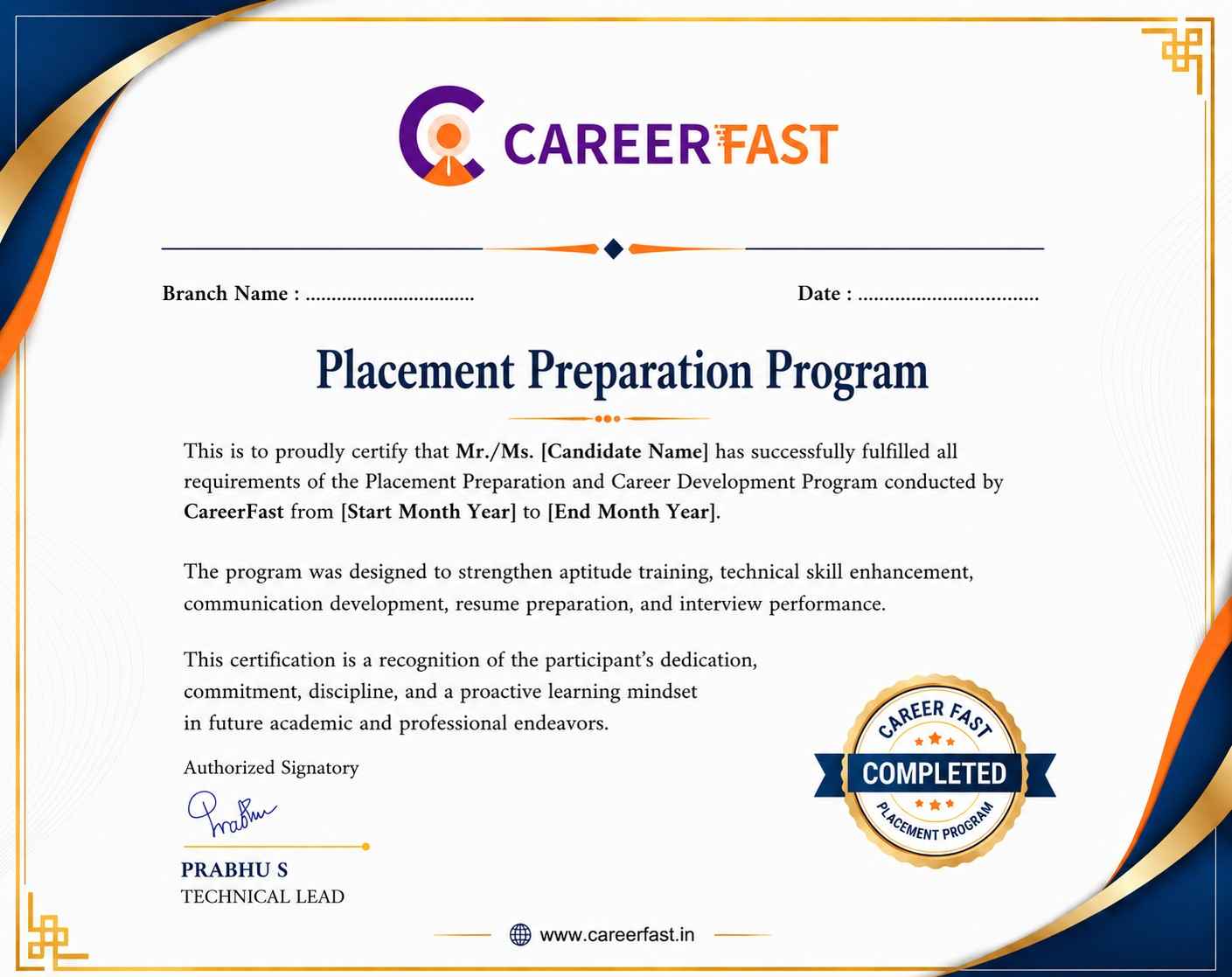
Placement
complete certification
Our learners
transformed their careers

A majority of our alumni
fast-tracked into managerial careers.
Get inspired by their progress in the Career Growth Report.
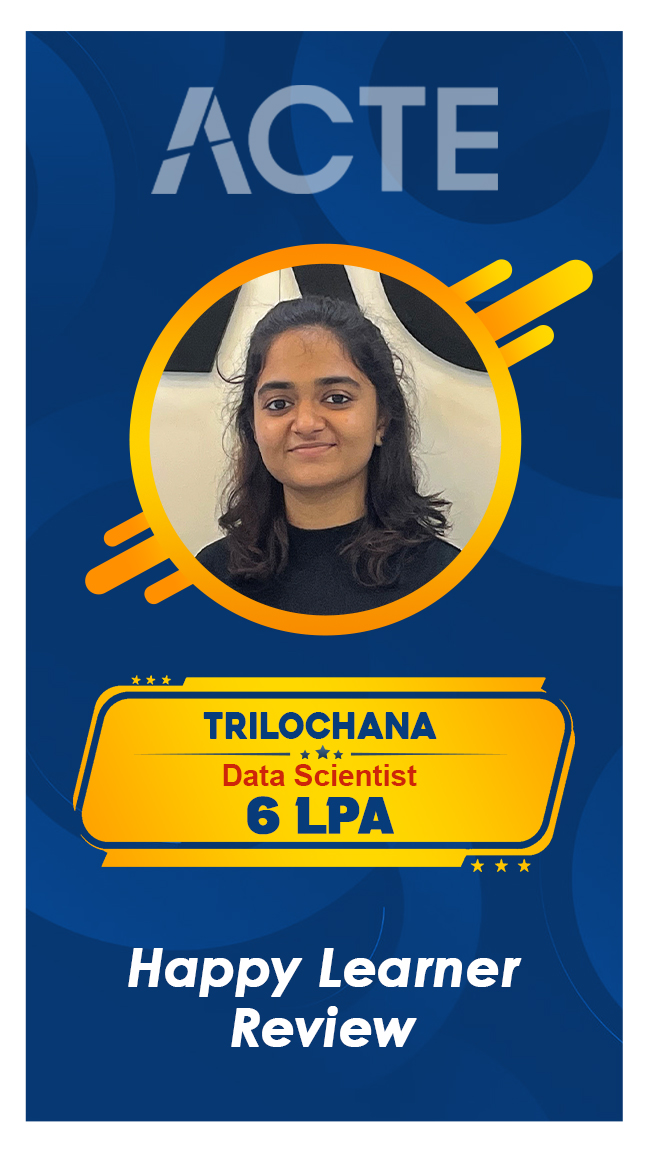
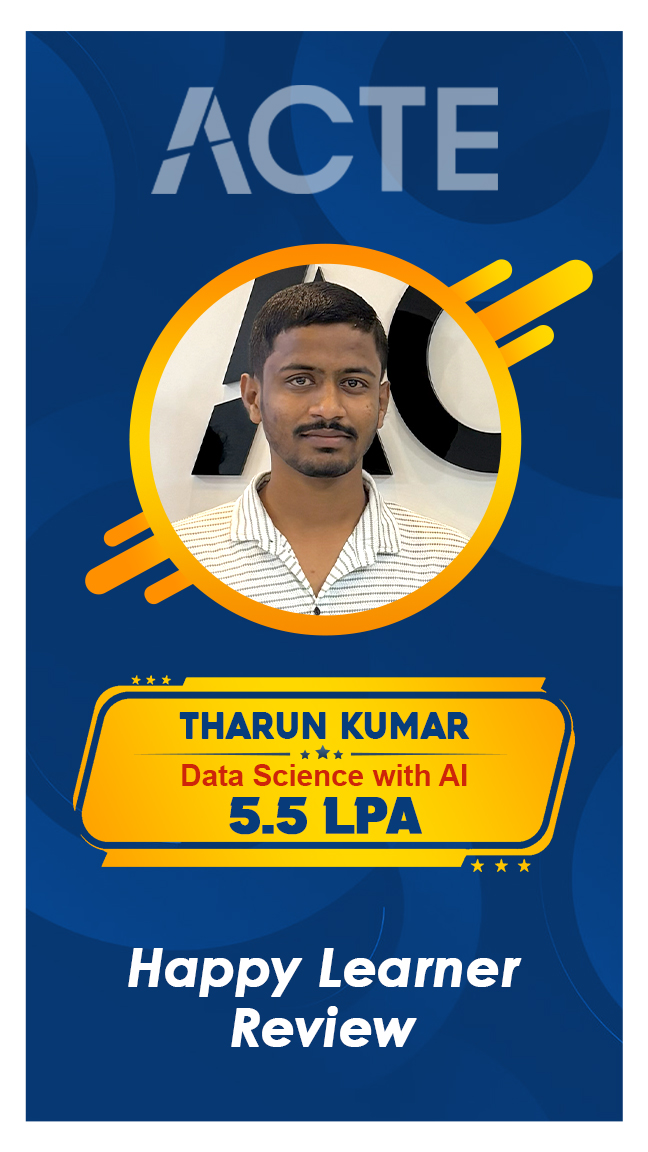
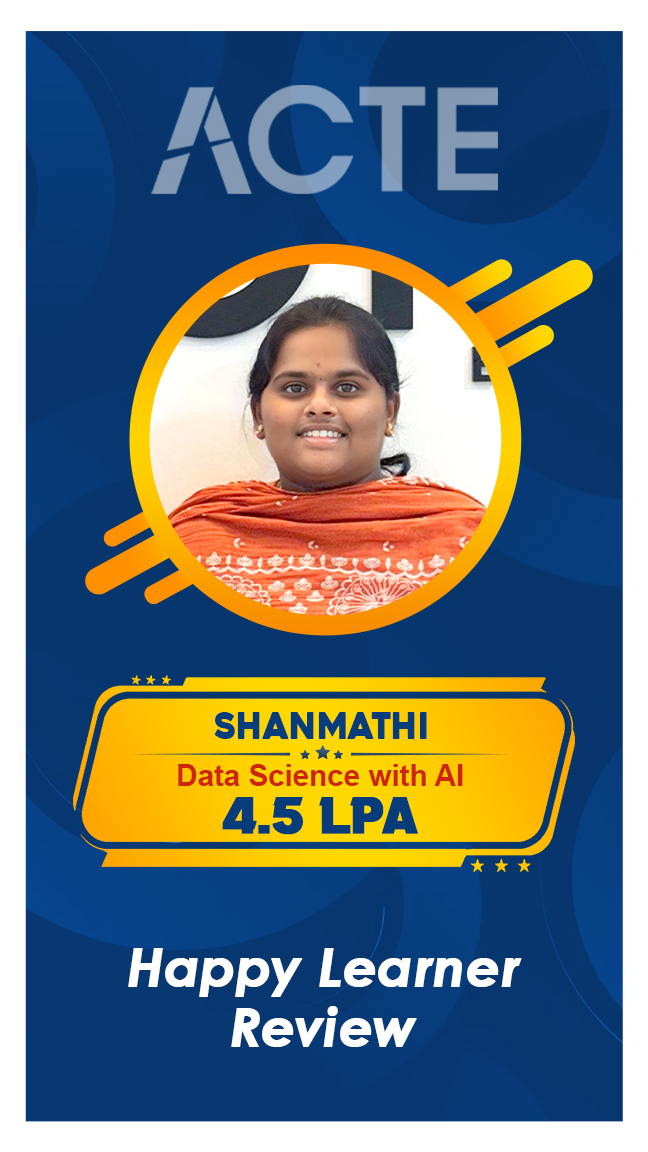
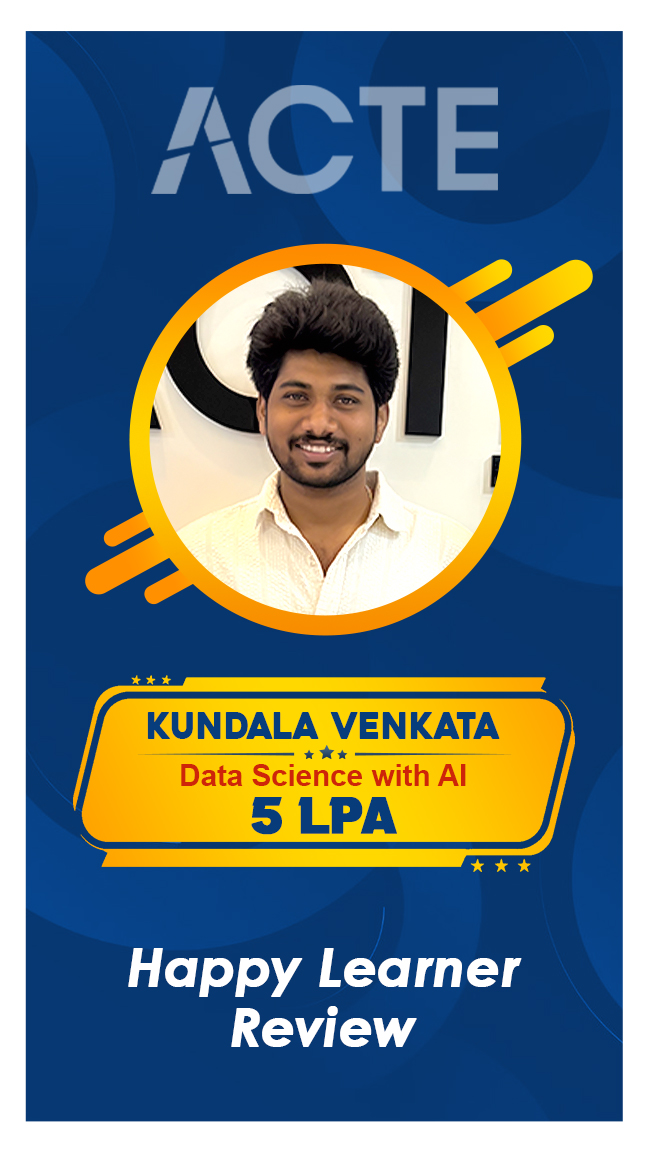
Our Student Successful Story
 Regular 1:1 Mentorship From Industry Experts
Live Classes
Career Support
Regular 1:1 Mentorship From Industry Experts
Live Classes
Career Support

Sandeep Kumar D
Software Engineer, Cisco Systems )

Vinoth P
UI Developer, TCS
Vijeyalakshme kannan
QA Engineer, Amazon Development Center
Pranav Srinivas
Software Testing, Capgemini
Prasanna
SAP Admin, HCLHow are the Data Science Course with LearnoVita Different?
Feature
LearnoVita
Other Institutes
Affordable Fees
Competitive Pricing With Flexible Payment Options.
Higher Data Science Fees With Limited Payment Options.
Live Class From ( Industry Expert)
Well Experienced Trainer From a Relevant Field With Practical Data Science Training
Theoretical Class With Limited Practical
Updated Syllabus
Updated and Industry-relevant Data Science Course Curriculum With Hands-on Learning.
Outdated Curriculum With Limited Practical Training.
Hands-on projects
Real-world Data Science Projects With Live Case Studies and Collaboration With Companies.
Basic Projects With Limited Real-world Application.
Certification
Industry-recognized Data Science Certifications With Global Validity.
Basic Data Science Certifications With Limited Recognition.
Placement Support
Strong Placement Support With Tie-ups With Top Companies and Mock Interviews.
Basic Placement Support
Industry Partnerships
Strong Ties With Top Tech Companies for Internships and Placements
No Partnerships, Limited Opportunities
Batch Size
Small Batch Sizes for Personalized Attention.
Large Batch Sizes With Limited Individual Focus.
Additional Features
Lifetime Access to Data Science Course Materials, Alumni Network, and Hackathons.
No Additional Features or Perks.
Training Support
Dedicated Mentors, 24/7 Doubt Resolution, and Personalized Guidance.
Limited Mentor Support and No After-hours Assistance.
Data Science Course FAQ's
- LearnoVita is dedicated to assisting job seekers in seeking, connecting, and achieving success, while also ensuring employers are delighted with the ideal candidates.
- Upon successful completion of a career course with LearnoVita, you may qualify for job placement assistance. We offer 100% placement assistance and maintain strong relationships with over 650 top MNCs.
- Our Placement Cell aids students in securing interviews with major companies such as Oracle, HP, Wipro, Accenture, Google, IBM, Tech Mahindra, Amazon, CTS, TCS, Sports One , Infosys, MindTree, and MPhasis, among others.
- LearnoVita has a legendary reputation for placing students, as evidenced by our Placed Students' List on our website. Last year alone, over 5400 students were placed in India and globally.
- We conduct development sessions, including mock interviews and presentation skills training, to prepare students for challenging interview situations with confidence. With an 85% placement record, our Placement Cell continues to support you until you secure a position with a better MNC.
- Please visit your student's portal for free access to job openings, study materials, videos, recorded sections, and top MNC interview questions.

- Build a Powerful Resume for Career Success
- Get Trainer Tips to Clear Interviews
- Practice with Experts: Mock Interviews for Success
- Crack Interviews & Land Your Dream Job
Global Quality Training
At The Lowest Fees & Expert Trainer








Need custom pricing?

