Home » Others Courses » Blockchain Training in Visakhapatnam

Blockchain Training in Visakhapatnam

(4.5) 19563 Ratings
  • Enroll in the Blockchain Course in Visakhapatnam to understand decentralized application design.
  • Master key components such as blockchain architecture, cryptographic security, and network protocols.
  • Gain hands-on experience through real-time projects, smart contract coding, testing, and live deployment activities.
  • Ideal for Blockchain enthusiasts, Developers, Architects, and IT Professionals exploring decentralized technologies.
  • Choose from flexible batch timings: Weekday, Weekend, or Fast-Track learning schedules.
  • Benefit from placement assistance, interview preparation, and certification guidance.

Course Duration

50+ Hrs

Live Project

3 Project

Certification Pass

Guaranteed

Training Format

Live Online (Expert Trainers)
Quality Training With Affordable Fee

⭐ Fees Starts From

INR 38,000
INR 18,500

11068+

Professionals Trained

10+

Batches every month

2689+

Placed Students

196+

Corporate Served

What You'll Learn

Blockchain builds strong understanding of decentralized systems, helping learners see how transparent transaction networks power real-world platforms.

Study Blockchain architecture basics including consensus logic, node communication, and smart contracts so learners clearly understand how distributed platforms function in live environments.

Design practical Blockchain solutions by creating smart contracts and testing transaction flows, turning theoretical knowledge into hands-on technical confidence.

Gain real exposure through guided labs where Blockchain dashboards, testing tools, and deployment steps are configured directly by learners.

Explore advanced Blockchain features like token systems, cryptographic validation, and decentralized apps to stay aligned with fast industry evolution.

Build career-ready expertise through Blockchain training in Visakhapatnam, connecting technical skills with real employer expectations in emerging tech sectors.

An Comprehensive Overview of Blockchain Course

The Blockchain Course in Visakhapatnam is structured to build deep practical knowledge of distributed networks, smart contracts, and secure digital transactions while strengthening real technical confidence. Through Blockchain training in Visakhapatnam, learners work on guided labs, live environments, and mentor-driven exercises that mirror industry workflows. The Blockchain Certification Course in Visakhapatnam supports flexible learning modes, allowing students to balance structured instruction with self-paced practice. This Blockchain training course sharpens problem-solving ability, improves deployment skills, and prepares participants for advanced roles in modern decentralized technology ecosystems.

Additional Info

Future Trends for Blockchain Training

  • AI-Integrated Smart Contracts: Future Blockchain training will increasingly focus on intelligent smart contracts that can respond to real-time data and automated decision systems. Learners will study how AI models interact with decentralized code to create adaptive digital agreements. This shift prepares professionals to design contracts that evolve instead of remaining static. Training will emphasize predictive automation, risk scoring, and dynamic execution logic. As industries demand smarter decentralized tools, developers must understand how to combine AI pipelines with blockchain security. Programs will highlight hands-on experimentation with hybrid architectures. This direction ensures learners stay aligned with next-generation decentralized innovation.
  • Interoperable Blockchain Networks: Modern Blockchain training is moving toward multi-chain communication rather than isolated ecosystems. Professionals must understand how independent ledgers exchange data securely and efficiently. Future courses will explore cross-chain bridges, interoperability frameworks, and shared validation layers. Learners will gain insight into designing systems that operate across several platforms without sacrificing speed or trust. This knowledge becomes essential as enterprises adopt multiple blockchain environments simultaneously. Training will stress architectural thinking and protocol compatibility. Such skills position learners to build scalable decentralized infrastructures.
  • Decentralized Identity Systems: Identity protection is becoming a central theme in Blockchain training programs. Future professionals will learn how decentralized identity replaces centralized authentication systems. Training will cover verifiable credentials, privacy-preserving authentication, and self-sovereign identity frameworks. These models allow individuals to control their personal data without relying on third parties. As digital identity theft rises, decentralized identity becomes a major technological safeguard. Courses will simulate real identity networks to strengthen implementation skills. This prepares learners to design privacy-first authentication ecosystems.
  • Green and Sustainable Blockchain: Energy efficiency is shaping the future of Blockchain education. Training programs will highlight eco-friendly consensus mechanisms and optimized validation strategies. Learners will explore alternatives that reduce computational waste while maintaining network integrity. Sustainable blockchain engineering is becoming a competitive advantage for organizations. Future training emphasizes environmental responsibility alongside performance. Developers will learn to design scalable systems with lower energy impact. This trend ensures blockchain growth aligns with global sustainability goals.
  • Enterprise Blockchain Adoption: Blockchain training is expanding beyond startups into enterprise infrastructure. Learners will focus on integrating decentralized systems with existing corporate technology stacks. Programs will teach architecture planning, enterprise security controls, and system migration strategies. Businesses demand professionals who can bridge traditional IT with blockchain ecosystems. Training will simulate enterprise deployment scenarios to build real operational confidence. Participants will learn governance models suitable for corporate environments. This prepares them to lead enterprise-level blockchain transformation.
  • Tokenized Digital Economies: Future Blockchain training will explore how token systems power new economic structures. Learners will understand asset tokenization, programmable value exchange, and digital ownership frameworks. These systems reshape finance, gaming, and digital marketplaces. Training will highlight economic modeling alongside technical development. Students will simulate token ecosystems to understand behavioral and financial dynamics. This prepares professionals to design stable and scalable token infrastructures. The focus moves from coding alone to economic engineering.
  • Privacy-Focused Blockchain Design: Security training is shifting toward privacy-enhanced blockchain frameworks. Learners will explore zero-knowledge proofs, confidential transactions, and encrypted ledger operations. These technologies protect user data while maintaining transparency. Future professionals must design systems that balance openness with confidentiality. Training will include simulations of secure decentralized networks. Participants gain skills in advanced cryptographic protection. This specialization becomes critical as data privacy regulations tighten globally.
  • Blockchain and IoT Integration: The connection between blockchain and connected devices is shaping new training priorities. Learners will study how decentralized ledgers secure IoT ecosystems. Training will demonstrate device authentication, automated trust systems, and tamper-proof logging. As smart infrastructure expands, secure machine communication becomes essential. Courses will emphasize real-time integration experiments. Professionals will design frameworks that protect distributed device networks. This prepares them for emerging smart technology environments.
  • Decentralized Finance Evolution: Financial systems built on blockchain are rapidly transforming global transactions. Training programs will focus on decentralized lending, trading protocols, and automated liquidity systems. Learners will analyze how blockchain replaces traditional intermediaries. Courses will simulate digital financial ecosystems to strengthen operational understanding. This prepares professionals to engineer secure and scalable financial tools. The emphasis shifts toward economic reliability and user trust. Such knowledge is essential for future fintech innovation.
  • Regulatory-Aware Blockchain Development: Future Blockchain training must address legal and compliance landscapes. Learners will understand how decentralized systems interact with regulatory frameworks. Courses will explore governance models, audit trails, and transparent reporting mechanisms. Professionals must design systems that function within legal boundaries. Training will simulate compliance-driven architecture planning. This ensures graduates can work confidently in regulated industries. Regulatory literacy becomes as important as technical expertise in modern blockchain careers.

Tools and Technologies for Blockchain Training

  • Ethereum Development Frameworks: Ethereum frameworks form the backbone of modern Blockchain training because they allow learners to build, test, and deploy decentralized applications in controlled environments. Students practice writing smart contracts while understanding network behavior under real conditions. These frameworks simplify complex blockchain interactions into manageable workflows. Training focuses on debugging, simulation, and deployment confidence. Mastery here builds a strong foundation for advanced decentralized engineering.
  • Hyperledger Fabric Platform: Hyperledger Fabric introduces learners to permissioned blockchain ecosystems used in enterprise environments. Training explores modular architecture, identity control, and scalable transaction processing. Students understand how private blockchain networks differ from public chains. The platform teaches structured governance and controlled data sharing. Exposure to Fabric prepares professionals for corporate blockchain adoption scenarios.
  • Solidity Programming Environment: Solidity remains a critical tool for Blockchain training because it powers smart contract logic. Learners develop secure contract structures and study vulnerability prevention techniques. Training emphasizes precision coding and transaction safety. Participants simulate contract execution under multiple conditions. This environment strengthens logical thinking and decentralized application design skills.
  • Truffle Development Suite: Truffle supports rapid blockchain development through automated testing and deployment workflows. Students learn to organize smart contract projects professionally. The suite introduces version control thinking within decentralized coding. Training highlights repeatable build processes and test-driven contract design. This tool helps learners move from experimentation to production-ready development.
  • Ganache Simulation Network: Ganache provides a personal blockchain used for experimentation without financial risk. Training programs use it to simulate transactions instantly. Learners observe network behavior and debug smart contracts in real time. This controlled sandbox accelerates understanding of blockchain mechanics. It encourages safe trial-and-error learning essential for beginners.
  • Metamask Wallet Interface: Metamask teaches how users interact with blockchain applications through secure wallet connections. Learners understand authentication, digital signatures, and transaction approvals. Training covers real user workflows instead of abstract theory. Students gain insight into blockchain usability and security awareness. This bridges technical knowledge with real-world adoption.
  • Remix Smart Contract IDE: Remix acts as an accessible browser-based coding studio for smart contracts. Training introduces rapid prototyping and instant execution feedback. Learners experiment with contract behavior without heavy setup. The IDE helps visualize blockchain interactions clearly. It becomes a practical entry point into decentralized programming.
  • IPFS Storage Network: IPFS demonstrates decentralized data storage beyond traditional servers. Learners explore how distributed file systems support blockchain ecosystems. Training emphasizes resilience, redundancy, and censorship resistance. Students understand how off-chain storage complements smart contracts. This knowledge expands architectural thinking in decentralized design.
  • Web3 Development Libraries: Web3 libraries connect blockchain networks with web applications. Training shows how front-end interfaces communicate with smart contracts. Learners practice building user-friendly decentralized apps. These libraries translate blockchain complexity into accessible digital experiences. Understanding Web3 is essential for full-stack blockchain development.
  • Docker Container Environment: Docker introduces containerization into Blockchain training for consistent deployment. Learners package blockchain nodes into portable environments. Training highlights scalability, reproducibility, and infrastructure stability. Students simulate real production setups using container orchestration. This prepares professionals for managing decentralized systems at scale.

Roles and Responsibilities for Blockchain Training

  • Blockchain Analyst: A Blockchain Analyst studies transaction flows, network patterns, and decentralized data behavior to support informed technical decisions. They evaluate blockchain performance and identify improvement opportunities. Training prepares them to interpret ledger activity accurately. Analysts translate complex blockchain metrics into understandable insights. Their role bridges raw technical output with strategic direction.
  • Blockchain Developer: A Blockchain Developer builds smart contracts and decentralized applications from the ground up. They write secure code that governs automated transactions. Training emphasizes clean architecture and error-resistant logic. Developers test and refine blockchain solutions before deployment. Their work directly shapes how decentralized platforms operate.
  • Blockchain Consultant: A Blockchain Consultant advises organizations on adopting distributed technologies effectively. They analyze business needs and recommend blockchain integration strategies. Training strengthens their ability to match technology with operational goals. Consultants explain technical concepts to non-technical stakeholders. Their guidance reduces risk during digital transformation.
  • Blockchain Engineer: A Blockchain Engineer designs and maintains blockchain infrastructure at scale. They configure nodes, optimize network performance, and ensure reliability. Training focuses on system resilience and scalability. Engineers handle complex backend architecture decisions. Their responsibility keeps decentralized environments stable and efficient.
  • Smart Contract Auditor: A Smart Contract Auditor reviews code to detect vulnerabilities and logical flaws. They simulate attack scenarios to protect blockchain assets. Training sharpens attention to detail and security awareness. Auditors prevent costly execution errors before deployment. Their work strengthens trust in decentralized systems.
  • Blockchain Architect: A Blockchain Architect defines the technical blueprint of distributed platforms. They select frameworks, protocols, and infrastructure models. Training prepares them to design long-term scalable systems. Architects align technical structure with organizational needs. Their planning determines the success of blockchain ecosystems.
  • Blockchain Security Specialist: A Blockchain Security Specialist protects networks from exploitation and fraud. They monitor threats and strengthen defensive mechanisms. Training builds expertise in cryptography and risk assessment. Specialists respond quickly to suspicious activity. Their vigilance preserves system integrity.
  • Decentralized Application Designer: A DApp Designer focuses on usability within blockchain applications. They ensure interfaces remain intuitive despite technical complexity. Training connects user experience with backend blockchain logic. Designers balance security with accessibility. Their work encourages adoption of decentralized tools.
  • Blockchain Researcher: A Blockchain Researcher explores emerging protocols and evolving technologies. They test new consensus models and scalability methods. Training fosters experimentation and analytical thinking. Researchers guide future innovation in decentralized systems. Their discoveries influence next-generation platforms.
  • Blockchain Support Engineer: A Blockchain Support Engineer maintains operational continuity in live environments. They troubleshoot node issues and transaction failures. Training prepares them for rapid problem resolution. Engineers ensure smooth daily functioning of blockchain services. Their role minimizes downtime and disruption.

Companies Hiring Blockchain Professionals

  • IBM: IBM actively invests in enterprise blockchain platforms that support secure digital transactions and transparent record systems. The company hires blockchain professionals to build scalable distributed solutions for finance, healthcare, and logistics sectors. Training in blockchain prepares candidates to work with enterprise-grade frameworks. IBM values engineers who understand both architecture and implementation. Skilled learners can contribute to real-world innovation inside global technology ecosystems.
  • Microsoft: Microsoft integrates blockchain into cloud infrastructure through Azure-based decentralized services. Professionals trained in blockchain help design secure applications for global clients. The company looks for talent that understands smart contracts and distributed security. Employees work on large-scale digital transformation initiatives. Strong blockchain training aligns directly with Microsoft’s innovation-driven environment.
  • Amazon Web Services: AWS supports blockchain networks through managed services that simplify deployment. Companies using AWS require specialists who can configure and maintain decentralized systems. Blockchain-trained professionals assist clients in launching production-ready networks. The work involves automation, monitoring, and performance optimization. AWS environments reward technical adaptability and deep infrastructure knowledge.
  • Accenture: Accenture builds blockchain solutions for enterprises modernizing their digital infrastructure. Professionals with blockchain expertise help clients redesign transaction systems. The firm values practical implementation skills over theoretical knowledge. Employees collaborate with cross-industry teams to deliver secure platforms. Blockchain training strengthens employability in consulting-driven tech environments.
  • Infosys: Infosys integrates blockchain into financial systems and digital identity solutions. The company recruits professionals capable of building efficient distributed applications. Blockchain expertise supports enterprise clients transitioning to decentralized frameworks. Employees contribute to innovation labs focused on emerging technology. Strong training helps candidates align with Infosys’ transformation projects.
  • Tata Consultancy Services: TCS develops blockchain platforms for banking, healthcare, and public sector networks. Professionals design secure transaction ecosystems and scalable infrastructure. Blockchain-trained engineers work on global enterprise deployments. The company values technical precision and reliability. Practical blockchain skills open doors to high-impact digital initiatives.
  • Wipro: Wipro explores blockchain for cybersecurity and transparent digital ecosystems. Professionals assist in building secure distributed platforms for corporate clients. Training helps candidates understand enterprise blockchain architecture. Wipro seeks adaptable engineers who can support evolving technologies. Skilled specialists become part of large transformation programs.
  • Oracle: Oracle incorporates blockchain into cloud database solutions and enterprise systems. Professionals trained in blockchain help manage secure digital ledgers. The company focuses on scalable, performance-driven architecture. Engineers work on integrating blockchain with cloud services. Knowledge of decentralized infrastructure increases hiring potential.
  • Capgemini: Capgemini delivers blockchain-driven modernization strategies for international clients. Professionals contribute to building resilient distributed platforms. Blockchain expertise supports innovation in finance and digital identity. Employees operate within collaborative global teams. Training prepares candidates for complex enterprise environments.
  • Deloitte: Deloitte uses blockchain to strengthen audit transparency and digital trust frameworks. Professionals design systems that improve transaction reliability. Blockchain training aligns with consulting and advisory services. Employees apply technical knowledge to real business challenges. Skilled candidates support future-focused technology initiatives.
View more

Blockchain Training Course Objectives

A basic understanding of programming logic, computer networks, and databases is helpful before starting Blockchain training, but beginners can still learn with guided instruction. Familiarity with concepts like web applications or scripting gives learners an advantage. The course is structured to gradually build technical confidence. Curiosity about decentralized systems matters more than prior expertise. Consistent practice ensures steady progress.
Blockchain training equips learners with practical skills to design decentralized applications, understand smart contracts, and work with secure digital ledgers. It improves problem-solving ability and technical reasoning. Students gain exposure to tools used in modern distributed systems. The knowledge applies to fintech, cybersecurity, and emerging digital platforms. This training strengthens long-term career adaptability.
  • Decentralized finance platforms
  • Digital identity systems
  • Secure healthcare records
  • Transparent voting infrastructure
  • Smart contract automation
  • Cross-border digital payments
  • Asset tokenization markets
Blockchain has become a strategic technology for organizations seeking secure and transparent digital operations. Companies value professionals who understand distributed architecture and cryptographic trust models. Demand continues growing across finance, cloud services, and cybersecurity. Skilled blockchain specialists are seen as innovation drivers. This makes training highly relevant for future-focused careers.
  • Blockchain architecture fundamentals
  • Smart contract development
  • Cryptography principles
  • Consensus mechanisms
  • Decentralized application design
  • Blockchain security models
  • Network deployment basics
Yes, the training emphasizes practical exposure through guided projects that simulate live blockchain environments. Learners write smart contracts, deploy test networks, and troubleshoot transaction behavior. These exercises reflect industry workflows. Hands-on work strengthens technical confidence. Realistic scenarios prepare students for workplace expectations.
  • Financial technology
  • Banking systems
  • Healthcare data services
  • Government digital platforms
  • Cybersecurity firms
  • Supply verification sectors
  • Cloud infrastructure providers
Blockchain training significantly improves job readiness. It builds demonstrable skills that employers actively seek. Career success depends on practice, portfolio strength, and interview performance. Training creates opportunity, not automatic placement. Prepared learners stand out in competitive markets.
  • Strong decentralized system knowledge
  • Smart contract coding ability
  • Improved technical problem-solving
  • Industry-relevant practical exposure
  • Better career mobility
  • Understanding of digital security
  • Confidence in emerging technologies
Participants gain proficiency in Ethereum frameworks, Solidity environments, Truffle, Ganache, Remix IDE, Web3 libraries, Docker containers, and decentralized storage tools used for real blockchain development.
view More view Less

Blockchain Course Benefits

The Blockchain course in Visakhapatnam immerses learners in live development environments where automation workflows and deployment pipelines are practiced, not just explained. Students sharpen their abilities through guided lab sessions that mirror how decentralized systems are built in real companies. The program explores modern engineering ideas such as containerized blockchain networks, CI/CD integration, and infrastructure scripting, allowing students to understand how large-scale systems operate. This exposure prepares them to step directly into active technical roles.

  • Designation
  • Annual Salary
    Hiring Companies
  • 4.54L
    Min
  • 6.98L
    Average
  • 13.07L
    Max
  • 4.70L
    Min
  • 7.57L
    Average
  • 13.5L
    Max
  • 4.9L
    Min
  • 8.05L
    Average
  • 14.2L
    Max
  • 5.24L
    Min
  • 8.5L
    Average
  • 14.5L
    Max

About Blockchain Certification Training

The Blockchain certification course in Visakhapatnam builds strong expertise in designing and deploying decentralized systems through structured, mentor-led training. Learners work on real Blockchain projects that simulate live environments and strengthen practical engineering skills. Hands-on sessions focus on smart contracts, distributed ledgers, and application integration so students understand how blockchain works beyond theory. With active hiring partnerships and placement support, the program prepares learners to step into professional blockchain roles immediately after completion.

Top Skills You Will Gain
  • Smart Contracts
  • Cryptography Basics
  • Distributed Systems
  • Token Design
  • Network Security
  • DApp Development
  • Consensus Mechanisms
  • Data Structures

12+ Blockchain Tools

Online Classroom Batches Preferred

Weekdays (Mon - Fri)
20 - July - 2026
08:00 AM (IST)
Weekdays (Mon - Fri)
22 - July - 2026
08:00 AM (IST)
Weekend (Sat)
25 - July - 2026
11:00 AM (IST)
Weekend (Sun)
26 - July - 2026
11:00 AM (IST)
Can't find a batch you were looking for?
₹38,000 ₹18,500 10% OFF Expires in

No Interest Financing start at ₹ 5000 / month

Corporate Training

  • Customized Learning
  • Enterprise Grade Learning Management System (LMS)
  • 24x7 Support
  • Enterprise Grade Reporting

Not Just Studying
We’re Doing Much More!

Empowering Learning Through Real Experiences and Innovation

Hiring
Hiring
Hiring
Hiring
Hiring
Hiring
Hiring
User
User
User
User
User
User

Blockchain Course Curriculum

Trainers Profile

The Blockchain course in Visakhapatnam is guided by industry practitioners who bring deep field experience in decentralized security and real production systems. Training is designed around practical execution so learners understand how blockchain behaves outside textbooks. Students receive structured Blockchain training materials that simplify complex distributed concepts into step-by-step learning. These resources support continuous practice and reinforce technical clarity.

Syllabus for Blockchain Course Download syllabus

  • Introduction to Blockchain
  • History of Distributed Ledgers
  • Centralized vs Decentralized Systems
  • Blockchain Terminology
  • Real-World Use Scenarios
  • Hash Functions
  • Digital Signatures
  • Public and Private Keys
  • Encryption Concepts
  • Wallet Structures
  • Blocks and Chains
  • Peer-to-Peer Networks
  • Nodes and Validation
  • Transaction Lifecycle
  • Ledger Structure
  • Proof of Work
  • Proof of Stake
  • Delegated Consensus
  • Network Agreement Models
  • Fork Handling
  • Smart Contract Logic
  • Solidity Introduction
  • Contract Deployment
  • Testing Contracts
  • Error Handling
  • Ethereum Network Structure
  • Gas and Transactions
  • Tokens and Standards
  • Wallet Integration
  • Test Networks
  • Remix IDE Setup
  • Truffle Framework
  • Ganache Simulation
  • Hardhat Tools
  • Debugging Workflows
  • DApp Architecture
  • Frontend Integration
  • Web3 Libraries
  • User Authentication
  • Event Handling
  • Contract Vulnerabilities
  • Attack Vectors
  • Defensive Coding
  • Network Risks
  • Security Monitoring
  • Hyperledger Overview
  • Fabric Components
  • Channels and Ledgers
  • Identity Services
  • Private Networks
(15) view More view Less
Need customized curriculum?

REAL

start
STORIES SUCCESS INSPIRATION
CAREER
UPGRADE
sowmiya

sowmiya

CAREER
UPGRADE
Rajkumar

Rajkumar

CAREER
UPGRADE
Thon

Thon

CAREER
UPGRADE
lavanya

Lavanya

Industry Projects

Project 1
Secure Voting Ledger

Build a tamper-resistant voting platform using blockchain where each vote is cryptographically recorded and verified. The project teaches smart contract design, identity validation, and transparent ledger tracking while demonstrating how decentralized systems protect data integrity.

Project 2
Digital Asset Marketplace

Create a blockchain-powered marketplace for issuing and transferring digital assets. Learners design token contracts, wallet interaction flows, and transaction verification systems, gaining experience in secure asset handling and decentralized application architecture.

Project 3
Healthcare Record Chain

Develop a blockchain ledger to store encrypted patient records with permission-based access. The project focuses on privacy protection, smart contract authorization, and distributed storage, showing how blockchain strengthens data trust in sensitive environments.

Our Hiring Partner

Exam & Blockchain Certification

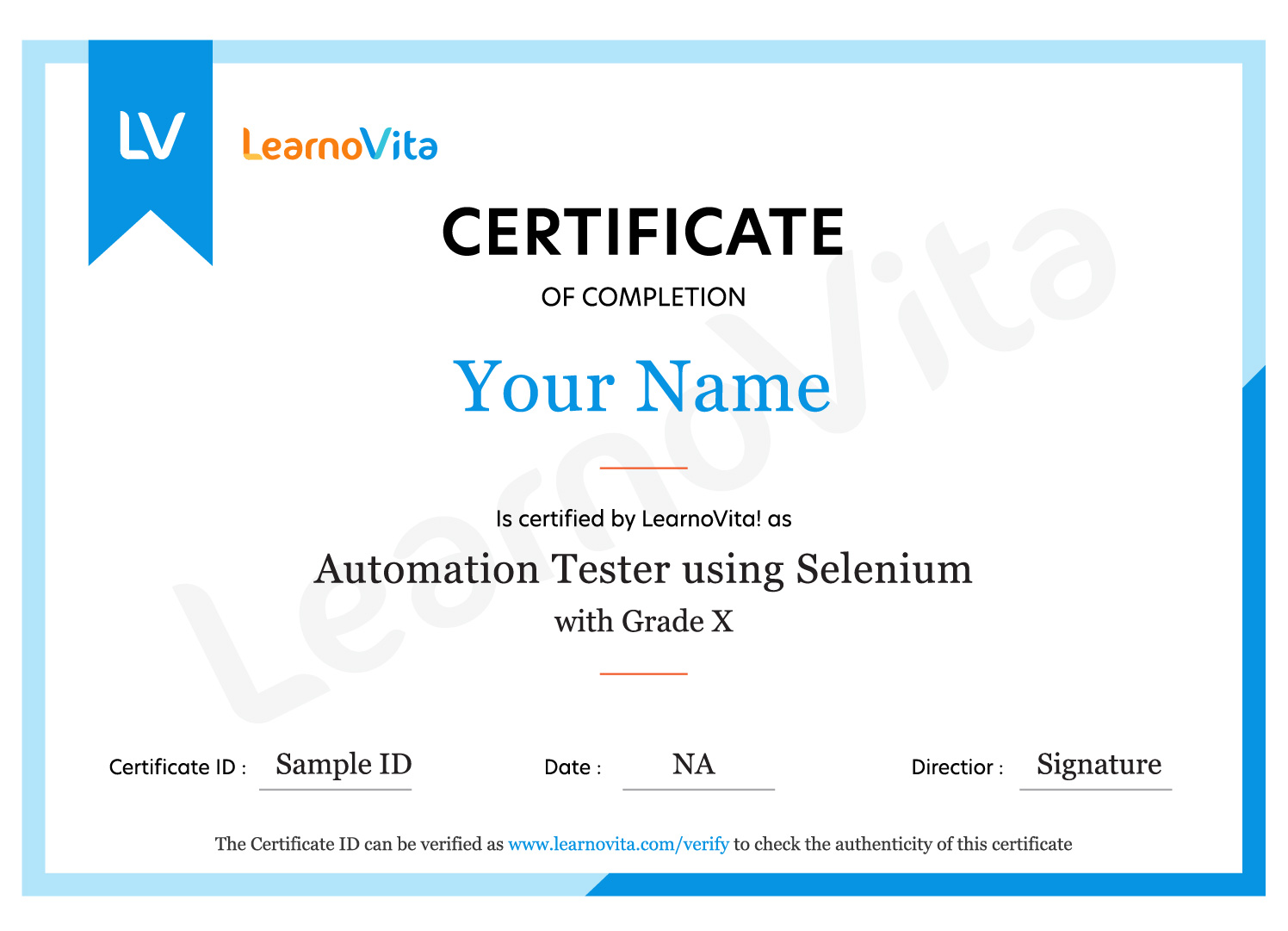
A Blockchain certification validates that you can design, deploy, and troubleshoot decentralized systems with confidence. It signals practical technical ability rather than surface-level knowledge. Certified professionals often gain stronger credibility with employers and clients. It also helps structure your learning path and proves commitment to emerging technology. This recognition can accelerate entry into specialized technical roles.
  • Basic programming familiarity
  • Understanding of computer networks
  • Awareness of databases
  • Interest in cryptography concepts
  • Comfort with logical problem solving
Certification alone cannot promise employment, but it significantly strengthens your professional profile. Employers look for demonstrated skills combined with practical experience. A certification improves interview confidence and technical credibility. Job success still depends on projects, persistence, and communication ability. It acts as a gateway, not a guarantee.
  • Blockchain Developer
  • Smart Contract Engineer
  • Blockchain Analyst
  • Decentralized Application Developer
  • Blockchain Security Specialist
  • Blockchain Consultant
Blockchain certification positions you in a fast-growing technical niche where skilled professionals are still limited. It expands your ability to work on cutting-edge systems and innovation-driven projects. Certified knowledge improves adaptability as technology evolves. It also increases your value in cross-functional teams. Over time, it supports transition into higher-impact engineering roles.

MNC Recognized course
complete certification
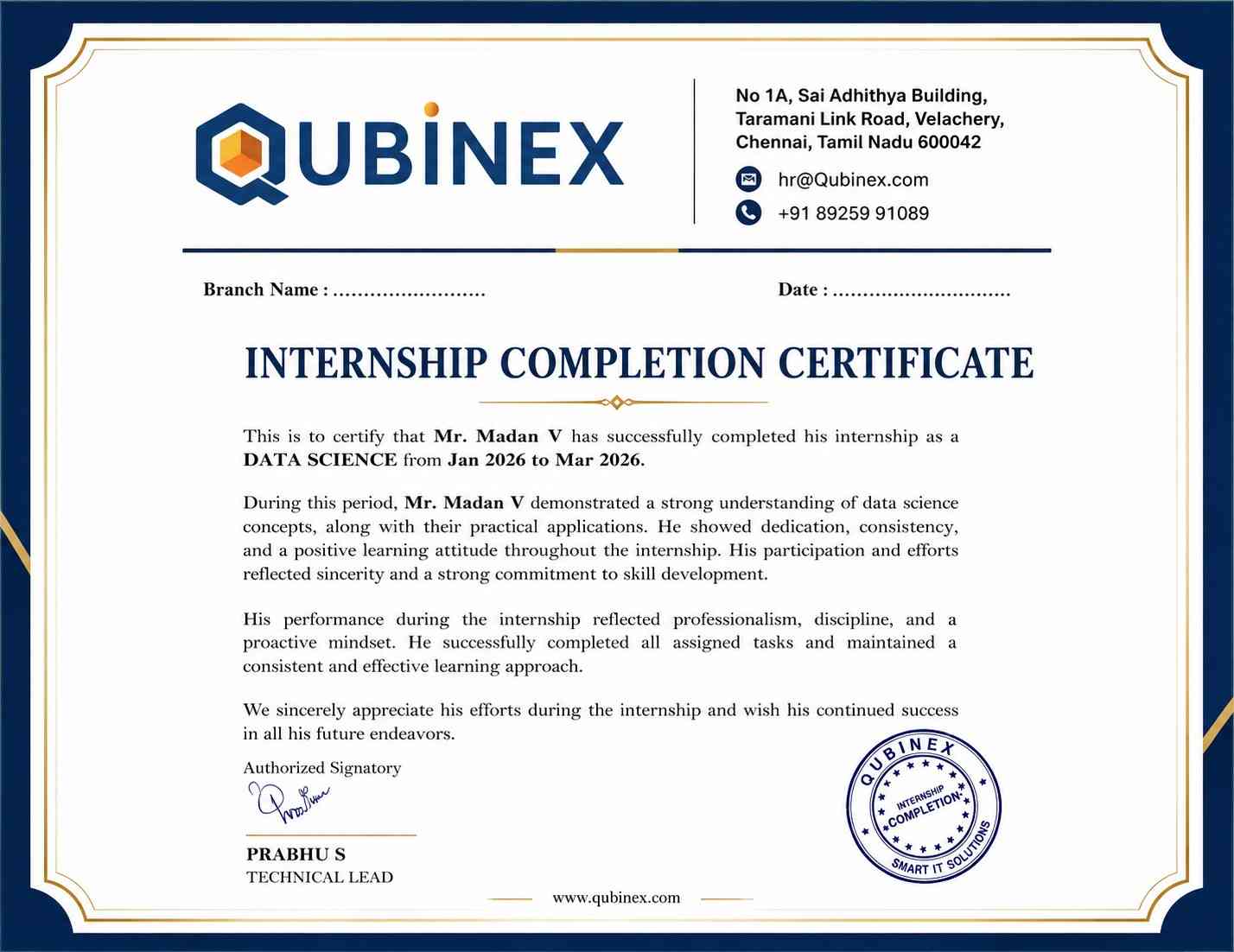
Intership
complete certification

Placement
complete certification

Our learners
transformed their careers

35 Laks
Highest Salary Offered
50%
Average Salary Hike
30K+
Placed in MNC's
15+
Year's in Training
Our Alumni
Alumni

A majority of our alumni

fast-tracked into managerial careers.

Get inspired by their progress in the Career Growth Report.

Our Student Successful Story

checkimage Regular 1:1 Mentorship From Industry Experts checkimage Live Classes checkimage Career Support

How are the Blockchain Course with LearnoVita Different?

Feature

LearnoVita

Other Institutes

Affordable Fees

Competitive Pricing With Flexible Payment Options.

Higher Blockchain Fees With Limited Payment Options.

Live Class From ( Industry Expert)

Well Experienced Trainer From a Relevant Field With Practical Blockchain Training

Theoretical Class With Limited Practical

Updated Syllabus

Updated and Industry-relevant Blockchain Course Curriculum With Hands-on Learning.

Outdated Curriculum With Limited Practical Training.

Hands-on projects

Real-world Blockchain Projects With Live Case Studies and Collaboration With Companies.

Basic Projects With Limited Real-world Application.

Certification

Industry-recognized Blockchain Certifications With Global Validity.

Basic Blockchain Certifications With Limited Recognition.

Placement Support

Strong Placement Support With Tie-ups With Top Companies and Mock Interviews.

Basic Placement Support

Industry Partnerships

Strong Ties With Top Tech Companies for Internships and Placements

No Partnerships, Limited Opportunities

Batch Size

Small Batch Sizes for Personalized Attention.

Large Batch Sizes With Limited Individual Focus.

Additional Features

Lifetime Access to Blockchain Course Materials, Alumni Network, and Hackathons.

No Additional Features or Perks.

Training Support

Dedicated Mentors, 24/7 Doubt Resolution, and Personalized Guidance.

Limited Mentor Support and No After-hours Assistance.

Blockchain Course FAQ's

Certainly, you are welcome to join the demo session. However, due to our commitment to maintaining high-quality standards, we limit the number of participants in live sessions. Therefore, participation in a live class without enrollment is not feasible. If you're unable to attend, you can review our pre-recorded session featuring the same trainer. This will provide you with a comprehensive understanding of our class structure, instructor quality, and level of interaction.
All of our instructors are employed professionals in the industry who work for prestigious companies and have a minimum of 9 to 12 years of significant IT field experience. A great learning experience is provided by all of these knowledgeable people at LearnoVita.
  • LearnoVita is dedicated to assisting job seekers in seeking, connecting, and achieving success, while also ensuring employers are delighted with the ideal candidates.
  • Upon successful completion of a career course with LearnoVita, you may qualify for job placement assistance. We offer 100% placement assistance and maintain strong relationships with over 650 top MNCs.
  • Our Placement Cell aids students in securing interviews with major companies such as Oracle, HP, Wipro, Accenture, Google, IBM, Tech Mahindra, Amazon, CTS, TCS, Sports One , Infosys, MindTree, and MPhasis, among others.
  • LearnoVita has a legendary reputation for placing students, as evidenced by our Placed Students' List on our website. Last year alone, over 5400 students were placed in India and globally.
  • We conduct development sessions, including mock interviews and presentation skills training, to prepare students for challenging interview situations with confidence. With an 85% placement record, our Placement Cell continues to support you until you secure a position with a better MNC.
  • Please visit your student's portal for free access to job openings, study materials, videos, recorded sections, and top MNC interview questions.
LearnoVita Certification is awarded upon course completion and is recognized by all of the world's leading global corporations. LearnoVita are the exclusive authorized Oracle, Microsoft, Pearson Vue, and Blockchain I exam centers, as well as an authorized partner of Blockchain . Additionally, those who want to pass the National Authorized Certificate in a specialized IT domain can get assistance from LearnoVita's technical experts.
As part of the training program, LearnoVita provides you with the most recent, pertinent, and valuable real-world projects. Every program includes several projects that rigorously assess your knowledge, abilities, and real-world experience to ensure you are fully prepared for the workforce. Your abilities will be equivalent to six months of demanding industry experience once the tasks are completed.
At LearnoVita, participants can choose from instructor-led online training, self-paced training, classroom sessions, one-to-one training, fast-track programs, customized training, and online training options. Each mode is designed to provide flexibility and convenience to learners, allowing them to select the format that best suits their needs. With a range of training options available, participants can select the mode that aligns with their learning style, schedule, and career goals to excel in Blockchain .
LearnoVita guarantees that you won't miss any topics or modules. You have three options to catch up: we'll reschedule classes to suit your schedule within the course duration, provide access to online class presentations and recordings, or allow you to attend the missed session in another live batch.
Please don't hesitate to reach out to us at contact@learnovita.com if you have any questions or need further clarification.
To enroll in the Blockchain at LearnoVita, you can conveniently register through our website or visit any of our branches in India for direct assistance.
Yes, after you've enrolled, you will have lifetime access to the student portal's study materials, videos, and top MNC interview questions.
At LearnoVita, we prioritize individual attention for students, ensuring they can clarify doubts on complex topics and gain a richer understanding through interactions with instructors and peers. To facilitate this, we limit the size of each Blockchain Service batch to 5 or 6 members.
The average annual salary for Blockchain Professionals in India is 5 LPA to 8 LPA.
view More view Less
Career Assistance
  • Build a Powerful Resume for Career Success
  • Get Trainer Tips to Clear Interviews
  • Practice with Experts: Mock Interviews for Success
  • Crack Interviews & Land Your Dream Job
100% JOB GUARANTEE

Global Quality Training
At The Lowest Fees & Expert Trainer

AVAILABLE IN:
India Canada USA Singapore UAE Australia EU Germany

Need custom pricing?

4.9/5 from 50k+ students
Acte Technologies WhatsApp
Call Us! Chat With Us