
iOS Training in Chennai
 18562
18562 Ratings


- Enroll in the Top iOS Course in Chennai to Kickstart Your Mobile App Development.
- Choose from Flexible iOS Training Modes: Weekdays, Weekends, or Accelerated Tracks.
- Comprehensive iOS Certification Program with Job-Oriented Placement Guidance.
- Master Swift, Xcode, UIKit, Core Data, Storyboards, and App Store Deployment.
- Gain Hands-On Experience with Live Projects and Expert-Led Practical Sessions.
- Avail Support in Portfolio Building, Mock Interviews, and iOS Career Coaching.
Course Duration
50+ HrsLive Project
3 ProjectCertification Pass
GuaranteedTraining Format
Live Online (Expert Trainers)Quality Training With Affordable Fee
 Fees Starts From

11358+
Professionals Trained
10+
Batches every month
3598+
Placed Students
316+
Corporate ServedWhat You'll Learn
Master Swift programming language for building iOS apps from scratch.
Learn to design interactive and user-friendly interfaces with SwiftUI.
Understand app architecture, including MVC and MVVM patterns in iOS Course in Chennai.
Gain hands-on experience with Core Data and SQLite for data management.
Build and optimize iOS applications for performance and scalability.
Work on real-world projects in the iOS Training in Chennai to sharpen your skills.
iOS Course Objectives
- Growth in iOS app market
- Increasing demand for mobile apps
- Integration with emerging technologies (AR/VR)
- Expanding use in enterprise solutions
- Rise in wearables and IoT
- Introduction to iOS and Xcode
- Swift programming fundamentals
- Working with UIKit and SwiftUI
- Design patterns in iOS
- Core Data and persistent storage
- Mobile app development
- E-commerce and retail
- Healthcare and medical applications
- Finance and banking
- Gaming and entertainment
- Improved job prospects in mobile app development
- Ability to create and publish iOS apps
- Access to exclusive industry resources and opportunities
- Skill development in Swift, Xcode, and iOS frameworks
- Increased salary potential for certified iOS developers
Request more informations
WhatsApp (For Call & Chat):
+91 72003 88604
iOS Course Benefits
The iOS Certification Course in Chennai offers comprehensive training in mobile app development using Swift and Xcode. You'll gain hands-on experience with real-world projects, improving your practical skills. With a focus on UI/UX design and app optimization, the course ensures you're ready for the job market. Additionally, our iOS Course with placement support and iOS internship in Chennai enhances your chances of securing a rewarding career in iOS development.
- Designation
-
Annual SalaryHiring Companies








Request more informations
WhatsApp (For Call & Chat):
+91 72003 88604
About Your iOS Certification Training
Our iOS institute in Chennai provides an affordable, comprehensive learning experience to master iOS development with Swift and Xcode. With access to 500+ hiring partners, we ensure excellent career opportunities and 100% placement support. Gain practical skills by working on real-world iOS projects in Chennai preparing you for a successful career in iOS app development with hands-on training and industry insights.
Top Skills You Will Gain
- Swift Programming
- Xcode Proficiency
- UI/UX Design
- Mobile Debugging
- Core Data
- App Optimization
- API Integration
- Git Versioning
12+ iOS Tools
Online Classroom Batches Preferred
No Interest Financing start at ₹ 5000 / month
Corporate Training
- Customized Learning
- Enterprise Grade Learning Management System (LMS)
- 24x7 Support
- Enterprise Grade Reporting
Not Just Studying
We’re Doing Much More!
Empowering Learning Through Real Experiences and Innovation


iOS Course Curriculum
Trainers Profile
Our iOS training in Chennai trainers are committed to delivering the latest curriculum with modern insights, focusing on the evolving trends in mobile development. Trained by certified professionals, our instructors bring years of expertise, ensuring students gain the most up-to-date knowledge and practical skills. With a deep understanding of industry needs, they also provide valuable guidance for securing an iOS internship and succeeding in the competitive job market.
Syllabus for iOS Course Download syllabus
- iOS Overview
- Development Tools
- Xcode Setup
- Swift Basics
- Interface Builder
- Data Types
- Control Flow
- Functions
- Closures
- Optionals Handling
- UIKit Framework
- Storyboards
- Views Layout
- Auto Layout
- Constraints Management
- Protocols & Delegates
- Generics Implementation
- Memory Management
- Extensions Use
- Enums and Structs
- App Delegate
- View Controllers
- Navigation Controller
- App States
- Background Tasks
- Core Data Setup
- Data Model Design
- Fetch Requests
- Data Storage
- SQLLite Database
- HTTP Requests
- URLSession API
- JSON Parsing
- RESTful API
- Alamofire Integration
- Core Animation
- Core Graphics
- Core Location
- Core Motion
- Core Bluetooth
- Debugging Techniques
- XCTest Framework
- Unit Testing
- UI Testing
- Test Coverage
- App Store Guidelines
- Code Signing
- App Versioning
- Distribution Methods
- TestFlight Beta
Request more informations
WhatsApp (For Call & Chat):
+91 72003 88604
REAL

UPGRADE

sowmiya

UPGRADE

Rajkumar

UPGRADE

Thon
UPGRADE

Lavanya

Industry Projects
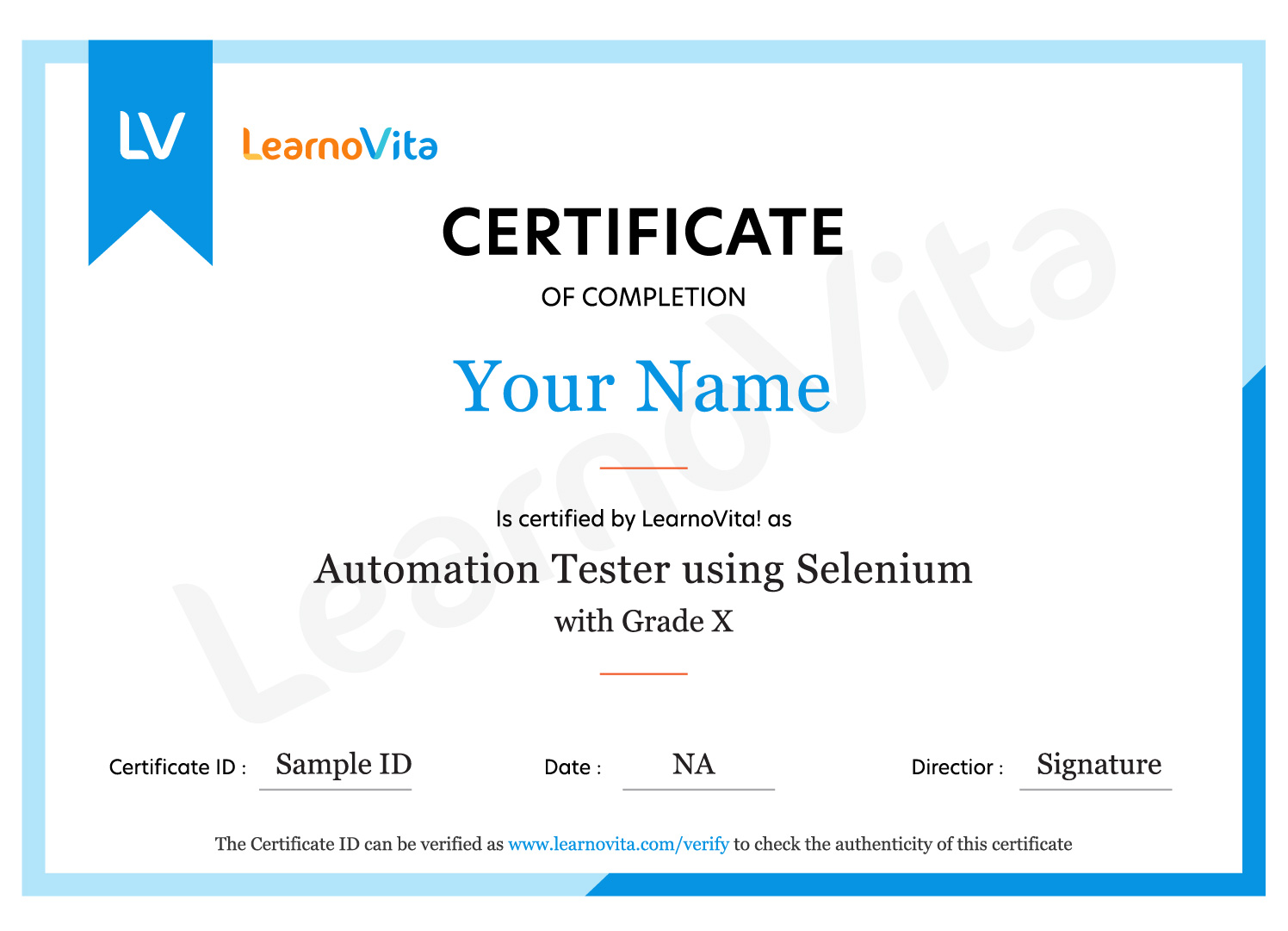
Exam & iOS Certification
- Basic programming knowledge
- Familiarity with object-oriented programming
- Understanding of mobile app development concepts
- Proficiency in Swift programming language
- Experience with Xcode or similar development environments
- iOS Developer
- Mobile App Developer
- Swift Developer
- iOS Software Engineer
- UI/UX Designer
MNC Recognized course
complete certification
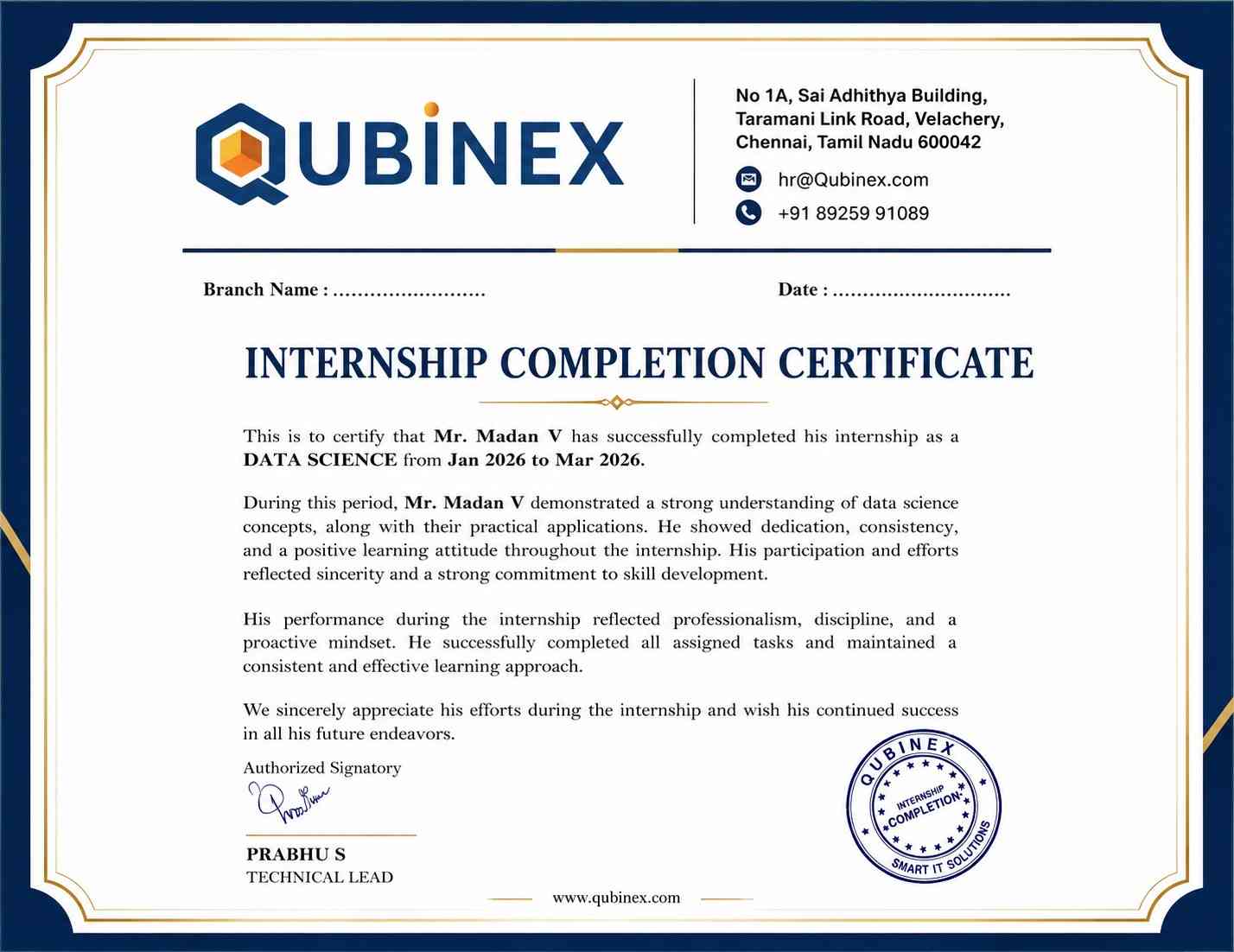
Intership
complete certification
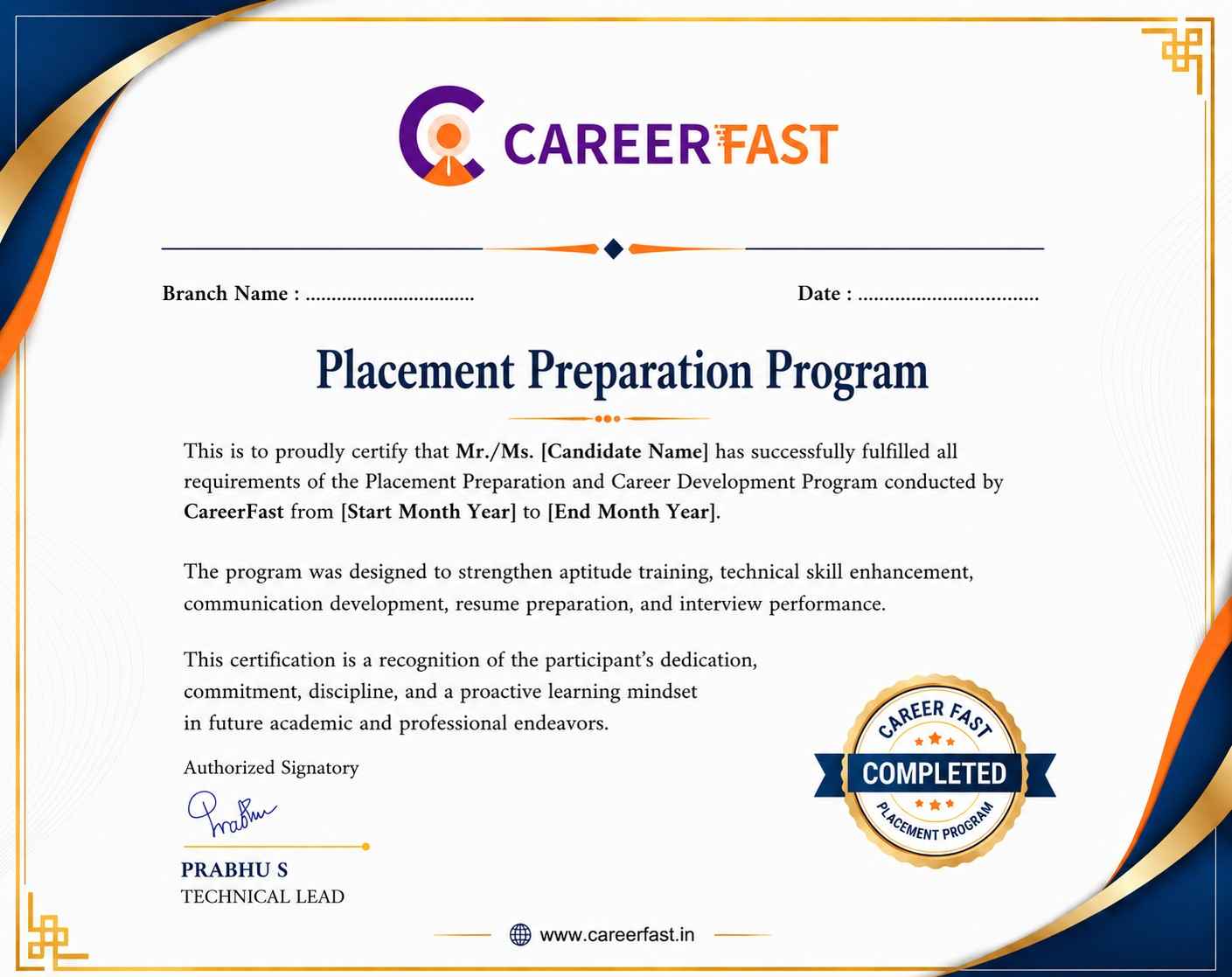
Placement
complete certification
Our learners
transformed their careers

A majority of our alumni
fast-tracked into managerial careers.
Get inspired by their progress in the Career Growth Report.
Our Student Successful Story
 Regular 1:1 Mentorship From Industry Experts
Live Classes
Career Support
Regular 1:1 Mentorship From Industry Experts
Live Classes
Career Support

Sandeep Kumar D
Software Engineer, Cisco Systems )

Vinoth P
UI Developer, TCS
Vijeyalakshme kannan
QA Engineer, Amazon Development Center
Pranav Srinivas
Software Testing, Capgemini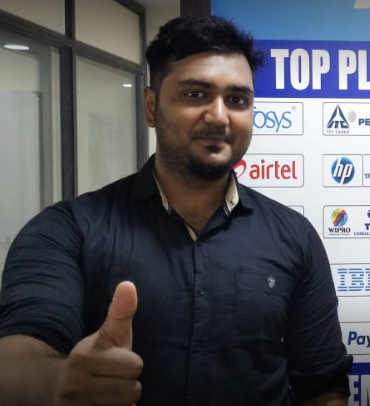
Prasanna
SAP Admin, HCLHow are the iOS Course with LearnoVita Different?
Feature
LearnoVita
Other Institutes
Affordable Fees
Competitive Pricing With Flexible Payment Options.
Higher iOS Fees With Limited Payment Options.
Live Class From ( Industry Expert)
Well Experienced Trainer From a Relevant Field With Practical iOS Training
Theoretical Class With Limited Practical
Updated Syllabus
Updated and Industry-relevant iOS Course Curriculum With Hands-on Learning.
Outdated Curriculum With Limited Practical Training.
Hands-on projects
Real-world iOS Projects With Live Case Studies and Collaboration With Companies.
Basic Projects With Limited Real-world Application.
Certification
Industry-recognized iOS Certifications With Global Validity.
Basic iOS Certifications With Limited Recognition.
Placement Support
Strong Placement Support With Tie-ups With Top Companies and Mock Interviews.
Basic Placement Support
Industry Partnerships
Strong Ties With Top Tech Companies for Internships and Placements
No Partnerships, Limited Opportunities
Batch Size
Small Batch Sizes for Personalized Attention.
Large Batch Sizes With Limited Individual Focus.
Additional Features
Lifetime Access to iOS Course Materials, Alumni Network, and Hackathons.
No Additional Features or Perks.
Training Support
Dedicated Mentors, 24/7 Doubt Resolution, and Personalized Guidance.
Limited Mentor Support and No After-hours Assistance.
iOS Course FAQ's
- LearnoVita is dedicated to assisting job seekers in seeking, connecting, and achieving success, while also ensuring employers are delighted with the ideal candidates.
- Upon successful completion of a career course with LearnoVita, you may qualify for job placement assistance. We offer 100% placement assistance and maintain strong relationships with over 650 top MNCs.
- Our Placement Cell aids students in securing interviews with major companies such as Oracle, HP, Wipro, Accenture, Google, IBM, Tech Mahindra, Amazon, CTS, TCS, Sports One , Infosys, MindTree, and MPhasis, among others.
- LearnoVita has a legendary reputation for placing students, as evidenced by our Placed Students' List on our website. Last year alone, over 5400 students were placed in India and globally.
- We conduct development sessions, including mock interviews and presentation skills training, to prepare students for challenging interview situations with confidence. With an 85% placement record, our Placement Cell continues to support you until you secure a position with a better MNC.
- Please visit your student's portal for free access to job openings, study materials, videos, recorded sections, and top MNC interview questions.

- Build a Powerful Resume for Career Success
- Get Trainer Tips to Clear Interviews
- Practice with Experts: Mock Interviews for Success
- Crack Interviews & Land Your Dream Job
Global Quality Training
At The Lowest Fees & Expert Trainer








Need custom pricing?

