Home » Others Courses » IoT Training in Tiruchirappalli

IoT Training in Tiruchirappalli

(4.6) 18654 Ratings
  • Enroll in the IoT Course in Tiruchirappalli to learn smart device integration and connected system development.
  • Understand core concepts such as embedded systems and cloud connectivity.
  • Gain practical exposure through real-time projects, hardware interfacing, coding, and deployment exercises.
  • Ideal for Engineers, Developers, Automation Specialists, and IT Professionals exploring connected technologies.
  • Choose from flexible batch timings: Weekday, Weekend, or Fast-Track learning schedules.
  • Benefit from placement assistance, interview preparation, and career guidance.

Course Duration

50+ Hrs

Live Project

3 Project

Certification Pass

Guaranteed

Training Format

Live Online (Expert Trainers)
Quality Training With Affordable Fee

⭐ Fees Starts From

INR 38,000
INR 18,500

11458+

Professionals Trained

10+

Batches every month

2758+

Placed Students

225+

Corporate Served

What You'll Learn

IoT Course in Tiruchirappalli provides deep understanding of connected device architecture, sensor communication, and secure data exchange across distributed networks.

Build a strong technical base by learning microcontrollers, communication protocols, device configuration, and cloud integration within practical lab environments.

Through structured IoT training in Tiruchirappalli, learners work on real-time projects that simulate smart home, industrial automation, and monitoring systems.

Develop intelligent automation solutions by integrating embedded hardware with analytics platforms to improve operational efficiency and system reliability.

Explore advanced concepts such as edge computing, device authentication, encrypted data transmission, and remote firmware updates for scalable IoT ecosystems.

Strengthen your career potential with hands-on implementation skills that prepares you for roles in automation, smart technology, and connected infrastructure domains.

An Overview of IoT Training

The IoT Course in Tiruchirappalli is structured to give learners in-depth knowledge of connected systems, embedded technologies, and smart device communication. Through practical-focused IoT training in Tiruchirappalli, participants gain real-time exposure to hardware integration, cloud connectivity, and secure data transmission across IoT networks. The comprehensive IoT Certification Course in Tiruchirappalli combines lab-driven sessions with guided project work, enabling students to confidently design and deploy intelligent automation solutions. This industry-oriented IoT training course offers flexible learning modes and strengthens technical capability, preparing learners for emerging roles in smart infrastructure, industrial automation, and next-generation technology environments.

Additional Info

Future Trends for IoT Training

  • Edge Computing Integration: Future IoT training will strongly emphasize edge computing as devices increasingly process data closer to the source rather than relying only on centralized servers. Learners will study how real-time decision-making improves efficiency in smart factories, healthcare devices, and autonomous systems. Training programs will demonstrate how edge gateways filter and analyze data before sending it to the cloud. This approach reduces latency and bandwidth consumption significantly. Students will gain experience configuring edge nodes and synchronizing them with cloud platforms. Understanding distributed intelligence will become essential for next-generation IoT professionals. As industries demand faster response systems, edge-focused skills will shape the evolution of IoT education.
  • AI-Driven IoT Systems: Artificial intelligence is becoming a natural extension of connected devices, transforming raw sensor data into actionable insights. IoT training will increasingly include machine learning integration for predictive maintenance and behavioral analysis. Learners will explore how AI models are deployed within smart devices and cloud platforms. Real-world applications such as anomaly detection in industrial equipment will be demonstrated. This fusion of AI and IoT enhances automation accuracy and operational reliability. Students will practice building intelligent workflows that adapt over time. The combination of analytics and connectivity will redefine future IoT skill requirements.
  • 5G-Enabled Connectivity: The expansion of 5G networks is opening new possibilities for high-speed and low-latency IoT communication. Training programs will introduce learners to ultra-reliable connectivity models supporting real-time applications. Participants will understand how enhanced bandwidth supports smart cities and connected transportation. Practical sessions may include device configuration optimized for 5G modules. Faster data transmission allows complex applications like remote diagnostics to operate smoothly. IoT professionals must understand evolving network standards to design scalable systems. As connectivity improves, IoT ecosystems will grow more responsive and capable.
  • Cybersecurity for Connected Devices: Security remains a top priority as IoT networks expand across industries. Future IoT training will dive deeper into device authentication, encrypted communication, and intrusion detection strategies. Learners will study how to protect firmware, APIs, and network endpoints from potential threats. Simulated attack scenarios will help build defensive skills and risk awareness. Secure configuration practices will be integrated into every stage of device deployment. Understanding compliance and regulatory standards will also become essential. Strong cybersecurity knowledge will define reliable IoT system implementation.
  • Digital Twin Technology: Digital twins are reshaping how industries monitor and simulate physical assets through virtual replicas. IoT training will introduce learners to creating synchronized digital models using real-time sensor inputs. This concept enables predictive analysis and performance optimization without disrupting actual operations. Students will explore how data streams update virtual environments continuously. Applications in manufacturing and infrastructure monitoring will be highlighted. Building digital twins improves system planning and resource allocation. As adoption grows, this technology will become a vital component of IoT expertise.
  • Sustainable IoT Solutions: Environmental awareness is influencing how IoT systems are designed and deployed. Future training will address energy-efficient device configuration and low-power communication protocols. Learners will understand how smart monitoring reduces resource waste in industries. Real-time environmental tracking solutions will be explored in lab sessions. IoT professionals will learn to design systems that balance performance with sustainability goals. Responsible technology development is becoming a competitive advantage for organizations. Sustainability-focused IoT knowledge will gain strong industry relevance.
  • Industrial IoT Expansion: Industrial IoT continues to transform manufacturing and production environments. Training programs will emphasize sensor integration with automated machinery and monitoring systems. Learners will study predictive maintenance models that prevent downtime. Real-world simulations will replicate factory automation environments. Understanding industrial protocols and real-time data processing will be essential. Professionals will gain the ability to design resilient and scalable industrial networks. This specialization will open doors to opportunities in advanced manufacturing sectors.
  • Smart City Infrastructure: Urban development is increasingly driven by IoT-enabled systems for traffic, lighting, and resource management. IoT training will include modules focused on city-wide sensor networks and centralized control platforms. Learners will analyze how connected infrastructure improves public safety and efficiency. Practical scenarios may involve environmental monitoring and intelligent transport systems. Understanding large-scale deployment challenges will be crucial. Professionals will explore integration between public data systems and IoT platforms. Smart city initiatives will continue shaping future IoT education.
  • Cloud and IoT Convergence: Cloud platforms are essential for storing, processing, and visualizing IoT-generated data. Training will emphasize seamless integration between devices and cloud services. Learners will configure dashboards, analytics tools, and data pipelines for continuous monitoring. Real-time data streaming techniques will be practiced in structured labs. Cloud connectivity ensures scalability and centralized management of IoT ecosystems. Professionals must understand how to optimize cloud resources for device-heavy networks. This convergence will remain a foundational trend in IoT training evolution.
  • Automation and Robotics Integration: The intersection of IoT and robotics is shaping intelligent automation across industries. Training programs will introduce learners to sensor-driven robotic systems and remote monitoring solutions. Participants will understand how connected devices enhance robotic accuracy and coordination. Practical sessions may include building automated response systems triggered by sensor inputs. This integration improves productivity and operational consistency. IoT professionals will gain skills relevant to advanced automation sectors. Robotics-enabled connectivity will represent a significant advancement in future IoT landscapes.

Tools and Technologies for IoT Training

  • Arduino: Arduino is one of the most widely used development boards in IoT training for building and testing smart device prototypes. Learners use it to connect sensors, actuators, and communication modules in a practical lab setting. Its simple programming environment makes hardware interaction easier for beginners and professionals alike. Training sessions often include real-time projects such as temperature monitoring or motion detection systems. Mastering Arduino helps participants understand the foundation of embedded system development.
  • Raspberry Pi: Raspberry Pi acts as a compact computing platform for advanced IoT experimentation and deployment. In training programs, learners configure it to run lightweight servers, data collectors, and automation scripts. It supports multiple operating systems and programming languages, making it highly versatile. Students gain experience integrating cameras, sensors, and cloud services with the device. Working with Raspberry Pi bridges the gap between small-scale prototypes and real-world IoT solutions.
  • Node-RED: Node-RED is a visual programming tool that simplifies the wiring of devices and data flows. During IoT training, learners use it to connect APIs, sensors, and cloud platforms through a browser-based interface. It allows rapid creation of automation workflows without complex coding. Practical sessions demonstrate how to process and visualize sensor data efficiently. Node-RED enhances understanding of event-driven architecture in connected environments.
  • MQTT: MQTT is a lightweight messaging protocol essential for communication between IoT devices. Training modules explain how it enables reliable data transmission even in low-bandwidth networks. Learners configure publishers and subscribers to simulate real-time device communication. This protocol is widely used in industrial automation and smart home applications. Understanding MQTT strengthens skills in designing efficient and scalable IoT communication systems.
  • ThingsBoard: ThingsBoard is an open-source IoT platform used for device management and data visualization. In training, participants configure dashboards to monitor live sensor readings. It supports rule engines that trigger alerts based on predefined conditions. Learners explore how to manage multiple devices within a single interface. Familiarity with ThingsBoard prepares professionals for handling enterprise-level IoT deployments.
  • AWS IoT Core: AWS IoT Core enables secure device connectivity and cloud integration for IoT ecosystems. Training sessions demonstrate how devices send data to cloud endpoints for processing and storage. Learners practice setting up authentication mechanisms and monitoring services. The platform allows seamless scaling as device networks expand. Knowledge of AWS IoT Core equips students with cloud-connected IoT expertise.
  • Google Cloud IoT Services: Google Cloud IoT services support data ingestion, storage, and analytics for connected devices. In IoT training, learners integrate sensors with cloud dashboards for real-time monitoring. They configure data pipelines to process and analyze information efficiently. Exposure to cloud-based IoT systems prepares students for enterprise-grade deployments. This integration strengthens the ability to manage large-scale device ecosystems.
  • ESP8266 / ESP32: ESP8266 and ESP32 modules are popular for wireless IoT applications due to their built-in Wi-Fi capabilities. Training programs include projects where learners program these modules for remote monitoring systems. Their low cost and flexibility make them ideal for prototype development. Students understand how to transmit sensor data over the internet securely. Working with these modules builds confidence in designing connected hardware solutions.
  • Grafana: Grafana is used for visualizing IoT data through dynamic dashboards and analytics panels. During training, participants connect it to databases to display sensor performance metrics. Real-time visualization helps in identifying patterns and anomalies quickly. Learners explore alert configuration for proactive monitoring. Grafana enhances analytical insight within IoT-based monitoring systems.
  • Wireshark: Wireshark is a network protocol analyzer that helps learners examine data traffic between IoT devices. In training, it is used to study packet flow and identify communication issues. Participants gain insight into how devices exchange information over networks. Analyzing traffic improves troubleshooting and security awareness. Mastery of Wireshark strengthens the ability to maintain reliable IoT communication infrastructures.

Roles and Responsibilities for IoT Training

  • IoT Developer: An IoT Developer designs and builds connected applications that link devices, sensors, and cloud platforms into a unified system. In IoT training, this role focuses on teaching programming languages, device integration, and communication protocols. They are responsible for guiding learners through real-time coding sessions and hardware configuration. Developers also demonstrate how to troubleshoot connectivity and performance issues in smart environments. Their expertise helps students understand how to transform ideas into fully functional IoT solutions. By sharing practical insights, they prepare learners to handle live industry projects with confidence.
  • IoT Solution Architect: The IoT Solution Architect plans the overall structure of connected ecosystems, ensuring scalability and security. In training programs, they explain how devices, gateways, networks, and cloud services interact seamlessly. Their responsibility includes teaching system design principles and deployment strategies. They mentor learners on choosing suitable technologies for different business use cases. Architects also highlight best practices for performance optimization and risk management. Their strategic vision enables students to design robust and future-ready IoT infrastructures.
  • IoT Security Analyst: An IoT Security Analyst safeguards connected systems from vulnerabilities and cyber threats. During IoT training, this role emphasizes encryption, secure device authentication, and data privacy standards. They teach learners how to identify weaknesses in network communication and device firmware. Hands-on labs often include threat simulation and incident response exercises. Analysts also explain compliance requirements relevant to IoT ecosystems. Their guidance ensures students develop a strong security-first mindset in every IoT implementation.
  • IoT Data Analyst: The IoT Data Analyst interprets large volumes of sensor-generated data to derive actionable insights. In training sessions, they demonstrate how to clean, process, and visualize IoT datasets effectively. Learners explore analytics tools and reporting techniques to support decision-making. This role also covers predictive analysis for maintenance and operational improvements. Data Analysts teach students how to convert raw information into business value. Their expertise bridges the gap between technical data streams and strategic outcomes.
  • IoT Consultant: An IoT Consultant advises organizations on adopting and implementing smart technologies efficiently. In IoT training, they share industry case studies and practical deployment experiences. Their responsibility includes teaching requirement analysis and cost-benefit evaluation methods. Consultants guide learners on aligning IoT strategies with business objectives. They also emphasize stakeholder communication and project documentation. Their insights help students understand both technical execution and business impact.
  • IoT Network Engineer: The IoT Network Engineer manages connectivity between devices, gateways, and cloud platforms. During IoT training, they explain wireless standards, bandwidth optimization, and protocol configuration. Practical sessions involve setting up secure communication channels and testing network stability. Engineers also address latency issues and data transmission reliability. They teach troubleshooting methods to ensure smooth device interaction. Their role ensures learners grasp the backbone of IoT communication systems.
  • IoT Project Manager: The IoT Project Manager oversees planning, execution, and delivery of IoT initiatives. In training programs, they focus on timeline management, budgeting, and resource allocation. They teach learners how to coordinate cross-functional teams effectively. Risk assessment and quality assurance are also key areas of responsibility. Project Managers highlight the importance of documentation and client communication. Their leadership perspective prepares students to manage IoT projects from concept to completion.
  • IoT Embedded Systems Engineer: An IoT Embedded Systems Engineer develops firmware and integrates hardware components within devices. In IoT training, they demonstrate microcontroller programming and sensor interfacing techniques. Learners gain experience configuring device-level software for efficient performance. This role also involves testing and debugging embedded code. Engineers explain power management strategies for low-energy devices. Their technical depth helps students master the core of device-level IoT development.
  • IoT Cloud Engineer: The IoT Cloud Engineer connects devices to cloud platforms for storage, analytics, and monitoring. In training sessions, they teach cloud configuration, API integration, and real-time dashboards. Learners practice deploying IoT applications on scalable cloud environments. Security and access management are emphasized to protect device data. Cloud Engineers also introduce automation and serverless computing concepts. Their expertise enables students to build end-to-end IoT ecosystems efficiently.
  • IoT Technical Trainer: The IoT Technical Trainer delivers structured learning experiences tailored to industry requirements. In IoT training programs, they design curriculum, practical labs, and evaluation methods. Their responsibility includes simplifying complex technical concepts for diverse learners. Trainers provide mentorship, career guidance, and interview preparation support. They continuously update course content to match emerging technologies. Their dedication ensures learners gain practical skills that translate directly into real-world success.

Companies Hiring IoT Professionals

  • IBM: IBM actively recruits IoT professionals to support its smart infrastructure and industrial automation projects across global markets. The company integrates connected devices with analytics and AI-driven platforms to improve operational efficiency for clients. IoT-trained specialists contribute to building secure device ecosystems and managing large-scale data streams. Professionals with strong IoT training often work on cloud integration and enterprise-grade deployments. IBM values candidates who can combine technical knowledge with problem-solving skills to deliver reliable connected solutions.
  • Cisco: Cisco seeks IoT professionals to strengthen its networking and edge computing solutions. The company focuses on secure connectivity between devices, sensors, and enterprise systems. IoT-trained experts support smart city, healthcare, and manufacturing initiatives powered by intelligent networks. Roles often involve configuring secure communication protocols and optimizing data transmission. Cisco looks for individuals who understand both network architecture and connected device management.
  • Intel: Intel hires IoT specialists to develop processor-based solutions for smart devices and industrial automation systems. The company works on edge computing technologies that require skilled professionals with embedded systems knowledge. IoT-trained candidates help integrate hardware with cloud platforms and analytics engines. They also contribute to improving device performance and energy efficiency. Intel values expertise in firmware development and real-time data processing.
  • Bosch: Bosch invests heavily in IoT innovation through smart mobility and connected home solutions. The organization recruits IoT professionals to design sensor-driven applications and automation frameworks. Specialists work on improving safety, monitoring, and predictive maintenance systems. IoT training supports roles that combine hardware engineering with cloud-based monitoring tools. Bosch appreciates professionals who can translate technical concepts into scalable industrial solutions.
  • Siemens: Siemens looks for IoT-trained talent to enhance digital manufacturing and smart infrastructure projects. The company integrates connected devices with automation software to streamline industrial operations. Professionals contribute to system integration, data visualization, and secure device communication. IoT expertise is crucial for supporting Industry 4.0 initiatives across global plants. Siemens values individuals who can build efficient and future-ready connected ecosystems.
  • Honeywell: Honeywell employs IoT professionals to advance building automation and industrial monitoring systems. The company uses connected technologies to improve energy efficiency and operational safety. IoT-trained specialists assist in designing real-time data dashboards and predictive maintenance solutions. Their work ensures seamless communication between sensors and centralized platforms. Honeywell seeks candidates capable of delivering reliable and secure smart solutions.
  • Microsoft: Microsoft hires IoT professionals to expand its cloud-based connected device services. Through its platforms, the company enables businesses to monitor and manage devices remotely. IoT-trained experts help configure device authentication and implement secure data pipelines. They also develop scalable applications integrated with analytics and AI tools. Microsoft values professionals who can build innovative IoT solutions using modern cloud technologies.
  • Amazon: Amazon recruits IoT professionals to support connected ecosystems across retail, logistics, and cloud services. The company’s IoT initiatives focus on automation, smart tracking, and real-time analytics. Specialists contribute to designing secure device communication frameworks. IoT training equips candidates to manage large volumes of streaming data efficiently. Amazon prefers individuals who can combine technical precision with scalable deployment strategies.
  • Tata Consultancy Services: Tata Consultancy Services hires IoT-trained professionals to deliver digital transformation projects for global clients. The company works on smart manufacturing, healthcare monitoring, and intelligent transportation systems. IoT specialists assist in integrating devices with enterprise applications. Their expertise supports data-driven decision-making and automation strategies. TCS values professionals who can adapt IoT solutions to diverse industry requirements.
  • Accenture: Accenture seeks IoT professionals to guide organizations through connected technology adoption. The company focuses on designing scalable IoT frameworks aligned with business objectives. Specialists work on system architecture, analytics integration, and cybersecurity planning. IoT training enables candidates to support clients in deploying efficient smart solutions. Accenture looks for individuals who can combine technical excellence with strategic consulting skills.
View more

IoT Course Objectives

To enroll in IoT training, it is helpful to have a basic understanding of computer fundamentals, networking concepts, and simple programming logic. Familiarity with electronics or embedded systems can make learning easier, but is not mandatory. Analytical thinking, problem-solving skills, and a willingness to experiment with hardware and software integration are essential for maximum learning.
IoT training equips learners to design, build, and manage smart connected systems in real-time environments. Participants gain hands-on experience with sensors, microcontrollers, cloud connectivity, and data handling. The program strengthens technical confidence through practical projects and scenario-based assignments, enhancing career prospects in the digital transformation era.
  • Expansion of smart cities and intelligent infrastructure
  • Growth in industrial automation and predictive maintenance
  • Increased demand for connected healthcare solutions
  • Development of smart agriculture technologies
  • Integration with artificial intelligence and edge computing
  • Rising adoption in logistics monitoring
  • Enhanced focus on cybersecurity for connected devices
IoT holds a significant position as organizations adopt connected technologies to enhance efficiency and innovation. Companies seek professionals who can manage device communication, analyze sensor data, and maintain secure networks. IoT skills add value to technical profiles and open doors to diverse and stable career opportunities.
  • Introduction to connected systems and smart devices
  • Sensors, actuators, and microcontroller programming
  • Communication protocols and wireless networking
  • Cloud integration and data visualization
  • IoT security and device authentication
  • Real-time project development and deployment
  • Data analytics for connected environments
Yes, IoT training includes practical assignments simulating real industry scenarios. Students build and configure smart systems, troubleshoot issues, and optimize performance. Hands-on exposure ensures learners confidently apply theoretical concepts to live environments, preparing them for professional IoT roles.
  • Manufacturing and industrial automation
  • Healthcare and medical technology
  • Smart city and urban development projects
  • Agriculture and environmental monitoring
  • Transportation and logistics
  • Energy and utilities management
  • Retail and supply chain operations
IoT training enhances technical capabilities and employability, but it does not automatically guarantee a job. Career success depends on practical knowledge, project experience, and interview performance. Strong hands-on experience greatly improves your chances of securing suitable opportunities.
  • Strong understanding of connected device ecosystems
  • Practical skills in hardware and software integration
  • Improved troubleshooting and analytical abilities
  • Enhanced career opportunities in emerging technologies
  • Exposure to real-time automation projects
  • Knowledge of secure device communication
  • Better adaptability to digital transformation trends
Participants in IoT training gain experience working with development boards, sensor modules, communication protocols, and cloud-based dashboards used for connected systems.
view More view Less

IoT Course Benefits

The IoT course in Tiruchirappalli delivers practical learning through live device integration, automation workflows, and real-time deployment practices that reflect current industry standards. Students gain hands-on exposure in smart system design, cloud connectivity, and sensor-based applications guided by experienced mentors. The program also offers an IoT internship opportunity, allowing learners to apply their skills in real business environments and strengthen their professional confidence. With dedicated career guidance and hiring support, this IoT course with placement assistance prepares candidates to step directly into promising technology roles.

  • Designation
  • Annual Salary
    Hiring Companies
  • 4.6L
    Min
  • 6.9L
    Average
  • 13.5L
    Max
  • 4.8L
    Min
  • 7.2L
    Average
  • 15.5L
    Max
  • 5.0L
    Min
  • 7.4L
    Average
  • 14.4L
    Max
  • 5.2L
    Min
  • 7.6L
    Average
  • 14.6L
    Max

About IoT Certification Training

The IoT certification course in Tiruchirappalli equips learners with in-depth knowledge of designing, connecting, and managing smart devices across real-time environments. Through practical sessions and industry-focused IoT projects, participants build working models that reflect actual business use cases. The training emphasizes device communication, cloud integration, and data-driven decision-making guided by experienced professionals. With structured career support and strong hiring networks, the program prepares candidates to confidently pursue opportunities in the connected technology domain.

Top Skills You Will Gain
  • Embedded Programming
  • Sensor Integration
  • Wireless Communication
  • Protocol Configuration
  • Cloud Connectivity
  • Data Analytics
  • Edge Computing
  • Device Security

12+ IoT Tools

Online Classroom Batches Preferred

Weekdays (Mon - Fri)
20 - July - 2026
08:00 AM (IST)
Weekdays (Mon - Fri)
22 - July - 2026
08:00 AM (IST)
Weekend (Sat)
25 - July - 2026
11:00 AM (IST)
Weekend (Sun)
26 - July - 2026
11:00 AM (IST)
Can't find a batch you were looking for?
₹38,000 ₹18,500 10% OFF Expires in

No Interest Financing start at ₹ 5000 / month

Corporate Training

  • Customized Learning
  • Enterprise Grade Learning Management System (LMS)
  • 24x7 Support
  • Enterprise Grade Reporting

Not Just Studying
We’re Doing Much More!

Empowering Learning Through Real Experiences and Innovation

Hiring
Hiring
Hiring
Hiring
Hiring
Hiring
Hiring
User
User
User
User
User
User

IoT Course Curriculum

Trainers Profile

The IoT course in Tiruchirappalli is delivered by experienced industry professionals who bring strong technical knowledge in connected systems, device security, and smart network architecture. The program blends conceptual clarity with practical exposure so learners can confidently handle real-time IoT environments. We provide structured IoT training materials that simplify complex topics and support step-by-step skill development. This hands-on approach enables participants to build secure, scalable, and industry-ready connected solutions.

Syllabus for IoT Course Download syllabus

  • Fundamentals of Internet of Things
  • Evolution of connected technologies
  • Components of IoT ecosystem
  • Applications across industries
  • IoT architecture overview
  • Microcontrollers and microprocessors
  • GPIO interfacing concepts
  • Analog and digital signals
  • Board configuration basics
  • Introduction to firmware
  • Types of sensors
  • Actuator mechanisms
  • Sensor calibration methods
  • Data acquisition techniques
  • Interfacing sensors with boards
  • C and Python basics for IoT
  • Writing device-level code
  • Serial communication handling
  • Debugging techniques
  • Code deployment to boards
  • TCP/IP fundamentals
  • HTTP and HTTPS
  • MQTT protocol
  • CoAP protocol
  • Bluetooth and Zigbee overview
  • IP addressing and subnetting
  • Wireless networking basics
  • Gateway configuration
  • Routing concepts
  • Network troubleshooting
  • Introduction to cloud platforms
  • Device-to-cloud communication
  • Data storage in cloud
  • API integration
  • Cloud dashboards setup
  • Data collection methods
  • Data filtering techniques
  • Real-time data streaming
  • Database connectivity
  • Data visualization concepts
  • Device authentication
  • Encryption techniques
  • Secure firmware updates
  • Network threat identification
  • Access control mechanisms
  • Edge device configuration
  • Local data processing
  • Edge vs cloud comparison
  • Low latency handling
  • Resource optimization
(15) view More view Less
Need customized curriculum?

REAL

start
STORIES SUCCESS INSPIRATION
CAREER
UPGRADE
sowmiya

sowmiya

CAREER
UPGRADE
Rajkumar

Rajkumar

CAREER
UPGRADE
Thon

Thon

CAREER
UPGRADE
lavanya

Lavanya

Industry Projects

Project 1
Smart Energy Monitoring System

Design a connected energy tracking solution that captures real-time electricity usage through smart meters and sensor modules. The system sends data to a cloud dashboard for live monitoring and alert generation when unusual consumption patterns appear. This project helps learners understand device integration in practical environments.

Project 2
Intelligent Healthcare Monitoring Device

Develop a patient health tracking device that records vital parameters such as heart rate and temperature using wearable sensors. The collected data is transmitted securely to a web interface where medical staff can observe updates instantly. This project strengthens skills in sensor calibration, wireless communication, and secure data transmission.

Project 3
Smart Parking Detection System

Create an automated parking detection setup using ultrasonic sensors to identify slot availability. The system updates a digital display or mobile dashboard to guide drivers toward open spaces. Through this project, learners gain hands-on experience in hardware interfacing, real-time data updates, and IoT-based automation concepts.

Our Hiring Partner

Exam & IoT Certification

  • Basic understanding of computer fundamentals
  • Familiarity with networking concepts
  • Introductory programming knowledge
  • Interest in electronics or embedded systems
  • Analytical and problem-solving skills
An IoT certification validates your ability to design, connect, and secure smart devices in real-world environments. It strengthens your technical credibility and showcases your practical knowledge to employers. Certified professionals often stand out during hiring processes because they demonstrate verified competence. The credential also builds confidence in handling live projects and emerging technologies. Overall, it enhances your professional profile in the rapidly expanding connected technology sector.
IoT certification improves your employability and automatically secures a job offer. Career opportunities depend on your technical expertise, hands-on exposure, and interview performance. The certification strengthens your resume and validates your skills to recruiters. When combined with practical project experience, it significantly increases job prospects. Continuous learning and adaptability further improve your chances of landing suitable roles.
  • IoT Developer
  • IoT Engineer
  • Embedded Systems Engineer
  • IoT Security Analyst
  • IoT Network Specialist
  • IoT Data Analyst
IoT certification supports career advancement by equipping you with industry-relevant technical skills and practical exposure. It demonstrates your readiness to work on connected systems, device security, and cloud-integrated solutions. Employers recognize certified professionals as committed and knowledgeable candidates. The credential also opens pathways to specialized roles in automation and smart technologies. Over time, this foundation can lead to higher responsibilities and better earning potential in the technology domain.

MNC Recognized course
complete certification
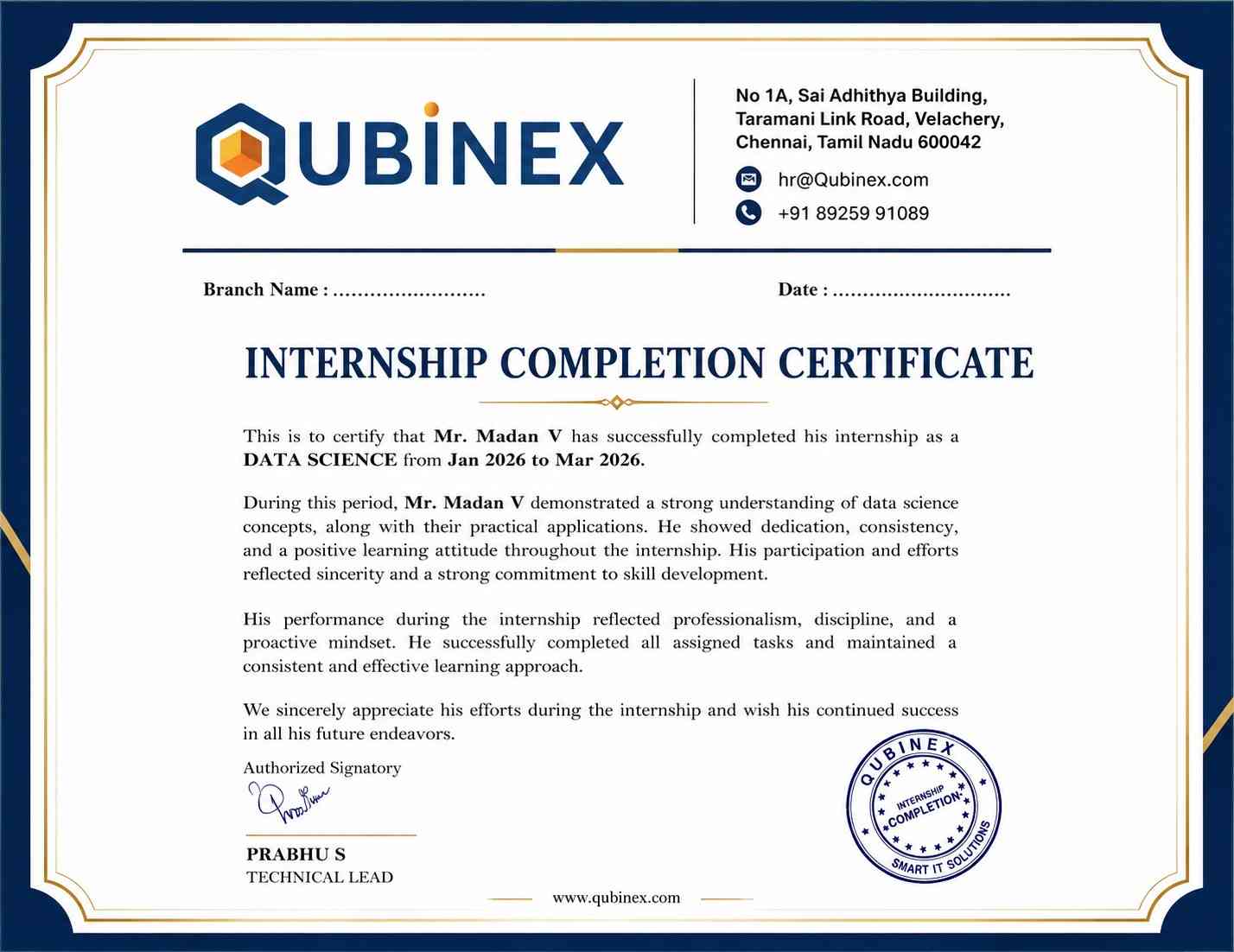
Intership
complete certification
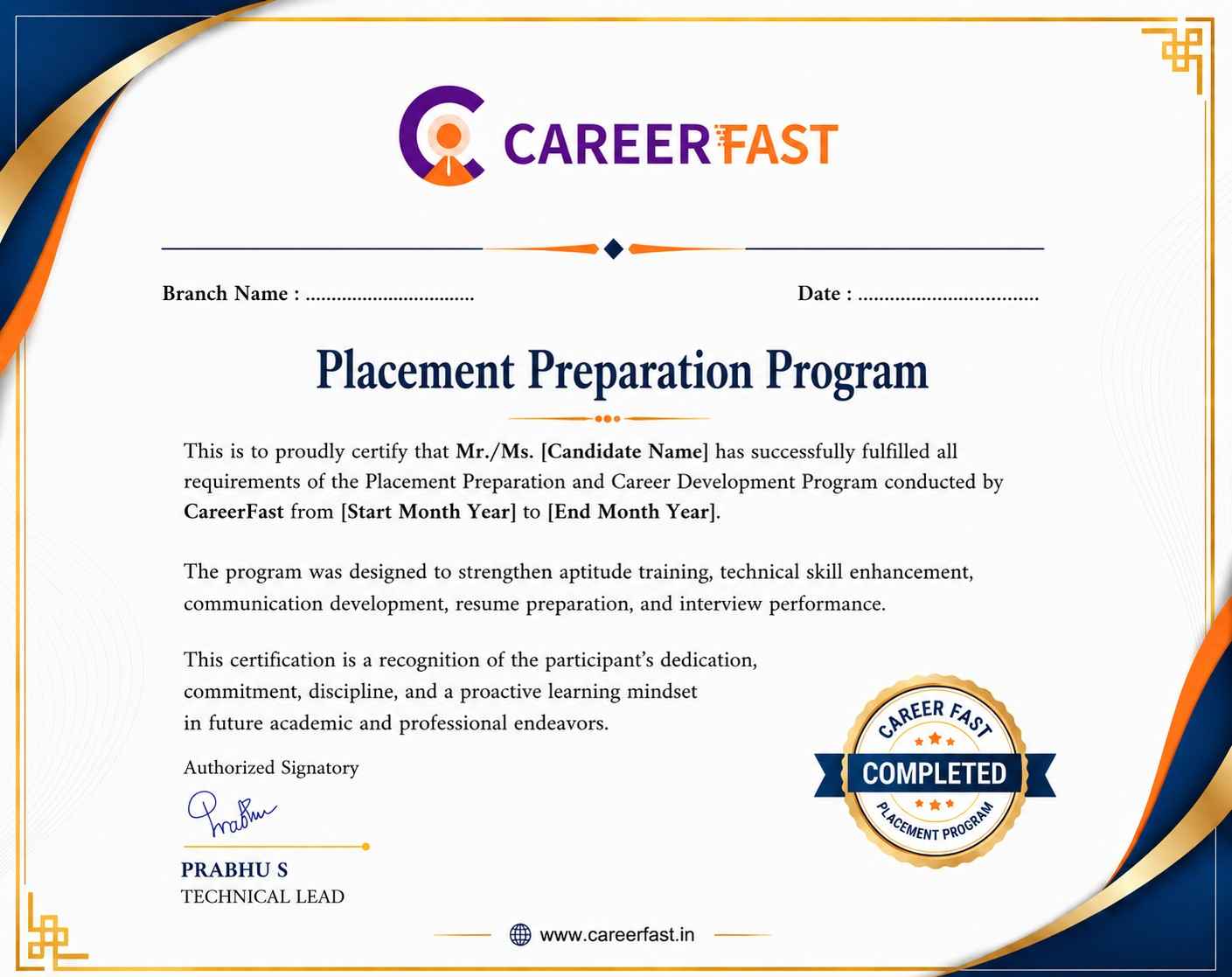
Placement
complete certification

Our learners
transformed their careers

35 Laks
Highest Salary Offered
50%
Average Salary Hike
30K+
Placed in MNC's
15+
Year's in Training
Our Alumni
Alumni

A majority of our alumni

fast-tracked into managerial careers.

Get inspired by their progress in the Career Growth Report.

Our Student Successful Story

checkimage Regular 1:1 Mentorship From Industry Experts checkimage Live Classes checkimage Career Support

How are the IOT Course with LearnoVita Different?

Feature

LearnoVita

Other Institutes

Affordable Fees

Competitive Pricing With Flexible Payment Options.

Higher IOT Fees With Limited Payment Options.

Live Class From ( Industry Expert)

Well Experienced Trainer From a Relevant Field With Practical IOT Training

Theoretical Class With Limited Practical

Updated Syllabus

Updated and Industry-relevant IOT Course Curriculum With Hands-on Learning.

Outdated Curriculum With Limited Practical Training.

Hands-on projects

Real-world IOT Projects With Live Case Studies and Collaboration With Companies.

Basic Projects With Limited Real-world Application.

Certification

Industry-recognized IOT Certifications With Global Validity.

Basic IOT Certifications With Limited Recognition.

Placement Support

Strong Placement Support With Tie-ups With Top Companies and Mock Interviews.

Basic Placement Support

Industry Partnerships

Strong Ties With Top Tech Companies for Internships and Placements

No Partnerships, Limited Opportunities

Batch Size

Small Batch Sizes for Personalized Attention.

Large Batch Sizes With Limited Individual Focus.

Additional Features

Lifetime Access to IOT Course Materials, Alumni Network, and Hackathons.

No Additional Features or Perks.

Training Support

Dedicated Mentors, 24/7 Doubt Resolution, and Personalized Guidance.

Limited Mentor Support and No After-hours Assistance.

IOT Course FAQ's

Certainly, you are welcome to join the demo session. However, due to our commitment to maintaining high-quality standards, we limit the number of participants in live sessions. Therefore, participation in a live class without enrollment is not feasible. If you're unable to attend, you can review our pre-recorded session featuring the same trainer. This will provide you with a comprehensive understanding of our class structure, instructor quality, and level of interaction.
All of our instructors are employed professionals in the industry who work for prestigious companies and have a minimum of 9 to 12 years of significant IT field experience. A great learning experience is provided by all of these knowledgeable people at LearnoVita.
  • LearnoVita is dedicated to assisting job seekers in seeking, connecting, and achieving success, while also ensuring employers are delighted with the ideal candidates.
  • Upon successful completion of a career course with LearnoVita, you may qualify for job placement assistance. We offer 100% placement assistance and maintain strong relationships with over 650 top MNCs.
  • Our Placement Cell aids students in securing interviews with major companies such as Oracle, HP, Wipro, Accenture, Google, IBM, Tech Mahindra, Amazon, CTS, TCS, Sports One , Infosys, MindTree, and MPhasis, among others.
  • LearnoVita has a legendary reputation for placing students, as evidenced by our Placed Students' List on our website. Last year alone, over 5400 students were placed in India and globally.
  • We conduct development sessions, including mock interviews and presentation skills training, to prepare students for challenging interview situations with confidence. With an 85% placement record, our Placement Cell continues to support you until you secure a position with a better MNC.
  • Please visit your student's portal for free access to job openings, study materials, videos, recorded sections, and top MNC interview questions.
LearnoVita Certification is awarded upon course completion and is recognized by all of the world's leading global corporations. LearnoVita are the exclusive authorized Oracle, Microsoft, Pearson Vue, and IOT I exam centers, as well as an authorized partner of IOT . Additionally, those who want to pass the National Authorized Certificate in a specialized IT domain can get assistance from LearnoVita's technical experts.
As part of the training program, LearnoVita provides you with the most recent, pertinent, and valuable real-world projects. Every program includes several projects that rigorously assess your knowledge, abilities, and real-world experience to ensure you are fully prepared for the workforce. Your abilities will be equivalent to six months of demanding industry experience once the tasks are completed.
At LearnoVita, participants can choose from instructor-led online training, self-paced training, classroom sessions, one-to-one training, fast-track programs, customized training, and online training options. Each mode is designed to provide flexibility and convenience to learners, allowing them to select the format that best suits their needs. With a range of training options available, participants can select the mode that aligns with their learning style, schedule, and career goals to excel in IOT .
LearnoVita guarantees that you won't miss any topics or modules. You have three options to catch up: we'll reschedule classes to suit your schedule within the course duration, provide access to online class presentations and recordings, or allow you to attend the missed session in another live batch.
Please don't hesitate to reach out to us at contact@learnovita.com if you have any questions or need further clarification.
To enroll in the IOT at LearnoVita, you can conveniently register through our website or visit any of our branches in India for direct assistance.
Yes, after you've enrolled, you will have lifetime access to the student portal's study materials, videos, and top MNC interview questions.
At LearnoVita, we prioritize individual attention for students, ensuring they can clarify doubts on complex topics and gain a richer understanding through interactions with instructors and peers. To facilitate this, we limit the size of each IOT Service batch to 5 or 6 members.
The average annual salary for IOT Professionals in India is 6 LPA to 8 LPA.
view More view Less
Career Assistance
  • Build a Powerful Resume for Career Success
  • Get Trainer Tips to Clear Interviews
  • Practice with Experts: Mock Interviews for Success
  • Crack Interviews & Land Your Dream Job
100% JOB GUARANTEE

Global Quality Training
At The Lowest Fees & Expert Trainer

AVAILABLE IN:
India Canada USA Singapore UAE Australia EU Germany

Need custom pricing?

4.9/5 from 50k+ students
Acte Technologies WhatsApp
Call Us! Chat With Us