Home » Others Courses » Java Full Stack Course in Mumbai

Java Full Stack Course in Mumbai

(4.2) 9564 Ratings
  • Enroll in the Java Full Stack Course in Mumbai to learn front-end and back-end development through practical projects.
  • Master key components such as Java, Spring Boot, Hibernate, HTML, CSS, and JavaScript.
  • Gain hands-on experience with real-time web applications, REST APIs, and deployment projects.
  • Ideal for Developers, Programmers, IT Professionals, and Students aiming to become full-stack Java developers.
  • Choose from flexible batch timings: Weekday, Weekend, or Fast-Track learning schedules.
  • Benefit from placement assistance, interview preparation, and certification guidance.

Course Duration

55+ Hrs

Live Project

3 Project

Certification Pass

Guaranteed

Training Format

Live Online (Expert Trainers)
Quality Training With Affordable Fee

⭐ Fees Starts From

INR 38,000
INR 18,500

11258+

Professionals Trained

9+

Batches every month

3435+

Placed Students

168+

Corporate Served

What You'll Learn

Learn Java programming, front-end and back-end technologies, databases, and web frameworks through the Java Full Stack Course in Mumbai.

Build server-side applications, REST APIs, and database management systems using Java Spring Boot, Hibernate, and SQL via Java Full Stack Certification Training in Mumbai.

Gain practical experience in HTML, CSS, JavaScript, Angular, and responsive design with real-time projects in the Java Full Stack Online Course in Mumbai.

Learn to connect front-end applications with databases, third-party APIs, and microservices, enhancing full-stack development capabilities in the Java Full Stack Training Course.

Work on Java Full Stack Project Training, including live websites, dashboards, and applications, to understand real-world deployment, coding standards, and enterprise workflows.

Build professional skills aligned with employer expectations, ensuring readiness for IT roles and strengthening job market competitiveness with the Java Full Stack Course with Placement.

An Comprehensive Overview of Java Full Stack Course

The Java Full Stack Course in Mumbai is designed to provide comprehensive expertise in front-end and back-end web development using Java technologies. Through Java Full Stack Training in Mumbai, learners engage in live projects, coding labs, and mentor-guided exercises that simulate real industry workflows. The Java Full Stack Online Course in Mumbai offers flexible learning modes, combining structured classroom instruction with self-paced practice. This Java Full Stack Training Course enhances problem-solving skills, strengthens coding proficiency, and prepares participants for advanced roles in software development. The Java Full Stack Course with Placement ensures learners graduate with professional portfolios, real-world projects, and career-ready expertise.

Additional Info

Future Trends for Java Full Stack Training

  • AI-Augmented Coding Workflows: Future Java Full Stack training is increasingly shaped by AI-assisted development environments that guide learners while they code, review, and optimize applications. Instead of replacing human thinking, these tools act as intelligent partners that highlight patterns, detect inefficiencies, and suggest structural improvements. Training programs are evolving to teach students how to question AI output rather than accept it blindly. This builds judgment, not dependency. Developers who understand when to trust automation gain a professional advantage. The classroom becomes a simulation of modern engineering workplaces. This shift prepares learners for ecosystems where human creativity and machine speed must work together.
  • Cloud-Native Mindset from Day One: Training is moving away from server-bound thinking and introducing cloud-native design as a foundation rather than an advanced topic. Students learn to design applications assuming global scale, distributed access, and continuous deployment. This changes how they approach performance, storage, and reliability. Instead of retrofitting scalability later, learners architect for growth from the beginning. Training environments now mirror real cloud infrastructure. This helps students understand how software behaves outside local machines. The result is a generation of developers who think in systems, not just features.
  • Microservices as Core Architecture Thinking: Future-focused programs emphasize breaking applications into independent services instead of building monolithic systems. Students practice designing modular components that communicate through structured APIs. This encourages maintainability and flexibility in long-term projects. Training simulates real production challenges such as service failures and load balancing. Learners develop resilience-focused design habits. They understand how small services combine into powerful ecosystems. This architectural mindset aligns directly with how modern enterprises build scalable software.
  • Real-Time Application Engineering: Applications increasingly rely on live data streams, and training reflects this demand by introducing real-time communication models early. Students build systems that react instantly to user actions and external events. This includes asynchronous processing and event-driven logic. Training environments simulate high-traffic scenarios to teach performance awareness. Learners discover how latency affects user trust. Real-time thinking pushes them to write efficient, responsive code. These skills are essential for industries that depend on instant decision-making.
  • Security-Embedded Development Culture: Security is no longer treated as a final checkpoint but as a continuous responsibility throughout development. Training integrates secure coding habits into every module. Students learn to recognize vulnerabilities while writing features, not after deployment. They practice authentication logic, data protection, and safe integration techniques. This builds a defensive mindset that protects both users and systems. Future developers are expected to think like engineers and guardians at the same time. Security awareness becomes part of their coding identity.
  • DevOps-Driven Learning Environments: Modern training blends development and deployment practices into a single learning flow. Students do not just write code; they automate builds, test pipelines, and monitor applications. This mirrors real workplace expectations. Learners understand how small coding decisions affect large operational outcomes. Continuous integration becomes a habit rather than a concept. Training encourages ownership of the full lifecycle. Developers graduate with confidence in shipping software, not just creating it.
  • Human-Centered Interface Engineering: Front-end education is shifting toward empathy-driven design rather than purely technical output. Students are taught to consider accessibility, usability, and emotional experience. Training connects interface performance to real business impact. Learners study how design choices influence behavior. They build applications that feel natural and inclusive. Technical skill is blended with user awareness. This produces developers who understand that software success depends on human satisfaction.
  • API-First Development Philosophy: Future training emphasizes building systems that communicate seamlessly across platforms. Students learn to design APIs before implementing features. This promotes clarity and long-term scalability. API-first thinking encourages structured planning. Learners understand how independent systems cooperate securely. Training projects simulate multi-service ecosystems. Developers gain confidence in building software that connects globally.
  • Performance Engineering as a Core Skill: Efficiency is becoming a central pillar of modern full stack education. Students are trained to measure performance continuously instead of fixing issues later. They analyze bottlenecks and optimize resource usage. Training introduces tools that reveal hidden inefficiencies. Learners develop instincts for writing lightweight, scalable logic. Performance awareness becomes part of everyday coding. This discipline separates professional engineers from casual programmers.
  • Adaptive Learning and Personalized Training Paths: Future Java Full Stack programs are moving toward adaptive education models that respond to individual learning speed. Training platforms analyze progress and adjust difficulty dynamically. Students receive targeted exercises instead of generic repetition. This keeps engagement high and frustration low. Personalized feedback accelerates skill development. Learners feel guided rather than overwhelmed. The result is deeper retention and stronger confidence in real-world application building.

Tools and Technologies for Java Full Stack Training

  • Java Programming Platform: Java remains the structural backbone of full stack training because it teaches developers how to build stable, scalable backend logic. Learners use it to understand object-oriented thinking and long-term software maintainability. Its platform independence allows applications to run consistently across environments. Training focuses on writing reusable code that survives product evolution. Mastery of Java gives students confidence to move into advanced frameworks.
  • Spring Boot Framework: Spring Boot accelerates backend development by removing heavy configuration overhead. Students learn how to create production-ready services quickly and efficiently. It introduces dependency management in a practical, hands-on way. Training emphasizes building REST services that integrate smoothly with front-end systems. This framework mirrors how enterprise applications are built in real companies.
  • React Interface Library: React teaches learners how to design responsive and dynamic user interfaces. Its component-driven structure promotes reusable front-end architecture. Students understand how interface performance affects user experience. Training focuses on building interactive applications that feel fast and intuitive. React prepares developers for modern UI expectations.
  • MySQL Database System: MySQL introduces structured data management and relational database thinking. Learners practice designing schemas that support scalable applications. Training highlights efficient querying and data consistency. Students understand how backend logic connects to real information storage. Database literacy ensures applications remain reliable under heavy usage.
  • Git Version Control System: Git builds discipline in collaborative software development. Students learn how to track changes without risking project stability. Training mirrors workflows used by professional engineering teams. Version control encourages organized coding habits. Git prepares learners for real multi-developer environments.
  • Docker Container Platform: Docker helps developers package applications into portable environments. Students see how containers remove compatibility problems across systems. Training explains how deployment becomes predictable and repeatable. Learners understand how modern infrastructure supports scaling. Docker bridges development with operational thinking.
  • Maven Build Tool: Maven organizes project dependencies and automates build processes. Students learn structured project management within Java ecosystems. Training shows how large teams maintain consistency. Automated builds reduce manual errors. Maven teaches discipline in handling complex codebases.
  • Jenkins Automation Server: Jenkins introduces continuous integration into daily development routines. Students understand how automated testing protects software quality. Training connects coding with deployment workflows. Learners experience how fast releases remain stable. Jenkins reflects real DevOps environments.
  • Node.js Runtime: Node.js expands learners’ perspective on server-side processing. Students explore asynchronous and event-driven architecture. Training demonstrates how lightweight services handle high traffic. This tool encourages flexible backend thinking. Node.js strengthens problem-solving across stacks.
  • Kubernetes Orchestration Platform: Kubernetes teaches how containerized applications scale across distributed systems. Students learn orchestration strategies used in cloud infrastructure. Training focuses on maintaining uptime and performance. Learners connect development with large-scale deployment thinking. Kubernetes prepares developers for automated system management.

Roles and Responsibilities for Java Full Stack Training

  • Java Full Stack Developer: A Java Full Stack Developer is trained to build complete web applications that connect front-end experiences with backend processing. Their responsibility includes designing clean architecture that supports long-term scalability. They write efficient code, manage databases, and integrate APIs into working systems. During training, they learn to debug performance issues and strengthen application security. This role demands balanced knowledge across the entire development lifecycle.
  • Full Stack Application Analyst: A Full Stack Application Analyst studies business requirements and translates them into practical technical solutions. They evaluate how application layers communicate and recommend improvements. Training prepares them to review system behavior and ensure functional accuracy. Analysts often act as a bridge between users and engineering teams. Their responsibility is to align software design with real operational needs.
  • Java Full Stack Consultant: A Consultant advises organizations on building reliable full stack environments using modern frameworks. Their role includes assessing existing infrastructure and suggesting upgrades. Training helps them guide teams on architecture direction and scalability planning. Consultants troubleshoot integration challenges and recommend efficient workflows. Strong communication is essential because they influence long-term technical decisions.
  • Software Implementation Engineer: A Software Implementation Engineer focuses on turning designs into functional applications. They configure systems, integrate modules, and test deployment environments. Training strengthens their ability to manage real project execution. Engineers ensure that features operate smoothly under real usage conditions. Their responsibility is to deliver stable and usable software.
  • Full Stack Systems Architect: A Systems Architect designs the structural blueprint of large applications. They define how components interact to maintain performance and stability. Training exposes them to architectural models used in enterprise environments. Architects evaluate risks and prepare systems for future expansion. Their decisions shape the long-term success of software platforms.
  • Web Solutions Manager: A Web Solutions Manager coordinates development efforts and delivery timelines. They oversee teams to ensure applications meet quality expectations. Training helps them understand both technical and operational workflows. Managers track progress, manage risks, and communicate with stakeholders. Their responsibility is to keep projects aligned with business goals.
  • Backend Integration Specialist: A Backend Integration Specialist ensures seamless communication between services, servers, and databases. They focus on API stability and data consistency. Training prepares them to handle complex system connections securely. Their role includes monitoring performance and fixing integration failures. Attention to detail is critical to maintain reliability.
  • Front-End Experience Engineer: A Front-End Experience Engineer concentrates on usability and interface behavior. They design responsive layouts that function across devices. Training teaches them modern UI frameworks and performance optimization. Their responsibility includes improving accessibility and visual consistency. They collaborate closely with designers to refine user interaction.
  • DevOps Full Stack Engineer: A DevOps Full Stack Engineer connects development with automated deployment pipelines. They manage build processes and system monitoring. Training introduces continuous integration and infrastructure awareness. Their work ensures applications remain stable in production. Efficiency and automation define their responsibilities.
  • Technical Project Lead: A Technical Project Lead guides teams through complex development cycles. They align engineering work with business priorities. Training prepares them to mentor developers and review architecture decisions. Leads manage timelines, risks, and delivery quality. Strong leadership and technical judgment are equally important.

Companies Hiring Java Full Stack Professionals

  • Tata Consultancy Services: Tata Consultancy Services actively looks for Java Full Stack professionals who can support large digital transformation programs. The company builds enterprise systems that require developers comfortable across UI and backend layers. Professionals here work on global client platforms that demand performance and stability. Training in full stack development aligns well with their modernization goals. Employees gain exposure to international delivery environments and long-term career paths.
  • Infosys: Infosys recruits developers who can design scalable applications for banking, healthcare, and retail ecosystems. Java Full Stack expertise supports their need for flexible enterprise platforms. Engineers are expected to collaborate across distributed teams and deliver clean, maintainable code. The company values professionals who understand architecture as well as user experience. Structured growth opportunities make it attractive for long-term technical careers.
  • Wipro: Wipro hires full stack specialists to accelerate digital engineering projects for global clients. Developers contribute to web platforms that demand both speed and integration reliability. Full stack capability reduces delivery cycles and improves system cohesion. The organization encourages continuous skill development and specialization. This environment suits professionals seeking innovation-driven roles.
  • Accenture: Accenture values Java Full Stack professionals who can bridge business needs with technical execution. Their projects combine cloud platforms, analytics systems, and enterprise applications. Engineers work in agile teams focused on rapid deployment. Full stack understanding helps connect front-end usability with backend performance. Exposure to complex transformation programs strengthens professional credibility.
  • Cognizant: Cognizant recruits developers to power next-generation digital products across industries. Java Full Stack training supports their need for adaptable, high-performance systems. Engineers deliver secure applications for finance and healthcare sectors. The company invests heavily in upskilling to match evolving technology trends. This culture attracts professionals focused on long-term learning.
  • Capgemini: Capgemini seeks full stack engineers who can contribute to cloud-first enterprise modernization. Developers participate in microservices-driven architecture projects. Strong collaboration skills are expected in cross-functional teams. Full stack expertise allows faster feature delivery and smoother integration. Mentorship programs help employees grow into advanced roles.
  • HCLTech: HCLTech hires Java Full Stack professionals to support digital product engineering initiatives. Developers work on enterprise platforms requiring strong backend and UI coordination. The company encourages experimentation with emerging tools. Full stack knowledge strengthens agile development teams. Technical growth pathways are clearly structured for ambitious engineers.
  • IBM: IBM looks for engineers capable of designing resilient enterprise applications. Many projects involve hybrid cloud and AI-driven systems. Full stack developers support seamless integration across technology layers. Secure coding and architecture awareness are highly valued. Professionals gain opportunities to work on globally recognized platforms.
  • Amazon: Amazon hires Java Full Stack developers to build scalable consumer and cloud services. Engineers contribute to platforms serving millions of users worldwide. Reliability and performance optimization are daily priorities. Full stack skills allow rapid product iteration. The fast-paced environment rewards ownership and innovation.
  • Google: Google values developers who understand full stack principles for high-performance web systems. Java remains important in many backend infrastructures. Engineers focus on scalability, efficiency, and user experience. Full stack knowledge supports experimentation across multiple product layers. The culture attracts professionals who enjoy solving complex global problems.
View more

Java Full Stack Training Course Objectives

Basic computer knowledge, logical thinking, and understanding of programming fundamentals are helpful. Beginners can excel with structured guidance in the Java Full Stack Training Course, gradually building coding proficiency.
Learners gain practical skills in Java, Spring Boot, Hibernate, Angular, databases, and deployment practices. The Java Full Stack Training Course enhances problem-solving and programming skills, while Java Full Stack Project Training provides real-world exposure.
  • Web and mobile application development
  • Enterprise software solutions
  • Cloud-based applications
  • E-commerce platforms
  • Automation and DevOps integration
Full stack development is in high demand. Companies seek professionals who can handle both front-end and back-end systems. The Java Full Stack Course with Placement aligns learning with industry expectations.
  • Core Java and Advanced Java
  • Front-end Development
  • Backend Development
  • Database Management
  • Microservices & Deployment
  • Testing and Debugging
Yes. Learners complete Java Full Stack Project Training and gain practical experience via Java Full Stack Internship, ensuring hands-on learning.
IT services, finance, healthcare, e-commerce, SaaS companies, startups, and cloud computing platforms.
No course guarantees employment. However, the Java Full Stack Course with Placement improves readiness, while portfolio strength and project experience determine success.
  • Real-world project exposure
  • Career adaptability
  • Problem-solving and coding confidence
  • Deployment and debugging expertise
Participants become comfortable using modern development tools, including coding frameworks, version control systems, debugging environments, and deployment utilities.
view More view Less

Java Full Stack Course Benefits

The Java Full Stack Course in Mumbai immerses learners in live development environments, simulating real workflows. Students gain practical exposure through Java Full Stack Project Training, coding exercises, and lab sessions. The Java Full Stack Training in Mumbai emphasizes deploying applications, integrating APIs, and handling databases. With structured mentoring, the Java Full Stack Online Course in Mumbai ensures a smooth transition into professional roles.

  • Designation
  • Annual Salary
    Hiring Companies
  • 5.44L
    Min
  • 9.8L
    Average
  • 19.3L
    Max
  • 5.0L
    Min
  • 8.6L
    Average
  • 18.45L
    Max
  • 4.9L
    Min
  • 9.5L
    Average
  • 16.7L
    Max
  • 5.84L
    Min
  • 8.4L
    Average
  • 16.7L
    Max

About Java Full Stack Course Certification Training

The Java Full Stack Certification Training in Mumbai builds expertise in Java programming, web frameworks, databases, and deployment through mentor-led instruction. Learners work on Java Full Stack Project Training and real industry simulations. The Java Full Stack Training in Mumbai aligns every lesson with employer expectations, providing confidence in full-stack application development. Placement support in the Java Full Stack Online Course in Mumbai prepares learners for software development careers.

Top Skills You Will Gain
  • Java Programming
  • HTML, CSS, JavaScript
  • Angular & React
  • Spring Boot Development
  • Hibernate ORM
  • Database Management
  • REST API Development
  • Microservices Architecture

Java Full Stack Training Tools

Online Classroom Batches Preferred

Weekdays (Mon - Fri)
13 - Apr - 2026
08:00 AM (IST)
Weekdays (Mon - Fri)
15 - Apr - 2026
08:00 AM (IST)
Weekend (Sat)
18 - Apr - 2026
11:00 AM (IST)
Weekend (Sun)
19 - Apr - 2026
11:00 AM (IST)
Can't find a batch you were looking for?
₹38,000 ₹18,500 10% OFF Expires in

No Interest Financing start at ₹ 5000 / month

Corporate Training

  • Customized Learning
  • Enterprise Grade Learning Management System (LMS)
  • 24x7 Support
  • Enterprise Grade Reporting

Not Just Studying
We’re Doing Much More!

Empowering Learning Through Real Experiences and Innovation

Hiring
Hiring
Hiring
Hiring
Hiring
Hiring
Hiring
User
User
User
User
User
User

Java Full Stack Course Curriculum

Trainers Profile

The Java Full Stack Training Course is led by industry professionals with extensive experience in enterprise-level full stack development. Students receive structured guidance, simplifying complex coding concepts into actionable steps. The Java Full Stack Online Course in Mumbai emphasizes hands-on execution, ensuring learners can build and deploy full-stack Java applications confidently.

Syllabus for Training Download syllabus

  • Java syntax and structure
  • Data types and variables
  • Operators and control flow
  • Loops and conditional statements
  • Methods and functions
  • Classes and objects
  • Inheritance and polymorphism
  • Encapsulation
  • Abstraction
  • Constructors and interfaces
  • Collections framework
  • Exception handling
  • File I/O operations
  • Multithreading basics
  • Date and time API
  • HTML structure
  • CSS styling
  • Responsive design
  • JavaScript fundamentals
  • DOM manipulation
  • React component design
  • State management
  • Routing techniques
  • Form handling and validation
  • API consumption
  • Spring Boot overview
  • Dependency injection
  • REST API development
  • Controller and service layers
  • Application configuration
  • SQL queries
  • Table relationships
  • Data modeling
  • Persistence with JDBC
  • Transaction handling
  • REST principles
  • JSON processing
  • Request-response handling
  • Authentication basics
  • Error handling
  • Git basics
  • Repository management
  • Branching and merging
  • Conflict resolution
  • Remote repository usage
  • Project structure
  • Maven dependencies
  • Application packaging
  • Server deployment
  • Environment configuration
(15) view More view Less
Need customized curriculum?

REAL

start
STORIES SUCCESS INSPIRATION
CAREER
UPGRADE
sowmiya

sowmiya

CAREER
UPGRADE
Rajkumar

Rajkumar

CAREER
UPGRADE
Thon

Thon

CAREER
UPGRADE
lavanya

Lavanya

Industry Projects

Project 1
E-Commerce Website Project

Build a fully functional online store with product management, shopping cart, payment integration, and user authentication. Gain practical experience in combining front-end and back-end development.

Project 2
Dashboard & Analytics Application

Develop an interactive dashboard using Angular/React for the front-end and Java Spring Boot for the back-end. Implement real-time analytics, reporting features, and data visualization for enterprise-level applications.

Project 3
REST API Development Project

Create secure and scalable REST APIs with Java Spring Boot and Hibernate, integrate with SQL and NoSQL databases, and implement authentication, CRUD operations, and error handling.

Our Hiring Partner

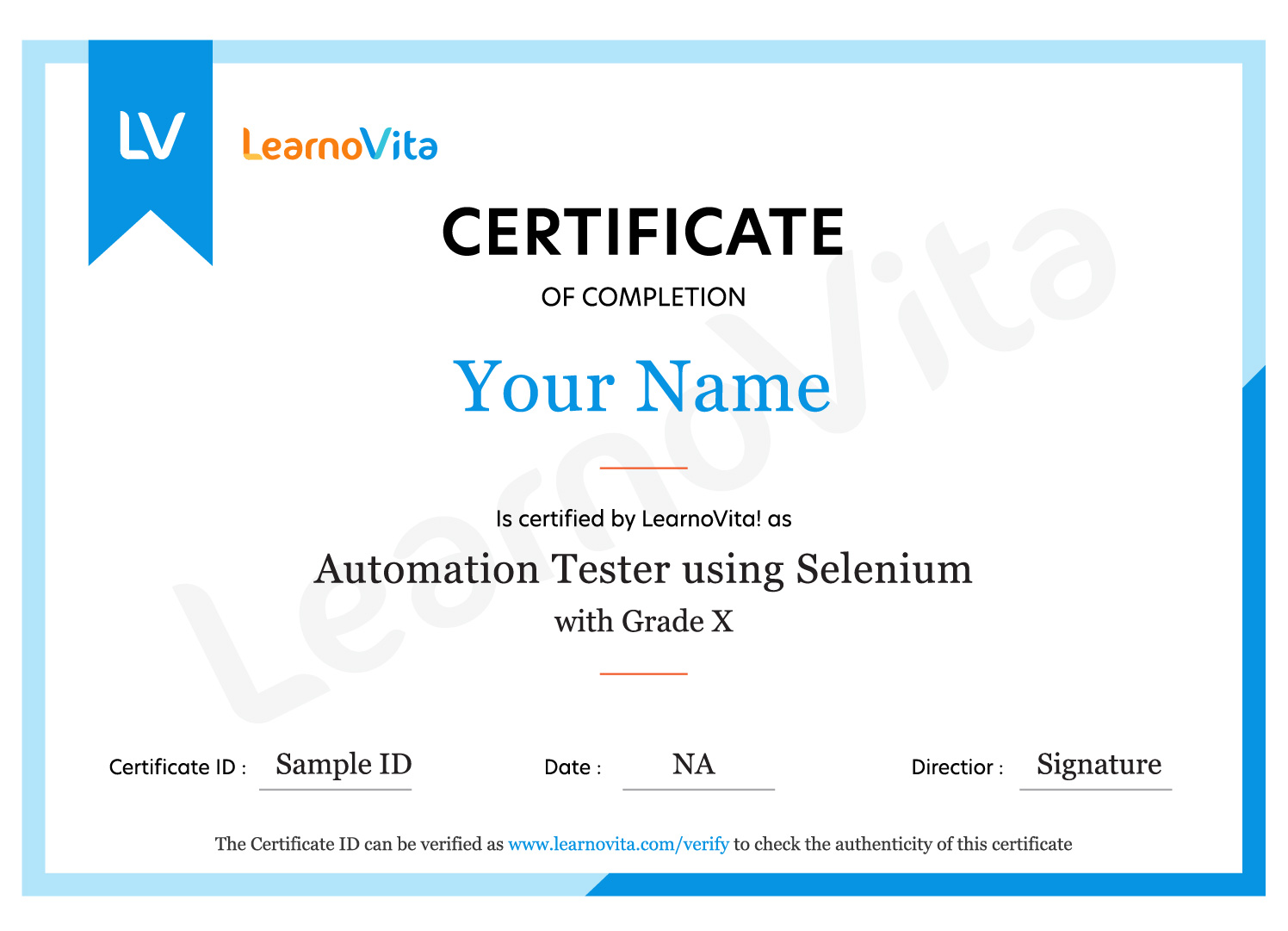
Exams & Java Full Stack Certification

  • Basic understanding of programming concepts
  • Familiarity with at least one programming language
  • Interest in web technologies and application development
  • Willingness to practice coding regularly
  • Basic knowledge of databases and client-server architecture
A Java Full Stack certification demonstrates your ability to design, develop, and deploy end-to-end applications while understanding both front-end and back-end processes. It boosts professional credibility, enhances employability, and signals to employers that you possess practical, industry-ready skills. Certified professionals often gain an edge during recruitment, career advancement, and salary negotiations.
Java Full Stack certification significantly improves your profile when combined with practical project experience. Employers value applied skills, problem-solving capability, and real coding experience over certificates alone. Actively working on projects and building a portfolio enhances your chances of securing desirable roles.
  • Java Full Stack Developer
  • Software Engineer
  • Backend Developer
  • Front-End Developer
Earning a Java Full Stack certification strengthens your technical foundation and signals readiness for end-to-end development roles. It opens opportunities in product companies, startups, and enterprise IT teams that require cross-layer expertise. Certified professionals are viewed as adaptable, capable, and reliable contributors, often leading to faster career progression.

Our learners
transformed their careers

35 Laks
Highest Salary Offered
50%
Average Salary Hike
30K+
Placed in MNC's
15+
Year's in Training
Our Alumni
Alumni

A majority of our alumni

fast-tracked into managerial careers.

Get inspired by their progress in the Career Growth Report.

Our Student Successful Story

checkimage Regular 1:1 Mentorship From Industry Experts checkimage Live Classes checkimage Career Support

How are the Java Full Stack Course with LearnoVita Different?

Feature

LearnoVita

Other Institutes

Affordable Fees

Competitive Pricing With Flexible Payment Options.

Higher Java Full StackCourse Fees With Limited Payment Options.

Live Class From ( Industry Expert)

Well Experienced Trainer From a Relevant Field With Practical Java Full Stack Training .

Theoretical Class With Limited Practical

Updated Syllabus

Updated and Industry-relevant Java Full Stack Course Syllabus With Hands-on Learning.

Outdated Curriculum With Limited Practical Training.

Hands-on projects

Real-world Java Full Stack project With Live Case Studies and Collaboration With Companies.

Basic Projects With Limited Real-world Application.

Certification

Industry-recognized Java Full Stack Course Certification With Global Validity.

Basic Java Full Stack Course Certification With Limited Recognition.

Placement Support

Strong Placement Support With Tie-ups With Top Companies and Mock Interviews.

Basic Placement Support

Industry Partnerships

Strong Ties With Top Tech Companies for Internships and Placements

No Partnerships, Limited Opportunities

Batch Size

Small Batch Sizes for Personalized Attention.

Large Batch Sizes With Limited Individual Focus.

Additional Features

Lifetime Access to Java Full Stack Course, Alumni Network, and Hackathons.

No Additional Features or Perks.

Training Support

Dedicated Mentors, 24/7 Doubt Resolution, and Personalized Guidance.

Limited Mentor Support and No After-hours Assistance.

Core Java Course FAQ's

LearnoVita Offers the Best Discount Price for you CALL at +91 93833 99991 and know the Exciting offers Available for you!!!
Yes, you can attend the demo session. Even though We have a limited number of participants in a live session to maintain the Quality Standards. So, unfortunately, participation in a live class without enrolment is not possible.If you are unable to attend you can go through our Pre recorded session of the same trainer, it would give you a clear insight about how are the classes conducted, the quality of instructors, and the level of interaction in the class.
All Our instructors are working professionals from the Industry, Working in leading Organizations and have Real-World Experience with Minimum 9-12 yrs of Relevant IT field Experience. All these experienced folks at LearnoVita Provide a Great learning experience.
The trainer will give Server Access to the course seekers, and we make sure you acquire practical hands-on training by providing you with every utility that is needed for your understanding of the course
  • LearnoVita will assist the job seekers to Seek, Connect & Succeed and delight the employers with the perfect candidates.
  • On Successfully Completing a Career Course with LearnoVita, you Could be Eligible for Job Placement Assistance.
  • 100% Placement Assistance* - We have strong relationship with over 650+ Top MNCs, When a student completes his/ her course successfully, LearnoVita Placement Cell helps him/ her interview with Major Companies like Oracle, HP, Wipro, Accenture, Google, IBM, Tech Mahindra, Amazon, CTS, TCS, HCL, Infosys, MindTree and MPhasis etc...
  • LearnoVita is the Legend in offering placement to the students. Please visit our Placed Students's List on our website.
  • More than 5400+ students placed in last year in India & Globally.
  • LearnoVita Conducts development sessions including mock interviews, presentation skills to prepare students to face a challenging interview situation with ease.
  • 85% percent placement record
  • Our Placement Cell support you till you get placed in better MNC
  • Please Visit Your Student's Portal | Here FREE Lifetime Online Student Portal help you to access the Job Openings, Study Materials, Videos, Recorded Section & Top MNC interview Questions
After Your Course Completion You will Receive
  • LearnoVita Certification is Accredited by all major Global Companies around the World.
  • LearnoVita is the unique Authorized Oracle Partner, Authorized Microsoft Partner, Authorized Pearson Vue Exam Center, Authorized PSI Exam Center, Authorized Partner Of AWS.
  • Also, LearnoVita Technical Experts Help's People Who Want to Clear the National Authorized Certificate in Specialized IT Domain.
  • LearnoVita is offering you the most updated, relevant, and high-value real-world projects as part of the training program.
  • All training comes with multiple projects that thoroughly test your skills, learning, and practical knowledge, making you completely industry-ready.
  • You will work on highly exciting projects in the domains of high technology, ecommerce, marketing, sales, networking, banking, insurance, etc.
  • After completing the projects successfully, your skills will be equal to 6 months of rigorous industry experience.
At LearnoVita you can enroll in either the instructor-led Online Training, Self-Paced Training, Class Room, One to One Training, Fast Track, Customized Training & Online Training Mode. Apart from this, LearnoVita also offers Corporate Training for organizations to UPSKILL their workforce.
LearnoVita Assures You will Never lose any Topics and Modules. You can choose either of the Three options:
  • We will reschedule the classes as per your convenience within the stipulated course duration with all such possibilities.
  • View the class presentation and recordings that are available for online viewing.
  • You can attend the missed session, in any other live batch.
Just give us a CALL at +91 9383399991 OR email at contact@learnovita.com
Yes We Provide Lifetime Access for Student’s Portal Study Materials, Videos & Top MNC Interview Question After Once You Have Enrolled.
We at LearnoVita believe in giving individual attention to students so that they will be in a position to clarify all the doubts that arise in complex and difficult topics and Can Access more information and Richer Understanding through teacher and other students' body language and voice. Therefore, we restrict the size of each Core Java batch to 5 or 6 members
Learning Core Java can help open up many opportunities for your career. It is a GREAT SKILL-SET to have as many developer roles in the job market requires proficiency in Core Java. Mastering Core Java can help you get started with your career in IT. Companies like Oracle, IBM, Wipro, HP, HCL, DELL, Bosch, Capgemini, Accenture, Mphasis, Paypal, and MindLabs.
The Average Core Java Developer salary in India is ₹4,43,568 per annum.
You can contact our support number at +91 93800 99996 / Directly can do by LearnoVita E-commerce payment system Login or directly walk-in to one of the LearnoVita branches in India.
view More view Less
Career Assistance
  • Build a Powerful Resume for Career Success
  • Get Trainer Tips to Clear Interviews
  • Practice with Experts: Mock Interviews for Success
  • Crack Interviews & Land Your Dream Job

Find Java Full Stack Training in Other Cities

Acte Technologies WhatsApp