
SAP GRC GTS Online Training
 7425
7425 Ratings


- Join the SAP GRC GTS Online Course to master global trade management processes, compliance, and risk mitigation.
- Learn core topics such as Trade Compliance, Customs Management, Export/Import Processes and Risk Analysis.
- Gain hands-on experience through real-time projects, managing trade operations, and automating compliance workflows.
- Flexible Learning Options: Choose from Weekday, Weekend, or Fast-Track batches tailored to your schedule.
- Learn from experienced SAP trainers with practical expertise in SAP GTS, global trade compliance, and risk management.
- Career Support including Resume Building, Certification Guidance, Interview Preparation, and Placement Assistance.
Course Duration
55+ HrsLive Project
3 ProjectCertification Pass
GuaranteedTraining Format
Live Online (Expert Trainers)Quality Training With Affordable Fee
 Fees Starts From

11258+
Professionals Trained
10+
Batches every month
3251+
Placed Students
272+
Corporate ServedWhat You'll Learn
Use SAP GTS programs to learn customs management and global trade compliance.
Master SAP GRC GTS Online Course to learn recognize embargo inspections, legal control features, and import/export procedures.
SAP GTS license management, preference processing, and master categorization.
Automate the process of checking business partners for compliance and sanctions.
Connect SAP GTS to S/4HANA and ECC to handle trade from start to finish.
Gain practical skills by attending seminars for expert SAP GRC GTS Online Training .
SAP GRC GTS Training Objectives
- Continuous Growth Demand for Automated Global Trade Solutions
- Integration of AI and Machine learning in trade compliance
- SAP updations continuously to add on the latest trade laws
- Cloud-based and mobile trade management systems on the rise
- Potential career growth for SAP-trained GRC experts
- Introduction to Global Trade Services (GTS)
- Overview of SAP GRC (Governance, Risk, and Compliance)
- Export Control and Sanctions Management
- Customs Management
- Risk Management in International Trade
- Trade Law Regulatory Compliance
- Integration to SAP ERP
- Monitor and Reporting of Trade Processes
- International Trade and Logistics
- Manufacturing
- Pharmaceuticals
- Automotive
- Retail
- Aerospace and Defense
- SAP GRC GTS Proficiency
- International Trade Compliance
- SAP ERP Integration
- SAP NetWeaver Developer Studio
- Web Dynpro User Interface
Request more informations
WhatsApp (For Call & Chat):
+91 72003 88604
Benefits of SAP GRC GTS Course
SAP GRC GTS Certification Course offers proficiency in handling supply chain risks, customs procedures, and international trade compliance. Trade laws, customs paperwork, and automated import/export procedures are among the subjects covered in the course. It gives professionals the tools they need to improve customs processes and guarantee compliance with international trade. This course improves career chances by deepening understanding of global trade dynamics and SAP solutions, making it ideal for individuals working in logistics, international commerce, and compliance.
- Designation
-
Annual SalaryHiring Companies








Request more informations
WhatsApp (For Call & Chat):
+91 72003 88604
About Your SAP GRC GTS Training
Our SAP GRC GTS Certification Course provides thorough knowledge of handling logistics and compliance for international trade. Discover how to use SAP GTS to expedite procedures including import/export paperwork, customs administration, and trade compliance. Learn how to optimize international trade operations firsthand through seminars given by experts and hands-on SAP GRC GTS Project. With 100%SAP GRC GTS placement assistance and links to leading businesses, this course guarantees you’re prepared to thrive in the fast-paced world of international trade services.
Top Skills You Will Gain
- Risk Management
- Trade Compliance Management
- Export/Import Controls
- Customs Management
- Sanctioned Party List Screening
- Embargo Management
- Legal Control Management
12+ SAP GRC GTS Tools
Online Classroom Batches Preferred
No Interest Financing start at ₹ 5000 / month
Corporate Training
- Customized Learning
- Enterprise Grade Learning Management System (LMS)
- 24x7 Support
- Enterprise Grade Reporting
Not Just Studying
We’re Doing Much More!
Empowering Learning Through Real Experiences and Innovation








SAP GRC GTS Course Curriculum
Trainers Profile
Industry-experienced trainers with deep knowledge of global trade services and compliance lead the SAP GRC GTS training. They share insights from live projects to help students understand core SAP GTS functionalities and apply them in practical business scenarios. The course emphasizes hands-on learning to develop real-world skills in trade and compliance management. We also offer an SAP GRC GTS Internship to provide students with practical experience and exposure to industry projects.
Syllabus of SAP GRC GTS Online Training Download syllabus
- Introduction to SAP GRC and GTS
- Importance of compliance in international trade
- Architecture and components of SAP GTS
- SAP GTS's key functional features and benefits
- Configuration of the general SAP GTS
- Integrate SAP GTS with SAP ERP
- Master data setup for international trade
- Trade documents and customs activities
- Compliance master data setup
- The general concept of compliance management
- Export and import process automation
- Regulatory compliance
- The Management of customs
- SAP GTS risk management
- Configure import/export master data
- Automate trade processes
- Handle customs declarations
- Manage FTAs and duties
- Overview trade preferences
- Configure and manage FTAs
- Determine if a product is eligible for preference
- Automate duty calculation based on FTAs
- Overview of global trade processes in SAP GTS
- Manages trade documentation and licenses
- Handles sanctions and embargo checks
- Automates compliance screenings
- Real-time view into trade activities.
- Compliance Risks in International Trade
- Discovery and Management using SAP GTS
- Automated risk assessment process
- Security through Role-based Access Controls
- Report on compliance and risk management
- SAP Fiori, overview, and benefits
- SAP GTS with SAP Fiori
- Enhancing User Experience by Using Fiori Applications
- Custom Fiori applications for trade compliance
- Accessing mobile-enabled trade data
- Role of AI in compliance processes
- Machine learning for predictive analytics
- Automating routine compliance tasks
- Enhancing decision-making with AI
- Future developments in AI for trade compliance
- Introduction to blockchain technology
- Benefits for trade compliance and transparency
- Real-world examples of blockchain use
- Challenges in implementing blockchain
- Integrating blockchain with SAP GTS
- Future of blockchain in trade compliance
Request more informations
WhatsApp (For Call & Chat):
+91 72003 88604
REAL

UPGRADE

sowmiya

UPGRADE

Rajkumar

UPGRADE

Thon
UPGRADE

Lavanya

Industry Projects
Exam & Certification
- Awareness of SAP GRC as well as GTS modules.
- Knowledge of international trade regulation and compliance standards SAP ERP fundamentals.
- Desirable experience in SAP application development.
- SAP GRC Consultant
- Global Trade Compliance Specialist
- SAP GTS Functional Consultant
- Business Process Analyst
- Trade Compliance Manager
- SAP Solution Architect
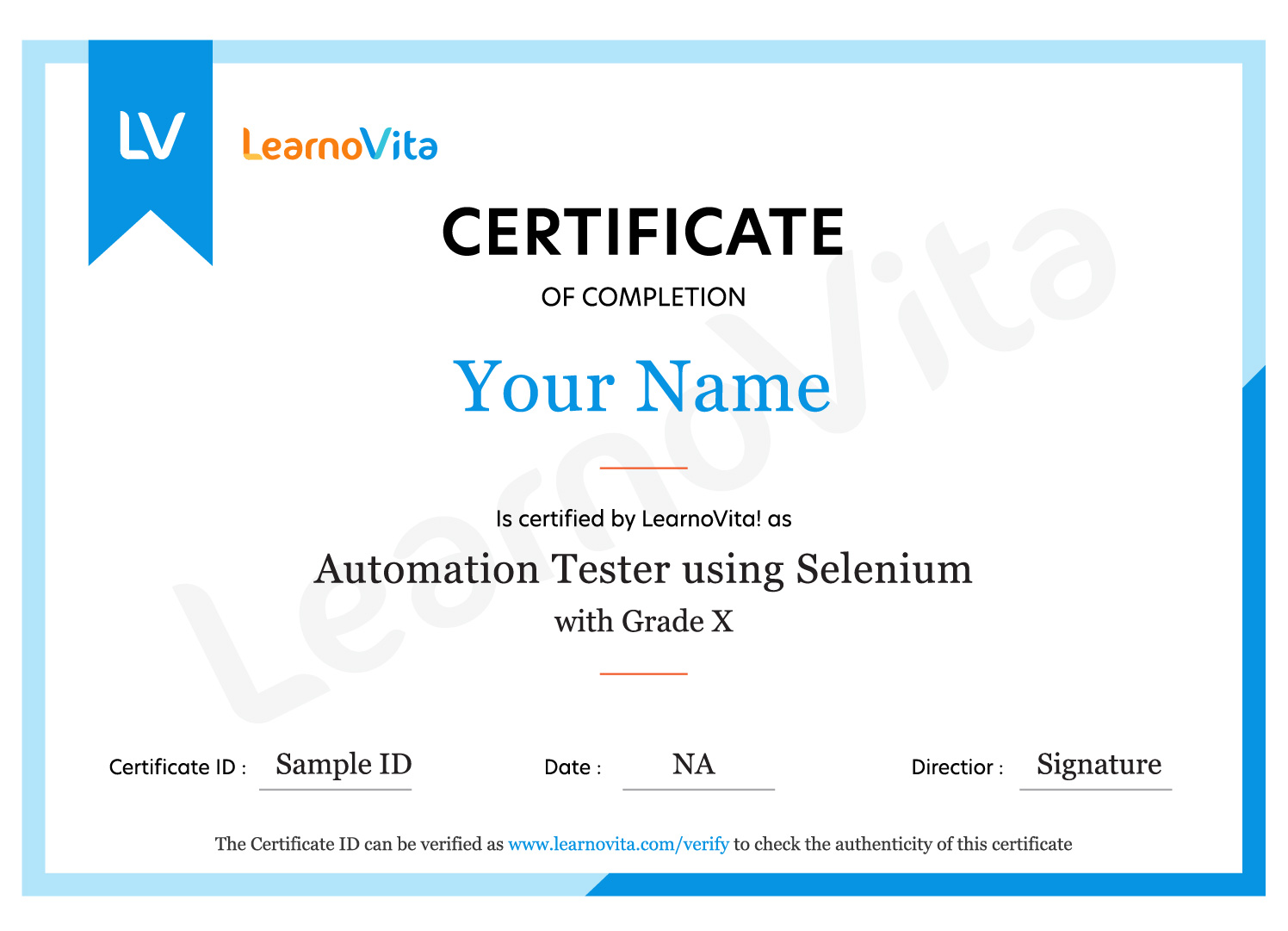
MNC Recognized course
complete certification
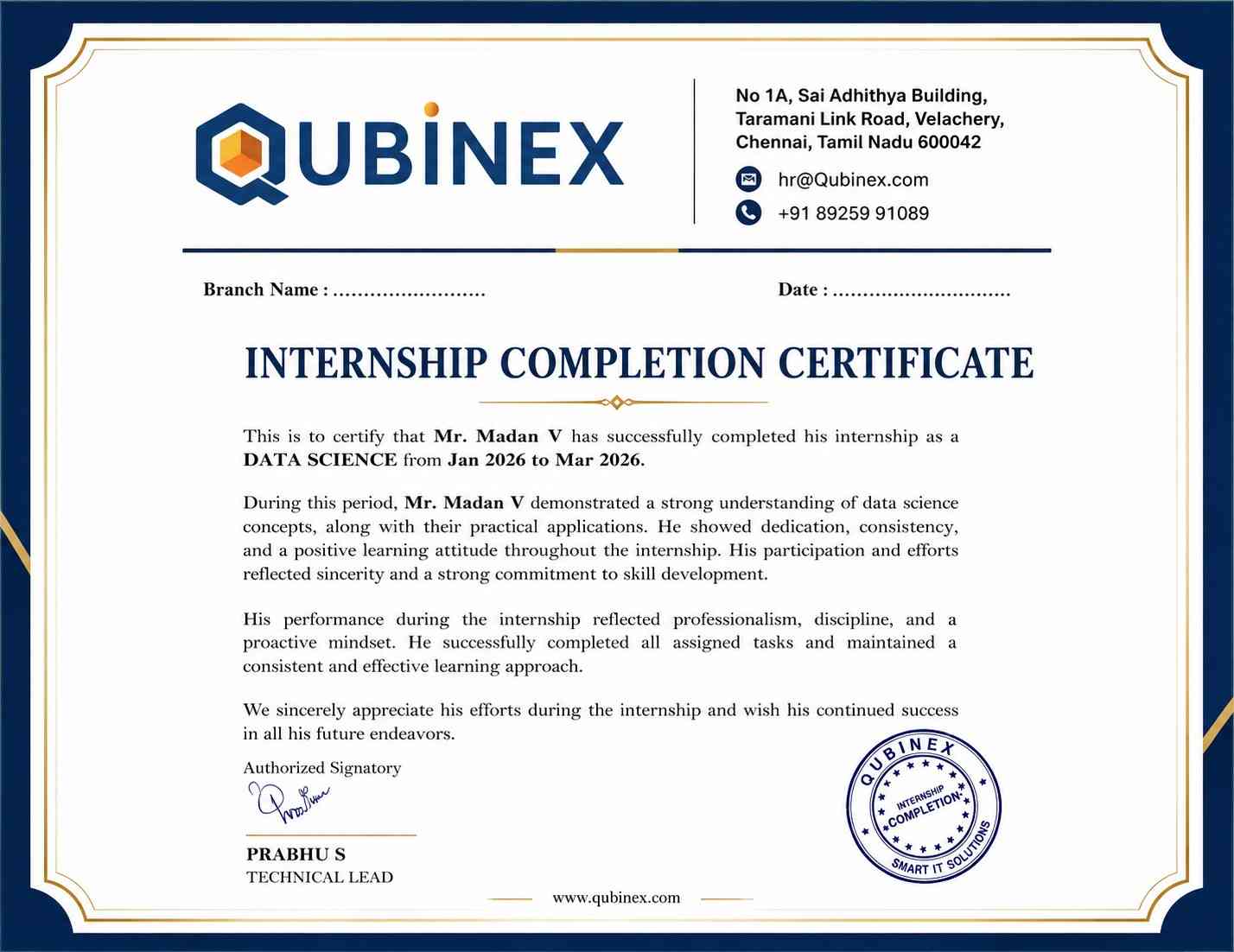
Intership
complete certification
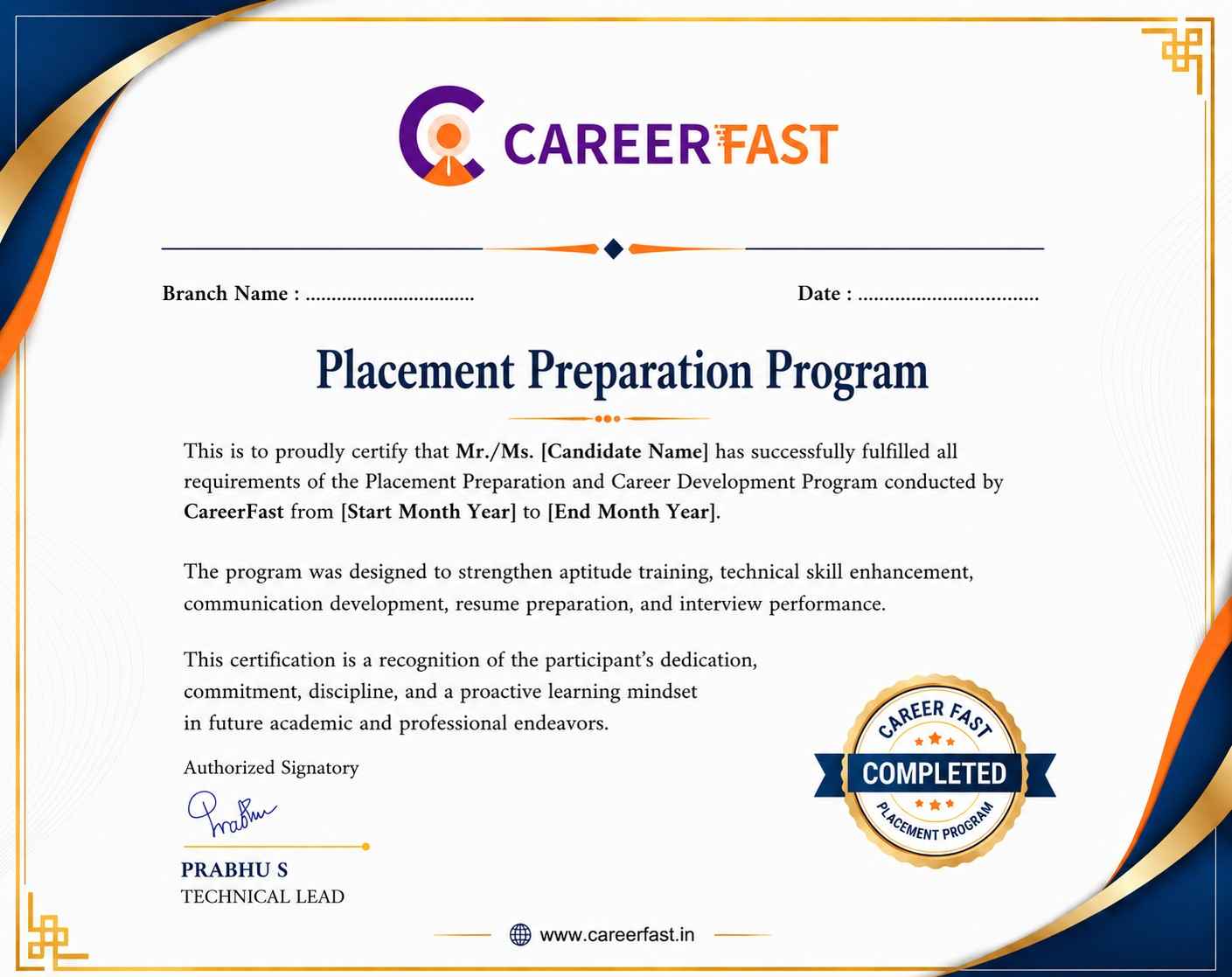
Placement
complete certification
Our learners
transformed their careers

A majority of our alumni
fast-tracked into managerial careers.
Get inspired by their progress in the Career Growth Report.
Our Student Successful Story
 Regular 1:1 Mentorship From Industry Experts
Live Classes
Career Support
Regular 1:1 Mentorship From Industry Experts
Live Classes
Career Support

Sandeep Kumar D
Software Engineer, Cisco Systems )

Vinoth P
UI Developer, TCS
Vijeyalakshme kannan
QA Engineer, Amazon Development Center
Pranav Srinivas
Software Testing, Capgemini
Prasanna
SAP Admin, HCLHow are the SAP GRC GTS Course with LearnoVita Different?
Feature
LearnoVita
Other Institutes
Affordable Fees
Competitive Pricing With Flexible Payment Options.
Higher SAP GRC GTS Fees With Limited Payment Options.
Live Class From ( Industry Expert)
Well Experienced Trainer From a Relevant Field With Practical SAP GRC GTS Training
Theoretical Class With Limited Practical
Updated Syllabus
Updated and Industry-relevant SAP GRC GTS Course Curriculum With Hands-on Learning.
Outdated Curriculum With Limited Practical Training.
Hands-on projects
Real-world SAP GRC GTS Projects With Live Case Studies and Collaboration With Companies.
Basic Projects With Limited Real-world Application.
Certification
Industry-recognized SAP GRC GTS Certifications With Global Validity.
Basic SAP GRC GTS Certifications With Limited Recognition.
Placement Support
Strong Placement Support With Tie-ups With Top Companies and Strong Mock Interviews.
Basic Placement Support
Industry Partnerships
Strong Ties With Top Tech Companies for Internships and Placements
No Partnerships, Limited Opportunities
Batch Size
Small Batch Sizes for Personalized Attention.
Large Batch Sizes With Limited Individual Focus.
Additional Features
Lifetime Access to SAP GRC GTSCourse Materials, Alumni Network, and Hackathons.
No Additional Features or Perks.
Training Support
Dedicated Mentors, 24/7 Doubt Resolution, and Personalized Guidance.
Limited Mentor Support and No After-hours Assistance.
SAP GRC GTS Course FAQ's
- LearnoVita is dedicated to assisting job seekers in seeking, connecting, and achieving success, while also ensuring employers are delighted with the ideal candidates.
- Upon successful completion of a career course with LearnoVita, you may qualify for job placement assistance. We offer 100% placement assistance and maintain strong relationships with over 650 top MNCs.
- Our Placement Cell aids students in securing interviews with major companies such as Oracle, HP, Wipro, Accenture, Google, IBM, Tech Mahindra, Amazon, CTS, TCS, HCL, Infosys, MindTree, and MPhasis, among others.
- LearnoVita has a legendary reputation for placing students, as evidenced by our Placed Students' List on our website. Last year alone, over 5400 students were placed in India and globally.
- We conduct development sessions, including mock interviews and presentation skills training, to prepare students for challenging interview situations with confidence. With an 85% placement record, our Placement Cell continues to support you until you secure a position with a better MNC.
- Please visit your student's portal for free access to job openings, study materials, videos, recorded sections, and top MNC interview questions.

- Build a Powerful Resume for Career Success
- Get Trainer Tips to Clear Interviews
- Practice with Experts: Mock Interviews for Success
- Crack Interviews & Land Your Dream Job
Global Quality Training
At The Lowest Fees & Expert Trainer








Need custom pricing?

