Home » Others Courses » UI/UX Course in Hyderabad

UI/UX Course in Hyderabad

(4.9) 9621 Ratings
  • Join the UI/UX training in Hyderabad to understand user behavior and design engaging digital experiences.
  • Learn core concepts such as user research, wireframing, prototyping, interaction design, and visual design.
  • Build practical skills through hands-on projects, design tools practice, and usability testing.
  • Suitable for Designers, Fresh Graduates, Developers, Product Teams, and Creative Professionals.
  • Select from flexible batch timings: Weekday, Weekend, or Fast-Track learning options.
  • Access placement assistance, portfolio support, and interview preparation to boost career readiness.

Course Duration

55+ Hrs

Live Project

3 Project

Certification Pass

Guaranteed

Training Format

Live Online (Expert Trainers)
Quality Training With Affordable Fee

⭐ Fees Starts From

INR 38,000
INR 18,500

11258+

Professionals Trained

10+

Batches every month

3695+

Placed Students

236+

Corporate Served

What You'll Learn

UI/UX Course in Hyderabad introduces learners to user-centered design thinking, visual communication, and digital experience planning used in modern products.

Understand design fundamentals through practical learning that covers user research, wireframes, prototypes, and interaction flows used in real applications.

Strengthen problem-solving abilities by converting user needs into intuitive interfaces that improve usability, accessibility, and engagement.

Get practical exposure in UI/UX training in Hyderabad, working with design tools to build layouts, navigation structures, and interactive screens.

Explore advanced concepts such as design systems, usability testing, responsive design, and consistency across web and mobile platforms.

Develop job-ready design skills that support careers in product design, web design, and user experience roles across growing tech industries.

An Comprehensive Overview of UI/UX Training

The UI/UX Course in Hyderabad is designed to equip learners with in-depth knowledge of user interface and user experience design, emphasizing usability, visual consistency, and user-focused problem solving. Through UI/UX training in Hyderabad, participants gain hands-on exposure by working on real design assignments, practical exercises, and mentor-guided sessions. This UI/UX training course offers flexible learning modes, including instructor-led and online options, to suit different learning styles. Enrolling in the UI/UX Certification Course in Hyderabad strengthens design expertise, builds a professional portfolio, and improves employability. The UI/UX course with placement support prepares learners for roles in product design, web design, and digital experience teams by aligning skills with current industry expectations.

Additional Info

Future Trends for UI/UX Course

  • Human-Centered Design Becoming Business-Centered Strategy: UI/UX training is shifting from visual design to business-driven problem solving. Designers are now expected to understand user psychology, business goals, and measurable outcomes. Courses focus on aligning user needs with conversion, retention, and product growth. This trend helps professionals create designs that deliver both user satisfaction and ROI. Future designers will be valued as strategic contributors, not just visual creators. Training programs now emphasize stakeholder communication and design justification skills. This prepares designers to influence product decisions at leadership levels.
  • AI-Assisted Design Workflows: Modern UI/UX training introduces designers to AI-powered tools that speed up wireframing, layout suggestions, and usability testing. Instead of replacing designers, AI enhances creativity by handling repetitive tasks. Learners are trained to interpret AI outputs and refine them with human judgment. This allows designers to focus more on innovation and user empathy. Mastering AI collaboration will become a core design skill. Design courses also teach ethical use of AI-generated content. This ensures originality and responsible design practices.
  • Data-Driven UX Decision Making: Future UI/UX professionals are trained to rely on user data rather than assumptions. Courses now teach how to analyze heatmaps, session recordings, and user behavior metrics. Designers learn to validate ideas through A/B testing and usability analytics. This approach leads to smarter design choices and continuous improvement. Data literacy is becoming essential for UX credibility. Designers with analytical skills gain stronger trust from product and marketing teams. This increases their impact across organizations.
  • Voice and Conversational Interface Design: UI/UX training is expanding beyond screens to include voice-based and conversational experiences. Designers learn how users interact with chatbots, voice assistants, and AI-driven interfaces. Emphasis is placed on tone, clarity, and natural interaction flows. This trend reflects the rise of smart devices and hands-free technology. UX designers must now think in conversations, not just layouts. Courses also focus on reducing friction in voice interactions. This improves user comfort and adoption rates.
  • Accessibility-First Design Practices: Accessibility is no longer optional in UI/UX training programs. Learners are taught to design for users with visual, auditory, and motor limitations. Courses cover global accessibility standards and inclusive design techniques. This trend ensures products are usable by a wider audience. Accessibility skills also increase job opportunities in regulated industries. Inclusive design training improves brand reputation and legal compliance. It also strengthens user trust and loyalty.
  • Micro-Interactions and Emotional Design: Future UI/UX training highlights the importance of small design details that create emotional connections. Designers learn how animations, feedback, and transitions influence user perception. These micro-interactions improve usability and make digital products feel intuitive. Emotional design helps brands stand out in competitive markets. Designers who master this create memorable user experiences. Well-designed interactions reduce user frustration and drop-offs. They also increase engagement and satisfaction.
  • Cross-Platform and Multi-Device UX: UI/UX training now prepares designers to create seamless experiences across mobile, web, wearables, and smart devices. Learners understand how user behavior changes across platforms. Courses focus on consistency without sacrificing platform-specific usability. This trend supports the growing ecosystem of connected devices. Designers must think beyond a single screen. Cross-platform expertise makes designers highly adaptable. It also opens opportunities in emerging technology sectors.
  • UX Writing and Content Strategy Integration: UI/UX training is blending design with content and language strategy. Designers learn how words guide users through interfaces and influence decisions. Clear microcopy, onboarding text, and error messages are now part of UX responsibility. This improves usability and reduces user confusion. Strong UX writing skills enhance overall product experience. Designers with content skills collaborate better with marketing teams. This leads to consistent brand communication.
  • Ethical UX and Responsible Design: Future-focused UI/UX training emphasizes ethical decision-making in design. Designers are taught to avoid dark patterns and manipulative interfaces. Courses explore privacy, transparency, and user trust. Ethical UX builds long-term relationships between users and products. Responsible design is becoming a key hiring criterion.Ethical design reduces customer complaints and churn. It also strengthens long-term brand credibility.
  • Portfolio-Driven Learning and Real-World Exposure: UI/UX training is becoming more outcome-oriented, focusing on real project portfolios. Learners work on industry-relevant case studies and practical challenges. This prepares them for actual design roles rather than theoretical knowledge. Employers value problem-solving evidence over certificates alone. Strong portfolios are now the main career differentiator. Hands-on exposure boosts confidence during interviews. It also shortens the learning curve in real job roles.

Tools and Technologies for UI/UX Course

  • Figma: Figma is a cloud-based design tool widely used for interface creation and real-time collaboration. UI/UX training introduces learners to building wireframes, interactive prototypes, and design systems within a single workspace. Its browser-based nature allows instant feedback from teams and stakeholders. Designers learn to manage components and styles for consistency. This tool prepares students for modern, fast-paced product environments. It supports version control, reducing design conflicts during teamwork. Learners practice responsive layouts for web and mobile screens. Figma skills are highly valued in UI/UX hiring roles.
  • Adobe XD: Adobe XD helps designers turn ideas into functional interface designs quickly. In UI/UX training, learners use it to design screens, link user flows, and create interactive prototypes. It supports smooth transitions and animations that simulate real user experiences. Integration with other Adobe tools enhances creative flexibility. This tool strengthens both visual and interaction design skills. Learners experiment with micro-interactions to improve usability. Voice and auto-animate features enhance prototyping depth. Adobe XD supports rapid testing of multiple design versions.
  • Sketch: Sketch is a vector-based design tool focused on interface and layout creation. UI/UX training teaches students how to design clean, scalable UI elements using reusable symbols. Its plugin ecosystem supports usability testing and asset export. Designers learn to maintain consistency across screens. Sketch is often used in structured product design teams. Students practice grid systems for accurate layouts. Shared libraries help maintain brand consistency. Sketch workflows improve collaboration with development teams.
  • InVision: InVision is used to transform static designs into clickable prototypes. UI/UX training shows learners how to simulate real app and website interactions without coding. It helps gather user feedback through comments and shared previews. Designers use it to test navigation flow and usability. This tool improves presentation and validation of design ideas. Learners conduct stakeholder reviews using live prototypes. Feedback tracking improves iteration speed. InVision supports smoother design approval cycles.
  • Balsamiq: Balsamiq focuses on low-fidelity wireframing for early design stages. UI/UX training uses it to help learners sketch layouts quickly without visual distractions. It encourages thinking about structure, content placement, and user flow. Designers can explore multiple ideas rapidly. This tool builds strong foundational UX thinking. Students focus on usability over aesthetics initially. Wireframes help clarify requirements early. Balsamiq reduces rework during later design phases.
  • Axure RP: Axure RP is a powerful tool for advanced prototyping and interaction design. UI/UX training covers creating dynamic content, conditional logic, and complex user flows. It is especially useful for enterprise-level applications. Designers learn to document functionality clearly. This tool bridges the gap between design and development. Learners simulate real system behavior without coding. Functional prototypes support accurate requirement validation. Axure strengthens analytical UX skills.
  • Miro: Miro is a collaborative whiteboarding platform used during UX research and ideation. UI/UX training teaches learners to create user journeys, personas, and flow diagrams visually. It supports brainstorming with distributed teams. Designers organize ideas and feedback in one shared space. Miro enhances teamwork and creative exploration. Learners map user pain points effectively. Workshops become more engaging and structured. Miro supports early-stage UX discovery processes.
  • Hotjar: Hotjar helps designers understand real user behavior through heatmaps and recordings. UI/UX training introduces this tool to analyze how users interact with interfaces. It reveals usability issues that are not visible in design stages. Designers learn to improve layouts based on actual data. This tool strengthens data-driven UX decisions. Students interpret click and scroll behavior patterns. Feedback polls reveal user intent clearly. Hotjar supports continuous UX improvement cycles.
  • Zeplin: Zeplin acts as a bridge between designers and developers. UI/UX training shows how to hand off designs with clear specifications, assets, and measurements. It reduces communication gaps during development. Designers learn to prepare developer-ready files. This tool ensures design accuracy in final products. Learners practice structured design documentation. Version clarity reduces development errors. Zeplin improves delivery speed in real projects.
  • UsabilityHub: UsabilityHub is used for quick user testing and design validation. UI/UX training teaches learners to run preference tests and usability checks before finalizing designs. It helps collect real user opinions early. Designers improve confidence in their design choices. This tool supports evidence-based UX improvements. Students validate layouts with real audiences. Design risks are reduced early. UsabilityHub strengthens user-centered decision making.

Roles and Responsibilities for UI/UX Course

  • UI Designer: A UI Designer focuses on creating visually appealing interfaces that align with brand identity and user expectations. In UI/UX training, this role involves learning color theory, typography, spacing, and layout structure. Designers convert wireframes into polished screen designs. They ensure consistency across digital products. UI Designers collaborate closely with developers to maintain visual accuracy. Their work directly influences user engagement and satisfaction.
  • UX Designer: A UX Designer concentrates on improving the overall experience users have with a product. During UI/UX training, this role includes studying user behavior, navigation patterns, and usability principles. Designers plan user flows and interaction logic. They aim to reduce friction and enhance usability. UX Designers test designs to validate assumptions. Their responsibility is to make products intuitive and user-friendly.
  • UX Researcher: A UX Researcher gathers insights about user needs, preferences, and pain points. In UI/UX training, learners understand how to conduct surveys, interviews, and usability tests. Research findings guide design decisions. This role ensures products are built around real user expectations. UX Researchers analyze data and present actionable insights. Their work helps reduce design risks early.
  • Interaction Designer: An Interaction Designer defines how users interact with digital interfaces. UI/UX training teaches this role to focus on transitions, animations, and interactive elements. Designers map how screens respond to user actions. Their goal is to create smooth and meaningful interactions. Interaction Designers improve engagement through motion and feedback. They ensure every click feels purposeful.
  • Information Architect: An Information Architect organizes content in a clear and logical structure. During UI/UX training, this role focuses on navigation menus, content hierarchy, and labeling systems. They ensure users can find information easily. Information Architects reduce confusion through well-planned layouts. Their work supports usability across complex platforms. This role is critical for content-heavy applications.
  • Usability Analyst: A Usability Analyst evaluates how easily users can complete tasks within a product. UI/UX training introduces methods to observe user behavior and identify friction points. Analysts test designs for efficiency and clarity. They document usability issues and recommend improvements. This role focuses on performance and ease of use. Their insights help refine user journeys.
  • UX Consultant: A UX Consultant provides expert guidance to improve digital experiences. In UI/UX training, learners understand how consultants assess existing designs and suggest enhancements. They work across multiple projects and industries. UX Consultants balance business goals with user needs. Their role involves presenting insights to stakeholders. They help organizations achieve measurable UX improvements.
  • Product Designer: A Product Designer handles both UI and UX responsibilities across the product lifecycle. UI/UX training prepares learners to think holistically about design solutions. They align design decisions with product goals. Product Designers collaborate with cross-functional teams. Their role blends creativity with strategy. They ensure the product delivers value to users and businesses.
  • Design Analyst: A Design Analyst evaluates design performance using qualitative and quantitative data. UI/UX training introduces this role to analyze user feedback, metrics, and behavior patterns. They identify trends that influence design decisions. Design Analysts support continuous improvement. Their insights help teams optimize experiences. This role connects design outcomes with measurable results.
  • UX Strategist: A UX Strategist aligns user experience efforts with long-term business objectives. In UI/UX training, learners explore how strategy influences product direction. They define UX goals, roadmaps, and success metrics. UX Strategists balance innovation with practicality. Their responsibility is to guide design vision. This role ensures sustainable and scalable user experiences.

Companies Hiring UI/UX Professionals

  • Google: Google actively seeks UI/UX professionals to design intuitive experiences across products like Search, Maps, and Workspace. The company values user research, accessibility, and data-driven design decisions. UI/UX professionals collaborate closely with engineers and product teams. Creativity combined with usability is highly encouraged. Google offers global exposure and continuous learning opportunities. Designers are expected to validate ideas through testing and iteration. Attention to micro-interactions plays a critical role. Strong portfolios focused on user impact are preferred.
  • Microsoft: Microsoft hires UI/UX experts to enhance experiences across Windows, Azure, and enterprise tools. Designers focus on usability, consistency, and inclusive design. The company emphasizes human-centered design principles. UI/UX professionals work on large-scale products used worldwide. Strong problem-solving skills are highly valued here. Designers contribute to design systems followed globally. Research insights directly influence product evolution. Long-term product vision is a key expectation.
  • Amazon: Amazon recruits UI/UX professionals to optimize customer journeys across e-commerce, AWS, and digital services. The focus is on simplicity, speed, and customer trust. Designers work in fast-paced environments with real user impact. Data-backed design decisions are essential. Amazon offers exposure to high-traffic platforms. UX metrics strongly guide design improvements. Designers often test ideas rapidly. Ownership and accountability are core expectations.
  • Infosys: Infosys hires UI/UX professionals for digital transformation projects across global clients. The company values structured design thinking and enterprise usability. UI/UX teams work on web, mobile, and enterprise platforms. Professionals gain experience across industries. Infosys provides strong career stability and learning programs. Designers follow formal UX frameworks. Collaboration with business stakeholders is common. Process clarity is highly emphasized.
  • Accenture: Accenture employs UI/UX professionals to design digital experiences for Fortune 500 clients. Designers collaborate with business consultants and technologists. The work involves solving complex user problems at scale. Innovation and user research play a major role. Accenture offers diverse project exposure and global reach. UX professionals influence strategic decisions. Design thinking workshops are frequently conducted. Client-centric design is a priority.
  • IBM: IBM seeks UI/UX professionals to design enterprise software and AI-driven platforms. The company emphasizes clarity, accessibility, and research-based design. UI/UX teams follow structured design systems. Professionals contribute to long-term product ecosystems. IBM provides a strong balance of creativity and technical depth. Designers work closely with AI engineers. UX research drives product roadmaps. Consistency across platforms is essential.
  • Adobe: Adobe hires UI/UX professionals to shape creative tools used worldwide. Designers focus on seamless workflows and intuitive interfaces. The company values experimentation and visual storytelling. UI/UX teams work closely with creative communities. Adobe offers a design-driven culture and innovation freedom. User feedback directly influences design updates. Attention to visual detail is critical. Designers shape industry design standards.
  • Flipkart: Flipkart recruits UI/UX professionals to improve online shopping experiences. Designers focus on usability, conversion, and mobile-first design. The company values quick iteration and user feedback. UI/UX professionals work on large-scale consumer platforms. Flipkart offers strong growth opportunities in India’s tech space. Designers handle high-traffic user flows. Speed and clarity are essential design goals. User trust remains a key focus.
  • Paytm: Paytm hires UI/UX professionals to simplify digital payments and financial services. Designers work on mobile apps used by millions. The focus is on trust, clarity, and ease of use. UI/UX teams collaborate with fintech experts. Paytm provides exposure to fast-growing digital ecosystems. Designers improve onboarding experiences. Financial clarity is a major UX challenge. Security awareness influences design decisions.
  • Zoho: Zoho seeks UI/UX professionals to design business software for global users. The company values clean design and functional simplicity. Designers work across CRM, finance, and productivity tools. UI/UX roles involve long-term product ownership. Zoho offers a strong learning-oriented environment. Designers influence feature evolution. Consistent user experience is prioritized. Simplicity over visual excess is encouraged.
View more

UI/UX Course Objectives

This UI/UX training is open to learners from diverse backgrounds and does not require prior design experience. A basic understanding of computers, curiosity about how users interact with digital products, and a willingness to think creatively are helpful. Familiarity with websites or mobile apps as an end user is enough to get started. Strong observation skills and an interest in problem-solving add value as you progress through the training.
UI/UX training helps you learn how to design products that are easy to use, visually appealing, and aligned with user needs. It improves your ability to think from a user’s perspective while solving real design challenges. You gain practical design skills that are applicable across industries. The training also strengthens your portfolio, making you more confident during interviews and client discussions.
  • Growing demand for user-focused digital products
  • Expansion of mobile and web application design roles
  • Increased focus on accessibility and inclusive design
  • Integration of UX with AI-driven interfaces
  • Rising need for UX research and usability testing experts
  • Strong career opportunities in global tech markets
UI/UX plays a critical role in how businesses connect with users in the digital space. Companies prioritize seamless experiences to retain customers and stay competitive. Skilled UI/UX professionals help reduce user friction and improve product success. As digital products continue to grow, the need for designers who understand both usability and aesthetics remains consistently high.
  • User research fundamentals
  • Information architecture
  • Wireframing and prototyping
  • Interaction design principles
  • Visual design basics
  • Usability testing methods
  • Responsive design concepts
Yes, learners work on practical design assignments that reflect real industry scenarios. These projects help students apply design concepts to actual user problems. By creating wireframes, prototypes, and complete design flows, learners gain hands-on experience. This exposure builds confidence and prepares them for real project environments.
  • Information Technology
  • E-commerce platforms
  • Fintech and banking services
  • Healthcare technology
  • Education technology
  • Media and digital marketing
  • SaaS product companies
UI/UX training significantly improves employability. It equips you with practical skills, portfolio-ready projects, and design thinking abilities valued by employers. Job success depends on your dedication, portfolio quality, and interview performance. The training gives you a strong foundation to pursue design roles confidently.
  • Strong understanding of user-centered design
  • Ability to create intuitive digital experiences
  • Improved problem-solving and creativity
  • Portfolio development for job applications
  • Career flexibility across industries
  • Opportunities for freelance and full-time roles
During UI/UX training, participants gain hands-on experience with widely used design and prototyping tools that support wireframing, visual design, interaction creation, and usability testing. These tools help learners convert ideas into interactive designs, collaborate with teams, and present design solutions effectively in real project environments.
view More view Less

Benefits of UI UX Course

The UI/UX certification course in Hyderabad is designed to help learners gain real design exposure through guided practice and structured learning. The program includes practical assignments and a dedicated UI/UX internship that allows students to work on live design problems and user flows. Learners develop hands-on skills in research, wireframing, and interface creation under experienced mentors. This UI/UX course with placement support prepares candidates for design roles in product companies, startups, and digital agencies by aligning skills with industry needs.

  • Designation
  • Annual Salary
    Hiring Companies
  • 2.9L
    Min
  • 6.5L
    Average
  • 11.6L
    Max
  • 4.50L
    Min
  • 8.5L
    Average
  • 16.5L
    Max
  • 4.0L
    Min
  • 7.9L
    Average
  • 13.5L
    Max
  • 3.24L
    Min
  • 10.4L
    Average
  • 12.5L
    Max

About Your UI/UX Training

Our UI/UX Course in Hyderabad focuses on building strong design thinking skills through structured learning and hands-on practice. Learners work on real UI/UX projects that simulate actual product design challenges faced by modern businesses. The course emphasizes user research, interface design, and usability improvement through practical assignments. With industry-aligned training and placement support, learners are prepared to step confidently into UI/UX roles.

Top Skills You Will Gain
  • User Research
  • Wireframing Techniques
  • Visual Design
  • Interaction Design
  • Usability Testing
  • Information Architecture
  • Design Systems
  • Prototyping Skills

12+ UI/UX Tools

Online Classroom Batches Preferred

Weekdays (Mon - Fri)
01 - Jun - 2026
08:00 AM (IST)
Weekdays (Mon - Fri)
03 - Jun - 2026
08:00 AM (IST)
Weekend (Sat)
06 - Jun - 2026
11:00 AM (IST)
Weekend (Sun)
07 - Jun - 2026
11:00 AM (IST)
Can't find a batch you were looking for?
₹38,000 ₹18,500 10% OFF Expires in

No Interest Financing start at ₹ 5000 / month

Corporate Training

  • Customized Learning
  • Enterprise Grade Learning Management System (LMS)
  • 24x7 Support
  • Enterprise Grade Reporting

Not Just Studying
We’re Doing Much More!

Empowering Learning Through Real Experiences and Innovation

Hiring
Hiring
Hiring
Hiring
Hiring
Hiring
Hiring
User
User
User
User
User
User

UI/UX Course Curriculum

Trainers Profile

Our UI/UX Course in Hyderabad program in Hyderabad is guided by industry experts with hands-on experience in user-centered design and digital product strategy. Participants gain practical exposure to designing intuitive interfaces, interactive prototypes, and responsive layouts. Comprehensive UI/UX training materials are provided, including exercises, reference guides, and design templates to reinforce learning. This approach ensures learners develop professional skills to craft seamless user experiences across web and mobile platforms.

Syllabus for UI/UX Course Download syllabus

  • Fundamentals of UI/UX
  • Role of a UI/UX designer
  • Design principles overview
  • Understanding user experience
  • Interface design essentials
  • User personas creation
  • Empathy mapping
  • User interviews
  • Surveys and feedback analysis
  • Behavioral observation
  • Site mapping techniques
  • Navigation structure
  • Content hierarchy
  • Flowcharts and diagrams
  • Labeling conventions
  • Low-fidelity wireframes
  • Sketching layouts
  • Grid systems
  • Component placement
  • Wireframe evaluation
  • Interactive prototypes
  • Clickable mockups
  • Animation basics
  • Transition flows
  • Usability simulations
  • Color theory
  • Typography selection
  • Iconography
  • Layout balance
  • Design consistency
  • UI elements behavior
  • Micro-interactions
  • Button and menu dynamics
  • Feedback and notifications
  • Animation effects
  • Mobile-first design
  • Adaptive layouts
  • Screen resolution optimization
  • Breakpoints and grids
  • Cross-device testing
  • Test planning
  • Task analysis
  • Observational techniques
  • Feedback collection
  • Design iteration
  • Figma workflows
  • Adobe XD usage
  • Sketch overview
  • Prototyping tools
  • Collaboration features
(15) view More view Less
Need customized curriculum?

REAL

start
STORIES SUCCESS INSPIRATION
CAREER
UPGRADE
sowmiya

sowmiya

CAREER
UPGRADE
Rajkumar

Rajkumar

CAREER
UPGRADE
Thon

Thon

CAREER
UPGRADE
lavanya

Lavanya

Industry Projects

Project 1
Mobile App Redesign

Redesign a mobile application interface to improve usability and visual appeal. Focus on navigation flow, interactive elements, and intuitive layouts to enhance the overall user experience and engagement.

Project 2
E-Commerce Website Prototype

Develop a high-fidelity prototype for an e-commerce platform. Include product discovery, checkout flow, and responsive design to ensure a seamless experience across desktop and mobile devices.

Project 3
Dashboard Interface Design

Create a data analytics dashboard interface emphasizing clarity, real-time updates, and visual hierarchy. Implement charts, filters, and interactive elements to make data interpretation simple and efficient.

Our Hiring Partner

Exam & UI/UX Certification

Obtaining a UI/UX certification validates your expertise in design principles, user research, and interface development. It demonstrates practical skills to employers, increases credibility, and enhances opportunities for advanced design roles in top companies.
  • Basic computer literacy
  • Familiarity with web and mobile applications
  • Interest in design and user experience
  • Creativity and problem-solving mindset
  • Understanding of fundamental design concepts
UI/UX certification significantly improves employability and demonstrates practical skills to potential employers, it guarantee a job. Success depends on portfolio quality, real-world project experience, and interview performance.
  • UI Designer
  • UX Designer
  • Interaction Designer
  • Product Designer
A UI/UX certification strengthens your professional profile by validating your skills in design thinking, user research, and prototyping. It opens doors to higher-paying roles, leadership opportunities, and the ability to work on innovative digital products globally.

MNC Recognized course
complete certification
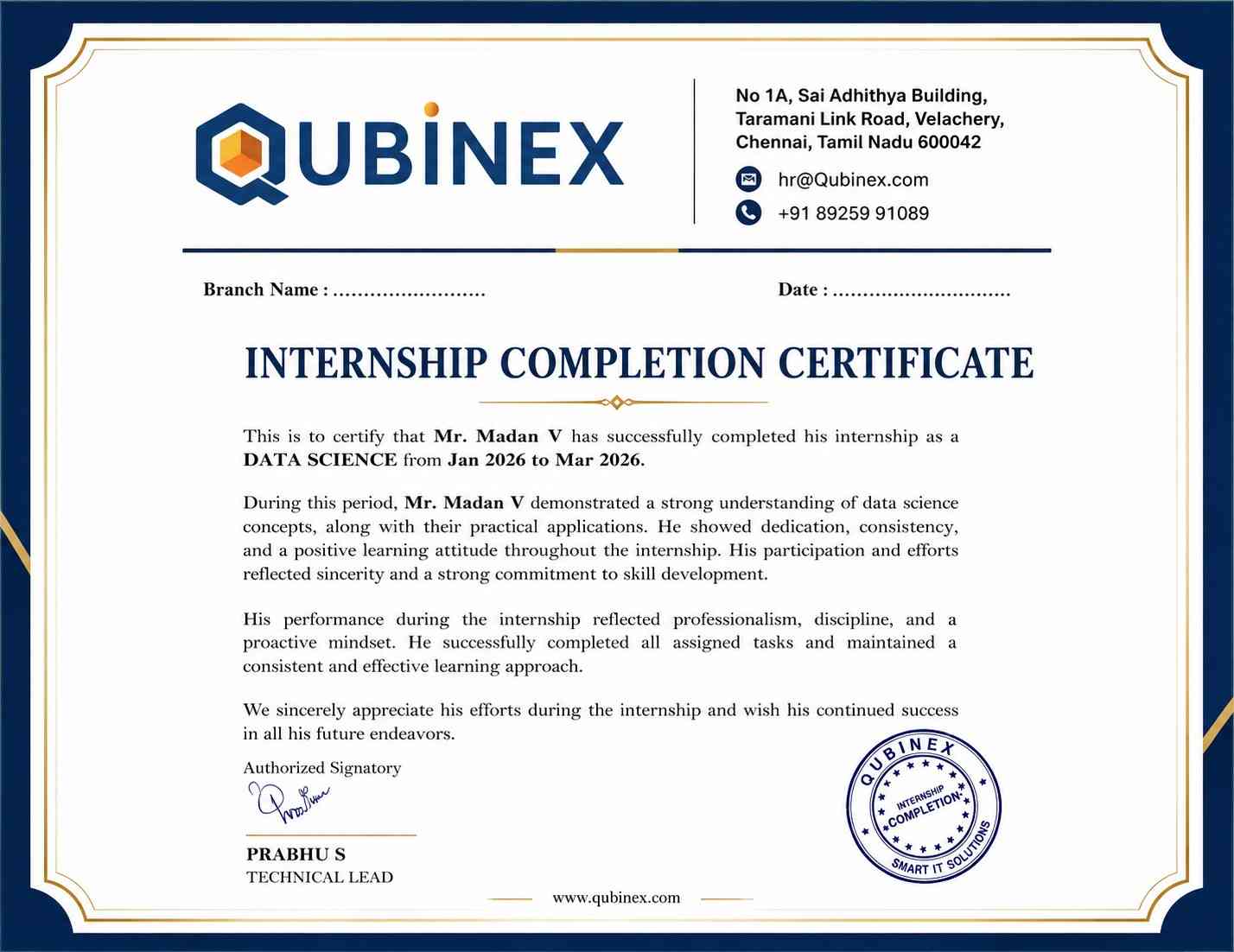
Intership
complete certification
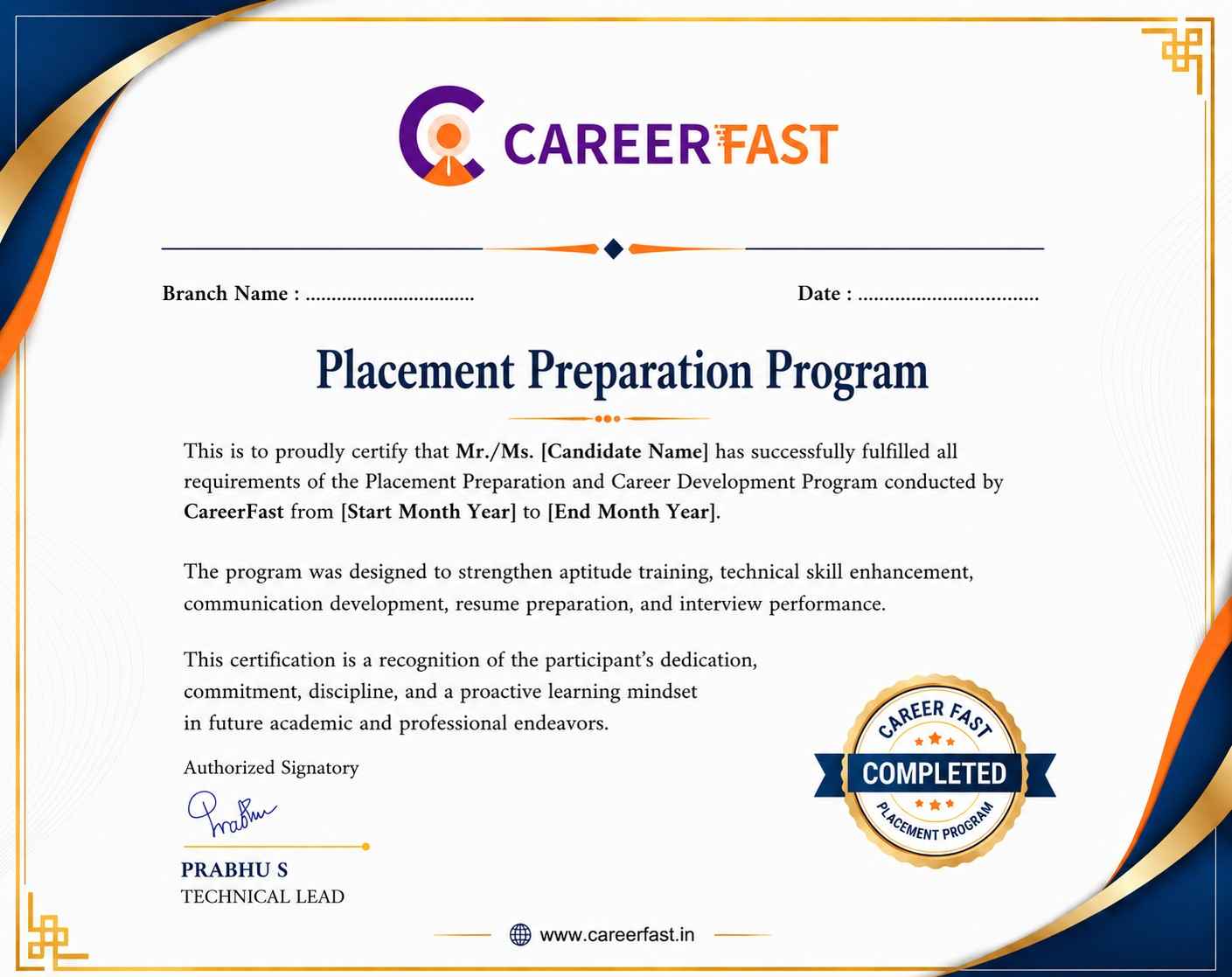
Placement
complete certification

Our learners
transformed their careers

35 Laks
Highest Salary Offered
50%
Average Salary Hike
30K+
Placed in MNC's
15+
Year's in Training
Our Alumni
Alumni

A majority of our alumni

fast-tracked into managerial careers.

Get inspired by their progress in the Career Growth Report.

Our Student Successful Story

checkimage Regular 1:1 Mentorship From Industry Experts checkimage Live Classes checkimage Career Support

How are the UI UX Course with LearnoVita Different?

Feature

LearnoVita

Other Institutes

Affordable Fees

Competitive Pricing With Flexible Payment Options.

Higher UI UX Fees With Limited Payment Options.

Live Class From ( Industry Expert)

Well Experienced Trainer From a Relevant Field With Practical UI UX Training

Theoretical Class With Limited Practical

Updated Syllabus

Updated and Industry-relevant UI UX Course Curriculum With Hands-on Learning.

Outdated Curriculum With Limited Practical Training.

Hands-on projects

Real-world UI UX Projects With Live Case Studies and Collaboration With Companies.

Basic Projects With Limited Real-world Application.

Certification

Industry-recognized UI UX Certifications With Global Validity.

Basic UI UX Certifications With Limited Recognition.

Placement Support

Strong Placement Support With Tie-ups With Top Companies and Strong Mock Interviews.

Basic Placement Support

Industry Partnerships

Strong Ties With Top Tech Companies for Internships and Placements

No Partnerships, Limited Opportunities

Batch Size

Small Batch Sizes for Personalized Attention.

Large Batch Sizes With Limited Individual Focus.

Additional Features

Lifetime Access to UI UX Course Materials, Alumni Network, and Hackathons.

No Additional Features or Perks.

Training Support

Dedicated Mentors, 24/7 Doubt Resolution, and Personalized Guidance.

Limited Mentor Support and No After-hours Assistance.

UI UX Course FAQ's

Certainly, you are welcome to join the demo session. However, due to our commitment to maintaining high-quality standards, we limit the number of participants in live sessions. Therefore, participation in a live class without enrollment is not feasible. If you're unable to attend , you can review our pre-recorded session featuring the same trainer. This will provide you with a comprehensive understanding of our class structure, instructor quality, and level of interaction.
All of our instructors are employed professionals in the industry who work for prestigious companies and have a minimum of 9 to 12 years of significant IT field experience. A great learning experience is provided by all of these knowledgeable people at LearnoVita.
  • LearnoVita is dedicated to assisting job seekers in seeking, connecting, and achieving success, while also ensuring employers are delighted with the ideal candidates.
  • Upon successful completion of a career course with LearnoVita, you may qualify for job placement assistance. We offer 100% placement assistance and maintain strong relationships with over 650 top MNCs.
  • Our Placement Cell aids students in securing interviews with major companies such as Oracle, HP, Wipro, Accenture, Google, IBM, Tech Mahindra, Amazon, CTS, TCS, Sports One , Infosys, MindTree, and MPhasis, among others.
  • LearnoVita has a legendary reputation for placing students, as evidenced by our Placed Students' List on our website. Last year alone, over 5400 students were placed in India and globally.
  • We conduct development sessions, including mock interviews and presentation skills training, to prepare students for challenging interview situations with confidence. With an 85% placement record, our Placement Cell continues to support you until you secure a position with a better MNC.
  • Please visit your student's portal for free access to job openings, study materials, videos, recorded sections, and top MNC interview questions.
LearnoVita Certification is awarded upon course completion and is recognized by all of the world's leading global corporations. LearnoVita are the exclusive authorized Oracle, Microsoft, Pearson Vue, and UI UX I exam centers, as well as an authorized partner of UI UX . Additionally, those who want to pass the National Authorized Certificate in a specialized IT domain can get assistance from LearnoVita's technical experts.
As part of the training program, LearnoVita provides you with the most recent, pertinent, and valuable real-world projects. Every program includes several projects that rigorously assess your knowledge, abilities, and real-world experience to ensure you are fully prepared for the workforce. Your abilities will be equivalent to six months of demanding industry experience once the tasks are completed.
At LearnoVita, participants can choose from instructor-led online training, self-paced training, classroom sessions, one-to-one training, fast-track programs, customized training, and online training options. Each mode is designed to provide flexibility and convenience to learners, allowing them to select the format that best suits their needs. With a range of training options available, participants can select the mode that aligns with their learning style, schedule, and career goals to excel in UI UX .
LearnoVita guarantees that you won't miss any topics or modules. You have three options to catch up: we'll reschedule classes to suit your schedule within the course duration, provide access to online class presentations and recordings, or allow you to attend the missed session in another live batch.
Please don't hesitate to reach out to us at contact@learnovita.com if you have any questions or need further clarification.
To enroll in the UI UX at LearnoVita, you can conveniently register through our website or visit any of our branches in India for direct assistance.
Yes, after you've enrolled, you will have lifetime access to the student portal's study materials, videos, and top MNC interview questions.
At LearnoVita, we prioritize individual attention for students, ensuring they can clarify doubts on complex topics and gain a richer understanding through interactions with instructors and peers. To facilitate this, we limit the size of each UI UX Service batch to 5 or 6 members.
The average annual salary for UI UX Professionals in India is 5 LPA to 6 LPA.
view More view Less
Career Assistance
  • Build a Powerful Resume for Career Success
  • Get Trainer Tips to Clear Interviews
  • Practice with Experts: Mock Interviews for Success
  • Crack Interviews & Land Your Dream Job
100% JOB GUARANTEE

Global Quality Training
At The Lowest Fees & Expert Trainer

AVAILABLE IN:
India Canada USA Singapore UAE Australia EU Germany

Need custom pricing?

4.9/5 from 50k+ students
Acte Technologies WhatsApp
Call Us! Chat With Us