Home » Others Courses » Blockchain Training in San Francisco

Blockchain Training in San Francisco

(4.5) 19564 Ratings
  • Enroll in the Blockchain Course in San Francisco to understand decentralized application development.
  • Master core concepts such as smart contracts, consensus mechanisms, cryptography, and network architecture.
  • Gain hands-on experience through real-time projects, smart contract development, testing, and deployment activities.
  • Ideal for Blockchain Developers, Software Engineers, Architects, and IT Professionals exploring Web3 solutions.
  • Choose from flexible batch timings: Weekday, Weekend, or Fast-Track learning schedules.
  • Benefit from placement assistance, interview preparation, and certification guidance.

Course Duration

50+ Hrs

Live Project

3 Project

Certification Pass

Guaranteed

Training Format

Live Online (Expert Trainers)
Quality Training With Affordable Fee

⭐ Fees Starts From

INR 38,000
INR 18,500

11358+

Professionals Trained

10+

Batches every month

2668+

Placed Students

215+

Corporate Served

What You'll Learn

Blockchain Course in San Francisco delivers in-depth understanding of decentralized networks and secure digital transaction systems used across modern enterprises.

Learn Blockchain architecture fundamentals, including distributed ledgers, smart contract logic, token standards, and peer-to-peer validation mechanisms.

Build secure decentralized applications by implementing encryption techniques, consensus models, and transparent data recording frameworks.

Gain practical exposure through Blockchain training in San Francisco, where you develop, test, and deploy smart contracts in live lab environments.

Explore advanced concepts such as decentralized finance (DeFi), NFT ecosystems, cross-chain interoperability, and enterprise blockchain integration.

Earn career-oriented expertise in Blockchain technology that strengthens your profile for roles in fintech, Web3 startups, and digital transformation initiatives.

An Comprehensive Overview of Blockchain Course

The Blockchain Course in San Francisco is designed to provide in-depth knowledge of decentralized systems, smart contract development, and secure digital transactions across enterprise networks. Through Blockchain training in San Francisco, learners gain practical experience by building distributed applications, working on live lab environments, and receiving guidance from experienced industry mentors. This Blockchain training course offers flexible formats, including classroom sessions and structured online learning, making it suitable for working professionals and graduates alike. Enrolling in the Blockchain Certification Course in San Francisco strengthens technical proficiency, enhances job readiness, and prepares candidates for emerging roles in fintech, Web3 platforms, and enterprise blockchain ecosystems.

Additional Info

Future Trends for Blockchain Course

  • Decentralized Finance Expansion: Blockchain training is rapidly evolving to address the growing influence of decentralized finance platforms. Future programs will focus on building and auditing smart contracts that power lending, staking, and digital asset exchanges. Learners will explore how token economies function without traditional intermediaries. Greater attention will be given to security testing and protocol transparency. As DeFi platforms mature, understanding risk modeling will become essential. Training will increasingly simulate real transaction environments for practical clarity. This direction prepares professionals to design trustworthy financial ecosystems on distributed networks.
  • Enterprise Blockchain Integration: Organizations are moving beyond experimentation and integrating blockchain into core operations. Training will emphasize how distributed ledgers connect with ERP systems and cloud infrastructures. Learners will study private and consortium network configurations used by large enterprises. Focus areas will include scalability, interoperability, and performance optimization. Practical labs will demonstrate secure document validation and data traceability use cases. Professionals must understand regulatory considerations affecting enterprise deployments. This shift ensures blockchain solutions align with operational efficiency and compliance demands.
  • Smart Contract Security Auditing: With increased adoption comes heightened vulnerability risks, making security auditing a central training priority. Future blockchain education will include in-depth vulnerability scanning and code review techniques. Learners will practice identifying flaws in smart contract logic before deployment. Emphasis will be placed on penetration simulations within decentralized environments. Real-time debugging exercises will enhance defensive programming skills. Understanding attack vectors strengthens overall network reliability. This focus protects both developers and end users in expanding digital ecosystems.
  • Cross-Chain Interoperability: As multiple blockchain networks emerge, interoperability becomes critical for seamless communication. Training will address protocols that enable assets and data to move securely across chains. Learners will explore bridging mechanisms and token wrapping models. This knowledge supports broader ecosystem connectivity. Developers must understand how consensus differences affect interoperability design. Practical exposure to cross-chain frameworks will become increasingly common. Future-ready professionals will build solutions that operate beyond isolated networks.
  • Tokenization of Real-World Assets: Blockchain training is expanding to cover tokenization of tangible and intangible assets. Participants will learn how property, intellectual rights, and commodities can be digitized securely. This approach enhances transparency and liquidity in global markets. Programs will emphasize regulatory alignment and secure contract drafting. Learners will explore valuation frameworks tied to tokenized ownership. Practical exercises will involve building token issuance mechanisms. This trend reshapes traditional asset management through distributed validation.
  • Blockchain in Digital Identity Systems: Identity verification is becoming a significant blockchain application area. Training programs will teach how decentralized identifiers enhance privacy and user control. Learners will understand encryption strategies for secure authentication processes. Distributed identity reduces reliance on centralized databases vulnerable to breaches. Practical labs will simulate credential verification workflows. Professionals must balance transparency with confidentiality requirements. This focus strengthens trust in digital interactions worldwide.
  • Sustainable Blockchain Development: Energy efficiency is a growing concern in distributed systems. Future blockchain training will explore alternative consensus mechanisms that reduce power consumption. Learners will compare proof-of-work and proof-of-stake models analytically. Discussions will include sustainable infrastructure design strategies. Practical implementation exercises will highlight performance optimization. Environmental awareness is shaping network architecture decisions. Professionals will be expected to design eco-conscious blockchain solutions.
  • Integration with Internet of Things: Blockchain and IoT convergence will redefine data security in connected environments. Training will examine how distributed ledgers authenticate device communications. Learners will build secure transaction layers for smart devices. Real-time data logging will enhance traceability across networks. Security configuration will play a major instructional role. Understanding device-level encryption strengthens infrastructure resilience. This integration supports trustworthy automation in smart cities and industrial systems.
  • Regulatory and Compliance Awareness: As governments refine digital asset policies, regulatory literacy becomes essential. Blockchain training will incorporate global compliance frameworks affecting token issuance and exchanges. Learners will analyze legal boundaries shaping decentralized ecosystems. Emphasis will be placed on maintaining transparency while respecting jurisdictional guidelines. Professionals must anticipate evolving policy landscapes. Structured learning around governance enhances implementation confidence. This knowledge ensures responsible innovation in distributed technologies.
  • Advanced Cryptographic Techniques: The backbone of blockchain lies in cryptography, making advanced encryption study indispensable. Future training will examine zero-knowledge proofs and secure hashing innovations. Learners will explore how cryptographic upgrades enhance privacy. Practical coding exercises will deepen technical understanding. Secure key management will remain a core competency. Continuous evolution in encryption methods shapes blockchain resilience. Mastery of cryptographic principles positions professionals for cutting-edge development roles.

Tools and Technologies for Blockchain Training

  • Ethereum: Ethereum is a foundational platform in Blockchain training because it enables developers to build decentralized applications and execute smart contracts securely. Learners use it to understand how public blockchains validate transactions through consensus mechanisms. Training programs often demonstrate token creation and contract deployment within its ecosystem. Its active developer community provides extensive resources for experimentation. Mastering Ethereum equips professionals with practical knowledge of decentralized architecture and real-world implementation.
  • Hyperledger Fabric: Hyperledger Fabric is widely adopted for enterprise-focused blockchain solutions. In training environments, it helps learners explore permissioned networks designed for controlled data sharing. Participants study channel configuration, peer nodes, and smart contract chaincode development. Its modular structure supports scalable and secure implementations. Understanding Hyperledger Fabric prepares professionals to design blockchain systems tailored to corporate environments.
  • Solidity: Solidity is the primary programming language used for writing smart contracts on Ethereum-based platforms. Blockchain training introduces learners to its syntax, contract logic, and security considerations. Participants practice building decentralized applications through structured coding exercises. Debugging and optimization techniques are also covered to strengthen reliability. Proficiency in Solidity is essential for anyone pursuing blockchain development roles.
  • Truffle: Truffle is a development framework that simplifies smart contract creation and deployment. Training programs use it to demonstrate project structuring, automated testing, and migration processes. Learners gain clarity on how contracts interact within decentralized networks. Its built-in testing tools improve code reliability before launch. Familiarity with Truffle enhances efficiency in blockchain application development.
  • Ganache: Ganache provides a local blockchain environment for testing and debugging smart contracts. In Blockchain training, it allows learners to simulate transactions without using public networks. Participants observe gas usage, transaction details, and contract execution results in real time. This controlled setup encourages experimentation without financial risk. Using Ganache strengthens practical understanding of decentralized workflows.
  • Remix IDE: Remix IDE is a browser-based tool that enables quick smart contract coding and deployment. Training sessions often rely on it for demonstrating Solidity scripts interactively. Learners can compile, test, and debug contracts within a single interface. Its simplicity makes it suitable for beginners while still supporting advanced development tasks. Mastery of Remix accelerates the journey from concept to functioning contract.
  • MetaMask: MetaMask serves as a digital wallet and gateway for interacting with decentralized applications. In Blockchain training, participants learn how to manage accounts, sign transactions, and connect to test networks. It bridges user interfaces with blockchain backends seamlessly. Understanding wallet integration is vital for building accessible decentralized platforms. MetaMask knowledge supports secure and user-friendly blockchain solutions.
  • IPFS: IPFS is a decentralized storage protocol that complements blockchain networks. Training programs introduce it to demonstrate secure and distributed data hosting. Learners explore how content addressing improves reliability and transparency. Integrating IPFS with smart contracts enhances application efficiency. Knowledge of distributed storage expands a developer’s capability beyond transactional logic.
  • Docker: Docker supports containerization, enabling consistent deployment of blockchain nodes and applications. In training environments, learners understand how to package blockchain components efficiently. Containers simplify network configuration and environment management. This approach ensures scalable and repeatable development processes. Docker proficiency strengthens deployment capabilities within decentralized infrastructures.
  • Hardhat: Hardhat is a modern blockchain development environment known for advanced debugging and testing features. Training programs use it to simulate complex network conditions and automate contract validation. Learners gain experience with scripting, plugin integration, and task automation. Its flexibility enhances productivity during decentralized application development. Mastering Hardhat supports efficient and secure blockchain project execution.

Roles and Responsibilities for Blockchain Training

  • Blockchain Developer: A Blockchain Developer designs and builds decentralized applications that operate on distributed networks. The role involves writing secure smart contracts and integrating them with front-end or backend systems. Developers test transaction flows to ensure accuracy and network stability. They troubleshoot performance issues and refine contract logic for efficiency. Continuous learning is essential to keep up with protocol updates. Their responsibility is to deliver secure, scalable blockchain-based solutions.
  • Blockchain Analyst: A Blockchain Analyst evaluates decentralized systems and interprets transaction data to uncover meaningful insights. This role requires examining network activity and identifying patterns that affect performance. Analysts assess feasibility for new blockchain implementations within organizations. They also prepare technical documentation for stakeholders. Clear communication bridges technical and business teams. Their responsibility is to ensure blockchain initiatives align with strategic objectives.
  • Smart Contract Engineer: A Smart Contract Engineer specializes in developing automated agreements that execute predefined conditions. The role focuses on secure coding practices and thorough contract validation. Engineers simulate transaction scenarios to eliminate vulnerabilities. They collaborate with auditors to strengthen contract reliability. Regular updates are implemented to adapt to network upgrades. Their responsibility is to maintain trust and functionality within decentralized applications.
  • Blockchain Consultant: A Blockchain Consultant advises organizations on adopting distributed ledger technologies effectively. The role involves analyzing existing processes and identifying opportunities for decentralization. Consultants design implementation roadmaps tailored to specific industries. They evaluate technological compatibility and regulatory considerations. Strong presentation skills help explain complex systems clearly. Their responsibility is to guide enterprises toward efficient blockchain integration.
  • Blockchain Architect: A Blockchain Architect designs the overall structure of decentralized networks and ensures technical coherence. The role includes selecting consensus mechanisms and defining node configurations. Architects oversee system scalability and security alignment. They coordinate with developers to implement architectural frameworks. Continuous monitoring ensures optimal network performance. Their responsibility is to create robust infrastructures that support long-term blockchain growth.
  • Blockchain Security Specialist: A Blockchain Security Specialist focuses on protecting decentralized applications from threats and vulnerabilities. The role involves conducting security assessments and reviewing smart contract code. Specialists monitor network activity for suspicious transactions. They recommend encryption strategies to safeguard digital assets. Collaboration with development teams enhances proactive risk prevention. Their responsibility is to maintain integrity and user trust within blockchain ecosystems.
  • Cryptocurrency Research Analyst: A Cryptocurrency Research Analyst studies digital asset markets and blockchain protocols to identify emerging trends. The role includes evaluating token performance and technological innovation. Analysts prepare reports that inform investment or development strategies. They monitor regulatory changes affecting crypto ecosystems. Data-driven insights support informed decision-making. Their responsibility is to provide accurate evaluations of blockchain-driven financial developments.
  • Blockchain Quality Assurance Engineer: A Blockchain Quality Assurance Engineer tests decentralized applications to ensure reliability and stability. The role involves validating transaction accuracy and contract execution results. Engineers design test scenarios that simulate real network environments. They identify defects and coordinate fixes with development teams. Documentation of testing procedures improves future deployments. Their responsibility is to guarantee consistent performance before production release.
  • Decentralized Application (DApp) Developer: A DApp Developer builds user-facing applications that interact with blockchain networks. The role requires integrating wallets and managing transaction confirmations. Developers ensure intuitive interfaces while maintaining secure backend communication. They optimize application performance across devices. Continuous updates keep the platform compatible with evolving blockchain standards. Their responsibility is to deliver seamless decentralized user experiences.
  • Blockchain Project Coordinator: A Blockchain Project Coordinator manages timelines and communication within decentralized technology initiatives. The role includes tracking development progress and aligning technical goals. Coordinators facilitate collaboration between engineers and stakeholders. They monitor milestones to ensure smooth implementation phases. Risk identification supports timely problem resolution. Their responsibility is to maintain organized execution of blockchain-based projects.

Companies Hiring Blockchain Professionals

  • IBM: IBM actively hires Blockchain training professionals to build enterprise-grade distributed ledger solutions for global clients. The company focuses on secure data exchange platforms across finance, healthcare, and logistics sectors. Blockchain specialists contribute to permissioned network development and smart contract configuration. Professionals with strong architectural knowledge support large-scale implementations. IBM values candidates who combine technical depth with enterprise integration skills.
  • Microsoft: Microsoft seeks Blockchain-trained experts to enhance decentralized solutions within its cloud ecosystem. The organization integrates blockchain capabilities into enterprise platforms and digital identity services. Professionals work on building scalable and secure ledger-based applications. Knowledge of cloud deployment strengthens candidate profiles. The company prioritizes innovation-driven individuals who can design practical decentralized systems.
  • Amazon: Amazon recruits Blockchain professionals to support distributed infrastructure services and emerging digital asset initiatives. Specialists help design ledger frameworks that improve transparency and transaction validation. The role often involves integrating blockchain features into broader cloud solutions. Strong development and security knowledge are highly valued. Professionals contribute to scalable platforms used by businesses worldwide.
  • Accenture: Accenture hires Blockchain training professionals to deliver transformation projects for multinational clients. Consultants design decentralized frameworks tailored to financial institutions and supply networks. The company values professionals capable of strategic planning and technical execution. Blockchain experts collaborate with advisory teams to modernize digital operations. This environment suits individuals who blend innovation with business understanding.
  • Infosys: Infosys actively integrates blockchain into digital transformation services for global enterprises. The organization seeks professionals who can build secure and scalable decentralized applications. Blockchain specialists contribute to smart contract development and distributed system optimization. Experience with enterprise integration enhances employment prospects. Infosys values practical implementation skills supported by structured technical training.
  • Coinbase: Coinbase hires Blockchain professionals to strengthen cryptocurrency infrastructure and digital asset platforms. Specialists work on improving transaction security and network performance. The company values deep understanding of blockchain protocols and wallet integration. Developers contribute to building reliable trading environments. Professionals with strong coding and cryptographic skills are in high demand here.
  • Ripple: Ripple focuses on blockchain-powered payment networks and actively recruits trained professionals. Specialists design systems that enable secure and fast cross-border transactions. The company emphasizes performance optimization and regulatory alignment. Blockchain experts support infrastructure expansion and technical innovation. Professionals contribute to reshaping international financial connectivity.
  • JPMorgan Chase: JPMorgan Chase invests heavily in blockchain to modernize financial transactions and digital asset management. The organization seeks experts who can build permissioned ledger systems for banking operations. Professionals support secure transaction validation frameworks. Strong knowledge of cryptography and network architecture is essential. Blockchain training strengthens candidacy for fintech-focused roles within the company.
  • Deloitte: Deloitte recruits Blockchain specialists to guide clients through digital ledger adoption strategies. Professionals design proof-of-concept systems and scalable enterprise solutions. The company values analytical thinking combined with technical expertise. Blockchain experts often collaborate with advisory and audit teams. This role suits individuals capable of bridging innovation with compliance standards.
  • NVIDIA: NVIDIA explores blockchain in areas related to high-performance computing and digital ecosystems. The company hires professionals who understand distributed networks and cryptographic validation. Specialists contribute to optimizing computational workloads for blockchain platforms. Technical proficiency in hardware acceleration enhances career prospects. Blockchain training prepares candidates for roles aligned with advanced technology development.
View more

Blockchain Course Objectives

A basic understanding of computer fundamentals and networking concepts will help learners grasp Blockchain training more effectively. Familiarity with programming languages such as JavaScript, Python, or Java can make smart contract development easier to understand. Knowledge of databases, especially distributed systems, adds an advantage when learning decentralized architectures. Analytical thinking and problem-solving skills are valuable for understanding consensus mechanisms and cryptographic principles. While prior experience in finance or IT is helpful, motivated beginners with a willingness to learn can also succeed in this training.
Blockchain training equips you with practical knowledge of decentralized technologies that are transforming industries worldwide. You gain hands-on experience in building smart contracts, managing distributed ledgers, and understanding digital asset ecosystems. The training enhances your technical credibility and strengthens your professional portfolio. It also improves your problem-solving skills by exposing you to real-time use cases and security challenges. Overall, it positions you for emerging career paths in a rapidly expanding digital economy.
  • Rapid adoption in banking and fintech solutions
  • Growing demand in supply chain transparency
  • Expansion in healthcare data management
  • Integration with IoT and AI technologies
  • Increased use in digital identity systems
  • Development of decentralized finance (DeFi) platforms
  • Government adoption for secure record management
Blockchain holds significant value in today’s job market as organizations seek secure, transparent, and tamper-proof systems. Companies across finance, healthcare, logistics, and technology are investing in decentralized solutions, creating steady demand for skilled professionals. Recruiters actively search for candidates who understand smart contracts, distributed networks, and digital asset management. As businesses continue digital transformation initiatives, Blockchain expertise becomes a competitive advantage. Professionals trained in this domain often access roles with strong growth potential and attractive salary prospects.
  • Fundamentals of Blockchain technology
  • Cryptography and hashing algorithms
  • Consensus mechanisms and mining concepts
  • Smart contract development
  • Ethereum and Hyperledger frameworks
  • Decentralized applications (DApps)
  • Blockchain security and compliance
Yes, most Blockchain training programs include practical assignments and project-based learning modules. Students typically design and deploy smart contracts, create decentralized applications, and simulate real-time blockchain networks. These projects reflect industry scenarios such as payment systems, supply chain tracking, or digital identity solutions. Working on live case studies helps learners understand deployment challenges and security considerations. This hands-on exposure builds confidence and prepares participants for real workplace responsibilities.
  • Banking and Financial Services
  • Healthcare and Pharmaceuticals
  • Supply Chain and Logistics
  • Insurance
  • Government and Public Sector
  • Real Estate
  • E-commerce and Retail
While Blockchain training significantly enhances your employability, no course can guarantee a job outright. Career success depends on your skill mastery, practical exposure, portfolio strength, and interview performance. However, completing structured training with real-world projects greatly improves your chances of securing relevant roles. Continuous learning and staying updated with industry trends further strengthen job prospects. With dedication and consistent practice, many learners successfully transition into blockchain-related careers.
  • Strengthens technical expertise in decentralized systems
  • Improves career opportunities in emerging tech roles
  • Enhances credibility with verified skill knowledge
  • Builds practical development and deployment skills
  • Increases earning potential
  • Expands global career mobility
  • Encourages innovation and entrepreneurial thinking
Participants in Blockchain training typically gain hands-on experience with industry-relevant tools and platforms used for decentralized development. These may include Ethereum frameworks for smart contract creation, Hyperledger environments for enterprise solutions, and development tools like Remix and Truffle. Learners also explore wallet integrations, testing frameworks, and blockchain explorers to monitor transactions. Exposure to these technologies ensures practical competence in building, testing, and deploying blockchain-based applications.
view More view Less

Blockchain Course Benefits

The Blockchain training in San Francisco delivers immersive, hands-on training in decentralized networks, automation workflows, and secure deployment practices aligned with current industry standards. Learners gain real-time exposure through a dedicated Blockchain internship, working on live projects that sharpen development, testing, and integration skills in practical environments. This career-focused Blockchain course with placement support connects students to leading tech firms and innovative startups across San Francisco, helping them step confidently into high-demand roles.

  • Designation
  • Annual Salary
    Hiring Companies
  • 3.24L
    Min
  • 9.5L
    Average
  • 13.5L
    Max
  • 4.50L
    Min
  • 8.5L
    Average
  • 16.5L
    Max
  • 4.0L
    Min
  • 8.5L
    Average
  • 17.5L
    Max
  • 5.24L
    Min
  • 6.5L
    Average
  • 12.5L
    Max

About Blockchain Certification Training

The Blockchain certification course in San Francisco delivers in-depth knowledge on designing, developing, and deploying decentralized solutions for modern enterprises. Through practical Blockchain projects, learners build smart contracts, create decentralized applications, and manage secure digital transactions in real-time environments. The program blends technical mastery with industry exposure, ensuring participants understand architecture, security, and scalable blockchain ecosystems. With strong hiring partnerships and dedicated career guidance, this course supports your professional journey with structured placement assistance across leading tech organizations.

Top Skills You Will Gain
  • Smart Contracts
  • Cryptography Principles
  • Distributed Systems
  • Consensus Algorithms
  • Tokenization Models
  • DApp Development
  • Network Security
  • Data Hashing

12+ Blockchain Tools

Online Classroom Batches Preferred

Weekdays (Mon - Fri)
20 - July - 2026
08:00 AM (IST)
Weekdays (Mon - Fri)
22 - July - 2026
08:00 AM (IST)
Weekend (Sat)
25 - July - 2026
11:00 AM (IST)
Weekend (Sun)
26 - July - 2026
11:00 AM (IST)
Can't find a batch you were looking for?
₹38,000 ₹18,500 10% OFF Expires in

No Interest Financing start at ₹ 5000 / month

Corporate Training

  • Customized Learning
  • Enterprise Grade Learning Management System (LMS)
  • 24x7 Support
  • Enterprise Grade Reporting

Not Just Studying
We’re Doing Much More!

Empowering Learning Through Real Experiences and Innovation
Hiring
Hiring
Hiring
Hiring
Hiring
Hiring
Hiring
User
User
User
User
User
User

Blockchain Course Curriculum

Trainers Profile

The Blockchain training in San Francisco is delivered by seasoned technology professionals who bring deep expertise in decentralized networks and digital security frameworks. Learners engage with practical sessions designed to connect theory with live development environments and enterprise use cases. Comprehensive Blockchain training materials are provided to guide participants through architecture design, smart contract coding, and deployment workflows. This program empowers aspiring developers in San Francisco to build secure blockchain solutions and confidently pursue high-growth technology careers.

Syllabus for Blockchain Course Download syllabus

  • Evolution of digital ledgers
  • Centralized vs decentralized systems
  • Blockchain components
  • Types of blockchains
  • Real-world applications
  • Hash functions
  • Public and private keys
  • Digital signatures
  • Encryption techniques
  • Merkle trees
  • Peer-to-peer architecture
  • Node communication
  • Network protocols
  • Fault tolerance concepts
  • Data propagation methods
  • Proof of Work
  • Proof of Stake
  • Delegated consensus models
  • Byzantine Fault Tolerance
  • Consensus comparisons
  • Ethereum architecture
  • Gas and transaction flow
  • Accounts and wallets
  • Ethereum Virtual Machine
  • Token standards
  • Solidity basics
  • Contract structure
  • Functions and modifiers
  • Events and error handling
  • Contract deployment
  • DApp architecture
  • Frontend integration
  • Web3 interaction
  • Wallet connectivity
  • Testing DApps
  • Permissioned networks
  • Hyperledger Fabric components
  • Channels and peers
  • Chaincode basics
  • Network setup
  • Common vulnerabilities
  • Secure coding techniques
  • Attack vectors
  • Network threats
  • Risk mitigation strategies
  • Utility tokens
  • Security tokens
  • NFT fundamentals
  • Token creation process
  • Regulatory overview
(15) view More view Less
Need customized curriculum?

REAL

start
STORIES SUCCESS INSPIRATION
CAREER
UPGRADE
sowmiya

sowmiya

CAREER
UPGRADE
Rajkumar

Rajkumar

CAREER
UPGRADE
Thon

Thon

CAREER
UPGRADE
lavanya

Lavanya

Industry Projects

Project 1
Decentralized Voting Application

Design a secure blockchain-based voting platform that ensures transparent ballot recording and tamper-resistant result calculation. The system will include voter authentication and real-time result validation to demonstrate trust-driven digital governance.

Project 2
NFT Marketplace Platform

Develop a decentralized marketplace where users can mint, buy, and sell non-fungible tokens using smart contracts. The project involves wallet integration, token standards implementation, and transaction verification within a blockchain environment.

Project 3
Digital Identity Verification System

Create a blockchain-powered identity solution that allows individuals to store and verify credentials securely. The system will enable encrypted data access, authentication validation, and privacy-focused identity sharing without centralized storage.

Our Hiring Partner

Exam & Blockchain Certification

  • Basic understanding of programming concepts
  • Familiarity with databases and networking fundamentals
  • Awareness of cryptography basics
  • Knowledge of web technologies
  • Interest in decentralized systems and digital technologies
Earning a Blockchain certification demonstrates that you possess validated knowledge of decentralized technologies, smart contracts, and distributed ledger systems. It strengthens your professional credibility by showcasing your ability to work with real-world blockchain environments. Certified professionals often stand out during hiring processes because employers recognize their structured training and technical competence.
A Blockchain certification improves your employability, but it does not automatically guarantee a job. Career outcomes depend on your practical skills, project experience, and ability to apply concepts in real scenarios. Employers value hands-on exposure along with certification credentials. Building a strong portfolio and staying updated with industry developments significantly increases your chances of securing a relevant role. Consistent learning and technical practice remain key factors in career success.
  • Blockchain Developer
  • Smart Contract Engineer
  • Blockchain Architect
  • Cryptocurrency Analyst
  • DApp Developer
Blockchain certification supports career advancement by equipping you with in-demand technical expertise in a rapidly evolving domain. It validates your ability to design and implement decentralized solutions, making you a valuable asset to organizations exploring digital transformation. The credential can lead to higher earning potential and opportunities in global markets.

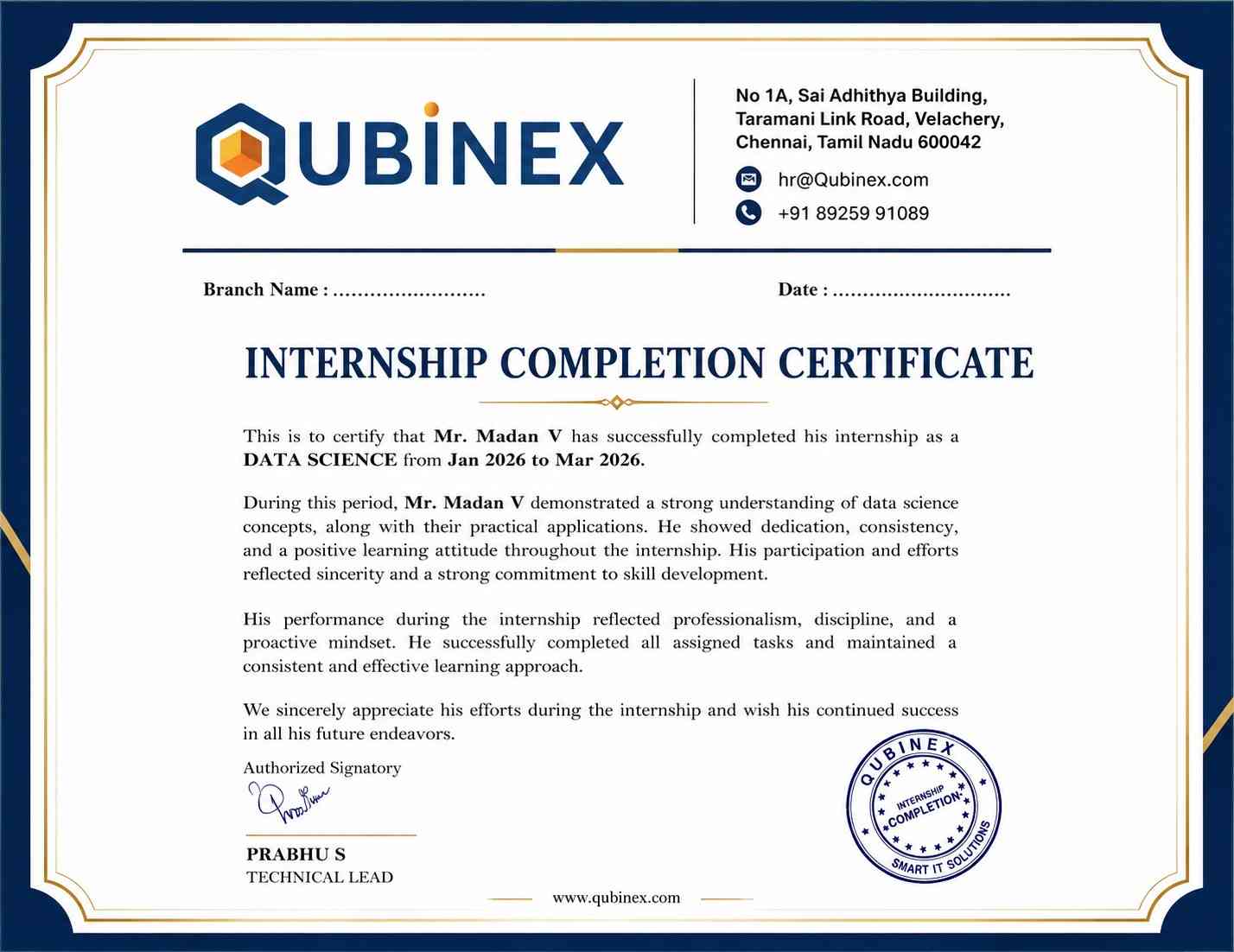
MNC Recognized course
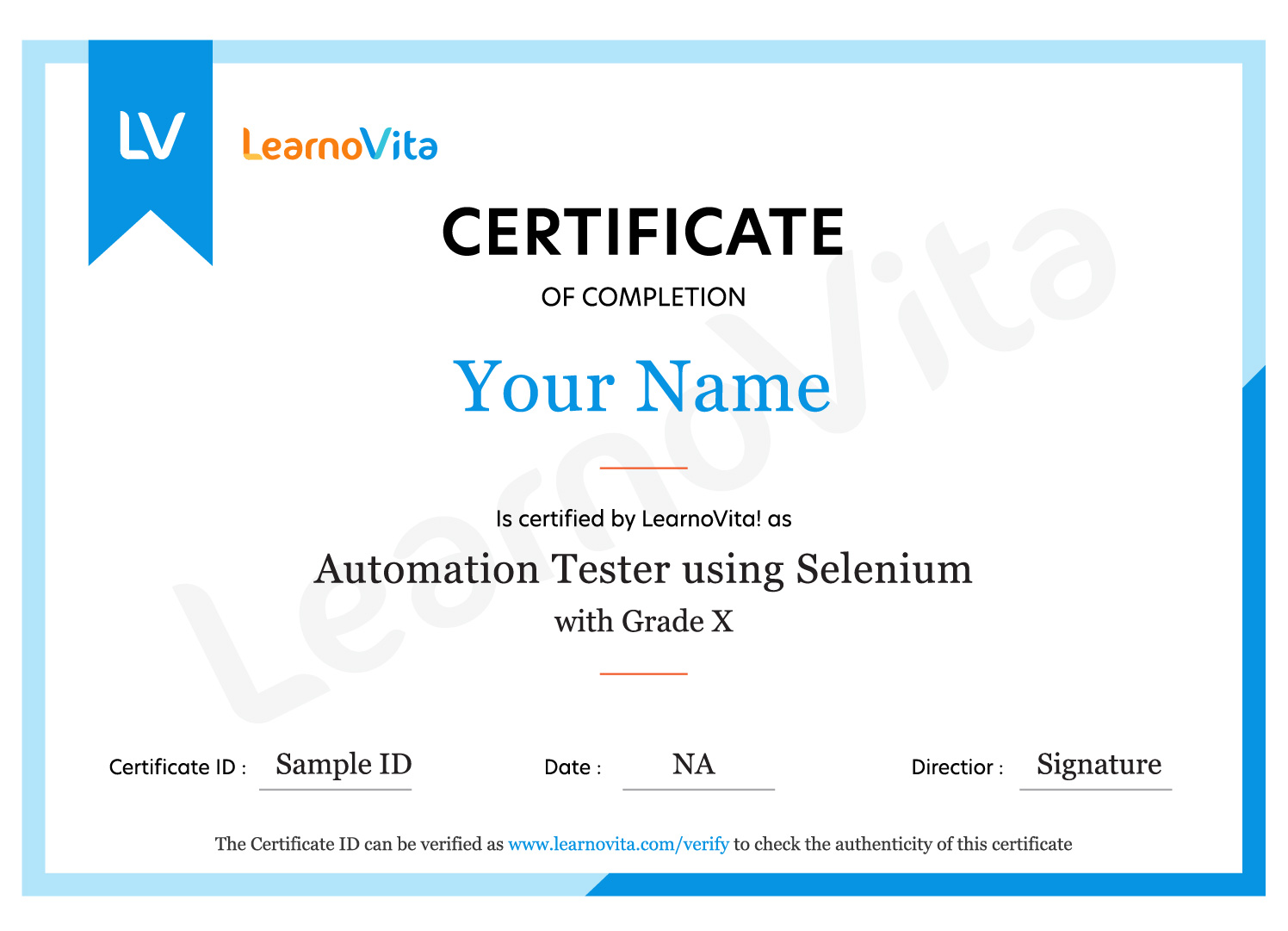
complete certification
Intership
complete certification

Placement
complete certification

Our learners
transformed their careers

35 Laks
Highest Salary Offered
50%
Average Salary Hike
30K+
Placed in MNC's
15+
Year's in Training
Our Alumni
Alumni

A majority of our alumni

fast-tracked into managerial careers.

Get inspired by their progress in the Career Growth Report.

Our Student Successful Story

checkimage Regular 1:1 Mentorship From Industry Experts checkimage Live Classes checkimage Career Support

How are the Blockchain Course with LearnoVita Different?

Feature

LearnoVita

Other Institutes

Affordable Fees

Competitive Pricing With Flexible Payment Options.

Higher Blockchain Fees With Limited Payment Options.

Live Class From ( Industry Expert)

Well Experienced Trainer From a Relevant Field With Practical Blockchain Training

Theoretical Class With Limited Practical

Updated Syllabus

Updated and Industry-relevant Blockchain Course Curriculum With Hands-on Learning.

Outdated Curriculum With Limited Practical Training.

Hands-on projects

Real-world Blockchain Projects With Live Case Studies and Collaboration With Companies.

Basic Projects With Limited Real-world Application.

Certification

Industry-recognized Blockchain Certifications With Global Validity.

Basic Blockchain Certifications With Limited Recognition.

Placement Support

Strong Placement Support With Tie-ups With Top Companies and Mock Interviews.

Basic Placement Support

Industry Partnerships

Strong Ties With Top Tech Companies for Internships and Placements

No Partnerships, Limited Opportunities

Batch Size

Small Batch Sizes for Personalized Attention.

Large Batch Sizes With Limited Individual Focus.

Additional Features

Lifetime Access to Blockchain Course Materials, Alumni Network, and Hackathons.

No Additional Features or Perks.

Training Support

Dedicated Mentors, 24/7 Doubt Resolution, and Personalized Guidance.

Limited Mentor Support and No After-hours Assistance.

Blockchain Course FAQ's

LearnoVita Offers the Best Discount Price for you CALL at +91 93833 99991 and know the Exciting offers Available for you!!!
Yes, you can attend the demo session. Even though We have a limited number of participants in a live session to maintain the Quality Standards. So, unfortunately, participation in a live class without enrolment is not possible.If you are unable to attend you can go through our Pre recorded session of the same trainer, it would give you a clear insight about how are the classes conducted, the quality of instructors, and the level of interaction in the class.
All Our instructors are working professionals from the Industry, Working in leading Organizations and have Real-World Experience with Minimum 9-12 yrs of Relevant IT field Experience. All these experienced folks at LearnoVita Provide a Great learning experience.
The trainer will give Server Access to the course seekers, and we make sure you acquire practical hands-on training by providing you with every utility that is needed for your understanding of the course
  • LearnoVita will assist the job seekers to Seek, Connect & Succeed and delight the employers with the perfect candidates.
  • On Successfully Completing a Career Course with LearnoVita, you Could be Eligible for Job Placement Assistance.
  • 100% Placement Assistance* - We have strong relationship with over 650+ Top MNCs, When a student completes his/ her course successfully, LearnoVita Placement Cell helps him/ her interview with Major Companies like Oracle, HP, Wipro, Accenture, Google, IBM, Tech Mahindra, Amazon, CTS, TCS, HCL, Infosys, MindTree and MPhasis etc...
  • LearnoVita is the Legend in offering placement to the students. Please visit our Placed Students's List on our website.
  • More than 5400+ students placed in last year in India & Globally.
  • LearnoVita Conducts development sessions including mock interviews, presentation skills to prepare students to face a challenging interview situation with ease.
  • 85% percent placement record
  • Our Placement Cell support you till you get placed in better MNC
  • Please Visit Your Student's Portal | Here FREE Lifetime Online Student Portal help you to access the Job Openings, Study Materials, Videos, Recorded Section & Top MNC interview Questions
After Your Course Completion You will Receive
  • LearnoVita Certification is Accredited by all major Global Companies around the World.
  • LearnoVita is the unique Authorized Oracle Partner, Authorized Microsoft Partner, Authorized Pearson Vue Exam Center, Authorized PSI Exam Center, Authorized Partner Of AWS.
  • Also, LearnoVita Technical Experts Help's People Who Want to Clear the National Authorized Certificate in Specialized IT Domain.
  • LearnoVita is offering you the most updated, relevant, and high-value real-world projects as part of the training program.
  • All training comes with multiple projects that thoroughly test your skills, learning, and practical knowledge, making you completely industry-ready.
  • You will work on highly exciting projects in the domains of high technology, ecommerce, marketing, sales, networking, banking, insurance, etc.
  • After completing the projects successfully, your skills will be equal to 6 months of rigorous industry experience.
At LearnoVita you can enroll in either the instructor-led Online Training, Self-Paced Training, Class Room, One to One Training, Fast Track, Customized Training & Online Training Mode. Apart from this, LearnoVita also offers Corporate Training for organizations to UPSKILL their workforce.
LearnoVita Assures You will Never lose any Topics and Modules. You can choose either of the Three options:
  • We will reschedule the classes as per your convenience within the stipulated course duration with all such possibilities.
  • View the class presentation and recordings that are available for online viewing.
  • You can attend the missed session, in any other live batch.
Just give us a CALL at +91 9383399991 OR email at contact@learnovita.com
Yes We Provide Lifetime Access for Student’s Portal Study Materials, Videos & Top MNC Interview Question After Once You Have Enrolled.
We at LearnoVita believe in giving individual attention to students so that they will be in a position to clarify all the doubts that arise in complex and difficult topics and Can Access more information and Richer Understanding through teacher and other students' body language and voice. Therefore, we restrict the size of each Blockchain batch to 5 or 6 members
Learning Blockchain can help open up many opportunities for your career. It is a GREAT SKILL-SET to have as many developer roles in the job market requires proficiency in Blockchain. Mastering Blockchain can help you get started with your career in IT. Companies like Oracle, IBM, Wipro, HP, HCL, DELL, Bosch, Capgemini, Accenture, Mphasis, Paypal, and MindLabs.
The Average Blockchain Developer salary in India is ₹4,43,568 per annum.
You can contact our support number at +91 93800 99996 / Directly can do by LearnoVita E-commerce payment system Login or directly walk-in to one of the LearnoVita branches in India.
view More view Less
Career Assistance
  • Build a Powerful Resume for Career Success
  • Get Trainer Tips to Clear Interviews
  • Practice with Experts: Mock Interviews for Success
  • Crack Interviews & Land Your Dream Job
100% JOB GUARANTEE

Global Quality Training
At The Lowest Fees & Expert Trainer

AVAILABLE IN:
India Canada USA Singapore UAE Australia EU Germany

Need custom pricing?

4.9/5 from 50k+ students
Acte Technologies WhatsApp
Call Us! Chat With Us