Home » Cloud Computing » Cloud Computing Course in Kochi

Cloud Computing Course in Kochi

(4.7) 16543 Ratings
  • Join the Cloud Computing Course in Kochi to gain practical skills in modern cloud technologies.
  • Learn cloud computing fundamentals, including virtualization, security, service models, and deployment methods.
  • Gain practical exposure through cloud computing projects, infrastructure setup, and hands-on exercises.
  • Suitable for aspiring Cloud Engineers, Administrators, DevOps Professionals, IT Graduates, and Job Seekers.
  • Choose Flexible Batch Timings with weekday, weekend, and fast-track learning schedules.
  • Access Placement Assistance, Interview Preparation, Resume Guidance, and Cloud Computing Certification support.

Course Duration

45+ Hrs

Live Project

3 Project

Certification Pass

Guaranteed

Training Format

Live Online (Expert Trainers)
Quality Training With Affordable Fee

⭐ Fees Starts From

INR 38,000
INR 18,500

10425+

Professionals Trained

10+

Batches every month

3021+

Placed Students

194+

Corporate Served

What You'll Learn

The Cloud Computing Course in Kochi teaches cloud basics, service models, deployment strategies, infrastructure, and networking fundamentals.

Explore AWS, Microsoft Azure, Google Cloud, virtual machines, cloud storage, networking tools, and essential cloud resource management techniques.

Develop hands-on expertise in cloud deployment, virtual infrastructure, storage configuration, network management, monitoring, and resource optimization.

Work on practical Cloud Computing projects involving infrastructure setup, security implementation, and real-world cloud environment scenarios.

Understand advanced topics such as cloud security, serverless computing, containers, load balancing, auto scaling, backup, recovery, and automation.

Prepare for career opportunities as a Cloud Engineer, Cloud Administrator, DevOps Engineer, or Cloud Support Professional with practical technical skills.

Comprehensive Overview of Cloud Computing Course

The Cloud Computing Course in Kochi provides a comprehensive learning experience covering cloud infrastructure, service models, virtualization, deployment strategies, and emerging cloud technologies. Participants explore cloud architecture, computing resources, storage solutions, networking, security, scalability, and application deployment across popular cloud platforms. The training emphasizes practical learning through hands-on labs, guided exercises, real-time cloud computing projects, and industry-based scenarios to strengthen technical expertise. Learners gain practical exposure to Amazon Web Services (AWS), Microsoft Azure, Google Cloud Platform (GCP), AWS EC2, and AWS S3 while developing essential skills for pursuing professional opportunities in the cloud computing domain.

Additional Info

Upcoming Future Transformations for Cloud Computing Course in Kochi

  • Growth of Hybrid and Multi-Cloud Adoption: Businesses increasingly combine public, private, and multiple cloud platforms to manage diverse workloads. AWS, Azure, and Google Cloud support flexible infrastructure, scalability, and business continuity. Professionals need skills in integration, monitoring, and security.
  • Cloud Computing Expansion Across Industries: Cloud adoption is growing across banking, healthcare, retail, manufacturing, education, and logistics. Organizations use cloud services for hosting, storage, analytics, and backup. This creates demand for professionals skilled in architecture, networking, deployment, and administration.
  • Cloud Automation and DevOps Integration: Automation and DevOps are improving cloud infrastructure management and application delivery. Tools such as Jenkins, Terraform, Ansible, Docker, and Kubernetes simplify provisioning, testing, and deployment. Professionals with these skills support reliable releases and efficient operations.
  • Artificial Intelligence Integration with Cloud Platforms: AI is transforming cloud environments through intelligent applications, machine learning, and automated operations. AWS, Azure, and Google Cloud provide scalable resources for AI development. Professionals need knowledge of cloud services, data platforms, automation, and security.
  • Cloud Security and Compliance Advancements: Cloud security is advancing through encryption, identity management, threat detection, and continuous monitoring. Organizations implement security policies to protect applications and sensitive information. Professionals require skills in access controls, network protection, vulnerability management, and compliance.
  • Containerization and Kubernetes Adoption: Containerization simplifies application deployment across different environments. Docker packages applications, while Kubernetes manages orchestration, scaling, and workloads. Growing cloud-native adoption creates demand for professionals skilled in container management, networking, automation, and infrastructure monitoring.
  • Serverless Computing and Function-Based Architecture: Serverless computing allows organizations to run applications without managing underlying servers. AWS Lambda, Azure Functions, and Google Cloud Functions simplify event-driven development. Professionals need knowledge of cloud architecture, application integration, security, and automated resource management.
  • Infrastructure as Code and Cloud Automation: Infrastructure as Code is transforming cloud provisioning through automated configuration and resource management. Tools such as Terraform, CloudFormation, and Ansible improve consistency and deployment speed. Professionals skilled in scripting, automation, and infrastructure management can support scalable cloud environments.
  • Cloud Data Engineering and Analytics: Organizations increasingly use cloud platforms to store, process, and analyze growing volumes of business information. Services such as AWS Glue, Azure Synapse, and Google BigQuery support data pipelines and analytics. Professionals need skills in SQL, Python, cloud storage, and data integration.
  • Growing Career Opportunities in Cloud Computing: Increasing cloud adoption is creating opportunities across infrastructure, security, DevOps, and architecture. Organizations seek Cloud Engineers, AWS Administrators, Azure Specialists, and Cloud Architects. Practical knowledge of networking, automation, deployment, monitoring, and security supports long-term career development.

Building Tools and Techniques with Cloud Computing Course in Kochi

  • Amazon Web Services (AWS): AWS offers cloud services for computing, storage, networking, databases, and security. Learners explore EC2, S3, IAM, and VPC to configure resources, manage servers, deploy applications, and understand scalable infrastructure used in enterprise cloud environments.
  • Microsoft Azure: Microsoft Azure provides cloud solutions for computing, storage, networking, databases, and application development. Learners practice configuring virtual machines, storage accounts, identity services, and resource groups while understanding cloud migration, monitoring, automation, and infrastructure management.
  • Google Cloud Platform (GCP): Google Cloud provides flexible services for computing, storage, networking, databases, and analytics. Learners explore Compute Engine, Cloud Storage, IAM, and networking to deploy workloads, manage resources, monitor performance, and support scalable enterprise cloud environments.
  • Docker: Docker packages applications and their dependencies into lightweight containers for consistent deployment. Learners practice creating images, running containers, managing networks, and handling storage. These skills support cloud deployments, microservices, CI/CD pipelines, and modern application development environments.
  • Kubernetes: Kubernetes automates the deployment, scaling, and management of containerized applications. Learners explore clusters, nodes, pods, deployments, services, and namespaces through practical exercises. Its integration with cloud platforms supports application availability, workload automation, and modern DevOps operations.
  • Terraform: Terraform enables cloud infrastructure provisioning through reusable configuration files. Learners explore providers, resources, variables, modules, and state management to automate deployments across AWS, Azure, and Google Cloud. These skills improve configuration consistency, infrastructure automation, and scalable cloud administration.
  • Ansible: Ansible simplifies infrastructure automation, configuration management, and application deployment through reusable playbooks. Learners practice inventories, variables, modules, and automated tasks to manage multiple servers. Its integration with cloud platforms supports provisioning, patching, configuration, and efficient infrastructure operations.
  • Jenkins: Jenkins automates software integration, testing, building, and deployment through continuous delivery pipelines. Learners explore jobs, plugins, pipelines, and source-code integration. Connecting Jenkins with Git, Docker, Kubernetes, and cloud services helps professionals develop reliable deployment workflows and accelerate application releases.
  • Git: Git is a version control system that helps developers track code changes and collaborate on projects. Learners practice repositories, branches, commits, merges, and pull requests. Integration with Jenkins and cloud platforms supports source management, infrastructure code tracking, and automated deployment workflows.
  • AWS CloudFormation: AWS CloudFormation automates infrastructure deployment through reusable templates and configuration files. Learners explore stacks, parameters, resources, outputs, and provisioning workflows. These capabilities reduce manual configuration, maintain consistent AWS environments, and support reliable application deployment across development and production systems.
  • Azure DevOps: Azure DevOps provides integrated tools for source control, project planning, testing, and application deployment. Learners explore repositories, pipelines, boards, artifacts, and release workflows. Practical exercises develop knowledge of CI/CD automation, version control, cloud deployment, and application delivery processes.
  • Prometheus: Prometheus is an open-source platform for monitoring infrastructure and application performance through metrics and alerts. Learners explore exporters, targets, queries, rules, and monitoring configurations. Integration with Kubernetes and cloud environments helps identify resource issues, analyze performance, and maintain system reliability.

Roles and Responsibilities of Cloud Computing Professionals

  • Cloud Solutions Architect: A Cloud Solutions Architect designs cloud infrastructure based on business and technical requirements. Responsibilities include selecting services, planning security, networking, and storage, and developing scalable architectures. They also guide migration and recovery strategies.
  • Cloud Engineer: A Cloud Engineer develops, configures, and maintains cloud infrastructure for business applications. Responsibilities include managing virtual machines, storage, networking, security, and monitoring. They also automate tasks, troubleshoot issues, optimize resources, and support deployments.
  • AWS Cloud Engineer: An AWS Cloud Engineer manages infrastructure using Amazon Web Services. Responsibilities include configuring EC2, S3, VPC, IAM, and monitoring services. They support application deployment, security, migration, backup, and automation while maintaining scalable infrastructure and optimizing cloud resources.
  • Azure Cloud Administrator: An Azure Cloud Administrator manages Microsoft Azure resources and daily infrastructure operations. Responsibilities include configuring virtual machines, storage, networking, identity, and monitoring. They maintain access controls, resolve technical issues, support migrations, and ensure secure and reliable cloud environments.
  • Google Cloud Engineer: A Google Cloud Engineer manages infrastructure and application workloads using Google Cloud services. Responsibilities include configuring Compute Engine, storage, networking, IAM, and monitoring. They support deployments, troubleshoot issues, optimize resources, and contribute to cloud migration, automation, and modernization projects.
  • Cloud Infrastructure Engineer: A Cloud Infrastructure Engineer designs, configures, and maintains cloud-based infrastructure. Responsibilities include managing servers, virtual machines, storage, networking, security, and monitoring. They also automate configurations, resolve technical issues, optimize resources, and maintain reliable enterprise cloud operations.
  • Cloud Security Engineer: A Cloud Security Engineer protects cloud applications, infrastructure, identities, and business information. Responsibilities include managing IAM, encryption, network security, monitoring, and vulnerability assessments. They also investigate threats, implement security policies, support compliance, and strengthen protection across cloud environments.
  • DevOps Engineer on Cloud: A Cloud DevOps Engineer combines development and operations practices to automate application delivery. Responsibilities include managing CI/CD pipelines, infrastructure as code, deployments, and monitoring. They use Git, Jenkins, Docker, Kubernetes, and cloud platforms to improve release speed, consistency, and reliability.
  • Cloud Migration Specialist: A Cloud Migration Specialist helps businesses transfer applications, databases, and infrastructure to cloud platforms. Responsibilities include system assessment, dependency analysis, migration planning, and deployment coordination. They also manage data transfer, security, testing, performance optimization, and post-migration monitoring.
  • Kubernetes Cloud Engineer: A Kubernetes Cloud Engineer manages containerized applications across cloud-based Kubernetes environments. Responsibilities include configuring clusters, deploying workloads, managing services, and scaling applications. They also handle monitoring, networking, security, and troubleshooting to maintain reliable cloud-native platforms for enterprise applications.
  • Docker Cloud Deployment Engineer: A Docker Cloud Deployment Engineer packages and deploys applications using container technologies. Responsibilities include creating images, managing containers, configuring registries, and integrating cloud services. They also maintain deployment pipelines, troubleshoot issues, and support microservices and repeatable cloud-native application delivery.

Top Companies Hiring for Cloud Computing Professionals

  • Amazon Web Services (AWS): Amazon Web Services offers cloud infrastructure across computing, storage, networking, databases, and security. Professionals work with EC2, S3, IAM, and VPC to manage deployments, automation, migration, monitoring, and scalable enterprise cloud environments.
  • Microsoft: Microsoft provides Azure cloud solutions for enterprise applications, infrastructure, security, and data services. Professionals manage virtual machines, storage, networking, and identity resources while supporting cloud migration, DevOps automation, hybrid environments, and application deployment.
  • Google Cloud Platform (GCP): Google Cloud delivers infrastructure, analytics, AI, and application services for modern businesses. Professionals work with Compute Engine, storage, networking, IAM, and monitoring to manage deployments, optimize resources, automate operations, and support scalable cloud workloads.
  • Deloitte: Deloitte offers cloud consulting and digital transformation opportunities involving AWS, Azure, and Google Cloud. Professionals contribute to architecture planning, infrastructure configuration, migration, security, automation, and resource optimization while supporting enterprise modernization and cloud implementation projects.
  • Accenture: Accenture provides cloud transformation, migration, application modernization, and infrastructure services. Professionals work with AWS, Azure, and Google Cloud to manage deployments, security, automation, DevOps, and monitoring while supporting enterprise workloads, scalable applications, and digital transformation initiatives.
  • HCL Technologies: HCL Technologies delivers cloud infrastructure, migration, managed services, and application modernization solutions. Professionals use AWS, Azure, and Google Cloud for networking, storage, automation, security, and deployment while supporting enterprise infrastructure operations and cloud transformation projects.
  • IBM: IBM offers cloud technologies for hybrid infrastructure, application modernization, enterprise automation, and data services. Professionals work with Kubernetes, Docker, and cloud platforms to support architecture, migration, security, infrastructure engineering, and reliable enterprise application environments.
  • Tech Mahindra: Tech Mahindra provides cloud migration, infrastructure management, and digital transformation opportunities. Professionals work with AWS, Azure, and Google Cloud to configure resources, deploy applications, manage security, automate operations, and optimize workloads across enterprise cloud environments.
  • Oracle: Oracle delivers cloud infrastructure, enterprise applications, database solutions, and technology services. Professionals work on resource provisioning, networking, security, migration, and application deployment while supporting database management, scalable infrastructure, workload modernization, and enterprise cloud integration.
  • Capgemini: Capgemini provides cloud consulting, migration, infrastructure management, and application modernization services. Professionals use AWS, Azure, Docker, Kubernetes, and Terraform to manage deployments, automation, security, and monitoring while supporting scalable applications and enterprise cloud transformation initiatives.
View more

Cloud Computing Course Objectives

Basic computer knowledge and a fundamental understanding of networking are recommended for starting Cloud Computing Training in Kochi. Familiarity with operating systems, databases, or programming concepts can be useful but is not compulsory. Previous exposure to Amazon Web Services (AWS), Microsoft Azure, or Google Cloud Platform (GCP) can provide an added advantage. Understanding virtualization and IT infrastructure basics will also help learners grasp cloud computing concepts more effectively.
Participants develop practical knowledge of cloud infrastructure, deployment techniques, storage management, networking, and security fundamentals. They gain hands-on exposure to AWS EC2, AWS S3, Azure Virtual Machines, Azure Storage, and Google Compute Engine. The training strengthens cloud administration abilities and prepares learners for positions such as Cloud Administrator, Cloud Engineer, and DevOps Professional. It also supports career development in cloud computing, IT infrastructure, and digital transformation.
Cloud Computing offers promising career prospects as organizations increasingly adopt cloud platforms and infrastructure solutions. Skilled professionals are needed to manage scalable environments, strengthen cloud security, automate operations, and support digital transformation initiatives.
  • Cloud Engineer
  • Cloud Administrator
  • Cloud Solutions Architect
  • AWS Cloud Specialist
Cloud computing plays an important role in modern businesses that require flexible digital solutions and scalable IT infrastructure. Companies across different industries use cloud platforms for application hosting, data storage, security, and infrastructure administration. The demand for professionals skilled in Amazon Web Services (AWS), Microsoft Azure, Google Cloud Platform (GCP), and DevOps on Cloud continues to create career opportunities. Developing cloud expertise can support professional growth and access to various technology-related roles.
  • Amazon Web Services (AWS)
  • Microsoft Azure
  • Google Cloud Platform (GCP)
  • AWS EC2
  • AWS S3
Yes, participants gain practical experience through cloud computing projects involving application deployment, infrastructure configuration, cloud migration, and container-based application hosting. Project activities may include AWS EC2, AWS S3, Azure Virtual Machines, Kubernetes, and Docker deployment. These exercises introduce learners to enterprise cloud environments, strengthen implementation knowledge, and help them understand how cloud technologies are applied to business requirements.
Cloud Computing Certification Training in Kochi helps learners validate their technical knowledge, understand cloud platforms, and improve their employment prospects. However, certification alone cannot guarantee a job. Career opportunities depend on practical experience, project knowledge, technical interview performance, professional qualifications, and current industry requirements.
  • Comprehensive understanding of cloud computing technologies
  • Practical exposure to AWS, Azure, and GCP platforms
  • Knowledge of cloud deployment and migration processes
  • Improved cloud infrastructure administration capabilities
  • Preparation for career opportunities in cloud and IT domains
  • Amazon Web Services (AWS)
  • Microsoft Azure
  • Google Cloud Platform (GCP)
  • AWS EC2
  • IT and Software Development Companies
  • Banking and Financial Services
  • Healthcare and Medical Technology
  • E-commerce and Retail Organizations
  • Manufacturing and Industrial Companies
view More view Less

Benefits of Cloud Computing Course

The Cloud Computing Course in Kochi provides an engaging learning experience through practical lab sessions, real-time Cloud Computing Projects, and guided training on modern cloud platforms. Participants develop essential skills in cloud infrastructure management, application deployment, and automation techniques using popular cloud technologies. The program also offers Cloud Computing Internship opportunities that help learners apply their technical knowledge to practical business scenarios. Through project-based learning and industry-focused exercises, participants strengthen their technical abilities and prepare for career opportunities in cloud computing, DevOps, IT infrastructure, cloud administration, and digital transformation.

  • Designation
  • Annual Salary
    Hiring Companies
  • 2.9L
    Min
  • 6.5L
    Average
  • 11.6L
    Max
  • 4.50L
    Min
  • 8.5L
    Average
  • 16.5L
    Max
  • 4.0L
    Min
  • 7.9L
    Average
  • 13.5L
    Max
  • 3.24L
    Min
  • 10.4L
    Average
  • 12.5L
    Max

About Cloud Computing Course

The Cloud Computing Course in Kochi provides practical knowledge of cloud infrastructure, service models, virtualization, cloud architecture, deployment approaches, networking, storage, and security. Learners develop hands-on skills through practical labs, real-time cloud projects, configuration exercises, and deployment activities using AWS, Microsoft Azure, Google Cloud Platform, virtual machines, cloud storage, and networking services. The training also includes Cloud Computing With Placement support and Cloud Computing Material to help learners strengthen technical knowledge, troubleshoot cloud environments, understand migration scenarios, and build confidence for cloud-focused career opportunities.

Top Skills You Will Gain
  • Cloud Infrastructure Management
  • Cloud Architecture & Services
  • Cloud Deployment Models
  • Cloud Security Management
  • Cloud Migration Techniques
  • Virtual Machine Management
  • Cloud Storage & Networking
  • DevOps Automation on Cloud

12+ Cloud Computing Tools

Online Classroom Batches Preferred

Weekdays (Mon - Fri)
16 - Nov - 2026
08:00 AM (IST)
Weekdays (Mon - Fri)
18 - Nov - 2026
08:00 AM (IST)
Weekend (Sat)
21 - Nov - 2026
11:00 AM (IST)
Weekend (Sun)
22 - Nov - 2026
11:00 AM (IST)
Can't find a batch you were looking for?
₹38,000 ₹18,500 10% OFF Expires in

No Interest Financing start at ₹ 5000 / month

Corporate Training

  • Customized Learning
  • Enterprise Grade Learning Management System (LMS)
  • 24x7 Support
  • Enterprise Grade Reporting

Not Just Studying
We’re Doing Much More!

Empowering Learning Through Real Experiences and Innovation

Hiring
Hiring
Hiring
Hiring
Hiring
Hiring
Hiring
User
User
User
User
User
User

Cloud Computing Course Curriculum

Trainers Profile

The Cloud Computing Course in Kochi is conducted by experienced industry professionals with practical expertise in cloud platforms, infrastructure, virtualization, DevOps, security, and cloud deployment. Learners work on real-time projects, hands-on labs, and practical scenarios to understand how cloud environments are designed, configured, secured, and maintained. The training also provides structured Cloud Computing training materials to reinforce concepts and support continuous learning. Through practical exposure to cloud services, automation, migration, monitoring, and deployment, participants can build job-oriented technical skills and prepare for opportunities in modern cloud computing roles.

Syllabus for Cloud Computing Course Download syllabus

  • Introduction to Cloud Computing Concepts
  • Evolution and Importance of Cloud Technologies
  • Cloud Computing Characteristics and Benefits
  • Cloud Service Models: IaaS, PaaS, and SaaS
  • Cloud Deployment Models: Public, Private, Hybrid, and Multi-Cloud
  • Introduction to Amazon Web Services (AWS)
  • AWS Global Infrastructure and Architecture
  • AWS EC2 Virtual Server Management
  • AWS S3 Cloud Storage Services
  • AWS Networking and Resource Management
  • Introduction to Microsoft Azure Cloud Platform
  • Azure Virtual Machines Configuration
  • Azure Storage Services and Management
  • Azure Resource Management
  • Azure Networking and Security Concepts
  • Introduction to Google Cloud Platform (GCP)
  • Google Cloud Infrastructure Overview
  • Google Compute Engine Management
  • Cloud Storage Services in GCP
  • GCP Resource Management and Monitoring
  • Cloud Infrastructure Architecture
  • Virtualization Concepts and Technologies
  • Cloud Resource Provisioning and Management
  • Server, Storage, and Network Administration
  • Infrastructure Monitoring and Optimization
  • Cloud Security Fundamentals
  • Identity and Access Management (IAM)
  • Data Protection and Encryption Techniques
  • Cloud Security Monitoring
  • Security Best Practices for Enterprise Cloud Environments
  • Cloud Migration Strategies and Planning
  • Application Migration Approaches
  • Migration Assessment and Implementation
  • Data Migration Techniques
  • Cloud Transformation Methods
  • Introduction to DevOps Practices
  • CI/CD Pipeline Implementation
  • Cloud Automation Techniques
  • Continuous Integration and Deployment
  • DevOps Tools and Cloud Integration
  • Introduction to Kubernetes Architecture
  • Container Orchestration Concepts
  • Kubernetes Cluster Management
  • Application Deployment Using Kubernetes
  • Scaling and Monitoring Cloud Applications
  • Introduction to Docker Containers
  • Docker Installation and Configuration
  • Creating and Managing Docker Images
  • Docker Container Deployment on Cloud Platforms
  • Container-Based Application Management
(15) view More view Less
Need customized curriculum?

REAL

start
STORIES SUCCESS INSPIRATION
CAREER
UPGRADE
sowmiya

sowmiya

CAREER
UPGRADE
Rajkumar

Rajkumar

CAREER
UPGRADE
Thon

Thon

CAREER
UPGRADE
lavanya

Lavanya

Industry Projects

Project 1
Cloud Application Deployment Project

Deploy cloud-based applications using AWS, Azure, and Google Cloud while gaining hands-on experience in virtual machine configuration, resource allocation, application hosting, and cloud infrastructure setup.

Project 2
Cloud Migration Project

Execute a practical cloud migration project involving application transfer, data migration, cloud service selection, and infrastructure optimization to understand real-world migration processes.

Project 3
Container Deployment Project

Develop and deploy containerized applications using Docker and Kubernetes, gaining practical experience in container creation, orchestration, application scaling, configuration, and cloud-based service deployment.

Our Hiring Partner

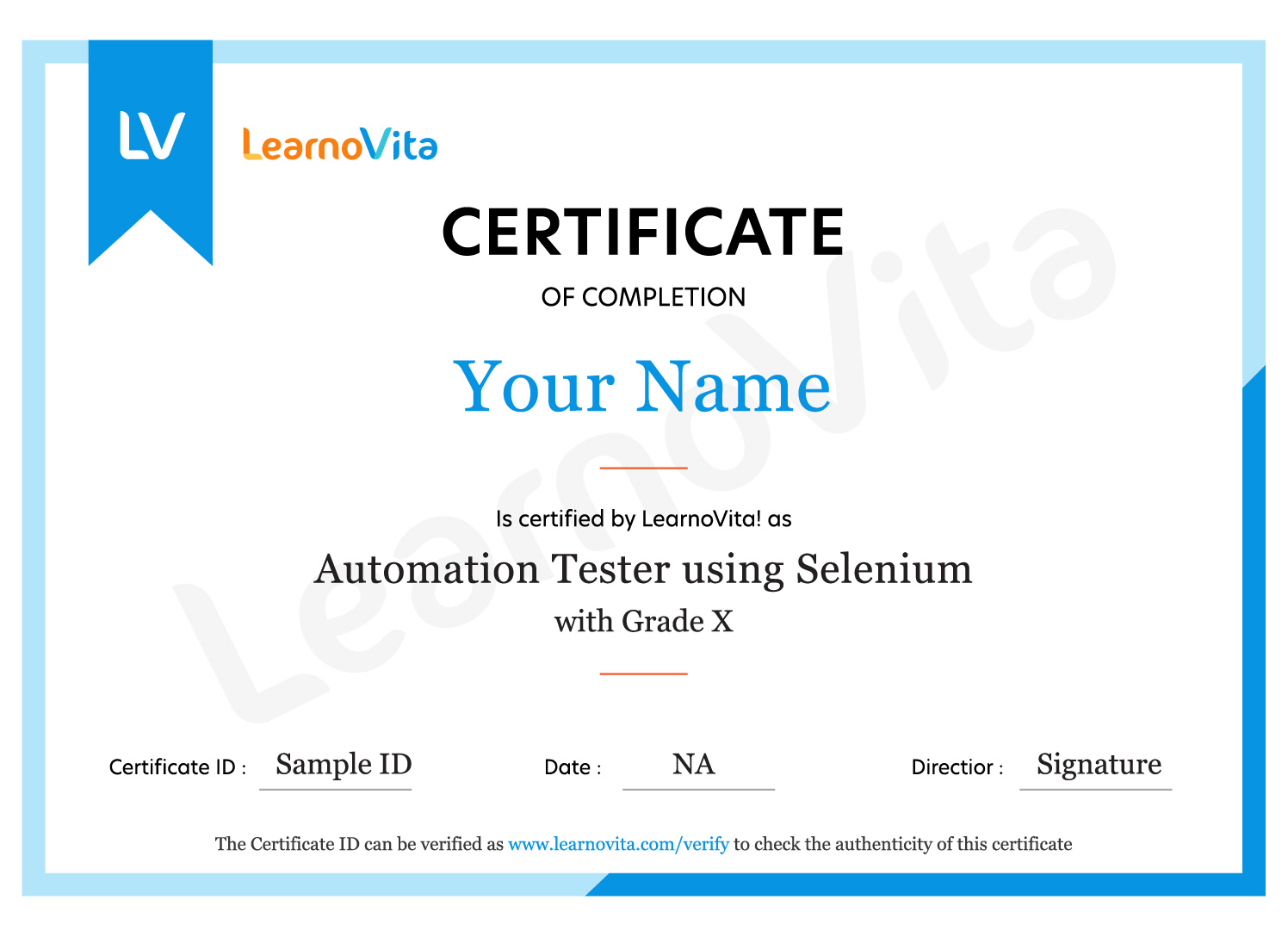
Exam & Cloud Computing Certification

  • Basic knowledge of computers and networking concepts
  • Familiarity with operating systems and common IT infrastructure
  • Understanding of internet services, servers, and virtualization fundamentals
  • Basic awareness of databases, applications, and web technologies
  • Previous professional cloud experience is not mandatory for beginner-level learners
Cloud Computing Certification demonstrates knowledge of cloud platforms, virtualization, infrastructure, networking, storage, deployment, and security concepts. It can strengthen your professional profile and support career opportunities across cloud engineering, administration, DevOps, infrastructure, and cloud support roles.
Cloud Computing Certification verifies your understanding of important cloud technologies and infrastructure concepts, but certification by itself does not guarantee a job. Combining certification with real-time projects, practical labs, platform knowledge, troubleshooting abilities, and hands-on exposure to AWS, Azure, or Google Cloud can help build a stronger career profile.
  • Cloud Engineer
  • Cloud Administrator
  • Cloud Solutions Architect
  • Cloud Support Engineer
  • DevOps Engineer
  • Cloud Infrastructure Engineer
Cloud Computing Certification helps learners build knowledge across cloud architecture, virtualization, networking, storage, security, automation, deployment, monitoring, and major cloud platforms. These skills can support continued career development in cloud engineering, DevOps, infrastructure administration, migration, security, and enterprise cloud technology roles.

MNC Recognized course
complete certification
Intership
complete certification
Placement
complete certification

Our learners
transformed their careers

35 Laks
Highest Salary Offered
50%
Average Salary Hike
30K+
Placed in MNC's
15+
Year's in Training
Our Alumni
Alumni

A majority of our alumni

fast-tracked into managerial careers.

Get inspired by their progress in the Career Growth Report.

Our Student Successful Story

checkimage Regular 1:1 Mentorship From Industry Experts checkimage Live Classes checkimage Career Support

How are the Cloud Computing Course with LearnoVita Different?

Feature

LearnoVita

Other Institutes

Affordable Fees

Competitive Pricing With Flexible Payment Options.

Higher Cloud Computing Fees With Limited Payment Options.

Live Class From ( Industry Expert)

Well Experienced Trainer From a Relevant Field With Practical Cloud Computing Training

Theoretical Class With Limited Practical

Updated Syllabus

Updated and Industry-relevant Cloud Computing Course Curriculum With Hands-on Learning.

Outdated Curriculum With Limited Practical Training.

Hands-on projects

Real-world Cloud Computing Projects With Live Case Studies and Collaboration With Companies.

Basic Projects With Limited Real-world Application.

Certification

Industry-recognized Cloud Computing Certifications With Global Validity.

Basic Cloud Computing Certifications With Limited Recognition.

Placement Support

Strong Placement Support With Tie-ups With Top Companies and Mock Interviews.

Basic Placement Support

Industry Partnerships

Strong Ties With Top Tech Companies for Internships and Placements

No Partnerships, Limited Opportunities

Batch Size

Small Batch Sizes for Personalized Attention.

Large Batch Sizes With Limited Individual Focus.

Additional Features

Lifetime Access to Cloud Computing Course Materials, Alumni Network, and Hackathons.

No Additional Features or Perks.

Training Support

Dedicated Mentors, 24/7 Doubt Resolution, and Personalized Guidance.

Limited Mentor Support and No After-hours Assistance.

Cloud Computing Course FAQ's

Certainly, you can attend a demo session before enrolling in the Cloud Computing Course in Kochi. However, to maintain effective learning standards, we limit the number of participants in live classes. If you are unable to join a live demo, you can access a pre-recorded session conducted by the same trainer. This helps you understand the teaching approach, course structure, instructor expertise, and classroom interaction.
LearnoVita instructors are experienced industry professionals working with reputed organizations and bringing a minimum of 9 to 12 years of IT industry experience. Their practical knowledge of cloud platforms, infrastructure, deployment, virtualization, and security helps learners understand real-world Cloud Computing concepts through effective training sessions.
  • LearnoVita supports job seekers with career guidance, interview preparation, and placement assistance while helping employers connect with suitable candidates.
  • After successfully completing the Cloud Computing Course in Kochi, eligible learners can access placement assistance and career support. We offer placement assistance and maintain professional relationships with more than 650 MNCs.
  • Our Placement Cell helps learners prepare for interviews with organizations such as Oracle, HP, Wipro, Accenture, Google, IBM, Tech Mahindra, Amazon, CTS, TCS, HCL, Infosys, MindTree, and Mphasis.
  • LearnoVita provides career support and shares placement-related information through its Placed Students' List on the website. The platform also highlights more than 5400 student placements reported in the previous year.
  • We conduct career development sessions, including mock interviews and presentation skills training, to improve interview readiness. Our Placement Cell offers continued guidance to help learners explore suitable opportunities in leading organizations.
  • Visit your student portal to access available job openings, study materials, training videos, recorded sessions, and interview preparation resources.
LearnoVita Certification is awarded upon successful completion of the Cloud Computing Course. The training helps learners prepare for industry-recognized cloud certifications offered by major providers such as AWS, Microsoft Azure, and Google Cloud. Learners can also receive guidance from technical experts to understand certification requirements, exam topics, and preparation strategies for their chosen cloud platform.
Yes, the Cloud Computing training program includes practical assignments and real-time projects based on industry scenarios. Learners work on cloud application deployment, infrastructure configuration, storage management, cloud migration, networking, and security activities. These projects help participants apply theoretical concepts, improve troubleshooting abilities, and gain practical experience with popular cloud platforms.
At LearnoVita, participants can choose from instructor-led online training, self-paced learning, classroom sessions, one-to-one training, fast-track programs, customized training, and online learning options. Each format offers flexibility and convenience, allowing learners to select a suitable schedule and learning approach. These training modes help participants develop Cloud Computing skills according to their learning preferences and career goals.
LearnoVita provides options to help you catch up on missed Cloud Computing classes without losing track of the syllabus. You can reschedule a session within the course duration, access available online class presentations and recordings, or attend the missed topic in another live batch, subject to availability.
For further information about the Cloud Computing Course in Kochi, training schedule, fees, syllabus, or enrollment process, please contact us at contact@learnovita.com. Our support team will help clarify your questions.
You can enroll in the Cloud Computing Course in Kochi by registering through the LearnoVita website or visiting one of our branches in India for direct assistance. Contact our team to learn about available batches, training schedules, course fees, and enrollment details.
Yes, enrolled learners can access Cloud Computing study materials, training videos, recorded sessions, and interview preparation resources through the student portal, subject to the access terms of the course.
LearnoVita focuses on interactive learning and individual attention so participants can clarify doubts and understand technical concepts effectively. To encourage better trainer interaction and practical guidance, each Cloud Computing batch generally accommodates 5 to 6 learners.
Cloud Computing Professional salaries in India vary based on experience, technical skills, job role, location, and cloud platform expertise. Entry-level professionals may earn different packages from experienced Cloud Engineers, Cloud Administrators, and Cloud Architects. Practical project experience and certifications can help strengthen career prospects.
view More view Less
Career Assistance
  • Build a Powerful Resume for Career Success
  • Get Trainer Tips to Clear Interviews
  • Practice with Experts: Mock Interviews for Success
  • Crack Interviews & Land Your Dream Job
100% JOB GUARANTEE

Global Quality Training
At The Lowest Fees & Expert Trainer

AVAILABLE IN:
India Canada USA Singapore UAE Australia EU Germany

Need custom pricing?

4.9/5 from 50k+ students
Acte Technologies WhatsApp
Call Us! Chat With Us