Home » Others Courses » Data Analytics Certification Course in London

Data Analytics Certification Course in London

(4.2) 19564 Ratings
  • Enroll in the Data Analytics Course in London to master data interpretation and business insight generation.
  • Learn essential tools including Excel, SQL, Python, Power BI, and Tableau for data-driven decision making.
  • Build practical expertise through real-time projects, data cleaning, analysis, and dashboard development tasks.
  • Ideal for Data Analysts, Business Analysts, Graduates, and Professionals transitioning into analytics roles.
  • Choose from flexible batch timings: Weekday, Weekend, or Fast-Track learning options.
  • Receive placement assistance, interview preparation, and certification support to boost your career prospects.

Course Duration

50+ Hrs

Live Project

3 Project

Certification Pass

Guaranteed

Training Format

Live Online (Expert Trainers)
Quality Training With Affordable Fee

⭐ Fees Starts From

INR 38,000
INR 18,500

11036+

Professionals Trained

10+

Batches every month

2668+

Placed Students

198+

Corporate Served

What You'll Learn

The Data Analytics certification Course in London delivers in-depth knowledge of data modeling, statistical analysis, and business intelligence strategies used by leading organizations.

Build a solid foundation in data exploration, visualization techniques, and predictive analytics to turn complex datasets into meaningful insights.

Work on practical assignments that involve cleaning raw data, identifying trends, and presenting findings through interactive dashboards.

Through expert-led sessions and Data Analytics training in London, learners gain hands-on exposure to real business datasets and reporting environments.

Explore advanced analytics concepts such as machine learning basics, forecasting methods, and performance tracking for data-driven decision-making.

Develop industry-relevant expertise that strengthens your professional profile and opens doors to high-demand roles in analytics and digital transformation.

An Comprehensive Overview of Data Analytics Course

The Data Analytics Course in London is structured to give learners a deep understanding of data processing, visualization, and insight generation techniques used in modern organizations. Through Data Analytics training in London, participants work with real datasets, interactive dashboards, and analytical tools under the guidance of experienced industry mentors. This comprehensive Data Analytics Certification Course in London blends theoretical concepts with practical implementation, ensuring learners can confidently handle data-driven business challenges. The flexible Data Analytics training course format includes classroom sessions, live online instruction, and hands-on projects tailored to different learning preferences. By completing the program, students strengthen their analytical thinking, reporting accuracy, and decision-making capabilities, making them valuable assets to companies seeking skilled data professionals.

Additional Info

Future Trends for Data Analytics Training

  • Integration of Artificial Intelligence: Data analytics training is rapidly evolving with the integration of artificial intelligence into everyday analytical workflows. Learners are now expected to understand how machine learning models enhance forecasting and decision-making accuracy. Training programs increasingly include real-time model building and evaluation exercises. This shift allows professionals to move beyond descriptive reporting into predictive and prescriptive analytics. Businesses are prioritizing talent that can blend AI techniques with business intelligence tools. As automation grows, analytics professionals must understand how algorithms influence insights. Future-focused training ensures learners stay aligned with intelligent data ecosystems.
  • Real-Time Data Processing Skills: Modern organizations rely heavily on real-time insights, pushing training programs to emphasize live data streaming concepts. Participants learn how to process and analyze data as it is generated rather than relying solely on historical reports. This approach enhances responsiveness in sectors like finance, healthcare, and e-commerce. Training modules now simulate dynamic business environments to improve decision-making speed. Understanding real-time dashboards and automated alerts is becoming essential. Professionals equipped with these skills can help organizations respond instantly to operational changes. This trend reflects the demand for agile analytics capabilities.
  • Cloud-Based Analytics Platforms: Cloud technology is transforming the way analytics solutions are developed and deployed. Training programs now incorporate cloud-based data warehouses and scalable storage solutions. Learners explore how distributed computing enhances performance and flexibility. This knowledge prepares professionals to handle massive datasets without infrastructure limitations. Organizations prefer analysts who can operate within cloud ecosystems efficiently. Cloud analytics reduces costs while improving accessibility across departments. Future training continues to expand in this direction as digital transformation accelerates.
  • Emphasis on Data Storytelling: Technical expertise alone is no longer sufficient in analytics roles. Training programs increasingly highlight the importance of presenting insights through compelling data storytelling. Learners practice transforming raw numbers into meaningful business narratives. Visualization tools are used to communicate trends clearly to non-technical stakeholders. This skill strengthens collaboration between analytics teams and leadership. Effective storytelling improves strategic decision-making across organizations. As competition intensifies, professionals who communicate insights clearly gain a strong advantage.
  • Automation in Data Preparation: Data cleaning and preparation often consume significant time in analytics workflows. Future training focuses on automation tools that streamline preprocessing tasks. Learners are introduced to smart transformation techniques and workflow optimization strategies. This reduces manual effort and increases productivity. Automation allows analysts to dedicate more time to insight generation rather than repetitive tasks. Organizations benefit from faster turnaround times in reporting. Training programs are adapting to ensure learners master efficient data preparation processes.
  • Ethical Data Usage and Governance: With increasing reliance on data, ethical considerations are becoming central in analytics education. Training now includes discussions on privacy regulations and responsible data handling. Professionals must understand how to manage sensitive information securely. Governance frameworks are introduced to maintain compliance and transparency. This awareness builds trust between organizations and customers. Ethical analytics practices reduce legal and reputational risks. Future-focused programs ensure learners understand both technical and regulatory responsibilities.
  • Advanced Predictive Modeling Techniques: Predictive analytics is gaining prominence across industries. Training programs now dive deeper into regression analysis, classification methods, and forecasting models. Learners practice interpreting model outputs to support business strategies. This hands-on exposure builds confidence in applying statistical methods to real problems. Organizations seek professionals who can anticipate trends rather than just analyze past performance. Advanced modeling strengthens competitive positioning. As markets evolve rapidly, predictive skills become increasingly valuable.
  • Cross-Functional Analytical Collaboration: Data analytics is no longer confined to IT departments. Training increasingly prepares professionals to collaborate with marketing, operations, and finance teams. Learners understand how analytics supports multiple business functions. Communication and teamwork are integrated into project-based learning environments. Cross-functional exposure improves adaptability in diverse organizational settings. Companies value analysts who understand broader business contexts. Future programs will continue promoting interdisciplinary analytical approaches.
  • Interactive Visualization Technologies: Interactive dashboards and dynamic reporting tools are shaping modern analytics practices. Training programs emphasize creating user-friendly visual interfaces. Learners experiment with filters, drill-down features, and responsive designs. This improves how stakeholders interact with insights. Visual analytics enhances understanding across departments. Organizations rely on intuitive dashboards for quicker strategic decisions. Mastery of visualization tools remains a core component of evolving training curricula.
  • Continuous Skill Development and Micro-Learning: The analytics field evolves quickly, requiring constant skill enhancement. Training models are shifting toward modular learning structures that allow professionals to upgrade skills regularly. Short-term specialized modules help learners stay updated with emerging tools and techniques. This approach supports lifelong professional growth. Organizations prefer adaptable professionals who continuously refine their expertise. Micro-learning ensures flexibility without compromising depth. Future data analytics training will prioritize ongoing education to remain industry-relevant.

Tools and Technologies for Data Analytics Training

  • Microsoft Excel: Microsoft Excel remains one of the most widely used tools in Data Analytics training because it builds a strong base in data handling and interpretation. Learners use Excel to organize datasets, apply formulas, and perform exploratory analysis. Features like pivot tables and advanced functions help in identifying trends quickly. Training programs emphasize practical exercises to improve analytical thinking using spreadsheets. Mastering Excel creates a solid starting point before moving to more advanced analytics platforms.
  • Structured Query Language (SQL): SQL is essential for accessing and managing data stored in relational databases. In Data Analytics training, learners practice writing queries to extract, filter, and manipulate structured data. Understanding joins, aggregations, and indexing improves database efficiency. SQL knowledge enables professionals to work directly with enterprise-level datasets. Strong command over SQL ensures accuracy and speed in generating analytical reports.
  • Python: Python has become a preferred programming language in analytics due to its simplicity and versatility. Training programs introduce libraries such as Pandas and NumPy for data manipulation. Learners build scripts to automate repetitive analysis tasks. Python also supports data visualization and basic machine learning workflows. Its flexibility makes it valuable for handling both small and large-scale datasets.
  • R Programming : R is widely recognized for its powerful statistical capabilities in Data Analytics training. It allows learners to perform complex statistical tests and create detailed visualizations. Training modules focus on applying regression models and hypothesis testing. R’s extensive package ecosystem supports diverse analytical needs. Professionals skilled in R can deliver deeper statistical insights for research and business strategy.
  • Tableau : Tableau plays a significant role in transforming raw data into visually engaging dashboards. Data Analytics training incorporates Tableau to help learners design interactive reports. Drag-and-drop functionality simplifies the creation of meaningful charts and graphs. Professionals learn to present insights in a way that supports executive decision-making. Strong visualization skills improve communication between technical and non-technical teams.
  • Power BI : Power BI is widely used for creating business-focused analytics solutions. Training sessions guide learners in connecting multiple data sources into unified dashboards. Participants practice building dynamic reports with real-time refresh capabilities. Power BI enhances storytelling through visually compelling representations. This tool is highly valued in organizations seeking actionable business intelligence.
  • Apache Hadoop : Hadoop introduces learners to distributed data storage and processing techniques. In Data Analytics training, it helps professionals understand how to manage massive datasets efficiently. The framework enables parallel processing across clusters. Exposure to Hadoop prepares analysts for large-scale enterprise data challenges. Its scalability makes it suitable for industries handling high data volumes.
  • Apache Spark : Apache Spark enhances data processing speed compared to traditional systems. Training programs highlight its ability to perform in-memory analytics for quicker results. Learners explore real-time data processing and streaming analytics concepts. Spark supports integration with various programming languages. Proficiency in Spark strengthens big data analysis capabilities significantly.
  • Google Analytics: Google Analytics is an important tool for understanding digital performance metrics. Data Analytics training introduces learners to tracking user behavior and campaign performance. Participants analyze website traffic patterns to derive marketing insights. This tool supports strategic improvements in online engagement. Knowledge of digital analytics broadens career opportunities in marketing and e-commerce sectors.
  • Jupyter Notebook: Jupyter Notebook is widely used for combining code, visualizations, and documentation in a single environment. Training programs use it to encourage interactive experimentation with datasets. Learners can test scripts and visualize outputs instantly. This platform supports better understanding of analytical workflows. Its collaborative nature makes it effective for project-based learning in Data Analytics training.

Roles and Responsibilities for Data Analytics Training

  • Data Analyst: A Data Analyst plays a central role in interpreting structured and unstructured data to uncover meaningful business insights. In Data Analytics training, this role focuses on learning how to clean datasets, apply statistical techniques, and build clear visual reports. Analysts are responsible for identifying patterns that support strategic decisions. They collaborate with different departments to understand reporting requirements. Strong attention to detail ensures accuracy in findings. Their work directly influences operational improvements and revenue growth.
  • Business Intelligence Analyst: A Business Intelligence Analyst transforms raw information into actionable dashboards and performance summaries. Data Analytics training prepares them to work with visualization platforms and reporting tools. They evaluate key performance indicators and track organizational progress. Their responsibility includes simplifying complex data for leadership teams. Effective communication skills are essential for presenting insights clearly. This role bridges the gap between technical data processes and executive decision-making.
  • Data Engineer: A Data Engineer designs and maintains systems that collect, store, and process large volumes of data. Through Data Analytics training, they gain expertise in database structures and data pipelines. Their role involves ensuring smooth data flow across platforms. Engineers focus on performance optimization and system reliability. They support analysts by providing clean and accessible datasets. Strong technical foundations make them crucial to data-driven organizations.
  • Data Scientist: A Data Scientist explores advanced analytical models to predict trends and behaviors. Data Analytics training equips them with knowledge of machine learning algorithms and statistical modeling. They analyze complex datasets to develop predictive solutions. Their responsibilities include testing hypotheses and refining analytical models. Clear interpretation of results helps organizations plan future strategies. This role demands both analytical depth and creative problem-solving skills.
  • Analytics Consultant: An Analytics Consultant advises organizations on improving performance through data-driven strategies. In Data Analytics training, they learn to assess business challenges and recommend tailored solutions. Their responsibility includes evaluating existing reporting systems and suggesting enhancements. Consultants often guide companies during digital transformation initiatives. They translate technical findings into practical action plans. Strong client communication and industry knowledge define success in this role.
  • Reporting Analyst: A Reporting Analyst focuses on creating structured reports that track performance metrics. Data Analytics training helps them master data extraction and visualization techniques. They ensure reports are accurate, timely, and aligned with organizational goals. Monitoring trends and highlighting anomalies form a key part of their duties. Their insights support managers in making informed operational decisions. Precision and consistency are essential qualities in this position.
  • Machine Learning Analyst: A Machine Learning Analyst works on developing intelligent systems that learn from data. Data Analytics training introduces them to model training, validation, and evaluation processes. They analyze historical information to forecast future outcomes. Their role includes fine-tuning algorithms for improved accuracy. Collaboration with data engineers ensures smooth implementation of models. This role contributes to automation and advanced predictive capabilities.
  • Data Visualization Specialist: A Data Visualization Specialist designs interactive dashboards and graphical representations of complex information. Through Data Analytics training, they learn advanced visualization techniques. Their responsibility is to make data easily understandable for non-technical stakeholders. They select appropriate charts and layouts to communicate insights effectively. Creative thinking enhances the clarity of presentations. Their work strengthens organizational transparency and data accessibility.
  • Quantitative Analyst: A Quantitative Analyst applies mathematical and statistical methods to solve financial and operational challenges. Data Analytics training prepares them to interpret numerical trends accurately. They conduct in-depth analysis to measure risk and performance indicators. Their findings guide strategic planning and investment decisions. Attention to numerical precision is vital in this role. Quantitative expertise adds measurable value to data-driven enterprises.
  • Data Operations Specialist: A Data Operations Specialist ensures smooth day-to-day functioning of data systems and workflows. Data Analytics training equips them to monitor data accuracy and system performance. They troubleshoot issues related to storage and data integrity. Maintaining consistent data availability is a primary responsibility. Coordination with technical teams helps prevent operational disruptions. Their role supports reliable analytics processes across the organization.

Companies Hiring Data Analytics Professionals

  • Google: Google actively hires Data Analytics training professionals to interpret massive volumes of user and product data. Analysts at Google work on improving search algorithms, advertising performance, and user engagement metrics. The company values individuals who can transform raw data into strategic recommendations. Strong analytical thinking and visualization skills are essential in this environment. Data-driven decision-making is deeply embedded in Google’s innovation culture.
  • Amazon: Amazon relies heavily on data analytics professionals to optimize operations, customer experience, and supply networks. Trained analysts help forecast demand, monitor performance trends, and enhance personalization systems. The company seeks candidates who can manage large datasets efficiently. Insightful reporting directly impacts product strategy and operational planning. Data expertise plays a crucial role in Amazon’s global expansion.
  • Microsoft: Microsoft recruits analytics professionals to strengthen product development and cloud-based solutions. Data specialists support performance tracking, customer insights, and AI-driven initiatives. Employees are expected to work with advanced tools and enterprise-scale datasets. Analytical expertise contributes to improving software services and user satisfaction. The organization values innovation supported by measurable data outcomes.
  • Deloitte: Deloitte hires Data Analytics training professionals to deliver advisory and consulting solutions. Analysts assist clients in identifying growth opportunities through data-driven evaluations. The firm values professionals who can combine technical expertise with business understanding. Analytical insights help clients streamline processes and improve profitability. Data analytics remains central to Deloitte’s digital transformation services.
  • Accenture: Accenture integrates data analytics professionals into large-scale digital projects worldwide. Analysts work on transforming business models using structured data strategies. The company looks for individuals capable of building dashboards and predictive models. Analytical reporting supports strategic decisions for diverse industries. Accenture’s global reach creates strong opportunities for skilled data professionals.
  • IBM: IBM employs analytics professionals to enhance artificial intelligence and enterprise solutions. Data experts contribute to research, automation systems, and customer analytics platforms. The company prioritizes professionals who understand both data science and business intelligence. Insight generation supports innovation across multiple technology domains. IBM’s analytical ecosystem encourages continuous learning and development.
  • Tata Consultancy Services (TCS): TCS seeks Data Analytics training professionals to manage global enterprise data projects. Analysts work with clients to improve operational efficiency through measurable insights. The organization handles complex datasets across industries such as banking and healthcare. Strong reporting and analytical modeling skills are highly valued. TCS offers long-term growth for professionals skilled in data interpretation.
  • Infosys: Infosys hires data specialists to support digital modernization initiatives. Analytics professionals assist organizations in making informed strategic decisions. The company values individuals who can translate data into clear performance indicators. Structured reporting and predictive analysis play a significant role in project execution. Infosys emphasizes innovation powered by analytical intelligence.
  • Capgemini: Capgemini integrates data analytics professionals into consulting and technology services. Analysts help businesses optimize operations through actionable insights. The company looks for professionals comfortable handling structured and unstructured data. Visualization and reporting expertise enhance client engagement outcomes. Data analytics contributes significantly to Capgemini’s global service portfolio.
  • Cognizant: Cognizant actively recruits analytics professionals to strengthen digital transformation projects. Analysts evaluate business performance and identify efficiency improvements. The organization values strong statistical and visualization capabilities. Data-driven insights guide enterprise decision-making across sectors. Cognizant provides dynamic career paths for skilled data analytics professionals.
View more

Data Analytics Course Objectives

To enroll in Data Analytics training, a basic understanding of mathematics, especially statistics, is helpful but not mandatory. Familiarity with spreadsheets like Excel and general computer skills can make the learning process smoother. Candidates from any educational background can join, though logical thinking and problem-solving ability are important. Prior exposure to programming languages such as Python or SQL is an added advantage but not compulsory. Most importantly, a willingness to explore data and interpret patterns plays a key role in succeeding in this training.
Data Analytics training equips you with practical skills to collect, organize, and interpret data for better decision-making. You gain hands-on experience with industry-relevant tools and techniques used by top companies. The training improves your analytical thinking and enhances your ability to solve real business problems. It also increases your employability across multiple industries where data-driven strategies are essential. Overall, it builds confidence to handle real-time datasets and present meaningful insights professionally.
  • Growing demand across industries such as IT, healthcare, finance, and retail
  • Increasing adoption of data-driven decision-making in businesses
  • Expansion of artificial intelligence and machine learning applications
  • Rise of big data technologies and cloud-based analytics platforms
  • Strong global career opportunities with competitive salary growth
  • Continuous innovation in predictive and prescriptive analytics
Data Analytics training holds significant importance in today’s competitive job market because organizations rely heavily on data to guide their strategies. Companies seek professionals who can interpret trends, forecast outcomes, and provide actionable insights. The ability to analyze structured and unstructured data has become a valuable skill across sectors. Employers prefer candidates who understand data visualization, reporting, and statistical evaluation. As businesses continue to digitalize operations, trained analytics professionals remain in high demand.
  • Introduction to data concepts and analytics fundamentals
  • Data collection, cleaning, and transformation techniques
  • Statistical analysis and probability concepts
  • SQL for database management and querying
  • Data visualization using tools like Power BI or Tableau
  • Basics of Python or R for data analysis
  • Real-time case studies and project work
Yes, most Data Analytics training programs include practical assignments and real-world projects to strengthen applied knowledge. Learners work on datasets that simulate actual business scenarios from various industries. These projects help students understand how to clean, analyze, and visualize data effectively. Working on live case studies enhances problem-solving and reporting skills. Practical exposure ensures that participants are job-ready and confident in handling industry challenges.
  • Information Technology and Software Services
  • Banking and Financial Services
  • Healthcare and Pharmaceuticals
  • E-commerce and Retail
  • Telecommunications
  • Manufacturing and Supply Chain
  • Marketing and Advertising
  • Education and Research
While Data Analytics training significantly improves your career prospects, it does not automatically guarantee a job. Employment depends on your skills, practical knowledge, interview performance, and market conditions. However, completing comprehensive training increases your chances of securing opportunities in analytics roles. Strong project experience and certification add value to your profile. Continuous learning and staying updated with industry trends further enhance employability.
Participants in Data Analytics training gain hands-on experience with essential tools such as Excel for data handling, SQL for database querying, and Python for data processing. They also learn visualization platforms like Power BI or Tableau to present insights clearly. Exposure to statistical techniques and basic machine learning concepts is often included. Some programs introduce cloud-based analytics environments for practical understanding. This combination of tools ensures learners are prepared for real-time industry requirements.
view More view Less

Data Analytics Course Benefits

The Data Analytics course in London is designed to give learners strong practical exposure to data-driven environments, focusing on real-time analysis, reporting workflows, and business intelligence strategies used by leading organizations. Through hands-on assignments and live case studies, students gain access to a structured Data Analytics internship that helps them apply classroom knowledge to genuine business scenarios and sharpen their analytical confidence. This Data Analytics course with placement support prepares candidates for roles in multinational companies and growing tech firms, offering dedicated career guidance, interview mentoring, and recruitment assistance in London’s competitive job market.

  • Designation
  • Annual Salary
    Hiring Companies
  • 4.75L
    Min
  • 6.75L
    Average
  • 15.0L
    Max
  • 5.50L
    Min
  • 7.45L
    Average
  • 14.75L
    Max
  • 3.75L
    Min
  • 6.45L
    Average
  • 15.75L
    Max
  • 3.45L
    Min
  • 6.65L
    Average
  • 14.25L
    Max

About Data Analytics Certification Training

The Data Analytics certification course in London is structured to build strong capabilities in designing, developing, and deploying data-driven solutions that support real business decisions across industries. Learners work on practical Data Analytics projects that mirror real corporate scenarios, enabling them to translate raw data into meaningful insights through structured analysis and reporting techniques. With guided lab sessions and scenario-based assignments, participants gain confidence in handling datasets, creating interactive dashboards, and presenting findings that influence strategic outcomes.

Top Skills You Will Gain
  • Data Visualization
  • Data Modeling
  • Statistical Analysis
  • Predictive Analytics
  • SQL Querying
  • Data Cleaning
  • Report Designing
  • Python Programming

12+ Data Analytics Tools

Online Classroom Batches Preferred

Weekdays (Mon - Fri)
09 - Feb - 2026
08:00 AM (IST)
Weekdays (Mon - Fri)
11 - Feb- 2026
08:00 AM (IST)
Weekend (Sat)
14 - Feb - 2026
11:00 AM (IST)
Weekend (Sun)
15 - Feb - 2026
11:00 AM (IST)
Can't find a batch you were looking for?
₹38,000 ₹18,500 10% OFF Expires in

No Interest Financing start at ₹ 5000 / month

Corporate Training

  • Customized Learning
  • Enterprise Grade Learning Management System (LMS)
  • 24x7 Support
  • Enterprise Grade Reporting

Not Just Studying
We’re Doing Much More!

Empowering Learning Through Real Experiences and Innovation

Hiring
Hiring
Hiring
Hiring
Hiring
Hiring
Hiring
User
User
User
User
User
User

Data Analytics Course Curriculum

Trainers Profile

Our Data Analytics course in London is delivered by seasoned industry professionals who bring deep experience in data handling, business intelligence, and advanced analytical techniques. The program blends conceptual clarity with practical exposure, enabling learners to work confidently with real datasets and reporting environments. We provide structured Data Analytics training materials that simplify complex concepts and guide you step by step through tools and analytical methods. By the end of the course, participants gain the technical depth and applied knowledge required to succeed in competitive Data Analytics roles across London’s thriving job market.

Syllabus for Data Analytics Course Download syllabus

  • Overview of Data Analytics
  • Types of Data and Data Sources
  • Analytics Lifecycle
  • Data-Driven Decision Making
  • Roles in Analytics
  • Descriptive Statistics
  • Probability Concepts
  • Sampling Techniques
  • Hypothesis Testing
  • Correlation and Regression Basics
  • Data Cleaning in Excel
  • Pivot Tables
  • Lookup Functions
  • Data Visualization Charts
  • Conditional Formatting
  • Database Concepts
  • Writing SQL Queries
  • Joins and Subqueries
  • Aggregate Functions
  • Data Filtering Techniques
  • Python Basics
  • NumPy and Pandas
  • Data Manipulation
  • Exploratory Data Analysis
  • Data Visualization with Matplotlib
  • R Fundamentals
  • Data Frames and Structures
  • Statistical Computing
  • Data Visualization in R
  • Data Import and Export
  • Dashboard Design
  • Tableau Interface
  • Power BI Interface
  • Creating Reports
  • Interactive Visual Elements
  • Data Cleaning Methods
  • Handling Missing Values
  • Data Transformation
  • Data Integration
  • Outlier Detection
  • Predictive Modeling
  • Time Series Analysis
  • Classification Techniques
  • Clustering Methods
  • Model Evaluation Metrics
  • Introduction to Big Data
  • Hadoop Ecosystem
  • Spark Overview
  • Data Processing Techniques
  • Structured and Unstructured Data
(15) view More view Less
Need customized curriculum?

REAL

start
STORIES SUCCESS INSPIRATION
CAREER
UPGRADE
sowmiya

sowmiya

CAREER
UPGRADE
Rajkumar

Rajkumar

CAREER
UPGRADE
Thon

Thon

CAREER
UPGRADE
lavanya

Lavanya

Industry Projects

Project 1
Retail Sales Insight Dashboard

Develop an interactive analytics dashboard using real transactional data to identify buying patterns, seasonal trends, and revenue fluctuations. The project focuses on transforming raw sales figures into visual reports that support promotional planning.

Project 2
Healthcare Data Trend Analysis

Analyze patient and treatment datasets to uncover patterns in hospital admissions and treatment outcomes. This project involves cleaning large datasets, performing statistical evaluation, and presenting visual insights that highlight critical performance indicators.

Project 3
Financial Risk Prediction Model

Build a predictive model using historical financial records to assess potential credit risk. Participants will preprocess data, apply classification algorithms, and generate analytical reports that help institutions make informed lending decisions.

Our Hiring Partner

Exam & Data Analytics Certification

  • Basic understanding of mathematics and statistics
  • Familiarity with spreadsheets such as Excel
  • Fundamental knowledge of databases
  • Interest in data interpretation and reporting
  • Basic programming exposure (optional but helpful)
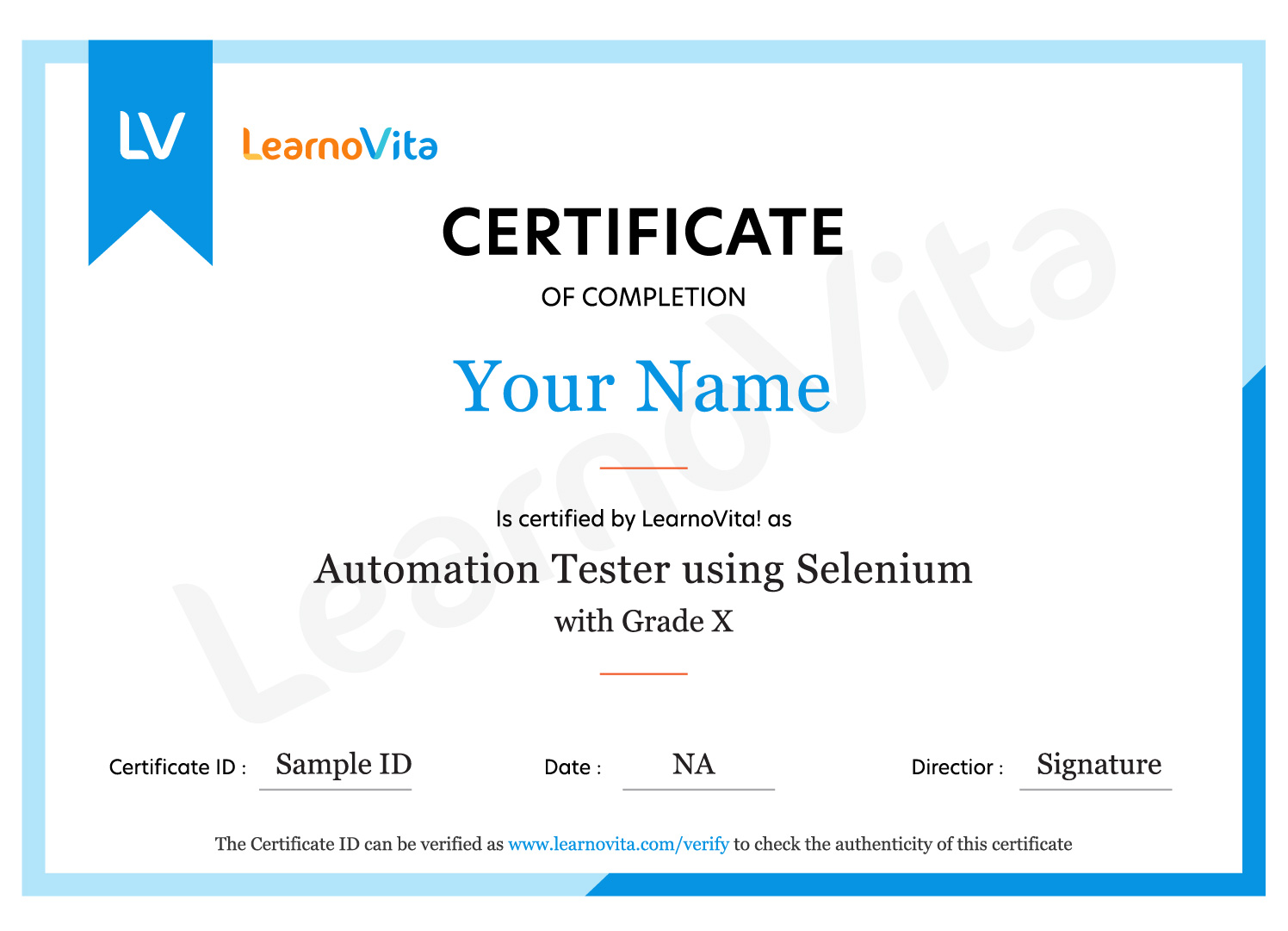
A Data Analytics certification validates your technical competence in handling data, performing structured analysis, and delivering actionable insights. It strengthens your professional credibility, improves employer confidence, and highlights your ability to work with analytical tools and reporting platforms. Certified professionals often stand out during hiring processes because the credential reflects both practical exposure and theoretical understanding aligned with current industry standards.
While a Data Analytics certification significantly improves your employability and demonstrates verified skill levels, job placement ultimately depends on your practical expertise, communication abilities, and performance during interviews. The certification strengthens your profile and opens opportunities, but consistent skill development and project experience remain equally important.
  • Data Analyst
  • Business Intelligence Analyst
  • Reporting Analyst
  • Data Engineer
  • Financial Analyst
  • Marketing Analyst
  • Operations Analyst
  • Analytics Consultant
Earning a Data Analytics certification equips you with structured analytical thinking and hands-on tool expertise, enabling you to handle complex datasets confidently. It supports career progression by qualifying you for advanced analytical responsibilities, higher salary brackets, and cross-functional roles. Over time, certified professionals gain leadership opportunities as their insights directly contribute to strategic business decisions.

Our learners
transformed their careers

35 Laks
Highest Salary Offered
50%
Average Salary Hike
30K+
Placed in MNC's
15+
Year's in Training
Our Alumni
Alumni

A majority of our alumni

fast-tracked into managerial careers.

Get inspired by their progress in the Career Growth Report.

Our Student Successful Story

checkimage Regular 1:1 Mentorship From Industry Experts checkimage Live Classes checkimage Career Support

How are the Data Analytics Course with LearnoVita Different?

Feature

LearnoVita

Other Institutes

Affordable Fees

Competitive Pricing With Flexible Payment Options.

Higher Data Analytics Fees With Limited Payment Options.

Live Class From ( Industry Expert)

Well Experienced Trainer From a Relevant Field With Practical Data Analytics Training

Theoretical Class With Limited Practical

Updated Syllabus

Updated and Industry-relevant Data Analytics Course Curriculum With Hands-on Learning.

Outdated Curriculum With Limited Practical Training.

Hands-on projects

Real-world Data Analytics Project With Live Case Studies and Collaboration With Companies.

Basic Projects With Limited Real-world Application.

Certification

Industry-recognized Data Analytics Certifications With Global Validity.

Basic Data Analytics Certifications With Limited Recognition.

Placement Support

Strong Placement Support With Tie-ups With Top Companies and Mock Interviews.

Basic Placement Support

Industry Partnerships

Strong Ties With Top Tech Companies for Internships and Placements

No Partnerships, Limited Opportunities

Batch Size

Small Batch Sizes for Personalized Attention.

Large Batch Sizes With Limited Individual Focus.

Additional Features

Lifetime Access to Data Analytics Course Materials, Alumni Network, and Hackathons.

No Additional Features or Perks.

Training Support

Dedicated Mentors, 24/7 Doubt Resolution, and Personalized Guidance.

Limited Mentor Support and No After-hours Assistance.

Data Analytics Course FAQ's

LearnoVita Offers the Best Discount Price for you CALL at +91 93833 99991 and know the Exciting offers Available for you!!!
Yes, you can attend the demo session. Even though We have a limited number of participants in a live session to maintain the Quality Standards. So, unfortunately, participation in a live class without enrolment is not possible.If you are unable to attend you can go through our Pre recorded session of the same trainer, it would give you a clear insight about how are the classes conducted, the quality of instructors, and the level of interaction in the class.
All Our instructors are working professionals from the Industry, Working in leading Organizations and have Real-World Experience with Minimum 9-12 yrs of Relevant IT field Experience. All these experienced folks at LearnoVita Provide a Great learning experience.
The trainer will give Server Access to the course seekers, and we make sure you acquire practical hands-on training by providing you with every utility that is needed for your understanding of the course
  • LearnoVita will assist the job seekers to Seek, Connect & Succeed and delight the employers with the perfect candidates.
  • On Successfully Completing a Career Course with LearnoVita, you Could be Eligible for Job Placement Assistance.
  • 100% Placement Assistance* - We have strong relationship with over 650+ Top MNCs, When a student completes his/ her course successfully, LearnoVita Placement Cell helps him/ her interview with Major Companies like Oracle, HP, Wipro, Accenture, Google, IBM, Tech Mahindra, Amazon, CTS, TCS, HCL, Infosys, MindTree and MPhasis etc...
  • LearnoVita is the Legend in offering placement to the students. Please visit our Placed Students's List on our website.
  • More than 5400+ students placed in last year in India & Globally.
  • LearnoVita Conducts development sessions including mock interviews, presentation skills to prepare students to face a challenging interview situation with ease.
  • 85% percent placement record
  • Our Placement Cell support you till you get placed in better MNC
  • Please Visit Your Student's Portal | Here FREE Lifetime Online Student Portal help you to access the Job Openings, Study Materials, Videos, Recorded Section & Top MNC interview Questions
After Your Course Completion You will Receive
  • LearnoVita Certification is Accredited by all major Global Companies around the World.
  • LearnoVita is the unique Authorized Oracle Partner, Authorized Microsoft Partner, Authorized Pearson Vue Exam Center, Authorized PSI Exam Center, Authorized Partner Of AWS.
  • Also, LearnoVita Technical Experts Help's People Who Want to Clear the National Authorized Certificate in Specialized IT Domain.
  • LearnoVita is offering you the most updated, relevant, and high-value real-world projects as part of the training program.
  • All training comes with multiple projects that thoroughly test your skills, learning, and practical knowledge, making you completely industry-ready.
  • You will work on highly exciting projects in the domains of high technology, ecommerce, marketing, sales, networking, banking, insurance, etc.
  • After completing the projects successfully, your skills will be equal to 6 months of rigorous industry experience.
At LearnoVita you can enroll in either the instructor-led Online Training, Self-Paced Training, Class Room, One to One Training, Fast Track, Customized Training & Online Training Mode. Apart from this, LearnoVita also offers Corporate Training for organizations to UPSKILL their workforce.
LearnoVita Assures You will Never lose any Topics and Modules. You can choose either of the Three options:
  • We will reschedule the classes as per your convenience within the stipulated course duration with all such possibilities.
  • View the class presentation and recordings that are available for online viewing.
  • You can attend the missed session, in any other live batch.
Just give us a CALL at +91 9383399991 OR email at contact@learnovita.com
Yes We Provide Lifetime Access for Student’s Portal Study Materials, Videos & Top MNC Interview Question After Once You Have Enrolled.
We at LearnoVita believe in giving individual attention to students so that they will be in a position to clarify all the doubts that arise in complex and difficult topics and Can Access more information and Richer Understanding through teacher and other students' body language and voice. Therefore, we restrict the size of each Data Analytics batch to 5 or 6 members
Learning Data Analytics can help open up many opportunities for your career. It is a GREAT SKILL-SET to have as many developer roles in the job market requires proficiency in Data Analytics. Mastering Data Analytics can help you get started with your career in IT. Companies like Oracle, IBM, Wipro, HP, HCL, DELL, Bosch, Capgemini, Accenture, Mphasis, Paypal, and MindLabs.
The Average Data Analytics Developer salary in India is ₹4,43,568 per annum.
You can contact our support number at +91 93800 99996 / Directly can do by LearnoVita E-commerce payment system Login or directly walk-in to one of the LearnoVita branches in India.
view More view Less
Career Assistance
  • Build a Powerful Resume for Career Success
  • Get Trainer Tips to Clear Interviews
  • Practice with Experts: Mock Interviews for Success
  • Crack Interviews & Land Your Dream Job

Find Data Analytics Training in Other Cities