
SAP MII Training in Pune
 21562
21562 Ratings


- Join the Best SAP MII Course in Pune to Build Programming Skills.
- SAP MII Certification Course with Career-Focused Placement Assistance.
- Flexible SAP MII Training Options: Weekday, Weekend, or Fast-Track Schedules.
- Learn with Real-Time Projects and Practical Sessions from Expert SAP MII Trainers.
- Get Help with Resume Writing, Mock Interviews, and Career Development in SAP MII.
- Learn from industry experts at a top SAP MII training institute in Pune.
Course Duration
60+ HrsLive Project
3 ProjectCertification Pass
GuaranteedTraining Format
Live Online (Expert Trainers)Quality Training With Affordable Fee
 Fees Starts From

12846+
Professionals Trained
12+
Batches every month
4126+
Placed Students
335+
Corporate ServedWhat You'll Learn
Discover the basics of SAP MII to link industrial processes with enterprise applications.
Learn how to connect SAP with manufacturing floor systems using real-time data to improve decision-making in SAP MII Course in Pune.
Gain expertise in MII design, dashboards, and reporting to optimize manufacturing performance.
Understand how SAP MII Training in Pune enhances operational efficacy and data visibility.
Get practical experience putting SAP MII technologies, like process automation and business logic, into practice.
Get real-world experience with SAP MII internships to further your career.
SAP MII Course Objectives
- Growth in Industry 4.0 adoption and smart factories
- Increasing demand for real time data integration
- High demand for SAP MII professionals in the digital transformation space
- Continuous advancements in automation and predictive analytics
- SAP MII and its components
- Integration of SAP MII with SAP ERP systems
- Real time data management and analytics
- SAP MII architecture and design principles
- Reporting and data visualization with SAP MII
- Automotive
- Aerospace
- Pharmaceuticals
- Manufacturing
- Energy and utilities
- Improved understanding of manufacturing integration
- Enhanced job prospects in the smart manufacturing industry
- Ability to optimize workflows and data management
- Increased efficiency and productivity within manufacturing processes
- Access to higher paying roles and career advancement opportunities
Request more informations
WhatsApp (For Call & Chat):
+91 72003 88604
SAP MII Course Benefits
The SAP MII Certification Course in Pune provides extensive knowledge of integrating business apps with manufacturing systems. Gain expertise in real-time data processing, automation, and dashboards to enhance production processes. You can develop your skills and obtain real-world experience through the SAP MII internship in Pune, positioning you for success in the future. Get personalized help finding a job and starting your SAP MII journey.
- Designation
-
Annual SalaryHiring Companies








Request more informations
WhatsApp (For Call & Chat):
+91 72003 88604
About Your SAP MII Certification Training
Our SAP MII Training in Pune offers a cost-effective way to grasp manufacturing integration with business systems by teaching you real-time data processing and visualization skills. Through hands-on SAP MII projects in Pune, you can acquire practical skills that will prepare you to overcome challenges in the real world. Gaining a SAP MII certification will increase your employability and make you stand out in the field. Find out how much the SAP MII course costs and register for a transformative learning experience that will help you develop in your profession. We also offer a 100% SAP MII course with placement support to help you kickstart your career.
Top Skills You Will Gain
- ERP Integration
- Data Modeling
- UI Development
- Reporting & Analytics
- Data Collection
- Workflows
12+ SAP MII Tools
Online Classroom Batches Preferred
No Interest Financing start at ₹ 5000 / month
Corporate Training
- Customized Learning
- Enterprise Grade Learning Management System (LMS)
- 24x7 Support
- Enterprise Grade Reporting
Not Just Studying
We’re Doing Much More!
Empowering Learning Through Real Experiences and Innovation







SAP MII Course Curriculum
Trainers Profile
Learnovita offers SAP MII Training in Pune led by industry experts with extensive experience in SAP Manufacturing Integration and Intelligence (MII) as these trainers bring wealth of practical knowledge enabling them to provide comprehensive hands on instruction. Their expertise ensures that students gain a deep understanding of how SAP MII connects real time manufacturing data with SAP ERP systems. Through practical exercises and insights from real world applications Learnovita’s trainers empower students to master SAP MII and confidently apply their skills in the field.
Syllabus of SAP MII Course Download syllabus
- SAP MII Architecture
- Features and Benefits
- System Setup
- User Interface Navigation
- Role in Enterprise Integration
- System Landscape Configuration
- Connection Management
- Security Settings
- Data Server Configuration
- Performance Optimization
- Creating Transactions
- Data Transformation
- Event Processing
- External Data Integration
- Error Handling
- Query Building Basics
- SQL-Based Templates
- Graphical Queries
- Dashboard Customization
- Data Presentation
- Basics of MII-ERP Integration
- IDocs and PCo Configuration
- Protocol Management
- Data Synchronization
- Error Handling
- Key Performance Indicators
- Dashboard Design
- Real-Time Monitoring
- Historical Analysis
- Report Generation
- Scripting Basics
- Dynamic Applications
- XML and JavaScript Integration
- API Usage
- Data Validation
- Data Collection Setup
- Energy Indicators
- Monitoring Dashboards
- Usage Analysis
- Cost Optimization
- Alarm Configuration
- Real-Time Alerts
- Event Logging
- Notifications
- Escalation Handling
- Real-Time Data Integration
- High-Volume Processing
- Data Security
- Structured and Unstructured Data
- Archiving Methods
Request more informations
WhatsApp (For Call & Chat):
+91 72003 88604
REAL

UPGRADE

sowmiya

UPGRADE

Rajkumar

UPGRADE

Thon
UPGRADE

Lavanya

Industry Projects
Exam & SAP MII Certification
- Basic understanding of SAP ERP concepts
- Knowledge of manufacturing processes
- Familiarity with IT concepts
- Prior experience with enterprise systems
- SAP MII Consultant
- SAP MII Developer
- SAP MII Analyst
- SAP MII Project Manager
- Data Analyst in Manufacturing
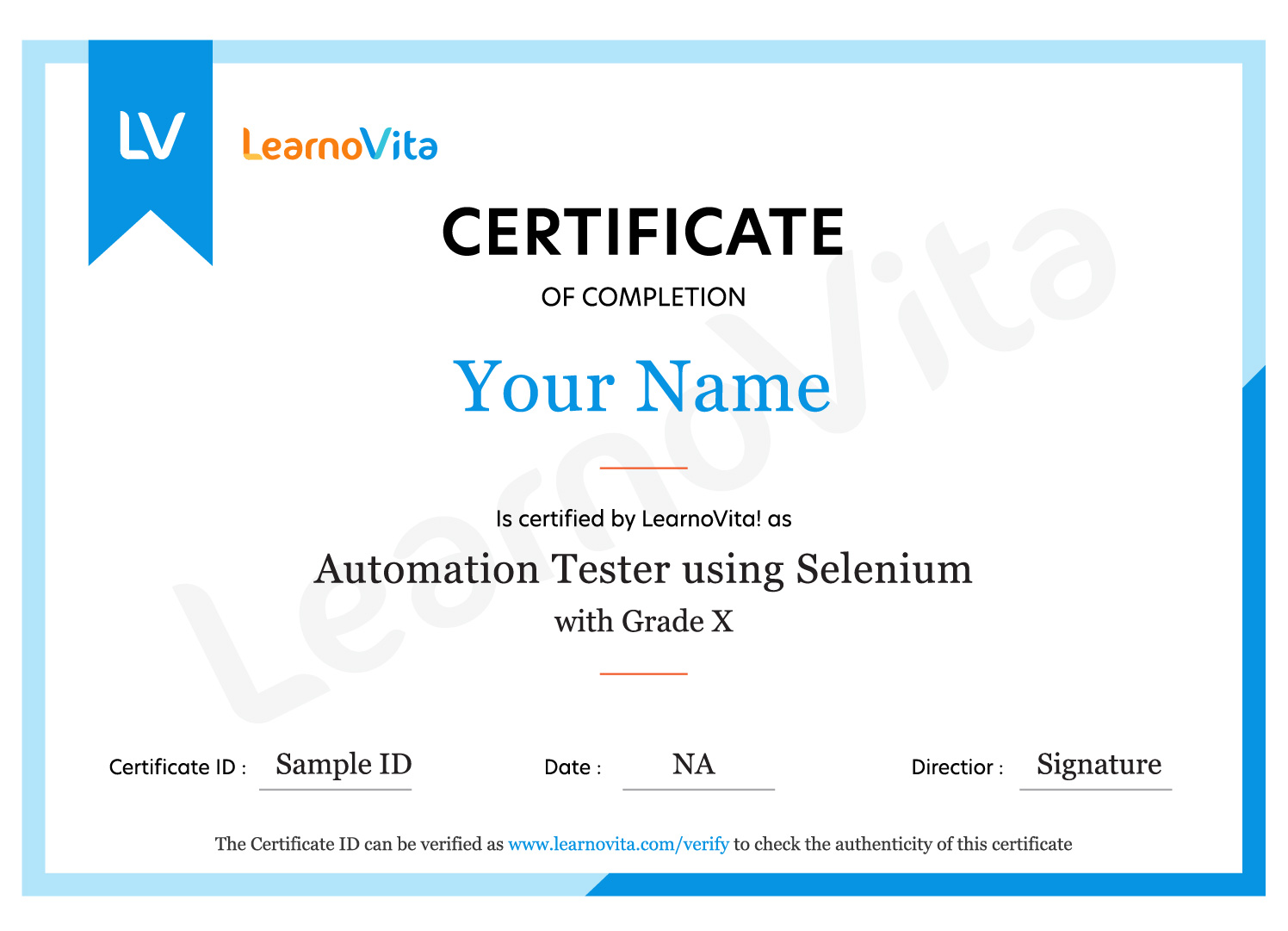
MNC Recognized course
complete certification
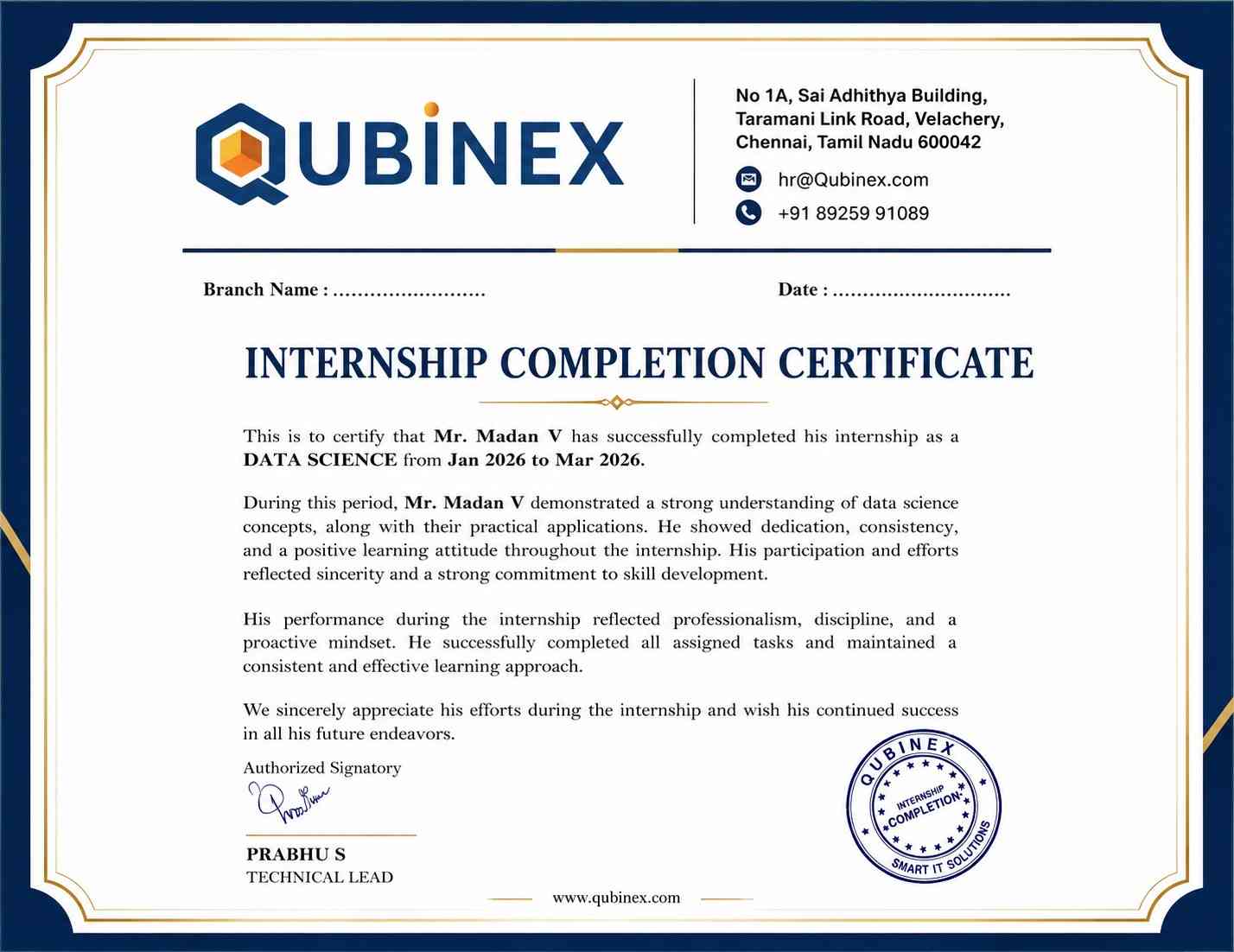
Intership
complete certification
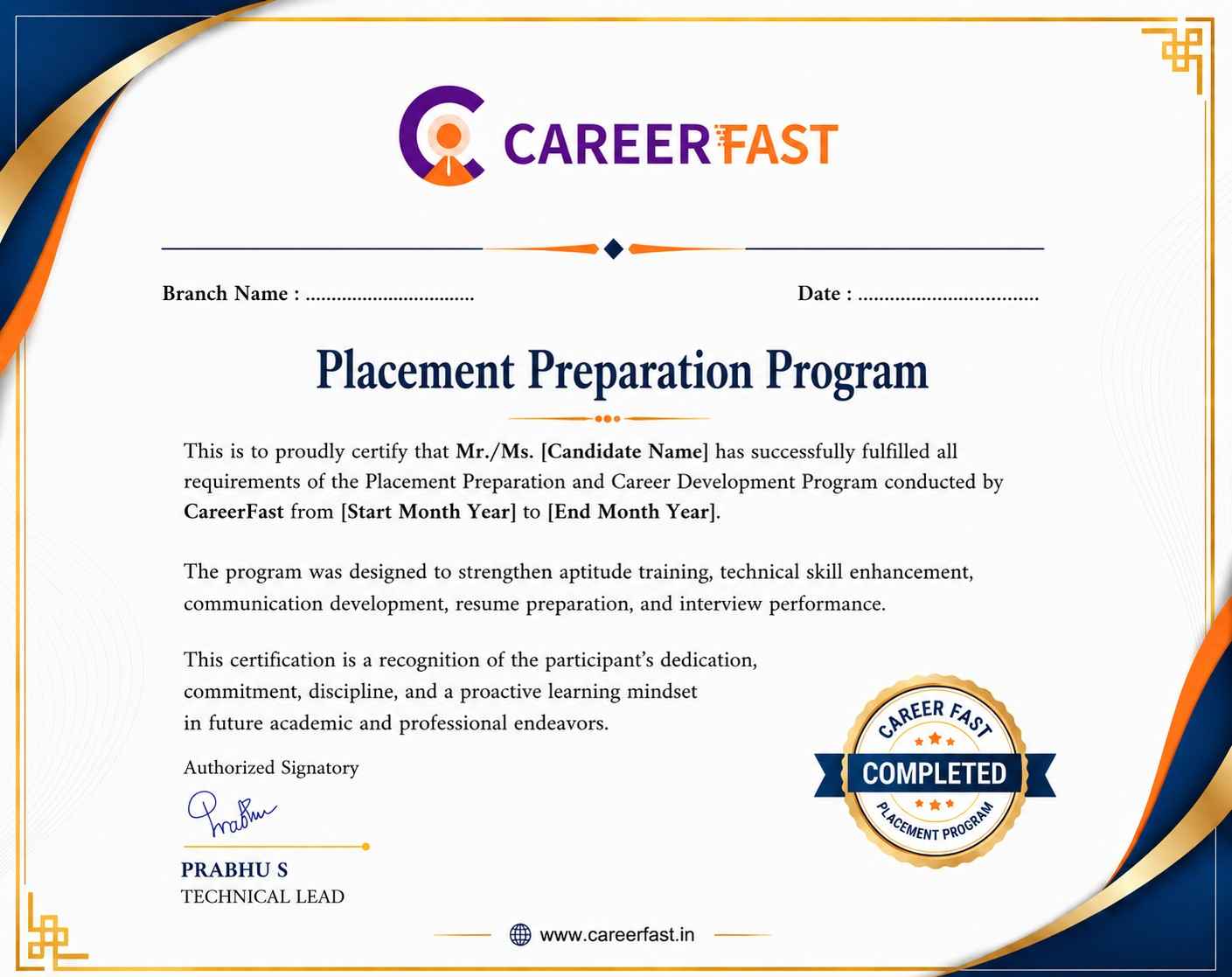
Placement
complete certification
Our learners
transformed their careers

A majority of our alumni
fast-tracked into managerial careers.
Get inspired by their progress in the Career Growth Report.
Our Student Successful Story
 Regular 1:1 Mentorship From Industry Experts
Live Classes
Career Support
Regular 1:1 Mentorship From Industry Experts
Live Classes
Career Support

Sandeep Kumar D
Software Engineer, Cisco Systems )

Vinoth P
UI Developer, TCS
Vijeyalakshme kannan
QA Engineer, Amazon Development Center
Pranav Srinivas
Software Testing, Capgemini
Prasanna
SAP Admin, HCLHow are the SAP MII Course with LearnoVita Different?
Feature
LearnoVita
Other Institutes
Affordable Fees
Competitive Pricing With Flexible Payment Options.
Higher SAP MII Fees With Limited Payment Options.
Live Class From ( Industry Expert)
Well Experienced Trainer From a Relevant Field With Practical SAP MII Training
Theoretical Class With Limited Practical
Updated Syllabus
Updated and Industry-relevant SAP MII Course Curriculum With Hands-on Learning.
Outdated Curriculum With Limited Practical Training.
Hands-on projects
Real-world SAP MII Projects With Live Case Studies and Collaboration With Companies.
Basic Projects With Limited Real-world Application.
Certification
Industry-recognized SAP MII Certifications With Global Validity.
Basic SAP MII Certifications With Limited Recognition.
Placement Support
Strong Placement Support With Tie-ups With Top Companies and Mock Interviews.
Basic Placement Support
Industry Partnerships
Strong Ties With Top Tech Companies for Internships and Placements
No Partnerships, Limited Opportunities
Batch Size
Small Batch Sizes for Personalized Attention.
Large Batch Sizes With Limited Individual Focus.
Additional Features
Lifetime Access to SAP MII Course Materials, Alumni Network, and Hackathons.
No Additional Features or Perks.
Training Support
Dedicated Mentors, 24/7 Doubt Resolution, and Personalized Guidance.
Limited Mentor Support and No After-hours Assistance.
SAP MII Course FAQ's
- LearnoVita is dedicated to assisting job seekers in seeking, connecting, and achieving success, while also ensuring employers are delighted with the ideal candidates.
- Upon successful completion of a career course with LearnoVita, you may qualify for job placement assistance. We offer 100% placement assistance and maintain strong relationships with over 650 top MNCs.
- Our Placement Cell aids students in securing interviews with major companies such as Oracle, HP, Wipro, Accenture, Google, IBM, Tech Mahindra, Amazon, CTS, TCS, HCL, Infosys, MindTree, and MPhasis, among others.
- LearnoVita has a legendary reputation for placing students, as evidenced by our Placed Students' List on our website. Last year alone, over 5400 students were placed in India and globally.
- We conduct development sessions, including mock interviews and presentation skills training, to prepare students for challenging interview situations with confidence. With an 85% placement record, our Placement Cell continues to support you until you secure a position with a better MNC.
- Please visit your student's portal for free access to job openings, study materials, videos, recorded sections, and top MNC interview questions.

- Build a Powerful Resume for Career Success
- Get Trainer Tips to Clear Interviews
- Practice with Experts: Mock Interviews for Success
- Crack Interviews & Land Your Dream Job
Global Quality Training
At The Lowest Fees & Expert Trainer








Need custom pricing?

