Home » Others Courses » SCCM Training in Tambaram

SCCM Training in Tambaram

(4.9) 14000 Ratings
  • Enroll in the SCCM course in Tambaram to gain strong knowledge in endpoint management, and IT infrastructure control.
  • Master key components such as software distribution, OS deployment, and device configuration tracking.
  • Gain hands-on experience through real-time SCCM projects, system updates, and troubleshooting activities.
  • Ideal for SCCM Administrators and Infrastructure Engineers handling enterprise environments.
  • Choose from flexible batch timings: Weekday, Weekend, or Fast-Track learning schedules.
  • Benefit from placement assistance, interview preparation, and certification guidance.

Course Duration

50+ Hrs

Live Project

3 Project

Certification Pass

Guaranteed

Training Format

Live Online (Expert Trainers)
Quality Training With Affordable Fee

⭐ Fees Starts From

INR 38,000
INR 18,500

10653+

Professionals Trained

9+

Batches every month

2665+

Placed Students

240+

Corporate Served

What You'll Learn

SCCM provides powerful tools for system administration, endpoint management, and enterprise software deployment across IT environments.

Learn SCCM fundamentals, including software distribution, patch management, device configuration, and system monitoring for IT operations.

Develop efficient IT solutions by managing updates, monitoring system performance, and strengthening endpoint security across networks.

Gain hands-on SCCM expertise through real-time deployment tasks, reporting dashboards, configuration activities, and troubleshooting exercises.

Explore advanced SCCM features such as automated patching, compliance monitoring, and remote device management for enterprise environments.

Build industry-ready SCCM skills to enhance career opportunities in IT infrastructure, system administration, and enterprise support roles.

A Comprehensive Overview of SCCM Training

The SCCM Course in Tambaram is designed to provide comprehensive practical knowledge in system deployment, software distribution, patch management, and enterprise endpoint administration. Through SCCM Training in Tambaram, learners gain hands-on experience with real-time infrastructure tasks, device configuration, application deployment, system monitoring, and troubleshooting activities under the guidance of experienced industry professionals. This SCCM Certification Course in Tambaram offers flexible learning options, including instructor-led and self-paced sessions, making it suitable for beginners and working professionals. The SCCM Training Course focuses on developing essential technical skills required to manage enterprise environments effectively. Learners also work on practical projects and real-world scenarios to understand SCCM tools and processes better.

Additional Info

Exploring the Future Trends of SCCM Course

    • Seamless Cloud Integration: SCCM will increasingly integrate with cloud services to improve scalability and flexibility. This will help organizations manage devices, distribute applications, and support hybrid environments more efficiently while taking advantage of cloud resources and capabilities.
    • Automation and AI Integration: Future SCCM advancements will incorporate automation and AI to simplify administration. Automated workflows and intelligent insights will reduce repetitive tasks, support faster decisions, improve operational efficiency, and enhance responsiveness across enterprise IT environments.
    • Fortified Security Measures: SCCM will strengthen security capabilities to address evolving cyber threats. Advanced threat detection, endpoint protection, and automated remediation features will help organizations safeguard sensitive data, reduce security risks, and maintain stronger protection across enterprise networks.
    • Expanding IoT Device Management: As IoT adoption grows, SCCM will expand device management capabilities to support connected devices. Enhanced monitoring, compliance, and security controls will help organizations manage diverse IoT environments while maintaining reliable and secure network operations.
    • Emphasis on User-Centric Solutions: Future SCCM solutions will focus more on user experience by providing personalized support across different work environments. Enhanced capabilities for remote and hybrid work will help organizations deliver consistent access, flexible management, and improved productivity for users.
    • Harnessing Analytics and Predictive Insights: SCCM will use advanced analytics and predictive insights to improve IT management. By identifying performance trends and potential issues early, organizations can optimize resources, reduce risks, improve system reliability, and make better data-driven infrastructure decisions.
    • Streamlined Deployment Process: SCCM will continue simplifying deployment processes to reduce complexity and implementation time. Improved automation and streamlined workflows will support large-scale deployments across distributed environments, helping organizations minimize disruptions and improve overall operational efficiency.
    • Cross-Platform Compatibility Advancements: SCCM will enhance cross-platform management to support diverse devices and operating systems. Improved compatibility across Windows, macOS, Linux, and mobile platforms will enable organizations to maintain consistent, centralized, and efficient endpoint management.

    Essential Tools for Maximizing Efficiency on SCCM Course

    • Configuration Manager Console: The Configuration Manager Console serves as the central SCCM administration platform. It enables administrators to manage settings, deploy software, monitor compliance, oversee devices, and generate reports while maintaining better control and visibility across enterprise infrastructure.
    • SQL Server Management Studio (SSMS): SSMS is an important tool for managing the SCCM database environment. Administrators can use it to run queries, troubleshoot database issues, monitor performance, and optimize database operations, helping maintain reliable and efficient SCCM functionality across enterprise systems.
    • Windows Assessment and Deployment Kit (ADK): Windows ADK provides essential deployment tools that support SCCM operations. Utilities such as DISM and Windows System Image Manager help administrators create, customize, configure, and maintain Windows images for efficient operating system deployment through SCCM.
    • PowerShell: PowerShell is valuable for automating SCCM administration and repetitive tasks. Administrators can create scripts, perform bulk operations, manage devices, and extend SCCM capabilities, helping streamline workflows, reduce manual effort, and improve efficiency across enterprise environments.
    • Remote Server Administration Tools (RSAT): RSAT provides essential administration utilities such as Active Directory Users and Computers, Group Policy Management, and DNS Manager. These tools support SCCM integration with Active Directory and help administrators manage client systems, policies, and network configurations effectively.
    • Microsoft Endpoint Configuration Manager Toolkit: The Endpoint Configuration Manager Toolkit provides useful utilities for SCCM administration and troubleshooting. These resources help administrators identify client issues, simplify management tasks, optimize workflows, and improve overall efficiency when maintaining enterprise endpoint environments.
    • Network Monitoring Tools: Network monitoring tools such as Wireshark help identify connectivity and communication issues affecting SCCM operations. Administrators can analyze network traffic, troubleshoot communication failures, and resolve connectivity problems between SCCM components, servers, and managed client devices.
    • Third-Party Integration Tools: Third-party tools can extend SCCM capabilities for patch management, antivirus protection, and infrastructure security. Integrating these solutions helps organizations strengthen endpoint protection, automate additional processes, improve compliance, and achieve more comprehensive enterprise IT management.

    SCCM Course Job Roles and Responsibilities

      • SCCM System Administrator: SCCM system administrators configure and maintain SCCM infrastructure, including servers, site systems, and client deployments. They manage software distribution, patching, updates, and system configurations to ensure stable and efficient endpoint management across the organization.
      • Deployment Coordinator: Deployment coordinators manage operating system, application, and update deployments through SCCM. They create deployment packages, configure task sequences, and organize update groups to deliver secure, efficient, and policy-compliant deployments across enterprise environments.
      • Security Compliance Analyst: Security compliance analysts use SCCM to enforce security policies, monitor endpoints, and identify vulnerabilities. They manage endpoint protection settings, conduct security assessments, track compliance, and support timely responses to security issues across managed IT environments.
      • Reporting and Compliance Specialist: Reporting and compliance specialists use SCCM to create reports, analyze infrastructure data, and monitor compliance requirements. They manage hardware and software inventories, track license usage, and prepare accurate reports to support audits and organizational compliance processes.
      • Patch Management Expert: Patch management experts use SCCM to evaluate, schedule, deploy, and monitor software updates. They track patch compliance, identify vulnerable systems, and ensure timely updates are applied to endpoints, helping organizations reduce security risks and maintain reliable IT operations.
      • Desktop Support Technician: Desktop support technicians use SCCM to troubleshoot client systems, install software, and assist end-users with technical issues. They support SCCM client configuration, resolve deployment problems, and maintain effective endpoint performance across the organization's IT environment.
      • Infrastructure Architect: Infrastructure architects design scalable SCCM environments based on organizational requirements. They evaluate hardware and software needs, plan SCCM hierarchy structures, and optimize infrastructure components to deliver reliable performance, efficient management, and long-term scalability.
      • Training and Documentation Specialist: Training and documentation specialists create SCCM learning materials, conduct training sessions, and maintain process documentation. They help IT teams develop SCCM skills, follow standard procedures, and access updated reference materials for effective system administration and support.

      Top Leading Companies Hiring SCCM

        • Microsoft Corporation: Microsoft hires SCCM professionals to manage enterprise IT environments and support endpoint management solutions. Experts may handle SCCM configuration, deployment, troubleshooting, product support, and infrastructure improvements while contributing to efficient IT operations.
        • Accenture: Accenture hires SCCM specialists to help clients manage and optimize IT infrastructure. Professionals work on SCCM implementation, configuration, application deployment, troubleshooting, and support while delivering solutions that align with business and technology requirements.
        • Deloitte: Deloitte employs SCCM professionals to support clients with endpoint management and IT operations. Their responsibilities may include SCCM implementation, migration, system integration, configuration, troubleshooting, and ongoing maintenance to improve infrastructure performance and reliability.
        • IBM: IBM recruits SCCM professionals to design, implement, and manage endpoint management solutions for enterprise clients. Experts work on SCCM configuration, infrastructure optimization, compliance, deployment, troubleshooting, and continuous improvements based on organizational requirements.
        • HP Inc.: HP Inc. hires SCCM professionals to support internal and client IT environments. Their work includes configuring SCCM, managing software deployments and updates, monitoring endpoints, resolving technical issues, and maintaining secure, reliable, and efficient infrastructure management processes.
        • Capgemini: Capgemini hires SCCM specialists to help organizations improve IT infrastructure and endpoint management. Professionals assess requirements, design SCCM solutions, manage deployments, configure environments, troubleshoot issues, and provide support or training for effective SCCM utilization.
        • Cognizant: Cognizant employs SCCM professionals to manage application deployments, software updates, and endpoint operations. Experts configure packages, create deployment strategies, monitor installations, troubleshoot issues, and maintain compliance with client requirements and enterprise IT standards.
        • Wipro: Wipro recruits SCCM experts to implement and manage endpoint solutions for enterprise clients. Professionals handle SCCM architecture, installation, configuration, upgrades, troubleshooting, integration, and ongoing support while helping organizations improve infrastructure management and operational efficiency.
View more

SCCM Course Objectives

Learners starting SCCM training should have a basic understanding of computer systems, networking, and Windows operating systems. Knowledge of IT infrastructure, software installation, and system administration can be helpful. However, beginners can also join the course and develop the required skills through structured, step-by-step training.
SCCM training helps learners build practical skills in software deployment, patch management, endpoint administration, and system configuration. It provides a better understanding of enterprise IT environments and automation processes. Hands-on learning also improves technical confidence and prepares participants for system administration and IT support opportunities.
SCCM remains a valuable skill for IT professionals managing large-scale enterprise environments. Organizations use centralized endpoint management for software deployment, patching, device configuration, and system monitoring. Professionals with SCCM knowledge can help reduce manual administration, improve security, and maintain efficient IT operations.
  • SCCM System Administrator
  • IT Infrastructure Engineer
  • Endpoint Management Specialist
  • Patch Management Engineer
  • Software Deployment Engineer
  • Configuration Management Analyst
  • Cloud Integration Specialist
  • IT Support Consultant
Yes, the SCCM course provides practical exposure through real-time projects based on enterprise IT environments. Students work on software deployment, patch updates, device configuration, and troubleshooting tasks. These activities help learners understand practical infrastructure challenges, improve technical confidence, and prepare for professional SCCM administration responsibilities.
  • System Center Configuration Manager Fundamentals
  • Application and Software Deployment
  • Software Update and Patch Management
  • Operating System Deployment
  • Endpoint Protection and Security
  • Device and Client Management
  • Network Configuration
  • Application Packaging
  • Reporting and System Monitoring
  • SCCM Infrastructure Setup
SCCM training can strengthen your technical knowledge and improve your employment prospects, but it cannot guarantee a job. Career outcomes depend on practical skills, experience, interview performance, and individual effort. The course provides job-oriented knowledge and hands-on exposure to help learners prepare for enterprise IT infrastructure roles.
  • Information Technology and IT Services
  • Banking, Financial Services, and Insurance
  • Healthcare and Medical Services
  • Telecommunications and Networking
Participants gain practical knowledge of essential SCCM tools, including the Configuration Manager Console, Software Center, Distribution Point, Management Point, WSUS integration, Endpoint Protection, Application Deployment, Patch Management, Reporting Services, Operating System Deployment, Client Settings, and Monitoring Dashboard utilities.
  • Develop strong IT administration skills
  • Gain practical endpoint management expertise
  • Build software deployment knowledge
  • Improve patch management capabilities
  • Learn infrastructure automation techniques
  • Increase career and job opportunities
view More view Less

SCCM Course Benefits

The SCCM Course in Tambaram provides comprehensive practical exposure to enterprise system management, software deployment, automation, and endpoint administration. Through SCCM Internship Training in Tambaram, learners gain hands-on experience by working on real-time projects involving software distribution, patch management, device configuration, system monitoring, and troubleshooting. The training helps participants understand enterprise infrastructure workflows while developing practical skills in system optimization, application deployment, client management, and IT operations. Learners also receive structured course materials that support classroom sessions, practical exercises, revision, and continued learning. The SCCM training program focuses on industry-relevant concepts and real-world scenarios to strengthen technical knowledge and professional confidence. With placement-oriented guidance, practical exposure, internship training, and comprehensive learning materials, the course prepares learners for job opportunities in IT infrastructure, system administration, endpoint management, deployment, and enterprise support roles across leading technology organizations.

  • Designation
  • Annual Salary
    Hiring Companies
  • 3L
    Min
  • 6L
    Average
  • 15L
    Max
  • 5L
    Min
  • 8L
    Average
  • 20L
    Max
  • 8L
    Min
  • 12L
    Average
  • 15L
    Max
  • 10L
    Min
  • 15L
    Average
  • 35L
    Max

About Your SCCM Training

Our SCCM Certification Course in Tambaram provides comprehensive knowledge of system deployment, configuration management, endpoint administration, and enterprise IT infrastructure operations. Learners work on practical SCCM projects covering application deployment, operating system installation, software distribution, patch management, device configuration, and system monitoring. The training emphasizes hands-on execution through lab-based sessions that simulate real enterprise IT environments and common infrastructure challenges. By working on real-time scenarios, participants gain a better understanding of SCCM workflows and develop practical troubleshooting and problem-solving abilities. These SCCM projects help learners strengthen their technical expertise, improve confidence in managing enterprise endpoints, and prepare for professional roles in system administration, IT infrastructure management, software deployment, and endpoint support.

Top Skills You Will Gain
  • Software Deployment
  • Patch Management
  • System Configuration
  • Network Monitoring
  • Inventory Management
  • Reporting Tools
  • Troubleshooting Techniques
  • Security Management

12+ SCCM Tools

Online Classroom Batches Preferred

Weekdays (Mon - Fri)
07 - Sep - 2026
08:00 AM (IST)
Weekdays (Mon - Fri)
09 - Sep - 2026
08:00 AM (IST)
Weekend (Sat)
12 - Sep - 2026
11:00 AM (IST)
Weekend (Sun)
13 - Sep - 2026
11:00 AM (IST)
Can't find a batch you were looking for?
₹38,000 ₹18,500 10% OFF Expires in

No Interest Financing start at ₹ 5000 / month

Corporate Training

  • Customized Learning
  • Enterprise Grade Learning Management System (LMS)
  • 24x7 Support
  • Enterprise Grade Reporting

Not Just Studying
We’re Doing Much More!

Empowering Learning Through Real Experiences and Innovation

Hiring
Hiring
Hiring
Hiring
Hiring
Hiring
Hiring
User
User
User
User
User
User

SCCM Course Curriculam

Trainers Profile

Our SCCM Training in Tambaram is designed to develop practical expertise in enterprise system management, software deployment, endpoint administration, and IT infrastructure operations. Learners receive hands-on exposure through guided training sessions that help them understand SCCM configuration, application deployment, patch management, device administration, monitoring, and troubleshooting processes. The course focuses on practical learning to help participants build confidence in managing SCCM environments and handling real-world IT infrastructure requirements. We also provide structured SCCM training materials that support step-by-step learning, concept revision, practical exercises, and better understanding of essential SCCM operations. These resources enable learners to strengthen their technical knowledge and apply their skills effectively in professional environments. With industry-focused training and practical guidance, the course prepares learners for opportunities in system administration, endpoint management, software deployment, and enterprise IT support roles.

Syllabus for SCCM Course Download syllabus

  • System Center Overview
  • IT Infrastructure Concepts
  • Client Server Architecture
  • SCCM Components Structure
  • Enterprise Environment Setup
  • Configuration Manager Roles
  • Site System Roles
  • Primary Site Setup
  • Secondary Site Setup
  • Hierarchy Structure Planning
  • Server Role Configuration
  • Network Connectivity Setup
  • Client Deployment Techniques
  • Manual Installation Process
  • Group Policy Installation
  • Software Deployment Client
  • Client Health Monitoring
  • Troubleshooting Client Issues
  • Device Group Creation
  • User Collection Setup
  • Query Based Collection
  • Dynamic Collection Rules
  • Device Targeting Methods
  • Collection Maintenance Tasks
  • Application Packaging Process
  • Content Library Usage
  • Deployment Types Setup
  • Software Center Publishing
  • Distribution Tracking Methods
  • Application Monitoring Tools
  • OS Image Creation
  • Boot Image Configuration
  • Task Sequence Setup
  • Driver Package Management
  • OS Deployment Automation
  • System Imaging Process
  • Update Deployment Process
  • Software Update Groups
  • WSUS Integration Setup
  • Patch Compliance Tracking
  • Update Scheduling Methods
  • Security Patch Handling
  • Security Policy Configuration
  • Antivirus Deployment Setup
  • Threat Detection Methods
  • Firewall Policy Management
  • Device Protection Rules
  • Security Monitoring Tools
  • Report Creation Process
  • System Performance Tracking
  • Deployment Status Reports
  • Data Analysis Methods
  • Dashboard Configuration
  • Monitoring Alerts Setup
  • Remote Control Setup
  • Device Access Methods
  • Troubleshooting Remote Systems
  • Network Access Control
  • Endpoint Support Process
  • System Connectivity Handling
(15) view More view Less
Need customized curriculum?

REAL

start
STORIES SUCCESS INSPIRATION
CAREER
UPGRADE
sowmiya

sowmiya

CAREER
UPGRADE
Rajkumar

Rajkumar

CAREER
UPGRADE
Thon

Thon

CAREER
UPGRADE
lavanya

Lavanya

Industry Projects

Project 1
Software Deployment

Deploy applications across multiple systems using SCCM. Create software packages, configure deployments,and resolve installation issues.

Project 2
Patch Management

Manage security patches and software updates with SCCM. Configure schedules, deploy updates, track installation status, and verify successful patching.

Project 3
System Inventory Management

Use SCCM to manage hardware and software inventory across systems. Collect asset details, generate reports, track resources, and maintain accurate records.

Our Hiring Partner

Exam & Certification

  • Basic understanding of Windows operating systems
  • Knowledge of fundamental networking concepts
  • Familiarity with enterprise IT infrastructure
  • Basic knowledge of software installation and configuration
  • Interest in system administration and endpoint management
SCCM certification helps professionals develop practical knowledge of enterprise system management, application deployment, endpoint administration, and IT infrastructure operations. It validates skills in patch management, software distribution, device control, and automated deployment processes. Certification can improve professional credibility and help candidates pursue infrastructure-related opportunities. It also builds confidence in managing real-world SCCM environments and handling enterprise IT administration tasks effectively.
SCCM certification can strengthen your technical profile and improve your employment prospects, but it does not guarantee a job. Career opportunities depend on practical knowledge, relevant experience, communication skills, and interview performance. However, certification combined with hands-on training can make candidates more competitive for IT infrastructure, endpoint management, and system administration positions.
  • SCCM Administrator
  • System Administrator
  • IT Support Engineer
  • Software Deployment Engineer
  • Patch Management Specialist
  • Endpoint Management Engineer
  • IT Infrastructure Support Analyst
  • Configuration Manager Specialist
SCCM certification enhances your ability to manage enterprise endpoints, automate software deployments, and support large-scale IT infrastructure. It strengthens practical knowledge of system configuration, patch management, application deployment, and endpoint security. These skills can increase your value to organizations using centralized management solutions and create opportunities to progress toward advanced infrastructure, endpoint, and cloud-integrated IT roles.

MNC Recognized course
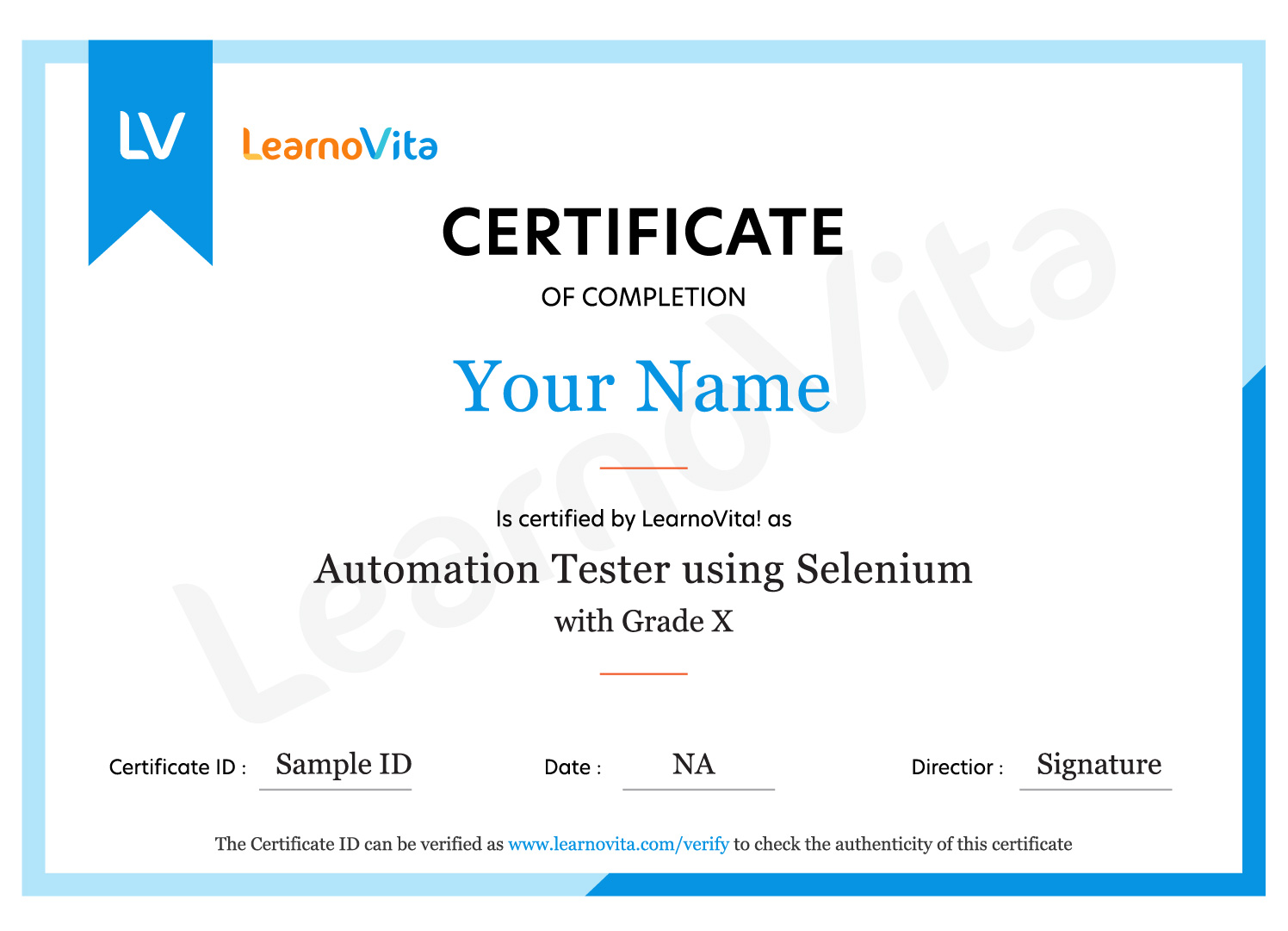
complete certification
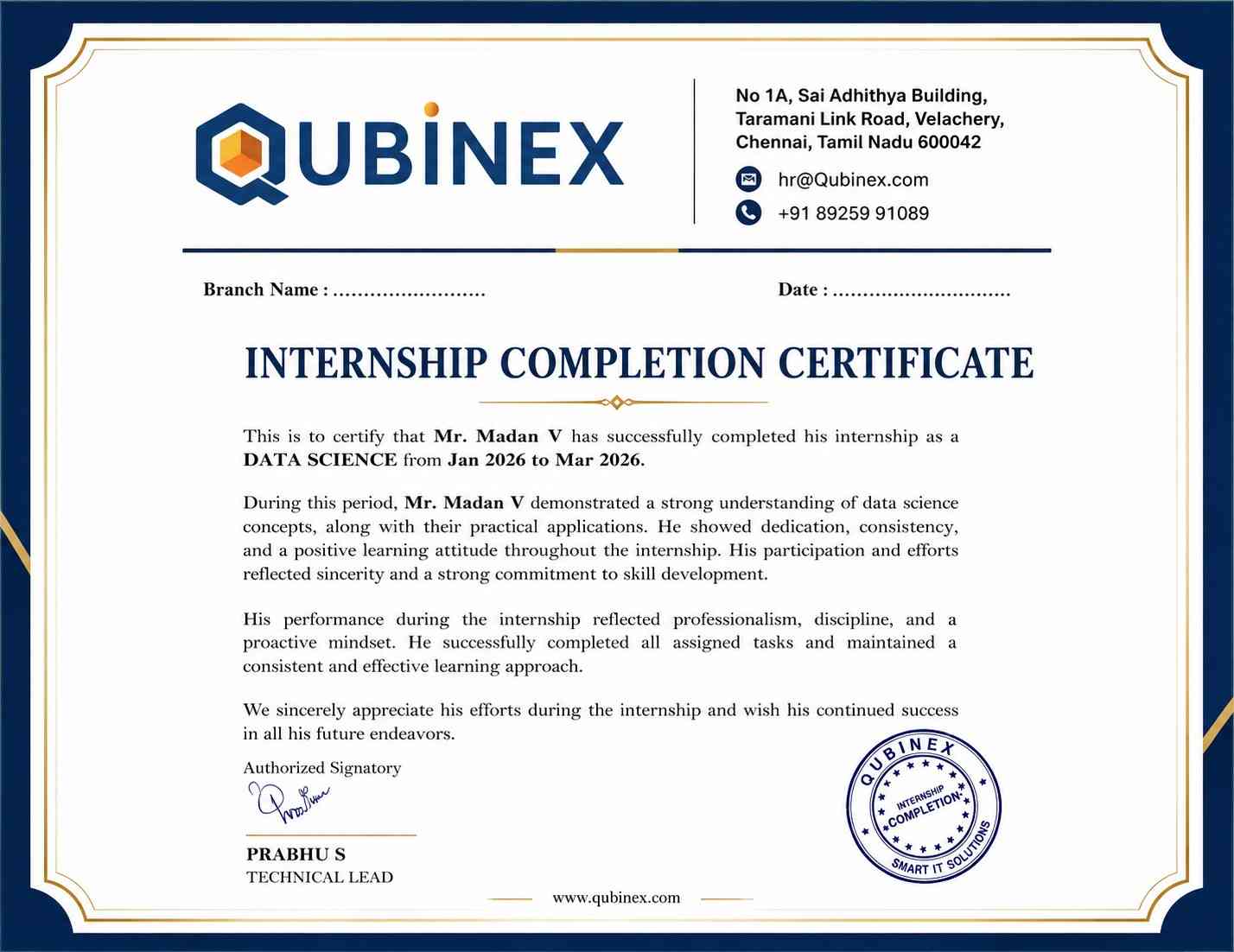
Intership
complete certification
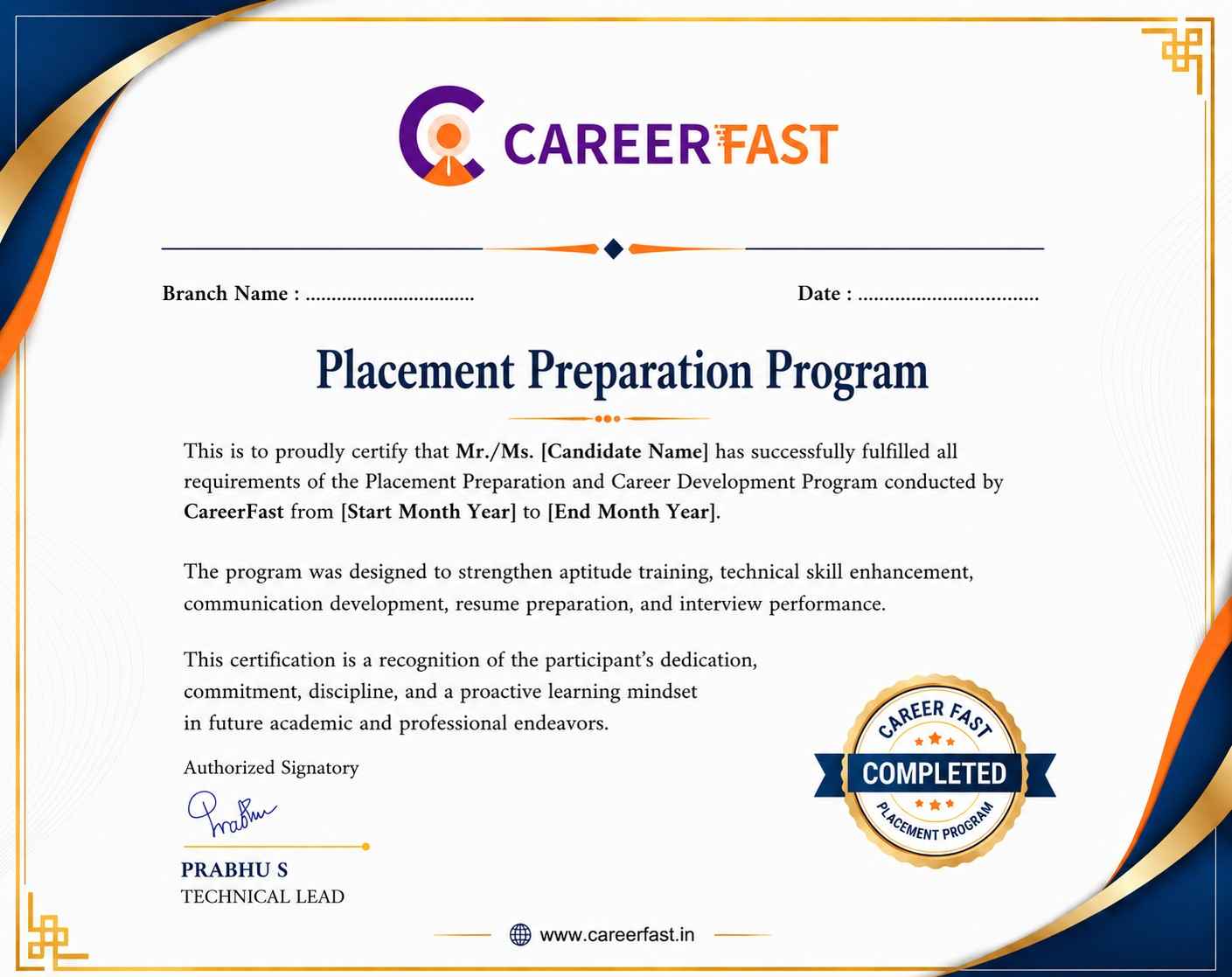
Placement
complete certification

Our learners
transformed their careers

35 Laks
Highest Salary Offered
50%
Average Salary Hike
30K+
Placed in MNC's
15+
Year's in Training
Our Alumni
Alumni

A majority of our alumni

fast-tracked into managerial careers.

Get inspired by their progress in the Career Growth Report.

Our Student Successful Story

checkimage Regular 1:1 Mentorship From Industry Experts checkimage Live Classes checkimage Career Support

How are the SCCM Course with LearnoVita Different?

Feature

LearnoVita

Other Institutes

Affordable Fees

Competitive Pricing With Flexible Payment Options.

Higher SCCM Fees With Limited Payment Options.

Live Class From ( Industry Expert)

Well Experienced Trainer From a Relevant Field With Practical SCCM Training

Theoretical Class With Limited Practical

Updated Syllabus

Updated and Industry-relevant SCCM Course Curriculum With Hands-on Learning.

Outdated Curriculum With Limited Practical Training.

Hands-on projects

Real-world SCCM Projects With Live Case Studies and Collaboration With Companies.

Basic Projects With Limited Real-world Application.

Certification

Industry-recognized SCCM Certifications With Global Validity.

Basic SCCM Certifications With Limited Recognition.

Placement Support

Strong Placement Support With Tie-ups With Top Companies and Mock Interviews.

Basic Placement Support

Industry Partnerships

Strong Ties With Top Tech Companies for Internships and Placements

No Partnerships, Limited Opportunities

Batch Size

Small Batch Sizes for Personalized Attention.

Large Batch Sizes With Limited Individual Focus.

Additional Features

Lifetime Access to SCCM Course Materials, Alumni Network, and Hackathons.

No Additional Features or Perks.

Training Support

Dedicated Mentors, 24/7 Doubt Resolution, and Personalized Guidance.

Limited Mentor Support and No After-hours Assistance.

SCCM Course FAQ's

Yes, learners can explore a demo session before enrolling. Since we maintain small class sizes to provide personalized attention and quality interaction, participation in a live training batch without enrollment may not always be possible. If you cannot attend a live demo, you can watch a pre-recorded session conducted by the same trainer. This gives you an overview of the teaching approach, course structure, trainer expertise, and classroom interaction.
LearnoVita instructors are experienced IT professionals with strong industry backgrounds. Most trainers have 9 to 12 years of relevant experience and practical exposure to enterprise technologies. Their industry knowledge helps learners understand real-world concepts, implementation practices, troubleshooting methods, and professional requirements throughout the training.
  • LearnoVita provides career guidance to help learners identify suitable opportunities, connect with potential employers, and prepare for the recruitment process.
  • After successfully completing an eligible career course, learners may receive placement assistance. LearnoVita offers placement support and maintains connections with numerous organizations and MNCs.
  • The Placement Cell supports learners with interview opportunities at reputed companies, including Oracle, HP, Wipro, Accenture, Google, IBM, Tech Mahindra, Amazon, CTS, TCS, HCL, Infosys, MindTree, and MPhasis, subject to hiring requirements.
  • LearnoVita supports students with career opportunities and maintains a Placed Students' List to showcase learner outcomes and placement-related achievements.
  • Career development activities include mock interviews, communication practice, presentation sessions, and interview preparation to help learners approach recruitment processes with greater confidence.
  • Students can use the student portal to access available job openings, study materials, training videos, recorded sessions, and interview preparation resources.
Learners receive a course completion certification from LearnoVita after successfully completing the training requirements. The certification recognizes the knowledge and practical skills developed during the program. Learners interested in vendor-specific credentials can also receive guidance on relevant certification pathways and examination preparation based on their career goals.
Yes, learners receive practical exposure through real-world projects and industry-oriented assignments during the training program. These projects cover relevant SCCM tasks and scenarios to help participants apply their technical knowledge. Working on practical activities improves problem-solving abilities, builds confidence, and helps learners understand the expectations of professional IT environments.
LearnoVita offers multiple learning formats, including instructor-led online training, self-paced learning, classroom training, one-to-one sessions, fast-track programs, customized training, and online classes. These options provide flexibility for learners with different schedules, learning preferences, and career objectives. Participants can select a suitable training mode based on their availability and preferred learning approach.
If you miss a class, you have several options to catch up with the missed topics. Depending on availability, sessions can be rescheduled within the course duration, or you may receive access to class presentations and recordings. You may also be able to attend the missed topic in another available live batch.
If you have additional questions about the SCCM course, training schedule, enrollment, certification, or other details, you can contact the LearnoVita support team at contact@learnovita.com for further assistance and clarification.
To register for the SCCM Course at LearnoVita, you can complete the enrollment process through the official website or visit a LearnoVita branch in India for direct assistance. The support team can provide information about course schedules, available training modes, fees, and enrollment procedures.
Yes, enrolled learners can access course resources through the student portal. These resources may include study materials, training videos, recorded sessions, and interview preparation questions. Online access allows participants to review important concepts and learning resources conveniently during and after the training.
LearnoVita keeps SCCM training batches small to encourage better interaction and personalized attention. A typical SCCM batch consists of around 5 to 6 learners. The smaller group size allows participants to ask questions, clarify complex concepts, interact with the trainer, and gain better understanding through practical discussions.
The salary of an SCCM professional in India can vary depending on experience, technical skills, job role, location, organization, and industry requirements. Professionals with relevant SCCM expertise and practical experience may find opportunities in system administration, endpoint management, IT infrastructure, and deployment roles. Salary packages can increase with experience and advanced skills.
view More view Less
Career Assistance
  • Build a Powerful Resume for Career Success
  • Get Trainer Tips to Clear Interviews
  • Practice with Experts: Mock Interviews for Success
  • Crack Interviews & Land Your Dream Job
100% JOB GUARANTEE

Global Quality Training
At The Lowest Fees & Expert Trainer

AVAILABLE IN:
India Canada USA Singapore UAE Australia EU Germany

Need custom pricing?

4.9/5 from 50k+ students
Acte Technologies WhatsApp
Call Us! Chat With Us