
Digital Marketing Course in Dubai
 19612
19612 Ratings


- Enroll in the Digital Marketing Training in Dubai to gain practical skills in online branding and data-driven strategies.
- Master essential tools such as SEO dashboards, social media ad systems, and content optimization frameworks.
- Gain hands-on experience through real-time projects, keyword research, and performance tracking tasks.
- Ideal for Marketing Executives, Content Creators and IT Professionals looking to enhance digital engagement.
- Choose from flexible batch timings: Weekday, Weekend, or Fast-Track training schedules.
- Benefit from placement assistance, interview preparation, and certification support to boost your career opportunities.
Course Duration
45+ HrsLive Project
3 ProjectCertification Pass
GuaranteedTraining Format
Live Online (Expert Trainers)Quality Training With Affordable Fee
 Fees Starts From

11068+
Professionals Trained
9+
Batches every month
2685+
Placed Students
215+
Corporate ServedWhat You'll Learn
The Digital Marketing Course in Dubai helps learners understand modern online branding, customer reach, and digital engagement strategies.
You will explore core digital marketing essentials like SEO basics, social ads setup, and performance tracking in a simplified approach.
The program teaches how to build impactful campaigns by studying audience behavior and applying data-backed marketing decisions.
Learners gain practical exposure through real-time tools, creative content tasks, and structured Digital Marketing training in Dubai sessions.
Advanced lessons cover automated campaigns, targeted analytics, and optimizing digital funnels for higher conversions.
This course equips you with industry-recognized skills to pursue strong roles across marketing, advertising, and online business operations.
Digital Marketing Course Objectives
- Rising demand for SEO and SEM specialists
- Growth of social media advertising roles
- Increased need for data-driven digital strategists
- Expansion of influencer and content marketing careers
- Opportunities in marketing automation and AI-driven campaigns
- E-commerce digital marketing growth
- High demand for analytics and reporting professionals
- Strong career paths in email marketing
- Global opportunities for digital brand building
- Emerging roles in AI-assisted marketing
- Search Engine Optimization (SEO)
- Social Media Marketing
- Google Ads & PPC
- Content Strategy
- Email Marketing
- Web Analytics
- Keyword Research
- Branding & Online Reputation
- Video Marketing
- Affiliate Marketing
- E-commerce
- IT & Software
- Real Estate
- Education
- Healthcare
- Hospitality
- Media & Entertainment
- Banking & Finance
- Retail
- Startups & Digital Agencies
- Enhances practical marketing skills
- Improves understanding of online consumer behavior
- Builds expertise in digital marketing tools
- Opens doors to high-demand career roles
- Boosts freelance and entrepreneurship opportunities
Request more informations
WhatsApp (For Call & Chat):
+91 72003 88604
Benefits of Digital Marketing Course
Digital Marketing Certification Course in Dubai gives learners hands-on exposure through practical labs and guided simulations that mirror real project environments. The program also includes opportunities for a Digital Marketing internship, helping students apply concepts with confidence. Learners explore modern workflows like automation, cloud-based deployment, and integrated digital ecosystems under expert guidance. This Digital Marketing course with placement unlocks strong career pathways in leading IT companies and fast-growing startups.
- Designation
-
Annual SalaryHiring Companies








About Your Digital Marketing Certification Training
Our Digital Marketing training in Dubai focuses on building strong analytical and technical capabilities through structured lessons and real application. Learners work on diverse Digital Marketing projects, gaining practical exposure to campaign optimization, performance tracking, and reporting tools. Each module is crafted to help you understand core marketing frameworks while strengthening your decision-making skills. With expert mentoring and job support, the training empowers you to secure rewarding roles in the digital industry.
Top Skills You Will Gain
- SEO Optimization
- Content Strategy
- Email Campaigns
- Social Advertising
- Keyword Research
- Audience Targeting
- Brand Positioning
- Performance Tracking
12+ Digital Marketing Tools
Online Classroom Batches Preferred
No Interest Financing start at ₹ 5000 / month
Corporate Training
- Customized Learning
- Enterprise Grade Learning Management System (LMS)
- 24x7 Support
- Enterprise Grade Reporting
Not Just Studying
We’re Doing Much More!
Empowering Learning Through Real Experiences and Innovation
Digital Marketing Course Curriculum
Trainers Profile
Our Digital Marketing course in Dubai is led by seasoned marketers who bring real campaign experience and deep insights into modern promotional strategies. They simplify complex concepts through practical demos and hands-on sessions tailored to industry needs. Learners receive detailed Digital Marketing training materials that support continuous practice and skill-building. This expert-led guidance helps students gain confidence to handle real marketing challenges and excel in competitive digital roles.
Syllabus for Digital Marketing Course Download syllabus
- Overview of digital platforms
- Core marketing channels
- Customer journey stages
- Digital campaign structure
- Market segmentation methods
- On-page optimization
- Off-page optimization
- Link strategies
- Website audits
- SEO content planning
- Campaign setup
- Keyword bidding
- Ad formats
- Quality score factors
- Landing page relevance
- Platform selection
- Content distribution
- Engagement tracking
- Audience insights
- Ad placement methods
- Email list creation
- Template design
- Automation flows
- Deliverability factors
- Campaign analytics
- Content mapping
- Visual content planning
- Blog writing structure
- Storytelling methods
- Audience engagement
- Traffic sources
- Behavior flow
- Conversion setup
- Event tracking
- Funnel analysis
- Product listings
- Catalog setup
- Conversion funnels
- Remarketing strategies
- Cart recovery methods
- App promotion
- Mobile ads
- Location-based targeting
- SMS promotions
- User behavior tracking
- Script planning
- Editing basics
- Video SEO
- Publishing strategies
- Engagement metrics
Request more informations
WhatsApp (For Call & Chat):
+91 72003 88604
REAL

UPGRADE

sowmiya

UPGRADE

Rajkumar

UPGRADE

Thon
UPGRADE

Lavanya

Industry Projects
Exam & Certification
- Basic internet and computer knowledge
- Interest in online marketing concepts
- Understanding of social media usage
- Willingness to learn analytics and marketing tools
- No technical background required
- Digital Marketing Executive
- SEO Analyst
- Social Media Strategist
- PPC Campaign Specialist
- Content Marketing Associate
- Email Marketing Coordinator
- Web Analytics Assistant
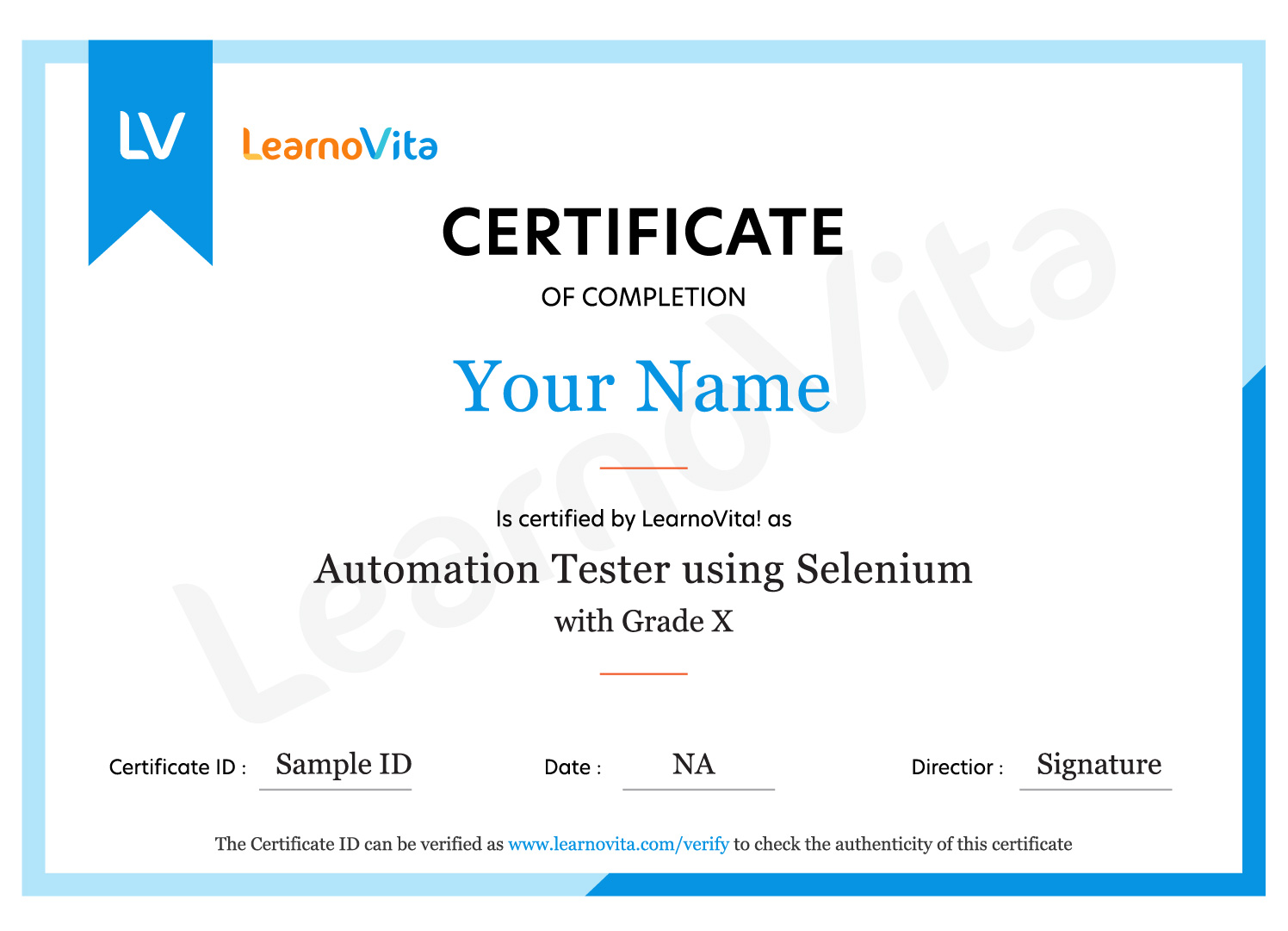
MNC Recognized course
complete certification
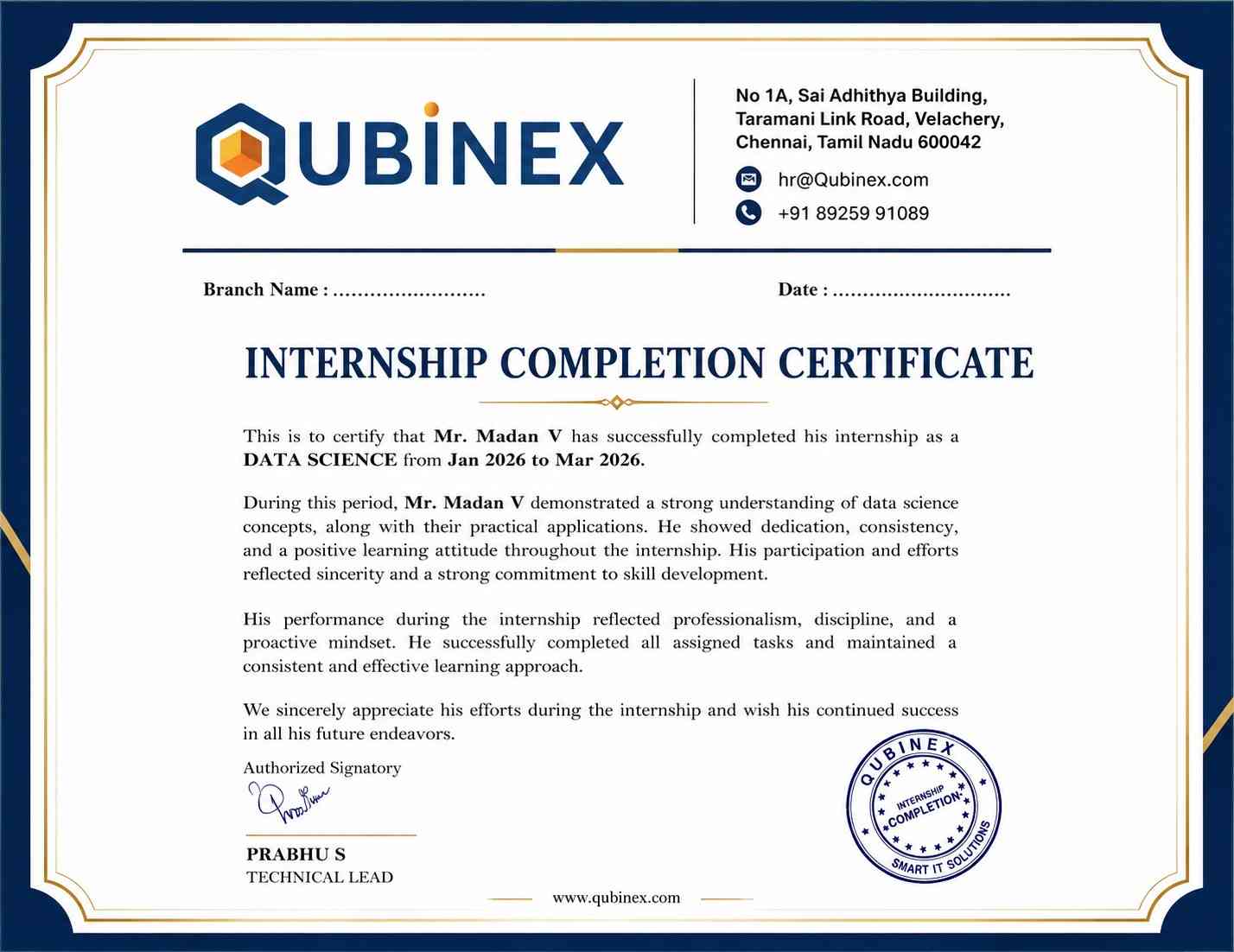
Intership
complete certification
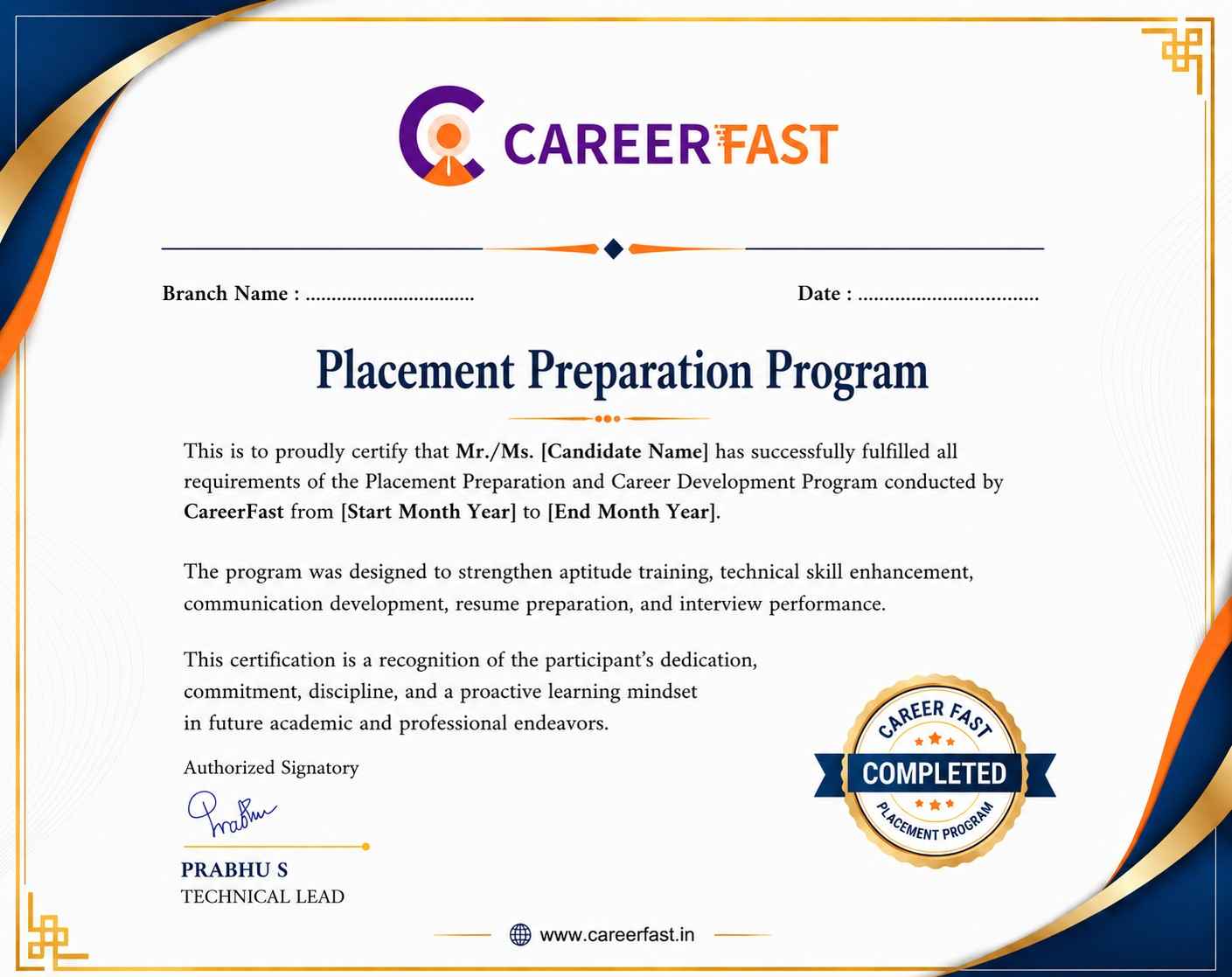
Placement
complete certification
Our learners
transformed their careers

A majority of our alumni
fast-tracked into managerial careers.
Get inspired by their progress in the Career Growth Report.
Our Student Successful Story
 Regular 1:1 Mentorship From Industry Experts
Live Classes
Career Support
Regular 1:1 Mentorship From Industry Experts
Live Classes
Career Support

Sandeep Kumar D
Software Engineer, Cisco Systems )

Vinoth P
UI Developer, TCS
Vijeyalakshme kannan
QA Engineer, Amazon Development Center
Pranav Srinivas
Software Testing, Capgemini
Prasanna
SAP Admin, HCLHow are the Digital Marketing Course with LearnoVita Different?
Feature
LearnoVita
Other Institutes
Affordable Fees
Competitive Pricing With Flexible Payment Options.
Higher Digital Marketing Fees With Limited Payment Options.
Live Class From ( Industry Expert)
Well Experienced Trainer From a Relevant Field With Practical Digital Marketing Training
Theoretical Class With Limited Practical
Updated Syllabus
Updated and Industry-relevant Digital Marketing Course Curriculum With Hands-on Learning.
Outdated Curriculum With Limited Practical Training.
Hands-on projects
Real-world Digital Marketing Projects With Live Case Studies and Collaboration With Companies.
Basic Projects With Limited Real-world Application.
Certification
Industry-recognized Digital Marketing Certifications With Global Validity.
Basic Digital Marketing Certifications With Limited Recognition.
Placement Support
Strong Placement Support With Tie-ups With Top Companies and Mock Interviews.
Basic Placement Support
Industry Partnerships
Strong Ties With Top Tech Companies for Internships and Placements
No Partnerships, Limited Opportunities
Batch Size
Small Batch Sizes for Personalized Attention.
Large Batch Sizes With Limited Individual Focus.
Additional Features
Lifetime Access to Digital Marketing Course Materials, Alumni Network, and Hackathons.
No Additional Features or Perks.
Training Support
Dedicated Mentors, 24/7 Doubt Resolution, and Personalized Guidance.
Limited Mentor Support and No After-hours Assistance.
Digital Marketing Course FAQ's
- LearnoVita will assist the job seekers to Seek, Connect & Succeed and delight the employers with the perfect candidates.
- On Successfully Completing a Career Course with LearnoVita, you Could be Eligible for Job Placement Assistance.
- 100% Placement Assistance* - We have strong relationship with over 650+ Top MNCs, When a student completes his/ her course successfully, LearnoVita Placement Cell helps him/ her interview with Major Companies like Oracle, HP, Wipro, Accenture, Google, IBM, Tech Mahindra, Amazon, CTS, TCS, HCL, Infosys, MindTree and MPhasis etc...
- LearnoVita is the Legend in offering placement to the students. Please visit our Placed Students's List on our website.
- More than 5400+ students placed in last year in India & Globally.
- LearnoVita Conducts development sessions including mock interviews, presentation skills to prepare students to face a challenging interview situation with ease.
- 85% percent placement record
- Our Placement Cell support you till you get placed in better MNC
- Please Visit Your Student's Portal | Here FREE Lifetime Online Student Portal help you to access the Job Openings, Study Materials, Videos, Recorded Section & Top MNC interview Questions
- LearnoVita Certification is Accredited by all major Global Companies around the World.
- LearnoVita is the unique Authorized Oracle Partner, Authorized Microsoft Partner, Authorized Pearson Vue Exam Center, Authorized PSI Exam Center, Authorized Partner Of AWS.
- Also, LearnoVita Technical Experts Help's People Who Want to Clear the National Authorized Certificate in Specialized IT Domain.
- LearnoVita is offering you the most updated, relevant, and high-value real-world projects as part of the training program.
- All training comes with multiple projects that thoroughly test your skills, learning, and practical knowledge, making you completely industry-ready.
- You will work on highly exciting projects in the domains of high technology, ecommerce, marketing, sales, networking, banking, insurance, etc.
- After completing the projects successfully, your skills will be equal to 6 months of rigorous industry experience.
- We will reschedule the classes as per your convenience within the stipulated course duration with all such possibilities.
- View the class presentation and recordings that are available for online viewing.
- You can attend the missed session, in any other live batch.

- Build a Powerful Resume for Career Success
- Get Trainer Tips to Clear Interviews
- Practice with Experts: Mock Interviews for Success
- Crack Interviews & Land Your Dream Job
Global Quality Training
At The Lowest Fees & Expert Trainer








Need custom pricing?

