Home » Others Courses » ITIL Training in HSR Layout

ITIL Training in HSR Layout

(4.5) 11425 Ratings
  • Enroll in the ITIL Training in HSR Layout to build expertise in IT service management.
  • Learn essential ITIL concepts including service strategy, service design, and service operation.
  • Gain hands-on experience through real-time IT service management implementation.
  • Ideal for aspiring IT Service Managers, IT Support Professionals, and IT Operations specialists.
  • Choose from Flexible Batch Timings: Weekday, Weekend, or Fast-Track Learning Schedules.
  • Benefit from Placement Assistance, Interview Preparation, and ITIL Certification Guidance.

Course Duration

45+ Hrs

Live Project

3 Project

Certification Pass

Guaranteed

Training Format

Live Online (Expert Trainers)
Quality Training With Affordable Fee

⭐ Fees Starts From

INR 38,000
INR 18,500

9987+

Professionals Trained

8+

Batches every month

2016+

Placed Students

170+

Corporate Served

What You'll Learn

ITIL Training in HSR Layout builds a strong foundation in IT service management, service value, incident handling, service delivery, and support processes.

Understand ITIL concepts such as service value systems, governance, service design, service transition, and service operation.

Build practical expertise in incident management, change enablement, problem management, and efficient IT service delivery workflows.

Gain hands-on exposure through ITSM projects, service desk activities, process simulations, and practical service support exercises.

Explore service level management, risk handling, continual improvement, governance practices, and methods for improving service quality.

Prepare for ITIL-focused roles by strengthening service management knowledge, process understanding, and readiness for ITSM workplace responsibilities.

An Comprehensive Overview of ITIL Foundation Course

ITIL Training in HSR Layout helps learners gain practical knowledge of IT service management, service lifecycle concepts, process improvement, service delivery, and continual improvement practices. The training combines guided instruction with practical activities, workplace-oriented scenarios, and interactive sessions to help participants understand how IT services are planned, delivered, monitored, and improved. Flexible classroom, online, weekend, and fast-track batches are available to suit fresh graduates and working professionals. The program also develops analytical thinking, service management skills, and problem-solving abilities that can support career opportunities across modern IT service environments.

Additional Info

Future Trends for ITIL Training in HSR Layout

  • Business Value-Oriented ITIL Learning: ITIL Training is increasingly focused on connecting IT services with measurable business value. Learners understand how service quality, customer needs, and operational performance influence organizational results. Training now uses practical business situations to explain service management concepts. This approach helps professionals connect technical activities with business priorities and service outcomes.
  • ITIL and Digital Transformation: Modern ITIL Training is adapting to digital transformation by covering service practices used with cloud platforms, automation, and modern infrastructure. Learners explore how structured service management can support rapidly changing technology environments. The focus is on flexibility, continual improvement, and service value. This prepares professionals to apply ITIL concepts across hybrid and digitally enabled workplaces.
  • Customer Experience Focus: Customer experience is becoming an important element of ITIL Training. Learners study how service quality can be evaluated through user expectations, satisfaction, and business requirements. Training encourages professionals to understand customer needs before designing or improving services. This service-focused approach supports better communication, consistent delivery, and stronger relationships between IT teams and users.
  • Integration with Agile and DevOps: ITIL Training is increasingly connected with Agile and DevOps practices to support faster technology delivery. Learners understand how service management activities can work alongside iterative development and continuous delivery. Training highlights collaboration, shared responsibilities, and flexible processes. This helps professionals support rapid changes while maintaining service reliability, governance, and operational continuity.
  • Growth of Practical Learning: Practical learning is becoming more prominent in ITIL Training as learners seek workplace-ready knowledge. Instead of depending only on theoretical explanations, programs use service scenarios, incident exercises, workflow activities, and problem-solving tasks. These activities help participants understand how ITIL concepts operate in daily service environments. Practical exposure also strengthens confidence, analytical thinking, and decision-making abilities.
  • Automation Awareness: Automation is influencing how IT service management processes are designed and delivered. ITIL Training introduces learners to automated workflows, alerts, service requests, and repetitive operational activities. Participants understand how automation can improve consistency and response times while retaining appropriate human oversight. This awareness helps professionals work effectively with technology-driven service environments and evolving IT operations.
  • Continual Improvement Culture: Continual improvement is becoming an everyday practice within modern ITIL Training. Learners are encouraged to review service performance, identify inefficiencies, evaluate results, and recommend improvements. Rather than treating improvement as an isolated activity, training connects it with regular service operations. This mindset helps professionals respond to changing requirements, improve workflows, and support sustainable service quality.
  • Business-Focused ITIL Professionals: Organizations increasingly value ITIL professionals who can understand both technology and business requirements. ITIL Training helps learners interpret service metrics, communicate with stakeholders, and connect operational activities with business objectives. Participants develop a broader view of service value and performance. These capabilities can support professionals working between technical teams, service users, managers, and business stakeholders.
  • Personalized Learning Approaches: ITIL Training is gradually becoming more adaptable to different professional backgrounds and career goals. Learners can focus on concepts that relate closely to their responsibilities, experience levels, and technology environments. Customized learning improves engagement and practical understanding. This approach allows participants to build relevant service management knowledge while progressing through concepts at a comfortable and structured pace.
  • Long-Term Career Development: Modern ITIL Training supports more than short-term learning by building knowledge that can be applied across different IT service environments. Participants develop capabilities in service operations, process improvement, stakeholder communication, and performance monitoring. These skills can remain useful as organizations adopt new technologies and delivery models. Continuous learning can further support progression into specialized service management responsibilities.

Tools and Technologies for ITIL Training

  • Service Desk Platforms: Service desk platforms provide a central location for handling incidents, requests, and user communication. ITIL Training introduces learners to structured ticket workflows, categorization, prioritization, and status tracking. Participants understand how centralized service information improves visibility and accountability. These platforms also help teams coordinate responses efficiently, maintain service records, and provide users with clearer communication throughout the resolution process.
  • Incident and Problem Management Tools: Incident and problem management tools help IT teams record disruptions, organize service issues, and investigate recurring problems. Through ITIL Training, learners understand how incidents can be prioritized according to business impact and urgency. Participants also explore root cause analysis and resolution tracking. These capabilities help professionals reduce repeated disruptions, improve service stability, and maintain organized operational records.
  • Change Management Systems: Change management systems support the controlled introduction of modifications to IT services and infrastructure. ITIL Training helps learners understand how requests, approvals, assessments, schedules, and implementation details are documented. Participants gain awareness of evaluating potential risks before changes are introduced. These systems encourage coordination between teams and help organizations maintain more predictable and stable service environments.
  • Configuration Management Databases: Configuration Management Databases provide information about IT assets, configuration items, and their relationships with services. ITIL Training explains how accurate configuration information can support incident investigation and service analysis. Learners understand dependencies between infrastructure components and business services. This visibility can help teams investigate disruptions faster, maintain better control, and improve the accuracy of operational decisions.
  • Knowledge Management Platforms: Knowledge management platforms organize technical solutions, procedures, guides, and service information in an accessible format. ITIL Training helps learners understand how shared knowledge can improve support efficiency and reduce repeated investigation. Participants explore how documentation supports consistent service responses. These platforms also help teams preserve organizational knowledge and provide useful information to service desk staff and other IT professionals.
  • Service Level Management Tools: Service level management tools help organizations monitor agreed service targets and evaluate delivery performance. During ITIL Training, learners explore how service metrics, performance records, and reports can be used to review outcomes. These tools support communication between service providers and stakeholders. Participants gain an understanding of how measurable targets can improve transparency, accountability, and alignment between services and business expectations.
  • Monitoring and Event Management Systems: Monitoring and event management systems help identify technical conditions that may affect service availability or performance. ITIL Training introduces learners to alerts, event records, monitoring dashboards, and response workflows. Participants understand how early detection can support timely investigation. These technologies help IT teams observe service health, identify unusual activity, and respond to potential issues before they create larger operational disruptions.
  • Reporting and Analytics Platforms: Reporting and analytics platforms convert service information into useful operational insights. ITIL Training helps learners examine service trends, incident patterns, performance indicators, and improvement opportunities. Participants understand how reports can support reviews and informed decisions. Analytics also provides greater visibility into service performance, enabling teams to identify recurring issues, monitor progress, and evaluate the effectiveness of improvement activities.
  • Asset Management Tools: Asset management tools help organizations maintain information about hardware, software, ownership, usage, and lifecycle status. ITIL Training introduces learners to the importance of accurate asset records for operational planning and service support. Participants understand how asset visibility can assist resource allocation, cost tracking, and risk reduction. Proper asset information also supports better coordination between infrastructure and service management teams.
  • Collaboration and Communication Tools: Collaboration tools support communication between service teams, users, stakeholders, and technical specialists. ITIL Training demonstrates how shared workspaces, messaging platforms, documentation tools, and virtual meetings can improve coordination. Learners understand the importance of timely information sharing during service activities. Effective collaboration can reduce communication gaps, support faster issue handling, and strengthen teamwork across distributed IT environments.

Roles and Responsibilities for ITIL Training

  • IT Service Analyst: An IT Service Analyst reviews service performance, operational information, and user feedback to identify improvement areas. ITIL Training helps learners understand how service data can support analysis and decision-making. Analysts may prepare reports, monitor service indicators, and communicate observations to relevant teams. Their responsibilities help connect operational performance with service expectations and contribute to consistent IT service delivery.
  • IT Service Consultant: An IT Service Consultant helps organizations evaluate and improve their service management approaches. ITIL Training provides knowledge of service processes, value streams, stakeholder needs, and improvement activities. Consultants may review existing workflows and suggest structured changes based on organizational requirements. Strong communication and analytical abilities are important for discussing recommendations with technical teams, managers, and business stakeholders.
  • Service Desk Analyst: A Service Desk Analyst handles user interactions involving incidents, requests, and common service concerns. ITIL Training develops awareness of ticket logging, classification, prioritization, communication, and resolution processes. Analysts maintain accurate records while keeping users informed about progress. Their work supports daily service continuity and provides an important connection between end users and technical support teams across an organization.
  • Incident Manager: An Incident Manager coordinates activities required to restore normal service after significant disruptions. ITIL Training introduces learners to incident prioritization, communication, escalation, coordination, and resolution tracking. Incident Managers work with technical teams to maintain focus during service interruptions. They also monitor progress and communicate relevant updates to stakeholders, helping reduce disruption and support timely restoration of affected services.
  • Problem Manager: A Problem Manager investigates underlying causes behind recurring or significant incidents. ITIL Training develops knowledge of problem identification, analysis, documentation, and resolution planning. Professionals in this role work with technical teams to understand patterns and prevent repeated disruptions. Their responsibilities support service stability by addressing underlying causes rather than focusing only on restoring individual incidents after they occur.
  • Change Manager: A Change Manager coordinates the assessment and controlled implementation of changes affecting IT services. ITIL Training covers change evaluation, risk awareness, approval workflows, scheduling, and communication. Change Managers work with different teams to understand possible service impacts before implementation. Accurate records and coordination help organizations introduce necessary improvements while reducing avoidable disruption to existing services.
  • Service Level Manager: A Service Level Manager monitors whether services are meeting agreed performance expectations. ITIL Training helps learners understand service targets, measurement methods, reporting, and stakeholder communication. Professionals in this role review service outcomes and discuss performance with customers and internal teams. Their work supports transparency and helps ensure that service delivery remains aligned with documented business and user requirements.
  • Configuration Manager: A Configuration Manager maintains reliable information about configuration items and their relationships within an IT environment. ITIL Training emphasizes accurate records, dependency tracking, and configuration visibility. Professionals use this information to support service analysis and operational activities. Attention to detail is important because incorrect configuration information can affect incident investigation, change planning, service monitoring, and overall infrastructure control.
  • IT Operations Manager: An IT Operations Manager oversees daily activities that support reliable and consistent IT services. ITIL Training helps learners understand operational workflows, resource coordination, service monitoring, and process adherence. Managers work with technical teams to maintain service performance and resolve operational concerns. They also connect day-to-day execution with organizational priorities, helping teams deliver services in a structured and dependable manner.
  • Continual Improvement Manager: A Continual Improvement Manager identifies opportunities to enhance service quality, processes, and operational performance. ITIL Training develops knowledge of measurement, evaluation, improvement planning, and progress tracking. Professionals collaborate with stakeholders to understand current performance and define suitable improvement actions. Their responsibilities encourage organizations to review results regularly, adapt to changing requirements, and maintain an ongoing focus on service enhancement.

Companies Hiring ITIL Foundation Professionals

  • Accenture: Accenture offers technology and managed service roles where IT service management knowledge can be relevant to enterprise delivery environments. Professionals with ITIL Foundation knowledge may work with service processes, incident handling, operational workflows, and client requirements. ITIL concepts can help candidates understand structured service delivery and communication practices used across technology projects supporting organizations in multiple industries.
  • IBM: IBM operates across technology services, consulting, infrastructure, and managed service environments where structured service practices can be useful. ITIL Foundation knowledge can help professionals understand incident workflows, service performance, process governance, and continual improvement. Candidates may apply these concepts when supporting enterprise technology environments and coordinating service activities that require consistent processes, documentation, and stakeholder communication.
  • Tata Consultancy Services (TCS): TCS provides technology and IT services across numerous industries and operates large-scale service delivery environments. ITIL Foundation knowledge can support professionals working with incident processes, service requests, change activities, and performance monitoring. Candidates familiar with ITIL concepts may better understand structured service workflows and the importance of consistent communication when supporting enterprise clients and technology operations.
  • Infosys: Infosys works across consulting, digital services, technology operations, and enterprise support environments. ITIL Foundation knowledge can be useful for professionals involved in service desk operations, incident coordination, process improvement, and service monitoring. Learners can apply ITIL concepts to understand how structured workflows support reliable service delivery, stakeholder communication, and continuous improvement within technology-focused organizational environments.
  • Wipro: Wipro provides technology services and managed solutions where service management knowledge can support various operational responsibilities. ITIL Foundation Training helps candidates understand structured approaches to incidents, changes, service requests, and performance tracking. Professionals can apply these concepts while working with enterprise support teams. Knowledge of ITIL can also strengthen understanding of service quality, process consistency, and stakeholder coordination.
  • Capgemini: Capgemini operates across consulting, technology services, cloud, and managed service environments. ITIL Foundation knowledge can help professionals understand service workflows, operational processes, stakeholder requirements, and improvement activities. Candidates may use these concepts when supporting enterprise technology services. Familiarity with ITIL also provides a foundation for understanding how structured service practices can contribute to reliable and customer-focused technology operations.
  • HCLTech: HCLTech delivers technology and IT services across infrastructure, digital, cloud, and enterprise environments. ITIL Foundation knowledge can support professionals involved in service operations, incident handling, process coordination, and continual improvement. Candidates can use ITIL concepts to understand structured support workflows and service responsibilities. This knowledge is relevant when working with teams focused on maintaining dependable enterprise technology services.
  • DXC Technology: DXC Technology provides enterprise technology services and managed solutions across complex IT environments. ITIL Foundation knowledge can help professionals understand service operations, incident coordination, change activities, performance monitoring, and process improvement. Candidates familiar with ITIL principles can apply structured approaches when supporting technology services. The knowledge also helps build awareness of service reliability, stakeholder communication, and operational governance.
  • Tech Mahindra: Tech Mahindra operates across digital transformation, technology services, and IT support environments. ITIL Foundation knowledge can be useful for professionals working with service operations, incident workflows, service requests, and process improvement. Candidates can use ITIL concepts to understand how service activities are organized and measured. This foundation can support roles requiring structured communication, service coordination, and operational process awareness.
  • Cognizant: Cognizant works across technology consulting, digital services, infrastructure, and enterprise operations. ITIL Foundation knowledge can support professionals involved in service management, operational support, incident coordination, and continual improvement. Candidates can apply ITIL concepts to understand structured service workflows and stakeholder requirements. Familiarity with service management principles can also help professionals communicate effectively across technical and business teams.
View more

ITIL Training Objectives

ITIL Foundation training does not require any prior technical background, making it suitable for both beginners and experienced professionals. A general understanding of how IT services support business operations can be beneficial. Familiarity with organizational processes and service-based environments helps learners grasp concepts more easily.
ITIL Foundation training provides a clear understanding of how structured service management enhances efficiency and service reliability. It clarifies service roles, responsibilities, and workflows within an organization. Learners develop the ability to align IT services with business objectives. The training also improves analytical thinking, problem-solving, and decision-making skills while boosting professional credibility.
ITIL Foundation remains highly valuable in today’s job market due to its emphasis on service quality and operational consistency. Employers prefer professionals who understand standardized service delivery frameworks. ITIL certification helps candidates stand out in IT support and operations roles across multiple industries.
ITIL Foundation training focuses on practical service scenarios rather than technical projects. Learners analyze real-life service situations to understand effective decision-making. These scenarios reflect common workplace challenges and help bridge theory with real-world application.
  • Increasing demand for IT service management professionals
  • Growing relevance in cloud-based and digital service environments
  • Widespread adoption by global enterprises
  • Long-term value in IT operations and governance roles
  • Clear career pathways into advanced ITSM certifications
  • Core service management concepts
  • ITIL service lifecycle and practices
  • Incident and problem management
  • Change enablement and service control
  • Continual service improvement
  • Information Technology and IT Services
  • Banking and Financial Services
  • Telecommunications
  • Healthcare and Life Sciences
  • Consulting and Managed Service Providers
ITIL Foundation training does not guarantee employment, but it significantly improves job prospects. The certification strengthens service management knowledge and enhances readiness for IT service-related roles. Career outcomes depend on individual experience and performance.
  • Clear understanding of IT service processes
  • Improved alignment between IT and business objectives
  • Greater awareness of service quality and efficiency
  • Strong foundation for ITSM career growth
  • Enhanced professional recognition
ITIL Foundation training introduces service management tools at a conceptual level. Participants learn how service desks, monitoring tools, and reporting systems support ITIL practices. The focus is on understanding the framework rather than mastering specific tools, ensuring adaptability across platforms.
view More view Less

ITIL Foundation Course Benefits

ITIL Training in HSR Layout helps learners develop practical skills in IT service management, service processes, incident resolution, service operations, and continual improvement. The training focuses on real-world service management scenarios, guided exercises, and practical activities that help participants understand how IT services are planned, delivered, monitored, and improved. Through an ITIL Internship, learners can gain exposure to workplace-oriented service management tasks and operational processes. ITIL Projects provide opportunities to apply ITIL concepts while improving analytical, troubleshooting, and process-handling abilities. The program also supports career preparation for service desk, service management, and IT support roles.

  • Designation
  • Annual Salary
    Hiring Companies
  • 3.5L
    Min
  • 5.5L
    Average
  • 10L
    Max
  • 3.5L
    Min
  • 6L
    Average
  • 12L
    Max
  • 3.5L
    Min
  • 6L
    Average
  • 12L
    Max
  • 3.7L
    Min
  • 6.5L
    Average
  • 13L
    Max

About ITIL Course

The ITIL Training in HSR Layout focuses on developing practical skills in IT service management, incident handling, problem resolution, change control, service requests, and continual improvement. Participants work on ITIL Projects, real-time service desk scenarios, process-based exercises, and guided activities covering SLA tracking, service monitoring, issue resolution, and service improvement. The program also provides ITIL Material for structured learning and revision, along with an ITIL Internship that offers workplace-oriented exposure. ITIL With Placement support helps learners prepare for opportunities in IT service management, service desk operations, IT support, and service delivery roles.

Top Skills You Will Gain
  • Change Coordination
  • Problem Analysis
  • Service Optimization
  • Risk Assessment
  • Asset Tracking
  • SLA Compliance
  • Process Improvement
  • IT Governance

12 ITIL Tools

Online Classroom Batches Preferred

Weekdays (Mon - Fri)
21 - Sep - 2026
08:00 AM (IST)
Weekdays (Mon - Fri)
23 - Sep - 2026
08:00 AM (IST)
Weekend (Sat)
26 - Sep - 2026
11:00 AM (IST)
Weekend (Sun)
27 - Sep - 2026
11:00 AM (IST)
Can't find a batch you were looking for?
₹38,000 ₹18,500 10% OFF Expires in

No Interest Financing start at ₹ 5000 / month

Corporate Training

  • Customized Learning
  • Enterprise Grade Learning Management System (LMS)
  • 24x7 Support
  • Enterprise Grade Reporting

Not Just Studying
We’re Doing Much More!

Empowering Learning Through Real Experiences and Innovation

Hiring
Hiring
Hiring
Hiring
Hiring
Hiring
Hiring
User
User
User
User
User
User

ITIL Course Curriculum

Trainers Profile

The ITIL Training in HSR Layout focuses on building practical knowledge of IT service management, service processes, operational practices, and continuous improvement approaches. Learners are guided through structured sessions covering essential ITIL concepts with relevant examples, discussions, and practical activities. The program includes comprehensive ITIL Training Materials to support revision and reinforce important concepts throughout the learning journey. Participants gain exposure to service workflows, incident handling, change processes, service performance, and operational activities through practical exercises. This learning approach helps develop the skills needed to work effectively in IT service management, IT operations, service delivery, and enterprise support environments with practical workplace relevance.

Syllabus for ITIL Course Download syllabus

  • ITIL Service Lifecycle Stages
  • Importance of ITIL in IT Service Management
  • Key ITIL Terminologies and Concepts
  • Role of ITIL in Business Efficiency
  • Understanding Service Strategy
  • IT Financial Management
  • Demand and Capacity Planning
  • Service Portfolio and Offerings
  • Risk and Impact Assessment
  • Fundamentals of Service Design
  • Designing IT Service Processes
  • Availability and Capacity Planning
  • IT Security Considerations
  • Supplier and Vendor Coordination
  • Overview of Change Management
  • Release and Deployment Process
  • Knowledge and Configuration Management
  • Transition Planning and Support
  • Incident and Problem Handling
  • Service Desk Functions and Responsibilities
  • Event and Incident Handling
  • Root Cause Analysis in Problem Management
  • Access and Identity Control
  • Monitoring IT Service Performance
  • Introduction to Process Improvement
  • IT Performance Measurement
  • Analyzing Service Gaps
  • Implementing Process Enhancements
  • Aligning IT Services with Business Goals
  • Change Process and Approval Workflow
  • Evaluating Change Impact
  • Communication During Change Implementation
  • Monitoring and Review of Changes
  • Preventing Service Disruptions
  • Incident Logging and Categorization
  • Prioritization and Impact Analysis
  • Automated Incident Resolution
  • Restoring Services Efficiently
  • Performance Tracking and Reporting
  • Differentiating Problems from Incidents
  • Problem Identification and Analysis
  • Root Cause Investigation Techniques
  • Permanent Fixes vs Workarounds
  • Documentation and Knowledge Sharing
  • IT Asset Lifecycle Overview
  • Tracking and Managing IT Resources
  • Role of Configuration Management Databases (CMDB)
  • Asset Inventory and Maintenance
  • Compliance with IT Policies
(15) view More view Less
Need customized curriculum?

REAL

start
STORIES SUCCESS INSPIRATION
CAREER
UPGRADE
sowmiya

sowmiya

CAREER
UPGRADE
Rajkumar

Rajkumar

CAREER
UPGRADE
Thon

Thon

CAREER
UPGRADE
lavanya

Lavanya

Industry Projects

Project 1
Service Desk Improvement

Build an ITIL-based service desk to manage incidents and requests efficiently, improve response times, Support workflows, and enhance user satisfaction.

Project 2
IT Change Management

Create an ITIL-aligned change process to assess risks, manage approvals, coordinate system updates, reduce disruptions, and support reliable service continuity.

Project 3
IT Asset Management

Develop an IT asset management workflow to track resources, maintain accurate records, improve utilization, and support infrastructure compliance.

Our Hiring Partner

Exam & ITIL Training Certification

  • Basic familiarity with computers and IT environments
  • Awareness of IT service support activities
  • Understanding of common technical support workflows
  • Basic knowledge of service delivery concepts
  • Previous ITIL experience is not essential for beginners
ITIL Training develops practical understanding of service management processes, incident handling, problem resolution, service requests, change control, service improvement, and operational workflows. Certification can demonstrate familiarity with ITIL concepts while supporting preparation for responsibilities across IT support, service delivery, operations, and IT service management environments.
ITIL Training does not guarantee employment. Learners can strengthen their job readiness through practical service management exercises, support scenarios, process-based activities, real-time projects, and interview preparation. Combining ITIL knowledge with relevant technical skills and workplace experience can help candidates prepare for IT service and operations roles.
  • IT Service Management Analyst
  • Service Delivery Analyst
  • IT Operations Specialist
  • Service Desk Analyst
  • IT Support Engineer
  • ITSM Consultant
ITIL Training helps professionals improve their understanding of service operations, incident coordination, problem management, change processes, service delivery, and continual improvement. These capabilities can support professional development across IT operations, technical support, service management, enterprise technology, and IT governance environments.

MNC Recognized course
complete certification
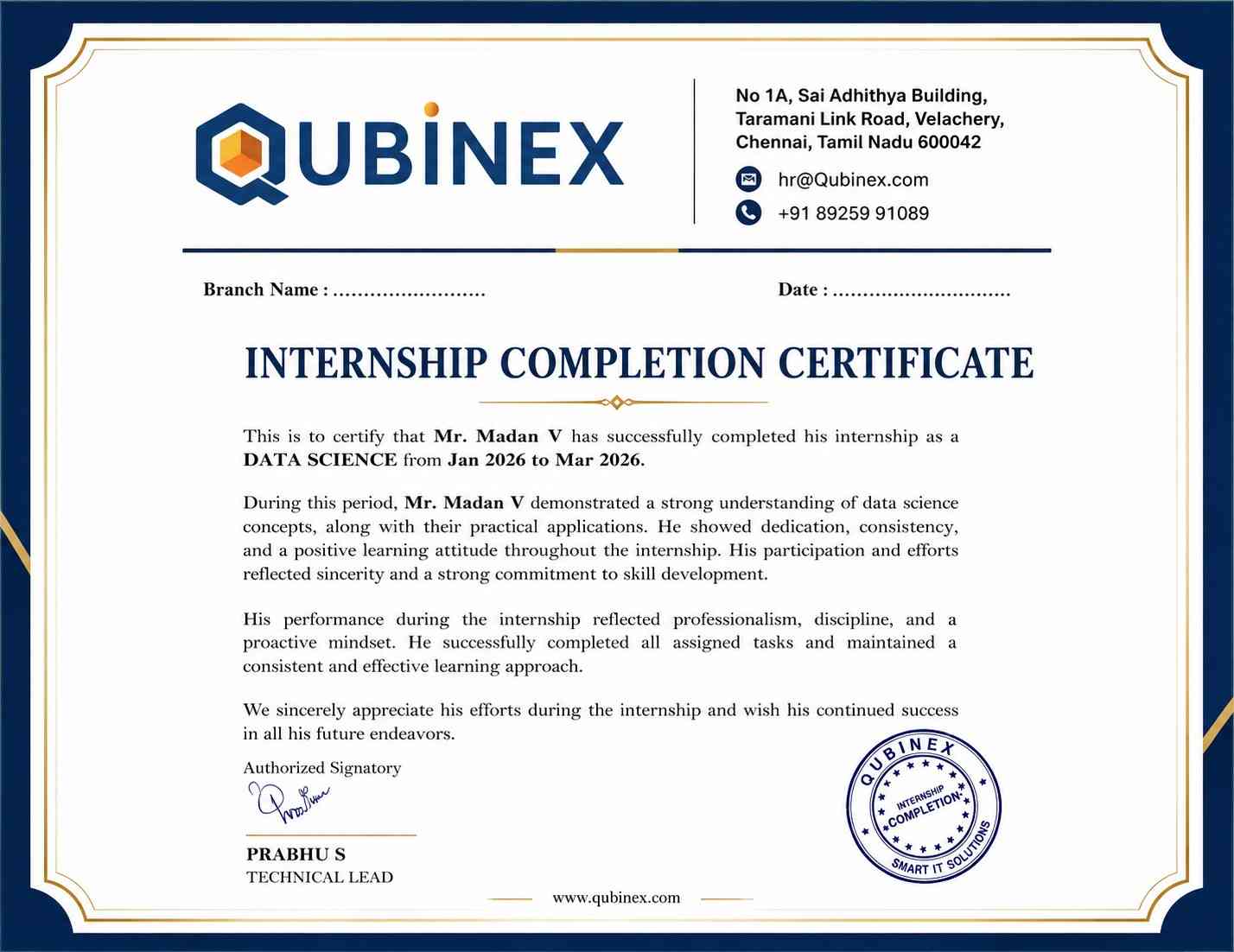
Intership
complete certification
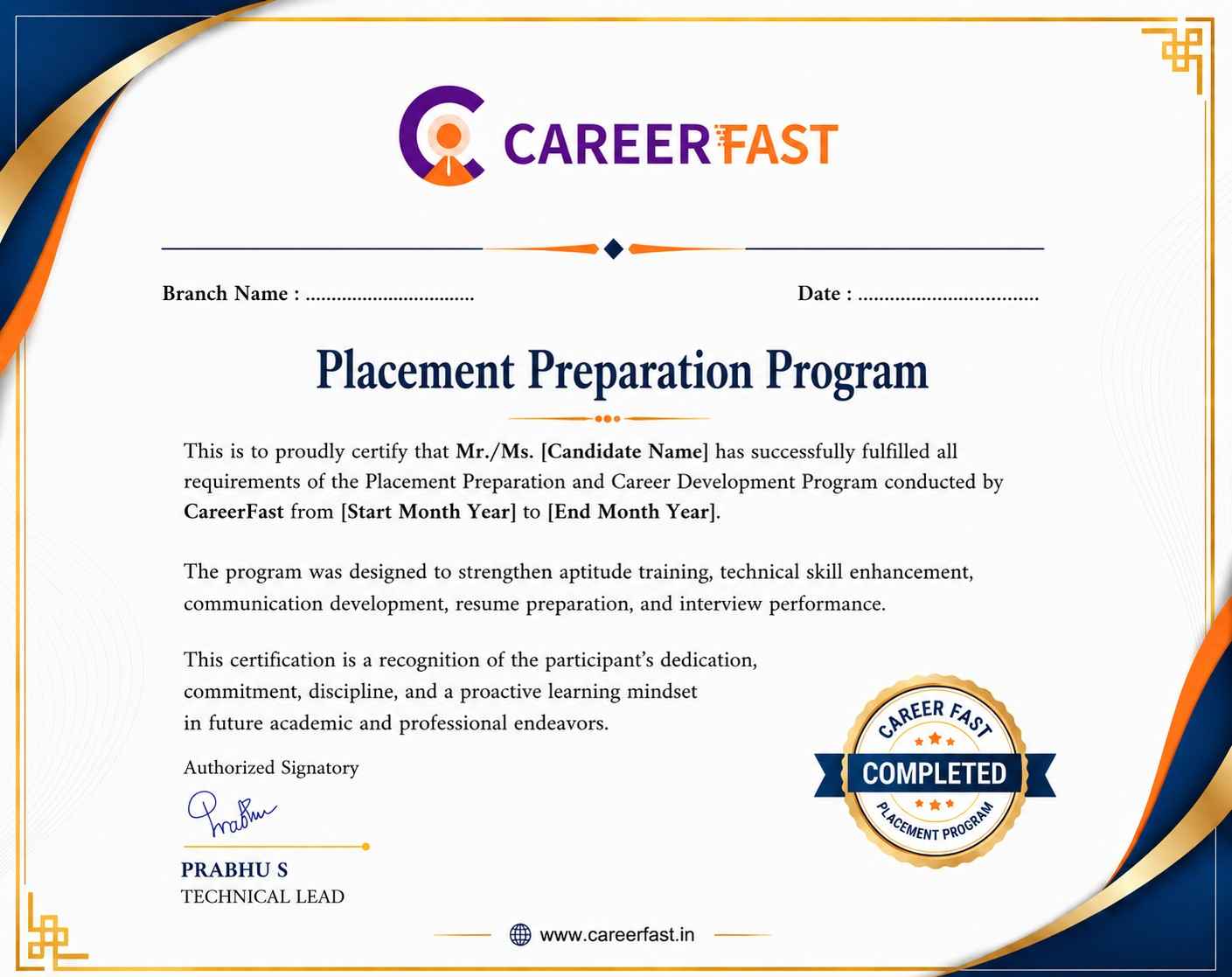
Placement
complete certification

Our learners
transformed their careers

35 Laks
Highest Salary Offered
50%
Average Salary Hike
30K+
Placed in MNC's
15+
Year's in Training
Our Alumni
Alumni

A majority of our alumni

fast-tracked into managerial careers.

Get inspired by their progress in the Career Growth Report.

Our Student Successful Story

checkimage Regular 1:1 Mentorship From Industry Experts checkimage Live Classes checkimage Career Support

How are the ITIL Course with LearnoVita Different?

Feature

LearnoVita

Other Institutes

Affordable Fees

Competitive Pricing With Flexible Payment Options.

Higher ITIL Fees With Limited Payment Options.

Live Class From ( Industry Expert)

Well Experienced Trainer From a Relevant Field With Practical ITIL Training

Theoretical Class With Limited Practical

Updated Syllabus

Updated and Industry-relevant ITIL Course Curriculum With Hands-on Learning.

Outdated Curriculum With Limited Practical Training.

Hands-on projects

Real-world ITIL Projects With Live Case Studies and Collaboration With Companies.

Basic Projects With Limited Real-world Application.

Certification

Industry-recognized ITIL Certifications With Global Validity.

Basic ITIL Certifications With Limited Recognition.

Placement Support

Strong Placement Support With Tie-ups With Top Companies and Mock Interviews.

Basic Placement Support

Industry Partnerships

Strong Ties With Top Tech Companies for Internships and Placements

No Partnerships, Limited Opportunities

Batch Size

Small Batch Sizes for Personalized Attention.

Large Batch Sizes With Limited Individual Focus.

Additional Features

Lifetime Access to ITIL Course Materials, Alumni Network, and Hackathons.

No Additional Features or Perks.

Training Support

Dedicated Mentors, 24/7 Doubt Resolution, and Personalized Guidance.

Limited Mentor Support and No After-hours Assistance.

ITIL Course FAQ's

Certainly, you are welcome to join the demo session. However, due to our commitment to maintaining high-quality standards, we limit the number of participants in live sessions. Therefore, participation in a live class without enrollment is not feasible. If you're unable to attend, you can review our pre-recorded session featuring the same trainer. This will provide you with a comprehensive understanding of our class structure, instructor quality, and level of interaction.
All of our instructors are employed professionals in the industry who work for prestigious companies and have a minimum of 9 to 12 years of significant IT field experience. A great learning experience is provided by all of these knowledgeable people at LearnoVita.
  • LearnoVita is dedicated to assisting job seekers in seeking, connecting, and achieving success, while also ensuring employers are delighted with the ideal candidates.
  • Upon successful completion of a career course with LearnoVita, you may qualify for job placement assistance. We offer 100% placement assistance and maintain strong relationships with over 650 top MNCs.
  • Our Placement Cell aids students in securing interviews with major companies such as Oracle, HP, Wipro, Accenture, Google, IBM, Tech Mahindra, Amazon, CTS, TCS, Sports One , Infosys, MindTree, and MPhasis, among others.
  • LearnoVita has a legendary reputation for placing students, as evidenced by our Placed Students' List on our website. Last year alone, over 5400 students were placed in India and globally.
  • We conduct development sessions, including mock interviews and presentation skills training, to prepare students for challenging interview situations with confidence. With an 85% placement record, our Placement Cell continues to support you until you secure a position with a better MNC.
  • Please visit your student's portal for free access to job openings, study materials, videos, recorded sections, and top MNC interview questions.
LearnoVita Certification is awarded upon course completion and is recognized by all of the world's leading global corporations. LearnoVita are the exclusive authorized Oracle, Microsoft, Pearson Vue, and ITIL I exam centers, as well as an authorized partner of ITIL . Additionally, those who want to pass the National Authorized Certificate in a specialized IT domain can get assistance from LearnoVita's technical experts.
As part of the training program, LearnoVita provides you with the most recent, pertinent, and valuable real-world projects. Every program includes several projects that rigorously assess your knowledge, abilities, and real-world experience to ensure you are fully prepared for the workforce. Your abilities will be equivalent to six months of demanding industry experience once the tasks are completed.
At LearnoVita, participants can choose from instructor-led online training, self-paced training, classroom sessions, one-to-one training, fast-track programs, customized training, and online training options. Each mode is designed to provide flexibility and convenience to learners, allowing them to select the format that best suits their needs. With a range of training options available, participants can select the mode that aligns with their learning style, schedule, and career goals to excel in ITIL .
LearnoVita guarantees that you won't miss any topics or modules. You have three options to catch up: we'll reschedule classes to suit your schedule within the course duration, provide access to online class presentations and recordings, or allow you to attend the missed session in another live batch.
Please don't hesitate to reach out to us at contact@learnovita.com if you have any questions or need further clarification.
To enroll in the ITIL at LearnoVita, you can conveniently register through our website or visit any of our branches in India for direct assistance.
Yes, after you've enrolled, you will have lifetime access to the student portal's study materials, videos, and top MNC interview questions.
At LearnoVita, we prioritize individual attention for students, ensuring they can clarify doubts on complex topics and gain a richer understanding through interactions with instructors and peers. To facilitate this, we limit the size of each ITIL Service batch to 5 or 6 members.
The average annual salary for ITIL Professionals in India is 6 LPA to 7 LPA.
view More view Less
Career Assistance
  • Build a Powerful Resume for Career Success
  • Get Trainer Tips to Clear Interviews
  • Practice with Experts: Mock Interviews for Success
  • Crack Interviews & Land Your Dream Job
100% JOB GUARANTEE

Global Quality Training
At The Lowest Fees & Expert Trainer

AVAILABLE IN:
India Canada USA Singapore UAE Australia EU Germany

Need custom pricing?

4.9/5 from 50k+ students
Acte Technologies WhatsApp
Call Us! Chat With Us