Home » Cloud Computing » Microsoft Dynamics 365 CRM Course in Jayanagar

Microsoft Dynamics 365 CRM Course in Jayanagar

(4.9) 19865 Ratings
  • Enroll in the Microsoft Dynamics 365 CRM Course in Jayanagar to expertise in customer relationship management.
  • Learn essential Microsoft Dynamics 365 CRM concepts including sales automation and business process management.
  • Gain hands-on experience through real-time Microsoft Dynamics 365 CRM projects and practical CRM implementation.
  • Ideal for aspiring CRM Consultants, Functional Consultants, Business Analysts, Graduates, and Job Seekers.
  • Choose from Flexible Batch Timings: Weekday, Weekend, or Fast-Track Learning Schedules.
  • Benefit from Placement Assistance, Interview Preparation, and Microsoft Dynamics 365 CRM Certification.

Course Duration

55+ Hrs

Live Project

3 Project

Certification Pass

Guaranteed

Training Format

Live Online (Expert Trainers)
Quality Training With Affordable Fee

⭐ Fees Starts From

INR 38,000
INR 18,500

12057+

Professionals Trained

10+

Batches every month

3075+

Placed Students

265+

Corporate Served

What You'll Learn

The Microsoft Dynamics 365 CRM Course in Jayanagar introduces customer engagement, sales management, service operations, and business application capabilities.

Learn to manage leads, customer accounts, contacts, sales opportunities, service cases, automated workflows, and interactive CRM dashboards effectively.

Build hands-on abilities in CRM customization, process automation, reporting, data organization, workflow design, and user access administration.

Apply classroom concepts through practical CRM projects, configuration tasks, implementation exercises, and realistic customer management scenarios.

Explore Power Platform connectivity, customer insights, advanced automation, application extensions, and integrated business process solutions.

Strengthen industry-ready CRM expertise and prepare for roles such as Dynamics 365 Consultants, CRM Developers, Administrators, and Functional Specialists.

Comprehensive Overview of Microsoft Dynamics 365 Course

The Microsoft Dynamics 365 CRM Course in Jayanagar helps learners understand how modern CRM platforms support customer engagement, sales coordination, service delivery, and business process improvement. The curriculum combines practical exercises with industry-oriented scenarios to build skills in lead tracking, opportunity management, workflow automation, dashboard creation, customer data organization, and CRM customization. Through guided assignments and implementation activities, participants learn to configure CRM features and manage customer information more effectively. The Microsoft Dynamics 365 CRM Certification Course also introduces flexible training options and project-based learning to accommodate different experience levels. By developing technical proficiency and a stronger understanding of business operations, learners can prepare for career paths in CRM consulting, business analysis, customer service systems, and enterprise application support.

Additional Info

Future Developments in Microsoft Dynamics 365 Course in BTM Layout

  • Artificial Intelligence (AI) Integration: Microsoft Dynamics 365 will increasingly integrate AI to support automation, intelligent insights, and predictive analytics. Features such as chatbots, machine learning, and advanced forecasting will improve customer engagement and business decisions. AI will also streamline processes and create more personalized experiences.
  • Cloud-Based Advancements: Microsoft Dynamics 365 will continue improving its cloud capabilities with greater scalability, flexibility, and security. Businesses will benefit from cloud-native features and hybrid cloud models that support real-time collaboration, stronger data storage, improved disaster recovery, and efficient access to business applications.
  • Customization and Low-Code Development: Microsoft Dynamics 365 will provide advanced customization through low-code development tools. Non-technical users will be able to modify workflows, interfaces, and integrations without extensive programming knowledge. This approach will help businesses respond quickly to changing requirements, accelerate implementation, and improve overall productivity.
  • Integration with Microsoft Power Platform: Microsoft Dynamics 365 will become more closely integrated with Power BI, Power Automate, and Power Apps. Businesses will be able to create customized workflows, automate repetitive processes, develop applications, and analyze data efficiently. This connectivity will improve business agility, productivity, reporting, and process automation.
  • Customer Experience (CX) Transformation: Microsoft Dynamics 365 will place greater emphasis on personalized customer experiences using customer data and intelligent insights. Omnichannel communication, AI-driven recommendations, and customized services will help businesses improve engagement. These capabilities will support stronger customer satisfaction, loyalty, and long-term business relationships.
  • Industry-Specific Solutions: Microsoft Dynamics 365 will continue expanding industry-focused solutions for sectors such as manufacturing, healthcare, retail, and financial services. These specialized capabilities will address unique operational requirements, compliance needs, and business challenges. Industry-specific functionality will help organizations improve efficiency, manage operations, and support sustainable growth.
  • Data Security and Privacy: Security and privacy will remain major priorities as cyber threats and regulatory requirements continue evolving. Microsoft Dynamics 365 will strengthen encryption, multi-factor authentication, compliance controls, and data protection capabilities. These improvements will help organizations safeguard sensitive information while meeting global privacy and regulatory requirements.
  • Power BI Integration for Data-Driven Insights: Power BI integration will enable Microsoft Dynamics 365 users to transform business data into actionable insights. Advanced dashboards, reporting capabilities, and KPI monitoring will help organizations identify trends and performance gaps. Automated analysis will support faster decision-making and help businesses discover opportunities for operational improvement.
  • IoT (Internet of Things) Integration: Microsoft Dynamics 365 will increasingly connect with IoT devices to collect and analyze real-time operational data. Industries can monitor equipment, inventory, and machinery while identifying potential failures and inefficiencies. IoT integration will support predictive maintenance, automation, resource optimization, and improved operational performance across connected environments.
  • AR and VR: Microsoft Dynamics 365 will increasingly adopt augmented reality and virtual reality capabilities across industries such as healthcare, retail, and real estate. AR can support remote assistance and immersive training, while VR can enable virtual demonstrations and business simulations. These technologies will improve engagement, training, collaboration, and customer experiences.

Exploring Tools and Techniques of Microsoft Dynamics 365 Course in Velachery

  • Power BI (Business Intelligence Tool): Power BI integrates with Microsoft Dynamics 365 to provide interactive reports, dashboards, and data visualizations. Users can analyze real-time business information, monitor key performance indicators, and create customized reports. This integration helps organizations identify trends, evaluate performance, and make informed decisions using data from multiple business processes.
  • Power Automate (Workflow Automation): Power Automate helps organizations automate repetitive processes across Microsoft Dynamics 365 and other applications. Users can create workflows for notifications, approvals, data updates, and business tasks with minimal coding. Its wide range of connectors improves application integration, reduces manual effort, minimizes errors, and increases overall operational efficiency.
  • Power Apps (App Development Platform): Power Apps enables businesses to create customized applications with limited programming knowledge. Its low-code environment supports web, desktop, and mobile applications that can connect with Dynamics 365. Pre-built templates and simple development tools help organizations create solutions quickly, respond to changing requirements, and improve business productivity.
  • Azure Active Directory: Azure Active Directory provides identity and access management for Microsoft Dynamics 365 environments. Features such as multi-factor authentication, single sign-on, and conditional access help protect sensitive business information. Organizations can centrally manage users, groups, and permissions while improving security, compliance, and the overall user access experience.
  • Common Data Service (Data Integration): Common Data Service provides a centralized and standardized approach for managing information across Dynamics 365 applications and connected services. It uses a consistent data model that simplifies integration and improves data accessibility. Organizations can reduce data silos, maintain information consistency, and establish a reliable foundation for business applications.
  • Microsoft Dynamics 365 Marketing: Microsoft Dynamics 365 Marketing helps businesses plan, execute, and analyze targeted marketing campaigns. It supports email campaigns, event management, lead generation, audience segmentation, and performance analysis. Integration with Dynamics 365 Sales enables smooth lead management and data sharing, helping organizations personalize customer engagement and improve marketing outcomes.
  • Dynamics 365 Customer Service (Case Management): Dynamics 365 Customer Service helps organizations manage customer cases, interactions, and support activities efficiently. It provides omnichannel communication, knowledge management, automated workflows, and intelligent insights. Integration with other Dynamics 365 applications keeps customer information updated, helping service teams resolve issues faster and improve satisfaction and loyalty.
  • Dynamics 365 Sales (Sales Automation): Dynamics 365 Sales helps sales teams manage leads, opportunities, customer interactions, and the complete sales pipeline. AI-driven insights and predictive analytics help prioritize prospects and improve decision-making. Integration with email, calendars, and other business tools provides a complete customer view while automating repetitive sales activities.
  • Dynamics 365 Finance and Operations: Dynamics 365 Finance and Operations provides comprehensive capabilities for financial management, procurement, inventory, and supply chain operations. Real-time analytics, budgeting, and financial reporting help organizations make informed decisions. Integration with other Dynamics 365 applications creates connected business processes while automation improves efficiency, accuracy, and operational control.
  • Virtual Agent for Customer Service: Virtual Agent for Customer Service uses AI-powered conversational capabilities to handle common customer questions and simple support requests. It provides automated assistance around the clock while reducing repetitive workloads for support teams. By delivering faster responses and directing complex issues to agents, virtual assistants help improve service efficiency and customer experiences.

Key Roles and Responsibilities of Microsoft Dynamics 365 Course in Velachery

  • Microsoft Dynamics 365 Developer: A Microsoft Dynamics 365 Developer designs, customizes, and develops applications within the Dynamics 365 environment. They create solutions based on business requirements, integrate third-party applications, and ensure smooth data exchange. Developers also troubleshoot issues, optimize performance, and collaborate with stakeholders to deliver reliable solutions.
  • Microsoft Dynamics 365 Functional Consultant: A Microsoft Dynamics 365 Functional Consultant works closely with business users to understand requirements and translate them into functional solutions. They configure the platform, conduct demonstrations, support testing, and provide user training. Consultants also assist with implementation activities and ensure the system effectively supports organizational processes.
  • Microsoft Dynamics 365 Technical Consultant: A Microsoft Dynamics 365 Technical Consultant manages the technical aspects of platform implementation. They handle configurations, integrations, custom code, workflows, plugins, and Power Automate solutions. Technical consultants also troubleshoot issues, optimize performance, and work with technologies such as Azure and Dataverse to deliver scalable business solutions.
  • Microsoft Dynamics 365 System Administrator: A Microsoft Dynamics 365 System Administrator manages and maintains the platform to ensure reliable operation. They handle user accounts, security roles, permissions, system configurations, backups, updates, and performance monitoring. Administrators also troubleshoot technical issues and maintain data security while ensuring users have appropriate access to business information.
  • Microsoft Dynamics 365 Project Manager: A Microsoft Dynamics 365 Project Manager oversees the complete implementation lifecycle from planning through post-deployment support. They manage project schedules, budgets, resources, risks, and stakeholder communication. Project managers coordinate consultants, developers, and business teams to ensure requirements are met and projects are delivered successfully within agreed timelines.
  • Microsoft Dynamics 365 Business Analyst: A Microsoft Dynamics 365 Business Analyst connects business and technical teams by analyzing requirements and documenting system specifications. They perform gap analysis, support configuration decisions, and help align business processes with platform capabilities. Analysts also assist with testing, documentation, user training, and change management activities.
  • Microsoft Dynamics 365 Sales Manager: A Microsoft Dynamics 365 Sales Manager oversees sales activities and ensures effective use of Dynamics 365 Sales capabilities. They manage leads, sales pipelines, performance reports, and customer engagement activities. Sales managers also monitor key metrics, support team training, and use analytics to improve sales strategies and business outcomes.
  • Microsoft Dynamics 365 Marketing Manager: A Microsoft Dynamics 365 Marketing Manager plans and manages marketing campaigns using Dynamics 365 capabilities. They create automated campaigns, manage lead nurturing, segment audiences, and track customer engagement. Marketing managers collaborate with sales teams to improve lead conversion, measure campaign performance, and optimize customer experiences using business analytics.
  • Microsoft Dynamics 365 CRM Specialist: A Microsoft Dynamics 365 CRM Specialist manages customer relationship processes using Dynamics 365. They implement CRM strategies, maintain customer information, manage leads, and improve interactions across sales, marketing, and service teams. Specialists also customize the platform to meet business requirements and ensure customer data remains organized and accessible.
  • Microsoft Dynamics 365 Support Analyst: A Microsoft Dynamics 365 Support Analyst provides ongoing technical assistance to platform users. They investigate incidents, resolve system issues, monitor performance, and help users overcome application challenges. Support analysts also assist with updates, patches, feature releases, and documentation while maintaining records of common problems and effective solutions.

Top Companies are Hiring Microsoft Dynamics 365 Professionals

  • Accenture: Accenture hires Dynamics 365 consultants, developers, and project managers for digital transformation projects. Professionals work with global clients to implement and customize Dynamics 365 solutions, gaining experience in technology, consulting, and enterprise business processes.
  • Cognizant: Cognizant recruits Dynamics 365 professionals for customer engagement, finance, and operations projects. Employees help clients integrate and customize Dynamics 365 solutions while gaining experience in digital transformation, enterprise technology, and industry-focused business solutions.
  • Deloitte: Deloitte hires Dynamics 365 consultants and developers for enterprise transformation projects. Professionals help clients improve customer relationships, sales, and business operations using Dynamics 365 while gaining experience in consulting, technology implementation, and large-scale digital initiatives.
  • Capgemini: Capgemini recruits Dynamics 365 consultants, developers, and project managers for implementation and support projects. Employees help businesses improve customer relationships and operations while gaining experience with modern technologies, global clients, and enterprise digital transformation initiatives.
  • Infosys: Infosys hires Dynamics 365 consultants, CRM developers, and project managers for digital transformation projects. Professionals work on large-scale implementations, customize business solutions, and gain hands-on experience while benefiting from training, certifications, and continuous technology learning.
  • Tata Consultancy Services (TCS): TCS hires Dynamics 365 professionals to implement and customize solutions across retail, manufacturing, and finance. Employees gain exposure to diverse industries, challenging projects, and enterprise technologies while developing skills through continuous training and digital transformation initiatives.
  • PwC (PricewaterhouseCoopers): PwC recruits Dynamics 365 consultants to help clients optimize ERP and CRM systems. Professionals support financial management, customer engagement, and business operations while gaining consulting experience and opportunities to develop technical skills through training and transformation projects.
  • HCL Technologies: HCL Technologies hires Dynamics 365 professionals ranging from functional consultants to technical architects. Employees help clients streamline business processes and improve efficiency while gaining experience in enterprise implementations, technology trends, digital transformation, and collaborative project environments.
  • Wipro: Wipro recruits Dynamics 365 professionals for projects involving customer engagement, finance, operations, and supply chain management. Employees work on international transformation initiatives, use modern technologies, and develop their expertise through training, mentorship, and diverse enterprise projects.
  • Microsoft: Microsoft hires Dynamics 365 consultants, developers, engineers, and support specialists to build and improve the platform. Professionals contribute to new features, integrations, and applications while gaining experience with innovative technologies, global projects, and enterprise business solutions.
View more

Microsoft Dynamics 365 CRM Course Objectives

Learners can begin Microsoft Dynamics 365 CRM training without prior technical expertise or a mandatory qualification. An introductory understanding of customer interactions, business operations, and basic computer usage can make the learning process easier. Familiarity with Microsoft applications may also be useful, but beginners, graduates, and experienced professionals can all develop their CRM skills through structured lessons and practical activities.
This training introduces learners to customer data management, CRM customization, sales operations, service processes, and workflow automation. Through guided exercises and project-oriented learning, participants understand how organizations use CRM systems to coordinate activities and improve customer engagement. The knowledge gained can support career paths in CRM development, functional consulting, business analysis, administration, and application support.
  • Rising Need for CRM Implementation and Support Specialists
  • Broader Use of Cloud-Based Customer Platforms
  • Integration of AI into Sales and Service Operations
  • Increased Demand for Personalized Customer Experiences
  • Expansion of Low-Code Development and Workflow Automation
Organizations use CRM platforms to organize customer information, coordinate sales activities, manage service requests, and improve business visibility. Professionals who understand Microsoft Dynamics 365 CRM can help configure applications, streamline workflows, connect business systems, and support data-driven decisions. As companies continue investing in customer experience and digital business processes, these capabilities can be relevant across consulting, technology, retail, finance, and other sectors.
  • Customer Data Modeling and CRM Customization
  • Lead Tracking and Sales Pipeline Management
  • Customer Service Processes and Case Handling
  • Business Rules, Workflows, and Process Automation
  • Dashboards, Reports, and Performance Insights
Practical activities can help learners understand how CRM concepts are applied in workplace situations. Assignments may involve organizing customer records, configuring business processes, automating routine tasks, creating dashboards, and reviewing sales or service data. Project-based exercises encourage learners to connect different platform features, troubleshoot common issues, and explain their solutions clearly, helping them prepare for practical responsibilities in CRM-related roles.
  • Information Technology and Consulting Services
  • Healthcare and Medical Service Organizations
  • Banking, Insurance, and Financial Services
  • Retail, Distribution, and E-commerce
  • Manufacturing and Business Services
Completing the course does not guarantee a job, but it can help candidates build relevant knowledge and demonstrate practical understanding of CRM applications. Employment prospects may improve with consistent practice, project experience, effective communication, interview preparation, and suitable qualifications. Career outcomes also depend on the candidate's background, technical ability, role requirements, and prevailing hiring conditions.
  • Configure CRM Applications for Business Needs
  • Work with Customer Records and Business Data
  • Automate Repetitive Operational Activities
  • Interpret Reports and CRM Dashboards
  • Resolve Common CRM Configuration Issues
Learners can explore Microsoft Dynamics 365 CRM alongside Microsoft Dataverse, Power Apps, Power Automate, Power BI, Microsoft Teams, Outlook, SharePoint, and relevant Azure services. The course introduces how these technologies can support customer data management, application customization, task automation, collaboration, and reporting. Understanding their roles helps learners see how CRM connects with broader business applications and supports coordinated organizational workflows.
view More view Less

Microsoft Dynamics 365 Course Benefits

The Microsoft Dynamics 365 CRM Course is structured to develop practical skills in customer relationship management, sales process automation, customer support, CRM configuration, and business workflow optimization. Through instructor-led sessions, hands-on exercises, and industry-oriented assignments, learners understand how organizations use Microsoft Dynamics 365 CRM to manage customer data and improve business operations. The program includes Microsoft Dynamics 365 CRM Internship opportunities and Microsoft Dynamics 365 CRM Projects that provide practical exposure to real-time business scenarios. Learners also receive guidance in dashboard development, data management, CRM customization, resume preparation, interview practice, and career development to prepare for opportunities in CRM consulting, business analysis, and enterprise application support.

  • Designation
  • Annual Salary
    Hiring Companies
  • 3.24L
    Min
  • 6.5L
    Average
  • 13.5L
    Max
  • 4.50L
    Min
  • 8.5L
    Average
  • 16.5L
    Max
  • 4.0L
    Min
  • 6.5L
    Average
  • 13.5L
    Max
  • 3.24L
    Min
  • 6.5L
    Average
  • 12.5L
    Max

About Microsoft Dynamics 365 CRM Course

The Microsoft Dynamics 365 CRM course is structured to develop practical expertise in customer relationship management, sales processes, customer service, workflow automation, and CRM customization. Learners explore lead qualification, opportunity management, customer interaction tracking, dashboard development, reporting, data organization, and system administration through guided exercises and application-based tasks. The training also covers business process configuration, automated workflows, CRM implementation activities, and realistic organizational scenarios to improve technical understanding, analytical thinking, and problem-solving abilities. With access to structured Microsoft Dynamics 365 CRM Material, practical assignments, and career-focused learning activities, participants can strengthen their professional skills and prepare for relevant job opportunities with Microsoft Dynamics 365 CRM With Placement support.

Top Skills You Will Gain
  • CRM Configuration
  • Workflow Automation
  • Lead Management
  • Sales Forecasting
  • Customer Service
  • Data Analysis
  • Process Optimization
  • Report Generation

12+ Microsoft Dynamics 365 Tools

Online Classroom Batches Preferred

Weekdays (Mon - Fri)
19 - Oct - 2026
08:00 AM (IST)
Weekdays (Mon - Fri)
21 - Oct - 2026
08:00 AM (IST)
Weekend (Sat)
24 - Oct - 2026
11:00 AM (IST)
Weekend (Sun)
25 - Oct - 2026
11:00 AM (IST)
Can't find a batch you were looking for?
₹38,000 ₹18,500 10% OFF Expires in

No Interest Financing start at ₹ 5000 / month

Corporate Training

  • Customized Learning
  • Enterprise Grade Learning Management System (LMS)
  • 24x7 Support
  • Enterprise Grade Reporting

Not Just Studying
We’re Doing Much More!

Empowering Learning Through Real Experiences and Innovation

Hiring
Hiring
Hiring
Hiring
Hiring
Hiring
Hiring
User
User
User
User
User
User

Microsoft Dynamics 365 Course Curriculum

Trainers Profile

The Microsoft Dynamics 365 CRM course in Jayanagar is designed to help learners build practical skills in customer relationship management, sales processes, service operations, and business workflow automation. Guided by knowledgeable trainers, the program combines structured instruction, hands-on activities, and business-oriented exercises to explain how CRM solutions support organizational goals. Learners receive comprehensive training materials, practical examples, and reference guides for revision and independent practice. The curriculum covers CRM customization, workflow development, customer data management, reporting, and process optimization, enabling participants to strengthen their technical knowledge and prepare for career opportunities in Microsoft Dynamics 365 CRM.

Syllabus for Microsoft Dynamics 365 Course Download syllabus

  • Features & Benefits
  • Applications & Modules
  • Licensing Options
  • Interface Navigation
  • Sales Opportunities
  • Pipelines & Forecasting
  • Quotes & Orders
  • Outlook Integration
  • Sales Customization
  • Service Requests
  • Case Management
  • Service SLAs
  • Knowledge Base
  • Activity Scheduling
  • Campaign Management
  • Lead Scoring
  • Marketing Automation
  • Email Marketing
  • Marketing Analytics
  • Financial Management
  • Accounts Payable
  • Procurement Management
  • Cash Flow
  • Asset Management
  • Service Operations
  • Work Orders
  • Mobile Solutions
  • Service Contracts
  • Asset Tracking
  • POS Management
  • Supply Chain
  • Loyalty Programs
  • Retail Analytics
  • Store Operations
  • Employee Management
  • Performance Appraisals
  • Payroll Administration
  • Talent Management
  • Employee Portal
  • Power Apps
  • Power Automate
  • Power BI Integration
  • Common Data Service
  • Custom Applications
  • Data Importing
  • Data Entities
  • Duplicate Detection
  • Data Security
  • Data Synchronization
(15) view More view Less
Need customized curriculum?

REAL

start
STORIES SUCCESS INSPIRATION
CAREER
UPGRADE
sowmiya

sowmiya

CAREER
UPGRADE
Rajkumar

Rajkumar

CAREER
UPGRADE
Thon

Thon

CAREER
UPGRADE
lavanya

Lavanya

Industry Projects

Project 1
Customer Relationship Management

Build a Microsoft Dynamics 365 CRM application to organize customer records, track interactions, manage service requests, and improve communication through centralized customer data access.

Project 2
Sales Process Optimization

Create a Dynamics 365 CRM sales workflow to monitor leads, manage opportunities, forecast revenue, and automate approvals, helping sales teams improve productivity and track pipeline progress.

Project 3
Customer Support Management

Develop a Dynamics 365 CRM service solution to handle support tickets, assign cases, manage escalations, and generate reports that help teams improve resolution speed and customer satisfaction.

Our Hiring Partner

Exam & Microsoft Dynamics 365 CRM Certification

  • Fundamental knowledge of customer relationship management and business operations
  • Awareness of sales activities, customer support, and service workflows
  • Basic familiarity with business applications, databases, and information handling
  • Introductory understanding of cloud platforms and Microsoft business solutions
  • Previous experience working with Microsoft Dynamics 365 CRM is helpful but not compulsory
Microsoft Dynamics 365 CRM certification showcases an understanding of customer data management, sales operations, service processes, workflow automation, application customization, and performance reporting. It can help professionals demonstrate their technical knowledge, improve their credibility, and prepare for opportunities in CRM implementation, functional consulting, business analysis, customer engagement, and enterprise application support.
Earning Microsoft Dynamics 365 CRM certification can demonstrate familiarity with CRM functionality and related business processes, but it does not guarantee employment. Building practical experience through application configuration, customer data exercises, automated workflows, dashboard creation, and simulated implementation tasks can help learners strengthen their skills and prepare for relevant job responsibilities.
  • Microsoft Dynamics 365 CRM Functional Consultant
  • CRM Application Developer
  • Dynamics 365 Implementation Consultant
  • CRM Business Process Analyst
  • Customer Relationship Management Specialist
  • CRM Application Support Analyst
Microsoft Dynamics 365 CRM certification can help learners develop a stronger understanding of customer information, sales process automation, service management, workflow configuration, data organization, dashboards, and business reporting. Applying these capabilities to practical tasks can prepare professionals for roles involving CRM administration, solution customization, functional analysis, customer engagement, and the maintenance of business applications.

MNC Recognized course
complete certification
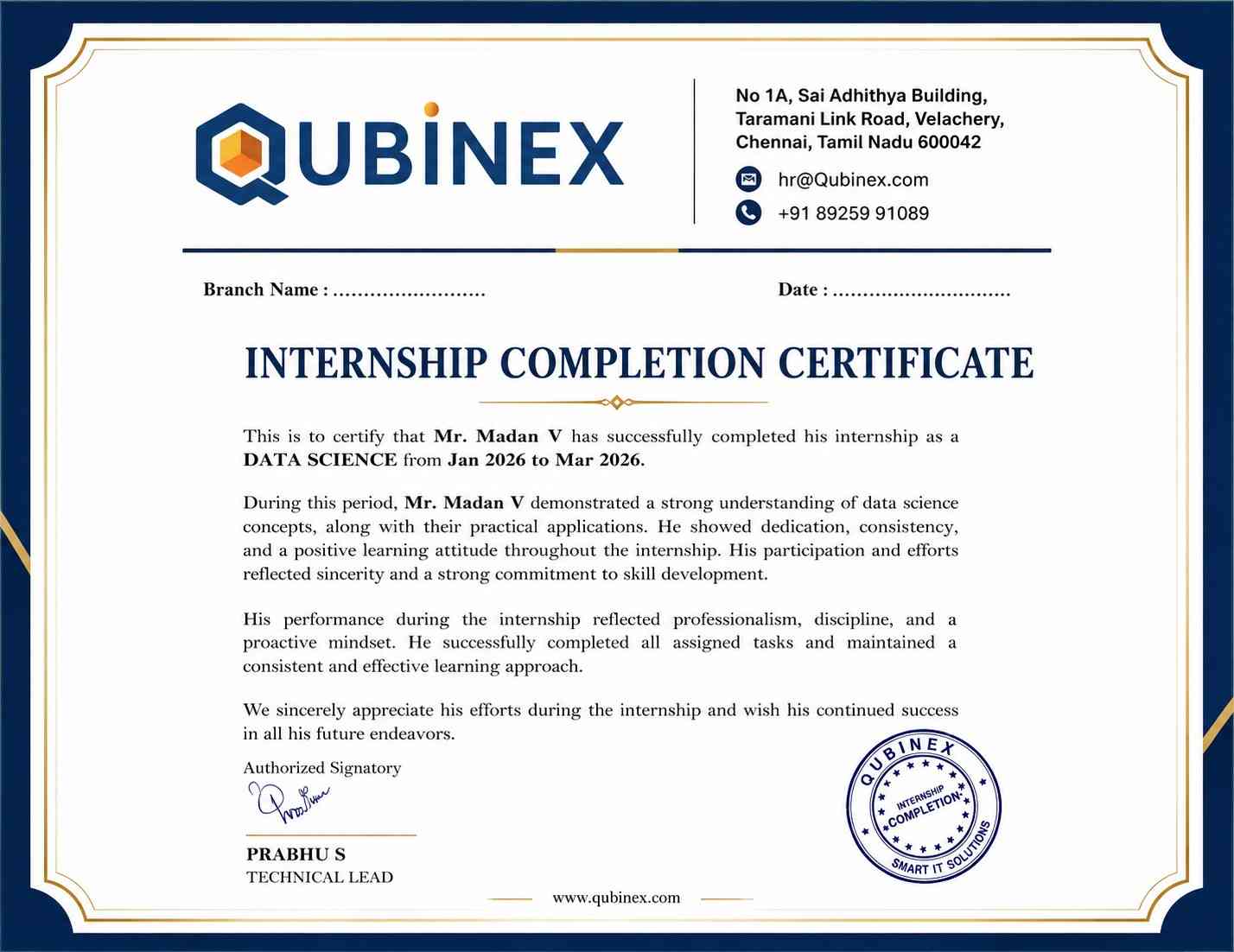
Intership
complete certification
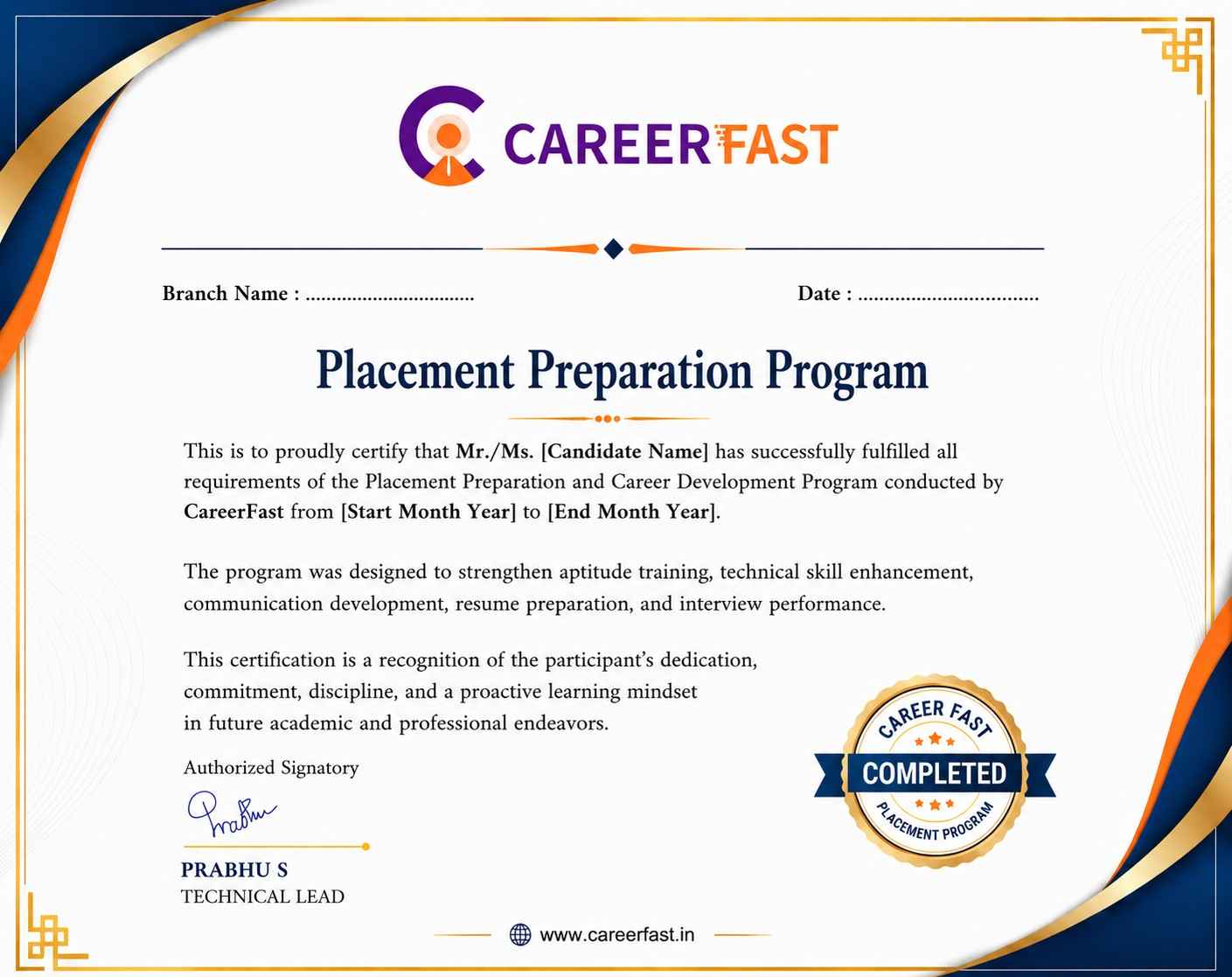
Placement
complete certification

Our learners
transformed their careers

35 Laks
Highest Salary Offered
50%
Average Salary Hike
30K+
Placed in MNC's
15+
Year's in Training
Our Alumni
Alumni

A majority of our alumni

fast-tracked into managerial careers.

Get inspired by their progress in the Career Growth Report.

Our Student Successful Story

checkimage Regular 1:1 Mentorship From Industry Experts checkimage Live Classes checkimage Career Support

How are the Microsoft Dynamics 365 Course with LearnoVita Different?

Feature

LearnoVita

Other Institutes

Affordable Fees

Competitive Pricing With Flexible Payment Options.

Higher Microsoft Dynamics 365 Fees With Limited Payment Options.

Live Class From ( Industry Expert)

Well Experienced Trainer From a Relevant Field With Practical Microsoft Dynamics 365 Training

Theoretical Class With Limited Practical

Updated Syllabus

Updated and Industry-relevant Microsoft Dynamics 365 Course Curriculum With Hands-on Learning.

Outdated Curriculum With Limited Practical Training.

Hands-on projects

Real-world Microsoft Dynamics 365 Projects With Live Case Studies and Collaboration With Companies.

Basic Projects With Limited Real-world Application.

Certification

Industry-recognized Microsoft Dynamics 365 Certifications With Global Validity.

Basic Microsoft Dynamics 365 Certifications With Limited Recognition.

Placement Support

Strong Placement Support With Tie-ups With Top Companies and Mock Interviews.

Basic Placement Support

Industry Partnerships

Strong Ties With Top Tech Companies for Internships and Placements

No Partnerships, Limited Opportunities

Batch Size

Small Batch Sizes for Personalized Attention.

Large Batch Sizes With Limited Individual Focus.

Additional Features

Lifetime Access to Microsoft Dynamics 365 Course Materials, Alumni Network, and Hackathons.

No Additional Features or Perks.

Training Support

Dedicated Mentors, 24/7 Doubt Resolution, and Personalized Guidance.

Limited Mentor Support and No After-hours Assistance.

```html

Microsoft Dynamics 365 CRM Course FAQs

Yes, prospective learners can request a demo to explore the course before registering. Since live classes are organized to support enrolled participants, access to a regular training session may be limited. If a live demonstration is unavailable, you can request a pre-recorded session delivered by the trainer. It offers an overview of the teaching method, course topics, practical exercises, and the learning experience you can expect from the Microsoft Dynamics 365 CRM program.
Microsoft Dynamics 365 CRM sessions are led by trainers with industry exposure and practical knowledge of enterprise applications. LearnoVita instructors typically bring 9 to 12 years of IT experience, helping learners understand CRM concepts through relevant business examples. Their guidance covers areas such as customer data management, sales processes, service operations, workflow configuration, and reporting, connecting the course concepts with tasks performed in professional environments.
  • LearnoVita provides career guidance to help learners explore relevant job openings, improve their applications, and prepare for recruitment opportunities related to Microsoft Dynamics 365 CRM.
  • Eligible learners who complete the program may receive placement assistance, including guidance on suitable roles and preparation for employer selection processes.
  • The Placement Cell helps learners prepare for opportunities with organizations such as Accenture, IBM, TCS, Infosys, Wipro, Cognizant, Capgemini, HCLTech, Tech Mahindra, and Deloitte, subject to available openings and employer requirements.
  • Career support is intended to help learners explore opportunities in India and international markets, depending on their qualifications, experience, technical skills, and job availability.
  • Resume development, mock interviews, communication practice, and interview preparation sessions help learners present their Microsoft Dynamics 365 CRM knowledge more effectively.
  • The student portal provides access to available job updates, course resources, recorded sessions, training videos, and interview preparation materials.
Learners who successfully finish the training receive a LearnoVita course completion certificate. Those planning to pursue Microsoft credentials related to Dynamics 365 can also seek guidance on relevant certification pathways, exam objectives, and preparation methods. Vendor certification requirements and examinations are separate from the course completion certificate and should be checked against the current Microsoft certification guidelines.
Yes, practical activities and project-based exercises help learners apply CRM concepts to business requirements. Training may cover customer record management, sales pipeline configuration, service processes, automated workflows, dashboards, and reporting. Working through these exercises helps participants understand how Microsoft Dynamics 365 CRM supports customer engagement and business operations while building practical skills that can be demonstrated during interviews and workplace assignments.
LearnoVita offers different learning arrangements to accommodate varied schedules and learning preferences. Available options may include instructor-led online classes, classroom sessions, self-paced learning, one-to-one training, fast-track programs, and customized corporate training. Learners can enquire about the current schedule, delivery mode, course duration, and batch availability before selecting the format that best matches their learning goals and professional commitments.
If you are unable to attend a scheduled session, contact the training team to learn about the available catch-up options. Depending on the course schedule and access arrangements, you may be able to review class recordings, presentations, and supporting learning resources, or discuss attending the missed topic with another batch. These options can help you follow the syllabus and continue practising important CRM concepts without losing track of your progress.
For details about the Microsoft Dynamics 365 CRM syllabus, fees, upcoming batches, training schedules, or registration, contact the LearnoVita team at contact@learnovita.com. The team can help clarify course-related queries and explain the available training arrangements so you can review the program details before enrolling.
To register, visit the LearnoVita website and enquire about the Microsoft Dynamics 365 CRM course, or contact the team for assistance with enrollment. You can request information about available batches, course fees, learning formats, and the syllabus before confirming your registration. If you prefer direct assistance, you can also enquire about visiting a LearnoVita branch to discuss the available training options.
Enrolled learners can use the student portal to access the course resources made available as part of their training. These may include learning notes, training videos, class recordings, practical references, and interview preparation materials. Online access makes it easier to revisit topics such as CRM configuration, customer data, workflows, and reporting, helping learners reinforce their understanding and practise between scheduled sessions.
LearnoVita aims to maintain manageable training batches so participants can interact with the instructor, discuss questions, and follow practical demonstrations. The batch size may vary according to the training format and schedule. Contact the team to confirm the current intake for your preferred batch and whether a smaller group or individual training arrangement is available for the Microsoft Dynamics 365 CRM course.
Compensation for Microsoft Dynamics 365 CRM professionals depends on experience, technical knowledge, specialization, employer, location, and responsibilities. Entry-level candidates may begin in junior CRM support, administration, or consulting roles, while experienced professionals may progress into developer, functional consultant, or solution architect positions. For a realistic salary estimate, compare current job listings for your target role and experience level rather than relying on a single average figure.
view More view Less
Career Assistance
  • Build a Powerful Resume for Career Success
  • Get Trainer Tips to Clear Interviews
  • Practice with Experts: Mock Interviews for Success
  • Crack Interviews & Land Your Dream Job
100% JOB GUARANTEE

Global Quality Training
At The Lowest Fees & Expert Trainer

AVAILABLE IN:
India Canada USA Singapore UAE Australia EU Germany

Need custom pricing?

4.9/5 from 50k+ students
Acte Technologies WhatsApp
Call Us! Chat With Us