

- Agile Sprint Planning | Everything You Need to Know
- What is Project Management Process ? : A Complete Guide
- What is Lean Management? : A Complete Guide
- What is ITIL ? Know about the Framework
- What is Six Sigma?| Know the tools used
- What is Kanban Training?|Know more about it
- Project Management Tools and Techniques : A Complete Guide
- What is Project Management? Everything You need to Know | Salary for the role
- Srum Org Certification? All you need to know about it
- MS Project Certification | All you need to know
- What is Project Manager? Know about the salary
- Six Sigma Certification Cost | Know all details about it
- Difference Between PMO and Project Manager? | Expert’s Top Picks
- What are Project Management Tools | Its Techniques | Everything You Need to Know
- What is Agile |Its Methodology and Types | How to Implement [ OverView ]
- What is a Product Roadmap? | How to Create one | A Complete Guide with Best Practices
- Scrum vs Kanban | Agile at Scale | New Agile BenchMark
- How to Effectively Manage Stakeholders | A Complete Guide For Beginners with Experts Top Picks
- What is Scaled Agile Framework (SAFe) | The Leading Framework For Business Agility | Everything You Need to Know
- How to Become a Project Manager | A Definitive Guide with Best Practices
- Time Management Tools to Help You Succeed as a Professional | Expert’s Top Picks
- Top 10 Tips for Agile Sprint Planning To Implement Efficient Marketing | Step-By-Step Process with REAL-TIME Examples
- What is ICP-ACC (ICAgile Certified Agile Coaching)? | A Definitive Guide with Best Practices [ OverView ]
- How To Run An Effective Agile Retrospective-Agile management | Everything You Need to Know
- What Skills Does One Acquire After The PMP Certification?
- A Definitive Guide: Most Effective and Proven Time Management Techniques [ OverView ]
- What Gaps I Filled After CSM Certification For my Scrum Project? [ OverView ]
- How to Create A Plan And Manage Your Projects Better?: Step-By-Step Process [ OverView ]
- What is User Story Mapping? : A Complete Guide with Best Practices
- What is Design Thinking ? : Benefits and Special Features | A Definitive Guide with Best Practices
- What is the Capability Maturity Model (CMM) [ For Freshers and Experience ]
- What is Sprint Planning ? | A Definitive Guide | Step-By-Step Process with REAL-TIME Examples
- What is Total Productive Maintenance (TPM) and How Does It Help in Equipment Effectiveness [ OverView ]
- What are Agile Metrics ? : A Complete Guide For Beginners [ OverView ]
- What is Agile Marketing and Why Do You Need It | Step-By-Step Process with REAL-TIME Examples
- Why is Retrospection Needed? : A Complete Guide For Beginners [ OverView ]
- Developing Project Schedule : Role of Float, Leads, and Lags [ OverView ]
- Project Life Cycle vs Product Life Cycle | Know Their Differences and Which Should You Learn?
- Projects in Business Environments | A Complete Guide For Beginners [ OverView ]
- What is Business Agility ? and Why is it Important ? Expert’s Top Picks
- The Most Important Benefits of Blended Learning | A Complete Guide For Beginners
- Can Business Analyst be a Project Manager? : Expert’s Top Picks
- Why A PMO Is Second In Line To A Project Manager ? | Expert’s Top Picks
- Devops vs Waterfall | A Definitive Guide and Which Should You Learn?
- Jira vs Trello | Know Their Differences and Which Should You Learn?
- Key Values and Principles Behind the Agile Manifesto | A Definitive Guide
- What are Scrum Ceremonies : The Ultimate Guide with Expert’s Top Picks
- Business Analyst vs Financial Analyst | Know Their Differences and Which Role is Better ?
- Learn Burndown Charts With Jira : Comprehensive Guide [ For Freshers and Experience ]
- What Is Scrum XP? : Step-By-Step Process with REAL-TIME Examples
- Phases of Project Management | Step-By-Step Process | Expert’s Top Picks
- Project Manager Salary in India – How much does a PM earn? [ Job & Future ]
- Why Do Scrum Masters Get Paid so Much? [For Freshers and Experience]
- What Best Describes a Scrum Team? All you need to know [ OverView ]
- JIRA vs TFS | Differences and Which Should You Learn?
- Anti-patterns of a Scrum Master : Step-By-Step Process
- SCM Tools and Frameworks | A Complete Guide with Best Practices
- Stages of Team Development | Everything You Need to Know
- Project Management Consultant : Job Description, Skills Required | Everything You Need to Know
- CSM vs PSM : Difference You Should Know
- Top Characteristics of a Project Manager : Expert’s Top Picks
- Roles And Responsibilities Of A Product Owner : Everything You Need to Know
- Common Project Risks and How to Tackle Them | Expert’s Top Picks
- Benefits of Having Shorter Sprints in Agile – Everything You Need to Know
- Group Discussion Tips | A Complete Guide with Best Practices
- PMP Certification Cost : All you need to know
- DMAIC Process and Methods | All you need to know [ OverView ]
- Agile Scrum Vs Kanban | Know the difference
- Deming vs Juran vs Crosby
- What is Project Scope Management and Why It’s Important?
- The Basic Principles of Project Management
- Top PMP Exam Questions and Answers for 2020
- Risk Management Strategies
- Roles and Responsibilities of A Scrum Master
- ROM Estimate Vs Definitive Estimate
- Guidelines for Creating and Maintaining a WBS Dictionary
- How to Become a Certified ScrumMaster?
- Top Professional Skills for 2020
- Fast Tracking Vs Crashing
- PMP Vs PRINCE2 Vs CAPM
- PMP Earned Value Management (EVM) And Formulas
- What is Certified Scrum Professional (CSM)?
- Top Leadership Theories Every Manager Should Know
- What is Deliverables in Project Management?
- How To Prepare For TOEFL
- History and evolution of the PMP Certification
- What Is Float In Microsoft Project?
- Rules to set you up for success in project
- What is Scrum Project Management?
- What Is Estimating Activity Duration in Project Management?
- What Are The PMP Terminologies Relating To Cost Knowledge Area?
- What is Project Scope Management processes?
- What Are The Types of Organization In PMP?
- Books to Beat the Scrum Master Certification
- Agile Coach Vs Agile Consultant
- What is the cost of quality in project management?
- Signs Your Career May Be Stagnation and Tips to Overcome Downturn
- Certified ScrumMaster (CSM) Certification
- Lean Six Sigma Black Belt Certification
- What is schedule Activity in project management?
- Why Do We Need a Project Charter?
- PMP Certification Exam Preparation Mind Map
- Why Quality Professionals Should Use Infographics In Project Management?
- Role of Earned Value Technique in Project Management
- What is Project Quality Management?
- Tools and Techniques to Estimate Project Cost
- What is a Project Charter And Project Scope in Project Management?
- Why Should You Conduct Project Status Meetings with Your Team?
- The 7 R’s of Change Management
- What Are The Categories and sources of risk in your project?
- What Is a Network Diagram in Project Management?
- What are The Types of Contracts In PMP?
- Residual Risk Vs Secondary Risk
- Impact of the stakeholders on the projects
- Effort Vs Duration Vs Elapsed Time
- Agile vs Scrum
- What Is Six Sigma Quality Assurance?
- How to Close a Project?
- What Qualifications Do You Need to be a Project Manager?
- Project Management Vs General Operations Management
- Enterprise Environmental Factors & Organizational Process Assets
- What is a project manager?
- Important Questions for PMP Certification Exam
- How is the PMP Exam changing, in 2015 & 2020?
- How To Renew Your PMP Certification?
- The Importance of Having Project Acceptance Criteria in Your Projects
- Tips for PMP Exam Preparation
- What is requirement traceability matrix RTM in Project Management?
- Poor Performance Appraisal? Here are the tips to turn any negative feedback into positive.
- How to build a successful Career in Agile and Scrum?
- Importance of Tuckman ladder model in HR management
- How To Apply For The PMP® Exam In Easy Steps
- How to Write a Six Sigma Problem Statement
- What is a lessons learned document in PMI?
- Perform Quality Assurance Vs Perform Quality Control
- How to Improve Quality Management Consistently?
- Interactive Vs Push Vs Pull Communication
- what is risk management?
- Key Appraisal Questions to Prepare For
- What are the MSP Certifications?
- What Is A Six Sigma Control Plan?
- How to Create a Project Plan in Excel?
- Agile Prioritization Techniques
- Tips to Help Millennials Climb the Corporate Ladder
- What is an Issue Log?
- Advantages of PMP over MBA
- Top Successful Project Estimation Techniques
- PMP Examination Preparation – ITTO’s
- Employee Training Rewards That Actually Improve Learning
- Lean principles
- What Does It Take to Become a Successful Agile Coach
- Projects VS Programs
- The Role of Six Sigma in Manufacturing
- The Top Formulas to Memorize Before Your PMP Exam
- Roadmap to CSM (Certified Scrum Master) Certification
- What are Some Qualities of a Good Manager and Good Leader?
- How to Handle Project Monitoring and Controlling Processes?
- Top Free Agile Tools For Any Project Manager
- Risk Assessment in Project Management
- The Concept of Zero Defects in Quality Management
- The Importance of Work Packages in Project Scope Management
- How to Get Project Management Experience for PMP Certification
- Different Ways to Calculate the Estimate at Completion (EAC)
- What Is a ScrumMaster?
- What is Risk Register?
- Agile Certifications
- Top-down Approach Vs Bottom-up Approach
- Leadership Vs Management
- What is Feasibility Study and Its Importance in Project Management?
- What Is a Project Management Plan?
- The Professional Advantages of the CAPM Certification
- PRINCE2 Vs PMP
- Rita Mulcahy’s PMP Prep and PMBOK® Guide
- What is Project Cycle Management?
- What is Project and Process Metrics?
- PMBOK® Sixth Edition is Here! What Project Managers Should Know?
- CAPM Certification
- Top Project Selection Methods for Project Managers
- Free Float Vs Total Float
- What is Critical Chain Project Management?
- How to Build a Career in Project Management?
- Scrum Master or Product Owner: What Suits You Better?
- Project Documentation and its Importance
- What is Performance Reporting in the Project Management?
- Top Highest Paying Tech Jobs in India
- Agile Sprint Planning | Everything You Need to Know
- What is Project Management Process ? : A Complete Guide
- What is Lean Management? : A Complete Guide
- What is ITIL ? Know about the Framework
- What is Six Sigma?| Know the tools used
- What is Kanban Training?|Know more about it
- Project Management Tools and Techniques : A Complete Guide
- What is Project Management? Everything You need to Know | Salary for the role
- Srum Org Certification? All you need to know about it
- MS Project Certification | All you need to know
- What is Project Manager? Know about the salary
- Six Sigma Certification Cost | Know all details about it
- Difference Between PMO and Project Manager? | Expert’s Top Picks
- What are Project Management Tools | Its Techniques | Everything You Need to Know
- What is Agile |Its Methodology and Types | How to Implement [ OverView ]
- What is a Product Roadmap? | How to Create one | A Complete Guide with Best Practices
- Scrum vs Kanban | Agile at Scale | New Agile BenchMark
- How to Effectively Manage Stakeholders | A Complete Guide For Beginners with Experts Top Picks
- What is Scaled Agile Framework (SAFe) | The Leading Framework For Business Agility | Everything You Need to Know
- How to Become a Project Manager | A Definitive Guide with Best Practices
- Time Management Tools to Help You Succeed as a Professional | Expert’s Top Picks
- Top 10 Tips for Agile Sprint Planning To Implement Efficient Marketing | Step-By-Step Process with REAL-TIME Examples
- What is ICP-ACC (ICAgile Certified Agile Coaching)? | A Definitive Guide with Best Practices [ OverView ]
- How To Run An Effective Agile Retrospective-Agile management | Everything You Need to Know
- What Skills Does One Acquire After The PMP Certification?
- A Definitive Guide: Most Effective and Proven Time Management Techniques [ OverView ]
- What Gaps I Filled After CSM Certification For my Scrum Project? [ OverView ]
- How to Create A Plan And Manage Your Projects Better?: Step-By-Step Process [ OverView ]
- What is User Story Mapping? : A Complete Guide with Best Practices
- What is Design Thinking ? : Benefits and Special Features | A Definitive Guide with Best Practices
- What is the Capability Maturity Model (CMM) [ For Freshers and Experience ]
- What is Sprint Planning ? | A Definitive Guide | Step-By-Step Process with REAL-TIME Examples
- What is Total Productive Maintenance (TPM) and How Does It Help in Equipment Effectiveness [ OverView ]
- What are Agile Metrics ? : A Complete Guide For Beginners [ OverView ]
- What is Agile Marketing and Why Do You Need It | Step-By-Step Process with REAL-TIME Examples
- Why is Retrospection Needed? : A Complete Guide For Beginners [ OverView ]
- Developing Project Schedule : Role of Float, Leads, and Lags [ OverView ]
- Project Life Cycle vs Product Life Cycle | Know Their Differences and Which Should You Learn?
- Projects in Business Environments | A Complete Guide For Beginners [ OverView ]
- What is Business Agility ? and Why is it Important ? Expert’s Top Picks
- The Most Important Benefits of Blended Learning | A Complete Guide For Beginners
- Can Business Analyst be a Project Manager? : Expert’s Top Picks
- Why A PMO Is Second In Line To A Project Manager ? | Expert’s Top Picks
- Devops vs Waterfall | A Definitive Guide and Which Should You Learn?
- Jira vs Trello | Know Their Differences and Which Should You Learn?
- Key Values and Principles Behind the Agile Manifesto | A Definitive Guide
- What are Scrum Ceremonies : The Ultimate Guide with Expert’s Top Picks
- Business Analyst vs Financial Analyst | Know Their Differences and Which Role is Better ?
- Learn Burndown Charts With Jira : Comprehensive Guide [ For Freshers and Experience ]
- What Is Scrum XP? : Step-By-Step Process with REAL-TIME Examples
- Phases of Project Management | Step-By-Step Process | Expert’s Top Picks
- Project Manager Salary in India – How much does a PM earn? [ Job & Future ]
- Why Do Scrum Masters Get Paid so Much? [For Freshers and Experience]
- What Best Describes a Scrum Team? All you need to know [ OverView ]
- JIRA vs TFS | Differences and Which Should You Learn?
- Anti-patterns of a Scrum Master : Step-By-Step Process
- SCM Tools and Frameworks | A Complete Guide with Best Practices
- Stages of Team Development | Everything You Need to Know
- Project Management Consultant : Job Description, Skills Required | Everything You Need to Know
- CSM vs PSM : Difference You Should Know
- Top Characteristics of a Project Manager : Expert’s Top Picks
- Roles And Responsibilities Of A Product Owner : Everything You Need to Know
- Common Project Risks and How to Tackle Them | Expert’s Top Picks
- Benefits of Having Shorter Sprints in Agile – Everything You Need to Know
- Group Discussion Tips | A Complete Guide with Best Practices
- PMP Certification Cost : All you need to know
- DMAIC Process and Methods | All you need to know [ OverView ]
- Agile Scrum Vs Kanban | Know the difference
- Deming vs Juran vs Crosby
- What is Project Scope Management and Why It’s Important?
- The Basic Principles of Project Management
- Top PMP Exam Questions and Answers for 2020
- Risk Management Strategies
- Roles and Responsibilities of A Scrum Master
- ROM Estimate Vs Definitive Estimate
- Guidelines for Creating and Maintaining a WBS Dictionary
- How to Become a Certified ScrumMaster?
- Top Professional Skills for 2020
- Fast Tracking Vs Crashing
- PMP Vs PRINCE2 Vs CAPM
- PMP Earned Value Management (EVM) And Formulas
- What is Certified Scrum Professional (CSM)?
- Top Leadership Theories Every Manager Should Know
- What is Deliverables in Project Management?
- How To Prepare For TOEFL
- History and evolution of the PMP Certification
- What Is Float In Microsoft Project?
- Rules to set you up for success in project
- What is Scrum Project Management?
- What Is Estimating Activity Duration in Project Management?
- What Are The PMP Terminologies Relating To Cost Knowledge Area?
- What is Project Scope Management processes?
- What Are The Types of Organization In PMP?
- Books to Beat the Scrum Master Certification
- Agile Coach Vs Agile Consultant
- What is the cost of quality in project management?
- Signs Your Career May Be Stagnation and Tips to Overcome Downturn
- Certified ScrumMaster (CSM) Certification
- Lean Six Sigma Black Belt Certification
- What is schedule Activity in project management?
- Why Do We Need a Project Charter?
- PMP Certification Exam Preparation Mind Map
- Why Quality Professionals Should Use Infographics In Project Management?
- Role of Earned Value Technique in Project Management
- What is Project Quality Management?
- Tools and Techniques to Estimate Project Cost
- What is a Project Charter And Project Scope in Project Management?
- Why Should You Conduct Project Status Meetings with Your Team?
- The 7 R’s of Change Management
- What Are The Categories and sources of risk in your project?
- What Is a Network Diagram in Project Management?
- What are The Types of Contracts In PMP?
- Residual Risk Vs Secondary Risk
- Impact of the stakeholders on the projects
- Effort Vs Duration Vs Elapsed Time
- Agile vs Scrum
- What Is Six Sigma Quality Assurance?
- How to Close a Project?
- What Qualifications Do You Need to be a Project Manager?
- Project Management Vs General Operations Management
- Enterprise Environmental Factors & Organizational Process Assets
- What is a project manager?
- Important Questions for PMP Certification Exam
- How is the PMP Exam changing, in 2015 & 2020?
- How To Renew Your PMP Certification?
- The Importance of Having Project Acceptance Criteria in Your Projects
- Tips for PMP Exam Preparation
- What is requirement traceability matrix RTM in Project Management?
- Poor Performance Appraisal? Here are the tips to turn any negative feedback into positive.
- How to build a successful Career in Agile and Scrum?
- Importance of Tuckman ladder model in HR management
- How To Apply For The PMP® Exam In Easy Steps
- How to Write a Six Sigma Problem Statement
- What is a lessons learned document in PMI?
- Perform Quality Assurance Vs Perform Quality Control
- How to Improve Quality Management Consistently?
- Interactive Vs Push Vs Pull Communication
- what is risk management?
- Key Appraisal Questions to Prepare For
- What are the MSP Certifications?
- What Is A Six Sigma Control Plan?
- How to Create a Project Plan in Excel?
- Agile Prioritization Techniques
- Tips to Help Millennials Climb the Corporate Ladder
- What is an Issue Log?
- Advantages of PMP over MBA
- Top Successful Project Estimation Techniques
- PMP Examination Preparation – ITTO’s
- Employee Training Rewards That Actually Improve Learning
- Lean principles
- What Does It Take to Become a Successful Agile Coach
- Projects VS Programs
- The Role of Six Sigma in Manufacturing
- The Top Formulas to Memorize Before Your PMP Exam
- Roadmap to CSM (Certified Scrum Master) Certification
- What are Some Qualities of a Good Manager and Good Leader?
- How to Handle Project Monitoring and Controlling Processes?
- Top Free Agile Tools For Any Project Manager
- Risk Assessment in Project Management
- The Concept of Zero Defects in Quality Management
- The Importance of Work Packages in Project Scope Management
- How to Get Project Management Experience for PMP Certification
- Different Ways to Calculate the Estimate at Completion (EAC)
- What Is a ScrumMaster?
- What is Risk Register?
- Agile Certifications
- Top-down Approach Vs Bottom-up Approach
- Leadership Vs Management
- What is Feasibility Study and Its Importance in Project Management?
- What Is a Project Management Plan?
- The Professional Advantages of the CAPM Certification
- PRINCE2 Vs PMP
- Rita Mulcahy’s PMP Prep and PMBOK® Guide
- What is Project Cycle Management?
- What is Project and Process Metrics?
- PMBOK® Sixth Edition is Here! What Project Managers Should Know?
- CAPM Certification
- Top Project Selection Methods for Project Managers
- Free Float Vs Total Float
- What is Critical Chain Project Management?
- How to Build a Career in Project Management?
- Scrum Master or Product Owner: What Suits You Better?
- Project Documentation and its Importance
- What is Performance Reporting in the Project Management?
- Top Highest Paying Tech Jobs in India

What is Feasibility Study and Its Importance in Project Management?
Last updated on 30th Sep 2020, Artciles, Blog, Project Management
 (5.0) | 16547 Ratings 2362
 Introduction
We must always consider certain important factors before selecting or initiating a project in any industry. We call this a Feasibility Study for a project. It helps the organization to decide whether to start or reject the project.
What is the Feasibility Study?
It analyses whether the project aligns with the following factors of the performing business:
- 1. Goals and Objectives
- 2. Governance
- 3. Standards
- 4. Vision and Mission
- 5. Project
- 6. Program
- 7. Portfolio
- 8. Operations Management
- 9. Enterprise Environmental Factors
- 10. Organisational Process Assets
Subscribe For Free Demo
Error: Contact form not found.
It also analyses whether the project meets the goals and objectives of:
- Project Sponsors
- End Users
- Customers
- Expert Judgment
- Stakeholders
When should we do a feasibility study of a project?
It happens during various stages of the project:
- Before submitting the response to the Proposal / Bid / Quotation / Tender Notice of the project.
- Before the initiation of the Project.
- While deciding to make or buy the product, services, and results.
Exploring the different areas of Feasibility Study
The feasibility study of a performing organization revolves around analyzing the feasibility of some of these areas:
- 1. Vision & Mission
- 2. Project Management
- 3. Program Management
- 4. Operations Management
- 5. Portfolio Management
- 6. Organizational Project Management, Strategy, and Governance
- 7. Enterprise Environmental Factors
- 8. Organizational Process Assets
- 9. Technology Considerations
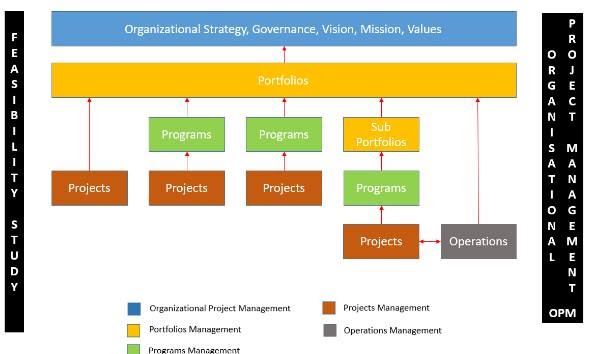
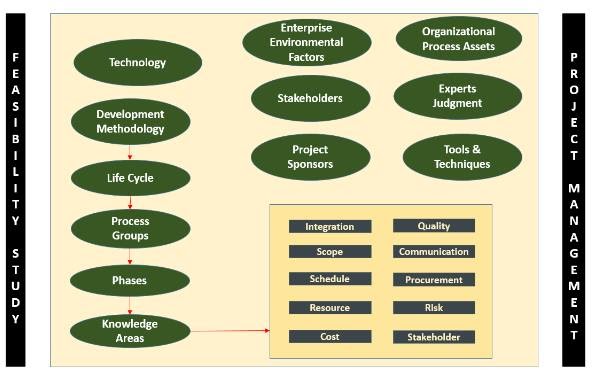
The different areas around which we conduct the feasibility study in a project during Project Management include:
- 1. Integration Management
- 2. Scope Management
- 3. Schedule or Time Management
- 4. Resource Management
- 5. Cost Management
- 6. Quality Management
- 7. Communication Management
- 8. Risk Management
- 9. Procurement Management
- 10. Stakeholder Management
These areas of feasibility study also involve other various entities of the organization, namely:
- Stakeholders
- Experts
- End Users
- Customers
- Project Sponsors
How to judge the need for a feasibility study in a project?
The Feasibility Study of a project helps the organization, project sponsors, customers, end-users, experts and stakeholders to predict the possible outcomes before initiating the project. Feasibility study helps them to decide whether to start or reject the project.
Steps to build a feasibility study in your project
Feasibility Study of the project must meet the goals and objectives of these aspects of a project:
a) Mission and Vision of an Organization:
A mission statement defines the goals and objectives of an organization. A vision statement defines the current and the desired position for the organization. The statements of Mission and Vision represent the purpose, values, goals, and objectives of an organization.
b) Project Management:
It deals with the knowledge, skills, processes, tools, and techniques applied to the activities of a project. It focuses on the interdependencies within a project.
The feasibility study with regard to the project management helps to:
- 1. Achieve the objectives of the business.
- 2. Meet the expectations of the stakeholders.
- 3. Predict the outcomes.
- 4. Increase the probabilities of success.
- 5. Deliver the acceptable products on time.
- 6. Provide resolution to the issues.
- 7. Closes all the risks on time.
- 8. Optimise the resources through resource leveling and smoothing.
- 9. Execute the project towards success.
- 10. Manage changes through the implementation of Change Control Procedures (CCP).
- 11. Manage Triple Constraints.
The feasibility study in project management revolves around various phases and components of the project management processes, these include.
I) Project Life Cycle:
A project life cycle is the series of phases that a project passes through from its initiation to its completion. It provides the basic framework for managing the project. This basic framework applies regardless of the specific project work involved. The phases may be sequential, iterative or overlapping.
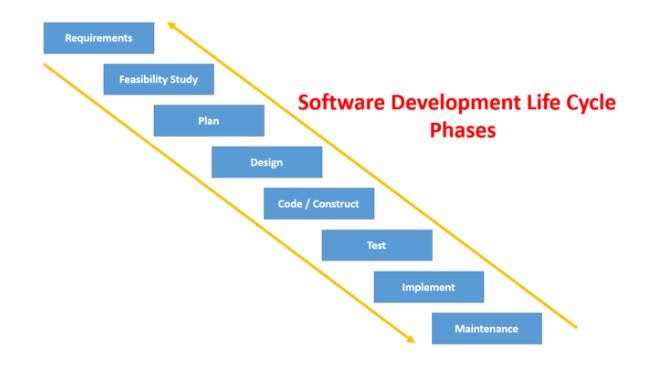
II) Development Life Cycle:
It contains phases within a project life cycle for the development of the products, services or results. It can be a predictive, iterative, incremental, adaptive or hybrid model.
III) Project Phases:
A project consists of distinct phases. The project phases include:
- 1. Concept Development
- 2. Feasibility Study
- 3. Customer Requirements
- 4. Solution Development
- 5. Design
- 6. Prototype
- 7. Building
- 8. Testing
- 9. Transition
- 10. Commissioning
- 11. Milestone Review
- 12. Lessons Learned
IV) Project Management Process Groups:
It consists of project management processes required to achieve specific objectives of the project. Process Groups are independent of project phases. There are five Project Management Process Groups:
- Initiating Process Groups
- Planning Process Groups
- Executing Process Groups
- Monitoring and Controlling Process Groups
- Closing Process Groups

Get Experts Curated PMP Training with Industry Trends Concepts
- Instructor-led Sessions
- Real-life Case Studies
- Assignments
V) Project Management Knowledge Areas:
There are ten major knowledge areas for managing the project:
- 1. Project Integration Management
- 2. Project Scope Management
- 3. Project Schedule Management
- 4. Project Cost Management
- 5. Project Quality Management
- 6. Project Resource Management
- 7. Project Communications Management
- 8. Project Risk Management
- 9. Project Procurement Management
- 10. Project Stakeholder Management
VI) Tools and Techniques:
These include the resources that process the inputs and transform them into the desired outputs.
Project Management Knowledge Areas use the following tools and techniques:
- Data Gathering Techniques
- Data Analysis Techniques
- Data Representation Techniques
- Decision-Making Techniques
- Communication Skills
- Interpersonal and Team Skills
- Ungrouped Tools and Techniques
c) Program Management:
It deals with the knowledge, skills, and principles applied to the activities in a program. It focuses on the interdependencies between projects and programs.
d) Portfolio Management:
It deals with managing the projects, programs, subsidiary portfolios, and operations as a group. Portfolio management helps to achieve the various strategic goals of an organization.
e) Operations Management:
It deals with the ongoing activities of the production of goods and/or services. It ensures smooth functioning of the operations by using the required resources to meet the demands of the customer.
f) Organisational Project Management, Strategy, and Governance:
Organization Project Management (OPM) is a framework of portfolio, program and project management. It helps to achieve the strategic goals and objectives of an organization. Organizational governance deals with the management of people, policies, and processes. It helps to achieve the strategic and operational goals of the organization.
It ensures accountability, fairness, and transparency to its stakeholders. It may influence and impact the governance of projects, programs, and portfolios. Project governance is a framework used to create a unique product, service or result.
g) Enterprise Environmental Factors (EEFs):
It refers to the factors that impact the project but cannot be controlled or managed by the project team. EEFs can be internal or external.
h) Organizational Process Assets (OPAs):
They are various artifacts available in the organization which can be used in the project, for example, Plans, processes, policies, procedures and knowledge bases. These artifacts help to save time and effort in the project by reusing them.
i) Technology Considerations:
We must answer some of these questions in order to evaluate the technology for the project:
- 1. Is the selected technology right for the project?
- 2. Is it capable of handling the functional and non-functional requirements of the project?
- 3. Will it reduce the cost?
- 4. Will it ensure to complete the project on time?
j) Integration Management:
It deals with consolidating and coordinating the results among the knowledge areas to complete the project.
k) Scope Management:
It includes the processes which ensure that the project only includes the required work. It helps to meet the expectations of the customers and ensures the completion of the project results in success.
l )Schedule Management:
It involves the processes required to complete the project on time.
m) Resources Management:
It includes the processes required to manage the resources to complete the project on time.
n) Costs Management:
This involves the processes involved in managing the costs to complete the project within the approved budget.
o) Quality Management:
It consists of the processes that include the quality policy of the organization to meet the quality requirements of the project.
p) Communication Management:
It consists of processes that manage the timely flow of project information amongst the stakeholders.
q) Risks Management:
It involves the processes that help to manage the risks in a project thereby ensuring timely competition of the project.
r) Procurement Management:
It deals with the buying and making of resources or services for the project. This includes the processes to buy the products, services or results from outside the organization. It also consists of processes to make the products, services or results from within the organization. It also involves renting or leasing the resources required for the project.
s) Stakeholder Management:
This involves the processes to identify the people, groups or organizations which could impact the project or get affected by the project.
t) Experts Judgement:
Experts from various fields in project management provide their valuable inputs for the project.
u) End Users:
End users focus and highlight the issues of the existing project. This helps in the enhancement of the project.
v) Project Management Office (PMO):
PMO includes the various structures in an organization which is involved in:
- Managing the project related governance processes.
- Facilitate the sharing of resources, methodologies, tools, and techniques.
There are several types of PMOs in an organization. Based on the degree of the control and their influence, PMOs can fall into any of these three categories:
- Controlling
- Supportive
- Directive
Controlling PMOs provide support and compliance required by the project.
Supportive PMOs acts as a consultant to projects by providing:
- 1. Templates
- 2. Best Practices
- 3. Training
- 4. Access to Information
- 5. Lessons learned from previous projects.
Directive PMOs manage the projects. Project Managers report to directive PMOs.
w) Project Manager:
Project managers interact with the project members and stakeholders to complete their work.
They need the following interpersonal skills to ensure the project results in success:
- Leadership
- Team Building
- Motivation
- Communication
- Influence
- Decision Making
- Political and Cultural Awareness
- Negotiation
- Facilitation
- Manage Conflicts
- Training and Mentoring
How does feasibility study help in resolving organizational issues?
The output of Feasibility Study for Project Management is a Feasibility Study Report (FSR).
FSR includes the following information about the project:
- 1. Introduction
- 2. Background
- 3. Requirements or Scope
- 4. Schedule, Milestones, and Deliverables
- 5. Resources
- 6. Quality
- 7. Cost
- 8. Risks
- 9. Procurement
- 10. Stakeholders
- 11. Alternatives and Options
- 12. Dependencies
- 13. Impediments
- 14. Evaluation of Cost Benefits, Technical Solutions
- 15. Conclusion
- 16. Recommendations
The available information in the Feasibility Study Report (FSR) of the project helps the organization or project sponsors to:
- Predict the scope, time, resources and cost involved to develop the project.
- Manage the risks.
- Manage the stakeholders.
- Resolve the issues.
Advantages of using the feasibility study in Project Management
The advantages of the feasibility study in project management are:
- 1. Helps to meet the objectives of the business.
- 2. Helps to meet the expectations of the stakeholders.
- 3. More predictability about the project.
- 4. Increases the chances of project success.
- 5. Delivers the right products at the right time.
- 6. Resolves problems and issues much earlier.
- 7. Responds to risks on time.
- 8. Optimises the use of organizational resources.
- 9. Helps to identify, recover or stop the failing projects.
- 10. Manages constraints such as scope, quality, schedule, costs, resources)
- 11. Aids in deciding whether to start or cancel the project.
Conclusion
The feasibility study in project management helps the organization and project sponsors to:
- Forecast the nature, size, and complexity of the project.
- Identify the benefits to the organization.
- Verify if the project aligns with the organizational strategy.
- Identify the scope, schedule, resources and cost to develop the project.
- Identify the risks, issues, dependencies, and Impediments.
- Verify if the proposed technology is correct for the project.
- Identify the organizational structure type for the project.
- Start or reject the project.

